No pill or cleanse removes microplastics already in your tissues — the proven strategy is to cut how many you take in. The biggest levers, in order: filter your drinking water and quit bottled water, never heat or store food in plastic, filter your shower water, and clean your indoor air. Your body clears some particles on its own through stool and other routes, so lowering daily intake lets your total burden fall over time. Below are nine steps ordered by how much they actually reduce exposure.
Microplastics are now measured almost everywhere scientists look inside the human body — in blood, lungs, the placenta, and stool. The unsettling part is that there is no medical treatment to pull those particles back out. So the honest question is not "how do I detox them?" but "how do I take in fewer, starting today?"
The good news: exposure is not evenly spread across your life. A handful of everyday sources — unfiltered water, bottled water, food heated in plastic, and indoor dust — account for a large share of what most people ingest and inhale. Fix those, and you cut the inflow dramatically. Here is the plan, ordered by impact.
How we ordered these: steps 1–5 are the changes with the largest measured effect on intake (water and food contact), and each includes a specific product that does the job. Steps 6–9 are lower-cost habit changes that compound. You don't have to do all nine at once — start at the top.
1. Does filtering your tap water actually reduce microplastics?
Yes — and it is the single highest-impact change for most people. Tap water carries microplastics, but a filter rated for particle removal cuts them by 99 percent or more. A hollow fiber membrane pitcher is the easiest start; a reverse osmosis system goes deepest, removing nanoplastics a pitcher can miss.
Not every filter works: standard activated-carbon pitchers are not tested or certified for microplastic removal. You want a hollow fiber membrane or reverse osmosis stage specifically. See our full guide to the best water filters for microplastics for how the technologies compare.
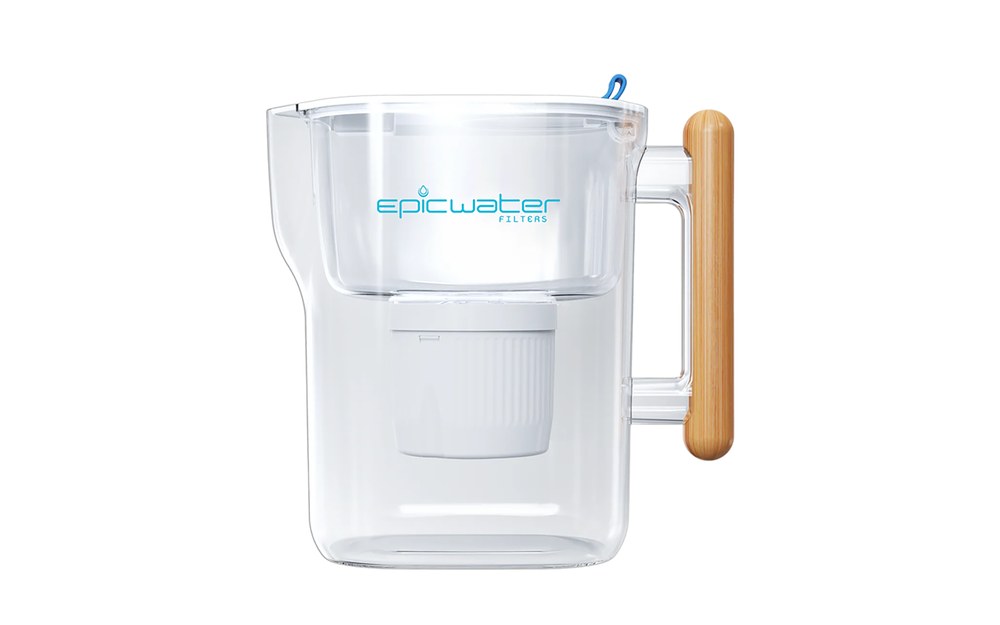 Easiest Start
The clearest evidence on this list: Epic posts its independent lab results publicly, so you can see the 99.9% microplastic-removal data instead of trusting a slogan on the box.
Why it's safe: The hollow fiber membrane physically blocks microplastic particles down to ~1 micron, while the carbon stage handles chlorine, lead, and PFAS — all in a BPA-free Tritan body.
Check Price on Amazon →✓ Ships free with Prime · Free returns · Amazon A-to-z purchase guarantee (on eligible items)
If you want to go beyond a pitcher — or you're on well water or heavily treated municipal supply — a countertop reverse osmosis unit removes the widest range of particles, down to the nanoplastic scale, with no plumbing required.
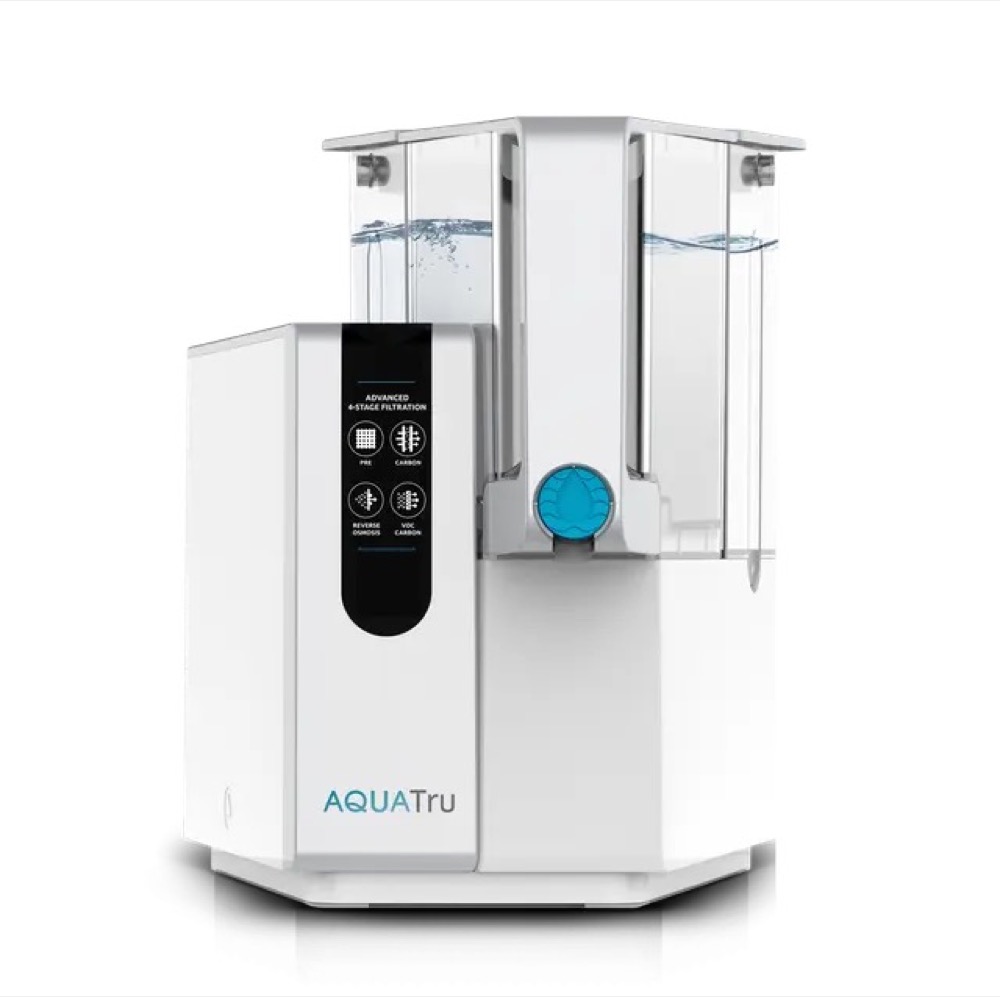 Deepest Removal
Purified RO water on day one — no plumber, no drilling, no under-sink space. Set it on the counter, fill it, and pour.
Why it's safe: A true 0.0001-micron RO membrane plus carbon and VOC stages, independently certified to NSF/ANSI standards to cut microplastics, nanoplastics, PFAS, lead, and arsenic — all in BPA-free housing.
Check Price on Amazon →✓ Ships free with Prime · Free returns · Amazon A-to-z purchase guarantee (on eligible items)
2. Should you stop drinking bottled water?
Yes — bottled water is one of the most concentrated microplastic sources in a typical diet. A 2024 study using new imaging found roughly 240,000 nano- and microplastic particles per liter in popular bottled water, far more than earlier estimates. Filtered tap water in a steel bottle is the lower-exposure choice by a wide margin.
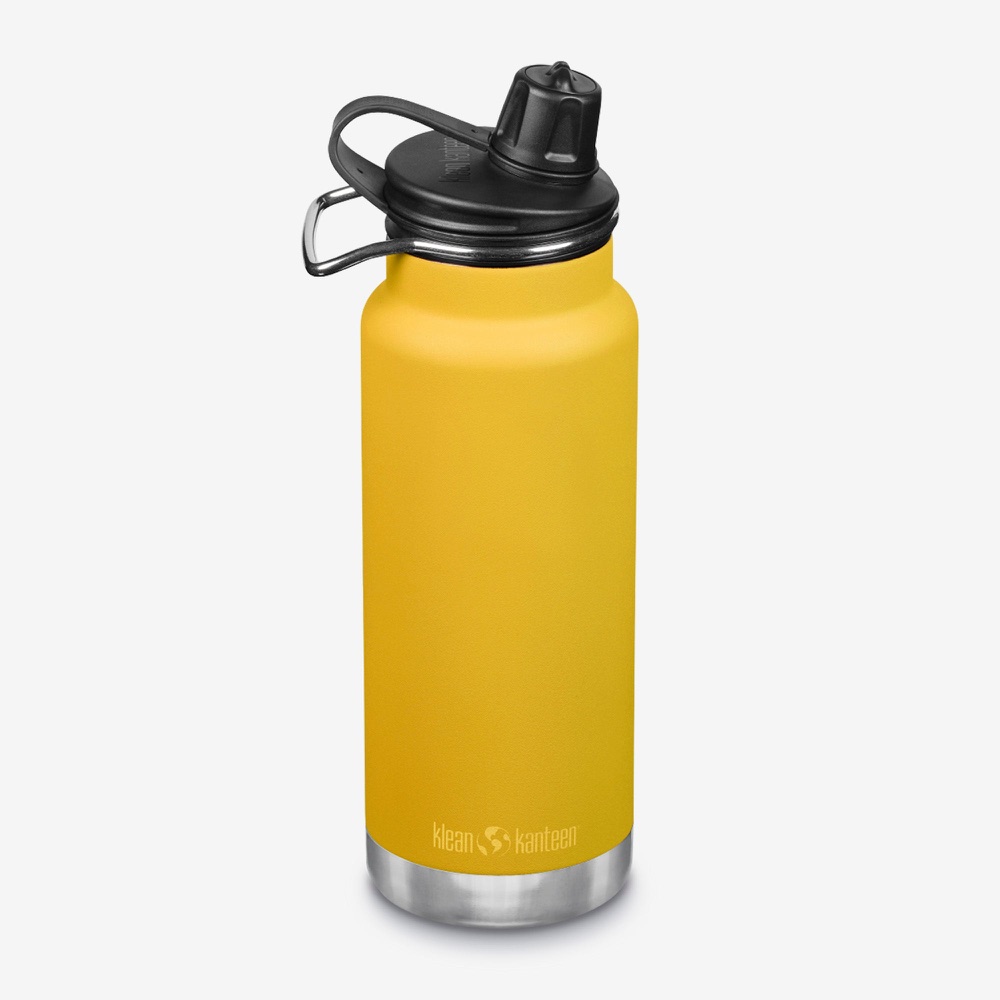
The plastic bottle itself sheds particles, especially when it's warm or has been sitting on a truck or shelf. Switching your daily driver to insulated stainless steel removes plastic from the drinking path entirely. (More on the bottle problem in microplastics in water bottles.)
 Best Bottle Swap
Cold water that's still icy 50 hours later, with no plastic touching your lips — the convenience of an insulated bottle without the plastic spout.
Why it's safe: Food-grade 18/8 stainless steel body and an all-steel Steel Loop Cap — no plastic liner, no leaching, and silicone (a silica-based rubber, not a petroleum plastic) is the only non-metal in the drinking path.
Check Price on Amazon →✓ Ships free with Prime · Free returns · Amazon A-to-z purchase guarantee (on eligible items)
3. Does heating and storing food in plastic raise your intake?
Yes, sharply. Heat and fat both drive plastic to migrate into food, and microwaving is the worst case: University of Nebraska researchers found some containers released billions of nanoplastic and microplastic particles into food per square centimeter of surface. Never microwave in plastic, and store hot or oily food in glass or silicone.
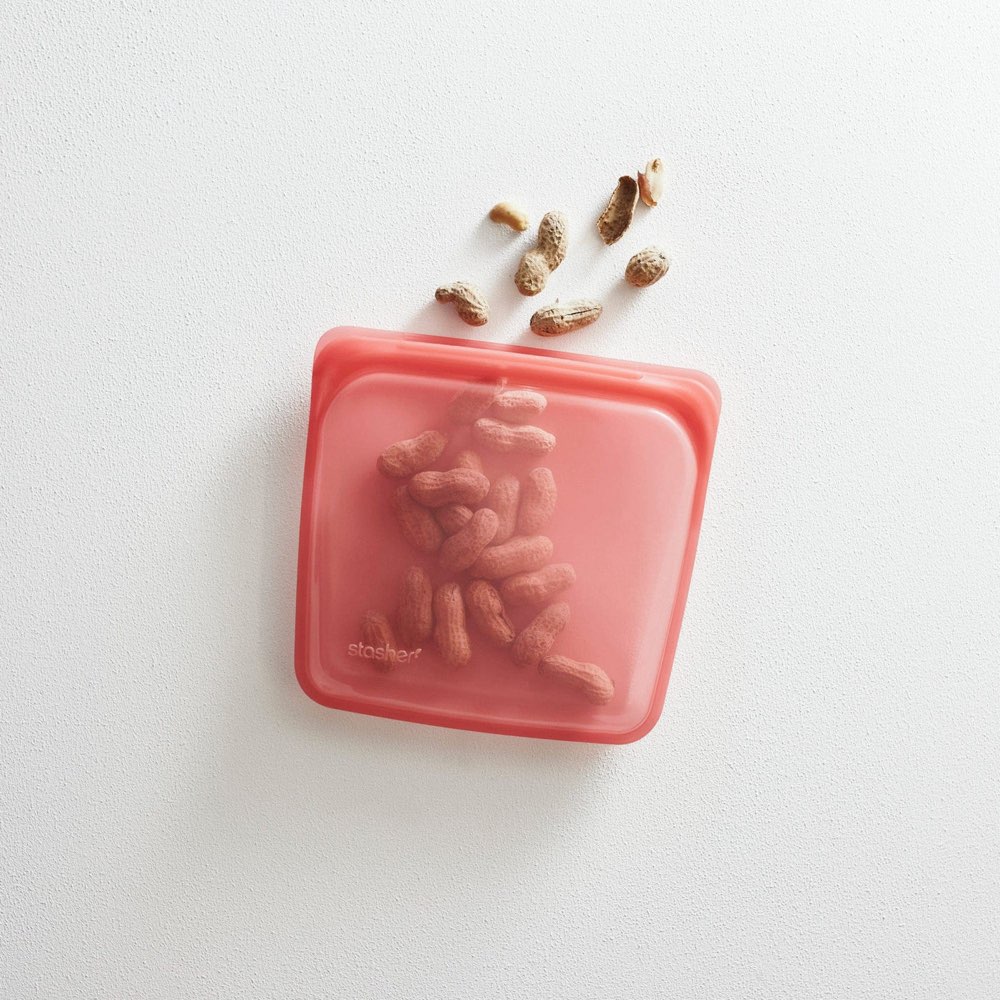
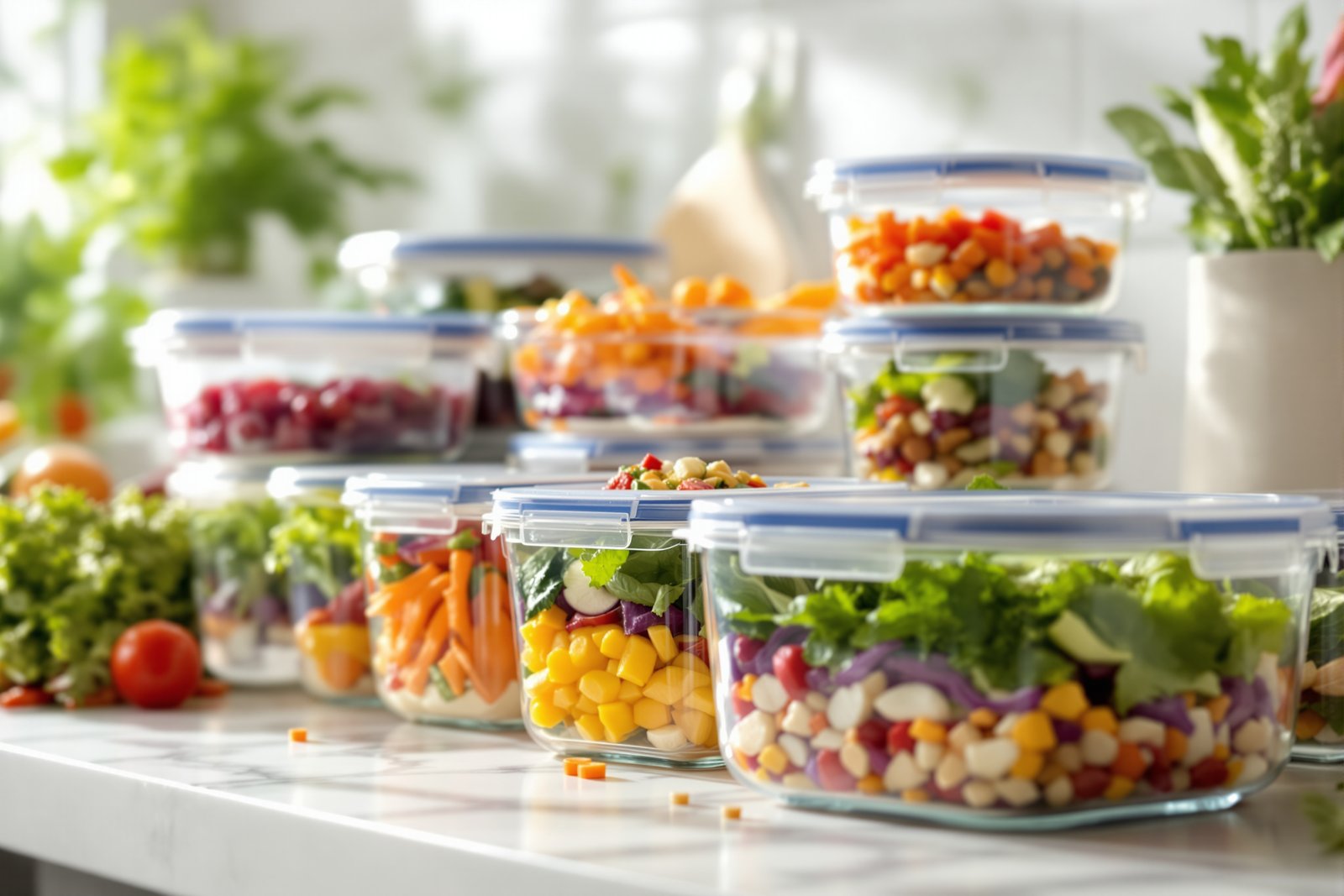
The two cheapest wins here are: use glass for leftovers and reheating, and replace disposable zip-lock bags — which you flex, fill, and freeze — with inert silicone. Our glass food storage guide covers the containers; for bags, this is the swap we recommend.
 Best Plastic-Bag Swap
One bag that handles the lunchbox, the freezer, and the sous vide bath — replacing hundreds of disposable plastic zip-locks over its life.
Why it's safe: Made entirely from 100% food-grade platinum silicone with no BPA, BPS, or phthalates — it is chemically inert and sheds no microplastics, even with warm or fatty food.
Check Price on Amazon →✓ Ships free with Prime · Free returns · Amazon A-to-z purchase guarantee (on eligible items)
4. Can a shower filter reduce microplastic exposure?
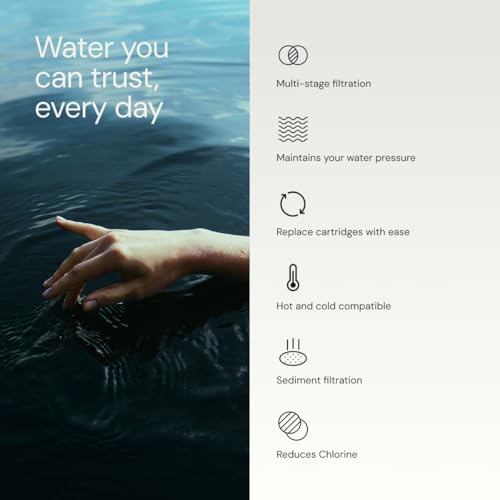
It helps on two fronts. Your skin is your largest organ, and shower water carries the same chlorine, heavy metals, and larger particles as your tap. A shower filter captures sediment and coarse particles and strips 90 percent-plus of chlorine, easing the load on skin and lungs from hot-water steam you also breathe in.
It is a five-minute, low-cost install that pays off daily — particularly for anyone with sensitive skin, eczema, or color-treated hair. See our full picks in the best shower filters for microplastics guide.
 Best Shower Swap
Strip 90%+ of the chlorine out of your shower for the price of a few cartridges a year — softer skin and hair within 2-3 weeks.
Why it's safe: A KDF-55 + calcium sulfite + carbon stack neutralizes chlorine, chloramine, and heavy metals before the water touches your skin — and captures larger microplastic particles in the process.
Check Price on Amazon →✓ Ships free with Prime · Free returns · Amazon A-to-z purchase guarantee (on eligible items)
5. How much of your microplastic exposure comes from the air?
More than most people realize. We inhale microplastic fibers shed from carpets, upholstery, and synthetic clothing, and indoor air often holds more of them than outdoor air. House dust is a major reservoir. A true-HEPA air purifier — ideally one rated below the standard 0.3-micron cutoff — pulls airborne fibers and fragments out of the rooms you spend the most time in.
Pair a purifier with frequent damp-dusting and vacuuming with a HEPA filter. Our air purifiers for microplastics guide explains what filtration level actually matters.
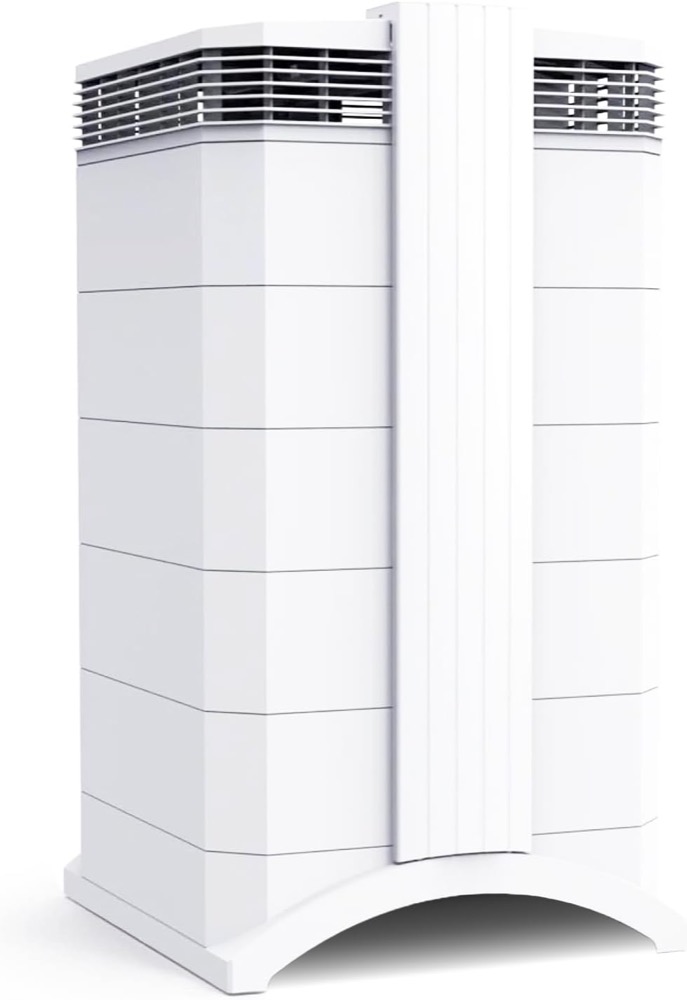 Best Air Swap
The only consumer purifier that captures particles down to 0.003 microns — so the ultrafine plastics and nanoplastics that slip through ordinary HEPA get trapped here.
Why it's safe: True mechanical HyperHEPA plus an activated-carbon stage physically traps fine and ultrafine particles and microplastics — with no ozone-generating ionizer that would just move particles around the room.
Check Price on Amazon →✓ Ships free with Prime · Free returns · Amazon A-to-z purchase guarantee (on eligible items)
6. Do synthetic clothes and textiles add to the problem?
Yes. Polyester, nylon, and acrylic shed microfibers constantly — into the air you breathe at home and into wastewater every wash. Choosing natural fibers where you can (cotton, wool, linen), washing full loads in cold water, and air-drying all cut fiber shedding. A washing-machine filter or fiber-catching bag traps what does come loose.
Bedding matters too, because you spend a third of your life against it. Our guide to microplastics in clothing and organic alternatives has the fabric-by-fabric breakdown.
7. Should you cut back on ultra-processed and canned foods?
It's worth doing. Highly processed foods pass through more plastic machinery, packaging, and handling than whole foods, and studies consistently find more microplastics in them. Canned foods add a plastic lining that can leach into acidic contents. Cooking more from fresh, whole ingredients — and storing them in glass — lowers both microplastic and additive exposure at once.
Seafood is a specific watch-item, since particles concentrate in some species; see microplastics in seafood for which choices carry less.
8. What kitchen habits quietly add microplastics?
A few surprising ones. Plastic cutting boards shed tens of thousands of particles as the knife scores them; plastic-mesh tea bags release billions of particles in hot water; and scratched nonstick pans slough coating into food. Swap to a wood or bamboo cutting board, loose-leaf or paper tea bags, and stainless or cast-iron cookware.
None of these cost much, and together they remove several daily contact points. Our non-toxic cookware guide and kitchen plastic detox guide walk through the full swap list.
9. Does boiling water help — and what should you do first?
In hard-water areas, yes: a 2024 study found boiling hard tap water and filtering out the settled scale removed up to 80–90 percent of nano- and microplastics, because calcium carbonate traps particles as it forms. It helps far less in soft water, so treat it as a bonus, not a substitute for a proper filter.
If you only do one thing this week, start at step 1. Water is where the intake numbers are largest and the fix is clearest — then work down the list as budget and time allow.
Frequently asked questions
There is no proven pill, cleanse, or supplement that removes microplastics already inside your tissues. What the evidence supports is reducing intake: the body clears some particles on its own through stool and other routes, so cutting how many you take in each day lets your total burden fall over time. Filtering water, ending plastic food heating, and improving indoor air are the highest-impact levers.
Filtering your drinking water and switching off bottled water is the highest-impact change for most people. A 2024 study found roughly 240,000 nano- and microplastic particles per liter in popular bottled water, while a hollow fiber or reverse osmosis filter removes 99 percent or more of particles from tap water. Water is where most people take in the most measurable microplastics.
Yes, substantially. Heat and fat both accelerate how much plastic migrates from a container into food. Research from the University of Nebraska found that microwaving some plastic containers released billions of nanoplastic and microplastic particles into the food per square centimeter. Never microwave or store hot food in plastic; use glass or silicone instead.
Boiling can help in hard-water areas. A 2024 study found that boiling hard tap water and then filtering out the settled scale removed up to about 80 to 90 percent of nano- and microplastics, because calcium carbonate crystals trap the particles as they form. It works far less well in soft water, so a physical filter is the more reliable option.
Research is still early, but the signals are concerning. A 2024 study in the New England Journal of Medicine found people with microplastics and nanoplastics in their carotid artery plaque had a markedly higher risk of heart attack, stroke, or death over about three years. Microplastics have also been detected in blood, lungs, and the placenta. Reducing exposure is a sensible precaution.
Sources
- Leslie HA, et al. “Discovery and quantification of plastic particle pollution in human blood.” Environment International, 2022. doi.org/10.1016/j.envint.2022.107199
- Qian N, et al. “Rapid single-particle chemical imaging of nanoplastics by SRS microscopy.” PNAS, 2024. (~240,000 particles/L in bottled water) doi.org/10.1073/pnas.2300582121
- Yu Z, et al. “Drinking Boiled Tap Water Reduces Human Intake of Nanoplastics and Microplastics.” Environmental Science & Technology Letters, 2024. doi.org/10.1021/acs.estlett.4c00081
- Marfella R, et al. “Microplastics and Nanoplastics in Atheromas and Cardiovascular Events.” New England Journal of Medicine, 2024. doi.org/10.1056/NEJMoa2309822
- Hussain KA, et al. “Assessing the Release of Microplastics and Nanoplastics from Plastic Containers and Reusable Food Pouches.” Environmental Science & Technology, 2023. (University of Nebraska–Lincoln)
- World Health Organization. “Microplastics in drinking-water.” 2019. who.int