
Indoor air carries microplastics — and usually more of them than the air outside. A 2017 study in Environmental Pollution measured airborne fibers inside homes and offices at roughly 1 to 60 fibers per cubic metre, well above the outdoor air it sampled, with about a third of them petrochemical (plastic). A 2019 study in Scientific Reports used a breathing thermal manikin to estimate a person can inhale on the order of a couple hundred microplastic particles a day indoors, and a 2022 study found microplastics in human lung tissue. The particles come mostly from synthetic textiles, carpets and upholstery — not the outdoor air or cooking. The research shows exposure, not proven harm, so the honest takeaway is proportion: trim the sources and clear the air.
Microplastics have a reputation as a water problem, then a food problem. The part that surprises people is that some of the earliest and most consistent measurements were of the air indoors — and that the numbers indoors tend to beat the numbers outdoors. A home turns out to be a small, enclosed box full of plastic that sheds: fleece throws, polyester bedding, nylon carpet, upholstered furniture, and the wardrobe of synthetic clothing most of us own. Every time you sit down, walk across the rug or shake out a blanket, you loft a cloud of fine fibers into air you then breathe.
This guide walks through what researchers actually measured in indoor air — the fiber counts, where they come from, and how they stack up against outdoor air — whether the particles are small enough to inhale and reach your lungs (they are), whether the amounts are worth worrying about (the honest answer is calmer than the headlines), and the handful of practical changes, ending with a HEPA air purifier, that cut what’s in the air you breathe at home.
The bottom line up front: the microplastics in your indoor air are mostly synthetic fibers shed by carpets, upholstery and clothing, and they build up because a home traps them — so the fixes are choosing natural-fiber textiles where you can, HEPA-vacuuming and damp-dusting instead of dry-dusting, airing the house out, and running a HEPA air purifier in the rooms you use most (one with an activated-carbon stage also handles the VOCs and off-gassing that share your indoor air, and the same filter captures the fine particles in wildfire or cooking smoke). For the bigger picture, see where microplastics show up in the human body, the microplastics statistics that put the numbers in context, and why washing synthetic clothes is part of the same story.
Does indoor air have microplastics, and how much?
Yes — and the air inside a typical home usually carries more than the air outside. When a 2017 team sampling indoor air put a number on it, they measured airborne fibers at roughly 1 to 60 fibers per cubic metre inside apartments and an office, far above the outdoor air they compared it to. Around a third of those indoor fibers were petrochemical — that is, plastic — and the rest were natural fibers like cotton and wool. Fibers, not fragments, are the signature of indoor air, and they point straight at fabric.
A second, widely cited study went further and asked how much of that a person actually breathes. Using a breathing thermal manikin — a heated, human-shaped model that draws air the way a real person does — the 2019 researchers estimated indoor exposure on the order of a couple hundred microplastic particles inhaled per day, with airborne concentrations of a few particles per cubic metre and most particles small enough to stay suspended and be drawn in. Polyester and polyamide (nylon) dominated, again the fingerprint of clothing and soft furnishings rather than the outdoors.
Where do the microplastics in indoor air come from?
Mostly from the soft furnishings, not the outdoor air or the stove. The dominant source is synthetic textiles — polyester and nylon clothing, fleece blankets, wall-to-wall carpet, area rugs, curtains and upholstered furniture — which shed microscopic fibers constantly as they are worn, sat on, walked across and laundered. Those fibers drift in the air and settle into house dust, then get kicked back up by footsteps, vacuuming and a breeze from an open door. That is exactly why studies of both indoor air and household dust keep finding synthetic fibers on top.
It is the same “the source is the plastic in the room” pattern we see across the site — the way synthetic clothing sheds into your closet and the way a single load of laundry can release tens of thousands of microfibers. House dust itself is a reservoir: a 2020 study of dust from homes across 12 countries found microplastics in it everywhere, with PET — the polyester of textiles and bottles — the most common polymer, and estimated that young children, who spend time on the floor and put hands in their mouths, take in the most through dust. The table below sorts out where the plastic in a typical room’s air actually originates.
| Source | What Happens | Contribution |
|---|---|---|
| Carpets, rugs & upholstery | Synthetic pile and fabric are walked on and sat on all day, shedding fibers that loft into the air and settle into dust | Major — the main lever |
| Synthetic clothing & bedding | Polyester, nylon and fleece shed fibers as they are worn, moved and made up; laundering releases still more | Major |
| House dust as a reservoir | Fibers settle into dust, then footsteps, pets and dry-dusting relaunch them into the air you breathe | Moderate (recirculates the above) |
| Low air exchange | A closed, heated or air-conditioned home traps and concentrates fibers instead of letting them disperse outside | Moderate (multiplier) |
| Outdoor air & cooking | Some particles enter from outside or from other household activity, but indoor textile shedding dominates the measurements | Minor |

Is indoor air worse than outdoor air for microplastics?
Usually, yes — and that is the part that flips people’s intuition. The 2017 study found indoor fiber concentrations several times higher than the outdoor air it measured, for a simple reason: a home is a small enclosed space packed with shedding synthetic fabric and limited fresh-air exchange, so fibers build up instead of blowing away. Outdoors, the same particles disperse into a far bigger volume of air.
Why it matters more than the raw numbers suggest is where you spend your time. People in developed countries spend roughly 90% of their lives indoors — at home, at work, in the car — so it is the indoor concentration, not the outdoor one, that most of your breathing is actually exposed to. Cleaning up outdoor air is largely out of your hands; the air in your living room and bedroom is one of the few microplastic sources you can genuinely control. That is the encouraging half of the story.
"The surprise isn't that there are microplastics in the air — it's that there are more of them inside your home than outside it, and they're shedding off the carpet and the couch, not blowing in from the street."
Can you breathe them in — and do they reach your lungs?
Yes on both counts. The 2019 breathing-manikin study existed precisely to test inhalation, and it showed the airborne fibers indoors are small enough to be drawn in with normal breathing rather than simply falling to the floor. Its estimate — on the order of a couple hundred particles inhaled per day — is what turned indoor air from a curiosity into a recognized exposure route alongside food and water.
And the particles don’t just reach the airway — they reach deep lung tissue. A 2022 study detected microplastics in 11 of 13 samples of human lung tissue taken from living patients, including particles found in the lower lobes where the airways are narrowest, with polypropylene and PET the most common polymers. That is direct physical evidence that inhaled microplastics can lodge in the lung. It is also why inhalation changes the exposure math: a widely cited 2019 analysis in Environmental Science & Technology found that adding inhalation to food and drink roughly doubles a person’s estimated annual microplastic intake. The air is not a footnote to the problem — it is about half of it.
Are the microplastics in indoor air dangerous?
Here is where honesty matters. The studies were built to measure how many particles are in indoor air, whether they can be inhaled, and whether they reach the lung — and they answered all three yes. What they did not do is test what those particles do once they are in the body, so on the narrow question of harm from inhaled indoor microplastics, the research does not have a verdict, and no one should read one into it.
What we can say is that inhalation is a real and roughly co-equal exposure route, that particles demonstrably reach lung tissue, and that microplastics are increasingly detected throughout the human body — in blood, organs and even the brain — so trimming an avoidable source is sensible even while the particle-harm question stays open. The point isn’t a plastic scare; it’s that indoor air is one of the few microplastic sources you can measurably reduce with a few cheap habits and one good filter.
You don’t need to panic about the air in your home to act on this. Indoor microplastics are mostly fibers from soft furnishings, and a few habits plus a HEPA filter handle most of what’s airborne. Spend your effort on the sources you control — textiles, dust and ventilation — and see the room-by-room plastic detox guide for the rest of the house.

How do you reduce the microplastics in indoor air?
Because the source is the shedding fabric in the room and the dust it settles into, the fixes are about the textiles, the cleaning and the air itself — not sealing yourself in. Favor natural-fiber textiles (cotton, wool, linen) over synthetic where you reasonably can, especially for high-contact items like bedding, rugs and throws. Vacuum with a true-HEPA filter rather than a cheap bagless unit that blows fine dust back out, and damp-dust surfaces instead of dry-dusting, which just relaunches fibers into the air. Wash synthetics less often and on cooler, gentler cycles, since agitation and heat drive fiber shedding. And air the house out — opening windows raises the air exchange that otherwise lets fibers concentrate.
The one piece of gear that directly clears what’s already airborne is a HEPA air purifier. A true-HEPA filter is a dense physical mat that captures fine particles — including airborne microplastic fibers — as room air is pulled through it, so running one in the rooms where you spend the most time (the bedroom and the main living area) steadily lowers the count you breathe. Match the unit’s rated coverage to the room size so it actually turns the air over several times an hour. For the full lineup and how to size one, see our guide to the best air purifiers for microplastics and the best air purifier for the bedroom. The picks below are the real, currently-sold HEPA purifiers we’d start with.
Clear the air where you actually breathe
You can’t filter a whole house at once, but you can turn over the air in the two rooms you use most. A true-HEPA purifier in the bedroom and living room is the single most direct way to cut the airborne fibers you inhale.
The HEPA air purifiers that cut indoor airborne microplastics
You can’t buy a “microplastic-free” room, and the biggest levers are free — fewer synthetic textiles, HEPA vacuuming, damp-dusting and ventilation. But the one product that measurably clears what’s already in the air is a true-HEPA air purifier, because a HEPA mat physically traps fine airborne fibers as room air passes through it. Here are five real, currently-sold units we’d recommend, sized from a single bedroom up to a whole floor. Prices and availability change, so check current listings.
1. IQAir HealthPro Plus — Best Overall
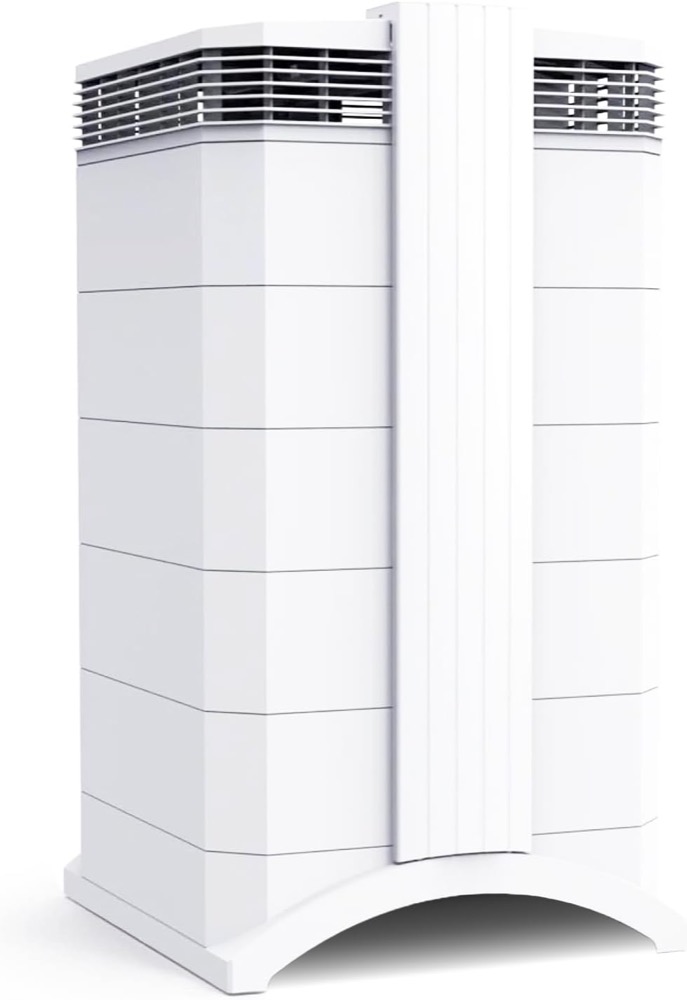 Best Overall
The most thorough air cleaner here: a sealed housing plus HyperHEPA media means the air genuinely goes through the filter, not around it.
Why it helps: A dense, sealed HEPA system physically traps airborne microplastic fibers along with fine dust and smoke, and its coverage rating is high enough to turn over the air in a large room several times an hour.
Check Today’s Price on Amazon →Amazon prices change daily — tap to see today's price and any active discount.
- Free delivery & returns for Prime members
- Sold & shipped by Amazon
- Thousands of verified reviews
Because indoor air tests higher than outdoor air for microplastic fibers and you breathe it most of the day, the purifier is the one bought fix that directly lowers the count. The IQAir is the most thorough option: a fully sealed housing means room air can’t sneak past the filter, and the HyperHEPA media is rated well below the standard HEPA threshold — more than enough for the fibers that dominate indoor air.
2. Blueair Blue Pure 211+ Auto — Best Large Room
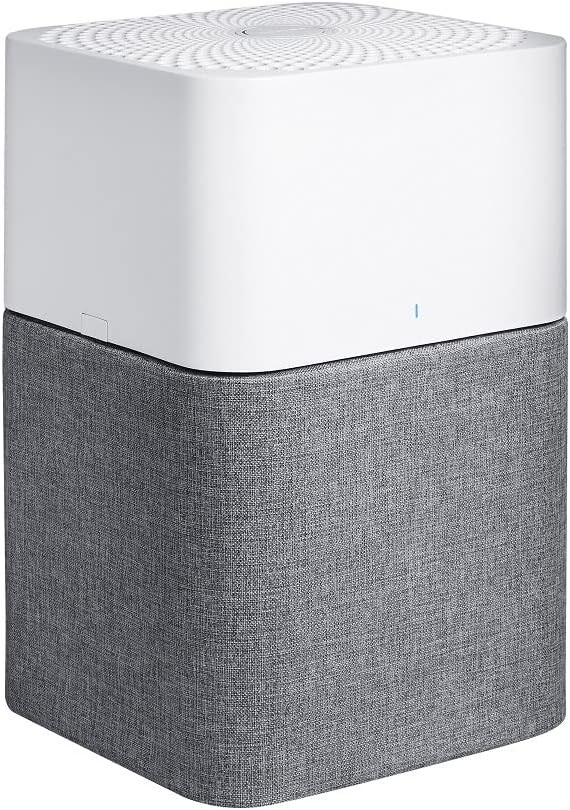 Best Large Room
Covers a big open-plan living space on its own, and the auto sensor turns the fan up on its own when you vacuum or shake out a blanket.
Why it helps: High clean-air delivery in a large room means the air turns over often, and the washable pre-filter plus fine media capture the shed synthetic fibers that make up most indoor airborne microplastics.
Check Today’s Price on Amazon →Amazon prices change daily — tap to see today's price and any active discount.
- Free delivery & returns for Prime members
- Sold & shipped by Amazon
- Thousands of verified reviews
A big living room is where you and your family spend evenings on upholstered furniture — a steady fiber source — so it’s worth covering well. The Blue Pure 211+ Auto moves a lot of air for the money, sizes up to about 540 square feet, and its washable pre-filter is well suited to the larger shed fibers and pet hair that float around a lived-in room.
3. Coway Airmega 400 — Best for Whole Home
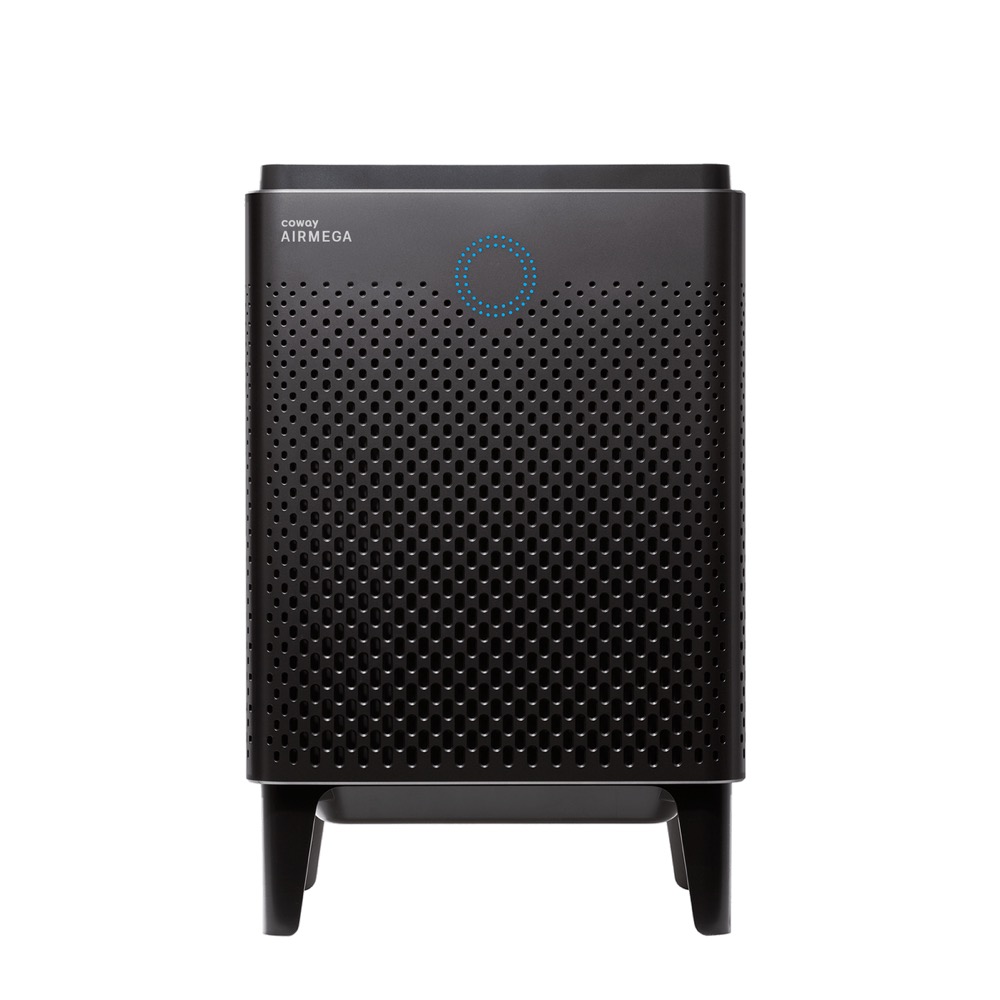 Best Whole Home
One unit for a whole open floor: dual HEPA filters and two intakes mean it can turn over the air in a very large space without a second machine.
Why it helps: True-HEPA media on both sides captures fine airborne fibers, and the high coverage rating keeps the air in a big room turning over often enough to actually lower the particle count you breathe.
Check Today’s Price on Amazon →Amazon prices change daily — tap to see today's price and any active discount.
- Free delivery & returns for Prime members
- Sold & shipped by Amazon
- Thousands of verified reviews
If you’d rather run one machine for an open kitchen-living-dining level than scatter small units, the Airmega 400 is the pick: two True-HEPA filters and a coverage rating around 1,560 square feet let a single unit keep the air moving through the whole space, and its sensor bumps the fan when vacuuming or foot traffic loft fibers.
4. Levoit Core 400S — Best Smart Purifier
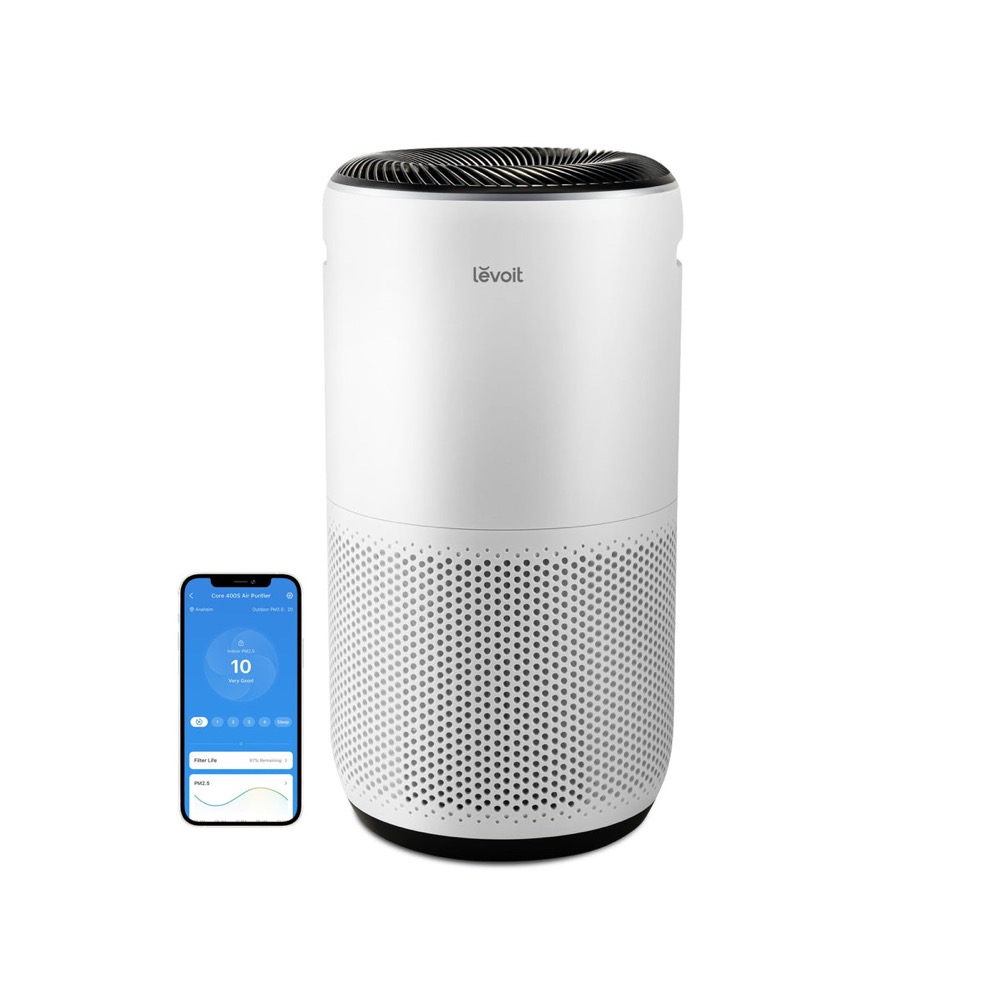 Best Smart Purifier
You can watch it work: the laser sensor and app show the particle count jump when you disturb dust and drop again as the filter clears the air.
Why it helps: An H13 True-HEPA filter captures fine airborne microplastic fibers, and the auto mode driven by a real sensor ramps the fan exactly when textile shedding spikes the count.
Check Today’s Price on Amazon →Amazon prices change daily — tap to see today's price and any active discount.
- Free delivery & returns for Prime members
- Sold & shipped by Amazon
- Tens of thousands of verified reviews
If you want to actually see the effect rather than trust it, the Core 400S is the one: its laser sensor and app turn “is this doing anything?” into a live number you can watch spike when you shake out a fleece blanket and settle after the filter catches up. H13 HEPA and a ~400-square-foot rating cover most bedrooms and medium living rooms, and it’s the best value on the list.
5. Austin Air HealthMate Plus — Best Medical-Grade Budget
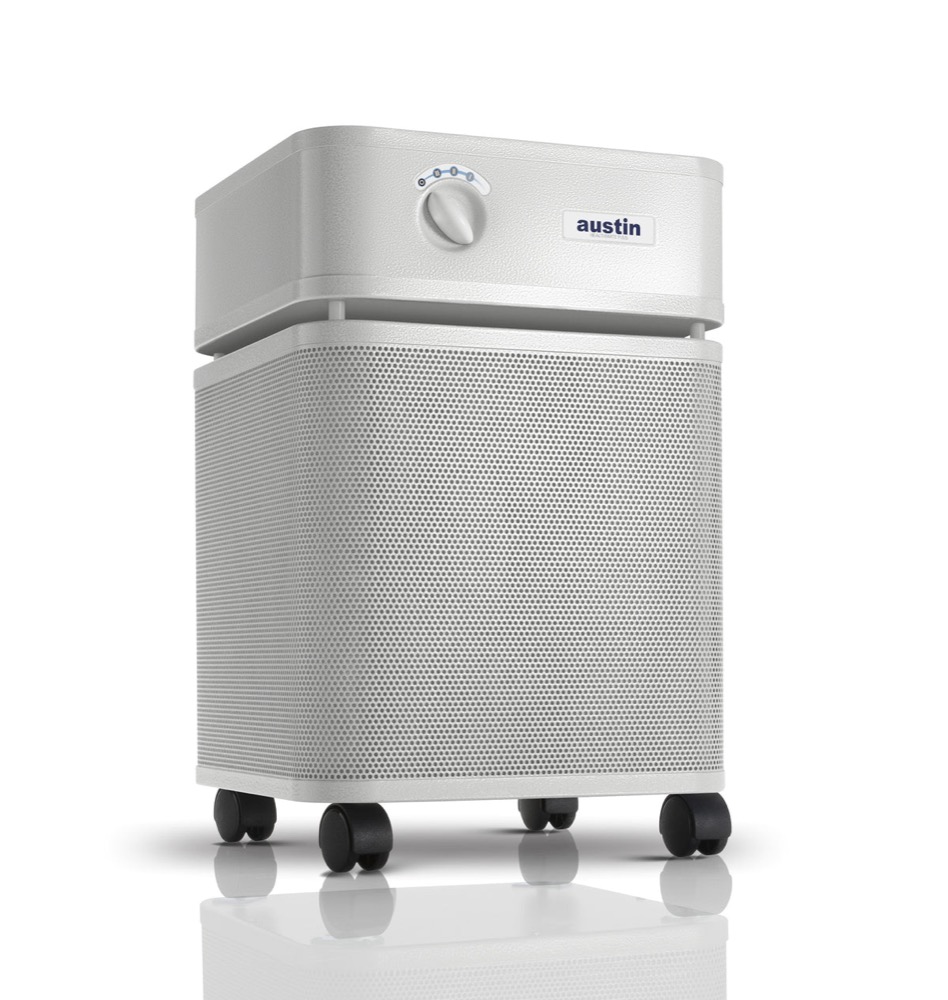 Best Long-Life Filter
Buy it once and largely forget it: a five-year filter and a steel body mean the lowest running cost and the least maintenance on the list.
Why it helps: A deep bed of True-HEPA media captures fine airborne fibers continuously, and because the filter lasts years, it keeps performing without the lapses that come when a short-life filter goes unchanged.
Check Today’s Price on Amazon →Amazon prices change daily — tap to see today's price and any active discount.
- Free delivery & returns for Prime members
- Sold & shipped by Amazon
- Thousands of verified reviews
For a bedroom you want running quietly every night for years, the HealthMate Plus is the durable choice: a deep medical-grade HEPA bed in a steel body, with a filter rated to last about five years, so you’re not remembering to swap cartridges and the cost per year stays low. It’s the least gadgety unit here and the one most likely to still be working in a decade.
Want the Full Home Protection Guide?
Airborne fibers are one plastic touchpoint among dozens in a typical home. The Complete Plasticproof Guide covers every room — kitchen, nursery, bathroom, bedroom — with 80+ product recommendations backed by 47+ studies.
The honest verdict
Does indoor air have microplastics? Yes — and more than the air outside. A 2017 study measured airborne fibers inside homes at roughly 1 to 60 per cubic metre, a third of them plastic; a 2019 breathing-manikin study estimated a person inhales on the order of a couple hundred particles a day indoors; and a 2022 study found microplastics in most samples of human lung tissue. The particles are mostly synthetic fibers shed by carpets, upholstery and clothing, they build up because a home traps them, and inhalation roughly doubles the total exposure estimate over food and water alone. What the studies did not do is prove harm — so the accurate takeaway is proportion, and the good news that this is one of the few microplastic sources you actually control.
The practical response is cheap and mostly about habits: favor natural-fiber textiles where you can, vacuum with a HEPA filter and damp-dust instead of dry-dusting, wash synthetics less and cooler, and air the house out. Then add the one piece of gear that clears what’s already airborne — a true-HEPA air purifier sized for the room — in the bedroom and the main living space, where you spend the most time. You don’t need a plastic scare to act on this one; a few habits and one good filter handle most of it.
Cut the plastic that actually adds up
Indoor air is one source you can measurably lower today. A true-HEPA purifier in the rooms you use most, plus fewer synthetic textiles, makes cleaner air your easy default.
Frequently Asked Questions
Yes, and typically more than outdoor air. A 2017 study in Environmental Pollution measured airborne fibers inside homes and offices at roughly 1 to 60 fibers per cubic metre — far higher than the outdoor air it sampled — with about a third of them petrochemical (plastic) rather than natural fibers. A 2019 breathing-manikin study in Scientific Reports estimated a person can inhale on the order of a couple hundred microplastic particles a day indoors.
Mostly the soft things in the room, not the outdoor air or cooking. Synthetic textiles — polyester and nylon clothing, carpets, rugs, curtains and upholstery — shed tiny fibers as they are worn, walked on and washed. Those fibers drift in the air and settle into house dust, which is why studies consistently find synthetic fibers dominating both indoor air and household dust. Because we spend most of our time indoors, that is where most inhalation exposure happens.
Usually, yes. The 2017 Environmental Pollution study found indoor fiber concentrations several times higher than outdoors, because a home is full of shedding synthetic fabrics in an enclosed space with limited air exchange. It matters more than it sounds because people spend roughly 90% of their time indoors, so the indoor figure, not the outdoor one, is what most of your breathing is exposed to.
Yes. The 2019 Scientific Reports study used a breathing thermal manikin to show airborne indoor microplastics are small enough to be inhaled, estimating exposure on the order of a couple hundred particles a day. And a 2022 study in Science of the Total Environment found microplastics in 11 of 13 samples of human lung tissue, with polypropylene and PET the most common polymers — direct evidence that inhaled particles reach deep into the lungs.
A true-HEPA air purifier captures airborne microplastic fibers along with other fine dust, because a HEPA filter is a dense physical mat that traps fine particles as room air is drawn through it. It works best when the unit’s rated coverage matches the room size so the air turns over several times an hour, and when you run it in the rooms where you spend the most time. It does not remove the fibers already embedded in carpets and upholstery — for that you also need HEPA vacuuming and fewer synthetic textiles.
The studies measured how many particles are in the air, that they can be inhaled, and that they reach lung tissue — not what they do once there, so they do not establish harm. Inhalation does roughly double the total microplastic exposure estimate over food and water alone, which is a reason to trim it, but the honest position is proportion, not alarm: reduce the avoidable sources while the health question stays open.
Sources
- Dris R, Gasperi J, Mirande C, et al. "A first overview of textile fibers, including microplastics, in indoor and outdoor environments." Environmental Pollution, 2017;221:453–458. (Measured airborne fibers indoors at ~1–60 fibers/m³, far above outdoor air, with about a third petrochemical/plastic and the rest natural fibers; indoor deposition into dust was substantial.)
- Vianello A, Jensen RL, Liu L, Vollertsen J. "Simulating human exposure to indoor airborne microplastics using a Breathing Thermal Manikin." Scientific Reports, 2019;9:8670. (Used a breathing thermal manikin to estimate inhalation of indoor airborne microplastics on the order of a couple hundred particles per day; polyester and polyamide dominated.)
- Cox KD, Covernton GA, Davies HL, et al. "Human Consumption of Microplastics." Environmental Science & Technology, 2019;53(12):7068–7074. (Estimated annual human microplastic intake and found that adding inhalation to food and drink roughly doubles the total.)
- Jenner LC, Rotchell JM, Bennett RT, et al. "Detection of microplastics in human lung tissue using μFTIR spectroscopy." Science of the Total Environment, 2022;831:154907. (Detected microplastics in 11 of 13 human lung tissue samples, with polypropylene and PET the most common polymers — evidence inhaled particles reach deep lung tissue.)
- Zhang J, Wang L, Kannan K. "Microplastics in house dust from 12 countries and associated human exposure." Environment International, 2020;134:105314. (Found microplastics in indoor dust across 12 countries, with PET the most common polymer, and estimated young children are most exposed through dust ingestion.)