
The best stainless steel water bottle in 2026 is the Klean Kanteen TKWide 32 oz — insulated 18/8 steel where the only polymer in the drinking path is a food-grade silicone gasket (rated 4.8/5). If you want zero plastic anywhere near your lips, the Klean Kanteen Classic 27 oz with the all-steel Loop Cap has none at all. The trick most guides miss: the body is always steel — it's the lid where hidden plastic lives. Full ranked list:
- Klean Kanteen TKWide 32 oz ($$) — Best overall. Insulated 18/8 steel; only a silicone gasket touches the drink. Details →
- Klean Kanteen Classic 27 oz ($) — Best plastic-free. Single-wall 18/8 with an all-steel Loop Cap — zero plastic in the drinking path. Details →
- MIZU V8 26 oz ($$) — Best minimalist. 18/8 steel with a stainless screw cap, no plastic lid. Details →
- Klean Kanteen Kid Classic 12 oz — Best for kids. 18/8 steel, BPA-free, interchangeable caps. Details →
- Nalgene Stainless Steel 38 oz ($) — Best budget. Big 18/10 wide-mouth bottle (note the PP screw lid). Details →
- Snow Peak Kanpai 500 ml ($$$) — Best premium. Double-wall insulated 18/8, made in Japan (BPA-free PP lid). Details →
Why stainless steel? A 2024 PNAS study found about 240,000 micro- and nanoplastic particles per liter of bottled water — a steel body eliminates that exposure pathway entirely. Just check the cap: choose an all-steel or silicone-gasket lid, not a plastic straw. See all six side by side →
Check Today’s Price on Amazon →Full head-to-head details of all six bottles below, including materials, insulation, and exactly where any plastic sits in each lid.
The advice is simple: stop drinking from plastic bottles, switch to stainless steel. But when you start shopping, the details get complicated fast. Most "stainless steel" bottles still have polypropylene lids. Some have plastic straw mechanisms. A few popular brands use interior coatings that introduce their own concerns. And the price range spans from $12 to $60+ for what appears to be the same product.
This guide cuts through it. We evaluated bottles on three criteria: (1) how much plastic is in the drinking path, (2) material quality and safety, and (3) whether the price is justified by the product. No brand partnerships, no affiliate rankings games — just what's worth your money.
Compare all 6 picks
Every pick side by side — tap a name to jump to the full review, or check today's price.
| Pick | Rating | Why it wins | |
|---|---|---|---|
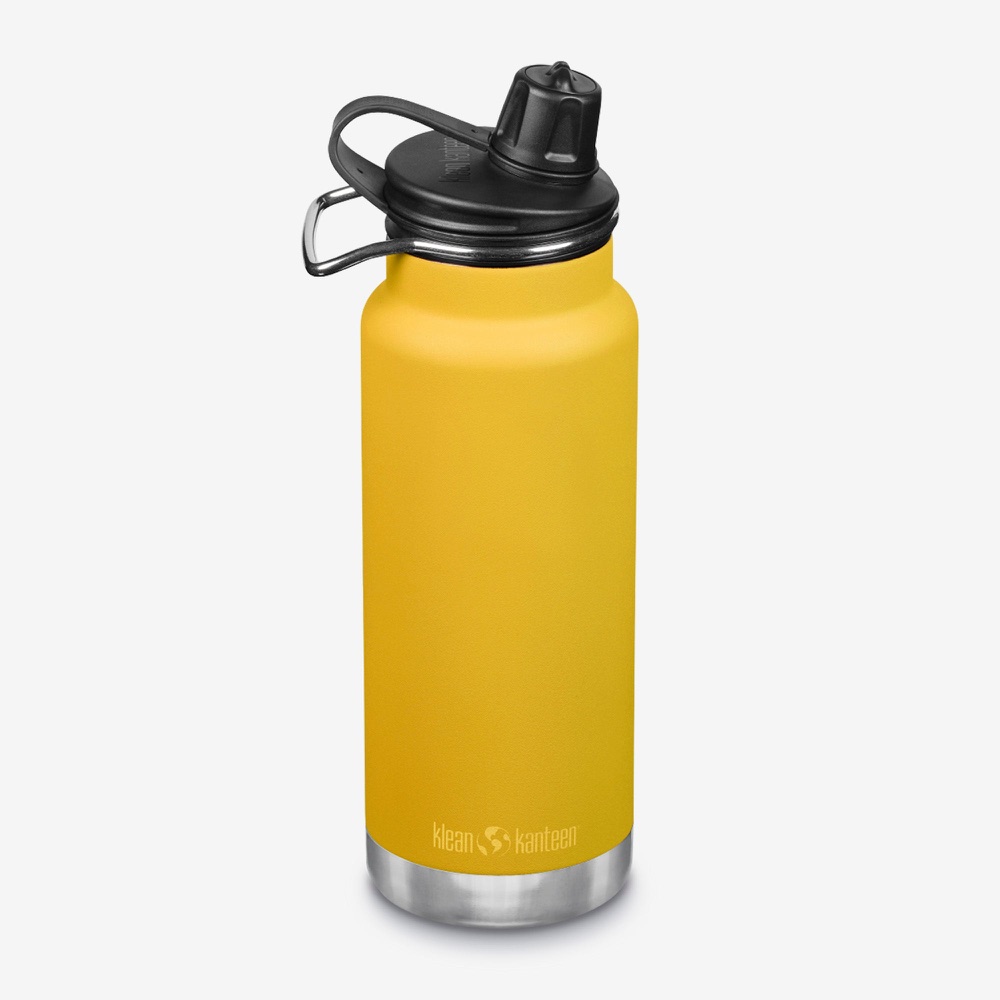 Best OverallKlean Kanteen TKWide 32 oz |
4.8out of 5 | 18/8 StainlessMinimal Plastic |
Check price → |
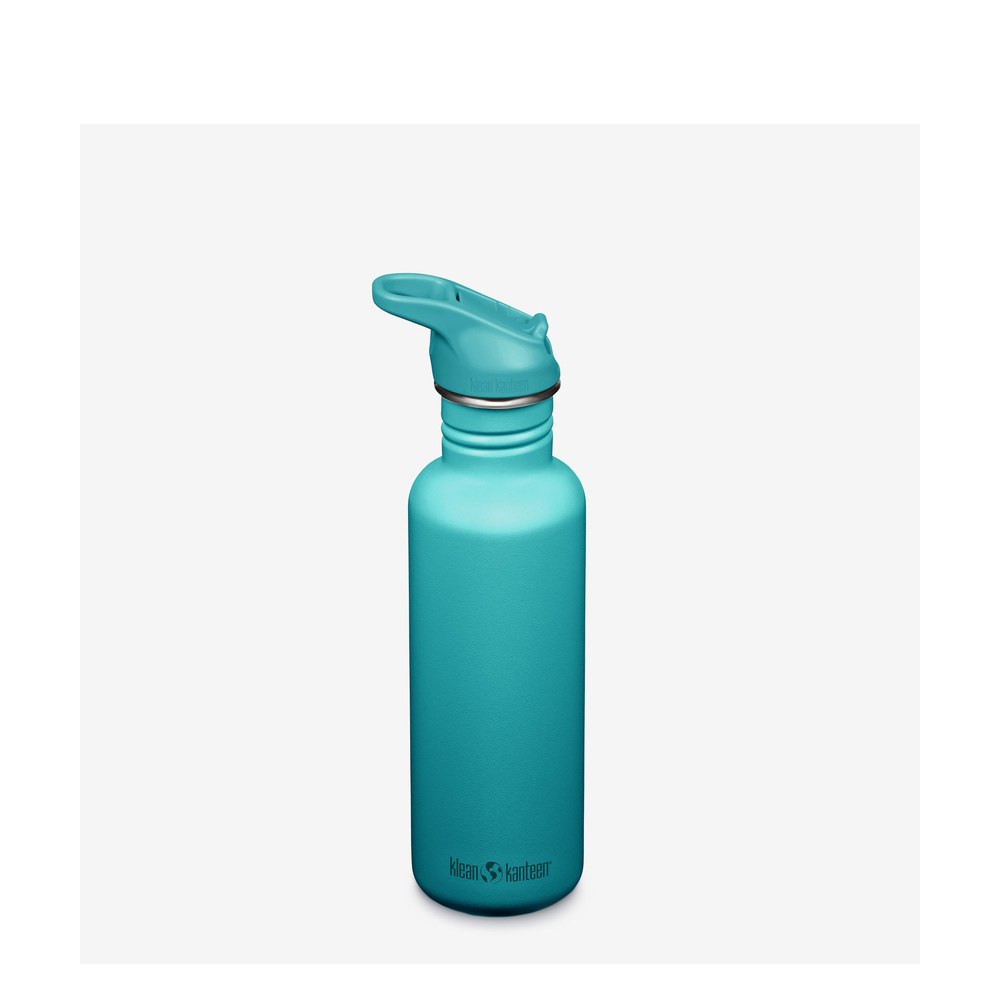 Best Plastic-FreeKlean Kanteen Classic 27 oz |
— | Zero Plastic18/8 Stainless |
Check price → |
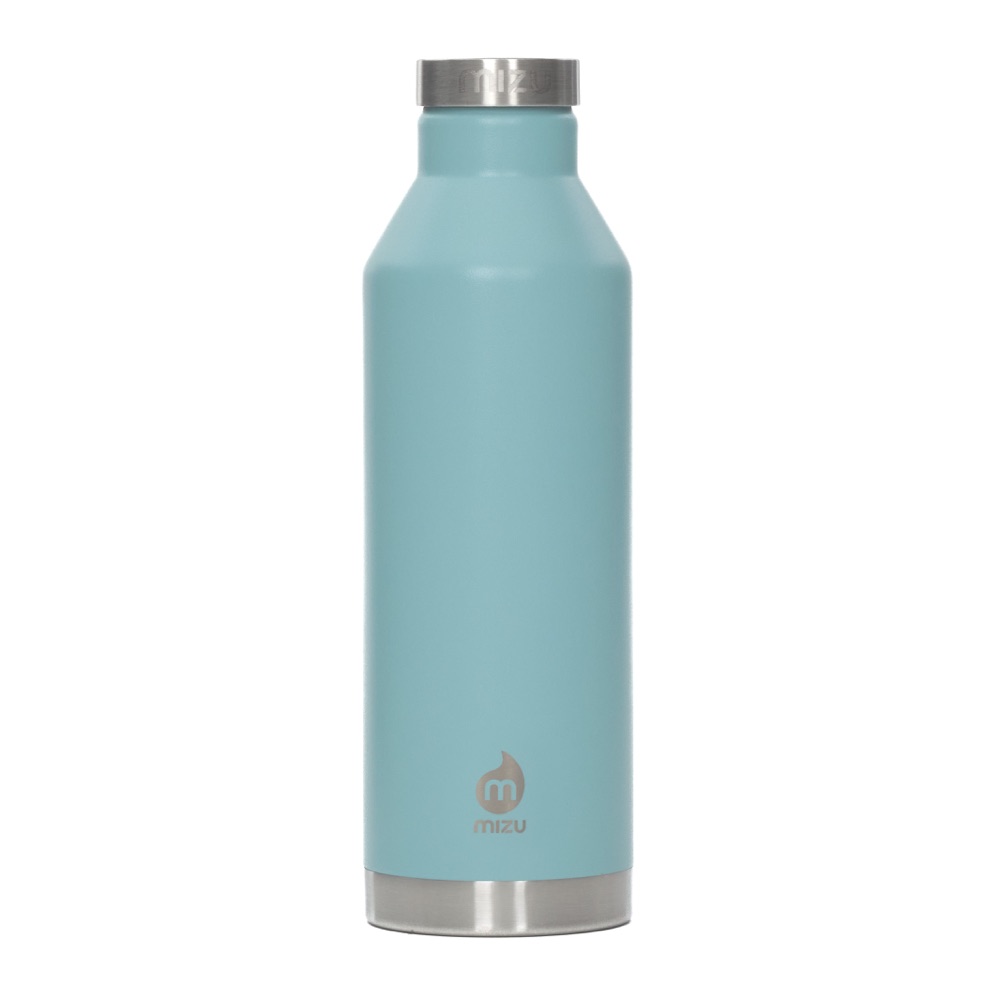 Best Minimalist DesignMIZU V8 (26 oz) |
— | Stainless Steel Cap18/8 Stainless |
Check price → |
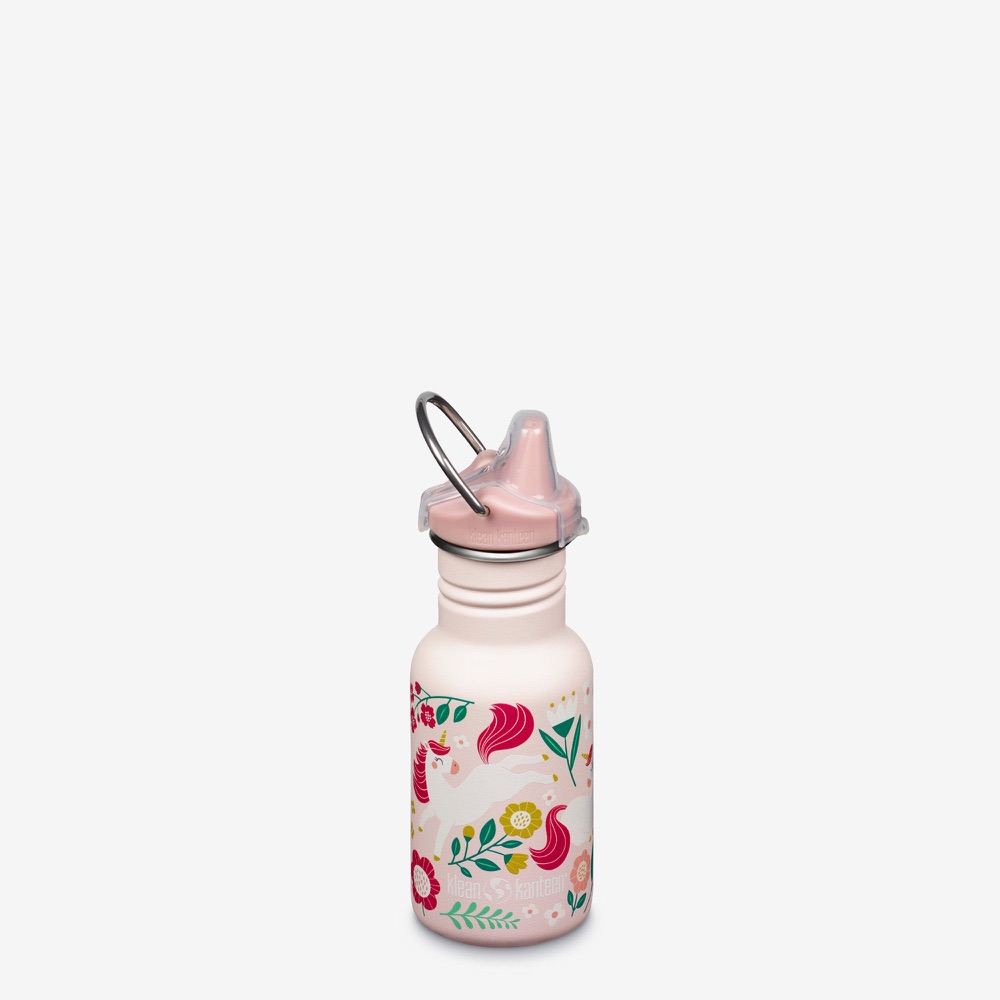 Best for KidsKlean Kanteen Kid Classic 12 oz |
— | 18/8 StainlessBPA-Free |
Check price → |
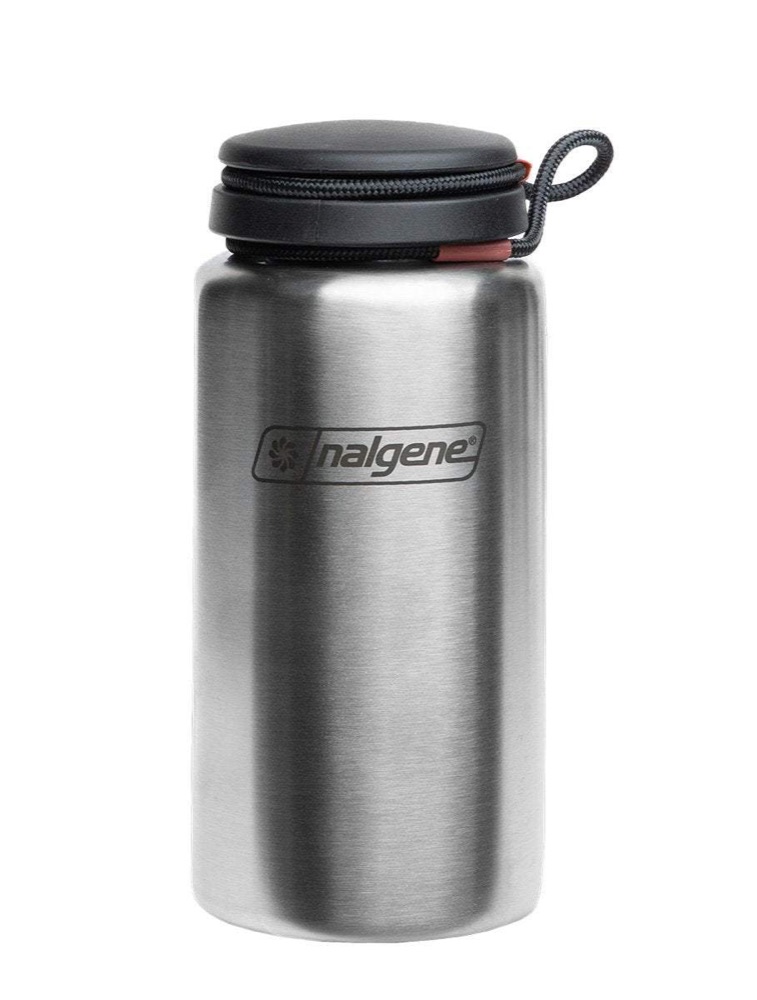 Best BudgetNalgene Stainless Steel 38 oz |
— | 18/10 StainlessWide Mouth |
Check price → |
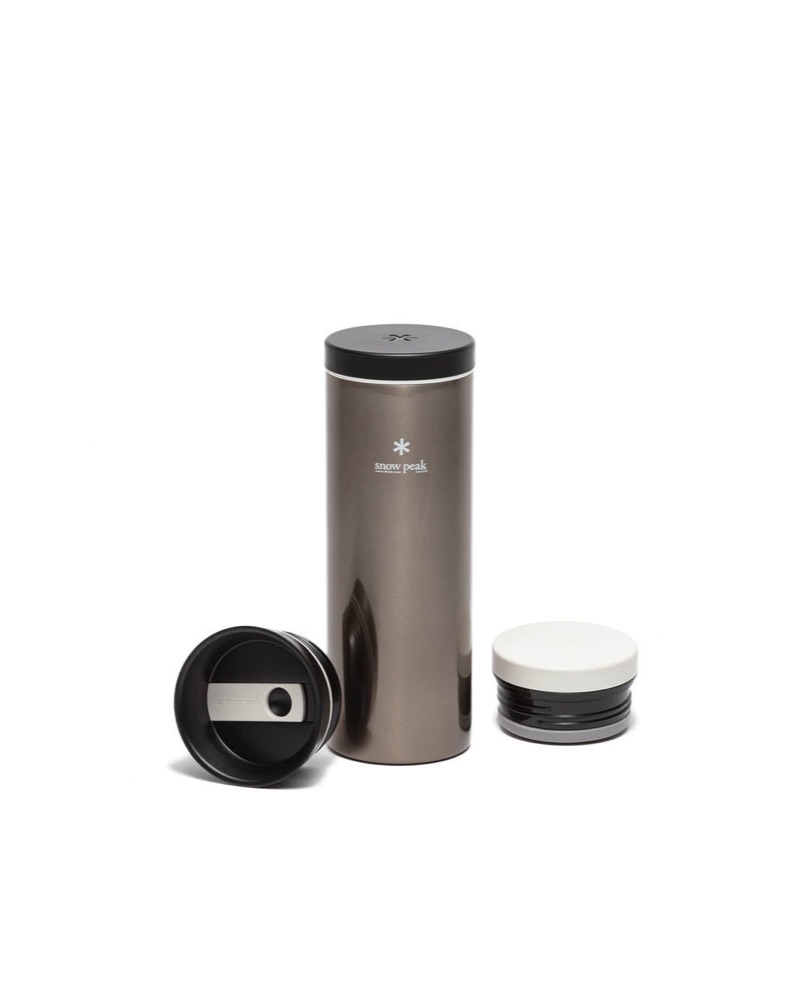 Best PremiumSnow Peak Kanpai Bottle (500 ml) |
— | 18/8 StainlessDouble-Wall Insulated |
Check price → |
The Hidden Plastic Problem
Here's what most "stainless steel bottle" recommendations don't tell you: the lid is where the plastic lives.
You don't drink from the body of the bottle. You drink from the lid, the spout, or the straw. And in most mainstream bottles — Hydro Flask, Stanley, Yeti, CamelBak — those components are polypropylene or silicone plastic. The stainless steel body keeps your water cold and looks great, but your lips and teeth are still making contact with plastic every time you take a sip.
This doesn't make those bottles worthless — polypropylene is considered one of the safer plastics (no BPA), and the exposure is dramatically less than drinking from a PET bottle. But if your goal is to eliminate plastic from your drinking experience entirely, the lid matters.
Straw lids are the biggest source of hidden plastic in stainless steel bottles. The straw itself is usually silicone or polypropylene, the bite valve is silicone, and the mechanism housing is plastic. If plastic reduction is your priority, skip the straw lid and use a simple screw-top or sport cap. If you must have a straw, silicone straws are preferable to polypropylene — silicone is a synthetic rubber (silica-based), not a petroleum plastic.
Quick Comparison
| Bottle | Price | Capacity | Insulated | Plastic in Lid | Best For |
|---|---|---|---|---|---|
| Klean Kanteen Classic | $ | 27 oz | No | None (steel cap) | Purists |
| Klean Kanteen TKWide | $$ | 32 oz | Yes | Silicone gasket only | Daily carry |
| MIZU V8 | $$ | 26 oz | No | None (steel cap) | Minimalists |
| Hydro Flask Standard | $$ | 24 oz | Yes | PP lid + gasket | Insulation |
| Stanley Quencher | $$ | 40 oz | Yes | PP lid + straw | High volume |
| Yeti Rambler | $$ | 26 oz | Yes | PP cap + gasket | Durability |
| SIGG Original | $ | 25 oz | No | PP screw cap | Budget |
| Snow Peak Kanpai | $$$ | 500 ml | Yes | PP lid (BPA-free) | Premium |
Price tiers: $ budget · $$ mid-range · $$$ premium. Amazon prices change daily — tap any bottle below for today's price.
Our Top Picks
Best Overall: Klean Kanteen TKWide (32 oz)
Best Overall
Owners call it "the best water bottle I have ever used" and "the most sturdy, well put together water bottle I have ever seen," and the double-wall insulation "keeps my water cold even when sitting in my hot car for a few hours." The chip-resistant powder coat and interchangeable Twist, Chug, and Loop caps (all fitting the same bottle) draw steady praise, with the Twist cap making "a great seal." The honest downside: it is heavy at "18.3 ounces even before you add water," some report "water shooting out of the spigot" when driving up in elevation, and buying extra caps to optimize it adds cost.
Cold water that's still icy 50 hours later, with no plastic touching your lips — the convenience of an insulated bottle without the plastic spout.
Why it's safe: Food-grade 18/8 stainless steel body and an all-steel Steel Loop Cap — no plastic liner, no leaching, and silicone (a silica-based rubber, not a petroleum plastic) is the only non-metal in the drinking path.
Check Today’s Price on Amazon →Amazon prices change daily — tap to see today's price and any active discount.
- Free delivery & returns for Prime members
- Sold & shipped by Amazon
- Thousands of verified reviews
Why it wins: It's the best balance of insulation performance, plastic minimization, and price. The Steel Loop Cap eliminates plastic from the drinking path entirely. The only plastic in the system is a food-grade silicone gasket — and silicone (a silica-based rubber) is chemically distinct from petroleum-based plastics. At $40, it's competitive with Hydro Flask and Yeti while having less plastic.
Best Plastic-Free: Klean Kanteen Classic with Steel Loop Cap
Best Plastic-Free
This single-wall classic earns loyalty for longevity, with owners writing "6 years on my bottle is still amazing" and calling it a "Fantastic bottle which makes you want to drink more water." Being single-wall it is light for its size, durable, and long-lived, though it will sweat with cold drinks and will not hold temperature like a double-wall bottle. The honest downside is the add-on sport cap: owners report "The sports cap still leaks, and is far from durable," the straw does not reach the bottom so you must unscrew to finish, and the pop spout "does get a little grotty and is tricky to clean inside" over time.
Drink from bare food-grade steel with nothing in between — the simplest, lightest way to take plastic out of your daily water entirely.
Why it's safe: 18/8 stainless steel with no interior coating, lining, or paint and an all-steel cap — there is no plastic anywhere in the system to leach or shed into your water.
Check Today’s Price on Amazon →Amazon prices change daily — tap to see today's price and any active discount.
- Free delivery & returns for Prime members
- Sold & shipped by Amazon
- Thousands of verified reviews
Best Minimalist Design: MIZU V8
Best Minimalist Design
Owners praise the build, saying "The bottle build quality is top notch" and that the copper-lined double wall keeps "hot drinks hot all day, and cold drinks cold for hours even in the heat of the Utah desert," with "zero leaking through many hikes." The welds are "hardly noticeable" and comfortable to drink from. The honest downside: the narrow mouth means "Ice can be a little difficult to get into the bottle" and it is hard to clean by hand, the insulated body dents somewhat easily (a severe dent can lose the vacuum seal), and independent long-form reviews are thinner than the big brands here.
An all-metal bottle that looks as good on your desk as it performs — a steel cap that threads straight onto steel, with nothing synthetic in between.
Why it's safe: 18/8 stainless steel body and a stainless steel screw cap with no plastic, silicone, or gaskets — every surface your water touches is inert food-grade metal.
Check Today’s Price on Amazon →Amazon prices change daily — tap to see today's price and any active discount.
- Free delivery & returns for Prime members
- Sold & shipped by Amazon
- Thousands of verified reviews
Best for Kids: Klean Kanteen Kid Classic (12 oz)
Best for Kids
Parents value it as a durable single-wall steel sippy that "can last for multiple years with a variety of interchangeable spouts," with a narrow body that fits small hands, strollers, and car-seat cup holders. The interchangeable spout, sport, and straw caps grow with the child. The honest downside: it "isn't truly leak-proof" and "leaks when upside down," "The shape of the bottle makes it harder to get thoroughly clean," it is heavier than a plastic sippy, and the silicone valve wears out and eventually leaks with use.
A steel bottle kids actually want to carry — swap the silicone sport spout for an all-steel Loop Cap as they grow, so one bottle lasts for years.
Why it's safe: The same inert 18/8 stainless steel as the adult bottles, BPA-free and lead-free, with a Steel Loop Cap option for zero plastic in the drinking path.
Check Today’s Price on Amazon →Amazon prices change daily — tap to see today's price and any active discount.
- Free delivery & returns for Prime members
- Sold & shipped by Amazon
- Thousands of verified reviews
Best Budget: Nalgene Stainless Steel (38 oz)
Best Budget
Owners praise "very thick steel for a water bottle — the thickest seen on the market," and report "no leaks and no dents after four to five years of regular use," with a wide mouth that fits ice and threads onto most water filters. Because it is single-wall you can set it directly on a flame to boil water, a real bushcraft draw. The honest downside: it is not insulated so it "sweats everywhere, a lot" with cold drinks, some report a metallic smell out of the box, the mouth-seal plug can grow mold in its crevice, and the plastic lid latch is prone to breaking.
A big 38 oz of water for less than the price of a couple of disposable cases — the cheapest way to ditch single-use plastic bottles for good.
Why it's safe: The body is inert surgical-grade 18/10 stainless steel with no interior lining. The lid is BPA-free polypropylene — far safer than a PET bottle, though not as plastic-free as the steel-cap picks above.
Check Today’s Price on Amazon →Amazon prices change daily — tap to see today's price and any active discount.
- Free delivery & returns for Prime members
- Sold & shipped by Amazon
- Thousands of verified reviews
Best Premium: Snow Peak Kanpai Bottle
Best Premium
Owners call the build "faultless" and a "really well engineered flask," with a hot drink "still a good drinking temperature after 10 hours" and cold water "still chilled after 8 hours" in direct sunlight, plus what one review called "the best drinking lid we've come across." It ships with interchangeable hot and cold lids. The honest downside: it is a premium-priced niche bottle where "you're paying a premium for the brand name," at over 20cm tall it "not going to be a coffee shop alternative" and does not fit small holders, and the thin outer shell can be dented (though it springs back).
A genuinely beautiful, precisely machined insulated bottle — the one on this list that feels like an heirloom rather than a commodity.
Why it's safe: The vacuum-insulated body is inert 18/8 stainless steel with no interior lining. The lid is BPA-free polypropylene — safe, though not the all-steel cap of the plastic-free picks above.
Check Today’s Price on Amazon →Amazon prices change daily — tap to see today's price and any active discount.
- Free delivery & returns for Prime members
- Sold & shipped by Amazon
- Thousands of verified reviews
What About the Popular Brands?
Hydro Flask, Stanley, and Yeti dominate the market. They make excellent insulated bottles. But they all use polypropylene lids and, in some models, plastic straw mechanisms. If you're weighing which water bottle brand is actually safest, the lid — not the body — is where the real differences show up. Here's the honest take:
Hydro Flask: Great insulation, solid build quality. Standard Flex Cap is polypropylene. If you already own one, you're still dramatically better off than plastic bottles. If buying new and you care about plastic in the lid, Klean Kanteen's TKWide is a better choice at the same price.
Stanley Quencher: The viral 40 oz tumbler. Polypropylene lid, plastic straw, splash guard. It holds a lot of water and people love the handle. But the drinking path is entirely plastic. If you're buying for capacity, look at Klean Kanteen's 40 oz TKWide with Steel Loop Cap instead.
Yeti Rambler: The most durable option — arguably overbuilt for daily use. TripleHaul Cap is polypropylene. The 18/8 steel body will outlast everything else on this list. If you already own Yeti products, keep using them. If buying specifically to reduce plastic exposure, there are better options for the same money.
"Any stainless steel bottle is better than a plastic bottle. The 'best' bottle is the one you'll actually carry every day. Don't let perfect be the enemy of good."
Materials Guide: What to Look For
Stainless Steel Grades
- 18/8 (304 grade): The standard for food-grade stainless steel. 18% chromium, 8% nickel. Corrosion-resistant, non-reactive with water and most beverages. This is what you want.
- 18/10 (316 grade): Higher nickel content, slightly more corrosion-resistant. Used in some premium bottles and marine equipment. Excellent but not necessary for water bottles.
- 18/0 (430 grade): No nickel. Good for people with nickel allergies, but less corrosion-resistant. Avoid for bottles that will hold acidic drinks (coffee, juice).
What to Avoid
- Aluminum bottles with epoxy lining: Interior coating often contains BPA or BPA alternatives. Not the same as stainless steel.
- "Insulated" bottles with no brand specification: Some cheap insulated bottles use unknown steel grades or plastic interior linings. Stick to named brands that specify 18/8 or 304 grade.
- Painted interiors: The interior of your bottle should be bare stainless steel. Exterior paint is fine. Interior coatings introduce unnecessary chemicals.
One thing a steel bottle does not do is clean the water you pour into it — it stores water safely but it doesn’t filter. Fill it from filtered tap water at home. If you use a pitcher filter, the cartridge matters: a standard Brita carries no microplastic claim, while the Brita Elite is certified for particles 0.5–1 micron. For the finer particles and nanoplastics, a hollow-fiber or reverse-osmosis system is the documented answer. If you regularly drink from sources you can’t vouch for (travel, trailheads, unfamiliar faucets), pair the bottle with a certified filtered water bottle that removes contaminants as you drink.
Want the Full Home Protection Guide?
Water bottles are just the start. The Complete Plasticproof Guide covers every room — kitchen, nursery, bathroom, bedroom — with 80+ product recommendations backed by 47+ studies.
Frequently Asked Questions
Food-grade 18/8 stainless steel (304 grade) is considered one of the safest materials for beverage contact. It does not leach microplastics, BPA, or phthalates. Trace amounts of nickel and chromium can leach at extremely low levels — well below safety thresholds. People with severe nickel allergies may want 18/0 stainless steel or titanium.
Yes. Both use polypropylene lids, gaskets, and (in some models) straws. The bottle body is stainless steel, but the lid is where your lips make contact. For a fully plastic-free experience, look for bottles with stainless steel lids and silicone gaskets.
Yes. Stainless steel remains chemically inert at temperatures well above boiling. Unlike plastic travel mugs, which leach at accelerated rates when heated, stainless steel is one of the safest materials for hot beverages. One caution: if your bottle has a plastic lid, heat can accelerate leaching from the lid material. For a coffee-first shortlist, see our guide to the best non-toxic travel mugs and reusable coffee cups.
A 2024 study in PNAS found an average of 240,000 detectable plastic particles per liter — roughly 100x more than previously estimated. These included nanoplastics small enough to cross cell membranes. Heat, sunlight, and squeezing accelerate particle release — so reusing the same disposable bottle only raises your exposure over time.
Aluminum bottles typically have an interior epoxy lining that often contains BPA or BPA alternatives. Unlined aluminum can leach aluminum ions. Stainless steel is generally preferred. If you do choose aluminum, look for ceramic-coated interiors rather than epoxy linings.
Daily: warm water + dish soap + bottle brush. Deep clean: 1 tbsp baking soda + warm water, soak 15-30 min. Stubborn odors: 1:4 vinegar:water overnight. Avoid bleach and dishwashers for vacuum-insulated bottles (heat can compromise the vacuum seal). Clean lids and gaskets separately.
Sources
- Qian N, et al. "Rapid single-particle chemical imaging of nanoplastics by SRS microscopy." Proceedings of the National Academy of Sciences, 2024.
- Mason SA, et al. "Synthetic Polymer Contamination in Bottled Water." Frontiers in Chemistry, 2018.
- Westerhoff P, et al. "Antimony leaching from polyethylene terephthalate (PET) plastic used for bottled drinking water." Water Research, 2008.
- Shotyk W, et al. "Trace metals in Canadian bottled waters." Environmental Science & Technology, 2006.
- FDA. "Food Contact Substances: Stainless Steel." Code of Federal Regulations Title 21.
- Welle F, Franz R. "Migration of antimony from PET bottles into beverages." Food Additives and Contaminants, 2011.
Protect Every Room in Your Home
From the kitchen to the nursery — the Complete Plasticproof Guide covers every swap that matters, backed by 47+ studies.