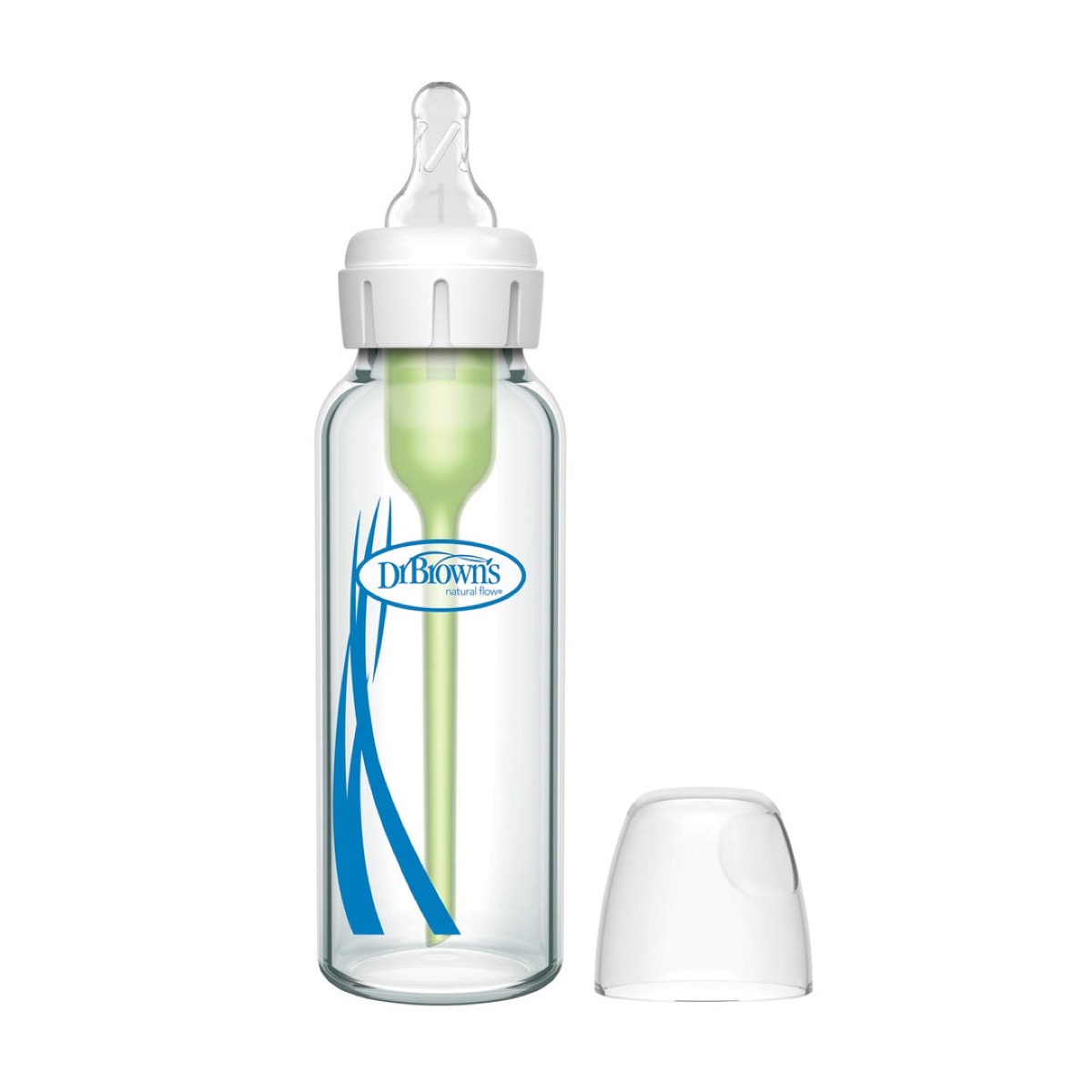
Dr. Brown's
Borosilicate glass releases zero microplastics during sterilization — unlike plastic bottles, which shed up to 16 million particles per cycle.
$$$Our price tier
A registry is the one moment other people buy the baby gear. Ask for glass and stainless now and you skip the swap you would otherwise make at eight months, after the polypropylene bottles are already in the cabinet.
Creating an Amazon Baby Registry is free, comes with a welcome box, and unlocks a completion discount on whatever nobody buys you.
Infant feeding gear is the single most concentrated microplastic exposure in a normal household — hot liquid, plastic vessel, several times a day, into the smallest person in the house. Three published studies make the case better than we can.
Trinity College Dublin researchers prepared formula in ten brand-new polypropylene bottles exactly the way the World Health Organization instructs — sterilize, add hot water, shake. The bottles shed up to 16.2 million plastic particles per liter. Hotter water and sterilizing made it worse.
Li et al., Nature Food, 2020A team at the Medical University of Gdansk analyzed 30 powdered infant formula products. Every single one contained microplastics — polyamide, polyethylene, polypropylene and PET — working out to roughly 49 particles a day for an exclusively formula-fed baby.
Kadac-Czapska et al., Food Chemistry, 2024When researchers compared infant and adult stool samples in New York, PET concentrations in the infants averaged ten times higher. Babies are smaller, they mouth everything, and almost everything they are fed from is plastic.
Zhang et al., Environmental Science & Technology Letters, 2021Bottles first. Heat plus polypropylene is the combination the Nature Food study measured, and it is the one piece of gear used ten times a day. Glass bottles with silicone sleeves survive the drop test better than parents expect.
Borosilicate glass releases zero microplastics during sterilization — unlike plastic bottles, which shed up to 16 million particles per cycle.
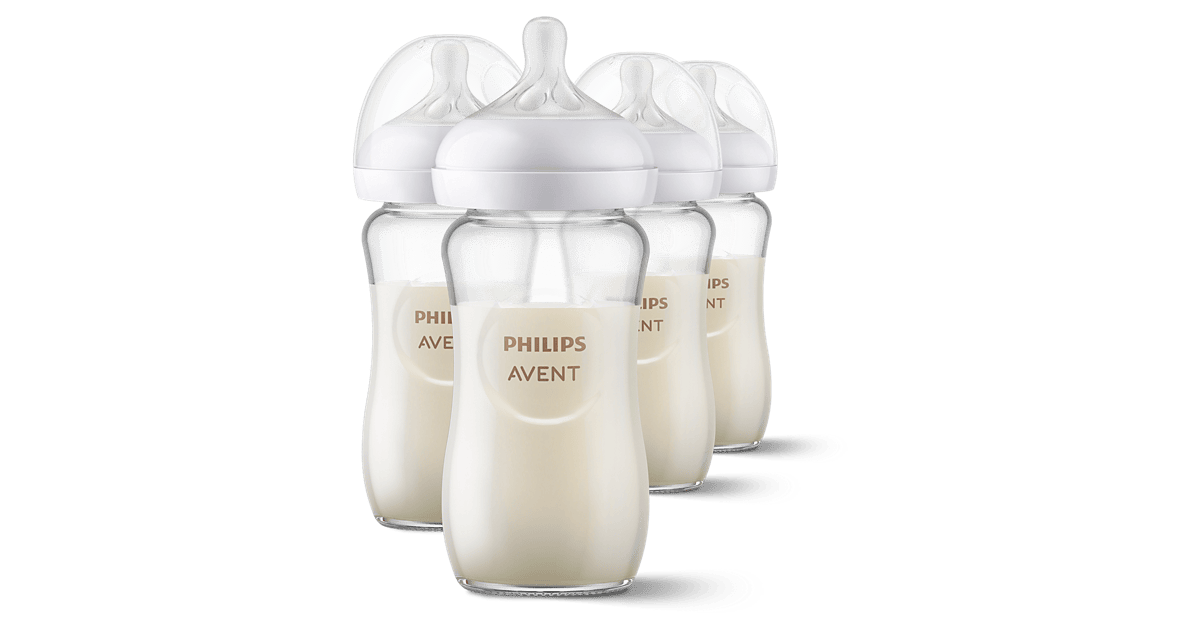
Glass feeding bottle with a silicone nipple, so milk is heated and held in glass rather than plastic. The screw collar is plastic, which is true of every glass bottle on the market.
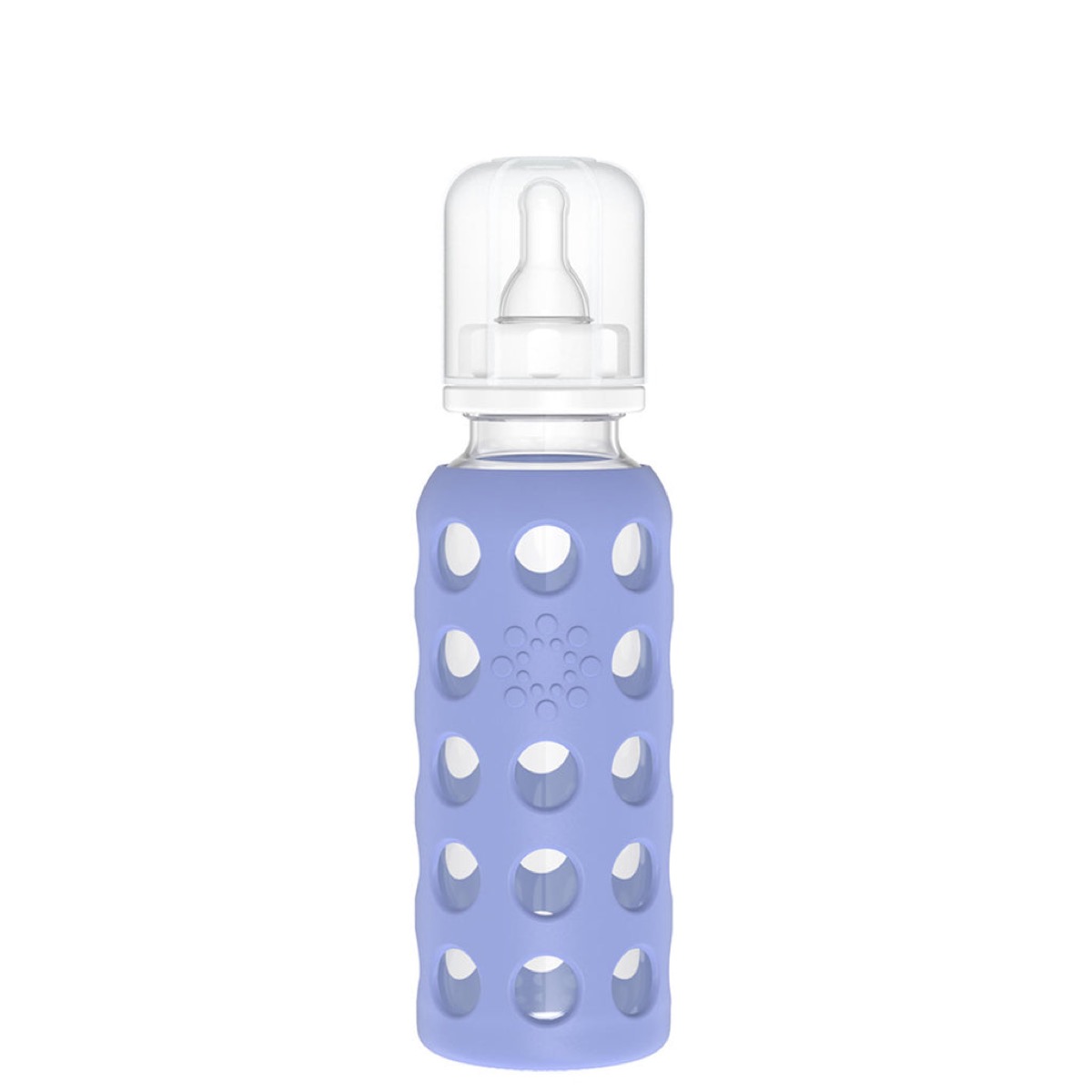
Glass bottle inside a silicone sleeve — the sleeve is what makes glass practical with a baby, because it grips and it contains the glass if it is dropped.
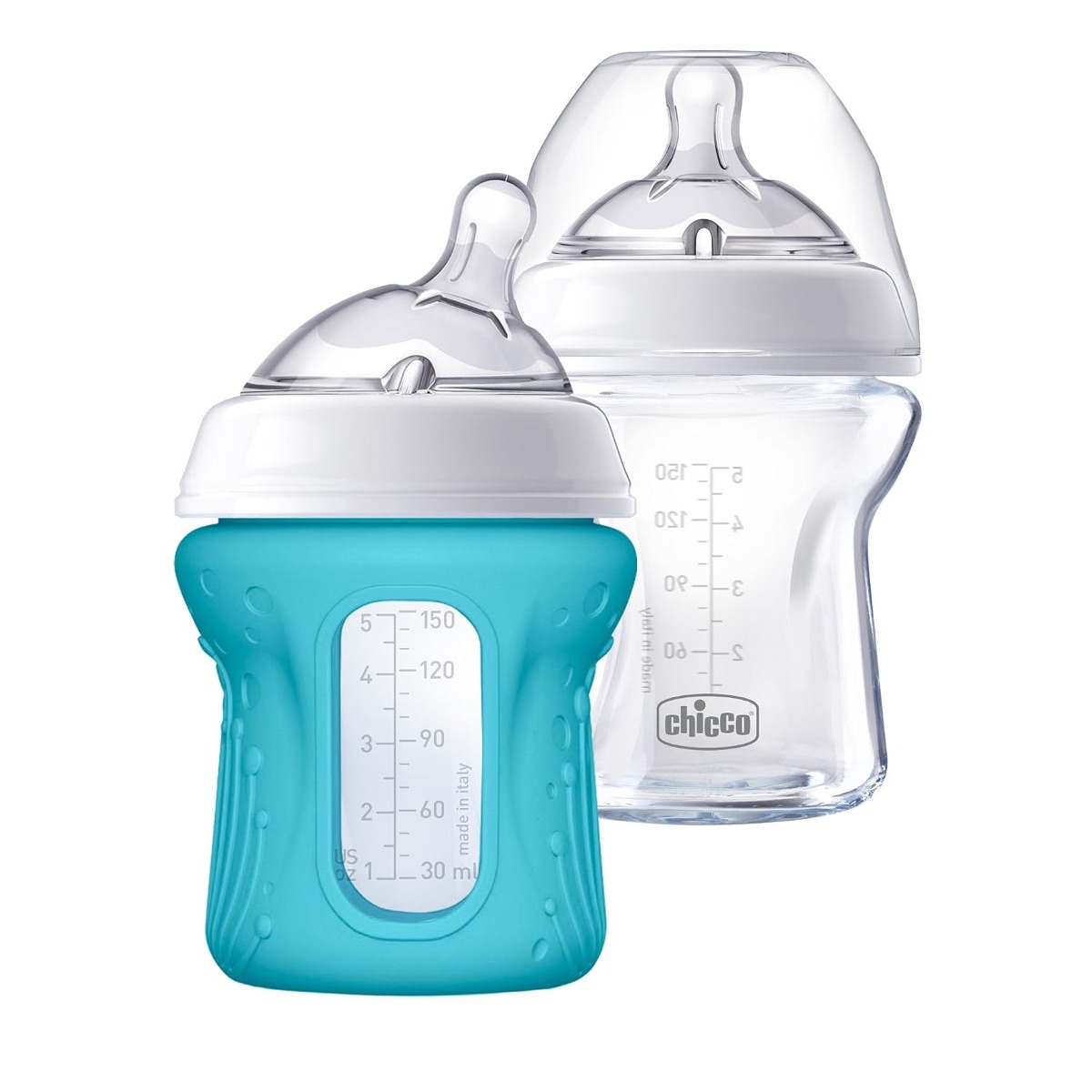
Glass bottle with a silicone sleeve included and an angled nipple designed for latch — glass for the milk, silicone for the mouth and the grip.
Six months in, feeding moves from bottles to plates. Stainless, bamboo and food-grade silicone all survive a thrown dinner; none of them shed the way a scratched plastic plate does.
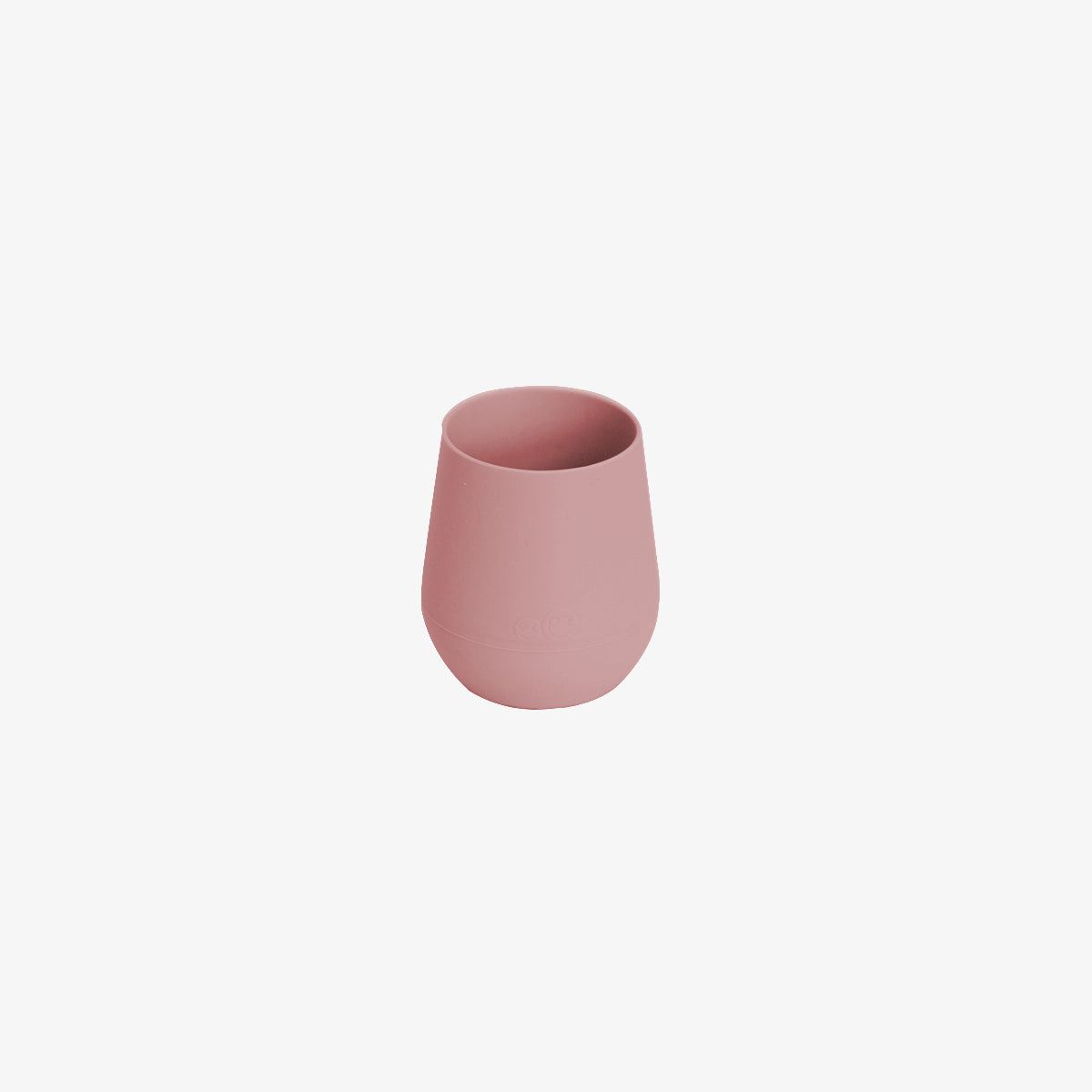
A first open cup in food-grade silicone, sized for a baby learning to drink — soft enough not to hurt teeth, and no plastic against the mouth.
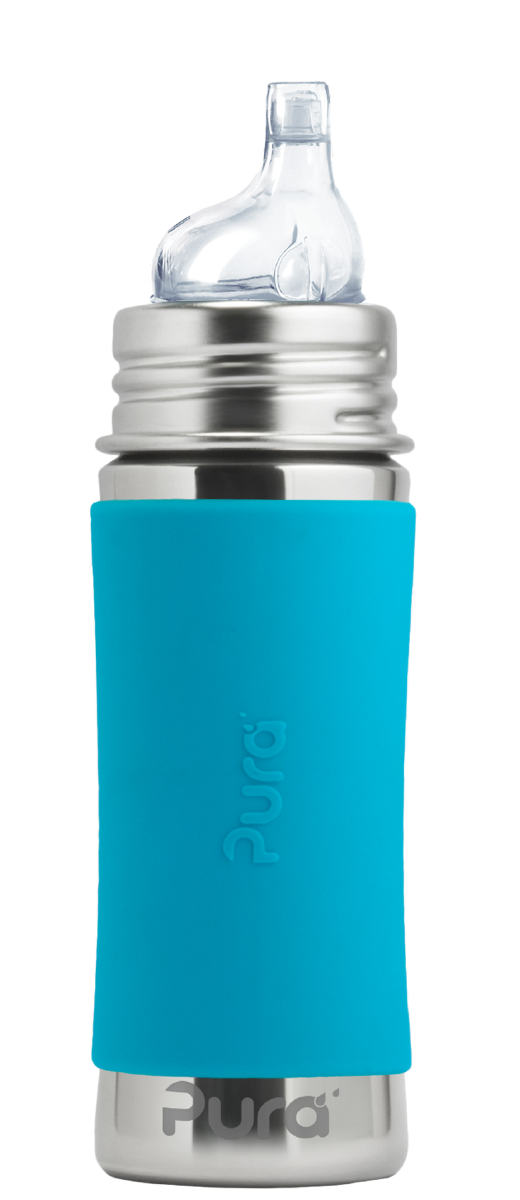
100% stainless steel body with medical-grade silicone spout. Grows with your child via interchangeable tops — from infant to toddler.
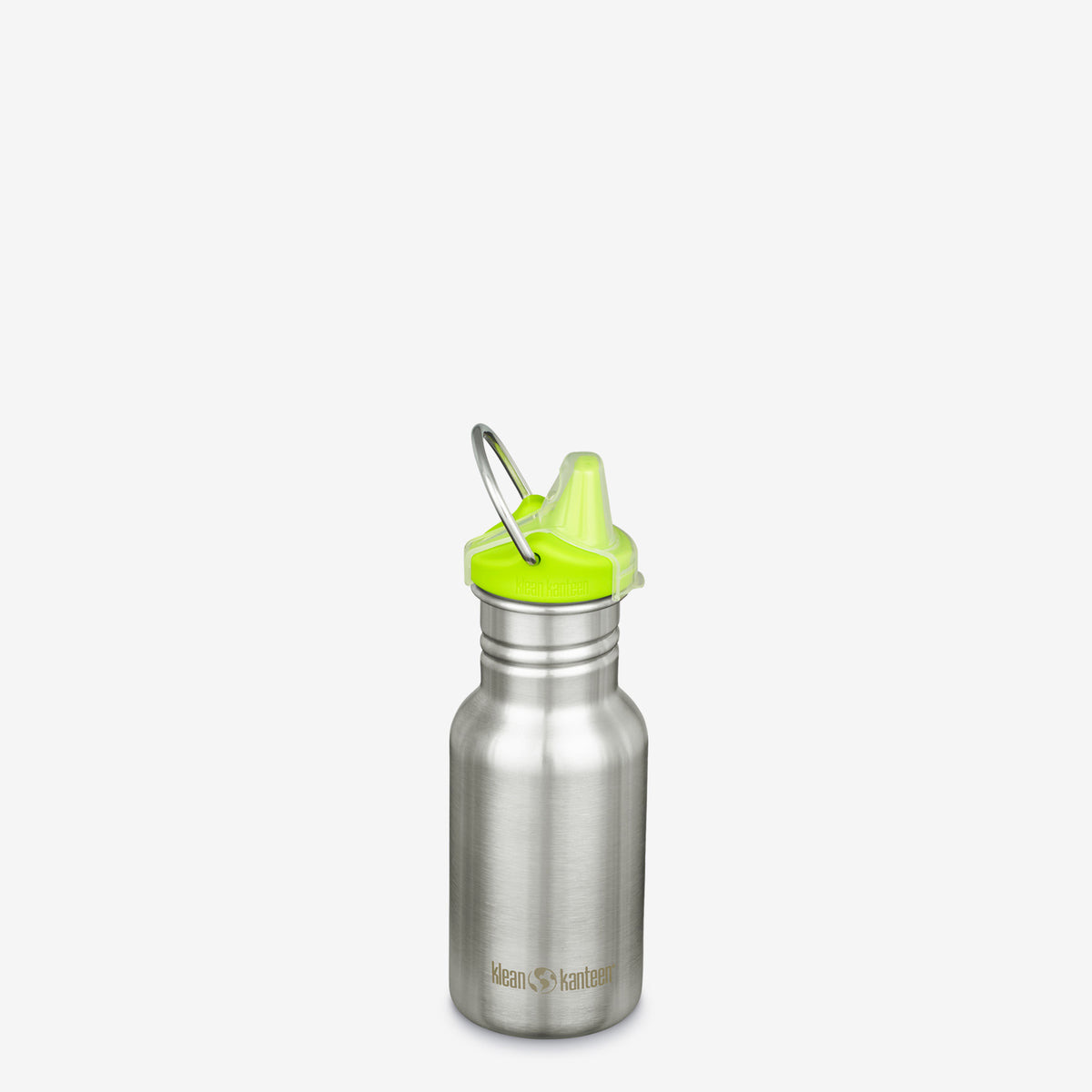
Single-wall stainless steel kids’ bottle with a sippy spout — the liquid sits in steel, and the bottle grows with the child as the cap is swapped.
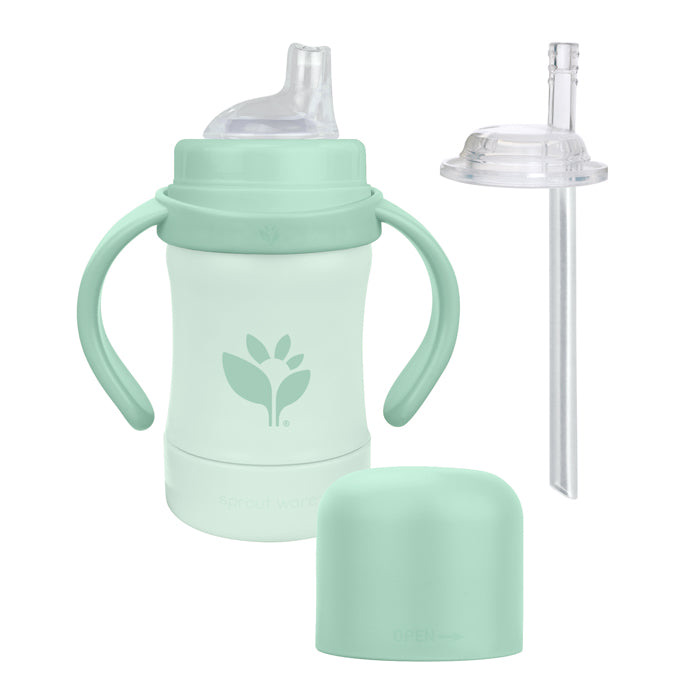
Stainless steel cup with a sip lid and a straw lid, where the liquid touches only steel and silicone — two stages of drinking in one cup.
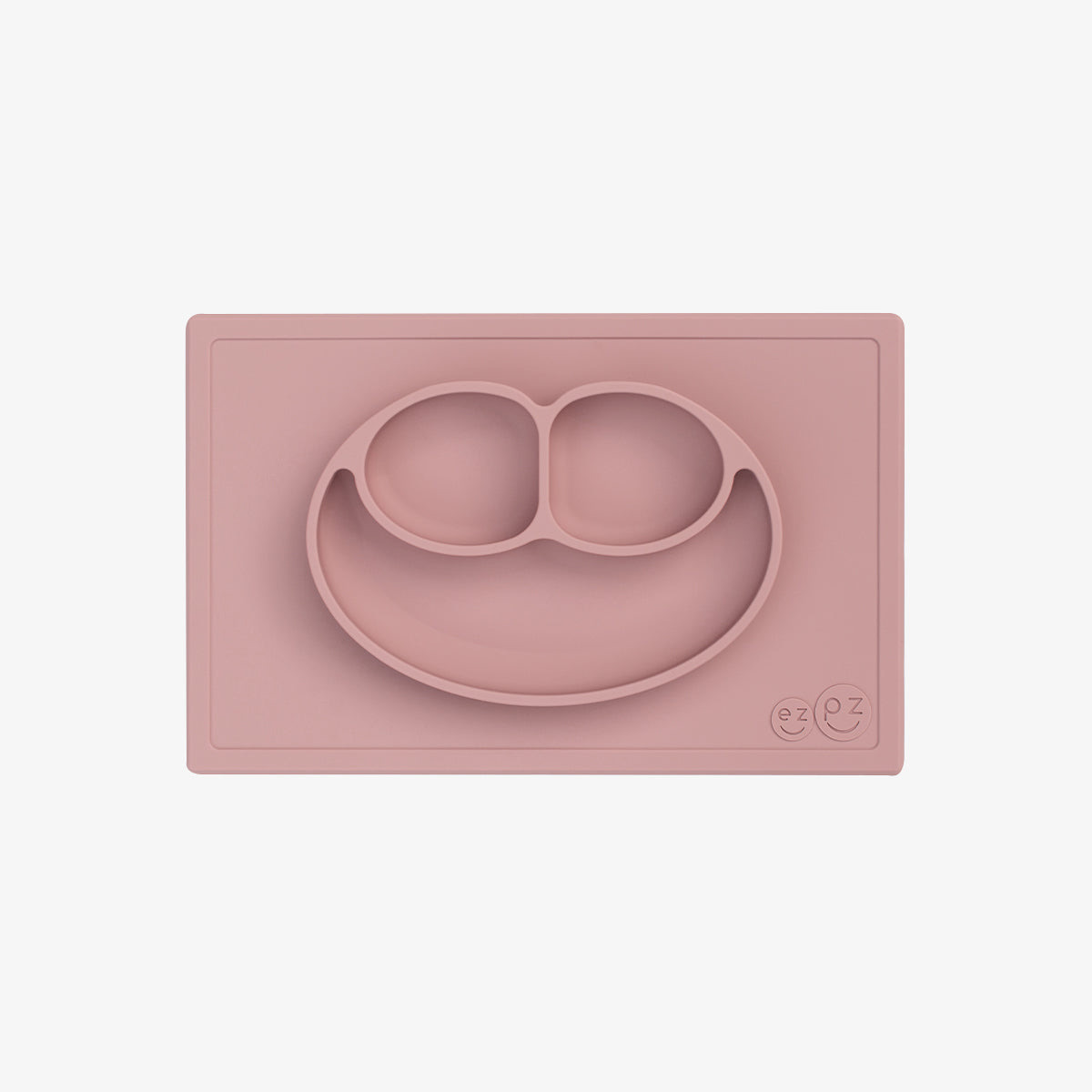
Plate and placemat moulded as one piece of food-grade silicone, so it suctions to the table and there is no plastic dish for a toddler to launch.
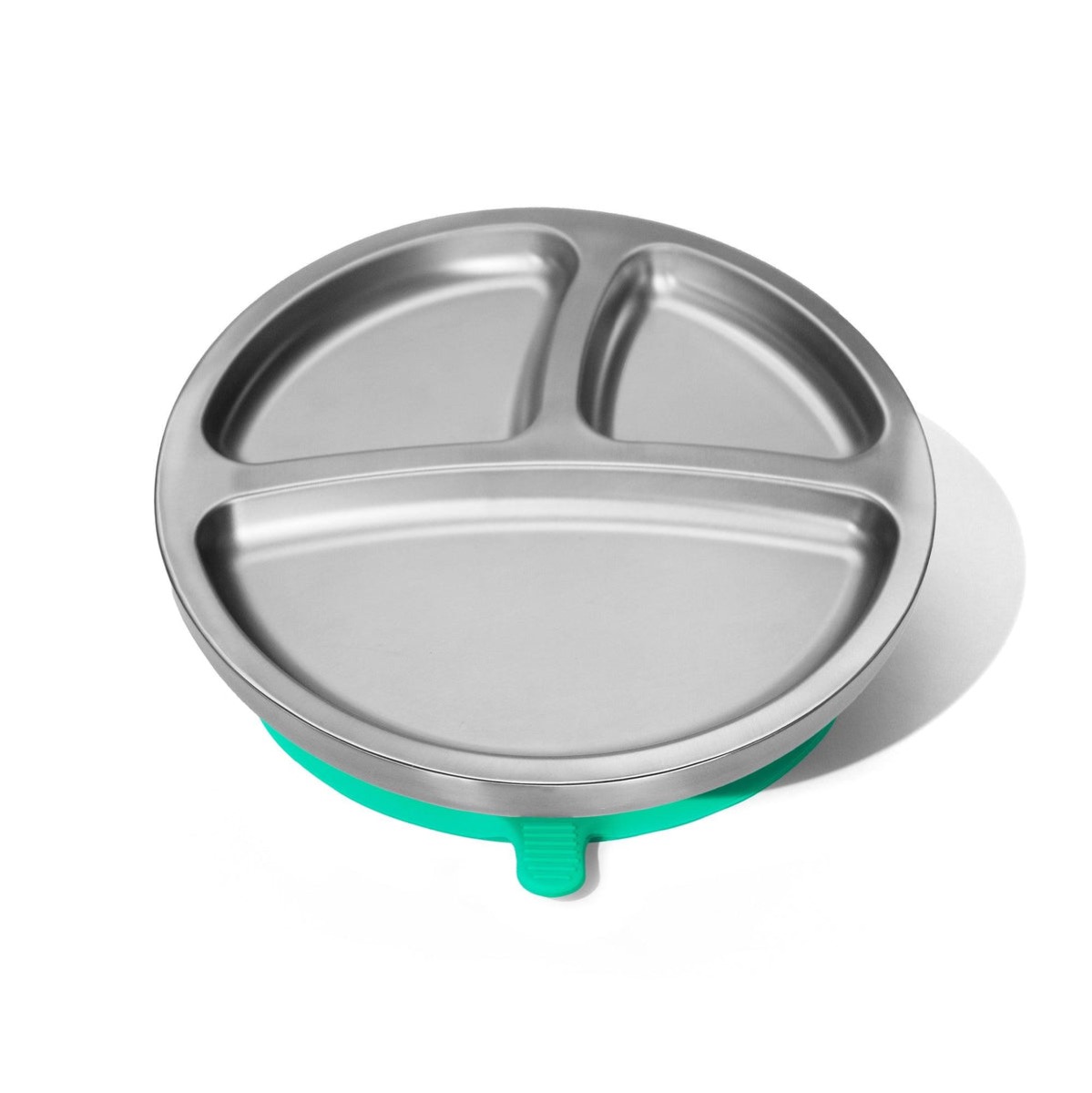
Divided plate in 304 stainless steel with a removable silicone suction ring — the food surface is metal, and the ring comes off so you can clean behind it.
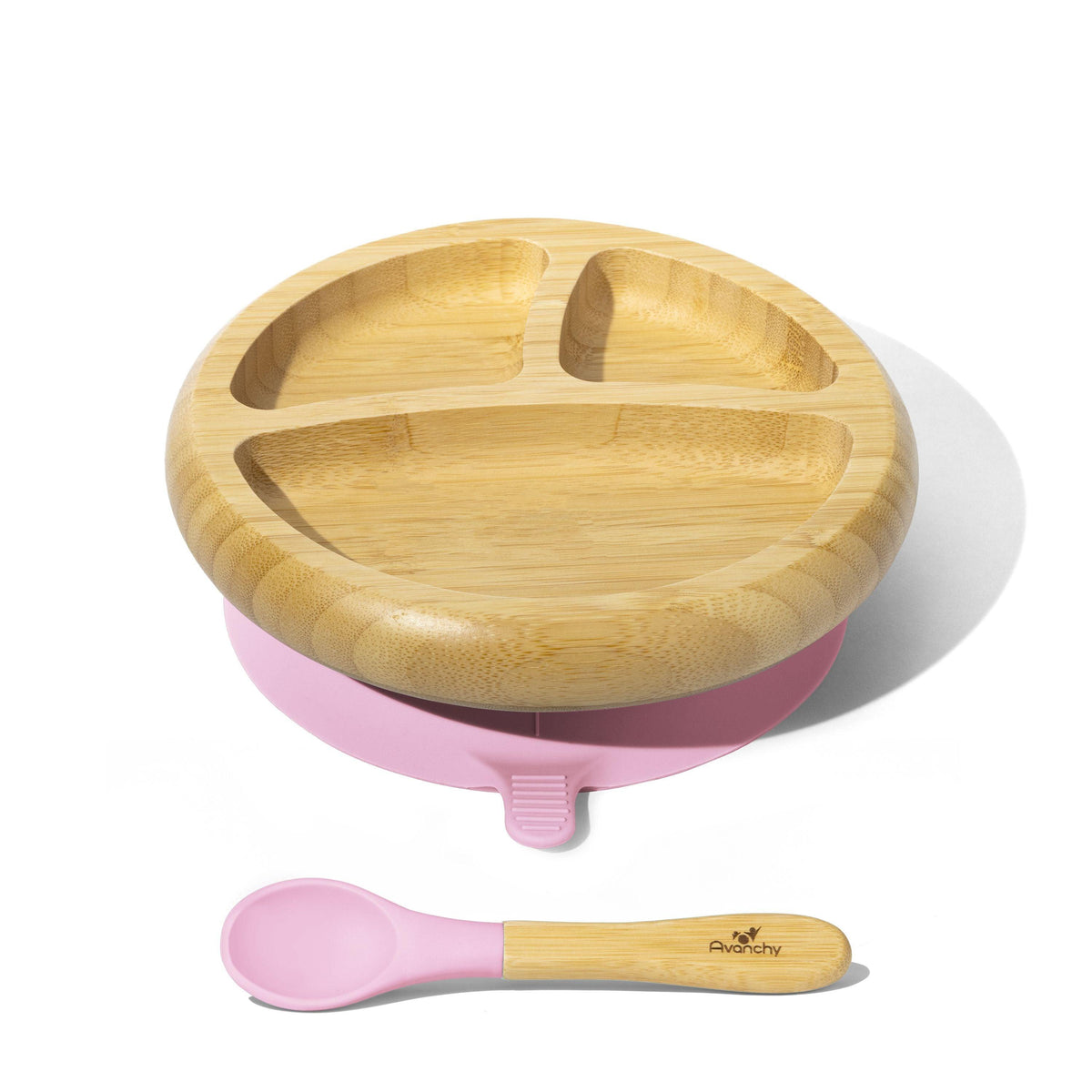
Bamboo plate with a removable silicone suction ring and a matching spoon — a natural eating surface instead of moulded plastic, with the trade-offs bamboo brings.
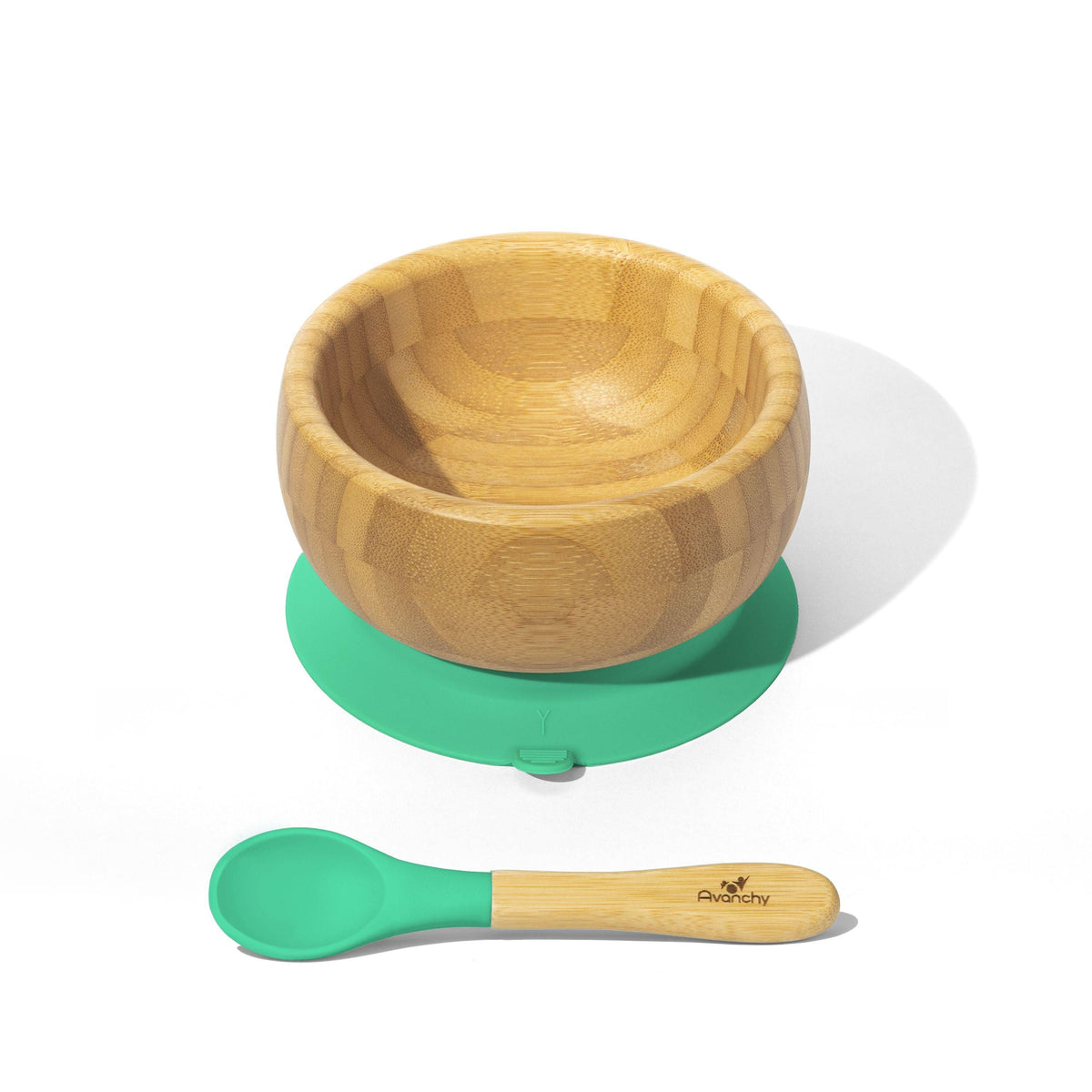
Bamboo bowl with a removable silicone suction base and a spoon — for the porridge-and-yogurt stage, where a bowl that stays put matters more than a plate.
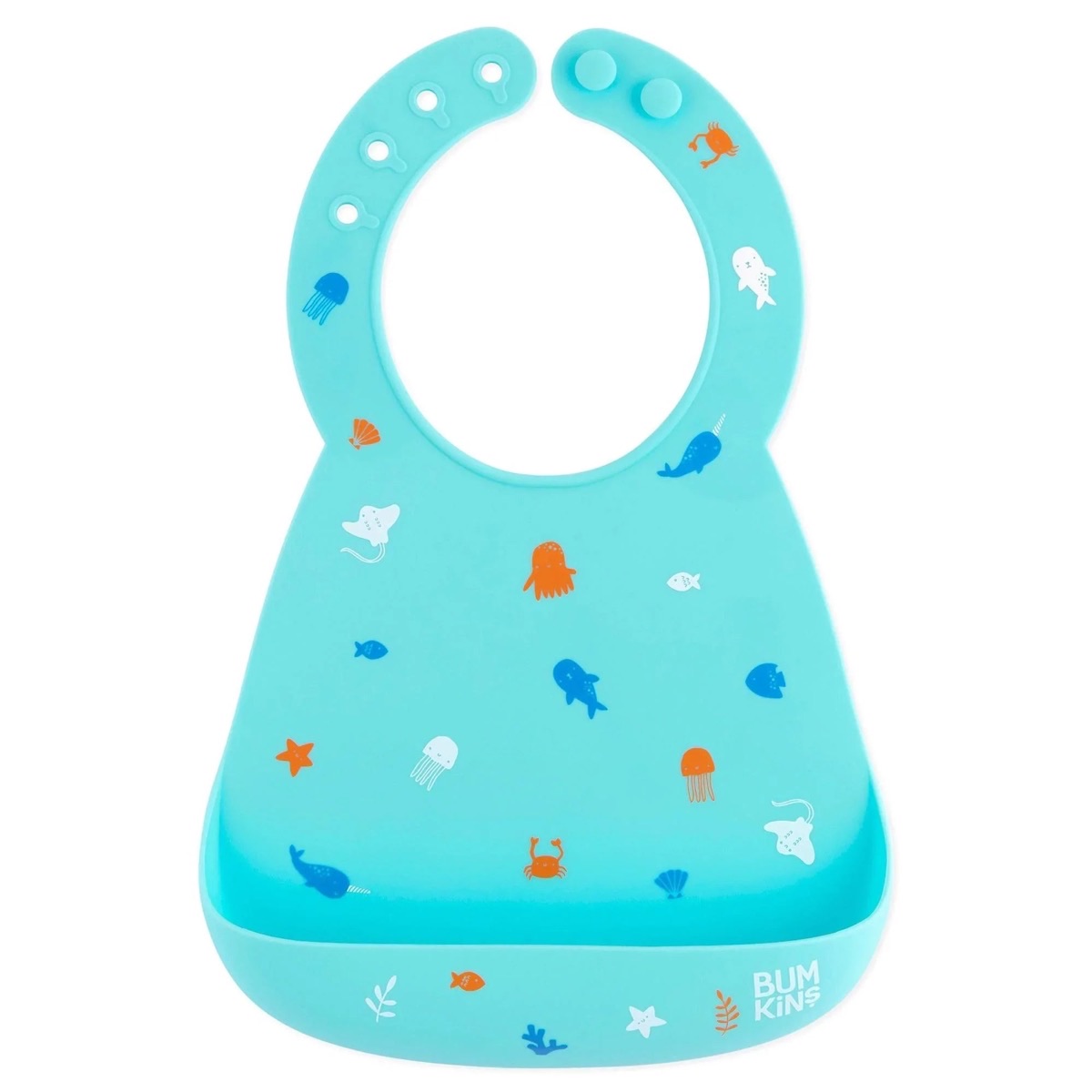
One-piece silicone bib with a catch-all pocket — wipes clean in seconds and holds its shape, unlike the coated fabric bibs it replaces.
A newborn is on the crib mattress twelve to sixteen hours a day, face down against the surface. Organic cotton and a certified mattress are the two items on this list nobody thinks to register for.
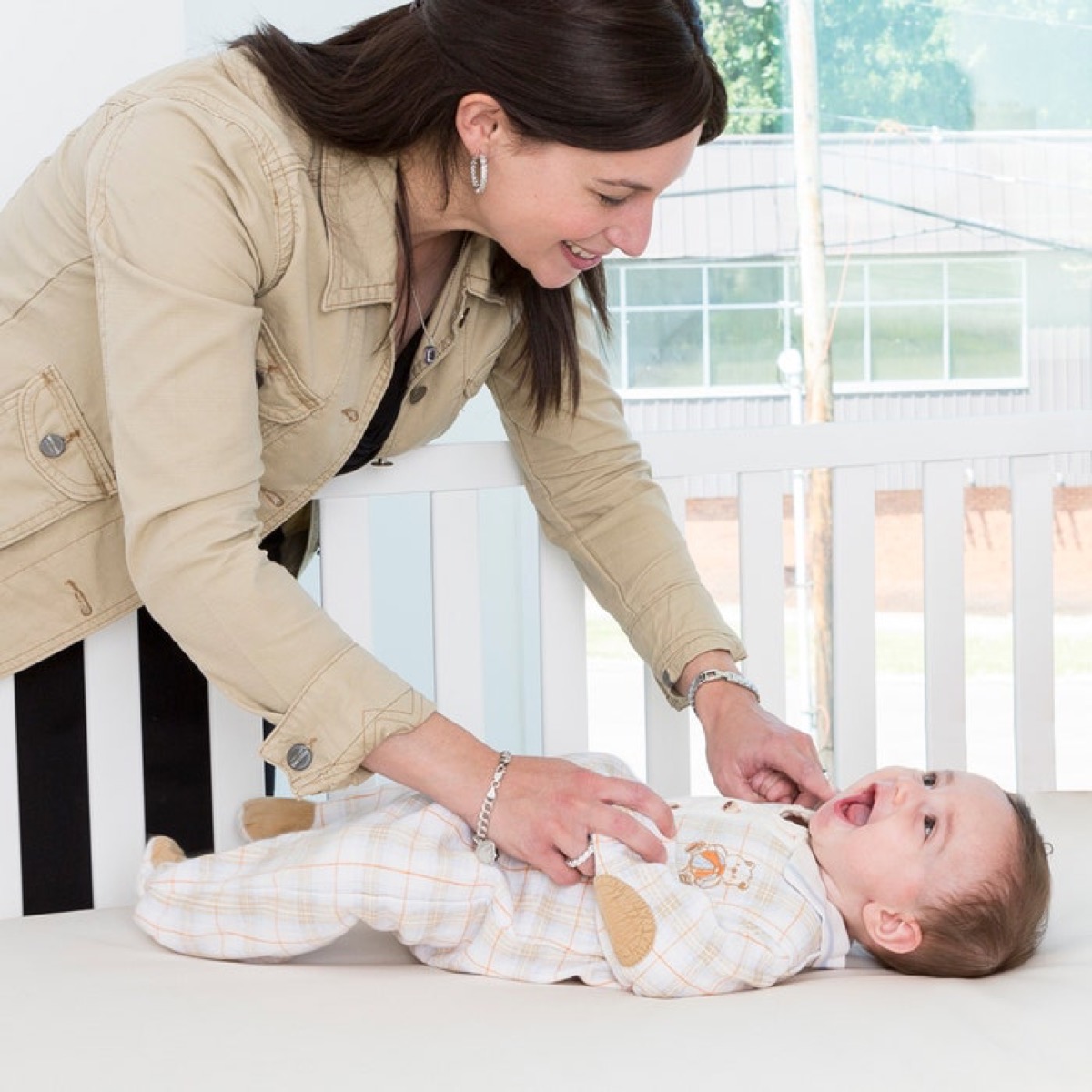
GOTS-certified organic cotton and wool fill — no polyurethane foam or polyester that sheds microplastic fibers while your baby sleeps.
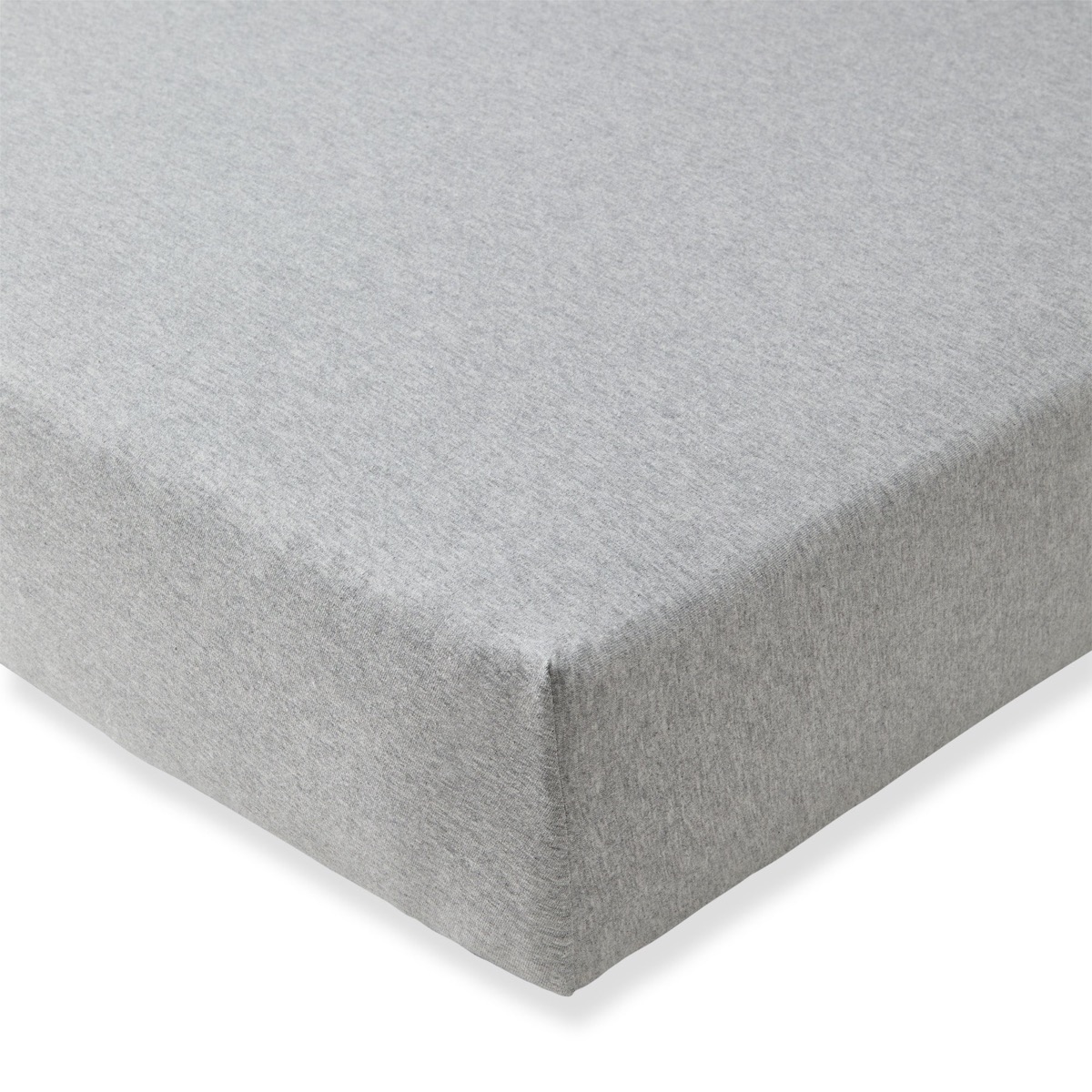
Fitted crib sheet in GOTS certified organic cotton — the single textile a baby spends the most hours against, at a price that lets you own several.
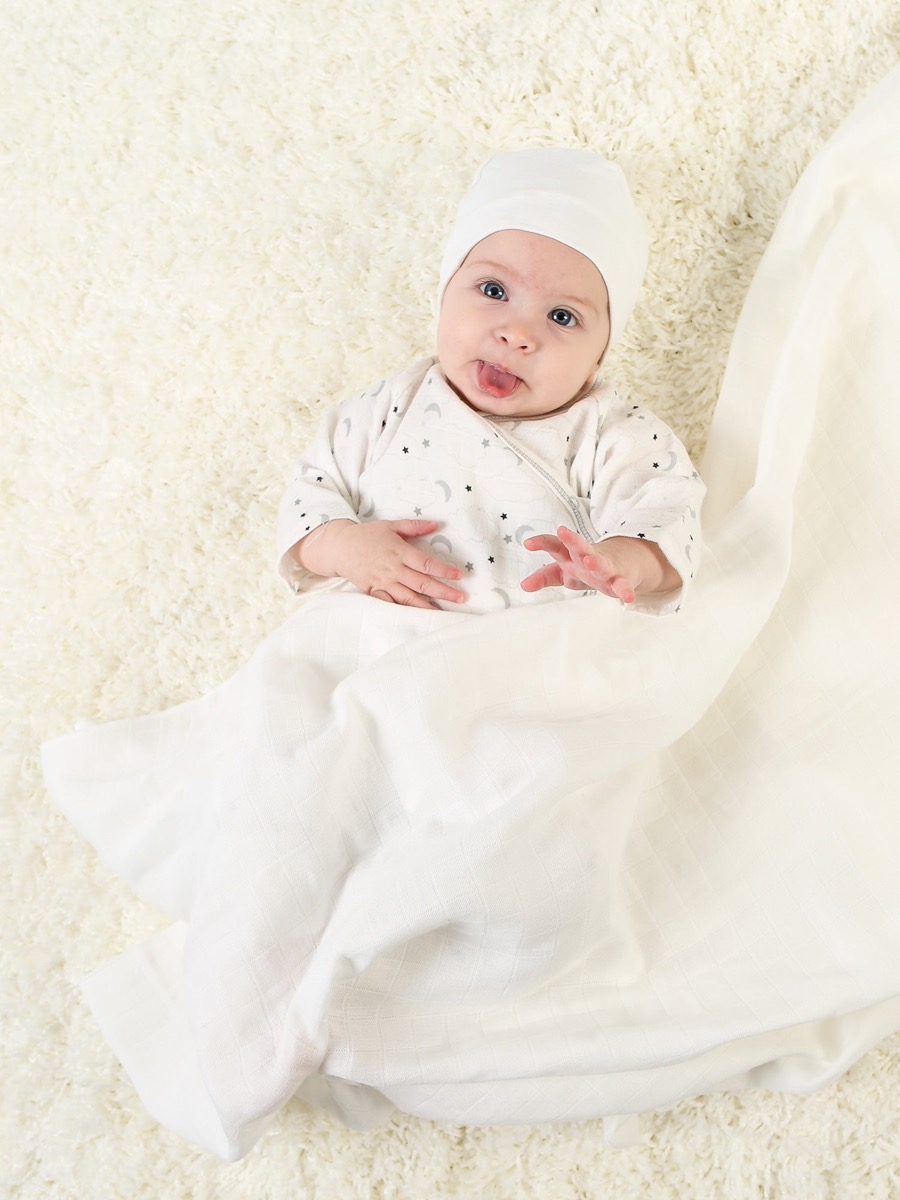
Swaddle woven from GOTS certified organic Egyptian cotton — a breathable natural fiber against newborn skin, with no polyester and no finishing chemistry.
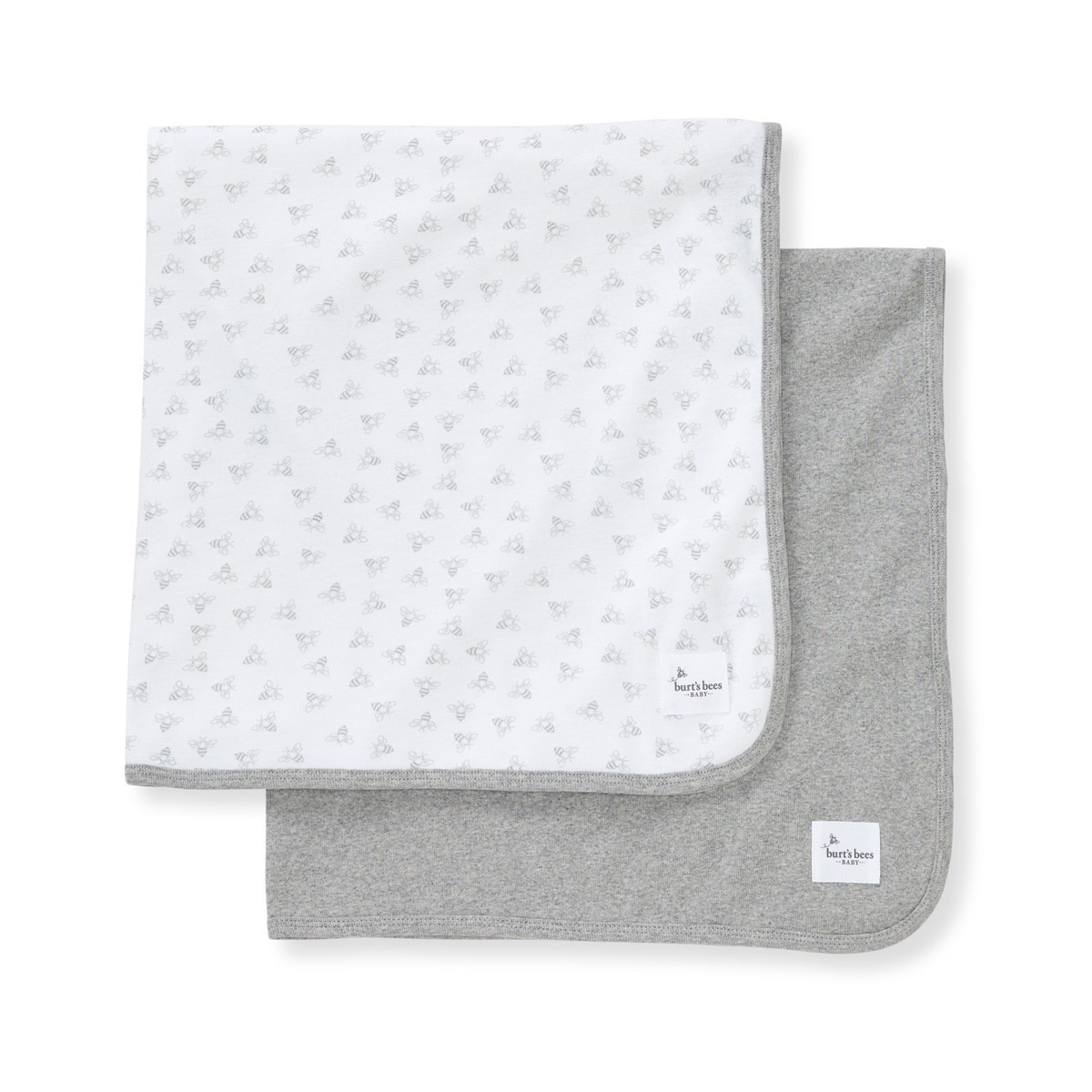
GOTS certified organic cotton receiving blanket at supermarket pricing — the version of this swap that a whole nursery can actually be stocked with.
A teether is the only product designed to be gnawed on for months. Natural rubber comes off a tree; the alternative is silicone or polypropylene in a mouth, all day.
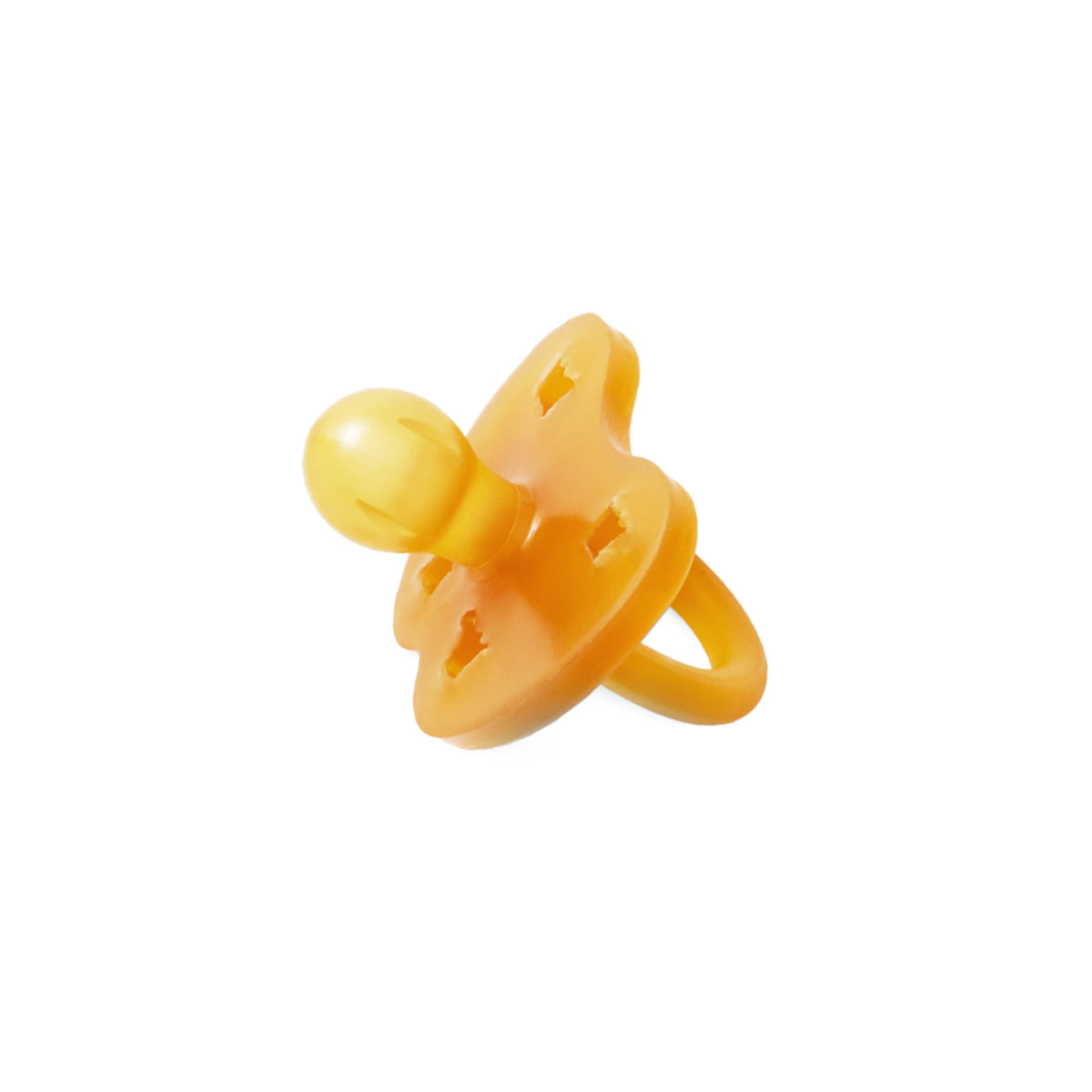
One-piece pacifier moulded from natural rubber — no plastic shield, no joins, and nothing that can come apart in a mouth. Natural rubber means latex.
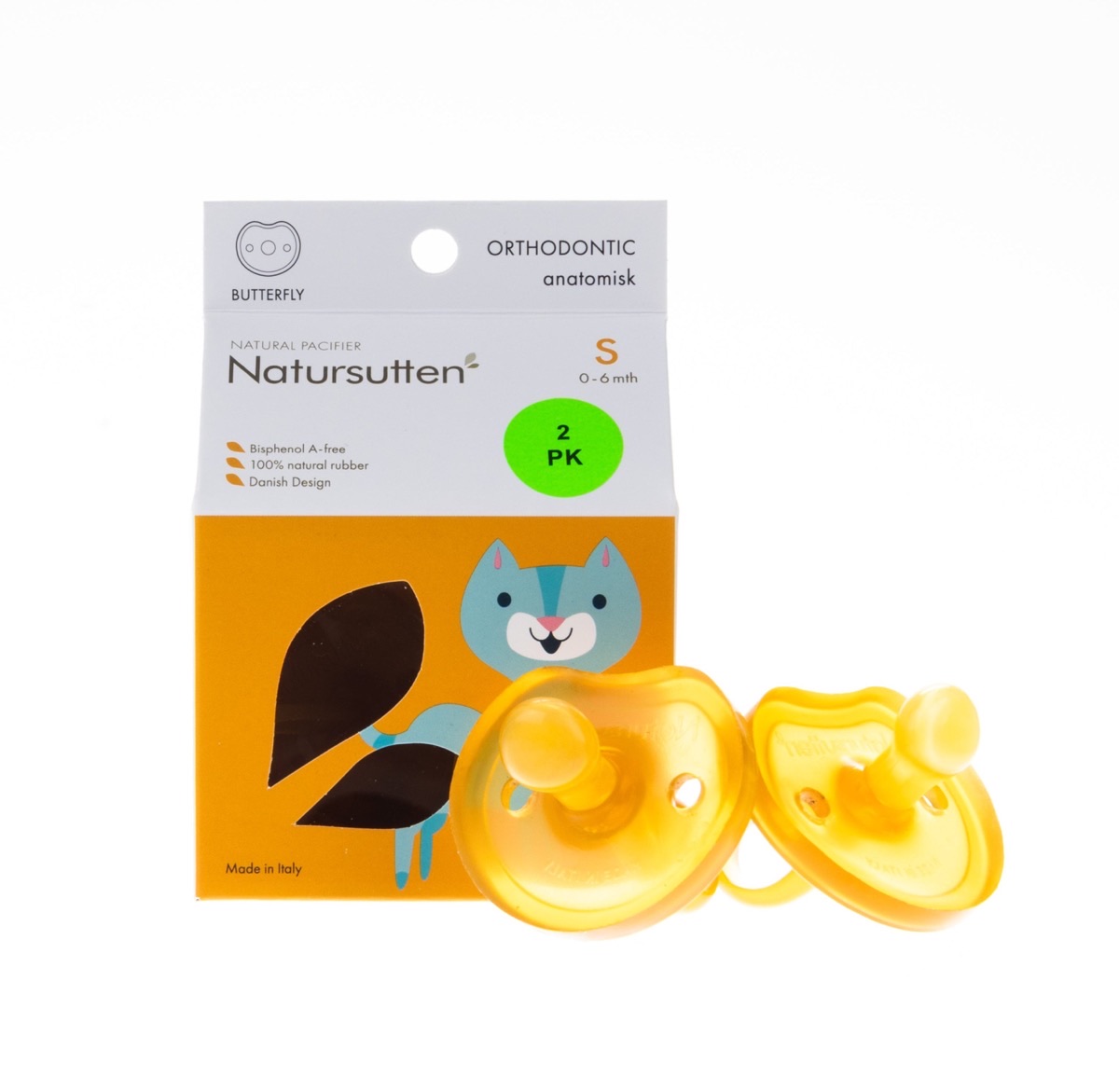
One-piece natural rubber pacifier made in Italy, with a butterfly shield shaped to leave the nose clear. Natural rubber is latex — read the allergy note before buying.
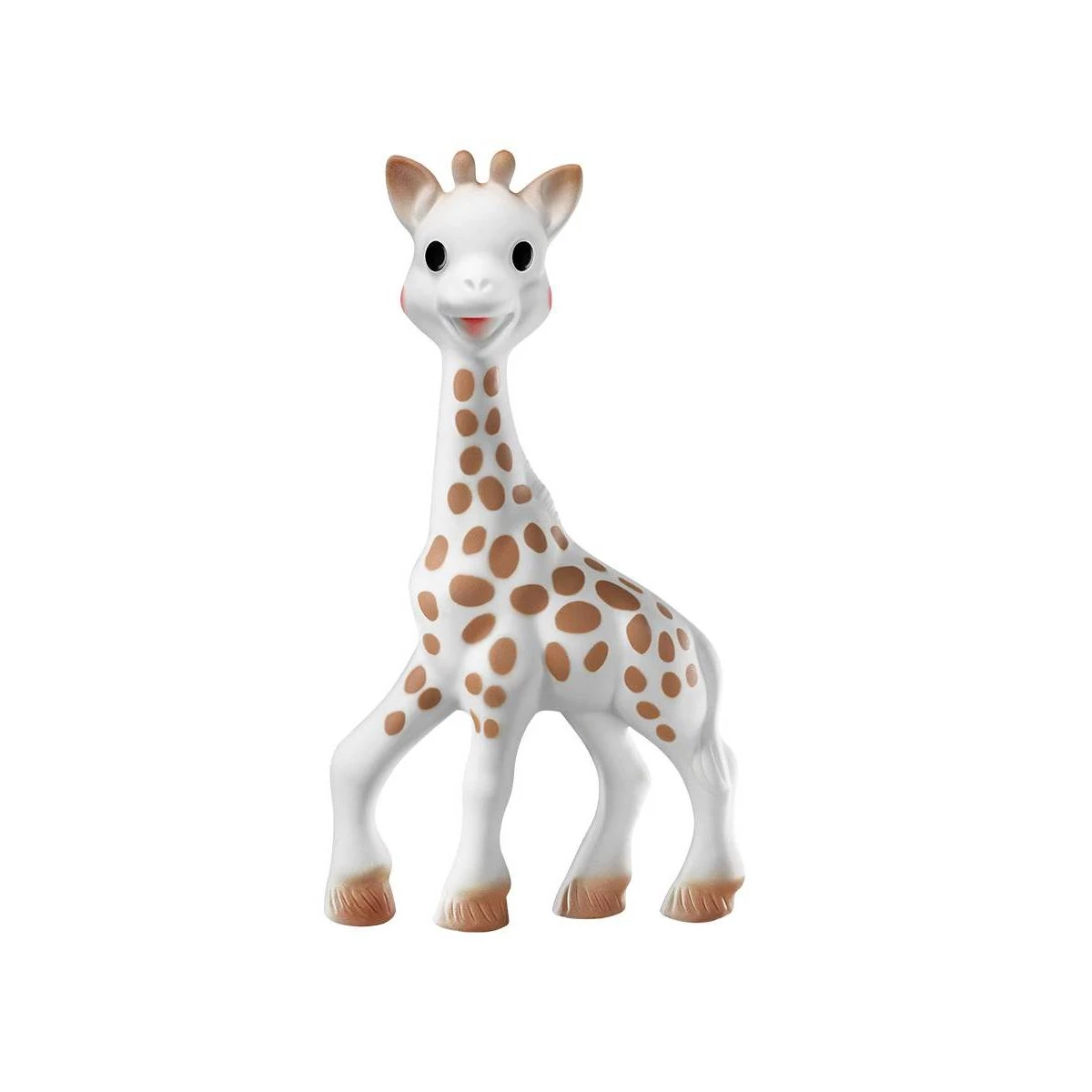
The classic teether, moulded from natural rubber with food-grade paint. It has a hole, so water gets inside — clean the surface only, and read the maker’s instructions before the first use.
Every one of these gets mouthed. Solid wood with non-toxic finishes lasts through siblings and does not shed as it wears.
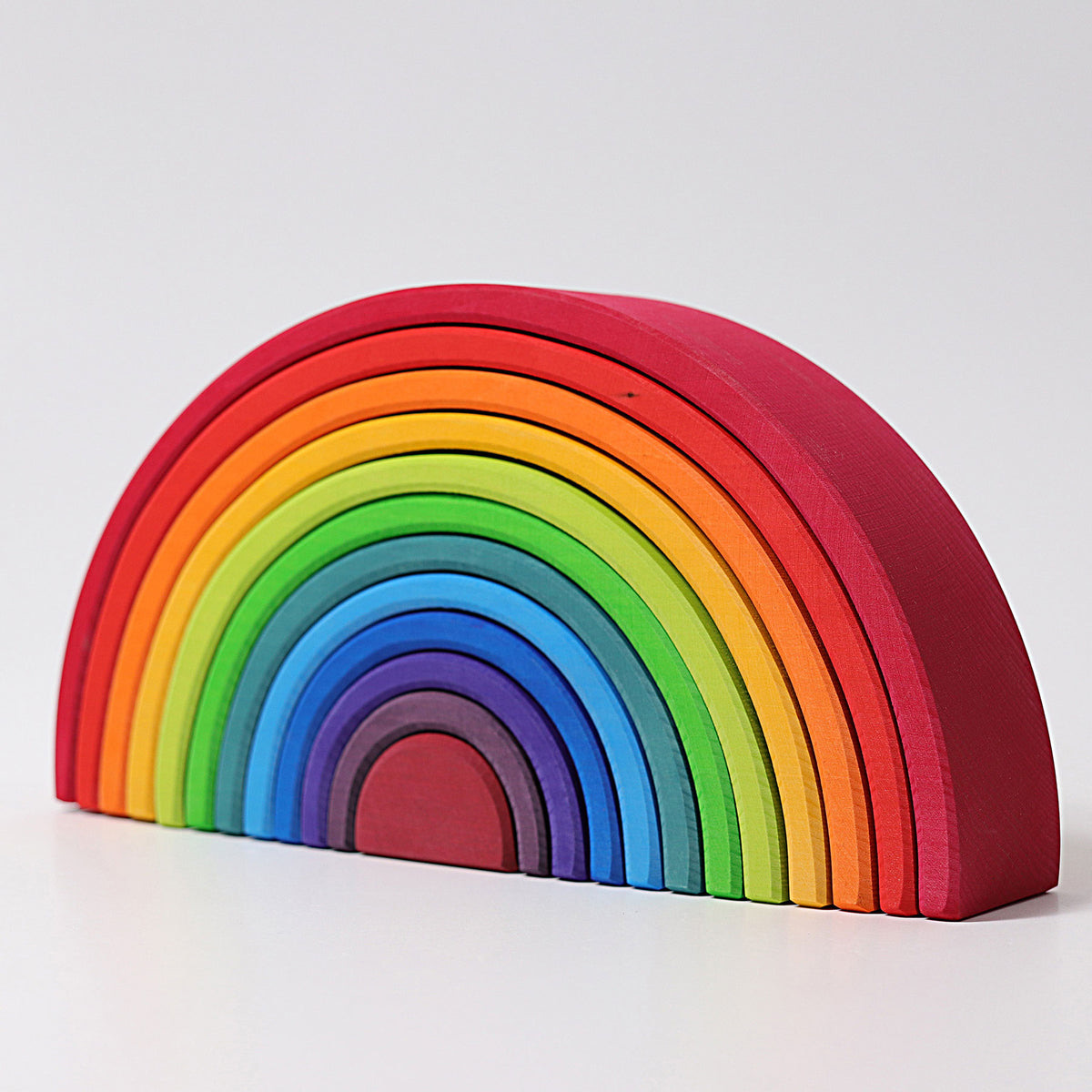
Twelve solid wood arches finished with water-based color — an open-ended toy that gets played with for years instead of a moulded plastic set with one use.
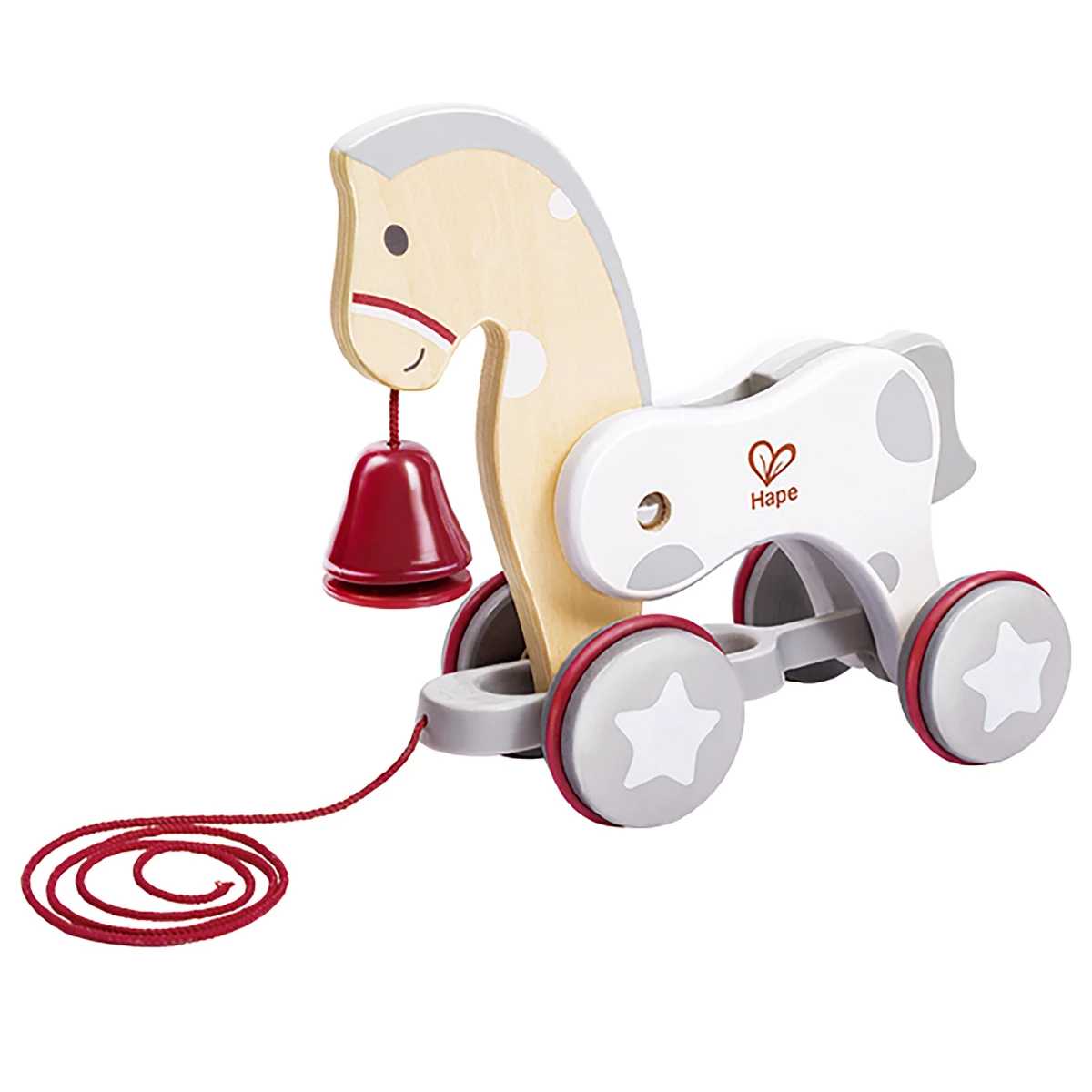
Wooden pull-along toy finished with water-based paint — the classic first walking toy, in wood rather than moulded plastic, at an accessible price.
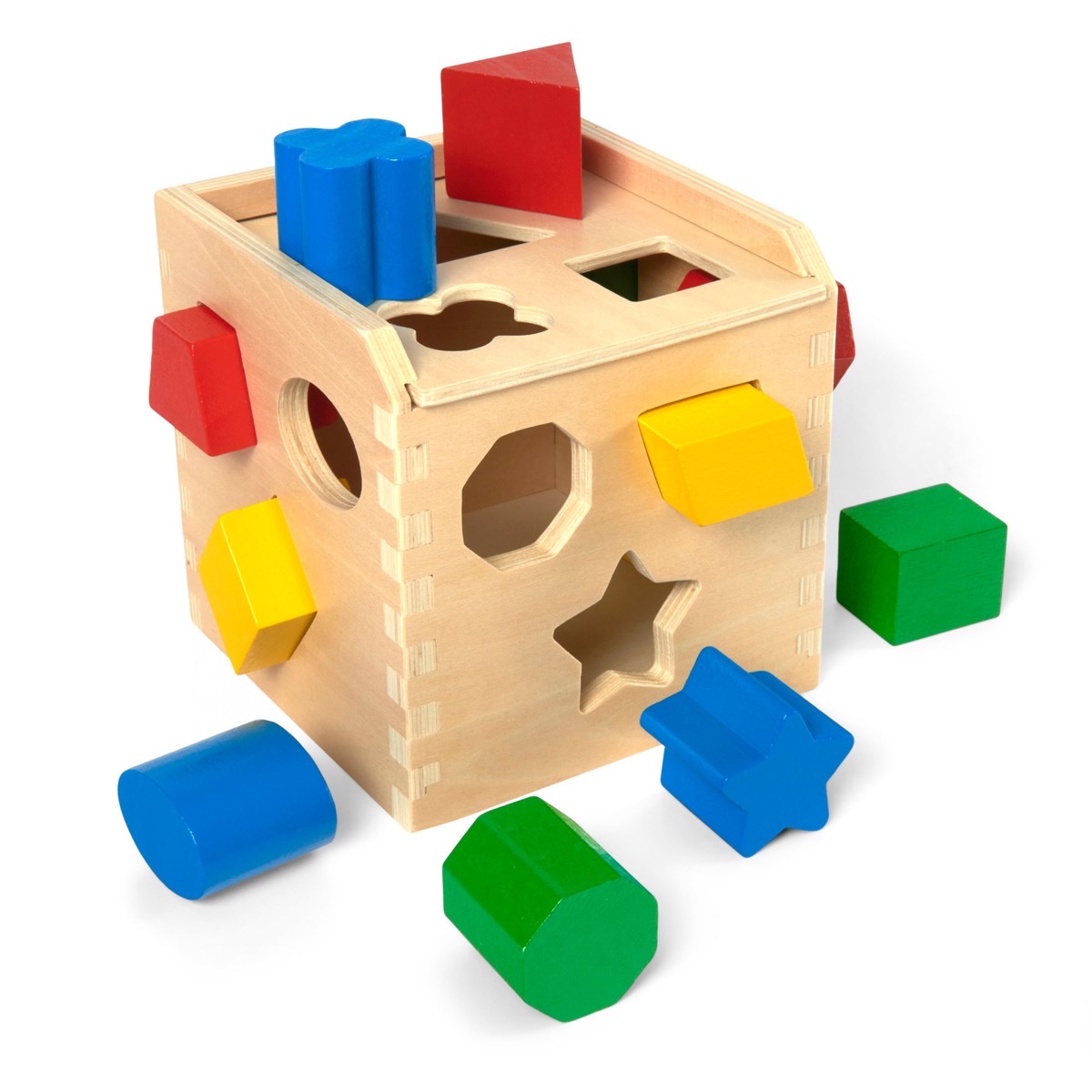
Solid wood shape sorter with wooden shapes — the standard first puzzle, in the material it used to be made from before everything became moulded plastic.
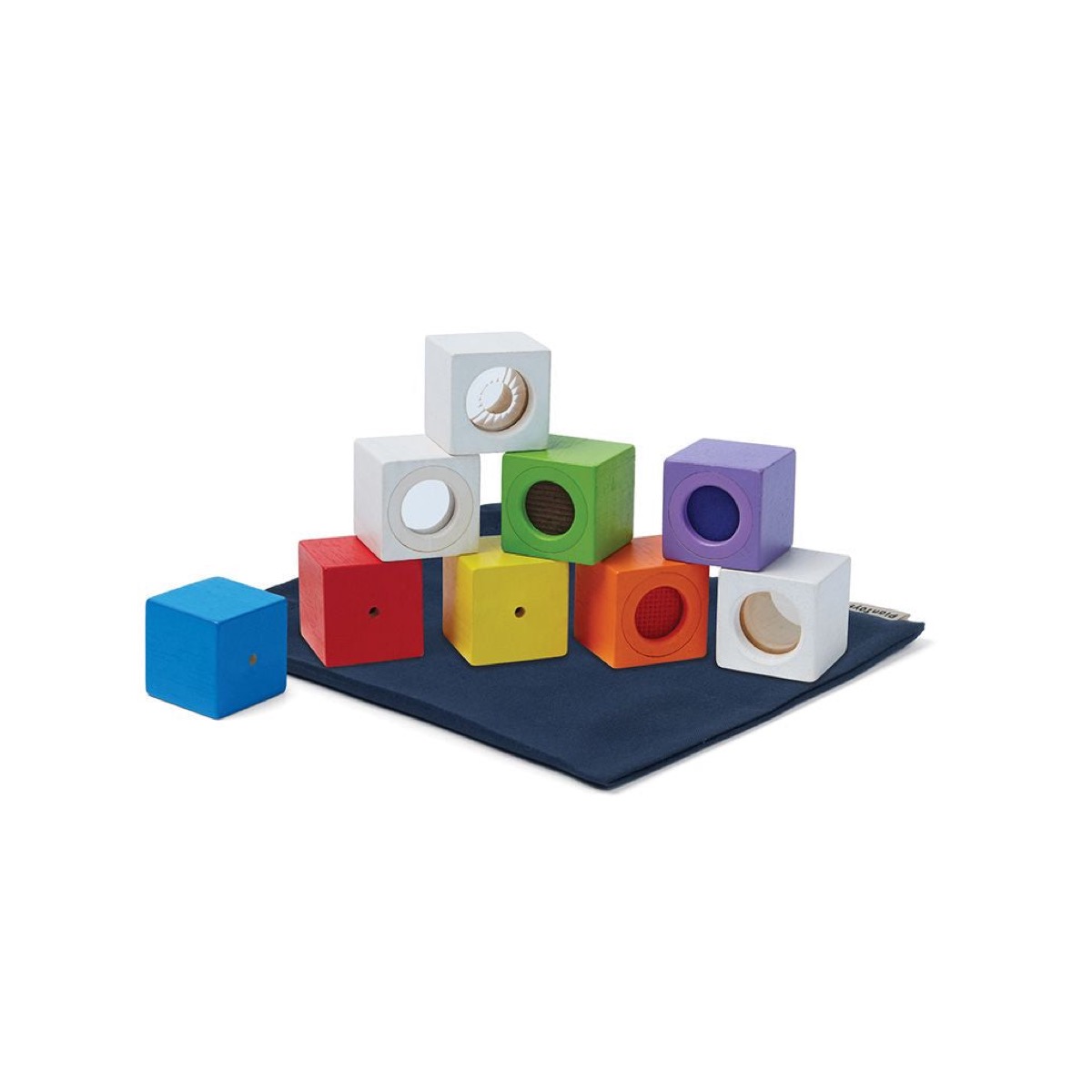
Sustainable rubberwood with non-toxic water-based dyes. Zero plastic particles released when mouthed or chewed — unlike conventional plastic toys.
The bottle is only half of it. If you are mixing powdered formula, every bottle is mostly tap water — so a filter that is rated for microplastics is the highest-value thing on this whole registry.
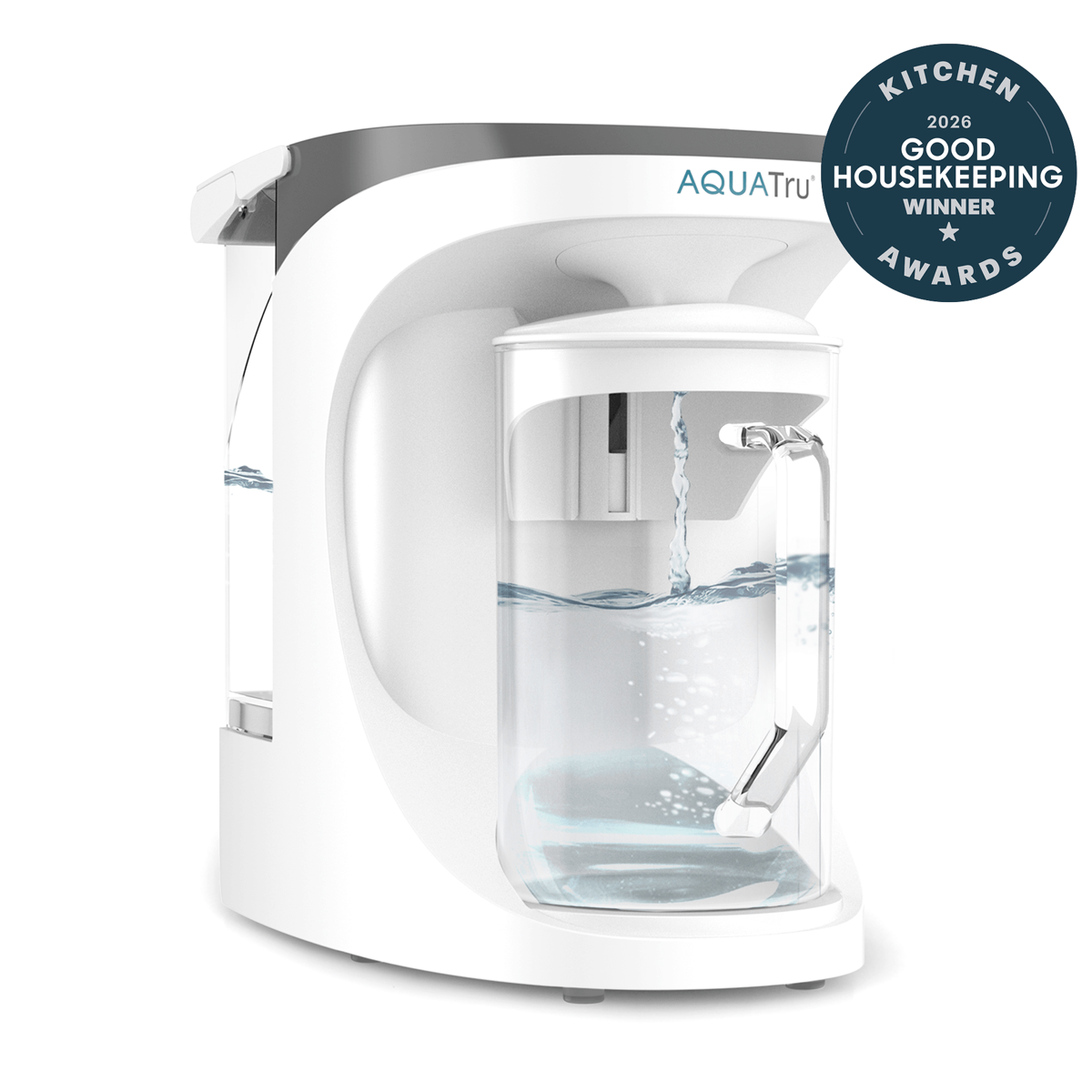
Reverse osmosis on the countertop with no plumbing. Certified by IAPMO to NSF/ANSI 42, 53, 58, 401 and 372 for every one of the 83 contaminants it claims to reduce — including PFAS, lead and microplastics. Read more in our water filter guide.
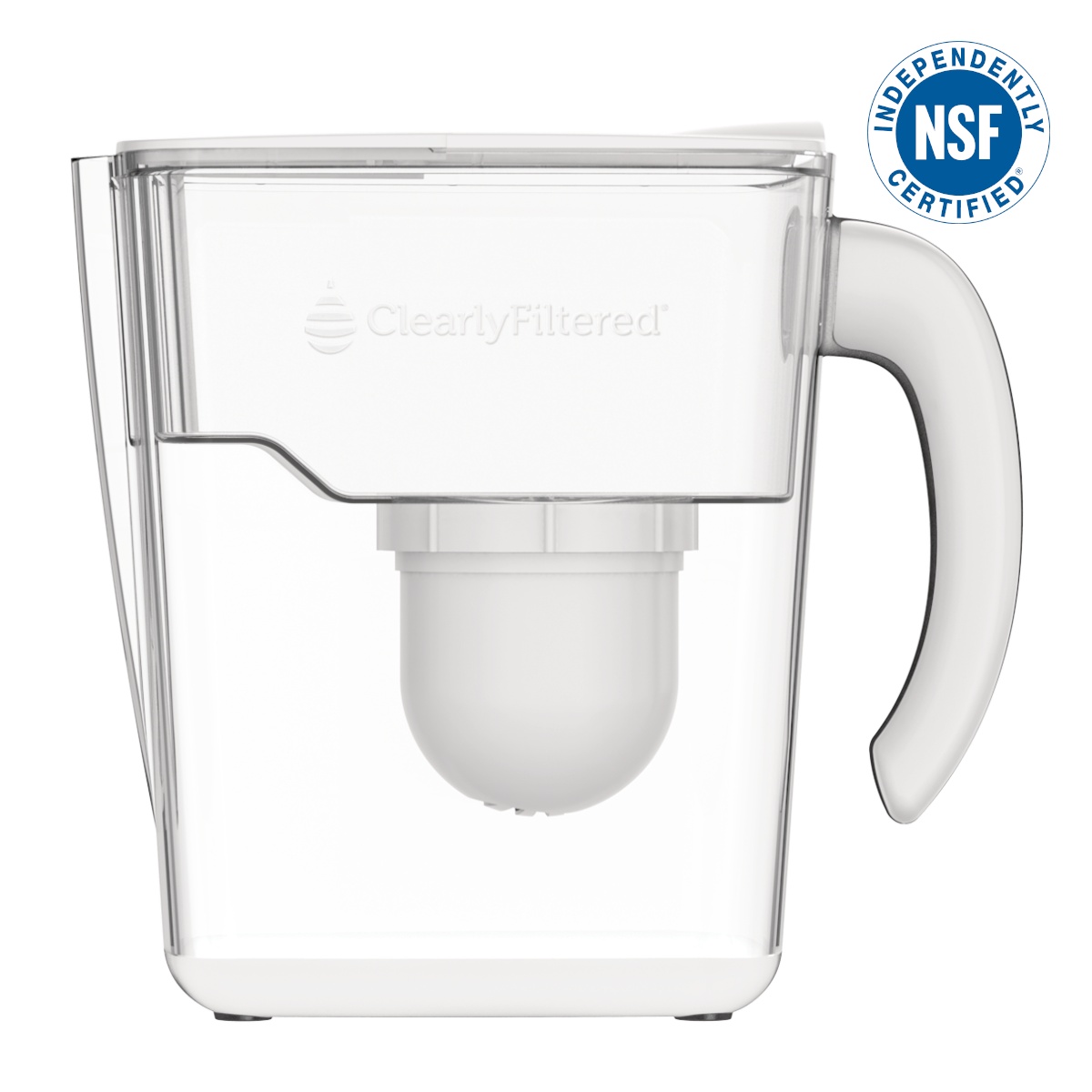
Triple-stage pitcher independently lab-tested against 365+ contaminants including microplastics, PFAS, and pharmaceuticals. More expensive than LifeStraw but tested against a wider contaminant set.
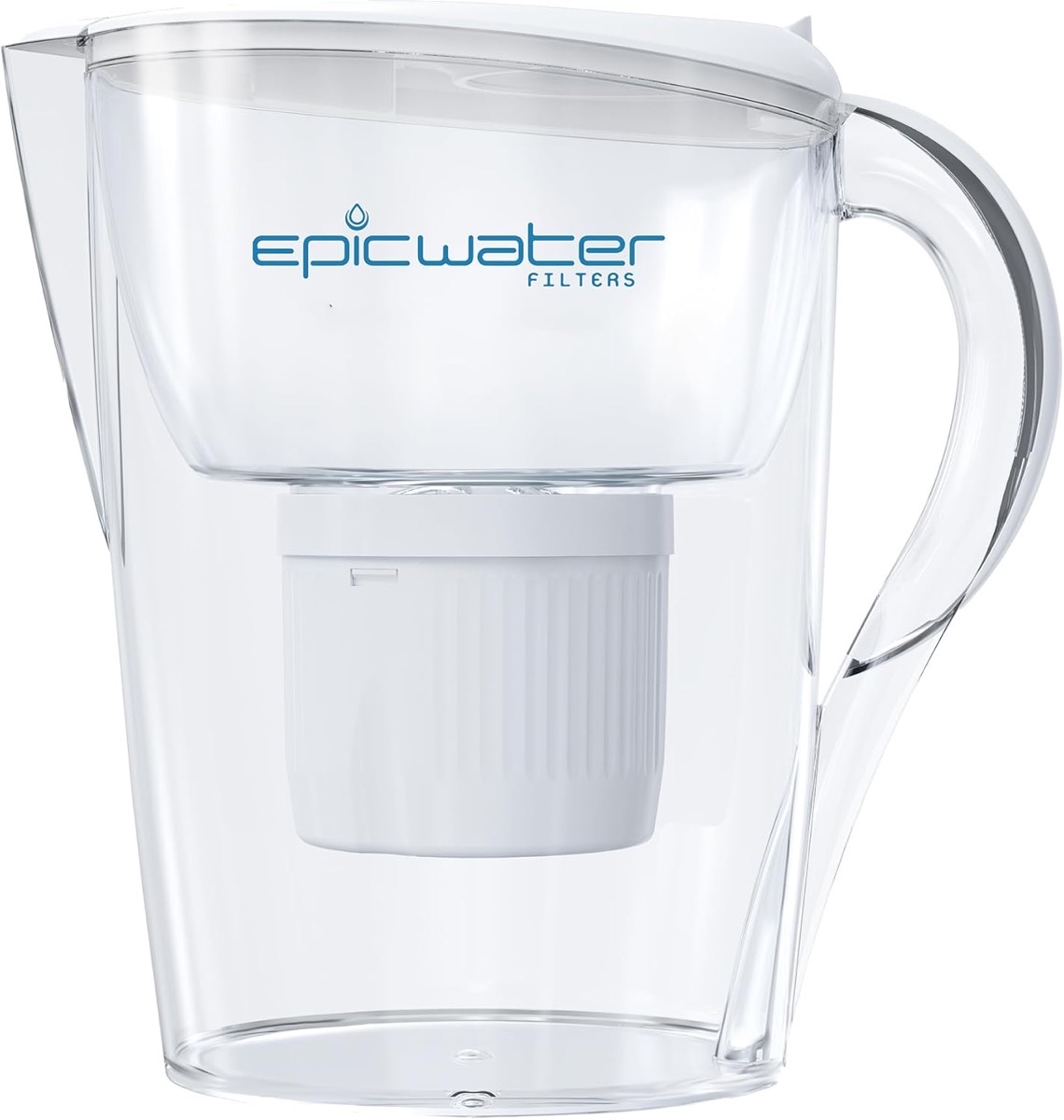
Pitcher with a two-layer filter — nano-fiber over a carbon block — that Epic states is NSF certified to NSF/ANSI 42 and 372 and independently tested to NSF/ANSI 42, 53, 401 and P231, with published reductions for microplastics, PFAS, lead and fluoride.
Registry checklists are usually built to be long. This part is the opposite — four things worth deliberately not asking for.
Yes. It is free to create, and Amazon sends a welcome box of samples once you meet their conditions. You also get a completion discount on the items nobody bought you, which is usually the reason people finish a registry at all.
They are heavier and they can break, which is why every glass bottle on this list either ships with a silicone sleeve or has one available. In practice the sleeve absorbs the drops that matter. Parents who switch tend to report the weight is the adjustment, not the breakage.
No — the point of a registry is that other people do. If you only change one thing, change the bottles. They are the item that combines heat, plastic and daily repetition, which is the exact combination the 2020 Nature Food study measured.
Silicone is a synthetic polymer, but it is not a petroleum plastic and it is far more heat-stable, which is why food-grade silicone appears on this list for sleeves, plates and bibs. For anything that gets heated repeatedly with liquid inside it, we still prefer glass or stainless.
Yes. Amazon Baby Registry supports adding items from other websites through their browser add-on, so a registry can hold the specialty items too. The completion discount only applies to Amazon items.
Affiliate disclosure: some links on this page are affiliate links. As an Amazon Associate I earn from qualifying purchases. We earn a small commission from qualifying purchases at no extra cost to you. This does not influence our recommendations — every product is selected based on peer-reviewed research.