ezpz

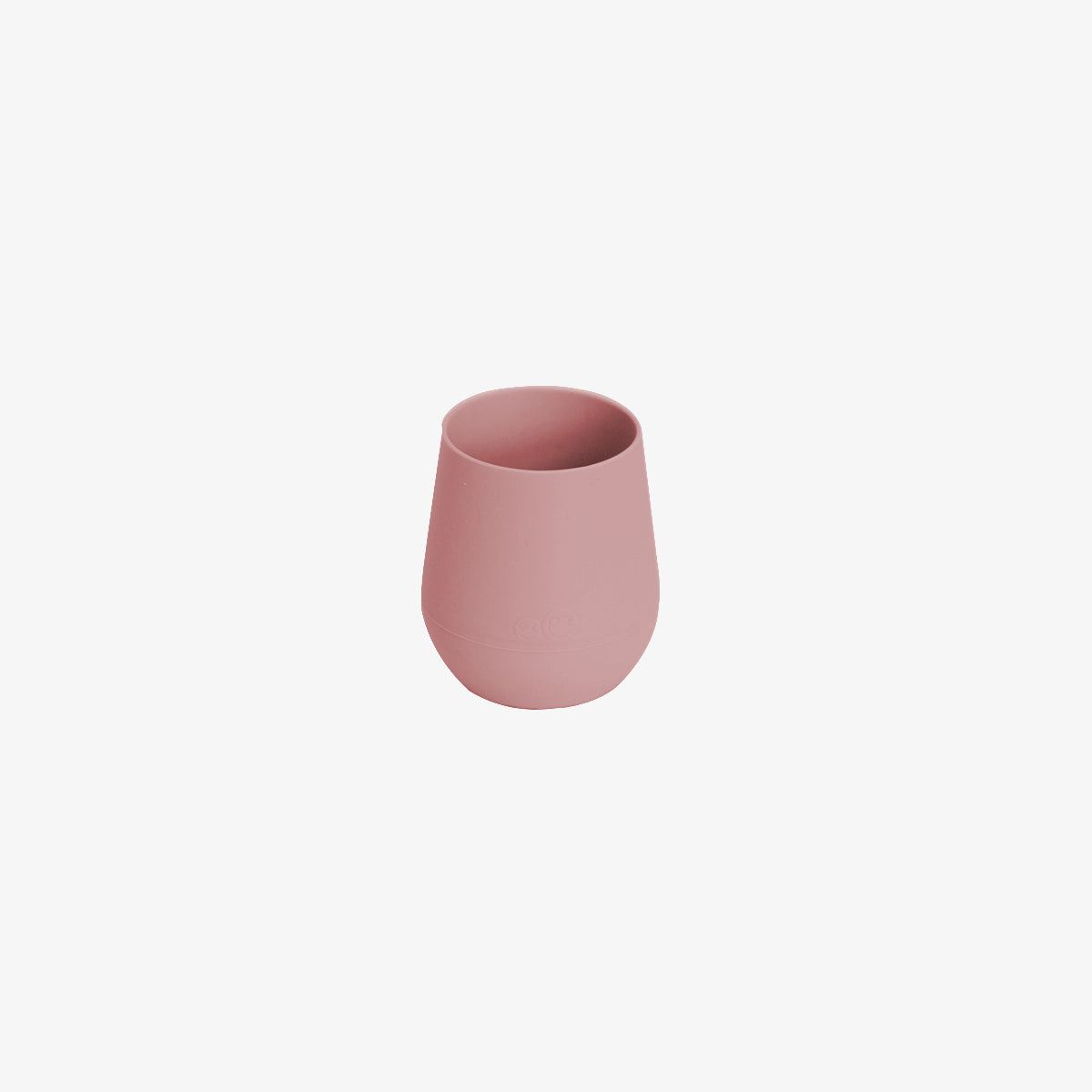
Tiny Cup 100% Silicone Training Cup

Plasticproof Excellent $$$Our price tier

A first open cup in food-grade silicone, sized for a baby learning to drink — soft enough not to hurt teeth, and no plastic against the mouth.

Check price on Amazon
One piece of siliconeNo valve, no plastic spout.
Teaches open-cup drinkingThe skill sippy cups delay.
Soft against teethSurvives the learning stage.
See exactly how we verify this

As an Amazon Associate I earn from qualifying purchases — at no extra cost to you. We show a "Check price on Amazon" link rather than a number because Amazon prices change often.

Why it's safe for your family

  • It is a single piece of food-grade silicone, so there is no plastic cup, no valve and no plastic spout in the mouth.
  • Open-cup drinking is what speech and feeding specialists recommend teaching early, and a valved sippy cup delays it — this is a tool for that skill rather than a container that prevents spills.
  • Silicone is soft, so a cup that hits teeth during a wobbly first attempt does not chip them, which is the practical argument over a glass or hard plastic first cup.
  • It is sized deliberately small so a baby can hold it and so a spill is a teaspoon rather than a cupful.

Quick specs

Material
One-piece food-grade silicone
Type
Open cup — no valve, no spout
Size
Small, sized for first drinking
Care
Dishwasher safe

What to avoid instead

Avoid valved sippy cups if you can tolerate the mess — they require sucking rather than sipping and delay the open-cup skill. Understand what this is: an open cup, so it spills. That is the point of it, and it belongs at the table with a cloth nearby rather than in a bag.

How we verify — and what we don't

Straight answer: we're a research team, not a testing lab. Here's exactly what our rating is based on — and what it isn't — so you can weigh it honestly.

What we check

  • What the product is made of, from the maker's own specs and product listing.
  • Whether any part that touches you or your food uses PTFE, PFAS, plastic, or a coating that can degrade.
  • Peer-reviewed research on how that material behaves when heated, scratched, washed, or worn.
  • Known failure modes — how the product actually breaks down in a real home.

What we don't do

  • We have not chemically tested this specific unit in a lab.
  • We don't take payment to rate a product higher — there is no sponsored placement.
  • We don't show star ratings or "trusted by thousands" counts we can't stand behind.
What gets a product rejected

Anything that adds a known microplastic, PFAS, or off-gassing source — a non-stick coating, a plastic surface against food or skin, vinyl/PVC — is downgraded or cut. We only list what clears that bar.

Don't take our word for it — check the sources yourself ezpz's product details

Common questions

Will it spill?
Yes, constantly at first. It is an open cup, and learning to drink from one is a messy skill. Fill it a third full for the first weeks and treat the spills as part of the teaching.
When do we start?
Around six months, alongside first foods, is when most feeding guidance suggests introducing an open cup. Start with a few sips at mealtimes rather than expecting it to replace a bottle.
Why silicone rather than glass or steel?
Softness. A first cup gets knocked into teeth, dropped and chewed. Silicone survives that and does not chip a new tooth. Steel and glass make more sense once drinking is established.
Related reading
Best Microplastic-Free Sippy Cups

More safe picks

Affiliate disclosure: some links on this page are affiliate links. As an Amazon Associate I earn from qualifying purchases. We earn a small commission from qualifying purchases at no extra cost to you. This does not influence our recommendations — every product is selected based on peer-reviewed research.