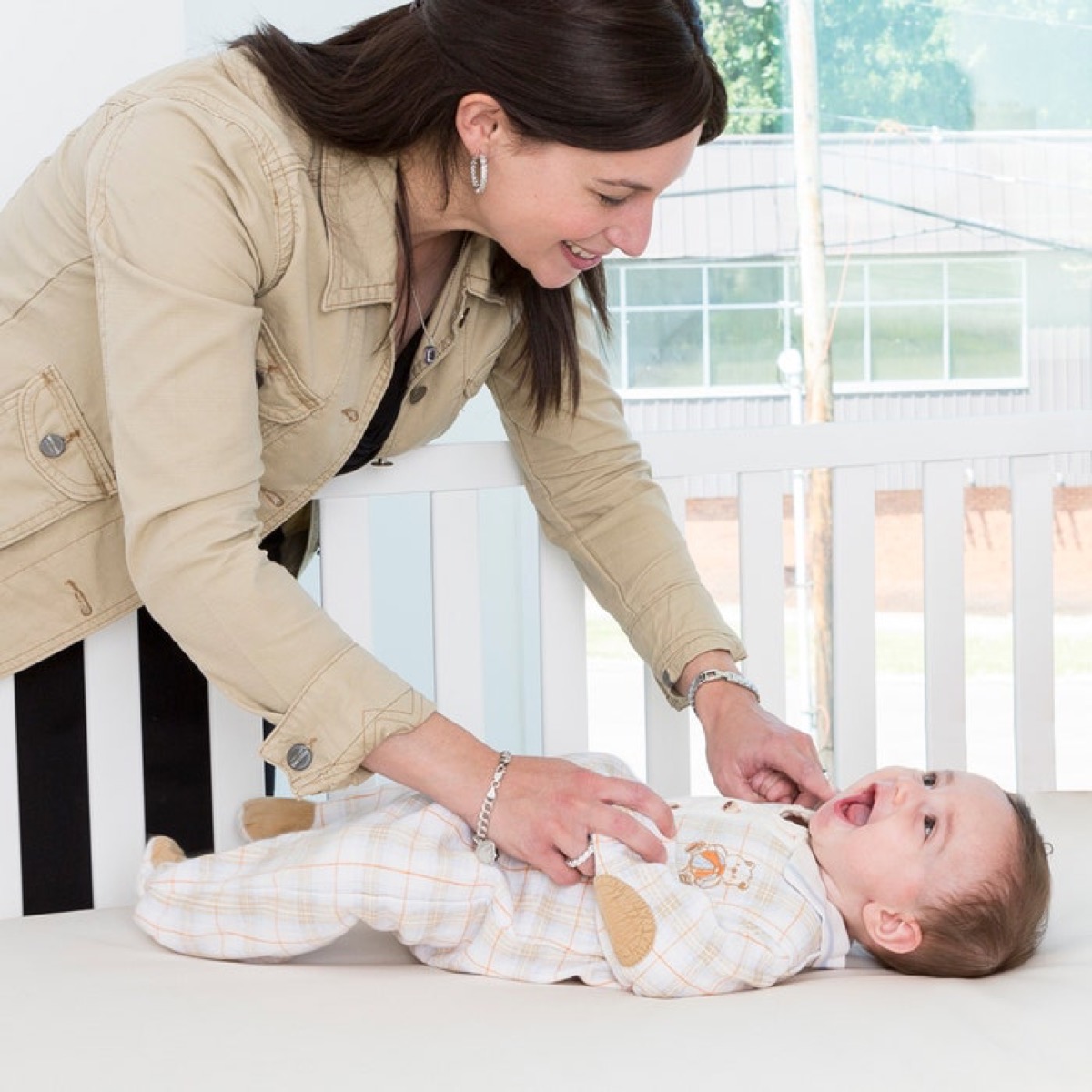
Naturepedic
GOTS-certified organic cotton and wool fill — no polyurethane foam or polyester that sheds microplastic fibers while your baby sleeps.
$$$Our price tier
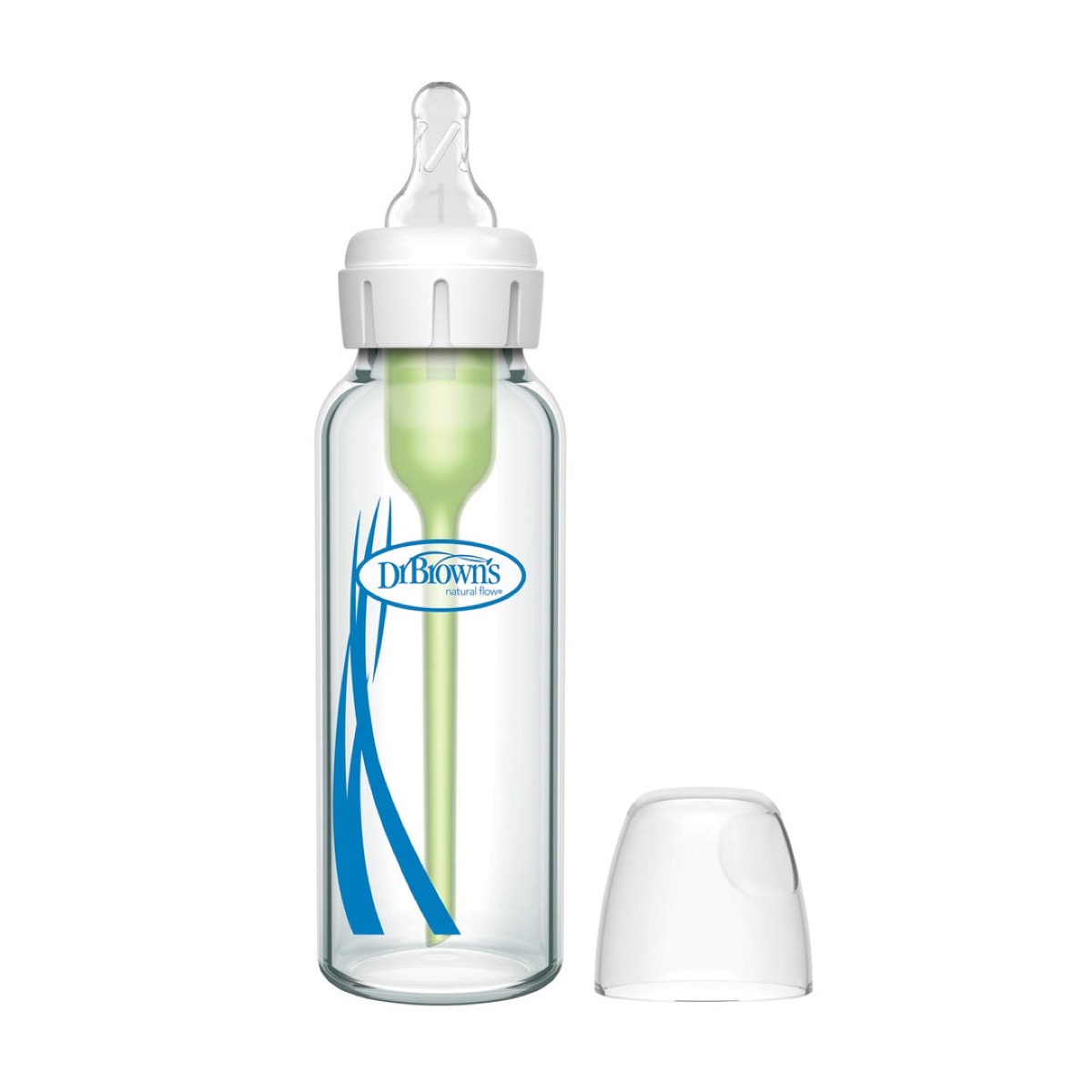
Borosilicate glass releases zero microplastics during sterilization — unlike plastic bottles, which shed up to 16 million particles per cycle.
As an Amazon Associate I earn from qualifying purchases — at no extra cost to you. We show a "Check price on Amazon" link rather than a number because Amazon prices change often.
The particle studies on baby bottles are about the bottle body — the part that holds hot formula and gets sterilized. Here that part is borosilicate glass, not polypropylene plastic. Glass does not shed microplastics when heated.
Honest note: the bottle is glass; the nipple is medical-grade silicone and the vent/collar are plastic (as on any bottle). What changes is the container that holds hot, sterilized formula — glass instead of the polypropylene the research flagged.
Polypropylene (PP) plastic bottles — the most common type — are the single most significant source of microplastic ingestion for formula-fed infants. Heating and sterilizing these bottles dramatically accelerates particle release.
A 2020 Nature Food study from Trinity College Dublin found that sterilizing a polypropylene baby bottle and preparing formula inside it releases up to 16.2 million microplastic particles per liter. For formula-fed infants who consume 1L+ per day, this adds up fast. Glass bottles eliminate this exposure entirely.
Straight answer: we're a research team, not a testing lab. Here's exactly what our rating is based on — and what it isn't — so you can weigh it honestly.
Anything that adds a known microplastic, PFAS, or off-gassing source — a non-stick coating, a plastic surface against food or skin, vinyl/PVC — is downgraded or cut. We only list what clears that bar.
GOTS-certified organic cotton and wool fill — no polyurethane foam or polyester that sheds microplastic fibers while your baby sleeps.
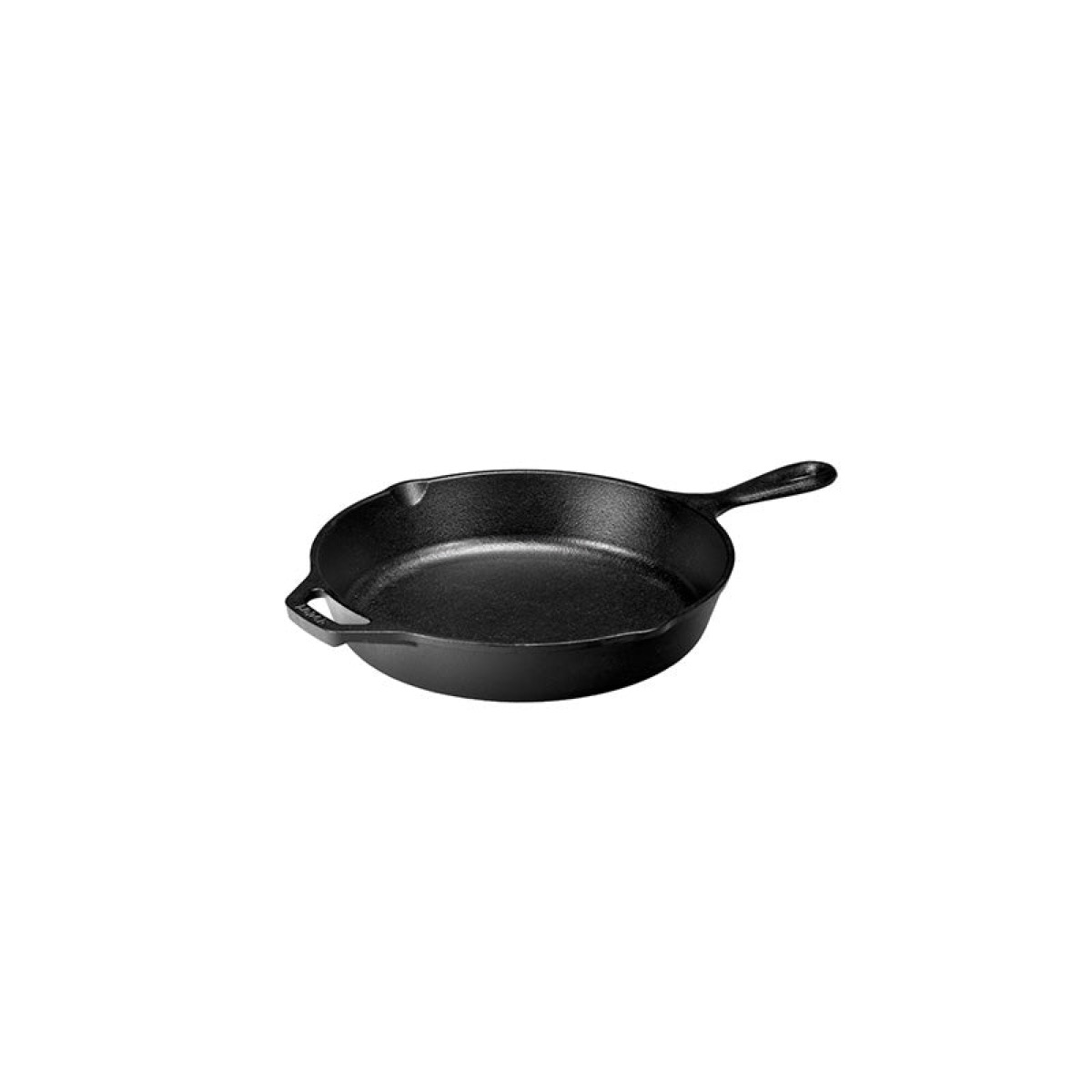
Zero coating to degrade — naturally nonstick when seasoned. Unlike Teflon pans, cast iron releases no PFAS or microplastics, even at high heat.
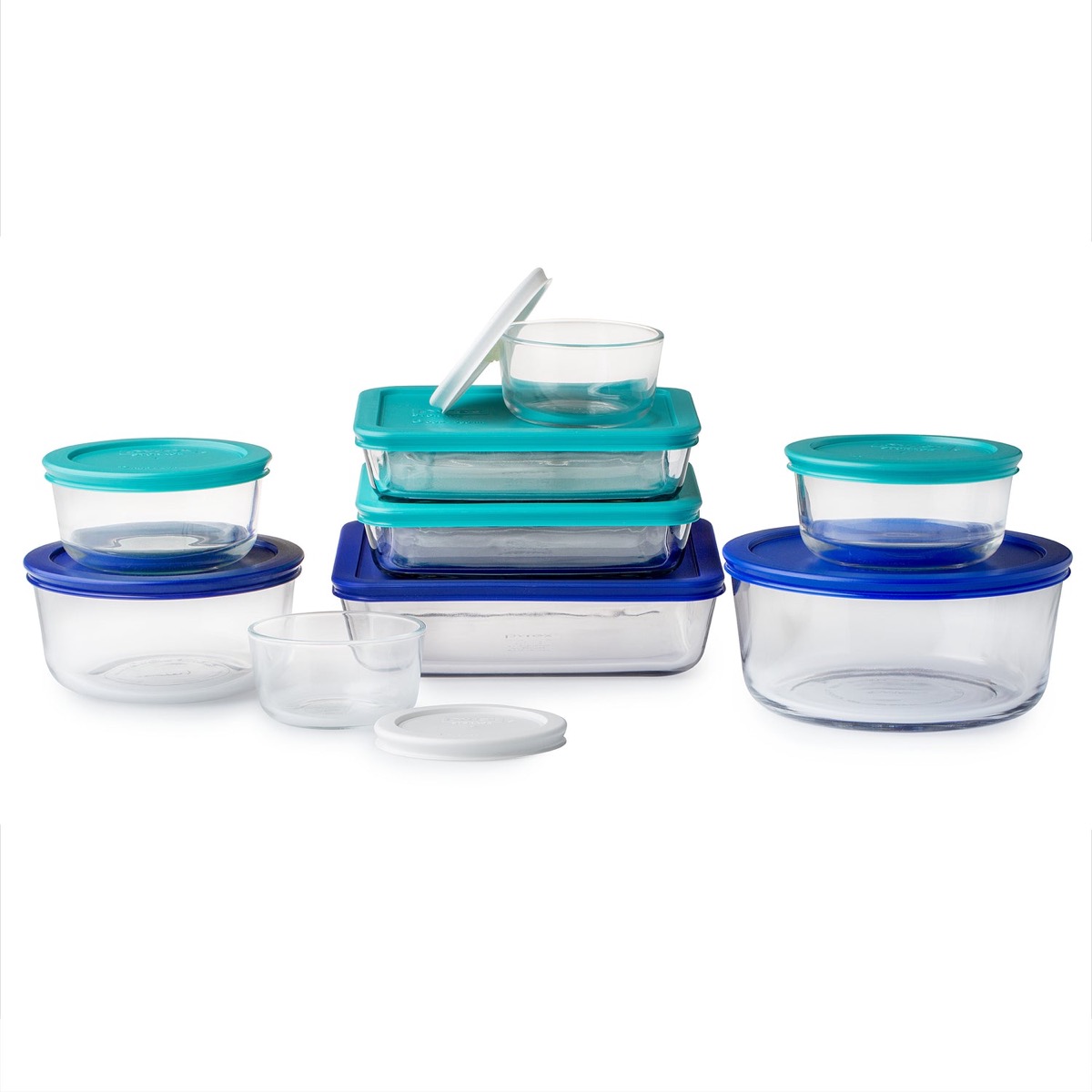
Borosilicate glass is chemically inert — no microplastics leach into food, even when heated in the microwave or dishwasher.
Affiliate disclosure: some links on this page are affiliate links. As an Amazon Associate I earn from qualifying purchases. We earn a small commission from qualifying purchases at no extra cost to you. This does not influence our recommendations — every product is selected based on peer-reviewed research.