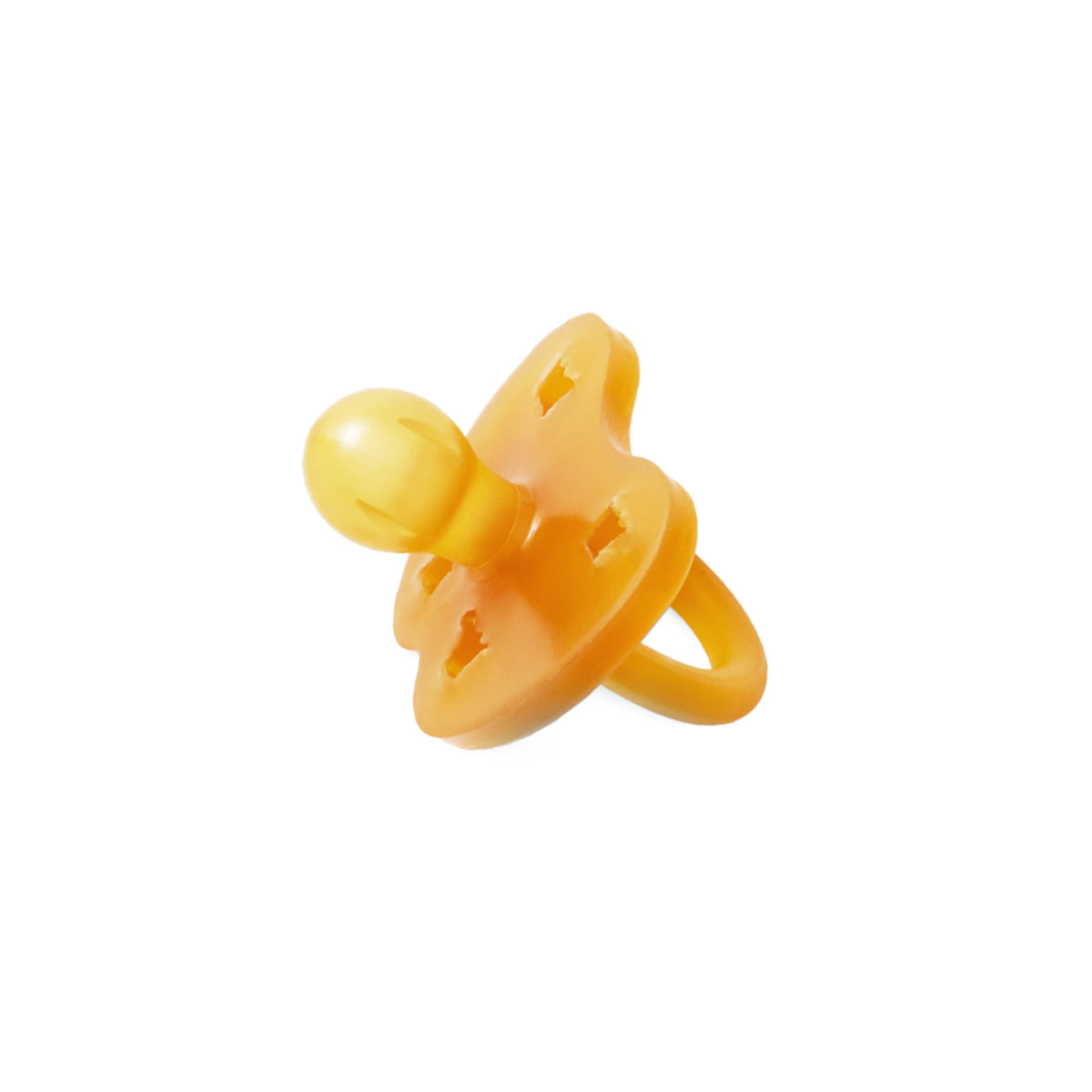
HEVEA
One-piece pacifier moulded from natural rubber — no plastic shield, no joins, and nothing that can come apart in a mouth. Natural rubber means latex.
$$$Our price tier
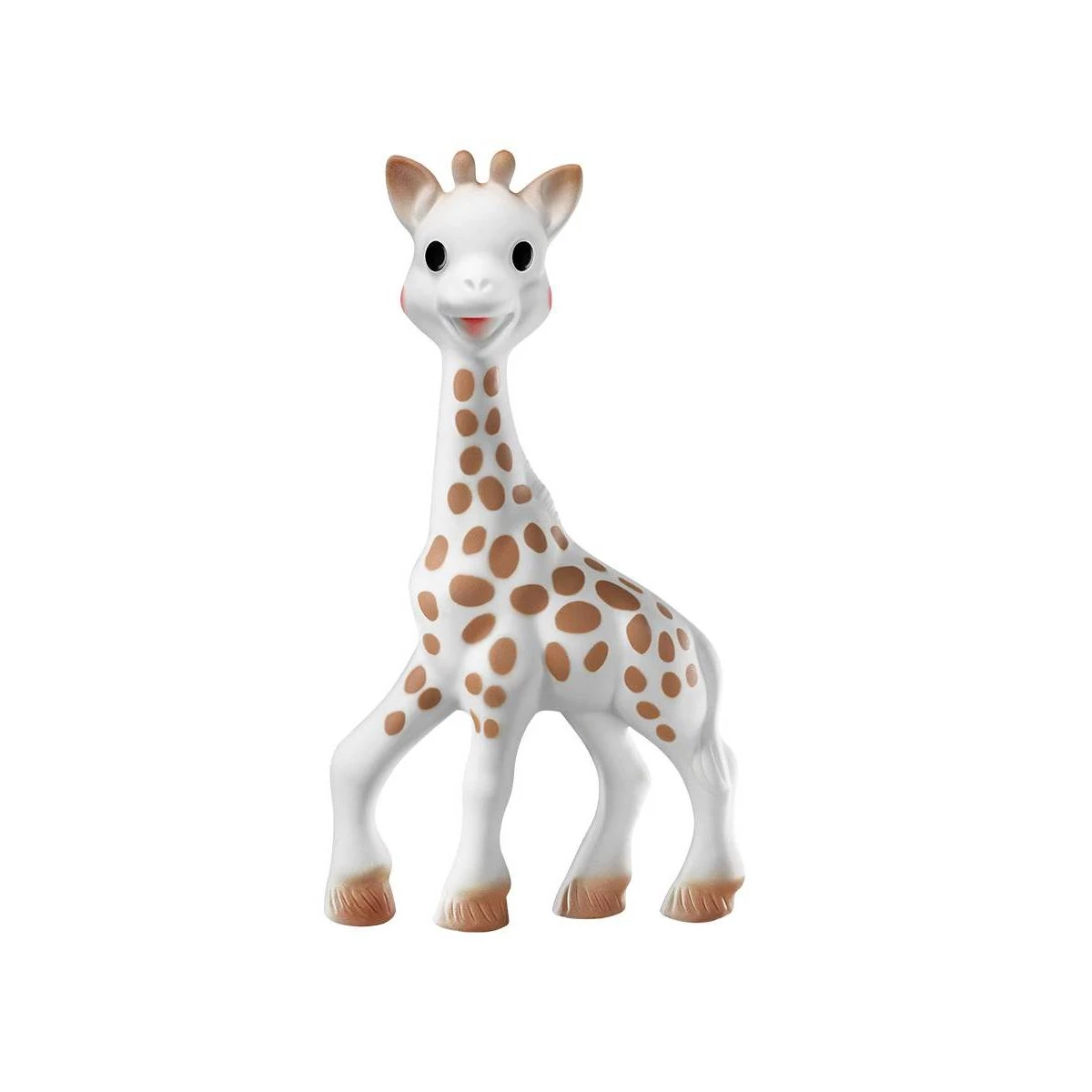
The classic teether, moulded from natural rubber with food-grade paint. It has a hole, so water gets inside — clean the surface only, and read the maker’s instructions before the first use.
As an Amazon Associate I earn from qualifying purchases — at no extra cost to you. We show a "Check price on Amazon" link rather than a number because Amazon prices change often.
Do not submerge it, do not boil it, and do not put it in a dishwasher or sterilizer — that is how water gets trapped inside, and mold inside these teethers is a real and widely reported problem. Do not use any natural rubber item where there is a latex allergy. Inspect it regularly and retire it at the first sign of a tear.
Straight answer: we're a research team, not a testing lab. Here's exactly what our rating is based on — and what it isn't — so you can weigh it honestly.
Anything that adds a known microplastic, PFAS, or off-gassing source — a non-stick coating, a plastic surface against food or skin, vinyl/PVC — is downgraded or cut. We only list what clears that bar.
One-piece pacifier moulded from natural rubber — no plastic shield, no joins, and nothing that can come apart in a mouth. Natural rubber means latex.
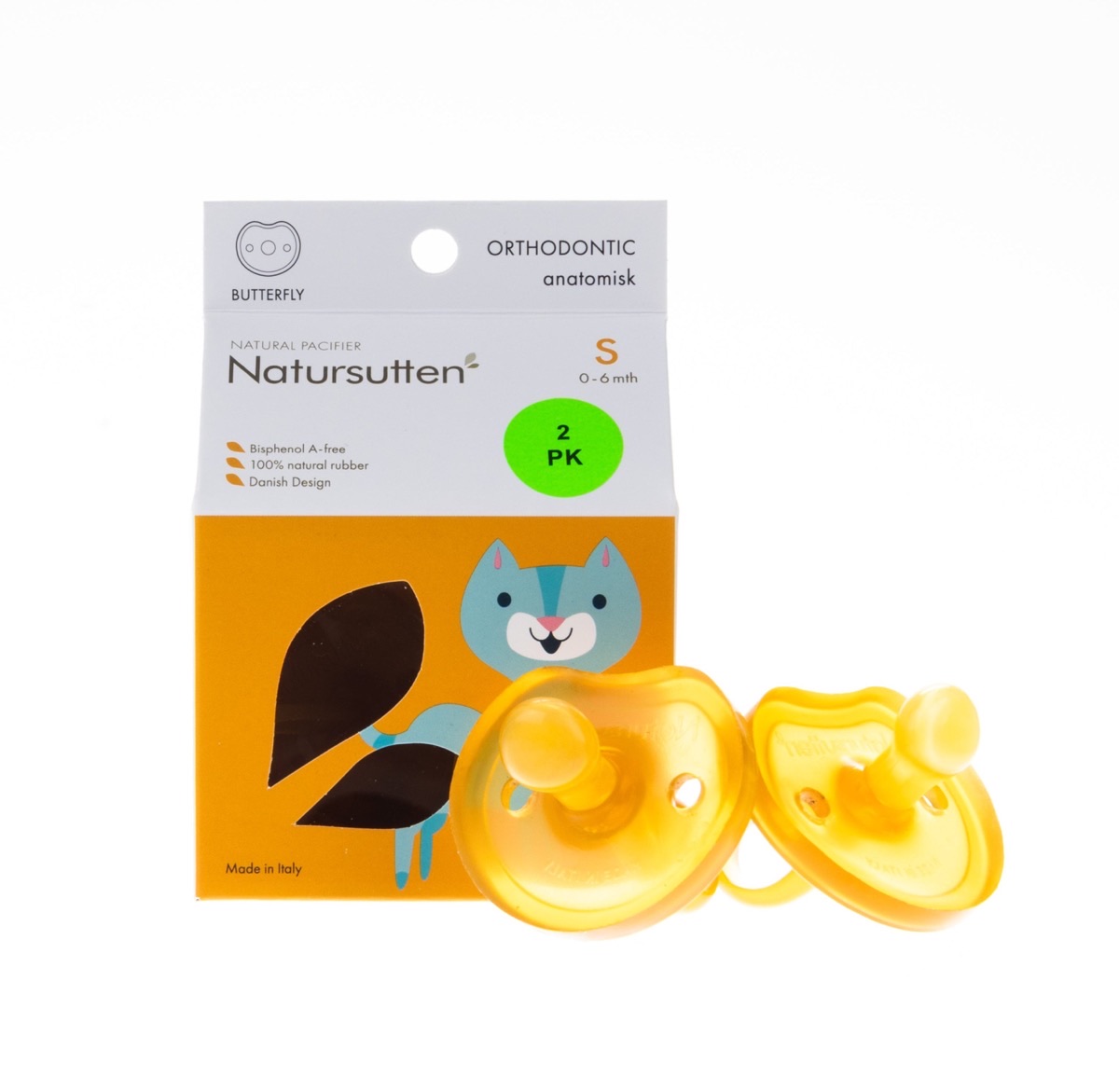
One-piece natural rubber pacifier made in Italy, with a butterfly shield shaped to leave the nose clear. Natural rubber is latex — read the allergy note before buying.
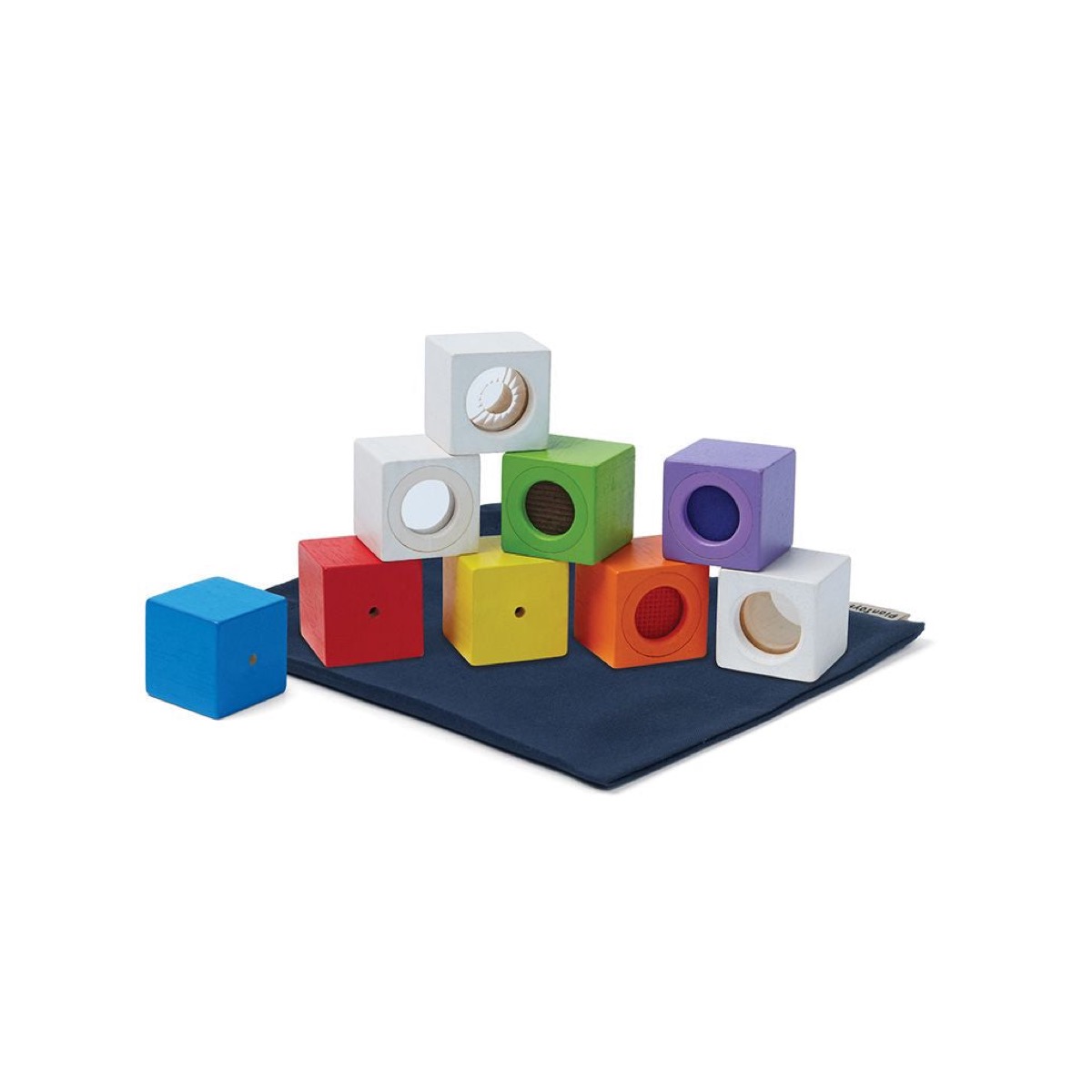
Sustainable rubberwood with non-toxic water-based dyes. Zero plastic particles released when mouthed or chewed — unlike conventional plastic toys.
Affiliate disclosure: some links on this page are affiliate links. As an Amazon Associate I earn from qualifying purchases. We earn a small commission from qualifying purchases at no extra cost to you. This does not influence our recommendations — every product is selected based on peer-reviewed research.