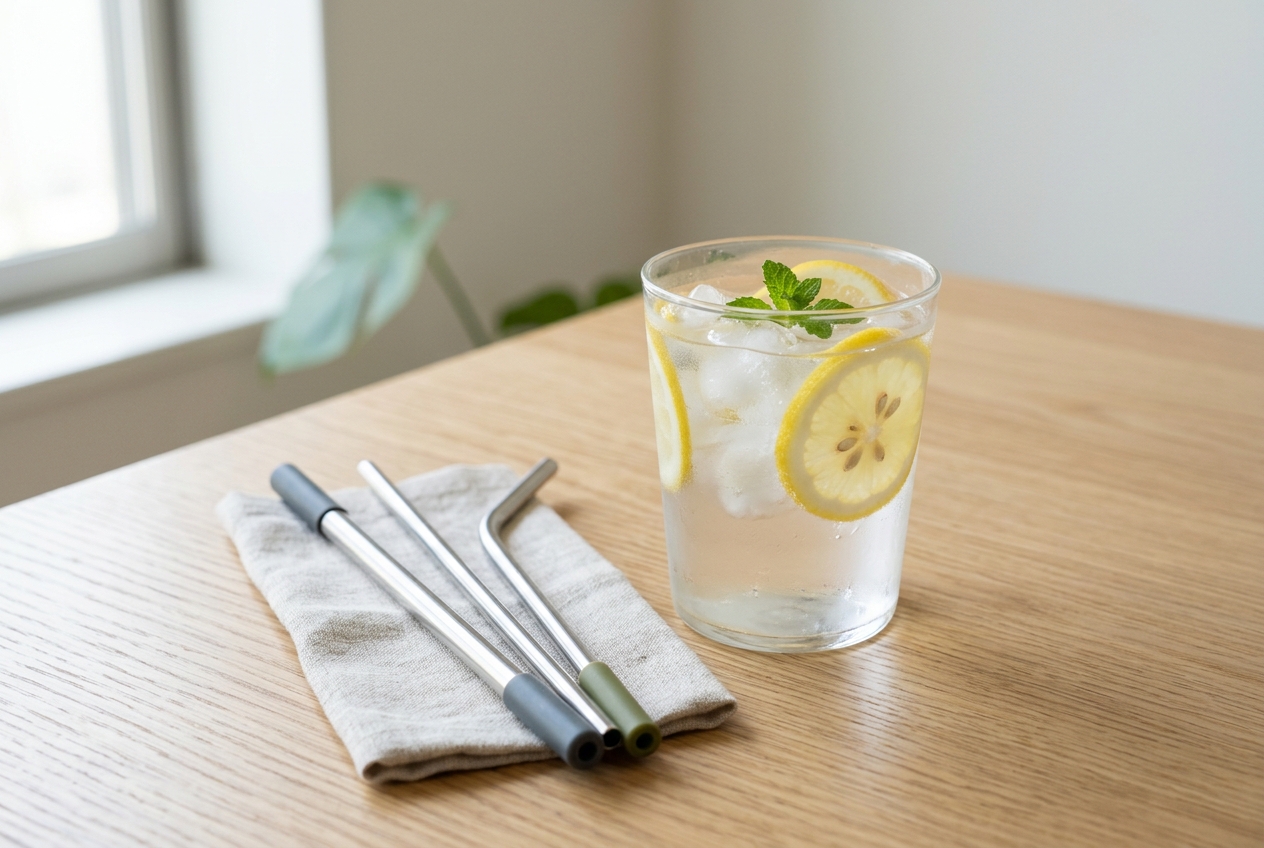
The single-use plastic straw has become one of the most visible symbols of disposable plastic culture — and for good reason. An estimated 500 million plastic straws are used and discarded every single day in the United States alone. Most are made from polypropylene (plastic #5), a material that does not biodegrade in any meaningful timeframe. Instead, it fragments into smaller and smaller pieces over decades, eventually becoming microplastics that contaminate waterways, soil, and marine ecosystems.
But the problem is not limited to single-use straws. Many "reusable" plastic straws sold as eco-friendly alternatives are made from the same polypropylene or from low-grade silicone blends. These degrade with repeated washing, heat exposure, and dishwasher cycles — shedding microparticles directly into beverages. A straw that sits in a hot drink or gets run through a high-heat dishwasher cycle dozens of times is not the same straw it was when new. The surface breaks down, and those particles end up in whatever you are drinking.
The good news: genuinely plastic-free straws exist in several materials that do not shed, leach, or degrade with normal use. Stainless steel, borosilicate glass, and bamboo are all proven, durable alternatives — each with different strengths depending on your household's needs.
Compare all 6 picks
Every pick side by side — tap a name to jump to the full review, or check today's price.
| Pick | Rating | Why it wins | |
|---|---|---|---|
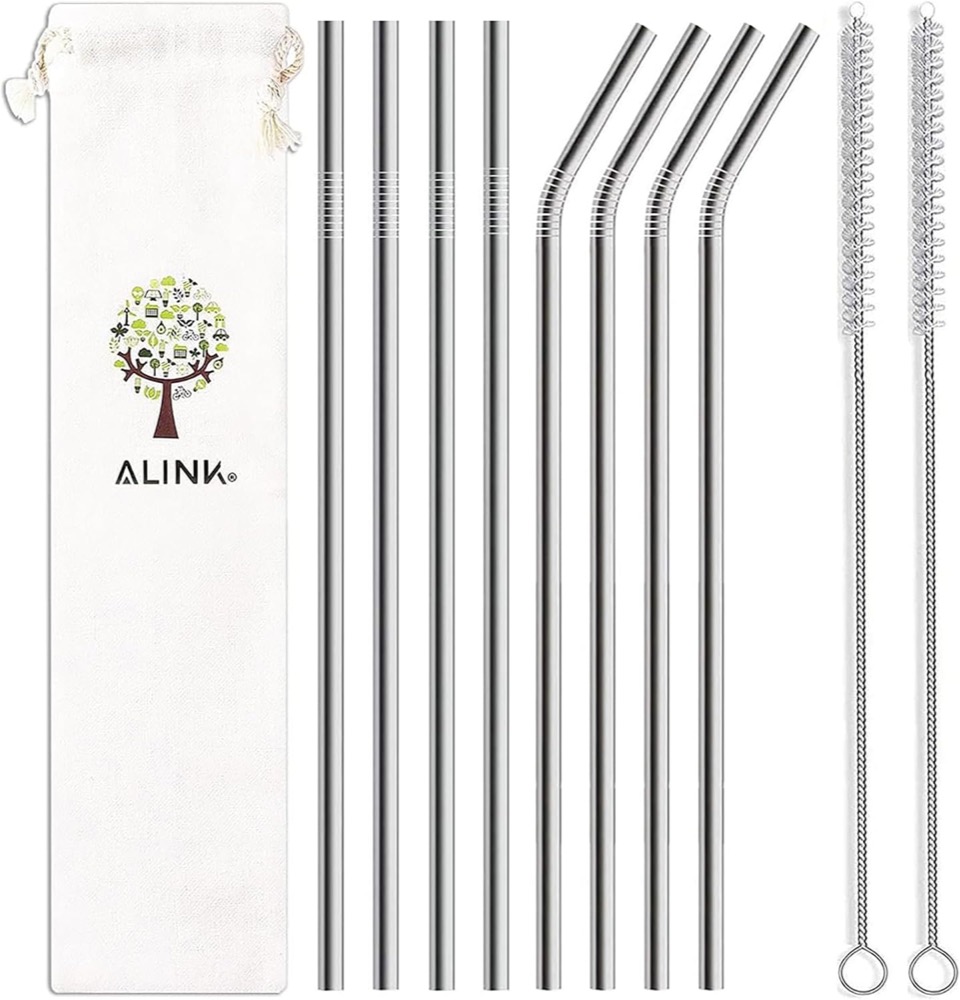 Best ValueALINK Stainless Steel Straws (8-pack) |
4.6out of 5 | Plastic-FreeBPA-Free |
Check price → |
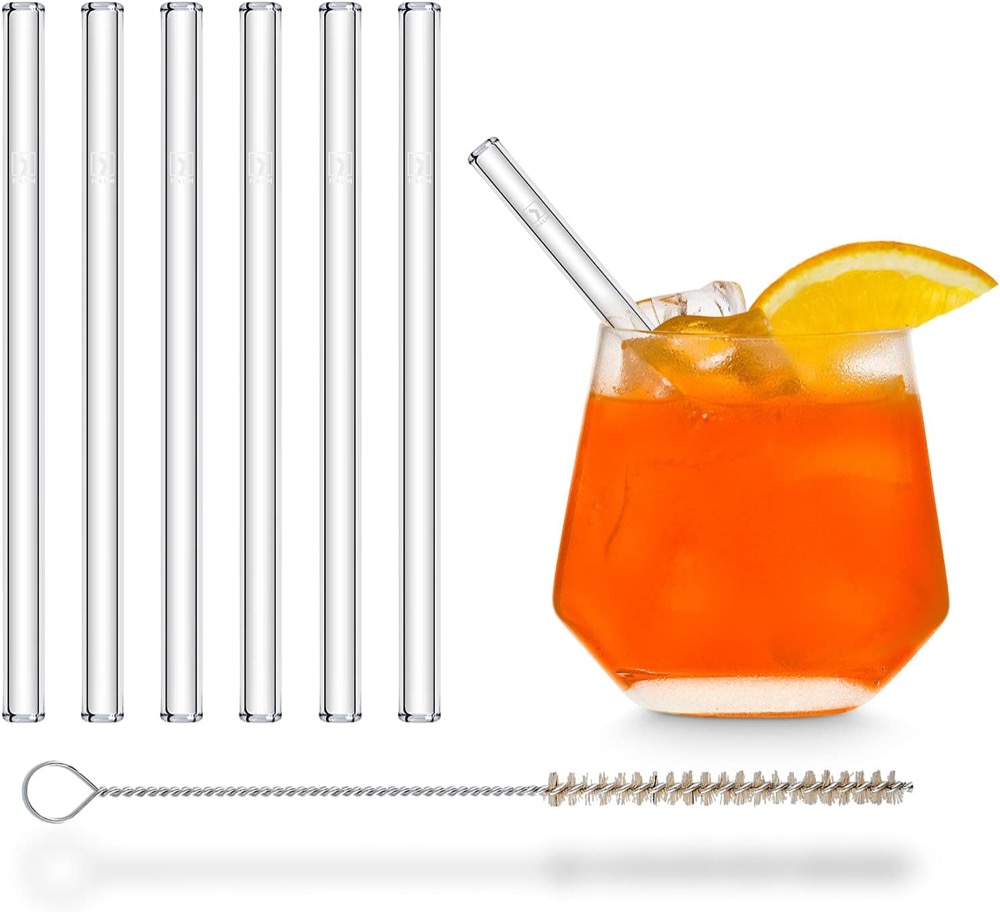 Best Taste PurityHALM Glass Straws (6-pack) |
4.7out of 5 | Plastic-FreeBPA-Free |
Check price → |
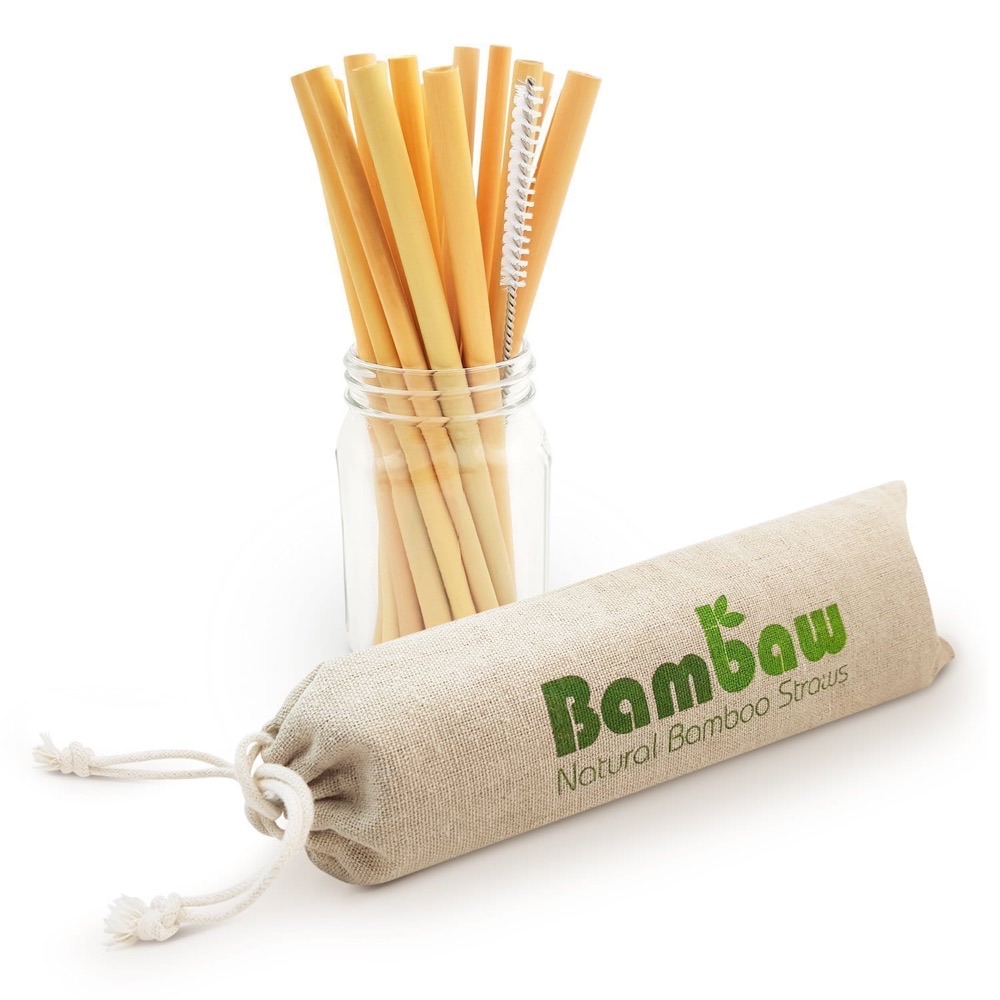 Best Eco OptionBambaw Bamboo Straws (12-pack) |
4.5out of 5 | Plastic-FreeCompostable |
Check price → |
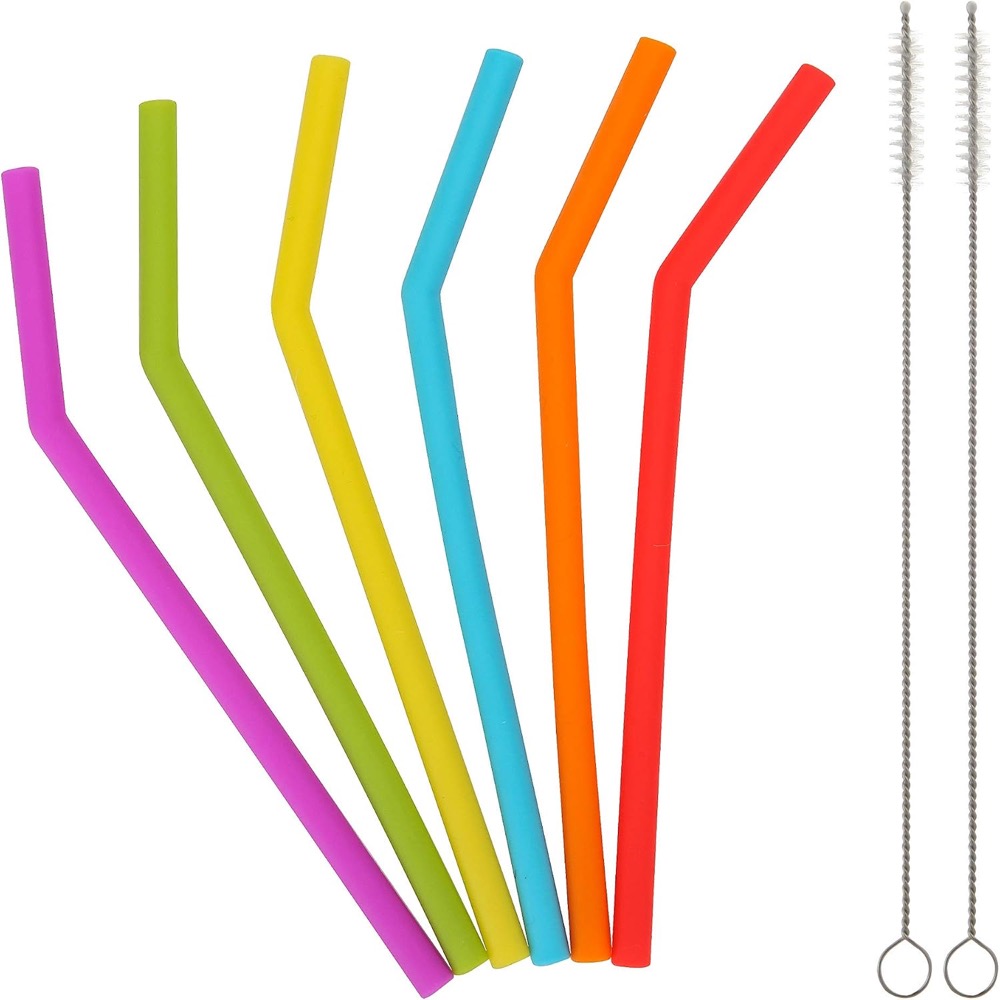 Best for KidsReusable Silicone Straws for Kids (6-pack) |
4.7out of 5 | BPA-FreeFood-Grade Silicone |
Check price → |
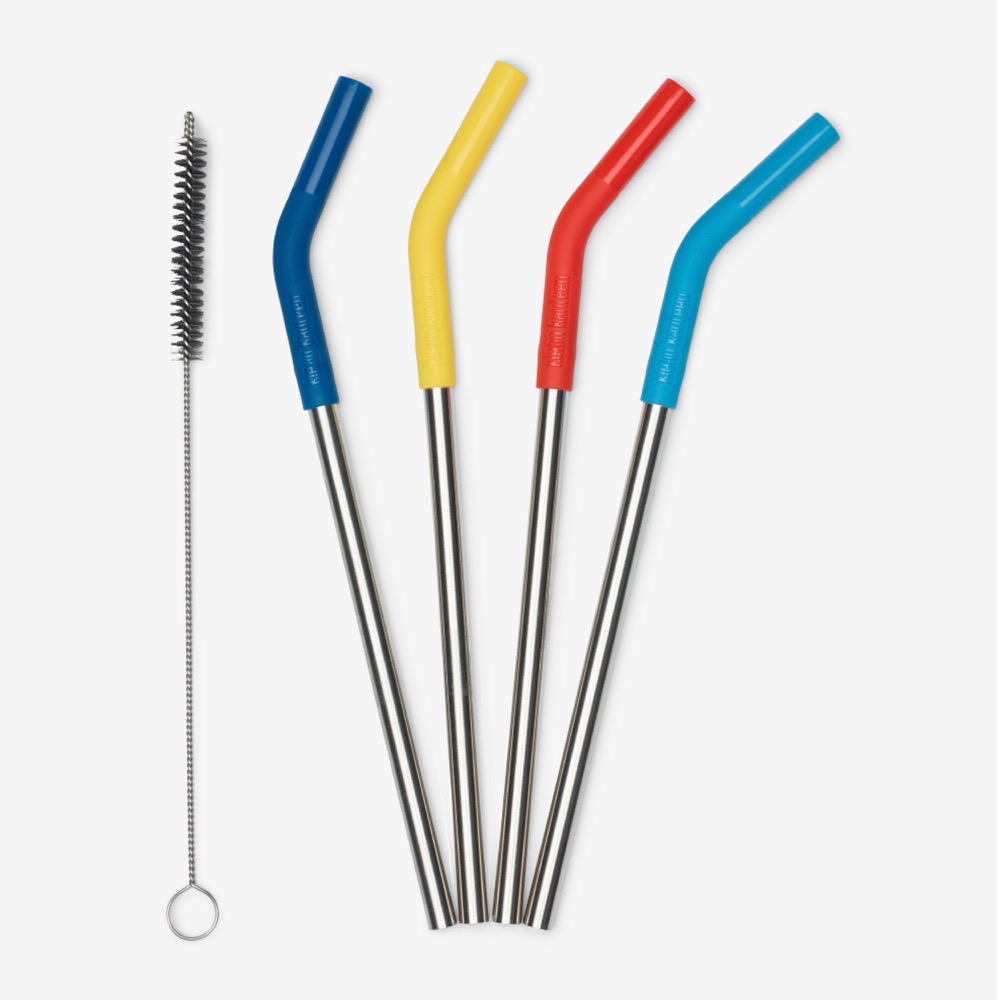 Premium BuildKlean Kanteen Stainless Steel Straws (4-pack) |
4.8out of 5 | Plastic-FreeBPA-Free |
Check price → |
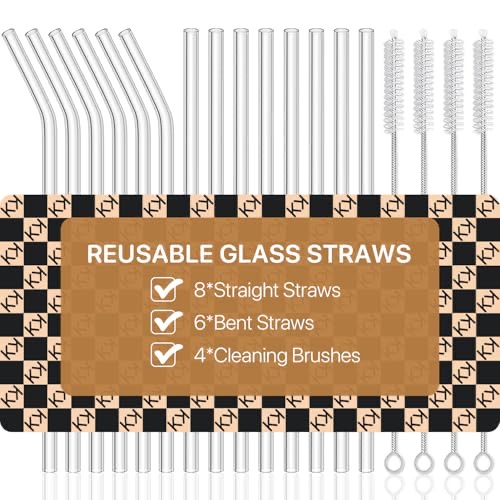 Best Glass Value18-Pack Glass Straws (Straight & Bent Set) |
— | Plastic-FreeBPA-Free |
Check price → |
Why Plastic Straws Are Worse Than They Look
Polypropylene is classified as one of the "safer" plastics — it does not contain BPA and is generally considered stable at room temperature. This is why it carries a recycling code of #5 and is widely used in food packaging. But "safer than other plastics" is a low bar, and the straw use case introduces specific risks that the general safety rating does not account for.
First, there is the heat factor. Straws are frequently used with hot beverages — coffee, tea, hot chocolate. Polypropylene begins to soften at temperatures above 130 degrees Fahrenheit and can leach chemical compounds when heated. A 2020 study published in Environmental Science & Technology found that polypropylene food containers released measurable quantities of microplastics and nanoplastics when exposed to hot liquids, with particle counts increasing significantly at higher temperatures.
Second, there is mechanical degradation. Reusable plastic straws are cleaned with brushes, run through dishwashers, and subjected to repeated thermal cycling. Each wash creates microscopic scratches on the interior surface, which become nucleation sites for further degradation. Over time, the smooth inner wall of a plastic straw becomes rough and pitted — and each of those imperfections releases particles into beverages.
"Even 'reusable' plastic straws degrade with every wash cycle. The surface breaks down invisibly, shedding microparticles directly into whatever you drink through them."
Third, single-use plastic straws are virtually never recycled. They are too small and lightweight for most municipal recycling sorting equipment — they fall through screens and end up in landfill or waterways regardless of which bin they are placed in. The Ocean Conservancy consistently ranks plastic straws among the top 10 items collected during international coastal cleanups.
What We Screened For
Plasticproof evaluated reusable straw options across four core criteria. Every product recommended in this guide had to pass all four.
- Material purity: Food-grade stainless steel (18/8 or 18/10), borosilicate glass, or organic bamboo. No plastic components, no BPA, no coatings that could degrade or flake.
- Durability: The straw must withstand daily use and regular cleaning for at least one year without degradation, warping, or surface breakdown. Bamboo straws have a shorter lifespan by nature (3 to 6 months) but are compostable at end of life.
- Dishwasher safety: Stainless steel and glass picks must be fully dishwasher safe. Bamboo straws are hand-wash only but were included for their compostability.
- No problematic additives: No silicone tips with fillers, no plastic carrying cases (unless removable/optional), no colored coatings that could contain heavy metals or undisclosed chemicals.
Plastic straws (including polypropylene "reusable" straws), straws with plastic coatings or colored anodized finishes with undisclosed chemical composition, and silicone straws made with fillers or non-platinum-cured silicone. Paper straws were also excluded — while not plastic, they frequently contain PFAS coatings to resist moisture and are single-use by design.
Our 6 Top Picks for 2026
Quick Picks
- Best overall value: ALINK Stainless Steel Straws (8-pack) — 18/8 steel, cleaning brushes included
- Best for taste purity: HALM Glass Straws (6-pack) — borosilicate glass, made in Germany
- Best eco option: Bambaw Bamboo Straws (12-pack) — organic bamboo, compostable
- Best for kids: Reusable Silicone Straws for Kids (6-pack) — soft food-grade silicone, soft tip
- Premium build: Klean Kanteen Stainless Steel Straws (4-pack) — 18/8 steel, universal fit
- Best glass value: 18-Pack Glass Straws — 8 straight + 6 bent, cleaning brushes included
1. ALINK Stainless Steel Straws (8-pack)
Best Value
Buyers call these "sturdy" and are glad they add no plastic taste and "do not alter the taste of what you're drinking" the way a cheap plastic straw does; the steel wipes clean and survives the dishwasher without rusting or scratching. Owners who switched from disposables like that a single pack covers the whole house — straight straws for glasses, bent ones for tumblers. The honest downsides: bare steel transfers temperature, so the straws feel icy in cold drinks and can get hot in coffee; you have to run the included brush through them after milkshakes or smoothies or residue dries inside; and the cut ends are firm against teeth, so anyone who has chipped a tooth on a metal straw should sip with care.
Outfit the whole household in one purchase — straight straws for everyday cups, bent straws for tumblers, brushes to keep them spotless.
Why it's safe: Made from 18/8 (304) food-grade stainless steel — completely inert, BPA-free, and with no plastic coating or finish that could shed microparticles into your drink.
Check Today’s Price on Amazon →Amazon prices change daily — tap to see today's price and any active discount.
- Free delivery & returns for Prime members
- Sold & shipped by Amazon
- Thousands of verified reviews
2. HALM Glass Straws (6-pack)
Best Taste Purity
Owners pick HALM for taste above all — the borosilicate glass is "taste-neutral," so coffee tastes like coffee with none of the metallic edge a steel straw leaves. Reviewers are repeatedly surprised by the durability: several report straws that "survived falls" onto tile and wood floors without chipping, and HALM cites a breakage rate under 0.01 percent. The honest downsides: it is still glass, so it is not unbreakable, and a few buyers report a straw that shattered within the first day, which points to uneven tempering between batches; you see any residue through the clear glass, so you reach for the cleaning brush more than you expect; and the German-made set costs noticeably more than steel.
Taste only your drink, never the straw — and see exactly when the inside is clean through the clear glass.
Why it's safe: Borosilicate glass is non-porous and chemically inert — it contains no plastic, no BPA, and no coating, so nothing can leach or flake into hot or acidic drinks.
Check Today’s Price on Amazon →Amazon prices change daily — tap to see today's price and any active discount.
- Free delivery & returns for Prime members
- Sold & shipped by Amazon
- Thousands of verified reviews
3. Bambaw Bamboo Straws (12-pack)
Best Eco Option
Bambaw's bamboo straws win over people who dislike how cold metal feels on the teeth — the natural stalk stays neutral in temperature and taste, and the Guardian named them its top reusable straw pick. Each one is a real piece of bamboo, so no two look alike. The honest downsides are the ones every bamboo straw shares: they can grow mold if you put them away damp, so they must air-dry fully after every use; over months the fibers can split or splinter, and a straw that starts to smell off or splits is done and has to be composted; and they wear out faster than glass or steel, so treat them as the shortest-lived option here.
Go fully zero-waste — twelve compostable straws that leave no landfill footprint, ideal for events, travel, or eco-minded households.
Why it's safe: 100% natural bamboo with no plastic, no BPA, and no synthetic coatings or dyes — just a single organic material that biodegrades completely.
Check Today’s Price on Amazon →Amazon prices change daily — tap to see today's price and any active discount.
- Free delivery & returns for Prime members
- Sold & shipped by Amazon
- Thousands of verified reviews
4. Reusable Silicone Straws for Kids (6-pack)
Best for Kids
Parents choose silicone straws over stainless steel because they are soft enough for a toddler to bite without chipping a tooth, which makes them the safest pick for kids, "straw biters," and anyone with sensory sensitivities. They bend instead of shattering and survive being dropped or chewed. The honest downside dominates the reviews: they are hard to keep clean. Milk, smoothie bits and juice pulp cling to the inside, and parents report finding mold in straws they thought were clean — a quick rinse or a dishwasher cycle is not enough, so you must run the included brush through every straw and air-dry it fully, or it can need a vinegar-and-baking-soda soak to recover.
Give kids a straw that bends instead of poking — soft, colorful, and impossible to shatter like glass or dent like metal.
Why it's safe: Made from food-grade silicone with no BPA, phthalates, or plastic fillers — it won't leach under normal use, and the soft tip removes the injury risk of hard straws for young children.
Check Today’s Price on Amazon →Amazon prices change daily — tap to see today's price and any active discount.
- Free delivery & returns for Prime members
- Sold & shipped by Amazon
- Thousands of verified reviews
5. Klean Kanteen Stainless Steel Straws (4-pack)
Premium Build
Klean Kanteen's steel straws stand out for the silicone flex tip, which owners with sensitive teeth single out — several say they had "hit their teeth on solid metal straws" before and were afraid of chipping one, and the soft tip fixed that. The straws are highly rated and feel built to last. The honest gripes: some buyers find the cut steel edges too sharp and wish they had been sanded, noting the edges can nick the silicone sleeves; the cleaning brush fits so tightly that one reviewer called it "almost impossible to remove" and another cut a finger pulling on the wire; and replacement silicone tips are not sold separately, so once a tip tears you are stuck.
Buy once and forget it — heavier recycled steel that outlasts budget sets, with soft tips that take the chill off metal on cold drinks.
Why it's safe: 18/8 food-grade stainless steel with removable food-grade silicone tips — both inert, BPA-free, and free of any plastic coating that could degrade.
Check Today’s Price on Amazon →Amazon prices change daily — tap to see today's price and any active discount.
- Free delivery & returns for Prime members
- Sold & shipped by Amazon
- Trusted plastic-free drinkware brand
6. 18-Pack Glass Straws (Straight & Bent Set)
Best Glass Value
This big glass set wins on value — buyers call the straws "classy" and "durable," like that they run through the dishwasher, and appreciate getting both straight and bent straws plus cleaning brushes in one box. Owners report months of use without a break. The honest downsides: the bent straws are "much harder to clean" than the straight ones, so the included brushes get a workout; glass is still glass and "can be broken if dropping on the ground," so this is not the set for young kids or travel; and several buyers found the 10mm straws too wide for their bamboo or tumbler lids, so check your lid opening first.
Enough straws for the whole family and then some — clear glass that stays completely flavor-neutral on cold and hot drinks alike.
Why it's safe: Solid glass — non-porous, chemically inert, and free of plastic, BPA, and any coating, so nothing leaches or sheds even with hot or acidic drinks.
Check Today’s Price on Amazon →Amazon prices change daily — tap to see today's price and any active discount.
- Free delivery & returns for Prime members
- Includes 4 cleaning brushes
- 8 straight and 6 bent straws
A Note on Silicone Straws
Silicone occupies a gray area in the plastic-free conversation, and it is worth addressing directly. Technically, silicone is not a plastic — it is a synthetic polymer derived from silicon (a naturally occurring element found in sand and quartz), bonded with oxygen, carbon, and hydrogen. Its chemical structure is fundamentally different from petroleum-based plastics like polypropylene, polyethylene, or polystyrene.
Platinum-cured silicone (also called medical-grade silicone) is considered food-safe by the FDA and does not leach BPA, phthalates, or other endocrine-disrupting compounds under normal use conditions. It is the same material used in medical implants, baby bottle nipples, and baking molds. For households with young children who need a soft, flexible straw, platinum-cured silicone is a reasonable choice.
However, silicone is not biodegradable, is difficult to recycle (very few facilities accept it), and is ultimately a synthetic material produced through an industrial chemical process. If the goal is strictly plastic-free and zero-waste, stainless steel, glass, or bamboo are the better choices. We included one food-grade silicone option on this list specifically for the kids-safety use case, with this context clearly noted.
Comparison Table
| Product | Material | Pack Size | Dishwasher | Price |
|---|---|---|---|---|
| ALINK | 18/8 Stainless Steel | 8 | Yes | $ |
| HALM | Borosilicate Glass | 6 | Yes | $$ |
| Bambaw | Organic Bamboo | 12 | No (hand wash) | $ |
| Silicone (Kids) | Food-Grade Silicone | 6 | Yes | $ |
| Klean Kanteen | 18/8 Stainless Steel | 4 | Yes | $$ |
| 18-Pack Glass Straws | Glass | 14 straws + 4 brushes | Yes | $ |
Price tier: $ = budget · $$ = mid-range · $$$ = premium. Tap any "Check Today's Price" button for the current Amazon price.
Want the Full Room-by-Room Protection Guide?
The Complete Plasticproof Guide covers every room in your home — kitchen, nursery, bathroom, bedroom — with the full research and complete swap list. 47+ peer-reviewed studies, 80+ product recommendations.
Frequently Asked Questions
Yes. Food-grade 18/8 stainless steel (also labeled 304 stainless) is one of the safest materials for food and beverage contact. It does not leach chemicals, does not react with acidic drinks like lemon water or juice, and contains no BPA or phthalates. Stainless steel is the same material used in professional cookware, surgical instruments, and water bottles from brands like Klean Kanteen and Hydro Flask. The only caveat is temperature — metal straws conduct heat and cold, so use caution with very hot beverages.
Most stainless steel and glass straws are dishwasher safe — place them in the utensil basket or on the top rack. For hand washing, use the small cleaning brush that comes with most straw sets: insert the brush, run it through with warm soapy water, and rinse. Bamboo straws should be hand washed only (no dishwasher) and allowed to air dry completely to prevent mold. For stubborn residue in any straw type, soak in a mixture of warm water and white vinegar for 15 to 20 minutes before brushing.
Bamboo and stainless steel straws each have advantages. Bamboo straws are fully compostable and biodegradable, making them the best end-of-life option — when they wear out, they return to soil rather than a landfill. Stainless steel straws last significantly longer (years versus months), are dishwasher safe, and are easier to clean thoroughly. For everyday home use where longevity matters, stainless steel is the more practical choice. For events, travel, or households prioritizing zero-waste composting, bamboo is ideal.
Reusable straws can be safe for children with appropriate material selection. For young children (under 5), soft-tip options are recommended — platinum-cured silicone straws or bamboo straws, which have no hard edges. Stainless steel and glass straws are better suited for older children who are past the stage of biting or running with objects in their mouths. Regardless of material, always supervise young children when using any straw. Bent (angled) straws are generally safer than straight ones for kids, as they reduce the risk of poking.
Technically, silicone is not a plastic — it is a synthetic polymer made from silicon (a naturally occurring element), oxygen, carbon, and hydrogen. However, it is not a natural material either. Platinum-cured (medical-grade) silicone is considered food-safe and does not leach harmful chemicals under normal use. That said, silicone is not biodegradable and is difficult to recycle. If the goal is strictly plastic-free and zero-waste, stainless steel, glass, or bamboo are better choices. Silicone straws are a reasonable option for households with young children who need a soft, flexible straw.
Sources
- Ocean Conservancy. "International Coastal Cleanup Annual Report." Ocean Conservancy, 2023. Documents plastic straws as a top-10 item collected during global coastal cleanups.
- Shi C, et al. "Release of Micro/Nanoplastics from Polypropylene Food Containers Heated in a Microwave." Environmental Science & Technology, 2020. Found significant microplastic release from polypropylene when exposed to hot liquids.
- Cozar A, et al. "Plastic Accumulation in the Mediterranean Sea." PLOS ONE, 2015. Documented the accumulation of small plastic fragments including straw debris in marine environments.
- U.S. National Park Service. "Straw-Free Initiative: Reducing Plastic Pollution." NPS.gov, 2022. Cites the 500 million straws per day estimate for U.S. consumption.
Protect Every Room in Your Home
From the bedroom to the kitchen to the nursery — the Complete Plasticproof Guide covers every swap that matters, backed by 47+ studies.