Your water bottle is one of the most intimate objects you own. It contacts your lips dozens of times a day, sits in your bag against your body, and gets left in a hot car without a second thought. If that bottle is made from plastic — any plastic, including BPA-free variants — it is shedding microplastics and chemical compounds directly into every sip you take.
This isn't a fringe concern. A landmark 2024 study from Columbia University and Rutgers University using advanced laser-based detection found an average of 240,000 nanoplastic particles per liter in popular brands of bottled water. These particles come from the bottle walls themselves — PET plastic — and from plastic caps. Heat, UV exposure, and mechanical stress (squeezing a bottle, washing it repeatedly) all accelerate shedding. And that's before we consider the chemical leaching: BPA, BPS, phthalates, and dozens of other polymer additives that migrate from plastic into whatever liquid is inside.
The solution is straightforward: eliminate plastic from water contact entirely. High-quality 18/8 stainless steel and borosilicate glass bottles do not shed particles or leach chemicals under normal use conditions. We screened dozens of bottles to identify six that meet a strict standard — no plastic touching your water, no compromises.
The pair to a stainless-steel or glass bottle is the pitcher you refill from — because filling a plastic-free bottle from unfiltered tap or from a carbon pitcher that lets microplastics through re-introduces what the bottle avoids. If the pitcher on your counter is a Brita, the honest answer depends entirely on which cartridge is in it: our breakdown of does a Brita filter remove microplastics covers the 0.5–1 µm band certified on the Elite and where every “brita filter microplastics” claim stops.
Compare all 6 picks
Every pick side by side — tap a name to jump to the full review, or check today's price.
| Pick | Why it wins | |
|---|---|---|
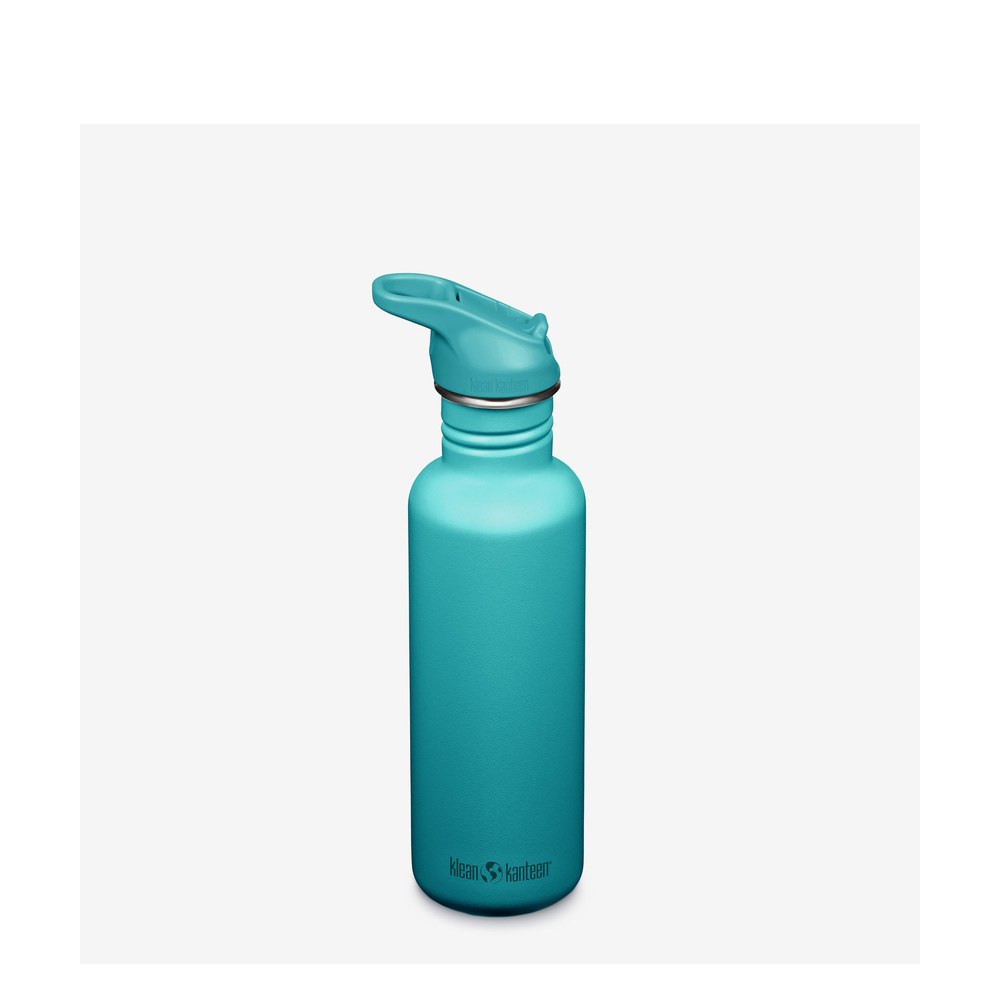 Best OverallKlean Kanteen Classic 27oz |
18/8 StainlessNo Liner |
Check price → |
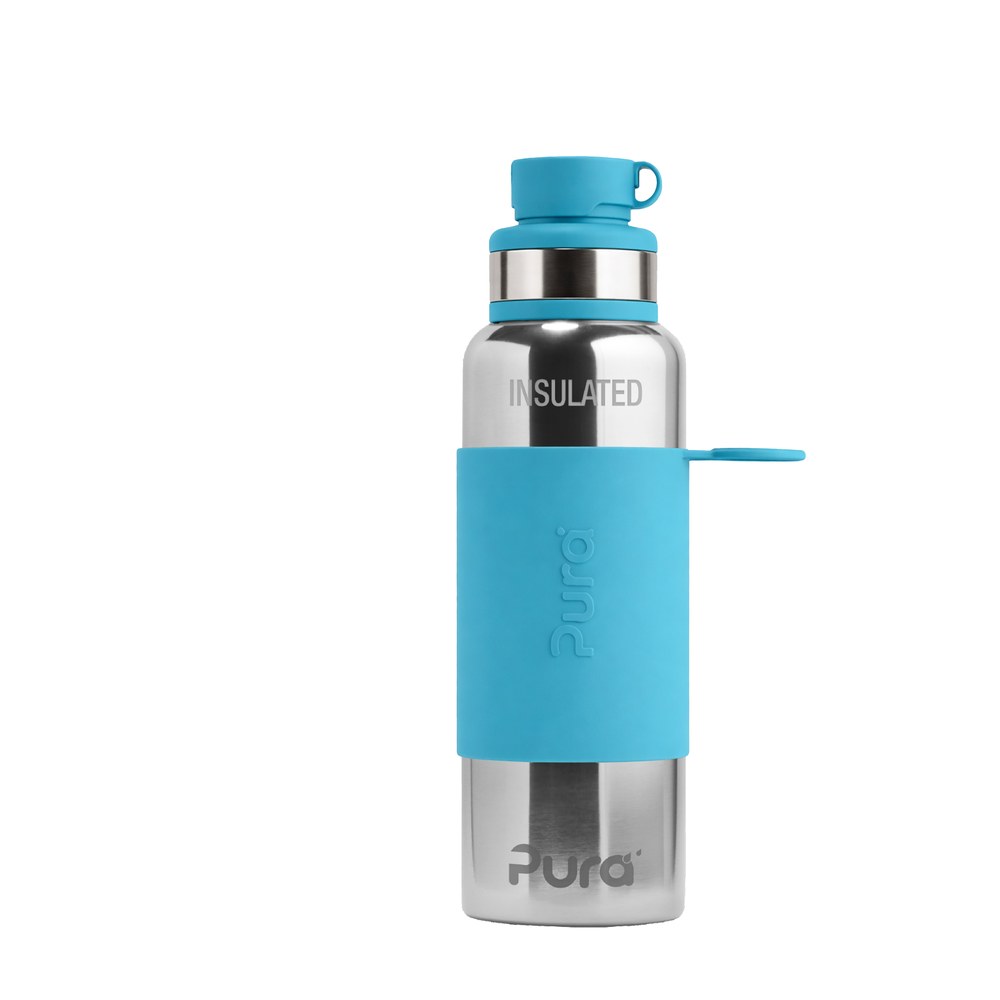 Best 100% Plastic-FreePura Sport 22oz Insulated |
MADE SAFE Certified18/8 Stainless |
Check price → |
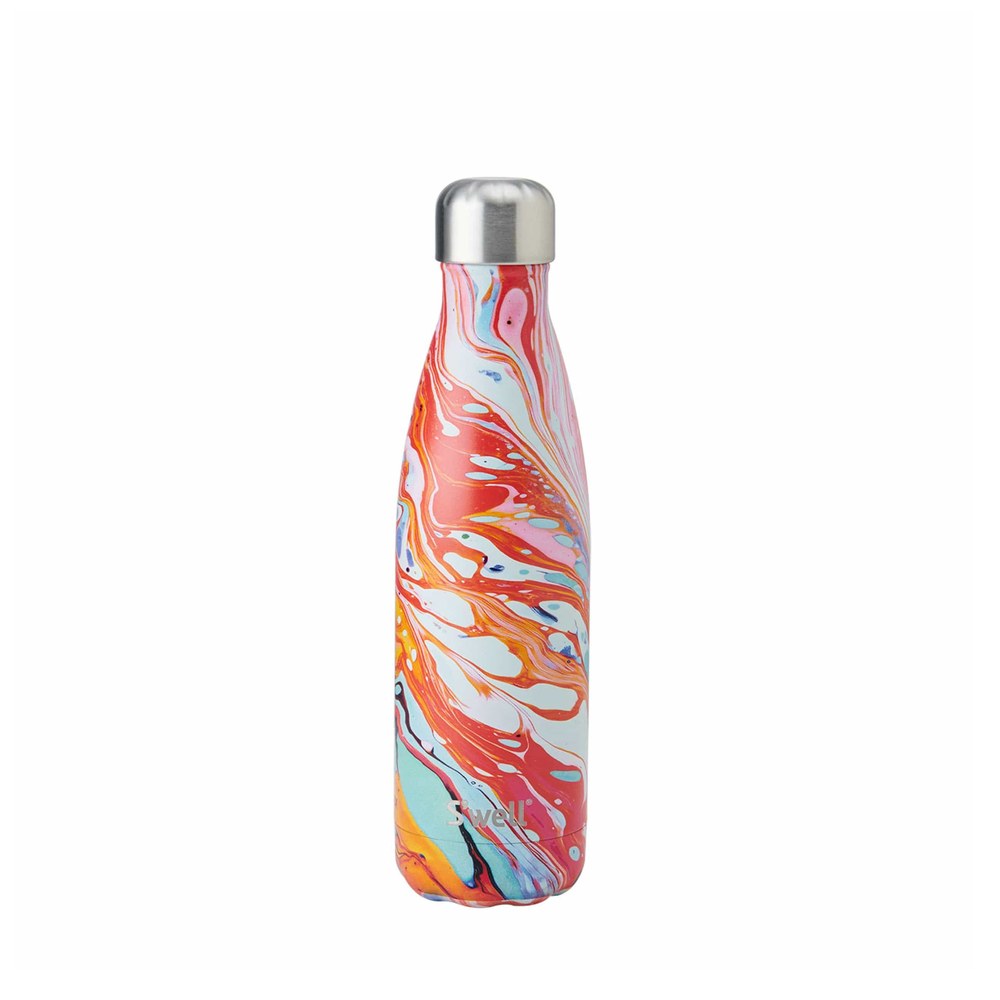 Best InsulatedS'well Original 17oz |
18/8 StainlessTriple-Wall Vacuum |
Check price → |
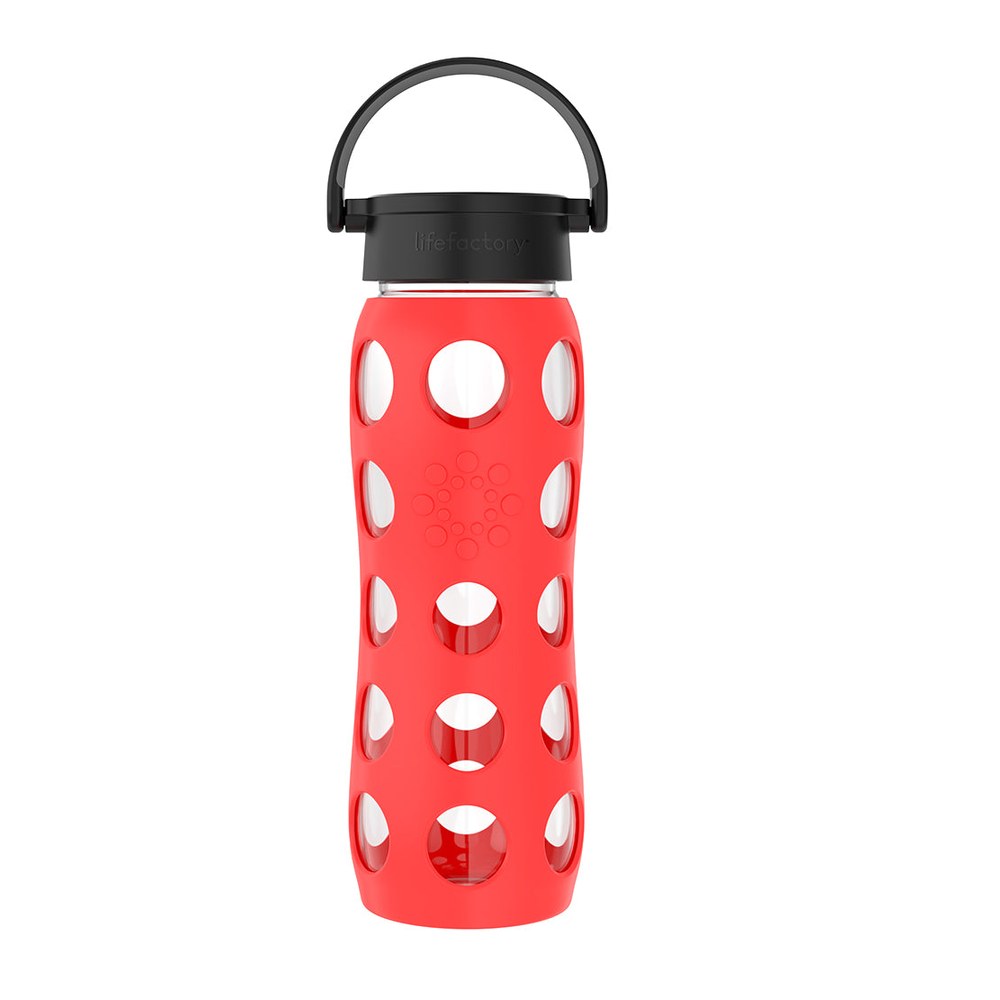 Best GlassLifefactory Glass Bottle 22oz |
Borosilicate GlassChemically Inert |
Check price → |
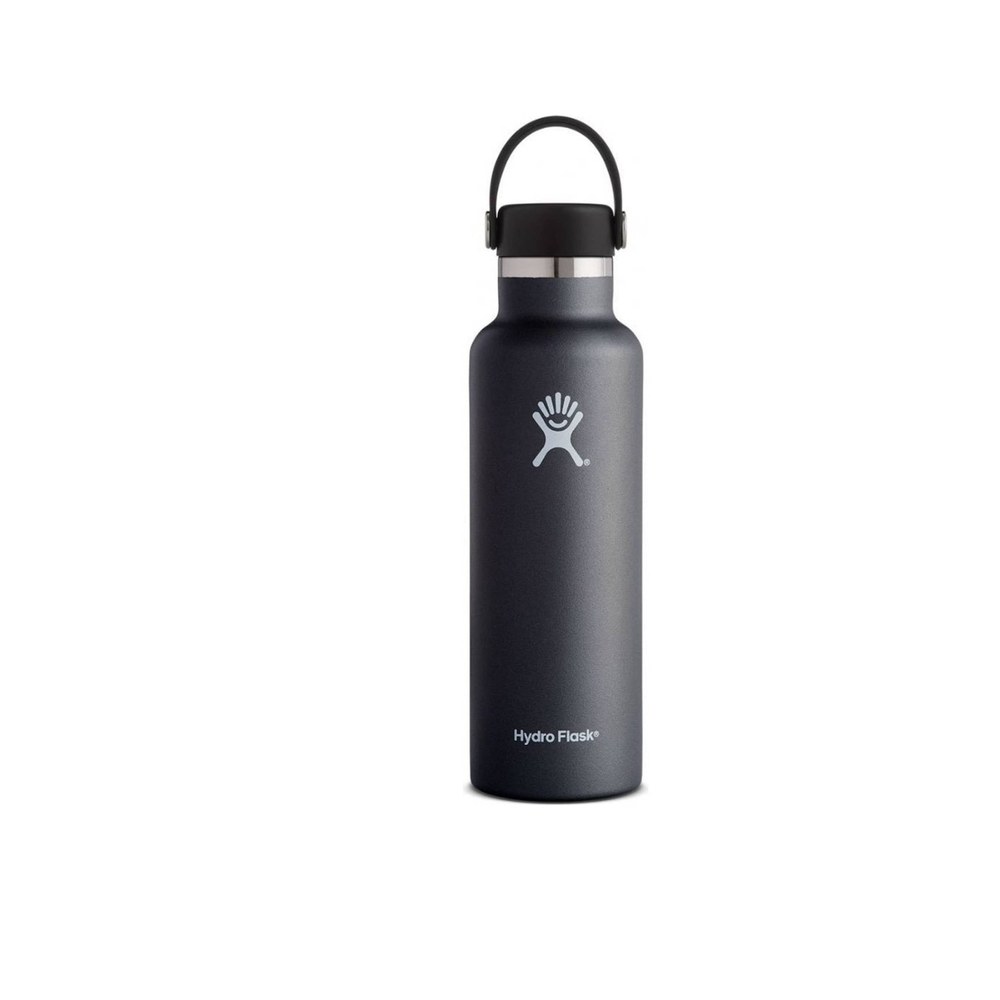 Best for DurabilityHydro Flask Standard Mouth 21oz |
18/8 Pro-Grade StainlessNo Liner |
Check price → |
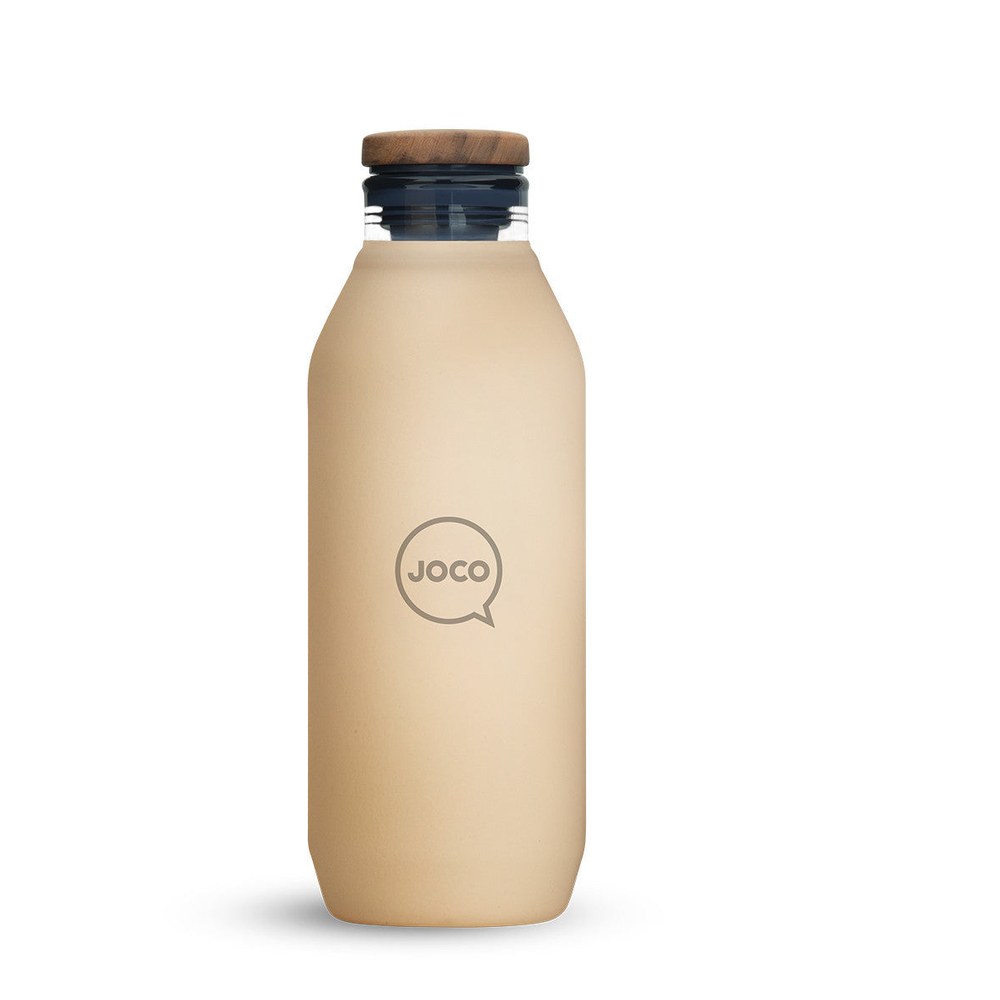 Best for TravelJOCO Glass Flask 20oz |
Borosilicate GlassChemically Inert |
Check price → |
Why Plastic Bottles Are a Problem — Even BPA-Free Ones
The plastics industry spent decades assuring consumers that plastic containers were safe. The BPA controversy forced a partial retreat: manufacturers removed bisphenol A and replaced it with BPS (bisphenol S) and BPF (bisphenol F) — chemicals that are structurally similar to BPA and, in peer-reviewed studies, exhibit comparable or greater endocrine-disrupting activity. The "BPA-free" label addressed public perception while leaving the underlying chemistry largely intact.
Beyond the bisphenol family, all plastic water bottles shed microplastic and nanoplastic particles regardless of their BPA status. The particles are an inherent property of polymer degradation — plastic is simply not a stable, inert material. It breaks down continuously through UV exposure, thermal cycling, mechanical stress, and contact with liquids, especially acidic or warm ones. Every sip from a plastic bottle carries a dose of plastic particles that, once ingested, accumulate in tissue. Studies have detected microplastics in human blood, liver, kidney, placenta, and breast milk.
"BPA-free plastic still leaches endocrine-disrupting chemicals — BPS and BPF have been shown in peer-reviewed research to disrupt hormone signaling at concentrations comparable to BPA."
Phthalates are another concern. Used as plasticizers to make plastic flexible, phthalates migrate out of plastic containers over time — especially when the bottle is heated, squeezed, or used repeatedly after washing. Multiple phthalates (DEHP, DBP, BBP) are classified as reproductive toxicants by the European Chemicals Agency. They are also endocrine disruptors linked to disruptions in testosterone, estrogen, and thyroid hormones.
There is no safe plastic for water contact in the sense of "completely inert." The chemistry is inherently reactive. Stainless steel and glass, by contrast, are genuinely stable materials that do not shed particles or leach compounds under normal use conditions. This is not a marginal improvement — it is a categorically different exposure profile.
What We Screened For
Every bottle recommended in this guide had to meet all four of our screening criteria.
- No plastic touching liquid: The interior of the bottle — all surfaces that contact water — must be 18/8 (304) food-grade stainless steel or borosilicate glass. This disqualifies bottles with plastic liners, plastic straws that contact liquid, or plastic interior coatings.
- No BPA or BPS: All plastic components (gaskets, lids, sleeves) must be explicitly certified BPA-free and BPS-free. Where possible, we prefer bottles with zero plastic components or plastic limited to exterior-only elements.
- Verified material quality: 18/8 stainless steel (also labeled 304 stainless) must be confirmed — not 201 stainless, which contains higher manganese and is more prone to corrosion and potential leaching.
- Practical durability: The bottle must be functional for daily use — leak-proof, adequately insulated where claimed, and available through reliable retail channels.
Our 6 Top Picks for 2026
Quick Picks
- Best overall: Klean Kanteen Classic 27oz — 18/8 stainless, bamboo cap option
- Best 100% plastic-free: Pura Sport 22oz Insulated — MADE SAFE certified, medical-grade silicone
- Best insulated: S'well Original 17oz — triple-wall vacuum, keeps cold 36hrs
- Best glass: Lifefactory Glass Bottle 22oz — borosilicate glass, silicone sleeve
- Best for durability: Hydro Flask Standard Mouth 21oz — 18/8 pro-grade stainless, powder coat
- Best for travel: JOCO Glass Flask 20oz — borosilicate glass, natural wood lid, matte colorways
1. Klean Kanteen Classic 27oz
Best Overall
The benchmark for plastic-free hydration. Made from 18/8 food-grade stainless steel with a single-wall construction — the interior is nothing but bare metal. Available with a bamboo cap (all-natural closure) or stainless steel cap, eliminating plastic from the lid as well. No liner, no coating, no plastic contact surface. Klean Kanteen's 18/8 steel is confirmed food-safe and sourced from certified manufacturers. The Classic is non-insulated, making it the lightest and most economical option. For cold beverages, pair with ice; for the insulated version, see the Klean Kanteen TKWide. Our top overall recommendation for its simplicity, transparency, and price.
The cleanest baseline on the list — bare 18/8 stainless inside and a plastic-free bamboo cap option, at the lowest price of any pick here.
Why it's safe: The only thing your water touches is 18/8 food-grade stainless steel — no plastic liner, no coating, and no microplastic shedding, even when refilled daily for years.
Check Today’s Price on Amazon →Amazon prices change daily — tap to see today's price and any active discount.
- Free delivery & returns for Prime members
- Sold & shipped by Amazon
- Thousands of verified reviews
2. Pura Sport 22oz Insulated
Best 100% Plastic-Free
The most comprehensively plastic-free bottle on this list. Pura holds MADE SAFE certification — a rigorous third-party standard that screens for thousands of harmful chemicals. The bottle body is 18/8 food-grade stainless steel. Where other bottles use plastic, Pura uses medical-grade silicone: the sport cap, sleeve, and sealing components are all silicone, not plastic. Silicone is inert, does not shed microplastic particles, and is not associated with endocrine disruption at physiological temperatures. Double-wall vacuum insulation keeps beverages cold for up to 24 hours. The best choice for those who want the most rigorous plastic-free standard available.
The only MADE SAFE–certified pick — even the cap and sleeve are medical-grade silicone, so there is no plastic anywhere on the bottle.
Why it's safe: Water touches only 18/8 stainless and inert medical-grade silicone — no plastic, no BPA/BPS, and nothing that sheds microplastic particles into your drink.
Check Today’s Price on Amazon →Amazon prices change daily — tap to see today's price and any active discount.
- Free delivery & returns for Prime members
- Sold & shipped by Amazon
- Thousands of verified reviews
3. S'well Original 17oz
Best Insulated
The best insulated option for keeping water cold throughout a full day. S'well's triple-wall vacuum insulation (a proprietary "Therma-S'well" technology) keeps beverages cold for up to 36 hours and hot for up to 18 — exceptional thermal performance among bottles in this class. If hot drinks are the main event rather than water, a purpose-built non-toxic travel mug with a sip-through lid is easier to drink coffee or tea from than a narrow bottle mouth. The interior is 18/8 food-grade stainless steel with no liner or coating. The exterior is finished with a non-toxic powder coat. The stainless steel lid contains a silicone seal gasket — the only polymer component. Wide range of finishes and designs. The narrower mouth profile makes it easier to drink from than wide-mouth competitors. An excellent daily carry bottle for those prioritizing insulation performance.
Triple-wall vacuum keeps water cold for up to 36 hours — fill it with ice in the morning and it's still cold after a long day out.
Why it's safe: The interior is bare 18/8 stainless with no liner or coating, so nothing leaches or sheds — the only polymer is a silicone gasket in the lid, away from your water.
Check Today’s Price on Amazon →Amazon prices change daily — tap to see today's price and any active discount.
- Free delivery & returns for Prime members
- Sold & shipped by Amazon
- Thousands of verified reviews
4. Lifefactory Glass Bottle 22oz
Best Glass
The best glass option for daily use. Made from borosilicate glass — the same material used in laboratory glassware — which is thermally stable, chemically inert, and completely free of BPA, BPS, and any polymer contact with your water. Borosilicate glass will not impart any taste or odor to water, making it the gold standard for flavor purity. The protective silicone sleeve provides grip and protects against shattering from minor drops. Available with a flat cap or flip cap; the cap contains a small polypropylene component — the only plastic in the system, located at the exterior closure rather than the water-contact surface. Dishwasher-safe. The best choice for home and desk use where durability demands are lower.
Glass-pure water with no metallic note — the silicone sleeve gives you grip and drop protection without putting any plastic near your drink.
Why it's safe: Borosilicate glass is completely inert — it never leaches, never sheds microplastics, and imparts no taste. The only plastic is a small cap component at the exterior closure, not the water surface.
Check Today’s Price on Amazon →Amazon prices change daily — tap to see today's price and any active discount.
- Free delivery & returns for Prime members
- Sold & shipped by Amazon
- Thousands of verified reviews
5. Hydro Flask Standard Mouth 21oz
Best for Durability
The most durable stainless steel bottle on this list — built to withstand years of hard use. Hydro Flask uses 18/8 pro-grade stainless steel for the body, with a powder coat exterior that is chip-resistant and holds up well to repeated drops and abrasion. Double-wall vacuum insulation keeps beverages cold for 24 hours and hot for 12. No interior liner or coating — bare stainless steel contact surface only. The Flex Cap includes a small food-grade silicone gasket for leak-proofing. Widely available for in-store purchase, easy to find replacement lids, and backed by a lifetime warranty. The right choice for outdoor use, sports, and anyone who needs a bottle that can take serious abuse.
Take it hiking, drop it, toss it in a pack — pro-grade stainless and a chip-resistant coat shrug it all off, backed by a lifetime warranty.
Why it's safe: The interior is bare 18/8 pro-grade stainless with no liner or coating — nothing to scratch through, leach, or shed, even after years of rough daily use.
Check Today’s Price on Amazon →Amazon prices change daily — tap to see today's price and any active discount.
- Free delivery & returns for Prime members
- Sold & shipped by Amazon
- Thousands of verified reviews
6. JOCO Glass Flask 20oz
Best for Travel
The best glass bottle for travel and everyday carry. JOCO's Flask uses borosilicate glass construction with a removable velvet-touch silicone sleeve for grip and impact protection, topped with a natural olive-wood lid. The lid seals securely for leak resistance during transit. JOCO's matte colorways make it distinctive and easy to identify in a bag. Like all borosilicate glass, the Flask is completely chemically inert — no leaching, no taste transfer, absolute flavor purity. The 20oz capacity is practical for most daily needs without being unwieldy. A strong choice for those who want the purity of glass in a format designed for commuting and travel.
Glass-pure water you can actually carry — the velvet-grip sleeve resists drops and the natural wood lid seals it for your bag or backpack.
Why it's safe: Your water touches only inert borosilicate glass — no plastic, no leaching, no taste transfer — while the silicone sleeve and wood lid keep plastic off the bottle entirely.
Check Today’s Price on Amazon →Amazon prices change daily — tap to see today's price and any active discount.
- Free delivery & returns for Prime members
- Sold & shipped by Amazon
- Thousands of verified reviews
Comparison Table
| Product | Material | Insulated | Plastic-Free Rating | Price |
|---|---|---|---|---|
| Klean Kanteen Classic 27oz | 18/8 Stainless | No (single-wall) | Excellent (bamboo cap) | $ |
| Pura Sport 22oz | 18/8 Stainless + Silicone | Yes (double-wall) | Best (MADE SAFE) | $$ |
| S'well Original 17oz | 18/8 Stainless | Yes (triple-wall) | Excellent | $$ |
| Lifefactory Glass 22oz | Borosilicate Glass | No | Excellent | $ |
| Hydro Flask Standard 21oz | 18/8 Pro-Grade Stainless | Yes (double-wall) | Excellent | $$ |
| JOCO Glass Flask 20oz | Borosilicate Glass | No | Excellent | $$ |
Price guide: $ budget · $$ mid-range · $$$ premium. Tap any pick above for today's exact Amazon price.
What to Avoid
The following bottle types and materials should be avoided if eliminating microplastic and chemical exposure is the goal.
Avoid Any plastic water bottle — including BPA-free
There is no safe plastic for water contact. BPA-free plastic replaces BPA with BPS and BPF — chemicals with similar endocrine-disrupting profiles that are less studied but not less concerning. All plastic bottles shed microplastic particles regardless of their chemical composition. This includes Tritan plastic (marketed as "BPA-free and BPS-free") — Tritan is still a polymer that sheds nanoplastic particles and contains its own proprietary additives that have not been comprehensively studied at the nanoplastic exposure level.
Avoid Aluminum bottles with plastic liners
Pure aluminum is reactive with many liquids and cannot be used uncoated in water bottles. Most "aluminum" water bottles — including many popular sports brands — have an interior plastic lining (often epoxy-based) to prevent corrosion. This liner contacts your water directly. Aluminum bottles are not the same as stainless steel bottles and should not be assumed to be plastic-free. Check explicitly for an interior liner before purchasing.
Avoid Stainless steel bottles with plastic straws or plastic lid inserts
A stainless steel body paired with a plastic straw that contacts your liquid is a partial solution at best. The plastic straw undergoes the same degradation processes as any other plastic — it sheds particles and leaches compounds into the water it contacts. Integrated straw lids are a common feature on popular "stainless" bottles; the straw material matters. Look for stainless steel straws, silicone straws, or no straw at all. This lid-and-straw question is exactly what separates the safest mainstream water bottle brands — Owala, Stanley, Hydro Flask, and Klean Kanteen — from one another, since every one of them uses a safe stainless body.
Avoid Tritan plastic bottles
Tritan is a copolyester plastic marketed by Eastman Chemical as BPA-free, BPS-free, and "estrogen-activity free." Independent research has challenged these claims — a 2011 study in Environmental Health Perspectives found that many plastics marketed as estrogen-activity-free, including some Tritan products, showed estrogenic activity in cell-based assays. Regardless of where one lands on that specific debate, Tritan is still a plastic polymer that sheds nanoplastic particles. It is not an acceptable substitute for stainless steel or glass.
Want the Full Room-by-Room Protection Guide?
The Complete Plasticproof Guide covers every room in your home — kitchen, nursery, bathroom, bedroom — with the full research and complete swap list. 47+ peer-reviewed studies, 80+ product recommendations.
Frequently Asked Questions
High-quality 18/8 (304) food-grade stainless steel does not leach metals into water under normal use conditions. The 18/8 designation refers to the chromium and nickel content — 18% chromium and 8% nickel — which form a passive oxide layer that prevents corrosion and metal migration. Studies have found no meaningful leaching from food-grade stainless steel bottles when used as intended. The key caveat: avoid cheaper bottles made from lower grades of steel (e.g., 201 stainless), which may contain higher levels of manganese and are more prone to corrosion. All six bottles recommended in this guide use 18/8 food-grade stainless steel or borosilicate glass.
A landmark 2024 study from Columbia University and Rutgers University found an average of 240,000 nanoplastic particles per liter in three popular brands of bottled water — far higher than previously estimated, using new laser-based detection techniques. Earlier research using different methods had found tens of thousands of microplastic particles per liter in bottled water. These particles shed from the bottle walls themselves (especially PET plastic) and from the caps. Heat, UV exposure, and mechanical stress all accelerate leaching — which is exactly why refilling and reusing a disposable plastic bottle makes the problem worse, not cheaper. Switching to stainless steel or glass eliminates this contamination pathway entirely.
No — not with any confidence. When manufacturers removed BPA from plastics under consumer and regulatory pressure, they replaced it with structurally similar chemicals: BPS (bisphenol S), BPF (bisphenol F), and various phthalate-based alternatives. Peer-reviewed research has found that BPS and BPF exhibit similar endocrine-disrupting activity to BPA — in some studies, equivalent or greater potency. The "BPA-free" label addresses one chemical while leaving the underlying problem — plastic polymer contact with food and water — intact. Beyond bisphenols, all plastic bottles shed microplastic particles regardless of BPA status. The only reliable solution is to eliminate plastic contact with drinking water entirely.
Both are excellent choices and vastly superior to any plastic. The practical differences: Glass (specifically borosilicate glass) is chemically inert — it imparts absolutely no taste or odor to water and is the clearest option from a purity standpoint. The drawbacks are weight and fragility. Stainless steel (18/8 food-grade) is nearly as inert, much more durable, lighter than glass, and available in insulated double-wall versions that keep water cold for 24+ hours. For daily commuting, travel, and outdoor use, stainless steel is the more practical choice. For home use — especially if taste purity is paramount — borosilicate glass is ideal. Both eliminate microplastic and chemical leaching when no plastic components contact the water.
Several plastic-free cleaning options work well for stainless steel bottles. Natural fiber bottle brushes with wooden handles (available from brands like Full Circle and Redecker) are effective and durable. For a deep clean without a brush: add a tablespoon of baking soda and a splash of white vinegar, fill with hot water, let sit for 15–30 minutes, then rinse thoroughly. For stubborn odors, a solution of one part white vinegar to four parts water left overnight works well. Avoid bleach, which can damage the passive oxide layer on stainless steel. Borosilicate glass bottles are dishwasher-safe in most cases — check the manufacturer's guidance on the silicone sleeve.
Sources
- Qian N, et al. "Rapid single-particle chemical imaging of nanoplastics by SRS microscopy." Proceedings of the National Academy of Sciences, 2024. (Columbia University / Rutgers University nanoplastics study — 240,000 nanoplastic particles per liter in bottled water.)
- Rochester JR, Bolden AL. "Bisphenol S and F: A Systematic Review and Comparison of the Hormonal Activity of Bisphenol A Substitutes." Environmental Health Perspectives, 2015.
- Vom Saal FS, et al. "Plastics, the environment and human health: current consensus and future trends." Philosophical Transactions of the Royal Society B, 2009.
- Yang CZ, et al. "Most Plastic Products Release Estrogenic Chemicals: A Potential Health Problem That Can Be Solved." Environmental Health Perspectives, 2011. (Includes analysis of Tritan plastic.)
- Vethaak AD, Legler J. "Microplastics and human health." Science, 2021. doi:10.1126/science.abe5041.
- Boor BE, et al. "Phthalate migration from flexible PVC consumer products." Environmental Science & Technology, 2015.
Protect Every Room in Your Home
From the kitchen to the nursery — the Complete Plasticproof Guide covers every swap that matters, backed by 47+ studies and 80+ product recommendations.