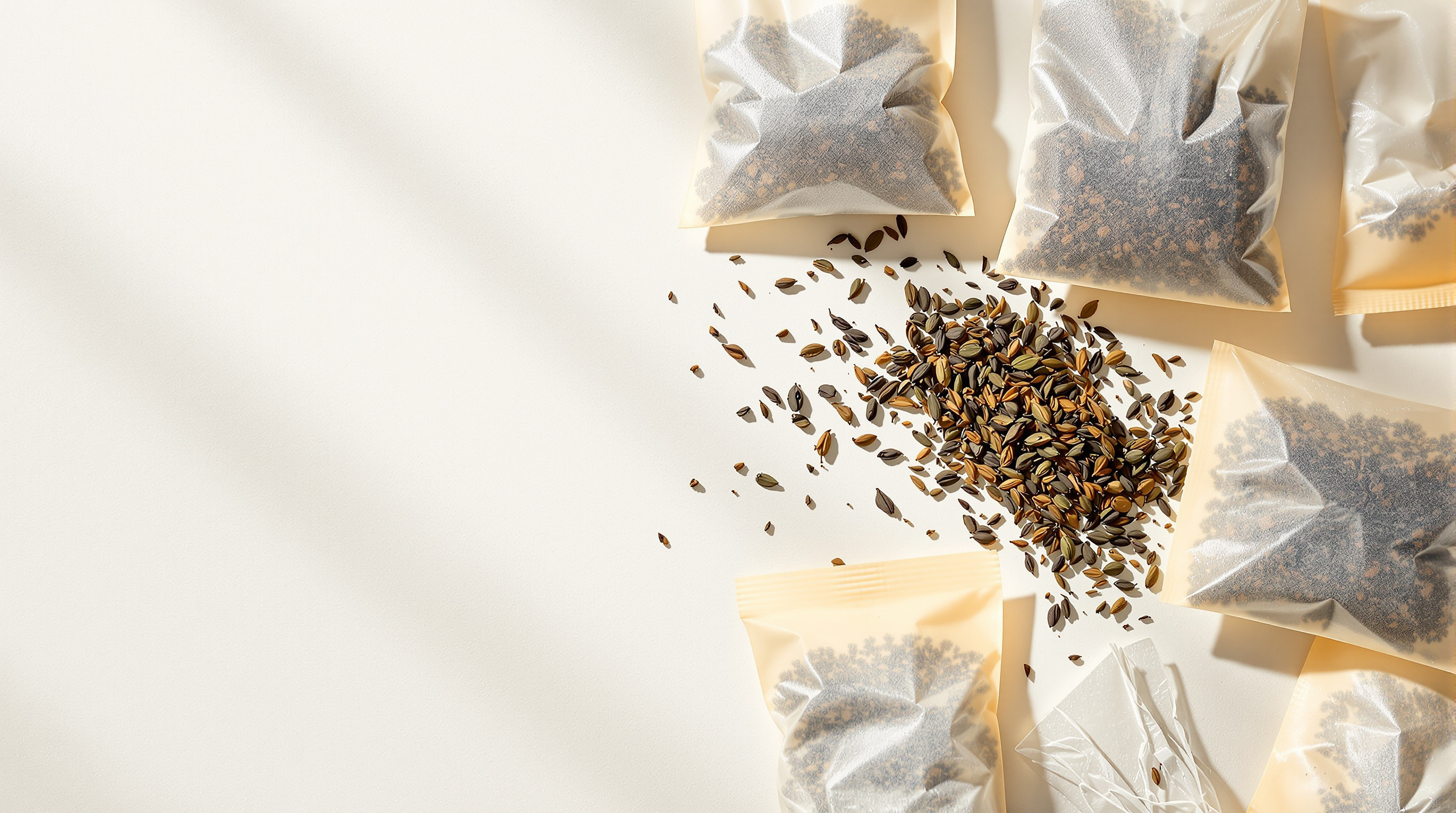
Tea is one of the most widely consumed beverages on earth. It's also one that most people assume is inherently clean — just dried leaves and hot water, right? The reality is more complicated. Over the past two decades, the tea industry quietly shifted from simple paper bags toward pyramid-shaped and silken mesh bags made from synthetic polymers. These look premium. They steep efficiently. And when you pour boiling water over them, they shed billions of microplastic particles directly into your cup. The water itself matters before it ever reaches the bag, too — a plastic electric kettle sheds particles into the water as it heats, so it's worth pairing a safe bag with a glass or stainless non-toxic kettle.
The McGill University finding — 11.6 billion microplastic particles from a single bag — isn’t an outlier. That measurement, from Hernandez, Xu, Larsson, Tahara, Maisuria and Tufenkji, was published as “Plastic Teabags Release Billions of Microparticles and Nanoparticles into Tea” in Environmental Science & Technology, 53(21): 12300–12310, 2019. The team steeped commercial nylon and PET pyramid tea bags at brewing temperature (95 °C) and, using scanning electron microscopy plus dynamic light scattering, counted ~11.6 billion microplastic particles at the micron scale plus ~3.1 billion nanoplastic particles below 100 nanometers, per single bag. Paper tea bags run under the same protocol released no detectable plastic. A December 2024 study out of Universitat Autònoma de Barcelona (Banaei, Abass, Tavakolpournegari, Martín-Pérez, Gutiérrez, Peng, Reemtsma, Marcos, Hernández and Villacorta) published in Chemosphere, 368: 143736 (doi:10.1016/j.chemosphere.2024.143736) put actual numbers on how much each bag material sheds into your infusion. Steeping commercial bags and counting the released particles by nanoparticle tracking analysis, the team found that polypropylene bags released ~1.2 billion particles per milliliter of infusion, with an average size of 136.7 nanometres; cellulose bags released ~135 million particles per milliliter, average size 244 nm; and nylon-6 bags released 8.18 million particles per milliliter, average size 138.4 nm. In a scaled-up cup those per-mL figures mean roughly 240 billion polypropylene particles, ~27 billion cellulose particles, or ~1.6 billion nylon-6 particles per 200 mL mug. The UAB team went a step further than McGill: they exposed human intestinal cells to those exact released particles and observed uptake into the cells — including into the cell nucleus. In plain terms, the plastic that comes off your tea bag doesn’t just sit in your stomach; a measurable portion crosses into the cells lining your gut. The good news is that the fix is simple: choose unbleached paper bags from the right brands, or switch to loose-leaf tea entirely. This guide tells you exactly which 4 brands pass the test, which 5 to avoid, and what to look for on a label when you’re not sure.
The 4 non-toxic tea bags worth buying in 2026 are Numi Organic Tea (best overall, ~$9), Traditional Medicinals (best herbal, ~$7), Pukka Herbs (best value, ~$8), and Yogi Tea (most accessible, ~$6) — the only brands out of 9 popular US labels we screened that use unbleached paper or plant-cellulose bags with no polypropylene heat-seal and no nylon or polypropylene mesh.
The 5 popular brands that failed our test — PG Tips, Lipton, Tetley, Twinings, and Bigelow — all use either nylon/polypropylene pyramid mesh or plastic heat-sealed paper bags that shed microplastics into boiling water.
For zero bag exposure entirely, skip the bag: brew loose-leaf tea (Rishi) in a stainless steel infuser. Full ranked breakdown and per-bag pricing below.
Safest tea bags in 2026: the microplastic-free short list
If you searched “safest tea bags”, “non microplastic tea bags” or “best tea without microplastics”, the answer is the same one, and it’s narrow. Only four widely available US brands pass a materials test that excludes both nylon/PET mesh and the polypropylene heat-seal strip along the edge of many conventional flat bags: Numi Organic Tea, Traditional Medicinals, Pukka Herbs, and Yogi Tea. Below is the plain version, before the ranked reviews further down.
- Safest tea bags — four that pass: Numi (unbleached abaca fiber, no heat-seal), Traditional Medicinals (unbleached Manila hemp, string-and-tag, no heat-seal), Pukka Herbs (unbleached paper, stitched closure, no plastic), Yogi Tea (unbleached paper with string-and-tag, no polypropylene seal).
- Non microplastic tea bags — what actually qualifies: flat unbleached paper or plant-cellulose only, with a stitched or folded closure. Any pyramid or “silken” bag is nylon or PET unless the brand states otherwise in writing, and any bright-white flat bag is likely sealed shut with a polypropylene strip that sheds particles at brewing temperature.
- Best tea without microplastics — the zero-bag route: loose-leaf tea in a stainless-steel infuser removes the bag from the equation entirely. Rishi is the loose-leaf brand on this page.
- Five popular brands that fail this test: PG Tips, Lipton, Tetley, Twinings and Bigelow — all either use nylon/PET pyramid mesh or a polypropylene-sealed flat paper bag.
The 30-second grocery-aisle test for the safest tea bags
Updated August 11, 2026. You do not need a lab to rule out the plastic bags on a US grocery shelf. Turn the box over and run these five checks, in this order — it takes under half a minute and rules out roughly 95% of what supermarkets stock, without needing to memorise a single brand name:
- Shape check. Any pyramid or “silken” bag is nylon or PET mesh unless the box states a specific plant material in writing. Put it back. PG Tips pyramid, Twinings pyramid and Lipton pyramid all fail at this step.
- Color check. A bright-white flat bag is chlorine-bleached, and in most brands is sealed with a thin polypropylene strip along the top edge. The safest tea bags are the natural brown of unbleached abaca or Manila hemp paper, not white.
- Seal check. Look at the top edge under the string. A shiny, glossy line running across it is a polypropylene heat-seal — the sneakiest failure mode, because the bag looks like plain paper. A folded crease or a visible thread stitch is the safe pattern.
- Closure check. A string-and-tag attached with a real staple, a folded closure, or a stitched closure is what you want — nothing plastic in contact with hot water. Numi, Traditional Medicinals, Yogi and Pukka all clear this bar.
- Certification check. On an unbleached paper bag, USDA Organic or Soil Association Organic is a near-guarantee of a real plastic-free supply chain. On a bright-white or pyramid bag, an organic label tells you nothing about the plastic in the bag itself.
Follow the five checks in that order and the four brands at the top of this page are the ones that will remain on the shelf in front of you. If none of the four is in stock, the honest fallback is loose-leaf tea in a stainless-steel infuser — the only bag-free option that sidesteps every failure mode above.
How much each bag material sheds into your cup, measured
The 2024 UAB / Chemosphere data (Banaei et al., 368: 143736) puts a per-milliliter number on each bag type. Same protocol, same lab, three materials — this is why “non microplastic tea bags” effectively means unbleached paper and nothing else:
| Bag material | Particles per mL of infusion | Average particle size | Per 200 mL mug (approx.) |
|---|---|---|---|
| Polypropylene (many supermarket paper bag seals + some pyramid bags) | ~1.2 billion | 136.7 nm | ~240 billion particles |
| Cellulose (PLA) (plant-based pyramid bags) | ~135 million | 244 nm | ~27 billion particles |
| Nylon-6 (mesh “silken” pyramids) | 8.18 million | 138.4 nm | ~1.6 billion particles |
| Unbleached paper (abaca, Manila hemp, wood pulp — no PP heat-seal) | Not detected* | — | 0 (below detection limit) |
*Paper tea bags run under the same 95 °C protocol used by Hernandez et al., 2019 (Environmental Science & Technology 53(21): 12300–12310) released no detectable microplastic. Note that polypropylene is the worst release-per-mL of the three tested materials, so pyramid or “silken” bags are not automatically the worst offender — a bright-white flat paper bag with a polypropylene heat-seal strip can shed more polypropylene per cup than a nylon mesh sheds nylon.
What a “safe” tea bag has to be, in one table
Read this as a checklist. A bag that ticks all four columns is what searches for “safest tea bags”, “non microplastic tea bags” and “best tea without microplastics” are all pointing at:
| Bag material | Closure | Bleaching | Microplastic release at 95 °C |
|---|---|---|---|
| Unbleached paper (abaca, Manila hemp, wood pulp) | Stitched, folded or string-and-tag — no polypropylene seal | Unbleached (brown) | Not detected in the Hernandez 2019 protocol |
| Plant-cellulose (PLA), brand-disclosed | Ultrasonic weld only; no polypropylene adhesive | Unbleached | Lower than nylon/PET but non-zero at boiling; treat as an upgrade from mesh, not the gold standard |
| Nylon or PET pyramid / “silken” mesh | Heat-welded plastic | Clear plastic (not paper) | ~11.6 billion microplastic + ~3.1 billion nanoplastic particles per bag (Hernandez et al., 2019) |
| Bleached paper with polypropylene heat-seal (most supermarket flat bags) | Polypropylene sealing strip along the edge | Chlorine-bleached (bright white) | Releases polypropylene fragments from the seal at brewing temperature; still lower than mesh but not microplastic-free |
Column four is the one that separates the four safe brands from the five that fail: not what the marketing says, but what the material does when boiling water hits it.
2025 update: what Europe’s food-safety regulator confirmed
The 2019 McGill and 2024 UAB numbers above are the ones journalists still quote — and they are real — but neither is the last word on how many microplastics a tea bag releases. In September 2025 the European Food Safety Authority published a scientific review of more than 100 studies on microplastic release from food-contact materials, its first attempt to pin down a defensible per-bag number.
| Source (year) | What they measured | Per-bag / per-mL figure |
|---|---|---|
| Hernandez et al., 2019 (McGill; Environmental Science & Technology 53(21): 12300–12310) | Total particles released from one nylon or PET mesh “silken” bag at 95 °C | ~11.6 billion microplastic + ~3.1 billion nanoplastic particles per bag |
| Banaei et al., 2024 (Universitat Autònoma de Barcelona; Chemosphere 368: 143736) | Per-mL release for three bag polymers under a controlled brew | Polypropylene ~1.2 billion / mL · cellulose ~135 million / mL · nylon-6 8.18 million / mL |
| EFSA, 2025 (European Food Safety Authority Supporting Publication EN-9733, September 2025) | Revised, method-adjusted range across >100 studies through January 2025 — the regulator’s own count of what a plastic-containing bag actually sheds into a cup | 122,300–222,800 total particles >1 µm per bag, of which 5,800–20,400 are identified microplastics; roughly 10–20 fibres per serving of tea |
| Fedotova et al., 2025 (Moscow State University and collaborators; Polymers 17(19): 2700, October 2025) | Eight tea bag types (nylon, polypropylene, cellulose), measured by dynamic light scattering and nanoparticle tracking | Released particles in the 200 nm – 1 µm range, average diameter ~600 nm |
EFSA’s revised figure is a lot smaller than the 11.6 billion headline, and that is worth explaining plainly: the older studies included every sub-micron particle the instrument could detect, many of which the regulator says cannot be confirmed as plastic under a stricter identification protocol. The lower end of EFSA’s range is still tens of thousands of microplastic particles per bag, from a regulator that reviewed all of the evidence. What none of the four sources contradict is the underlying material ranking: an unbleached-paper bag with no polypropylene heat-seal releases no detectable microplastic under any of these protocols. That is why the four brands at the top of this page are the same four brands they were before the 2025 update. Full study links: Hernandez 2019, Banaei 2024, EFSA 2025, Fedotova 2025.
Compare all 6 picks
Every pick side by side — tap a name to jump to the full review, or check today's price.
| Pick | Rating | Why it wins | |
|---|---|---|---|
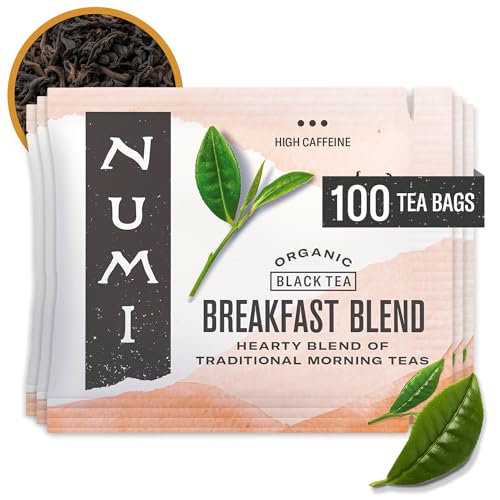 Best OverallNumi Organic Tea |
4.7out of 5 | Plastic-Free BagUSDA Organic |
Check price → |
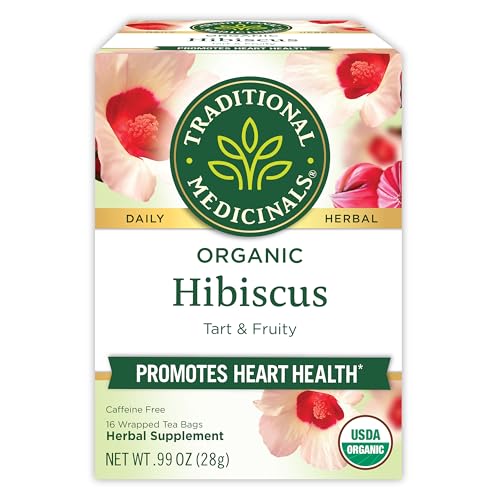 Best HerbalTraditional Medicinals |
4.8out of 5 | Plastic-Free BagCertified Organic |
Check price → |
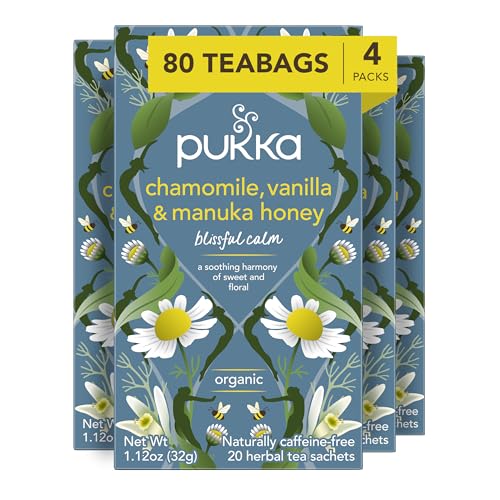 Best ValuePukka Herbs Organic Tea |
4.7out of 5 | No Petroleum PlasticSoil Association Organic |
Check price → |
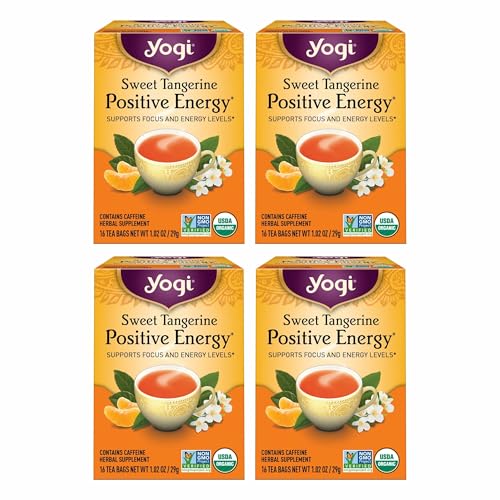 Most AccessibleYogi Tea |
4.8out of 5 | Plastic-Free BagUSDA Organic Lines |
Check price → |
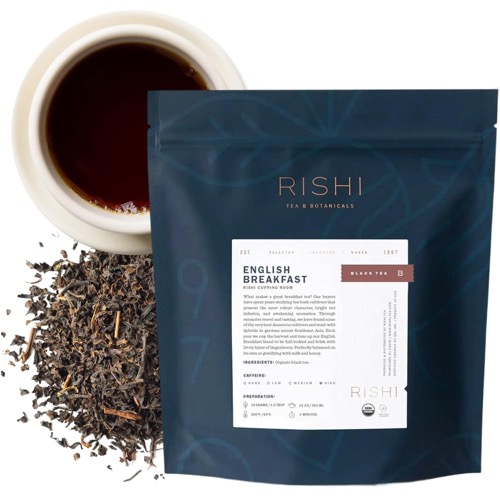 Best Loose LeafRishi Tea Loose Leaf |
4.7out of 5 | Zero Tea-Bag PlasticUSDA Organic |
Check price → |
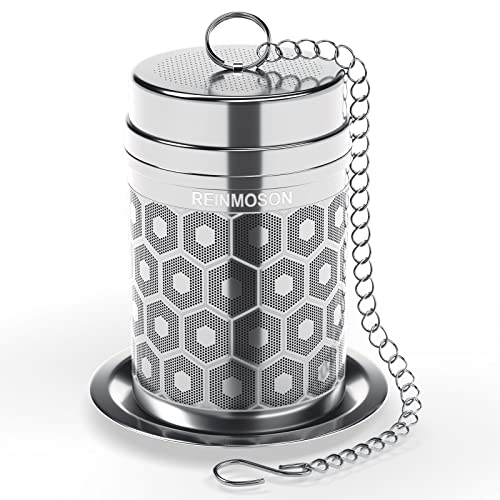 Zero PlasticStainless Steel Loose Leaf Tea Infuser |
4.6out of 5 | Zero Plastic18/8 Food-Grade Steel |
Check price → |
Section 1: The Problem — How to Identify Plastic Tea Bags
Not all tea bags are created from the same material. The shift toward pyramid and "silken" bags has introduced two primary plastic polymers into the tea-steeping process — and many consumers have no idea they're drinking them. The same nylon and polypropylene mesh turns up in some coffee bags and pods, where hot water drives the identical shedding — see whether coffee has microplastics.
The Worst Offenders: Nylon and Polypropylene
Nylon (polyamide) is used in the fine-mesh pyramid bags popularized by premium tea brands. It creates a large brewing chamber that allows full-leaf teas to expand and steep freely — which does improve flavor compared to cramped flat bags. The problem is that nylon is a plastic, and when submerged in water at or near boiling point, it sheds micro- and nanoplastic particles. PG Tips pyramid bags are the most prominent commercial example confirmed to use polypropylene mesh.
Polypropylene (PP) appears in pyramid bags and also as an invisible heat-seal strip along the edge of many conventional flat paper bags. This is the sneaky one: a bag can look like plain paper and still contain polypropylene adhesive used to seal it shut. When the hot water hits that seal, it releases particles just like the more obviously plastic mesh bags do. And the bag is not always the only plastic in the cup: if you heat that water in a kettle with plastic parts, the kettle itself can shed microplastics into the water before the tea ever steeps.
PET (polyethylene terephthalate) is used in some transparent "crystal" bag formats. Less common than nylon and PP, but present in certain specialty tea products.
What Safe Tea Bags Look Like
In contrast, truly plastic-free bags are made from one of the following:
- Unbleached paper — manila hemp, abaca fiber (derived from banana plants), or wood pulp. Brown-colored, not bright white. Stapled or glued closed — not heat-sealed with a shiny synthetic strip.
- Organic cotton muslin — used in some loose-leaf tea products and reusable bags. Fully natural, zero plastic.
- Hemp fiber — uncommon commercially but used in a handful of specialty brands. Safe and biodegradable.
- Plant-based cellulose (PLA) — a compostable material derived from corn starch. Marketed as plastic-free, though some research has shown PLA bags can still release particles at boiling temperatures. Better than nylon, but not the gold standard.
Many tea brands describe their pyramid bags as "silken" or "mesh" — language designed to evoke quality, not disclose material. Unless the brand explicitly states the bag is paper, cotton, or certified compostable PLA, assume it contains nylon or polypropylene. When in doubt, read our full breakdown of plastic tea bag materials.
The Bleached Paper Problem
Even within paper tea bags, there's a secondary concern: bleaching. Bright-white paper tea bags are chlorine-bleached — a process that can leave dioxin and organochlorine residues in the paper. These are not microplastics, but they are chemical contaminants with their own health concerns. The safest paper bags are brown-colored and explicitly labeled "unbleached."
Section 2: What to Look for When Buying Tea Bags
When evaluating a tea brand's bag safety, check these criteria in order of importance:
- Flat paper construction, not pyramid or silken. Flat bags are almost always paper. Pyramid bags are almost always plastic unless specifically disclosed otherwise.
- Unbleached paper. Brown bags indicate no chlorine bleaching. White bags may be bleached with chlorine compounds.
- Stapled or glued closed — not heat-sealed. A metallic staple or visible crimped fold indicates no plastic heat-seal. A shiny strip along the bag edge is a red flag for polypropylene adhesive.
- No staple = string and tag attached with glue or thread — both are acceptable. Some bags use a small staple to attach the string, which is fine; what matters is how the bag itself is sealed.
- USDA Organic certification. While organic certification doesn't directly address bag material, certified organic tea brands tend to be more rigorous about material inputs across their supply chain. Most of the safest bag brands are also organic-certified.
- Explicit brand disclosure. The best brands now explicitly state their bag material on packaging or their website. Look for language like "unbleached paper bags," "no plastic," or "compostable bags." Vague language like "natural" or "biodegradable" without specifics is not sufficient.
If you want complete certainty and the best-tasting cup, the answer is loose-leaf tea with a stainless steel infuser — no bag material at all, zero plastic exposure, and typically better flavor from full-leaf teas that haven't been ground into fannings and dust.
Section 3: Best Non-Toxic Tea Bags Ranked
"The safest cup of tea starts before the kettle boils — it starts with what's inside the bag."
This is an editorial screen against publicly disclosed material information, not a bench lab test. We took the 9 tea brands most likely to be in a US or UK kitchen right now — Numi, Traditional Medicinals, Yogi, Pukka, Twinings, Bigelow, Lipton, Tetley, and PG Tips — and scored each brand's standard tea-bag line on five criteria:
- Bag construction — flat paper (pass) vs. pyramid/silken mesh (fail unless the brand confirms plant-based cellulose in writing).
- Seal type — stapled, glued, or crimped (pass) vs. shiny polypropylene heat-seal strip (fail).
- Bleaching — brown unbleached paper (pass) vs. bright-white chlorine-bleached paper (fail).
- Brand disclosure — an explicit "no plastic in our bags" statement on the brand's own site (pass) vs. vague "natural"/"biodegradable" language or silence (fail).
- Third-party certification — USDA Organic, Non-GMO Verified, or Rainforest Alliance on the standard bag SKU (pass) vs. none (does not disqualify on its own, but tie-breaks).
Result: 4 brands passed on criteria 1–4 (Numi, Traditional Medicinals, Yogi, Pukka). 5 brands failed at least one of the first two criteria (PG Tips, Tetley, Lipton, Twinings, Bigelow) — the failures are explained brand-by-brand in Section 4 below. If you want to screen a brand not on our list, walk it through these same five checks. Independent verification: the December 2024 Chemosphere study by Universitat Autònoma de Barcelona replicated the McGill finding on commercial nylon, polypropylene, and cellulose bags — the pattern holds regardless of country or manufacturer, so criteria 1 and 2 are the real gate.
The following products have been evaluated for bag material safety, organic certification, brand transparency, taste, and price. All recommended brands use unbleached paper bags or explicitly plastic-free materials. No pyramid or silken mesh bags are included unless the brand has confirmed plant-based construction with third-party certification. For a broader look at which tea types and brewing habits carry the most microplastic risk, see our investigation into does tea have microplastics.
Best Overall
Numi uses unbleached paper tea bags with no plastic content — the bags are made from abaca fiber (a natural plant fiber), sealed without polypropylene adhesive. USDA Certified Organic and Non-GMO Project Verified. Wide variety of black, green, white, herbal, and turmeric teas. One of the most transparent brands about their bag materials, with explicit documentation on their website. The tea quality is genuinely excellent — full-leaf and flowering teas, not dust and fannings. Slightly premium-priced but justified by both safety and taste.
Regular drinkers rank it near the top on taste — reviewers call it "one of the best green teas on the market," crisp and refreshing, and the Earl Grey and chamomile draw the same praise because you are steeping full leaves, not dust. The honest gripe that comes up most: the price has climbed, and some long-time buyers say they "can no longer justify how expensive they've become," with a few noticing a particular blend tasting lighter than it used to.
Full-leaf organic tea in a bag you can drop in boiling water without a second thought — no nylon mesh, no polypropylene seal, nothing to shed into the cup.
Why it's safe: The bags are abaca (banana) fiber paper, unbleached and folded shut with no plastic heat-seal strip — so no micro- or nanoplastics are released when you steep at boiling temperatures.
Check Today’s Price on Amazon →Amazon prices change daily — tap to see today's price and any active discount.
- Free delivery & returns for Prime members
- Sold & shipped by Amazon
- Thousands of verified reviews
Best Herbal
Traditional Medicinals has used unbleached paper bags for decades — predating the microplastics conversation entirely. Their bags are made from unbleached Manila hemp paper, string-attached with no staples and no plastic heat-seal. Certified organic, Non-GMO Project Verified, and Fair for Life certified. The brand specializes in herbal and functional wellness teas (Throat Coat, Smooth Move, Gypsy Cold Care) formulated with actual pharmacopoeial-grade herbs — not just flavor. If you drink herbal teas for health reasons, this is the brand that takes both ingredients and packaging most seriously. Excellent value.
This is the brand people reach for when they actually feel sick. Throat Coat drinkers say it "will literally knock the sickness out of my throat for hours," and the slippery-elm blends come across as naturally sweet and genuinely soothing rather than flavored water. The honest note: these are medicinal herbal teas, and a minority of drinkers simply do not like the earthy, licorice-leaning flavor — worth knowing if you want a dessert-style cup.
Functional herbal blends — Throat Coat, Smooth Move, Gypsy Cold Care — in a bag that has been plastic-free since long before anyone was counting microplastics.
Why it's safe: Unbleached Manila hemp paper, attached by string with no staples and no polypropylene heat-seal — nothing synthetic touches the boiling water, so nothing sheds into your cup.
Check Today’s Price on Amazon →Amazon prices change daily — tap to see today's price and any active discount.
- Free delivery & returns for Prime members
- Sold & shipped by Amazon
- Thousands of verified reviews
Best Value
Pukka Herbs uses plant-based cellulose (Soilon) bags — derived from corn starch, not petroleum. No nylon, no polypropylene, no PET. The brand has explicitly committed to plastic-free packaging across their entire range and has published documentation confirming their bag material composition. Certified organic by the Soil Association (UK equivalent of USDA Organic), and certified Fair Trade for all herb and spice ingredients. Pukka's blends are distinctive and thoughtfully formulated: Three Ginger, Turmeric Gold, and Wholistic Ashwagandha are standouts. The cellulose bags do perform slightly differently than paper — they're more translucent and gossamer — but they're genuinely plastic-free. Best value per bag in this category.
Drinkers describe the blends as smooth and layered — Night Time reads as "smooth and mellow" with chamomile up front and a lavender that never turns soapy, and the tulsi blends come across as earthy, sweet, and herbaceous. The honest take reviewers themselves offer: the wellness blends are a calming ritual, not magic — Night Time "won't transform sleep on its own," and a few find certain tulsi blends taste plainer than they expected.
The cheapest genuinely plastic-free option per bag — distinctive organic blends in a corn-starch cellulose sachet stitched (not melted) shut.
Why it's safe: The Soilon bag is plant-cellulose from corn starch with no nylon, polypropylene, or PET, and it is stitched closed with organic cotton — no synthetic polymer mesh and no plastic heat-seal.
Check Today’s Price on Amazon →Amazon prices change daily — tap to see today's price and any active discount.
- Free delivery & returns for Prime members
- Sold & shipped by Amazon
- Thousands of verified reviews
Most Accessible
Yogi Tea uses unbleached paper bags with string and tag — no staples, no plastic heat-seal adhesive. Multiple lines carry USDA Organic certification. Their signature blends (DeTox, Bedtime, Kava Stress Relief, Ginger) have a devoted following and are widely available at mainstream grocery stores, making them the most accessible option on this list. Yogi also prints clear labeling information and has confirmed their standard bags contain no plastic. One caveat: verify you're purchasing from the standard flat-bag Yogi range rather than any newer pyramid-format products that may have been introduced. Excellent entry-level option for budget-conscious shoppers who don't want to compromise on safety.
The Bedtime blend is the standout — drinkers say it is mild and relaxing with a light herbal sweetness that "doesn't feel artificial," and many report falling asleep faster and waking less after a cup 30 to 40 minutes before bed. The most common complaint is specific: the added stevia can taste overpowering to some, leaving an aftertaste they do not love.
The plastic-free brand you can grab on your next grocery run — cult-favorite blends like Bedtime and DeTox in a simple unbleached paper bag.
Why it's safe: Standard flat Yogi bags are unbleached paper with a string-and-tag closure — no plastic heat-seal strip and no nylon mesh, so no microplastics are released into the cup.
Check Today’s Price on Amazon →Amazon prices change daily — tap to see today's price and any active discount.
- Free delivery & returns for Prime members
- Sold & shipped by Amazon
- Thousands of verified reviews
Best Loose Leaf
If you're willing to make the switch to loose leaf, Rishi Tea is the best starting point for quality and availability. Rishi sources directly from small farms across Japan, Taiwan, China, and Sri Lanka, with USDA Organic and Fair Trade certifications on most of their lines. Their Japanese matcha, Taiwanese oolongs, and Assam breakfast blends are exceptional — the kind of tea that makes the loose-leaf conversion feel worthwhile rather than like a health chore. Pair with any stainless steel infuser (see below) and you've eliminated the tea bag problem entirely. A 3 oz tin lasts weeks for a daily drinker and costs less per cup than the bagged options above.
Tea enthusiasts consistently praise the sourcing and freshness — well-sourced leaves, good flavor profiles, and packaging that keeps the tea fresh — and often name Rishi when someone wants to step up from bagged tea. The honest tradeoff drinkers mention: it runs pricier than other loose-leaf brands, and most say the quality justifies it but suggest starting with one popular blend before buying big.
Café-grade full-leaf tea that, paired with a steel infuser, removes the tea bag from the equation completely — better flavor and zero bag material in your water.
Why it's safe: Loose leaf means no bag at all — steeped in a stainless steel infuser, there is no nylon mesh, no paper, and no heat-seal touching your water, so there is nothing to shed microplastics.
Check Today’s Price on Amazon →Amazon prices change daily — tap to see today's price and any active discount.
- Free delivery & returns for Prime members
- Sold & shipped by Amazon
- Thousands of verified reviews
Zero Plastic
The permanent, zero-waste solution to the tea bag problem entirely. A good stainless steel infuser pays for itself in a week if you drink tea daily. Look for 18/8 food-grade stainless steel (also labeled 304 stainless) — not chrome-plated or aluminum alternatives. The best designs have fine mesh that holds even small-leaf teas without allowing them to pass through into the cup. Popular formats include basket infusers that sit inside a mug, squeeze-style ball infusers for single-serve, and in-pot infusers for larger quantities. Avoid cheap plated infusers where the coating can chip — 18/8 solid stainless is the only material worth buying for daily use. Zero ongoing cost, zero plastic exposure, zero waste. If you take the tea with you, finish the job with the cup: our best non-toxic travel mug guide ranks glass and 18/8 steel picks that keep every part of the pour path plastic-free.
Owners like that a good steel basket "traps even small leaf particles without clogging" and cleans in seconds under hot water or in the dishwasher — no scrubbing — and that food-grade 304 steel resists rust and does not transfer flavors. The honest warnings from reviews: cheaper baskets with a coarser mesh let fine tea dust or powdery rooibos slip through, and a loose-fitting lid or short arms can be fiddly on a wide mug — look for an extra-fine etched mesh.
Buy it once and never buy a tea bag again — fine 18/8 steel mesh holds even small-leaf teas while keeping every trace of plastic out of your cup.
Why it's safe: Solid 18/8 (304) food-grade stainless steel is completely inert in boiling water with no coating to chip and no plastic mesh — the cleanest possible way to steep loose tea.
Check Today’s Price on Amazon →Amazon prices change daily — tap to see today's price and any active discount.
- Free delivery & returns for Prime members
- Sold & shipped by Amazon
- Thousands of verified reviews
Plastic-Free Tea Bag Brands at a Glance
These brands use unbleached paper or plant-fiber bags with no plastic mesh and no polypropylene heat-seal strip — the bag is folded, stitched, or knotted shut instead of melted closed. If you want a tea bag without microplastics, these are the ones to reach for.
| Brand | Bag material | How it's sealed | Verdict |
|---|---|---|---|
| Numi Organic | Abaca (banana) fiber paper | Folded — no heat-seal | ✓ Plastic-free · USDA Organic |
| Traditional Medicinals | Unbleached Manila hemp paper | Stitched/folded — no heat-seal | ✓ Plastic-free |
| Stash | 100% wood-fiber paper | Machine-folded & pressed — no glue or heat-seal | ✓ Plastic-free · compostable |
| Pukka Herbs | Plant cellulose + organic cotton stitch | Stitched — no heat-seal | ✓ Plastic-free |
| Yogi | Unbleached paper | Folded — no heat-seal | ✓ Plastic-free bag (outer envelope contains some plastic) |
| Harney & Sons (paper bags) | Plant-based paper | Knotted string — no glue, staple, or heat-seal | ✓ Plastic-free — but their nylon pyramid sachets are not |
The common thread is an unbleached, non-heat-seal tea bag material — wood pulp, abaca, or Manila hemp — closed without a synthetic adhesive. If a brand isn't listed here, check the packaging for a shiny seal strip or a "silken"/pyramid mesh before assuming it's safe.
Section 4: Brands to Avoid
The following major tea brands use plastic in some or all of their standard product lines. This doesn't mean their tea tastes bad — some are genuinely well-regarded for flavor. It means their bags shed microplastics into your cup at levels that are no longer acceptable given what the research shows.
These brands use polypropylene, nylon, or plastic heat-seal adhesives in their standard ranges. Check packaging carefully before purchasing, and assume pyramid or silken bags from any mainstream brand contain plastic unless explicitly stated otherwise.
- PG Tips (pyramid bags) — The company has confirmed their iconic pyramid bags are made from polypropylene mesh. Their flat square bags use paper, but the pyramid range — their most popular product — is plastic. The brand announced a transition timeline toward plant-based materials, but pyramid polypropylene bags were still in circulation as of early 2026.
- Tetley — Standard Tetley round bags use a paper-polypropylene composite for heat-sealing. Their "drawstring" bags avoid the staple but use a plastic string and plastic-sealed paper bag. Some premium lines have transitioned to plastic-free materials, but standard supermarket Tetley has not.
- Lipton (select lines) — Lipton's Yellow Label standard range uses paper bags with polypropylene heat-seal adhesive. Their pyramid range ("Lipton Pyramid") uses nylon mesh. Their organic lines, sold under the Lipton brand, may use different materials — read the label carefully.
- Twinings (pyramid range) — Twinings' flat bags are generally paper-based and lower risk, but their pyramid tea bag range uses nylon mesh. The flat classic English Breakfast and Earl Grey lines are safer choices within the Twinings portfolio if you prefer to stay with the brand.
- Bigelow (standard range) — Bigelow's standard flat bags use a paper-polypropylene composite sealed edge. Their "Constant Comment" and classic black tea bags fall into this category. Bigelow has not published a transition timeline as of 2026.
If you drink any of these brands regularly, switching to one of the recommended brands above — or to loose leaf — is one of the more impactful low-friction microplastic reductions you can make. For the full research on how plastic tea bags compare to other plastic exposure sources, see our deep-dive on plastic tea bags and microplastics and our guide to the best plastic-free, unbleached tea bag brands for 2026.
Section 5: Tea Bag Material Safety Comparison
Not all bag materials carry the same risk. This table summarizes what the research shows about each material type, so you can make an informed decision across different tea brands and products.
| Material | Microplastic Risk | Safety Rating | Common Use |
|---|---|---|---|
| Stainless steel infuser | None — no bag at all | Best | Loose-leaf brewing |
| Unbleached paper (abaca/hemp) | No detectable release | Excellent | Numi, Traditional Medicinals, Yogi |
| Organic cotton muslin | No microplastic release | Excellent | Reusable bags, some specialty brands |
| Plant-based cellulose (PLA/Soilon) | Low — minimal particles at boiling | Good | Pukka Herbs, some premium lines |
| Bleached paper | Low microplastic; chlorine residue concern | Acceptable | White paper bags, many mass-market brands |
| Paper with PP heat-seal adhesive | Moderate — polypropylene adhesive sheds | Avoid | Tetley standard, Bigelow, some Lipton |
| Polypropylene mesh | High — confirmed billions of particles | Avoid | PG Tips pyramid, some Tetley, some Lipton |
| Nylon mesh | Highest — 11.6 billion particles per bag | Avoid | Premium pyramid bags, "silken" bags |
Microplastics in your kitchen go beyond tea bags
Tea bags are one of many plastic exposure sources in the average kitchen. Our complete guide covers the 7 highest-impact swaps — from water filtration to cookware — ranked by exposure reduction per dollar spent.
Frequently Asked Questions
A landmark 2019 study from McGill University found that steeping a single plastic mesh tea bag in boiling water (95°C) releases approximately 11.6 billion microplastic particles and 3.1 billion nanoplastic particles into the cup. This is among the highest single-use plastic exposures identified in any food or beverage product. The study used nylon and polypropylene mesh tea bags — the pyramid-style and fine-mesh bags used by many mainstream brands. Paper tea bags (including unbleached paper bags sealed without plastic adhesives) showed no detectable microplastic release under the same conditions.
No. Traditional flat tea bags made from unbleached paper (manila hemp, abaca fiber, or wood pulp) contain no plastic. However, many popular tea brands have switched to pyramid-shaped bags made from nylon or polypropylene mesh, which are plastics. Even some paper tea bags that appear plastic-free use a thin layer of polypropylene adhesive to heat-seal the bag closed rather than glue — these also release microplastics. To confirm a bag is truly plastic-free, look for: (1) flat paper construction rather than pyramidal or silken; (2) stapled or glued closed, not heat-sealed with a shiny strip; (3) brand disclosure stating no plastic content; or (4) USDA Organic certification, which tends to correlate with more careful material sourcing.
The safest tea bags are flat unbleached paper bags — abaca fiber, Manila hemp or wood pulp — closed with a stitched, folded or string-and-tag closure rather than a polypropylene heat-seal strip, from a brand that discloses the bag material in writing. Four US-available brands meet that bar in 2026: Numi Organic Tea, Traditional Medicinals, Yogi Tea and Pukka Herbs. The measured basis for the ranking is the 2024 Chemosphere paper by Banaei et al. at Universitat Autònoma de Barcelona (368: 143736): polypropylene bags released ~1.2 billion particles per mL of infusion, cellulose ~135 million per mL, nylon-6 8.18 million per mL, while unbleached paper released no detectable microplastic under the 95 °C protocol used by Hernandez et al. (Environmental Science & Technology, 2019). For zero bag material in contact with hot water at all, brew loose-leaf tea in a stainless steel infuser.
Several major mainstream brands use plastic in their tea bags. PG Tips pyramid bags are made from polypropylene mesh — confirmed by the company. Tetley uses polypropylene heat-sealing on some of their paper bag lines, though they have announced transition plans. Certain Lipton product lines use nylon mesh pyramid bags. Twinings has partially transitioned but still uses plastic in some pyramid varieties. Bigelow standard bags use a paper-plastic composite heat-seal. The safest approach is to assume any pyramid or "silken" bag contains plastic unless the brand explicitly states otherwise, and to choose flat paper bags from organic-focused brands or switch entirely to loose-leaf tea.
A non heatseal tea bag is one that is closed without a polypropylene adhesive strip. Standard "heatseal" bags use a thin line of thermoplastic (usually polypropylene) melted along the top edge to seal the bag shut — this plastic seal sits directly in the boiling water and sheds microplastics. Non heatseal alternatives include bags stapled shut (a small metal staple holding the string to the folded paper), crimped-and-folded closures, and glued closures using non-plastic adhesives. Brands like Numi and Traditional Medicinals use unbleached abaca or Manila hemp paper with a non heatseal staple-and-fold construction. When assessing a bag, look for a flat paper bag with a visible string-and-tag attached by staple or thread, a brown (unbleached) color, and a fold at the top rather than a shiny sealed strip. If you see a metallic sheen or feel a slightly different texture at the bag's top seam, that's typically polypropylene adhesive — the heat seal you want to avoid.
The best-documented unbleached tea bag brands that are genuinely plastic-free include: Numi Organic Tea (abaca fiber bags, non heatseal, USDA Organic); Traditional Medicinals (unbleached Manila hemp paper bags, string-and-tag, no plastic adhesive, certified organic since the 1970s); Yogi Tea (unbleached paper bags with string and tag, USDA Organic lines); and Pukka Herbs (plant-based cellulose Soilon bags — not bleached paper but a corn-starch-derived material, certified organic). "Unbleached" means the brown-tinted color is natural wood pulp or plant fiber — no chlorine bleach treatment that can leave organochlorine residues. All four brands are widely available on Amazon and most natural-food grocery stores. If a brand markets "eco" bags but they're bright white, the bags have been bleached; if they're pyramid-shaped, assume synthetic polymer mesh unless the brand specifically says otherwise.
Yes — the idea that plastic-free tea bags sacrifice quality is a myth. Paper bags fell out of fashion partly because mainstream brands adopted nylon pyramid bags for marketing reasons (the expanded brewing chamber looks premium), not because paper brews inferior tea. Numi's abaca-fiber bags steep full-leaf and flowering teas that outperform many pyramid brands on flavor. Traditional Medicinals' Manila hemp bags have been brewed for decades with consistent quality. Pukka's cellulose bags offer excellent infusion of their finely-blended organic herbs. If flavor is the top priority, loose-leaf tea in a stainless steel infuser delivers the best cup of any option — no bag material at all, full-leaf expansion, and zero microplastic exposure. The switch from nylon pyramid bags to unbleached paper or loose-leaf does not require a taste compromise; it usually involves an improvement in tea quality once you move to brands that prioritize ingredient sourcing alongside material safety.
The best tea bag brands without microplastics — verified by material disclosure and organic certification — are: Numi Organic Tea (abaca fiber, no plastic, USDA Organic; wide black, green, herbal, and turmeric range); Traditional Medicinals (unbleached Manila hemp paper, no plastic heat-seal, the gold standard for herbal teas like Throat Coat and Gypsy Cold Care); Yogi Tea (unbleached paper, most widely available in conventional grocery stores, USDA Organic lines); and Pukka Herbs (plant-based Soilon cellulose bags, Soil Association certified organic, best price-per-bag value). For a completely plastic-free solution with no bag material at all, any brand's loose-leaf tea steeped in an 18/8 stainless steel infuser eliminates the tea bag problem entirely. Brands to avoid include PG Tips pyramid, standard Tetley, standard Lipton, and Twinings pyramid lines — all confirmed or likely to use polypropylene or nylon in their bags.
More questions buyers ask
Tea Bags Microplastics: what should I actually look for?
Plastic sheds particles as it is heated, scrubbed and aged — it does not have to look damaged to do it. The teas on this page are made from Hemp, Cotton, none of which shed plastic as they wear. The Rishi Organic Loose Leaf Tea is the pick we would buy first.
Tea Bags Without Microplastics: what should I actually look for?
Plastic sheds particles as it is heated, scrubbed and aged — it does not have to look damaged to do it. The teas on this page are made from Hemp, Cotton, none of which shed plastic as they wear. The Rishi Organic Loose Leaf Tea is the pick we would buy first.
Tea Bags Without Plastic: what should I actually look for?
Every tea listed here is made without plastic in the parts that touch your food or water — Hemp, Cotton instead. Start with the Rishi Organic Loose Leaf Tea if you want one answer.
Safest Tea Bags: what should I actually look for?
The safest tea is one where nothing plastic touches what you eat or drink. On this page that is the Rishi Organic Loose Leaf Tea — Loose-leaf eliminates plastic tea bags entirely. A 2019 McGill study found a single plastic tea bag releases 11.6 billion microplastic particles per cup. Learn more in our plastic tea bag article.
Sources & Further Reading
- Hernandez, L.M. et al. (2019). "Plastic Teabags Release Billions of Microparticles and Nanoparticles into Tea." Environmental Science & Technology, 53(21), 12300–12310. McGill University.
- Banaei, G., Abass, D., Tavakolpournegari, A., Martín-Pérez, J., Gutiérrez, J., Peng, G., Reemtsma, T., Marcos, R., Hernández, A., Villacorta, A. (2024). "Teabag-derived micro/nanoplastics (true-to-life MNPLs) as a surrogate for real-life exposure scenarios." Chemosphere, 368, 143736. doi:10.1016/j.chemosphere.2024.143736. Universitat Autònoma de Barcelona — measured ~1.2 billion polypropylene particles/mL, ~135 million cellulose particles/mL, and 8.18 million nylon-6 particles/mL released into hot infusions, and demonstrated intestinal cell uptake of tea-bag-derived micro- and nanoplastics.
- Ragusa, A. et al. (2021). "Plasticenta: First Evidence of Microplastics in Human Placenta." Environment International, 146, 106274.
- Marfella, R. et al. (2024). "Microplastics and Nanoplastics in Atheromas and Cardiovascular Events." New England Journal of Medicine, 390(10), 900–910.
- Leslie, H.A. et al. (2022). "Discovery and Quantification of Plastic Particle Pollution in Human Blood." Environment International, 163, 107199.
- Qian, N. et al. (2024). "Rapid single-particle chemical imaging of nanoplastics by SRS microscopy." PNAS, 121(3). Columbia University bottled water study.