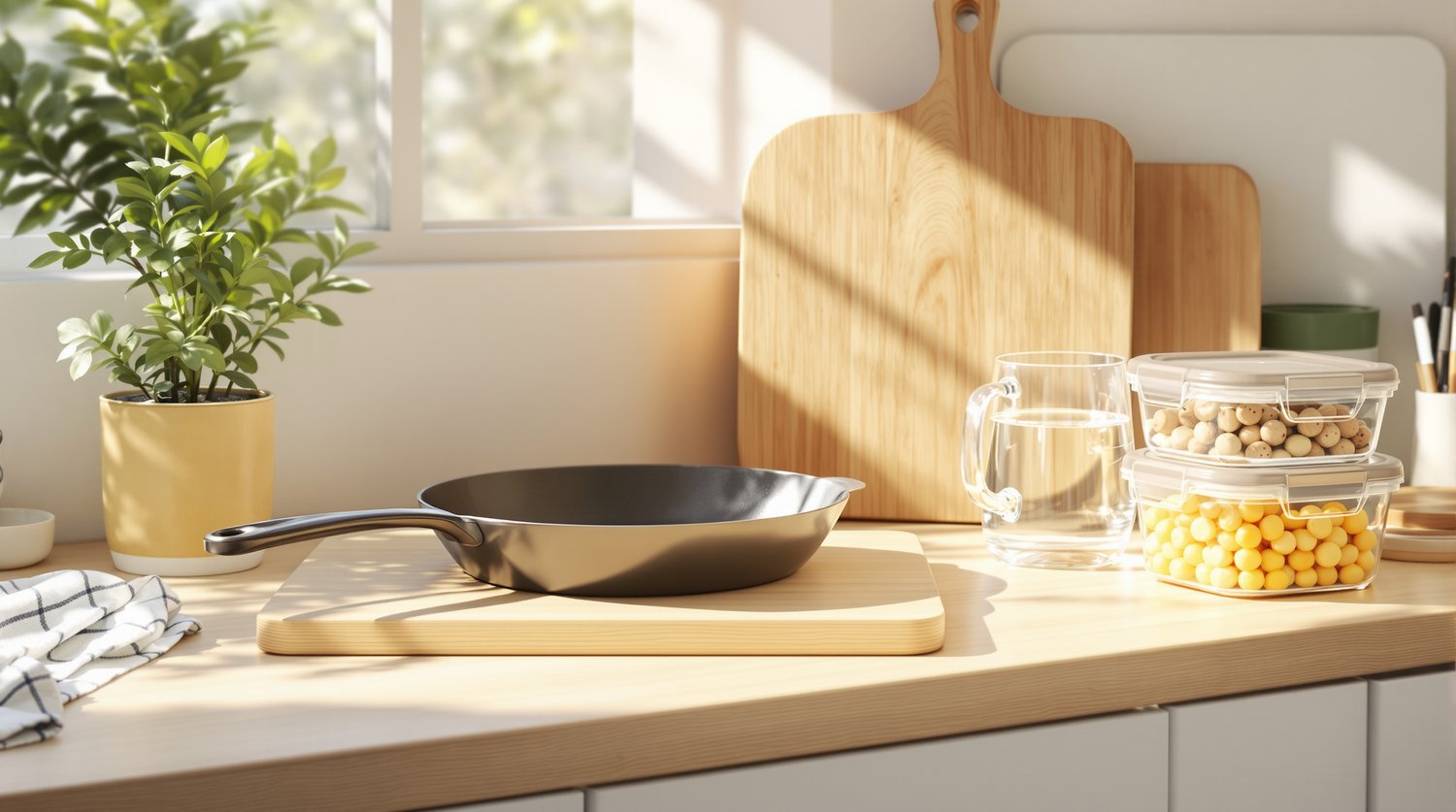
The best non-toxic kitchen essentials replace the two materials that shed the most into food: plastic and PTFE (Teflon) non-stick. The core seven are a water filter pitcher, a cast-iron skillet, a solid-wood cutting board, all-metal utensils, glass storage, a natural-fiber dish brush and reusable silicone bags. Together they cover cooking, prep, storage and drinking water — the four routes most microplastic, PFAS and BPA exposure travels in a kitchen. Every pick below is a real product with a real photo, honest specs and a direct link.
You can spend a lot of energy worrying about microplastics and still miss the room where you take in the most of them. Cooking, storing and reheating are where plastic and non-stick coatings meet heat, friction and acidity — the exact conditions that make materials break down and migrate into what you eat and drink.
The good news is that fixing it is not complicated, and it is not about buying dozens of gadgets. A short list of durable, inert materials — cast iron and stainless steel, solid wood, and glass — does almost all of the work. These materials do not leach bisphenols, do not carry PFAS coatings, and do not shed microplastics the way scratched plastic does.
This guide is a starter kit, not a shopping spree. Each of the seven essentials targets a specific exposure point, and each is something you will use every day for years. No fear-mongering and no filler — just what genuinely belongs in a lower-plastic kitchen, and why.
Compare all 7 picks
Every essential side by side — tap a name to jump to the full write-up, or check today's price.
| Pick | Rating | Why it wins | |
|---|---|---|---|
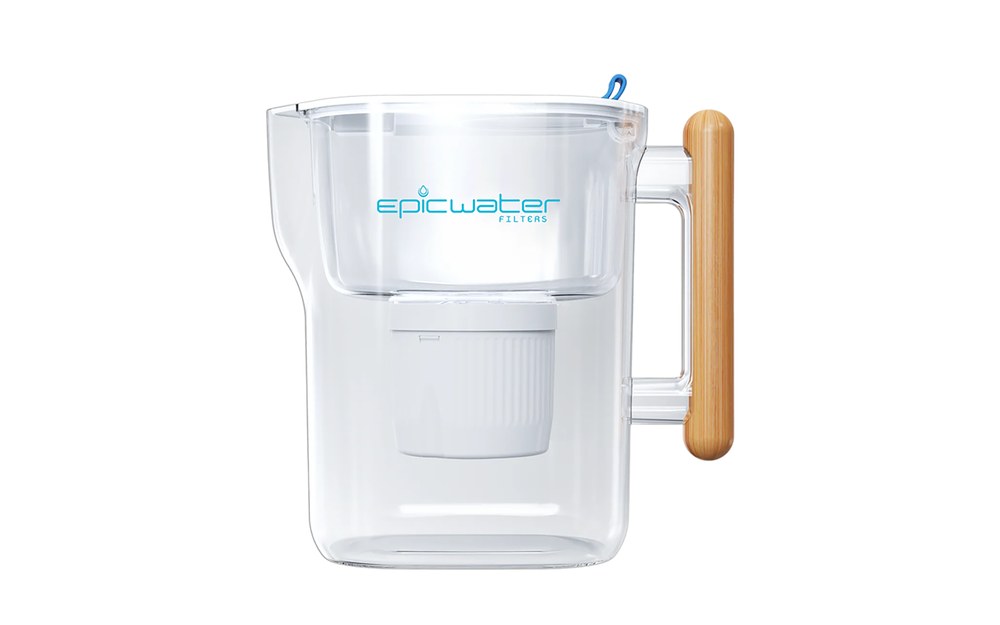 Best for WaterEpic Pure Water Filter Pitcher |
4.9out of 5 | Filters MicroplasticsBPA-Free |
Check price → |
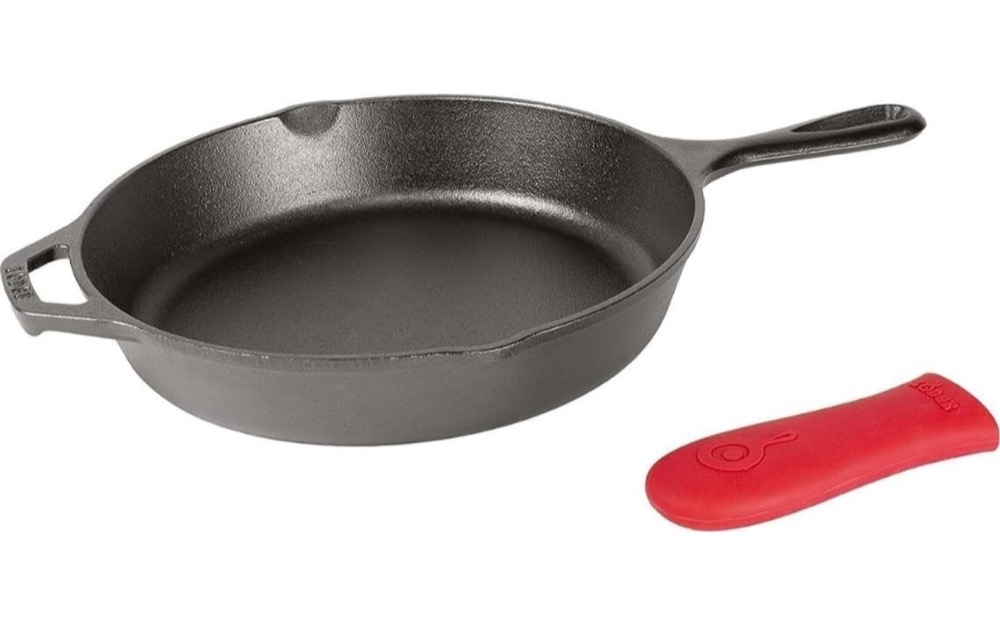 Best PanLodge Cast Iron Skillet (10.25") |
— | No CoatingLasts Decades |
Check price → |
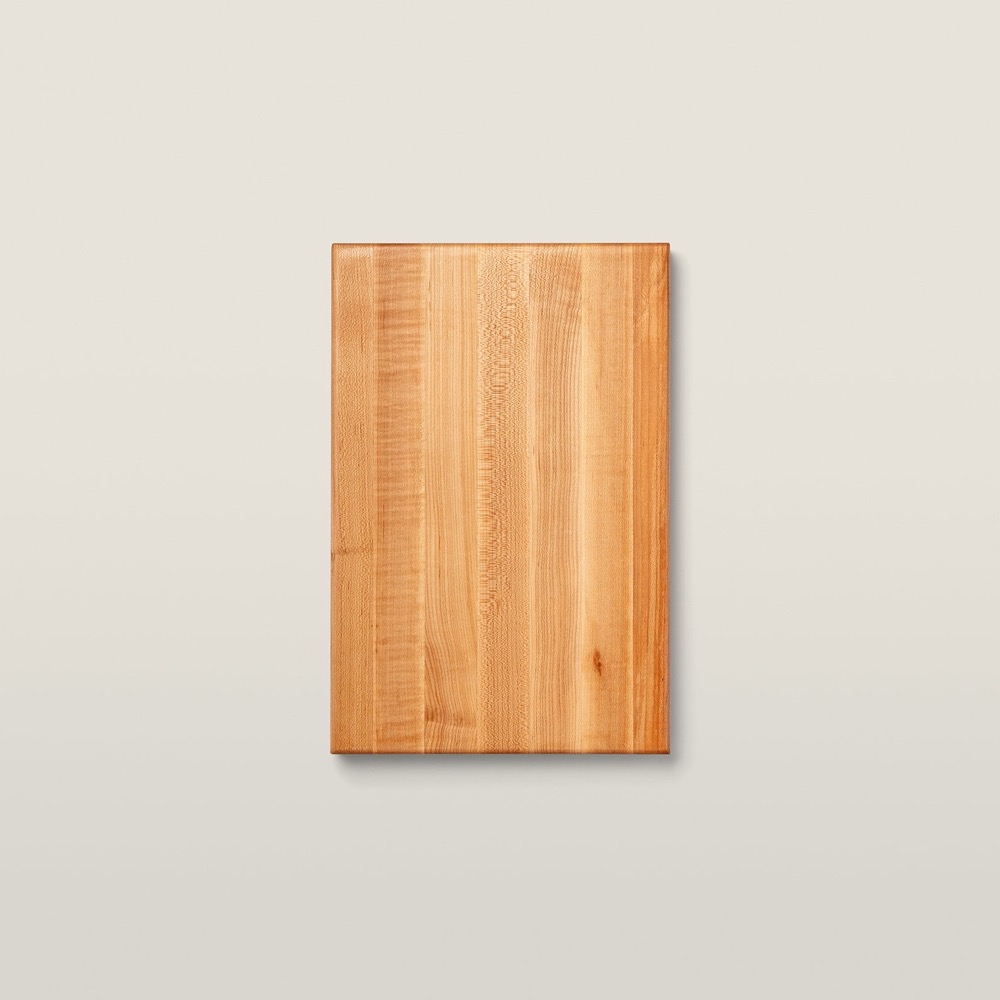 Best Cutting BoardJohn Boos Maple Edge Grain Cutting Board |
— | Solid MapleNo Plastic |
Check price → |
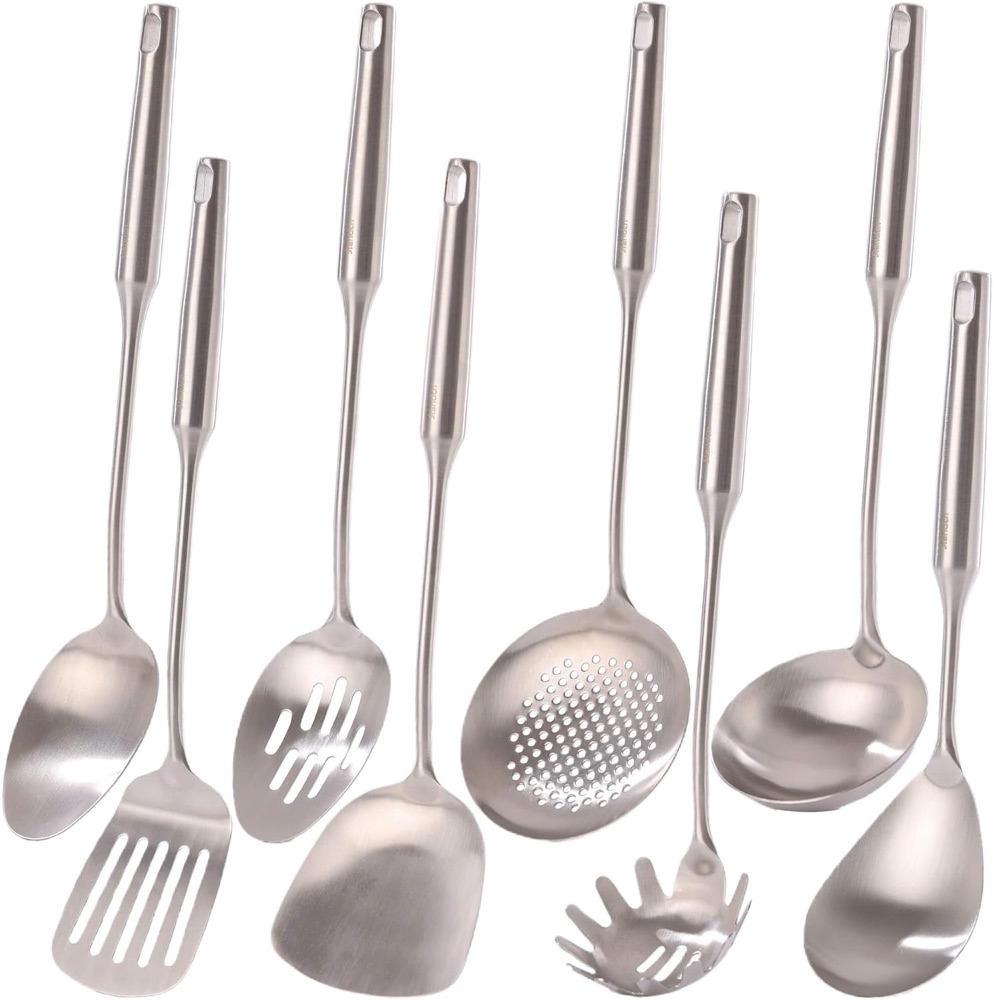 Best UtensilsStandcn 18/10 Stainless Utensil Set |
— | One-Piece SteelNo Plastic |
Check price → |
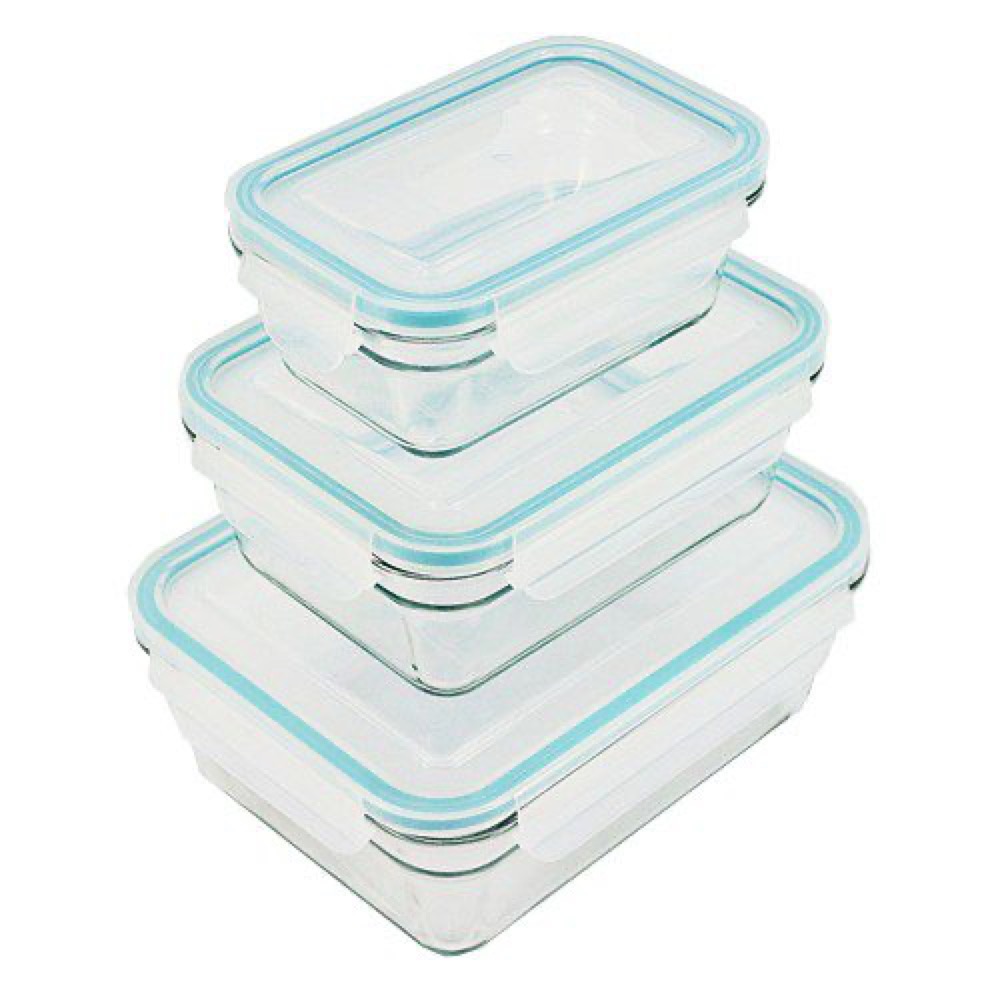 Best StorageGlasslock Oven-Safe Glass Storage Set |
— | Tempered GlassLeak-Proof |
Check price → |
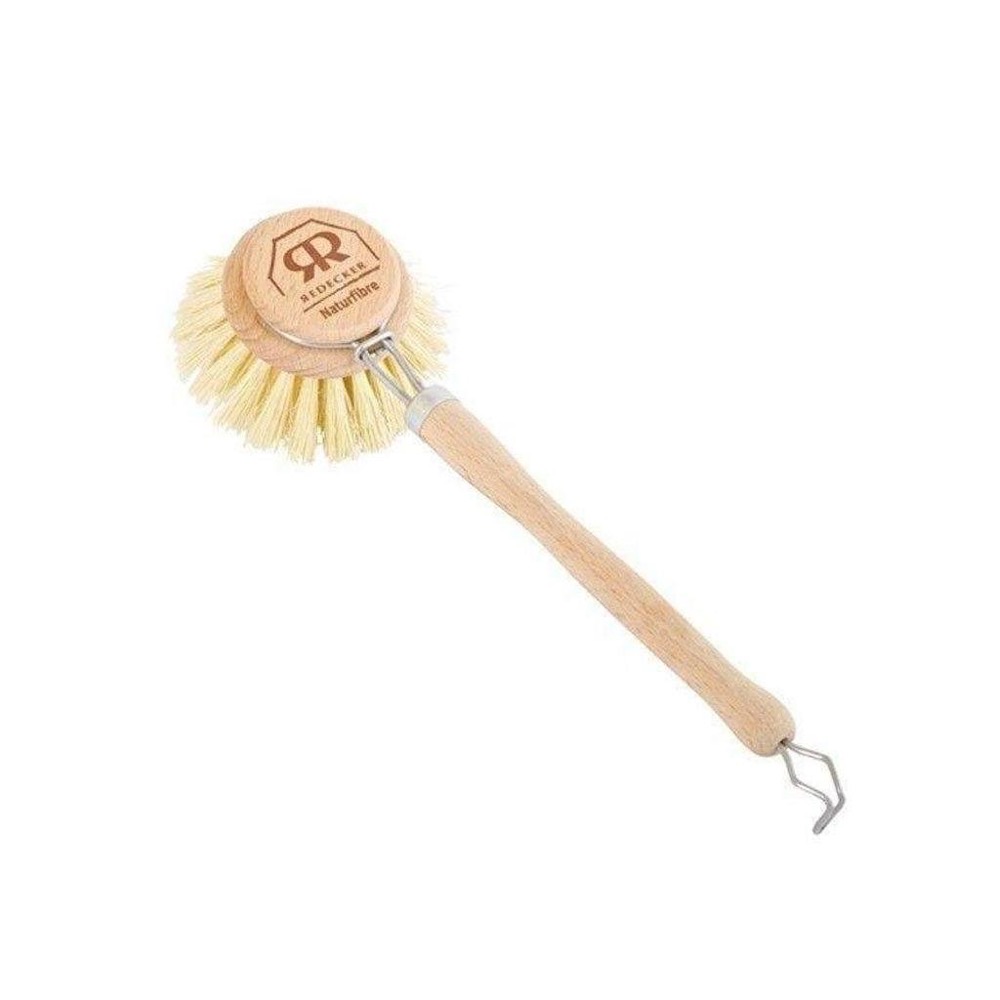 Best Dish BrushRedecker Tampico Dish Brush |
4.2out of 5 | Plastic-FreeCompostable |
Check price → |
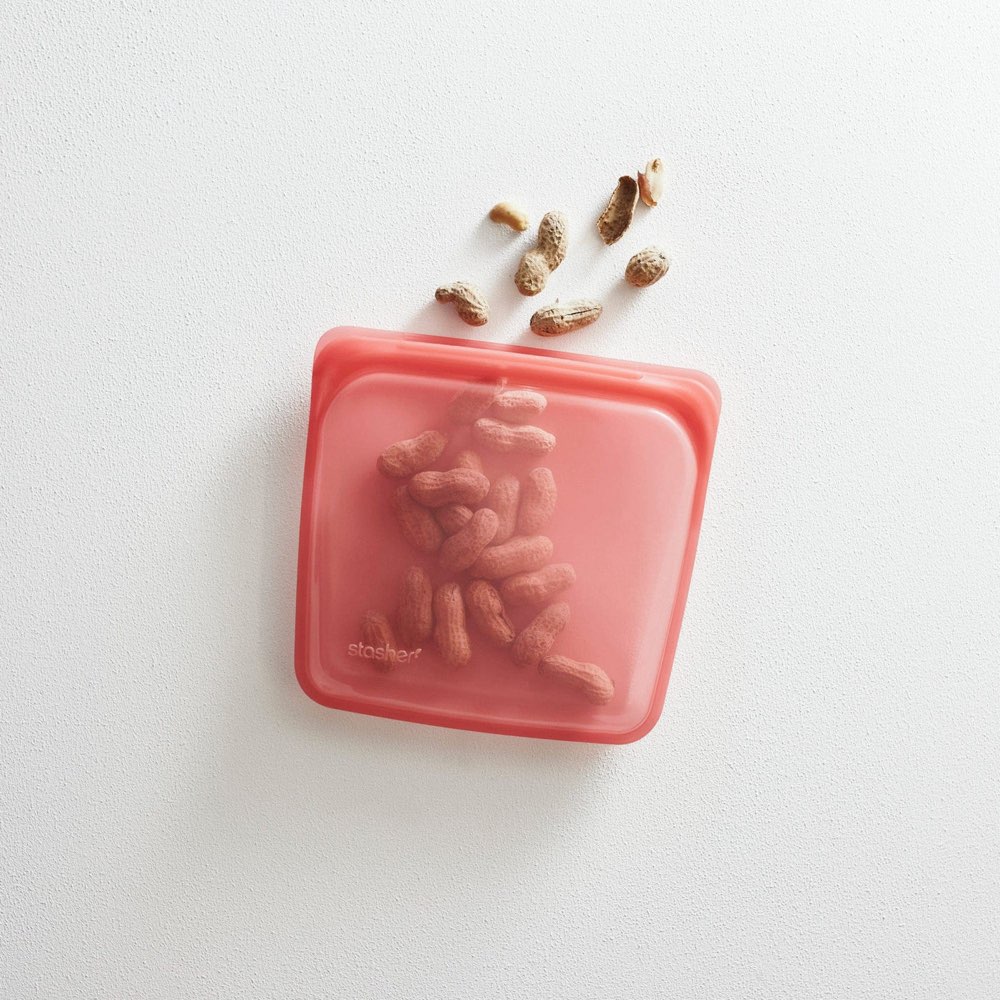 Best Reusable BagStasher Reusable Silicone Bag |
4.6out of 5 | Platinum SiliconeReusable |
Check price → |
Why swap out plastic and non-stick in the kitchen?
Two materials do most of the damage in an ordinary kitchen: soft plastic and PTFE (Teflon) non-stick. Both are fine sitting cold on a shelf. The problem is what happens under the conditions kitchens create every day — heat, acidity, oil, scratches from knives and spatulas, and the slow wear of a thousand dishwasher cycles. That is exactly when a material stops staying put and starts migrating into food.
Plastic storage tubs and utensils shed microplastics as they age, and the "BPA-free" label does not fix the underlying chemistry: common bisphenol substitutes such as BPS and BPF turn up in most plastics tested and behave like BPA in the body. Non-stick pans add a separate issue — the coating is a fluoropolymer in the PFAS "forever chemical" family, and it degrades and flakes as it is scratched and overheated.
"You do not fix a plastic kitchen by buying more gadgets. You fix it by owning a few durable, inert things — metal, glass and wood — that never needed replacing in the first place."
The fix is boring in the best way. Materials that are chemically inert — cast iron, stainless steel, tempered glass and solid wood — do not leach bisphenols and do not shed plastic particles. They also tend to outlast everything they replace, which is why a lower-plastic kitchen is usually a cheaper kitchen over time. The seven picks below are the everyday items where that swap matters most.
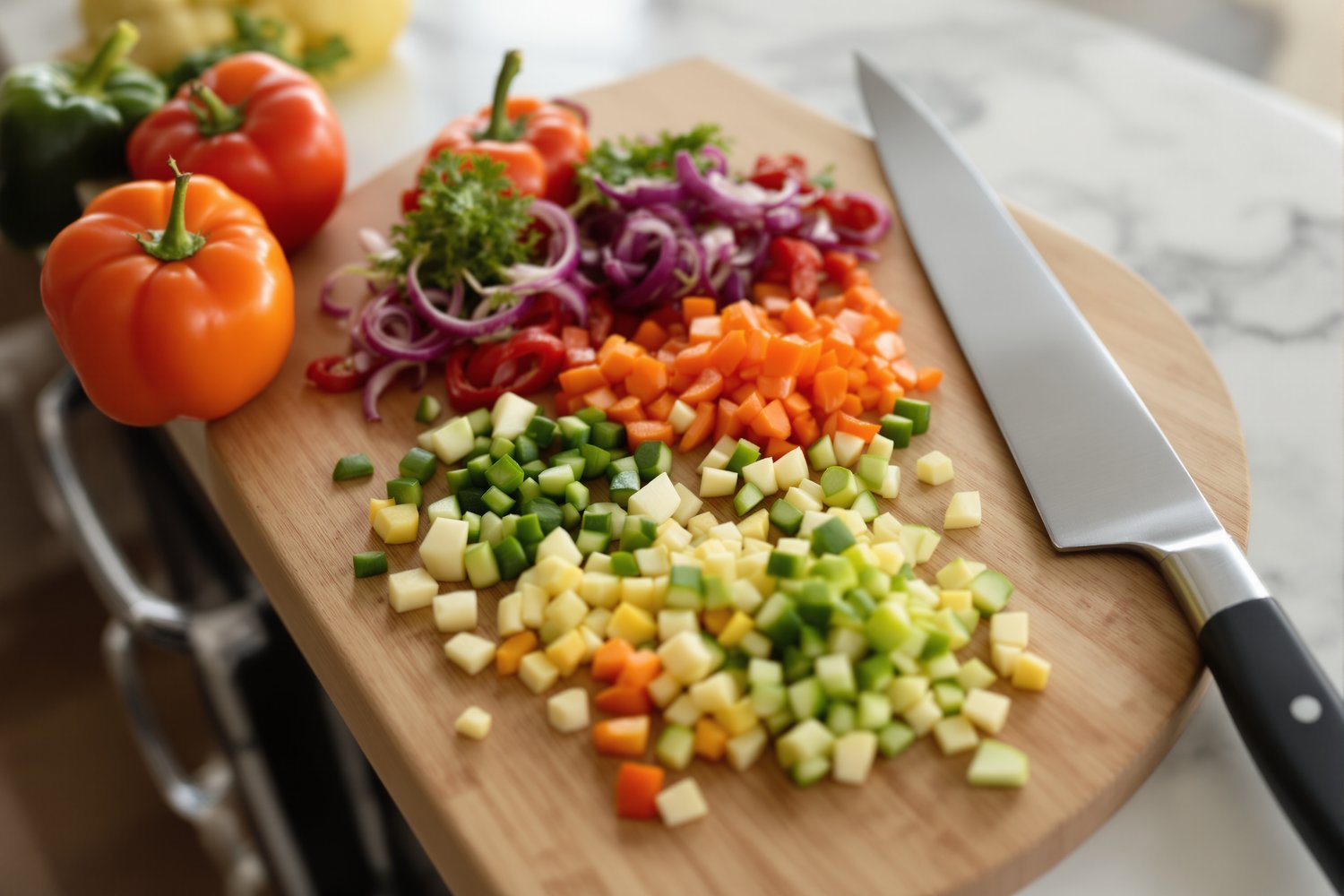
What are the 7 best non-toxic kitchen essentials?
Each pick targets one exposure point — drinking water, cooking, prep, serving, storage, dishwashing and packing food to go — and each is a real, currently-sold product made from an inert or plastic-free material. Prices are left to Amazon because they change constantly; tap any link for today's price.
Best for Drinking Water: Epic Pure Water Filter Pitcher
Best for Water
Tap water is the single easiest exposure to cut, and the Epic Pure is built for it: its dense carbon-block cartridge is designed to reduce microplastics, lead, PFAS/PFOA, chlorine and dozens of other contaminants, tested against NSF/ANSI standards 42, 53 and 401. The pitcher body is BPA-free Tritan, so you are not filtering water only to store it against soft plastic.
One cartridge covers roughly 150 gallons before it needs replacing, and the brand runs a filter-subscription so you are never tempted to stretch a spent cartridge. It is a slower pour than a bare-carbon jug, which is the honest cost of finer filtration.
Amazon prices change daily — tap to see today's price and any active discount.
- Free delivery & returns for Prime members
- Sold & shipped by Amazon
- Thousands of verified reviews
Best Pan: Lodge Cast Iron Skillet (10.25")
Best Pan
Cast iron is the single best replacement for a Teflon pan because it solves the problem by material, not by coating. There is no fluoropolymer layer to degrade, flake or off-gas — just iron that develops a naturally slick, well-seasoned surface with use. It sears, bakes, fries and moves straight from stovetop to oven, and a $20 Lodge routinely outlives non-stick pans that cost several times as much.
It comes pre-seasoned and ready to cook. The trade-offs are honest: it is heavy, it needs to be dried and lightly oiled rather than left wet, and highly acidic sauces are better left to stainless. Keep it seasoned and it becomes a decades-long tool.
Amazon prices change daily — tap to see today's price and any active discount.
- Free delivery & returns for Prime members
- Sold & shipped by Amazon
- Thousands of verified reviews
Best Cutting Board: John Boos Maple Edge Grain Cutting Board
Best Cutting Board
A plastic cutting board looks harmless, but it takes a knife thousands of times a week, and those cuts shed microplastics straight into whatever you are chopping. Solid wood is the classic alternative: research on cutting surfaces has found that wood does not shelter bacteria the way deeply scored plastic can. This John Boos board is a thick slab of North American hard maple built to be resurfaced and handed down, not replaced.
Keep it out of the dishwasher, hand-wash and dry it, and oil it occasionally with a food-grade mineral oil to prevent cracking. Do that and it will outlast a drawer's worth of plastic boards.
Amazon prices change daily — tap to see today's price and any active discount.
- Free delivery & returns for Prime members
- Sold & shipped by Amazon
- Thousands of verified reviews
Best Utensils: Standcn 18/10 Stainless Steel Utensil Set
Best Utensils
Black nylon and plastic utensils are one of the most overlooked exposure points in the kitchen — they live in hot pans, and heat is exactly what makes plastic leach and shed. This Standcn set sidesteps the whole issue: each tool is forged from a single piece of 18/10 stainless steel, so there is no plastic handle, no glued joint and nothing to melt against the side of a pot.
The eight pieces cover the everyday jobs — slotted turner, spoon, ladle, skimmer, pasta server and more — and they are fully dishwasher-safe and effectively indestructible. Pair them with cast iron or stainless (skip metal-on-ceramic if you also own coated pans).
Amazon prices change daily — tap to see today's price and any active discount.
- Free delivery & returns for Prime members
- Sold & shipped by Amazon
- Thousands of verified reviews
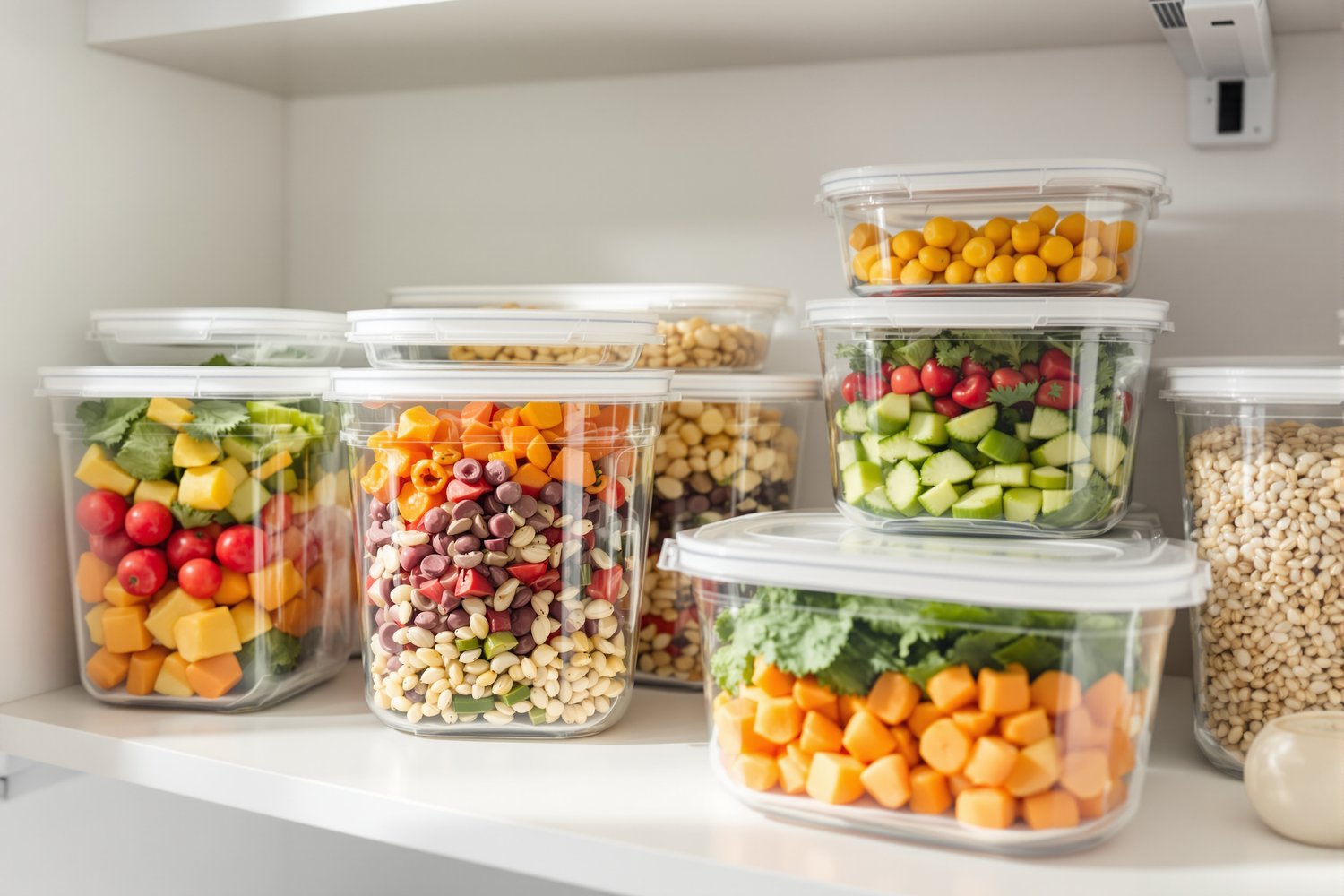
Best Storage: Glasslock Oven-Safe Glass Storage Set
Best Storage
Leftovers are where plastic and heat meet most often — scoop hot food into a plastic tub, microwave it tomorrow, and you have created ideal leaching conditions twice. Glasslock breaks that loop: the bodies are tempered soda-lime glass rated for the oven, freezer and microwave, so the same container cooks, stores and reheats without a material change.
The four-clip snap lids seal tight enough to carry soup, and they are the only plastic part — and they never touch hot food. Tempered glass also resists thermal shock far better than ordinary glass, though, like all glass, it can break if dropped hard.
Amazon prices change daily — tap to see today's price and any active discount.
- Free delivery & returns for Prime members
- Sold & shipped by Amazon
- Thousands of verified reviews
Best Dish Brush: Redecker Tampico Dish Brush
Best Dish Brush
A plastic sponge or nylon brush sheds microplastics with every scrub, sending them straight into the waste stream. This Redecker brush is made the old way — an oiled beechwood handle and stiff Tampico agave fiber — so what wears off is plant matter, not plastic. It is firm enough for baked-on pans yet gentle enough for glass.
The bristle head is replaceable on many Redecker designs, and the wood handle composts at end of life. Let it dry between uses and it lasts far longer than a supermarket sponge.
Amazon prices change daily — tap to see today's price and any active discount.
- Free delivery & returns for Prime members
- Sold & shipped by Amazon
- Thousands of verified reviews
Best Reusable Bag: Stasher Reusable Silicone Bag
Best Reusable Bag
Disposable zip-top bags are single-use plastic in direct contact with food, often frozen and reheated in the same bag. Stasher replaces them with food-grade platinum silicone, an inert material that handles the freezer, boiling water, the microwave and the dishwasher without leaching the way thin plastic film does. The Pinch-Loc seal is genuinely airtight for marinating and sous-vide.
A single bag replaces hundreds of disposables over its life, which is what makes the higher upfront price pay off. Prop it open to dry fully after washing so no moisture is trapped.
Amazon prices change daily — tap to see today's price and any active discount.
- Free delivery & returns for Prime members
- Sold & shipped by Amazon
- Thousands of verified reviews
Which kitchen materials are safest — and which to avoid?
The picks above all come back to the same short list of materials. If you remember the materials, you can judge any product in a store without a review. Here is how the common kitchen materials compare.
Cast Iron & Stainless Steel
- What they are: Bare metals — seasoned iron, or food-grade 18/8 to 18/10 stainless steel.
- Safety: Inert at cooking temperatures. No coating to scratch off, no PFAS, no plastic. The safest surfaces for high, direct heat.
- Trade-off: Cast iron is heavy and needs seasoning; stainless needs a little oil to stop food sticking. Both last for decades. See the full non-toxic cookware guide.
Solid Wood
- What it is: Hard maple, walnut, teak or bamboo, ideally a single solid slab rather than glued fragments.
- Safety: No plastic to shed, and research shows wood does not harbor bacteria the way scored plastic can. Ideal for boards and utensils.
- Trade-off: Needs hand-washing and occasional oiling, and should never go in the dishwasher. The cutting board guide covers the details.
Tempered Glass
- What it is: Heat-treated soda-lime or borosilicate glass, used for storage, baking and drinking.
- Safety: Completely inert — nothing leaches, nothing sheds, and it can go from freezer to oven. The best material for storing and reheating.
- Trade-off: Heavier than plastic and breakable if dropped hard. Compare options in the glass food storage guide.
Plastic & PTFE Non-Stick — What to Limit
- What they are: Soft food-storage and utensil plastics, and Teflon-family non-stick coatings.
- Safety: Plastics shed microplastics and can leach bisphenols as they heat and age; PTFE coatings degrade and flake with scratches and high heat. Keep both away from heat and acidic food where you can.
- Bottom line: You do not have to throw everything out today — just replace items as they wear, starting with anything cracked, stained or scratched.
A "BPA-free" label removes one specific bisphenol, not the whole class. Manufacturers commonly substitute BPS and BPF, which appear in the majority of plastics tested and show hormone-disrupting activity comparable to BPA in laboratory research. The reliable way around the entire question is to store and reheat food in inert materials — glass and stainless steel — where there is simply nothing to leach. For more on how plastic reaches food, see whether it is safe to microwave plastic containers and microplastics in food packaging.
How do you build a non-toxic kitchen on a budget?
You do not need to replace everything at once, and doing so is rarely the cheapest path. The smart approach is to swap items as they wear out and to start with the pieces that touch heat and food most often. A few habits make the whole project affordable:
- Fix the highest-exposure items first. A cast-iron pan, a wood cutting board and glass storage cover the biggest routes for well under the cost of a typical week of groceries.
- Retire, don't hoard, damaged plastic. Anything cracked, cloudy, stained or scratched is shedding the most — those are the first to go.
- Buy once. One quality metal or glass item usually outlasts several rounds of cheap plastic, so it costs less per year even when it costs more upfront.
- Keep plastic away from heat. Until you have replaced a plastic container, at least stop microwaving in it and stop pouring hot food into it.
- Add a filter pitcher and reusable bags next. They cut daily drinking-water and single-use-plastic exposure for a modest one-time cost.
Work down that list and the seven essentials above will replace the plastic and non-stick most kitchens run on — without a single expensive weekend of throwing things away.
Want the Full Kitchen Protection Guide?
These seven essentials are the starting point. The Complete Plasticproof Guide covers every appliance, cookware set, and storage container, room by room — with 80+ product recommendations backed by 47+ studies.
Frequently Asked Questions
Start where heat and storage meet food, because that is where plastic and non-stick shed the most. The highest-impact swaps are a cast-iron or stainless-steel pan to replace PTFE non-stick, a solid-wood cutting board instead of plastic, glass storage containers instead of plastic tubs, all-metal or wooden utensils, and a water filter pitcher. Together they cover cooking, prep, storage and drinking water — the four routes most microplastic and PFAS exposure travels in a kitchen.
Yes. Bare and enameled cast iron contain no PFAS, PTFE, PFOA or plastic — the cooking surface is iron, or fused glass on enameled pieces. Unlike non-stick coatings, there is nothing to scratch off, wear out or off-gas at high heat. A well-seasoned skillet becomes naturally slick with use, and it can transfer a small, beneficial amount of dietary iron to food. The only real trade-offs are weight and keeping it seasoned and dry.
Generally, yes. "BPA-free" only means one specific bisphenol was removed; common replacements such as BPS and BPF are structurally similar and show comparable hormone-disrupting activity in lab studies, and any plastic can shed microplastics as it heats, scratches and ages. Glass and stainless steel are inert — they do not leach these compounds and do not shed plastic particles into food. For storage, reheating and drinking water, inert materials are the more reliable choice.
No more than plastic when cared for properly. Research on cutting surfaces has found that wood does not hold bacteria the way scored plastic can — bacteria left on wood decline over time, while deep knife grooves in plastic can shelter them. Hand-wash wooden and bamboo tools, dry them upright, and oil them occasionally; avoid the dishwasher, which can crack them. Replace any utensil that develops deep cracks.
A good one removes the large majority. Most microplastic particles in tap water are larger than one micron, and quality activated-carbon and ion-exchange pitcher filters capture particles well below that size along with chlorine, lead and other contaminants. A filter certified to relevant NSF/ANSI standards (42, 53 and, where claimed, 401) gives you third-party proof of what it reduces. It will not remove everything, but it meaningfully cuts what reaches your glass.
Replace things as they wear out rather than all at once, and start with the items that touch heat and food most. A single cast-iron skillet, a wooden cutting board and a set of glass containers cover the biggest exposure points for well under a typical week of groceries. Add a filter pitcher and reusable silicone bags next. Buying one quality piece at a time is cheaper over years than repeatedly re-buying cheap plastic that scratches, stains and cracks.
Sources
- National Institute of Environmental Health Sciences (NIEHS). "Perfluoroalkyl and Polyfluoroalkyl Substances (PFAS)." niehs.nih.gov/health/topics/agents/pfc — overview of PFAS health effects, the chemical family behind non-stick coatings.
- U.S. Environmental Protection Agency. "PFAS Explained." epa.gov/pfas — federal summary of per- and polyfluoroalkyl substances and exposure.
- Rochester JR, Bolden AL. "Bisphenol S and F: A Systematic Review and Comparison of the Hormonal Activity of Bisphenol A Substitutes." Environmental Health Perspectives, 2015 — finds BPS and BPF show hormonal activity comparable to BPA.
- Huang W, et al. "Microplastics and nanoplastics in food, water, and the human body: sources, exposure and health." Science of the Total Environment, 2023.
- NSF International. "NSF/ANSI 42, 53 and 401: Drinking Water Treatment Units" — certification standards for chlorine, health-effect contaminant, and emerging-compound reduction in water filters.
Protect Every Room in Your Home
From the kitchen to the nursery — the Complete Plasticproof Guide covers every swap that matters, backed by 47+ studies.