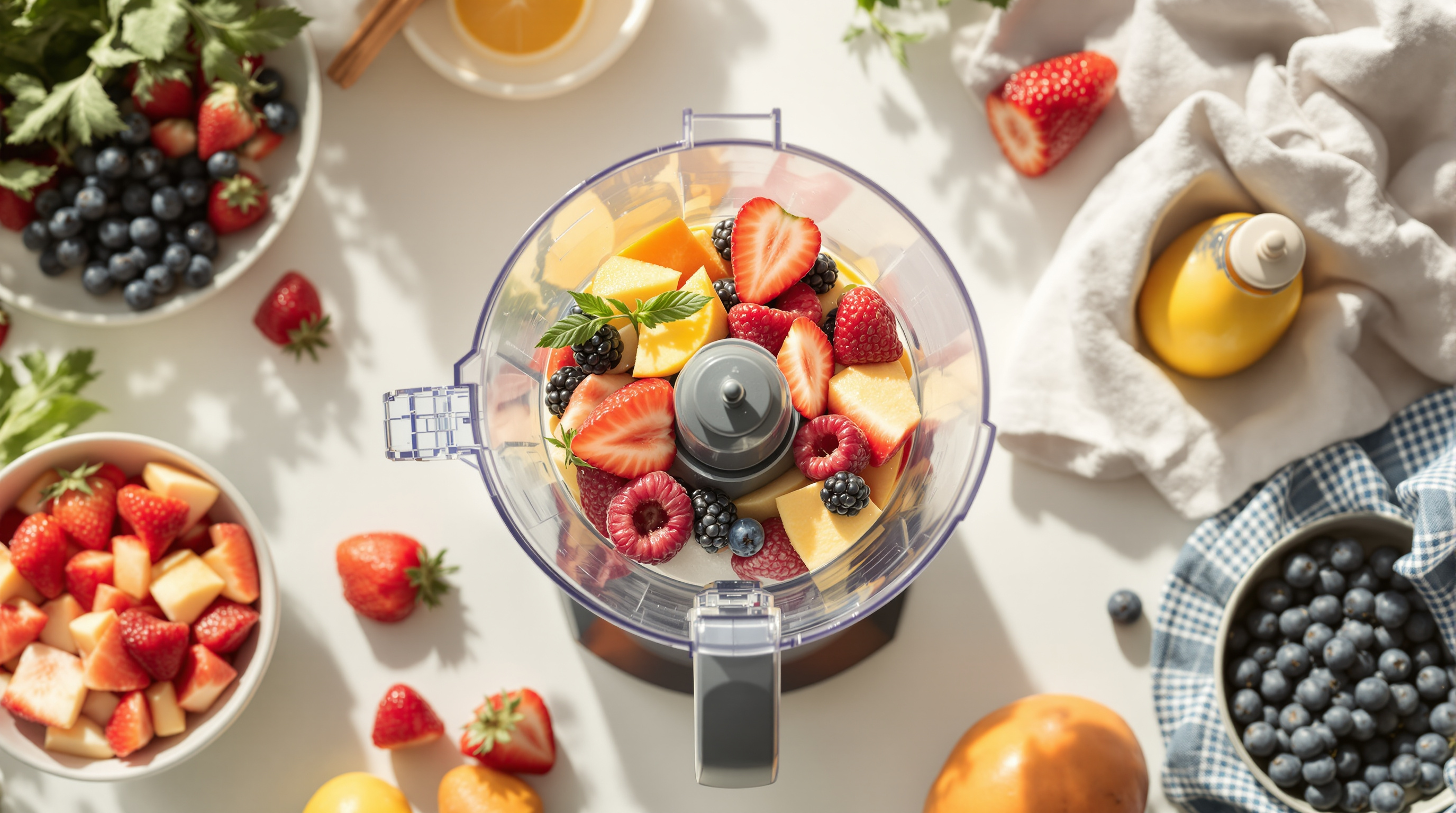
Most blender jars are made from polycarbonate or TRITAN — a copolyester marketed as the modern "safe" alternative to BPA-containing plastics. Most food processor bowls are made from the same materials. The appliance industry spent years reassuring consumers that TRITAN was inert and safe. Then independent researchers started testing it.
What they found wasn't reassuring. Studies published in peer-reviewed journals — including research in Environmental Health Perspectives — found that TRITAN and many other "BPA-free" plastics leach compounds with estrogenic activity under normal use conditions. High-speed blending adds two additional stress factors: friction heat from the motor and blade, and repeated mechanical abrasion from hard frozen ingredients against the jar wall.
The result is a kitchen appliance that most households use daily — often for health foods like smoothies and homemade sauces — that may be systematically introducing hormone-disrupting chemicals and microplastic particles into those same foods.
This guide covers what blenders and food processors actually leach, what to look for in a safer option, and the best non-toxic choices available in 2026 across a range of budgets.
Compare all 7 picks
Every pick side by side — tap a name to jump to the full review, or check today's price.
| Pick | Rating | Why it wins | |
|---|---|---|---|
| 4.8out of 5 | Stainless ContainerNo Plastic Food Contact |
Check price → | |
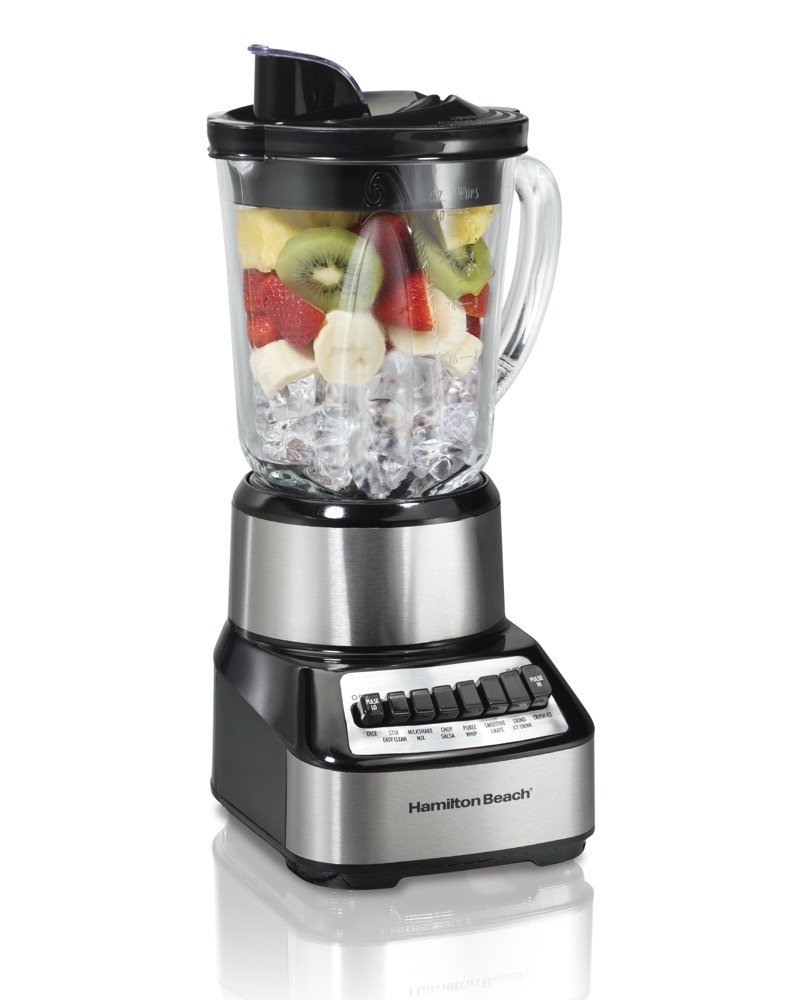 Best Mid-RangeHamilton Beach Wave Crusher (40 oz Glass Jar) |
4.4out of 5 | Glass JarNo Plastic Food Contact |
Check price → |
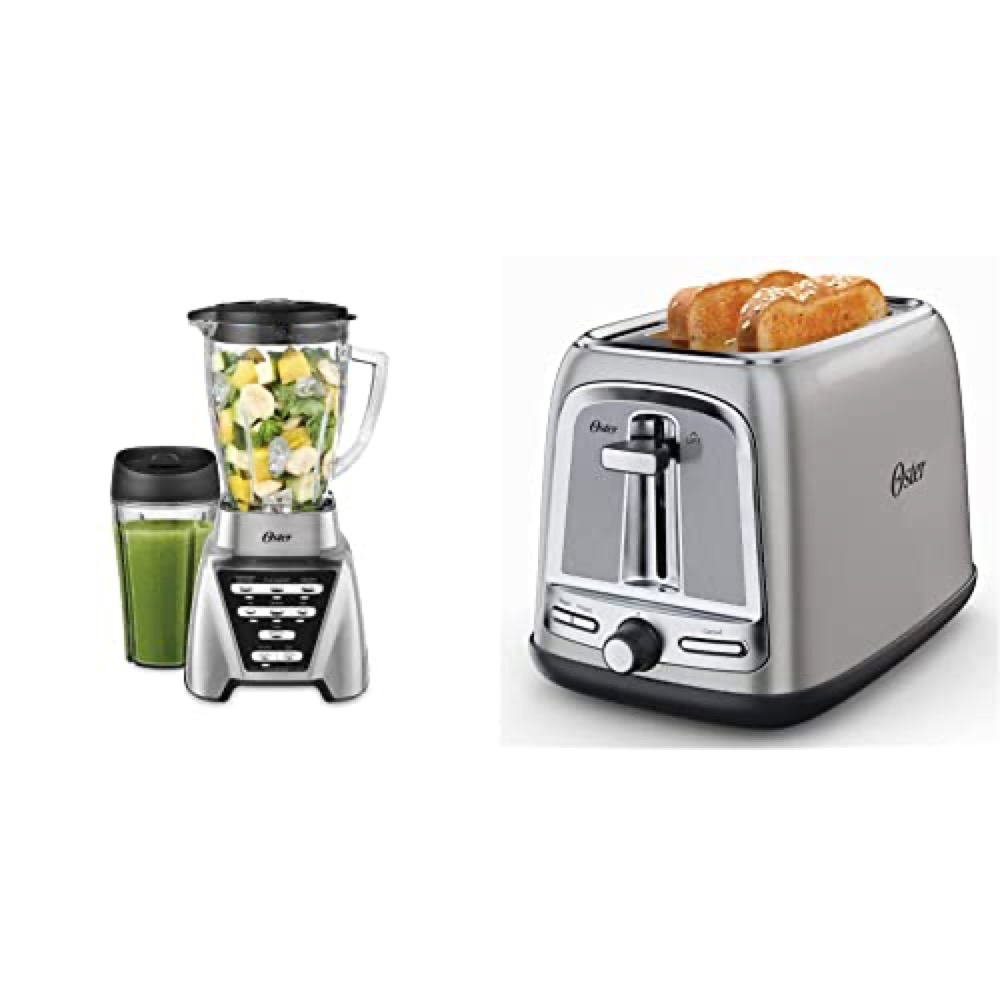 Best BudgetOster Pro 1200 with Glass Jar |
4.5out of 5 | Boroclass Glass JarNo Plastic Food Contact |
Check price → |
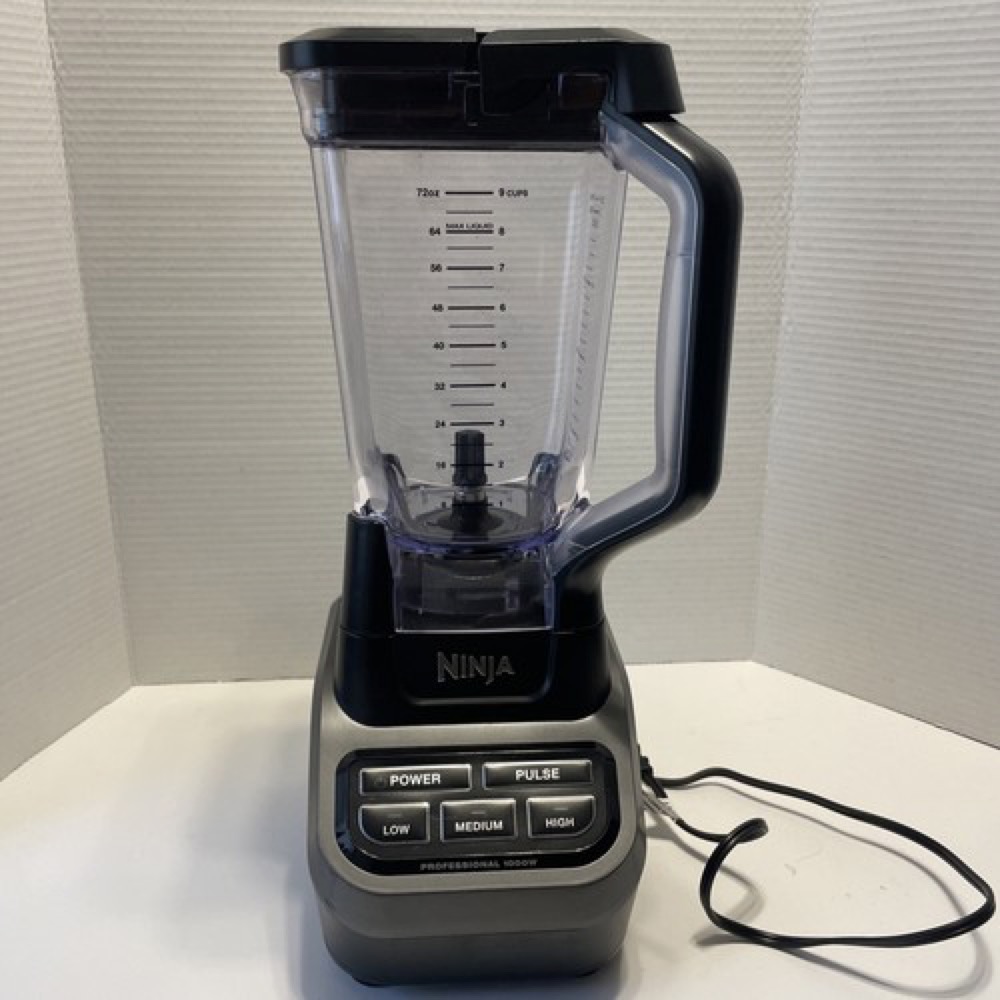 Most PopularNinja Professional Blender (BL610) |
4.7out of 5 | Plastic Jar (BPA-Free)1000W |
Check price → |
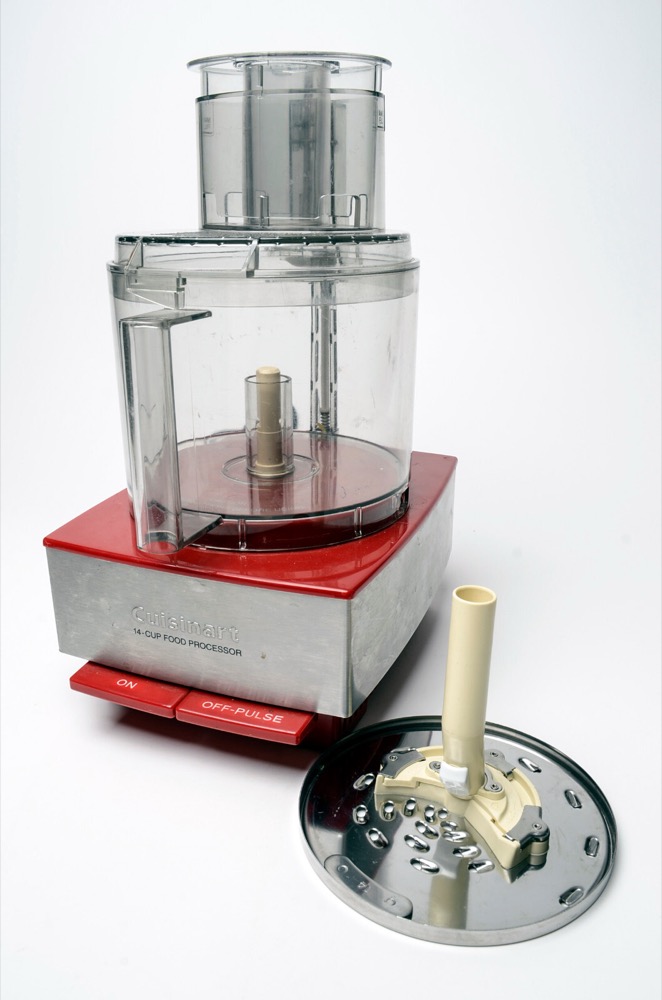 Best Food ProcessorCuisinart Custom 14 Food Processor |
4.7out of 5 | Brushed Stainless BaseBPA-Free Plastic Bowl |
Check price → |
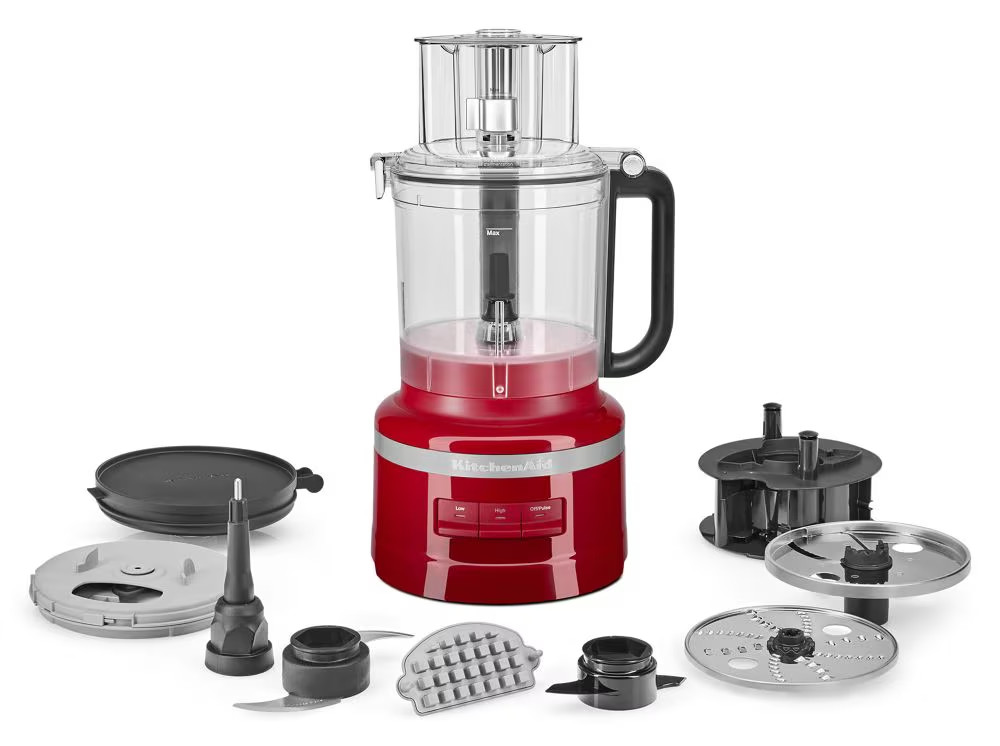 Best Certified BPA-FreeKitchenAid 13-Cup Food Processor |
4.3out of 5 | Certified BPA-FreePlastic Work Bowl |
Check price → |
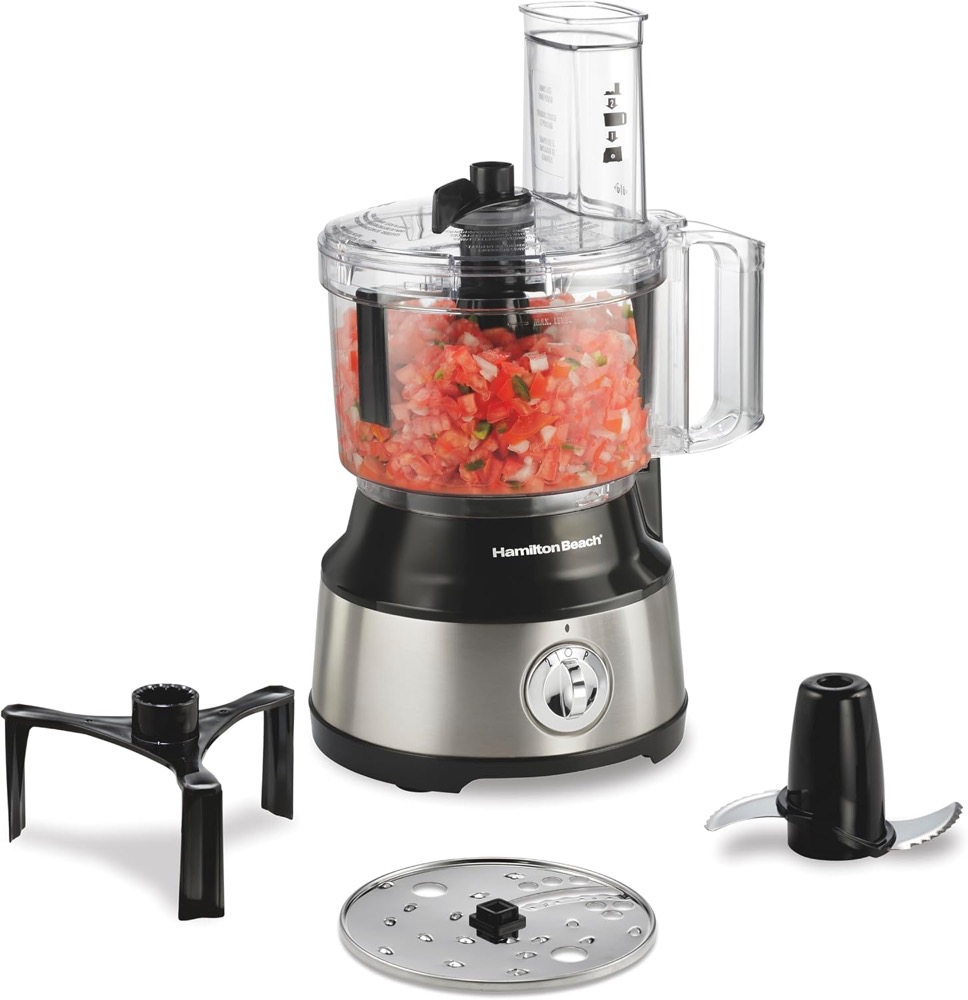 Best Value ProcessorHamilton Beach 10-Cup Food Processor (70730) |
4.5out of 5 | BPA-Free Food ZonesPlastic Work Bowl |
Check price → |
The Problem: What Plastic Blenders and Food Processors Leach
Understanding the specific risks helps you prioritize. There are three distinct categories of concern with plastic blending equipment.
BPA, BPS, and BPF — the bisphenol family
Bisphenol A (BPA) was the first bisphenol to attract regulatory attention, and it has been phased out of many consumer products. But it was replaced by structurally similar compounds — BPS (bisphenol S) and BPF (bisphenol F) — that have similar estrogenic activity and appear to be no safer. Older blender jars made from polycarbonate contain BPA directly. "BPA-free" replacements often contain BPS, BPF, or other analogs.
Estrogenic compounds interfere with the body's hormonal signaling system. Research has linked chronic low-level exposure to disrupted reproductive development, thyroid function, metabolic dysregulation, and increased cancer risk in hormone-sensitive tissues. Because blenders are used for high-volume food preparation — smoothies, soups, sauces, baby food — the cumulative exposure can be significant.
Microplastic particle shedding from scratches
Physical abrasion of plastic surfaces releases microplastic particles — fragments small enough to be ingested and absorbed. Blender jars are particularly high-risk for this mechanism because the blade creates a vortex that repeatedly drives hard ingredients — frozen fruit, ice, nuts — against the jar walls at high velocity. Food processor bowls face similar abrasion from metal blades and discs.
Once a plastic jar or bowl develops visible scratches or cloudy haze, the surface has degraded and microplastic shedding increases substantially. Many households continue using scratched blender jars for years without realizing the risk.
Heat and acidic foods accelerate leaching
Blending hot soups, tomato-based sauces, or citrus drinks in a plastic jar combines three leaching accelerators simultaneously: elevated temperature, acidity, and high-speed mechanical stress. This is the highest-exposure scenario with plastic blending equipment.
Temperature is one of the most significant drivers of chemical migration from plastic. Research consistently shows that leaching rates increase exponentially — not linearly — with temperature. Even the friction heat generated by a high-powered blender motor running for 60 seconds can meaningfully elevate the jar surface temperature. Blending hot liquids directly in a plastic jar (a common behavior for soups) compounds this dramatically.
Acidic foods — lemon juice, tomatoes, vinegars, citrus — weaken the polymer matrix of plastic containers and accelerate the release of both chemical additives and microplastic particles. Many of the foods people routinely blend (smoothies with lemon, tomato-based sauces, salad dressings with vinegar) are acidic.
What to Look For in a Safe Blender or Food Processor
The safest options eliminate plastic contact with food entirely. Here's the hierarchy:
- Glass jar (blenders): Borosilicate or tempered glass is chemically inert, does not leach compounds, does not scratch to shed microplastics, and tolerates both heat and acidic ingredients without degradation. The only downside is weight and breakage risk — mitigated by careful handling.
- Stainless steel bowl (food processors): Food-grade stainless steel (typically 18/8 or 304 grade) is the gold standard for food processor bowls. It is completely non-reactive, does not scratch in ways that shed particles, and can handle any food type without concern.
- TRITAN-free certified plastic: If glass or stainless isn't available, look for explicit TRITAN-free labeling and independent third-party food-safety certifications (NSF, FDA food-contact compliance). This reduces but does not eliminate risk.
- Avoid: Any jar or bowl labeled only as "BPA-free" without specifying the alternative material. This almost always means BPS, BPF, or TRITAN — lateral moves that address BPA marketing concerns without resolving the underlying chemistry.
"BPA-free is a marketing claim, not a safety certification. The question isn't whether a plastic contains BPA — it's whether the plastic leaches estrogenic compounds under use conditions. Many BPA-free plastics do."
Motor power matters less for safety than jar or bowl material. A powerful blender with a plastic jar is not a safer choice than a less powerful one. Focus on the food-contact material first, then evaluate motor performance, capacity, and price within that constraint.
Best Non-Toxic Blenders 2026
Glass jar blenders are the clear priority recommendation. Where glass isn't available, we've noted the best plastic-based alternatives with context on their safety profile.
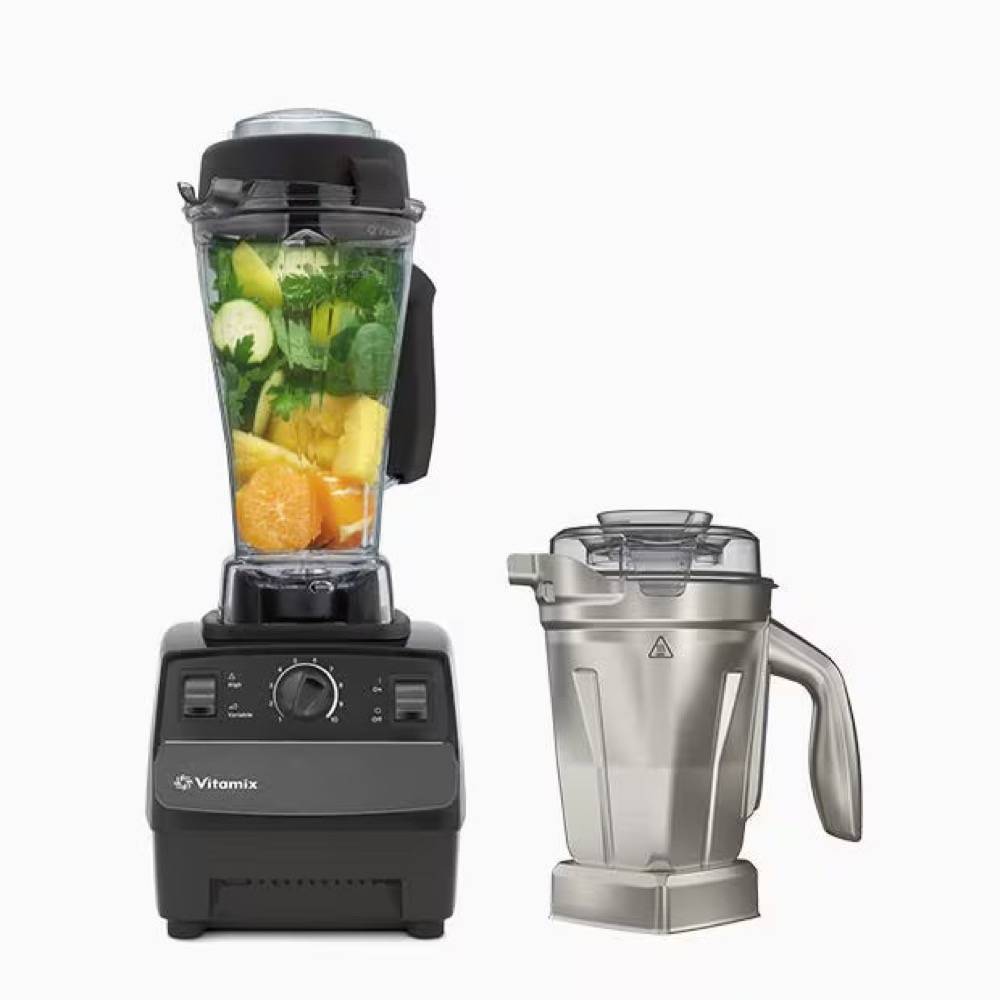 Top Pick
Owners treat the 5200 as a long-haul machine, pointing to its reliability and the 7-year warranty as the reason it earns counter space, and they report it blends smoothies, frozen drinks, and nut butters faster than the blenders it replaced. Many describe running it daily for years without trouble, with the tall vortex container pulling ingredients down into a smooth blend. The honest downside: the motor gets loud when it runs, the classic 64-ounce jar is tall enough that the assembled machine often will not fit under a cabinet, and the stainless steel container is a niche add-on that hides the contents from view and does not work with the tamper.
Pair the toughest blender base on the market with a stainless container — pro-grade power with zero plastic touching your smoothie.
Why it's safe: The stainless steel container is inert and non-reactive — no plastic walls to scratch, cloud, or shed microplastics, and nothing that can leach estrogenic compounds when you blend hot soups or acidic ingredients.
Check Today’s Price on Amazon →Amazon prices change daily — tap to see today's price and any active discount.
- Free delivery & returns for Prime members
- Sold & shipped by Amazon
- Thousands of verified reviews
Best Mid-Range
Buyers come back to one point: it does well for the price, with steady praise for its ice crushing and everyday smoothies and appreciation for the dishwasher-safe glass jar. For daily use with soft fruit, yogurt, milk, and ice it gets the job done, which is why owners on a budget keep recommending it. The honest downside: the motor bogs down on dense frozen fruit, leafy greens, and thick nut butters, the thin plastic lid seals tight and can be hard to pull off without spilling, and some owners report the mounting plate not locking onto the base or, in a minority of units, the motor failing.
The most affordable way to get a real glass jar from a name-brand blender — everyday blending power with zero plastic walls.
Why it's safe: The jar is glass, not plastic — so it can't scratch, cloud, or shed microplastics into your food, and there's no BPA, BPS, or Tritan to leach estrogenic compounds when you blend warm or acidic ingredients.
Check Today’s Price on Amazon →Amazon prices change daily — tap to see today's price and any active discount.
- Free delivery & returns for Prime members
- Sold & shipped by Amazon
- Thousands of verified reviews
Best Budget
Owners single out the all-metal drive coupling and the thick glass jar, and reviewers note it feels better built and more solid than other blenders at its price. In daily use the 1200-watt motor handles smoothies and shakes, and the heavy jar holds up to repeated washing without clouding. The honest downside: leaking from the base around the blade gasket is the most common complaint (often fixed by re-seating the gasket, but a real annoyance), replacement gaskets are hard to source with some owners resorting to DIY seals, and the motor can struggle under heavy or thick loads.
A true glass jar and a 1200-watt motor for the price most blenders charge for a plastic pitcher.
Why it's safe: The Boroclass glass jar is non-reactive and can't shed microplastics — and because it's glass, there's no Tritan or BPA-free plastic to leach when you blend warm soups or acidic ingredients.
Check Today’s Price on Amazon →Amazon prices change daily — tap to see today's price and any active discount.
- Free delivery & returns for Prime members
- Sold & shipped by Amazon
- Thousands of verified reviews
Most Popular
This is the budget favorite, and reviewers back it up: it "pulverized ice into snow" and "performs nearly as well as blenders that cost twice as much." Owners get a thick berry smoothie in about a minute and like the large 72-ounce pitcher for batches. The honest downside: it is loud when pushed on thick recipes, it struggles with nut butters (one tester's unit "eventually turned itself off after five minutes to prevent overheating") and cannot heat soup, and buyers report cracked pitchers after a few months and lid seals that deteriorate or leak while blending.
1000 watts and a 72 oz pitcher at a budget price — the strongest performer here if you can't stretch to glass or stainless.
Safety caveat: The jar is BPA-free plastic, not glass — so treat it carefully: never blend hot liquids, skip acidic ingredients where you can, and replace the jar the moment it scratches or clouds. A glass or stainless option above removes the risk entirely.
Check Today’s Price on Amazon →Amazon prices change daily — tap to see today's price and any active discount.
- Free delivery & returns for Prime members
- Sold & shipped by Amazon
- Thousands of verified reviews
Best Non-Toxic Food Processors 2026
Non-toxic food processor options are more constrained than blenders — glass food processor bowls are rare, and most of the market uses polycarbonate or polypropylene bowls. Stainless steel bowl options exist and are the priority recommendation.
Best Food Processor
Owners call it a kitchen workhorse and praise the roomy 14-cup bowl and strong motor for slicing, shredding, and mixing dough, with many reporting years of regular use. It handles big-batch prep that smaller machines cannot, which is why longtime cooks keep buying it. The honest downside: the plastic bowl and lid tabs turn brittle and crack over time, the tab that locks the lid can break and force you to hold the cover down for the machine to run, and it will leak if you fill past the marked line.
The food processor most cooks settle on — powerful, durable, and backed by easy-to-find replacement parts for years of use.
Why it's safer: The cutting blade and discs are inert stainless steel, and the base is brushed stainless. The work bowl is BPA-free plastic — so keep ingredients cool and acidic foods brief, and you'll cut plastic exposure to the minimum a powered processor allows.
Check Today’s Price on Amazon →Amazon prices change daily — tap to see today's price and any active discount.
- Free delivery & returns for Prime members
- Sold & shipped by Amazon
- Thousands of verified reviews
Best Certified BPA-Free
Owners and testers rate it a top performer for slicing and dicing, crediting the ExactSlice adjustable system for even cuts from paper-thin to thick and the dicing kit for making short work of potatoes. It also draws praise as quick to clean and store, and several owners say it was worth the money after cheaper machines let them down. The honest downside: the lid sold as leak-resistant can still leak, it stalls when you push much past three cups of dough, and owners report replacement parts being backordered for weeks, with a price that runs high for the category.
Precise, adjustable slicing plus a nested mini-bowl — a polished everyday processor with certified BPA-free material.
Why it's safer: The bowl is certified BPA-free plastic, a step above generic claims, and the blades are stainless steel. To keep exposure low, process cool and dry ingredients and avoid hot or strongly acidic mixtures in the plastic bowl.
Check Today’s Price on Amazon →Amazon prices change daily — tap to see today's price and any active discount.
- Free delivery & returns for Prime members
- Sold & shipped by Amazon
- Thousands of verified reviews
Best Value Processor
Owners say it's worth the price, powerful enough for jobs like almond butter and riced cauliflower, quick to get through prep, and easy to take apart and clean on the top rack of the dishwasher. The honest downside: durability is the recurring complaint, with several buyers reporting that their unit broke after about two years of use.
A 10-cup bowl, a built-in scraper and stainless steel blades for a budget price.
Why it's safer: Hamilton Beach states the food zones are BPA-free, and the blade and slicing/shredding disc are stainless steel. As with any plastic-bowl processor, keep ingredients cool and acidic foods brief, and replace the bowl if it scratches or clouds.
Check Today’s Price on Amazon →Amazon prices change daily — tap to see today's price and any active discount.
- Free delivery & returns for Prime members
- Sold & shipped by Amazon
- Thousands of verified reviews
Tips for Safer Use with Plastic Blenders and Food Processors
If you already own a plastic blender or food processor and aren't ready to replace it, these habits will meaningfully reduce your exposure:
- Never blend hot liquids in a plastic jar. Wait until food has cooled to room temperature — or below 70°F if you're concerned about leaching. Heat is the single biggest accelerator of chemical migration from plastic. Blending soup directly from the stove in a plastic blender is one of the highest-exposure kitchen behaviors possible.
- Use cold or room-temperature ingredients. Cold temperatures don't eliminate leaching from plastic, but they slow it. Starting with cold water, frozen fruit, or refrigerator-temperature ingredients keeps the jar cooler during blending.
- Replace scratched or cloudy jars immediately. Surface degradation — visible as scratches, cloudiness, or haze — indicates the plastic matrix has broken down. At this stage, microplastic shedding increases dramatically. A scratched blender jar should not be considered functional; it should be replaced.
- Minimize acidic ingredient contact time. If you're blending lemon juice, vinegar-based dressings, or tomato-heavy mixtures in a plastic vessel, blend briefly and transfer to a glass container immediately. The longer acidic food contacts plastic, the more it extracts.
- Run short cycles, not long ones. Longer blending generates more friction heat. Blend in shorter pulses for tasks that don't require continuous operation.
- Hand-wash plastic components in cool water. Dishwasher heat and harsh detergents accelerate plastic degradation over time, worsening both the leaching and microplastic shedding profile of the bowl or jar.
Going plastic-free in the kitchen?
Our complete guide covers 40+ kitchen swaps — from cookware and food storage to water filtration — ranked by safety impact and budget.
Quick Comparison: Non-Toxic Blenders & Food Processors
| Product | Category | Bowl/Jar Material | Price | Safety Rating |
|---|---|---|---|---|
| Vitamix 5200 + Stainless Container | Blender | Stainless Steel | $$$ | Excellent |
| Hamilton Beach Wave Crusher | Blender | Glass | $ | Excellent |
| Oster Pro 1200 Glass Jar | Blender | Boroclass Glass | $ | Excellent |
| Ninja BL610 | Blender | BPA-Free Plastic | $ | Moderate (with precautions) |
| Cuisinart Custom 14 | Food Processor | BPA-Free Bowl / SS Blade | $$ | Good |
| KitchenAid 13-Cup | Food Processor | Certified BPA-Free | $$ | Good |
| Hamilton Beach 70730 | Food Processor | BPA-Free Plastic | $ | Good (with precautions) |
Price tier: $ budget · $$ mid-range · $$$ premium. Amazon prices change daily — tap any "Check Today's Price" button for the current cost.
Frequently Asked Questions
Related Guides
- Best Non-Toxic Cookware 2026 — PFAS-Free & Safe for Everyday Cooking
- Best Glass Food Storage Containers — Replacing Plastic for Good
- Best Plastic-Free Coffee Makers 2026 — Glass, Stainless & Ceramic
- Why "BPA-Free" Doesn't Mean Safe — The Research Behind the Label
Sources & Further Reading
- Yang CZ, Yaniger SI, Jordan VC, et al. "Most Plastic Products Release Estrogenic Chemicals." Environmental Health Perspectives. 2011;119(7):989–996.
- Zimmermann L, Bartosova Z, Braun K, et al. "Plastic Products Leach Chemicals That Induce In Vitro Toxicity." Environmental Science & Technology. 2021;55(17):11814–11823.
- Li X, Chen L, Ji C, et al. "Mechanical Abrasion of Plastic Containers Generates Microplastic Particles." Journal of Hazardous Materials. 2020;396:122653.
- Liao YL, Yang J. "Microplastic Serves as a Potential Vector for Cr in an in-vitro Human Digestive Model." Science of the Total Environment. 2020;703:134805.
- Rochester JR. "Bisphenol S and F: A Systematic Review and Comparison of the Hormonal Activity of Bisphenol A Substitutes." Environmental Health Perspectives. 2013;121(9):989–997.