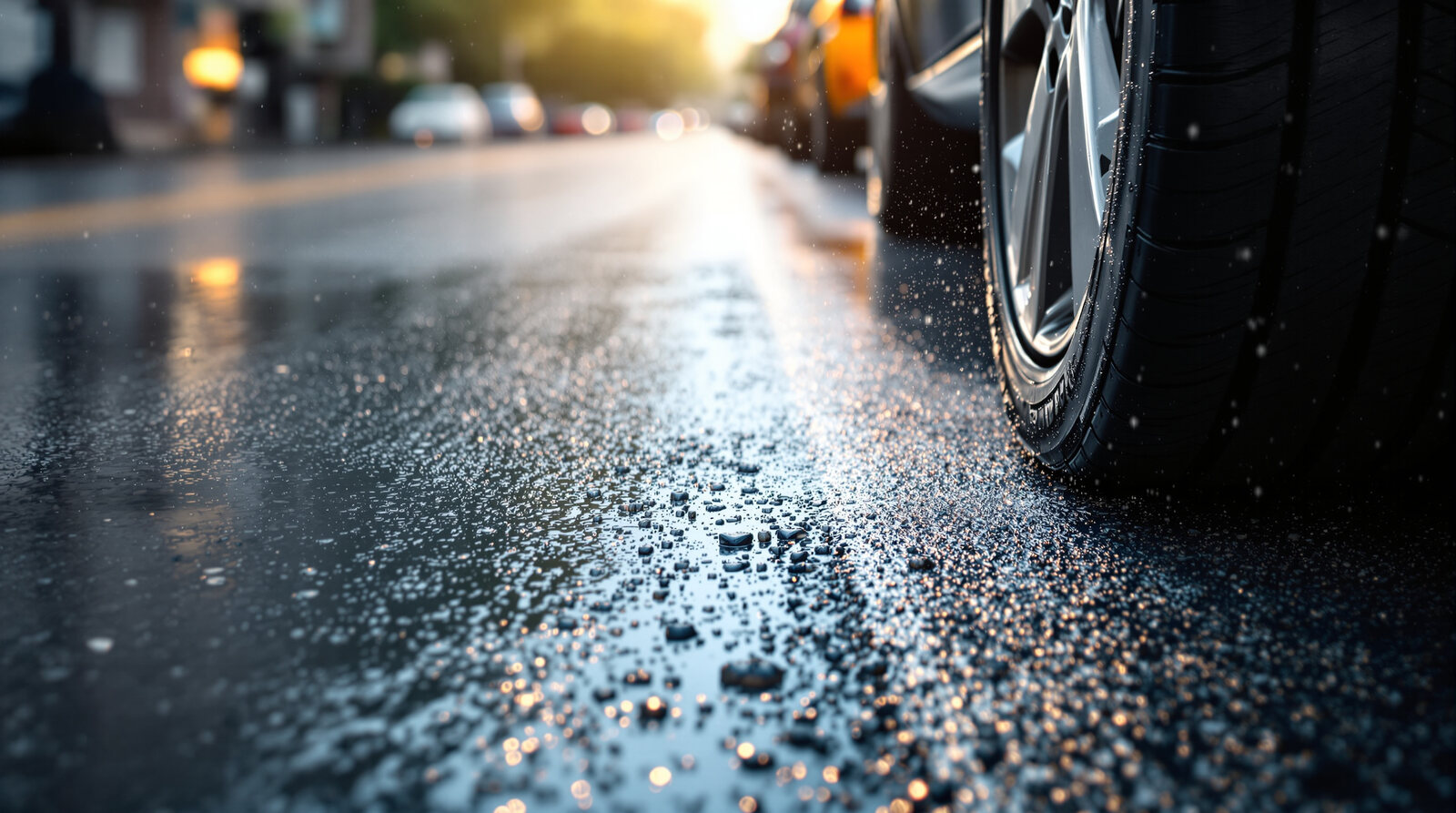
Microplastics come from two routes. Primary microplastics are released already tiny — worn off car tires and roads, shed as fibers from synthetic clothes in the wash, blown off paint and city dust, spilled as plastic production pellets, and added as microbeads to some cosmetics. Secondary microplastics form when larger plastic items break down under sun, heat and abrasion. Across the research, tire and road wear and synthetic textiles are repeatedly ranked as the two single largest sources, while the slow fragmentation of the billions of tons of plastic litter already in the environment adds enormous volumes on top. Those same sources feed the particles that reach your body — mostly through drinking water, food and indoor air — which is why a short list of swaps cuts most of your controllable exposure.
"Where do microplastics come from" is one of the most common questions people ask once they learn these particles are in their blood, their water and the air indoors. It is a fair question, because the answer changes what you can actually do about it: the sources you can personally influence are different from the ones that need policy and industry to fix. Knowing which is which is the difference between useful action and anxious guesswork.
This guide walks through the six biggest sources of microplastics, grounded in what the research actually measures, then follows those particles from the environment into your body, and ends with the swaps that cut the exposure you can control. It is the same evidence-first approach we take in how dangerous are microplastics and microplastics in the human body.
The short version: scientists split microplastics into primary (released already small, like tire dust and clothing fibers) and secondary (larger plastic that breaks apart over time). Tire wear and synthetic textiles top most source rankings; degrading litter dominates the long-term ocean total. The particles in you come mainly from water, food and household air — and those you can cut today with the steps in how to avoid microplastics.
What are primary and secondary microplastics?
Scientists sort microplastics by how they are born. Primary microplastics are manufactured small or are shed small during use — tire dust, washing-machine fibers, plastic pellets and cosmetic microbeads. Secondary microplastics start as full-size plastic goods and are torn down into fragments by sunlight, heat, waves and abrasion.
The distinction is not academic. Primary particles are released continuously by ordinary use, which is why they dominate day-to-day exposure on land. Secondary particles accumulate as the enormous stock of plastic already in the environment slowly weathers, which is why they dominate the long-term total in the ocean. Most of the microplastics scientists pull from open seawater are secondary; much of what sheds around your home and city is primary. Both trace back to the same handful of sources, which we can now rank.
What are the 6 biggest sources of microplastics?
No single study crowns one definitive "number one," because the ranking shifts with what you measure — land versus ocean, primary versus secondary, by mass versus by particle count. But across the major source inventories, the same six keep coming up, with tire wear and synthetic textiles almost always near the top.
1. Tire and road wear
Tires are made largely of synthetic rubber — a polymer — and they grind away a little with every mile, leaving a fine dust on roads that washes into waterways and lifts into the air. A 2017 review called tire wear a "stealthy" but very large source, estimating a global average of about 0.81 kilograms of tire-wear particles per person per year and attributing roughly 5 to 10 percent of the plastic reaching the oceans to tires alone (Kole et al., Int. J. Environ. Res. Public Health, 2017). One widely cited IUCN source inventory put tire abrasion at about 28 percent of all primary microplastics released to the ocean, the single largest primary source in that analysis.
2. Synthetic textiles and laundry
Polyester, nylon, acrylic and other synthetic fabrics are plastic, and they shed microfibers constantly — most dramatically in the wash. A landmark 2016 experiment found that a single 6 kilogram load of acrylic clothing could release more than 700,000 microfibers into the wastewater, with polyester close behind (Napper & Thompson, Marine Pollution Bulletin, 2016). Those fibers slip through many treatment plants and into rivers and seas; the same IUCN inventory attributed about 35 percent of ocean primary microplastics to synthetic textiles. We cover the clothing angle in microplastics in clothing and the best organic alternatives.
3. The breakdown of larger plastic litter
This is the giant of the secondary category. Every mismanaged bag, bottle, food wrapper, foam cup and lost piece of fishing gear is slowly shattered by ultraviolet light, heat and mechanical stress into smaller and smaller pieces, until it crosses the 5-millimeter line into microplastic territory and keeps going toward nanoplastics. Because the world has produced billions of tons of plastic and only a fraction has been recycled, this weathering stockpile is the largest long-term contributor of microplastics to the environment — it simply releases its particles over years and decades rather than all at once.
4. City dust, paint and road markings
A surprising share of microplastics is scraped off the built environment: abrasion of building and road paint, worn road markings, shredded artificial turf, the soles of shoes, and the general grit of urban life. Grouped together as "city dust," these accounted for roughly a quarter of primary ocean microplastics in the IUCN inventory. Indoors, the same abrasion from synthetic carpets, rugs and upholstery is a leading reason household dust is full of microplastics.
5. Plastic production and pellets (nurdles)
Almost all plastic begins life as tiny pre-production pellets called nurdles, which are melted and molded into products. Nurdles spill at factories and during transport and handling, and because they are small, light and float, escaped pellets travel far and are notoriously hard to recover. They turn up on beaches worldwide and are a well-documented primary source, even if their share is smaller than tires or textiles.
6. Personal-care products and microbeads
Some older exfoliating scrubs, toothpastes and cosmetics contained plastic microbeads added deliberately for texture or scrubbing. Public pressure and laws — including the U.S. Microbead-Free Waters Act of 2015, which banned plastic microbeads in rinse-off cosmetics — have cut this source sharply in many markets. It is now a smaller contributor than it once was, though "liquid" polymers and microplastic ingredients still appear in some products.
Where do the microplastics in my body come from?
The particles inside you come overwhelmingly from three everyday routes: what you drink, what you eat, and the air you breathe at home. They are the downstream end of the same big sources — tire dust in runoff, fibers off textiles, fragments of weathered litter — concentrated into the water, food and indoor dust you take in.
A 2019 analysis put rough numbers on the dietary and airborne share: adults likely ingest on the order of 39,000 to 52,000 microplastic particles a year from food and water, rising to 74,000–121,000 once inhaled particles are counted (Cox et al., Environmental Science & Technology, 2019). Your drink choice matters more than almost anything else on that list: the same study estimated that relying only on bottled water adds about 90,000 particles a year, versus roughly 4,000 for tap water. Indoor air is the other heavy hitter — synthetic carpets, curtains, upholstery and clothing constantly shed fibers that settle into household dust and get breathed in. For the full picture of what ends up where, see microplastics in the human body.
Which sources can you actually control?
Dividing the six sources into "yours to change" and "needs system-level action" is the most useful thing you can do with this list. Tire wear, the weathering of global litter, pellet spills and city dust are largely out of any one household's hands — they are problems of transport design, waste management and industry. Chasing them personally is mostly wasted worry.
What is in your hands is the exposure that actually reaches your body: your water, how you heat and store food, how you do laundry, and the air in your home. That is a short, concrete list — and it happens to cover the routes the exposure research flags as the biggest. The same prioritized plan lives in how to avoid microplastics; below is the version aimed specifically at cutting off these sources where they meet you.
It is easy to fixate on the dramatic headline sources — the ocean garbage patch, tire dust — and ignore the boring ones that actually dose you, like bottled water and a plastic food container in the microwave. The particles you can do the most about are the ones closest to your mouth and lungs, not the ones farthest out at sea.
How do you cut the microplastics that reach you?
You cannot reach zero, and you do not need to. The goal is to shut down the biggest controllable routes with changes that fit real life — your water first, then how you heat and store food, then laundry and indoor air.
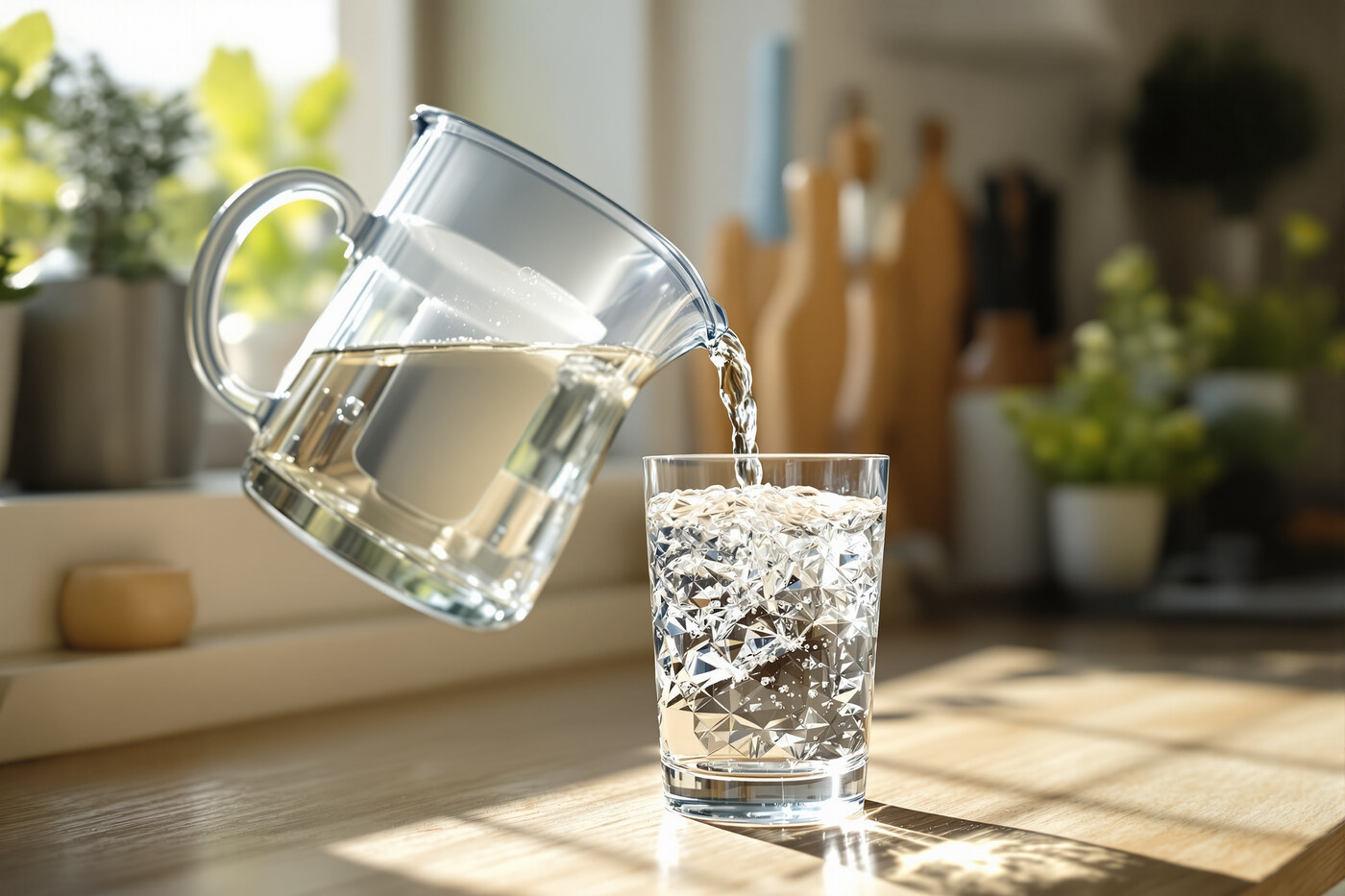
- Filter your tap water, skip bottled. This is the highest-impact swap, because bottled water is a top dietary source; start with the best water filters for microplastics and check whether your tap water is safe to drink.
- Never heat or store hot food in plastic. No microwaving plastic containers and no pouring boiling liquid into plastic — heat drives the most particle shedding and chemical leaching.
- Switch to glass and steel. Move leftovers into glass containers and drink from stainless steel bottles instead of plastic.
- Change how you launder synthetics. Wash full, cooler loads less often, air-dry when you can, and consider a microfiber-catching bag or washing-machine filter to trap fibers at the source.
- Cut indoor microplastic dust. Ventilate, damp-dust and vacuum with a HEPA filter, and favor natural-fiber rugs and textiles — this targets the household-air route behind much of what you inhale. See microplastics in household dust.
The bottom line: where microplastics come from
Microplastics come from a surprisingly short list of sources: tire and road wear and synthetic textiles lead the primary category, the weathering of the world's plastic litter dominates the secondary total, and city dust, production pellets and a shrinking sliver of cosmetic microbeads fill out the rest. Those same sources, funneled through your water, food and indoor air, are where the particles in your body come from.
Most of that list is a job for industry and policy. But the part that reaches you is controllable with a few durable habits — filtered water instead of bottled, glass and steel instead of heated plastic, smarter laundry and cleaner indoor air. Knowing where microplastics come from is what lets you spend your effort on the routes that actually matter. For the step-by-step plan, see how to avoid microplastics and how dangerous are microplastics.
Cut the sources that actually reach you
You can't fix tire wear or global litter on your own — but you can remove most of your personal exposure. These guides show the swaps that matter most, starting with your water and food storage.
Frequently Asked Questions
Microplastics come from two broad routes. Primary microplastics are released already small — worn off car tires and roads, shed as fibers from synthetic clothing in the wash, blown off paint and city dust, spilled as pre-production plastic pellets, and added as microbeads to some cosmetics. Secondary microplastics form when larger plastic items — bags, bottles, packaging, fishing gear — break apart under sunlight, heat and abrasion into ever-smaller fragments. Tire wear and synthetic textiles are consistently ranked among the single largest sources; the breakdown of mismanaged plastic litter adds enormous volumes on top of those.
There is no single agreed number-one, because it depends on whether you count primary or secondary particles and whether you measure the land, the air or the ocean. Among primary microplastics released to the environment, tire and road wear and synthetic textile fibers are repeatedly identified as the two largest sources — one widely cited IUCN analysis attributed roughly 28 percent to tire abrasion and about 35 percent to synthetic textiles. A 2017 review estimated that tire wear alone sheds an average of about 0.81 kilograms of microplastic per person per year. When you also count secondary microplastics, the gradual fragmentation of the billions of tons of plastic litter already in the environment is the biggest long-term contributor of all.
Primary microplastics enter the environment already microscopic — tire dust, washing-machine fibers, plastic production pellets and cosmetic microbeads are all primary. Secondary microplastics start out as full-size plastic products, such as a water bottle or a shopping bag, and are then broken down by ultraviolet light, heat, waves and physical abrasion into smaller and smaller fragments until they become microplastics and eventually nanoplastics. Most of the plastic in the open ocean is secondary; much of what we shed day to day on land is primary.
Mostly from what you drink, eat and breathe. A 2019 analysis estimated adults take in tens of thousands of microplastic particles a year from food and water, and that drinking only bottled water could add roughly 90,000 particles annually versus about 4,000 for tap water. Indoor air and household dust — fed by synthetic carpets, upholstery and clothing — are another major route, and heating or storing food in plastic adds more. The particles in your body trace back to the same big sources: tires, textiles and degrading plastic goods.
Yes — tires are made largely of synthetic rubber, which is a polymer, and they wear down with every mile. A 2017 study described tire wear as a stealthy but very large source, estimating a global average of about 0.81 kilograms of tire-wear particles per person per year and attributing roughly 5 to 10 percent of the plastic reaching the oceans to it. Those particles wash off roads into waterways and also become part of airborne dust.
You cannot control tire wear or global litter, but you can cut most of your personal exposure. Filter your tap water instead of drinking bottled, never heat or store food in plastic, choose glass and stainless steel, wash synthetic clothes less often and in cooler, fuller loads (or use a fiber-catching bag or filter), and ventilate and damp-dust to cut indoor microplastic dust. These few changes remove most of your controllable intake without a plastic-free home.
Sources
- Kole PJ, Löhr AJ, Van Belleghem FGAJ, Ragas AMJ. "Wear and Tear of Tyres: A Stealthy Source of Microplastics in the Environment." International Journal of Environmental Research and Public Health, 2017;14(10):1265, doi.org/10.3390/ijerph14101265. Estimates a global average of about 0.81 kg of tire-wear particles emitted per person per year (range 0.23–4.7 kg) and that tire wear contributes roughly 5–10 percent of the plastics ending up in the oceans.
- Napper IE, Thompson RC. "Release of synthetic microplastic plastic fibres from domestic washing machines: Effects of fabric type and washing conditions." Marine Pollution Bulletin, 2016;112(1–2):39–45, doi.org/10.1016/j.marpolbul.2016.09.025. Found that a single 6 kg wash load could release more than 700,000 microfibres from acrylic fabric, with polyester and polyester-cotton blends also shedding large numbers.
- Cox KD, Covernton GA, Davies HL, Dower JF, Juanes F, Dudas SE. "Human Consumption of Microplastics." Environmental Science & Technology, 2019;53(12):7068–7074, doi.org/10.1021/acs.est.9b01517. Estimates annual microplastic ingestion of roughly 39,000–52,000 particles from food and water (74,000–121,000 including inhalation), and that bottled-water-only consumption adds about 90,000 particles a year versus about 4,000 for tap water.
- World Health Organization. "Dietary and inhalation exposure to nano- and microplastic particles and potential implications for human health," 2022, who.int. Confirms that nano- and microplastics are widespread in drinking water, food and air, and reviews the main exposure routes into the human body while noting the data remain limited for a full risk assessment.