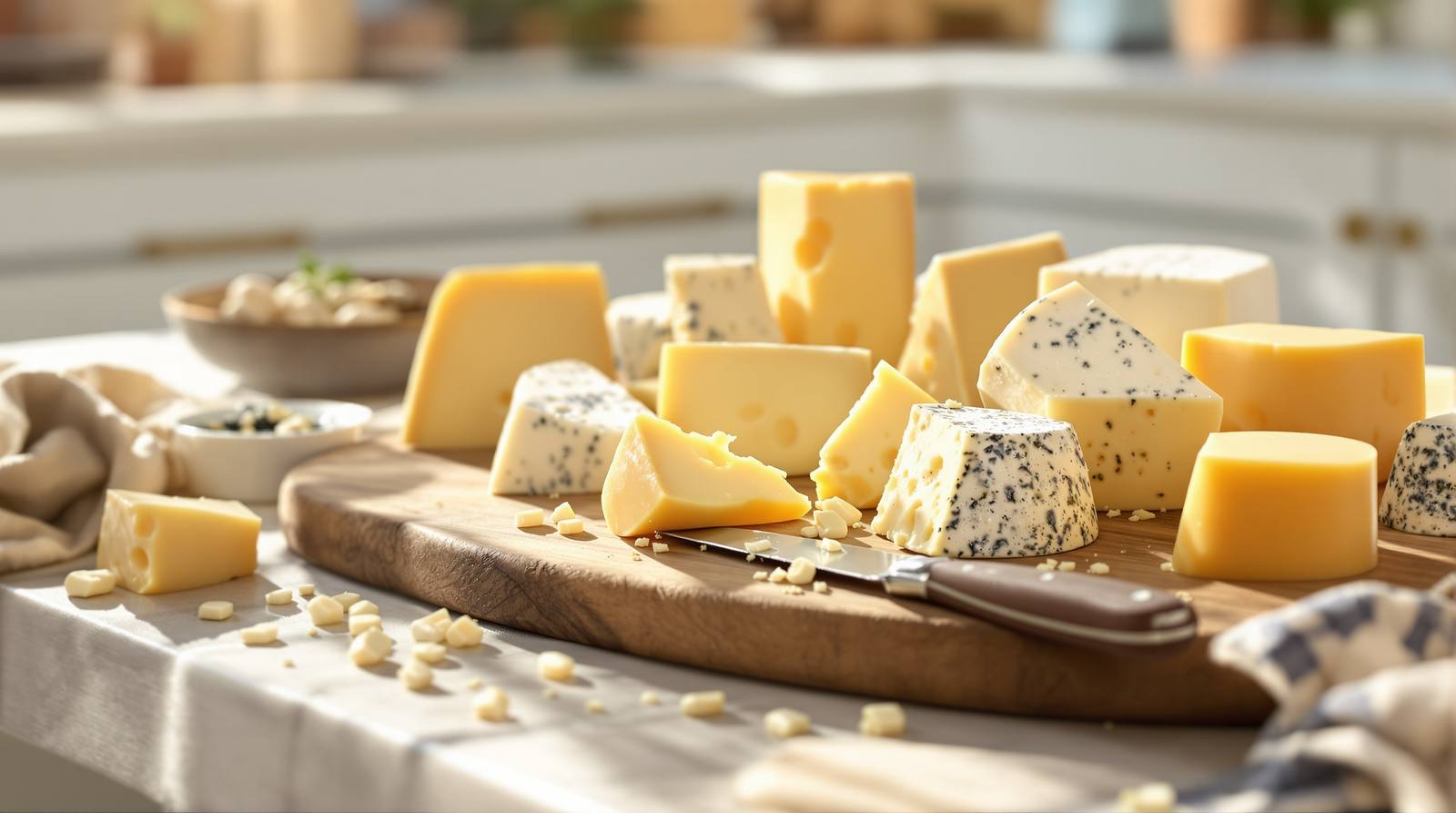
Yes — cheese contains microplastics, and it carries more than milk does. A 2025 study in npj Science of Food analyzed 28 dairy samples and found ripened (aged) cheese held the highest microplastic load of all — about 1,857 particles per kilogram, versus roughly 1,280 in fresh cheese and 350 in milk. PET, polyethylene, and polypropylene were the most common polymers, and irregular fragments the most common shape — a fingerprint that points to processing equipment, workers' textiles, and plastic packaging, not the cow. The caveat that matters: the study counted how many particles are present, not what they do to your health. Cheese is a real food and you shouldn't stop eating it. But you also can't filter cheese, so the leverage is on the plastic around it — buy from the cheese counter cut fresh, store cheese in beeswax wrap or glass instead of plastic film, never microwave it in plastic, and filter the water you cook with.
Cheese feels like it should be exempt. It's milk, cultures, and salt, aged on a wooden shelf — where's the plastic? But trace the journey and the answer appears fast. It takes roughly ten liters of milk to make a single kilogram of hard cheese, so whatever plastic was in the milk gets concentrated as the whey drains away. Then cheese passes through far more contact steps than milk ever does — curdling vats, cutting tools, plastic-lined presses, aging rooms, and finally the plastic film or vacuum pack it's sold in. Every one of those touchpoints is a chance for tiny plastic particles and fibers to shed in.
That's why cheese has become one of the more striking findings in the research on microplastics in food, right alongside milk, meat, and the foods that carry the most microplastics overall. This guide walks through what the study found, why ripened cheese scores highest, whether the numbers are worth worrying about (the honest answer is calmer than the headline), and the handful of swaps that actually move the needle.
The bottom line up front: the dairy samples tested contained microplastics, ripened cheese carried the most, and the particles trace back to plastic equipment and packaging rather than the cow. It's a real, measurable source — but you can't filter cheese, so the fix is to control the plastic around it: buy cheese cut fresh at the counter, re-wrap it in beeswax cloth or glass instead of plastic film, don't microwave it in plastic, and filter the water you use for cooking. See also what microplastics do inside the body and the room-by-room kitchen plastic detox guide.
Does cheese have microplastics?
Yes. In a 2025 study published in npj Science of Food ("Assessing microplastic contamination in milk and dairy products"), researchers from the University of Padova in Italy and University College Dublin analyzed 28 dairy samples — milk, fresh cheese, and ripened cheese — and found microplastics throughout. The counts rose sharply with processing: milk came in around 350 particles per kilogram, fresh cheese roughly 1,280, and ripened (aged) cheese highest of all at about 1,857 particles per kilogram. Cheese, in other words, was the most contaminated dairy category they measured.
The polymers tell the story. PET (the plastic in bottles and packaging film) was the most frequently detected, followed by polyethylene and polypropylene, and irregular fragments made up more than three-quarters of the particles, most of them smaller than 150 microns. Those are packaging-and-equipment plastics, not anything that comes from a cow — the same supply-chain fingerprint that runs through the research on microplastics in food packaging.
Why does cheese have more microplastics than milk?
Because cheese is milk, concentrated and handled far more. It takes roughly ten liters of milk to make one kilogram of hard cheese, so as the whey drains away, any plastic particles the milk carried are concentrated into a much smaller mass. Start with contaminated milk and remove most of the water, and you end up with a denser count per kilogram before a single extra step is added.
And cheese-making adds many extra steps. Where milk essentially flows from tank to carton, cheese is curdled, cut, drained, pressed, salted, aged for weeks or months on shelves, then wrapped or vacuum-sealed in plastic for sale. Each stage introduces new plastic or textile surfaces — and the longer a cheese ages in production and packaging, the more contact time it accumulates. That's exactly why ripened cheese out-scored fresh cheese in the study, and both out-scored milk.
How do microplastics get into cheese?
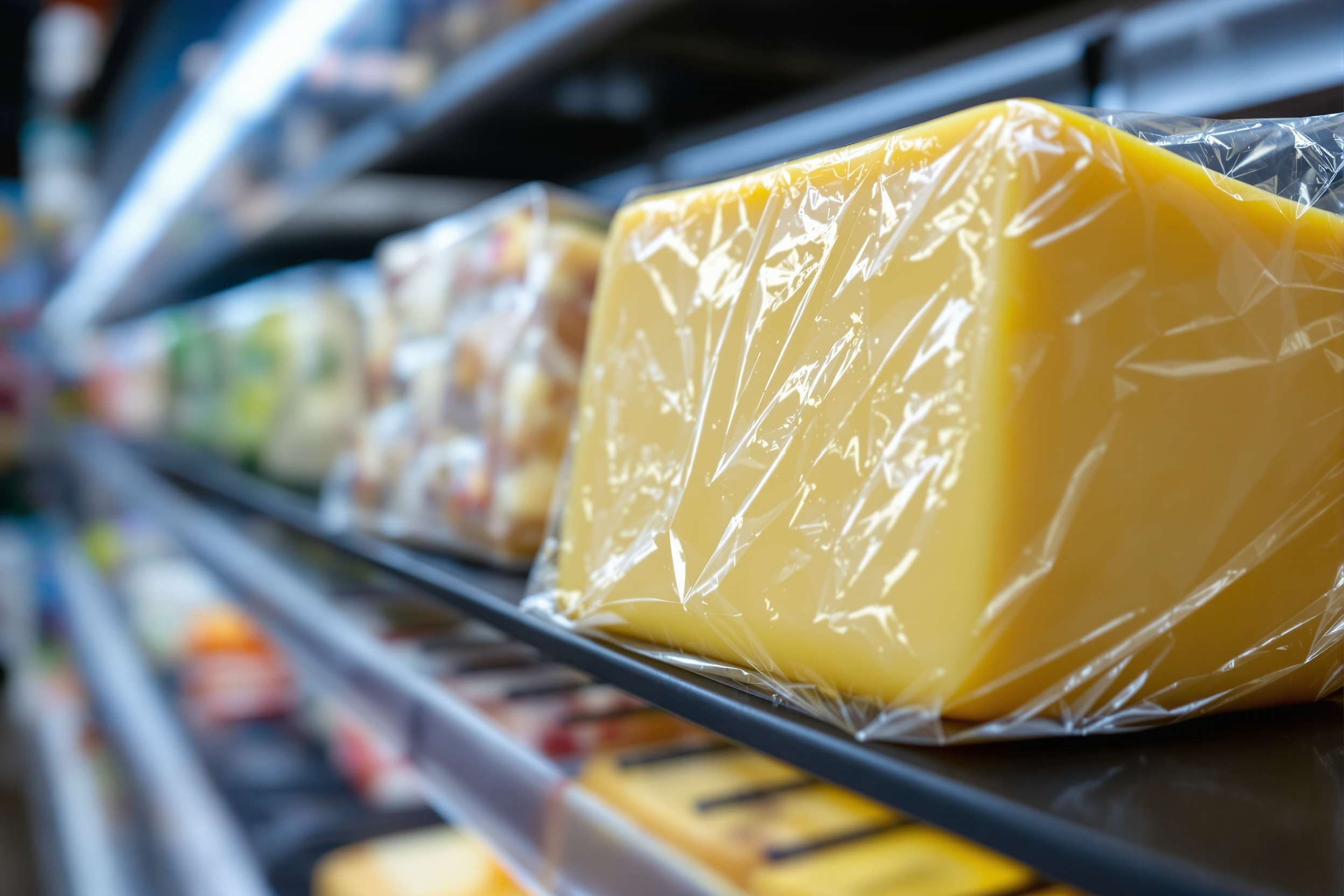
Not from the cow — from the plastic and textiles the cheese touches on its way to you. The researchers traced likely sources along the entire supply chain: plastic tubing and equipment on the farm and in the plant, airborne synthetic fibers shed from workers' clothing and hairnets, and the plastic film, wax-lined paper, and vacuum packaging that cheese is aged and sold in. The dominance of irregular fragments and fibers in the samples is a strong clue — those come from equipment wear and textile dust in processing environments, not from an animal.
Packaging and processing intensity matter most. More heavily processed and longer-aged cheeses accumulate more particles, each handling and wrapping step adding contact time with plastic. That's the same mechanism behind microplastics in other packaged staples, and it's why the fix for cheese lives in the same place as the fix for how you store the rest of your food: reduce the plastic that touches it.
"You can't filter cheese. So the whole game is the plastic around it — the equipment it was made on, the film it aged in, and the wrap you keep it in at home."
| Dairy Type | Microplastic Load (2025 study) | Why |
|---|---|---|
| Ripened (aged) cheese | Highest (~1,857/kg) | Most concentrated and longest in production; weeks or months of aging plus plastic film and vacuum packaging — the top scorer in the study |
| Fresh cheese | High (~1,280/kg) | Concentrated from milk with many handling steps, but less aging and packaging contact than ripened cheese |
| Milk | Lower (~350/kg) | Fewer processing steps; not concentrated the way cheese is, but still contacts pipes, tanks, and plastic packaging |
| Cheese re-wrapped in beeswax or glass at home | Lowest you control | Removes ongoing plastic-film contact once it's in your fridge — an inert surface can't shed |
Are the microplastics in cheese dangerous?
Here's where honesty matters. The particle counts are real and carefully measured, but the study measured how much plastic is present — not what those particles do once you swallow them. On the specific question of harm from cheese-borne microplastics, the science doesn't have a firm answer, and no one should read a health verdict into numbers that weren't designed to give one.
What we do know is broader: microplastics are increasingly detected throughout the human body, and researchers are still working out the consequences. Against that backdrop the sensible stance is proportion, not panic. Cheese is a nutrient-dense food — protein, calcium, fat-soluble vitamins — and the microplastic counts are not a reason to give it up. They're a reason to cut the plastic you can easily control, which happens to also keep cheese fresher when you store it in breathable wrap or glass instead of suffocating film.
Don't stop eating cheese over microplastic headlines. But of all the plastic touchpoints in a kitchen, the ones around cheese are easy to cut: buy from the cheese counter cut fresh onto paper, re-wrap it in beeswax cloth or glass at home, never microwave it in plastic, and filter your cooking water. That's the same high-leverage thinking behind our kitchen plastic detox guide.
Do processed and pre-shredded cheeses have more?
The research points that way. Two things independently raise particle counts — more processing and more plastic contact — and pre-shredded, pre-sliced, and individually wrapped cheeses maximize both. Shredded cheese runs through extra machinery and is dusted with anti-caking agents, then sealed in a plastic bag; individually wrapped slices sit in plastic film on every side. A whole block cut fresh at the counter skips several of those steps. Switching from bagged shreds to a block you grate yourself is one of the simplest ways to remove plastic-contact steps from your cheese — the same logic behind favoring whole cuts in our guide to microplastics in meat.
How do you reduce microplastics from cheese?
Two ideas cover almost all of it. First, take the plastic out of the cheese's life wherever you can: buy from a deli or cheese counter that cuts to order and wraps in paper rather than grabbing pre-shrink-wrapped blocks, and the moment you get home, move cheese out of its plastic film into breathable beeswax wrap or a glass container so it isn't sitting against plastic for weeks. Never microwave cheese in plastic — heat is what drives plastic to shed fastest, the same principle behind not microwaving food in packaging.
Second, clean up the water in your kitchen, which is a separate and often larger microplastic source in the same room. Cooking, boiling pasta for that cheese sauce, and drinking water all use tap water; a pitcher that carries a specific microplastics claim (ideally NSF/ANSI P473 certification) cuts particle counts sharply. See our pick of the best water filter pitchers for microplastics. Between better storage and filtered water, you've closed the two biggest gaps — and the products below make both effortless.
Control the plastic around your cheese
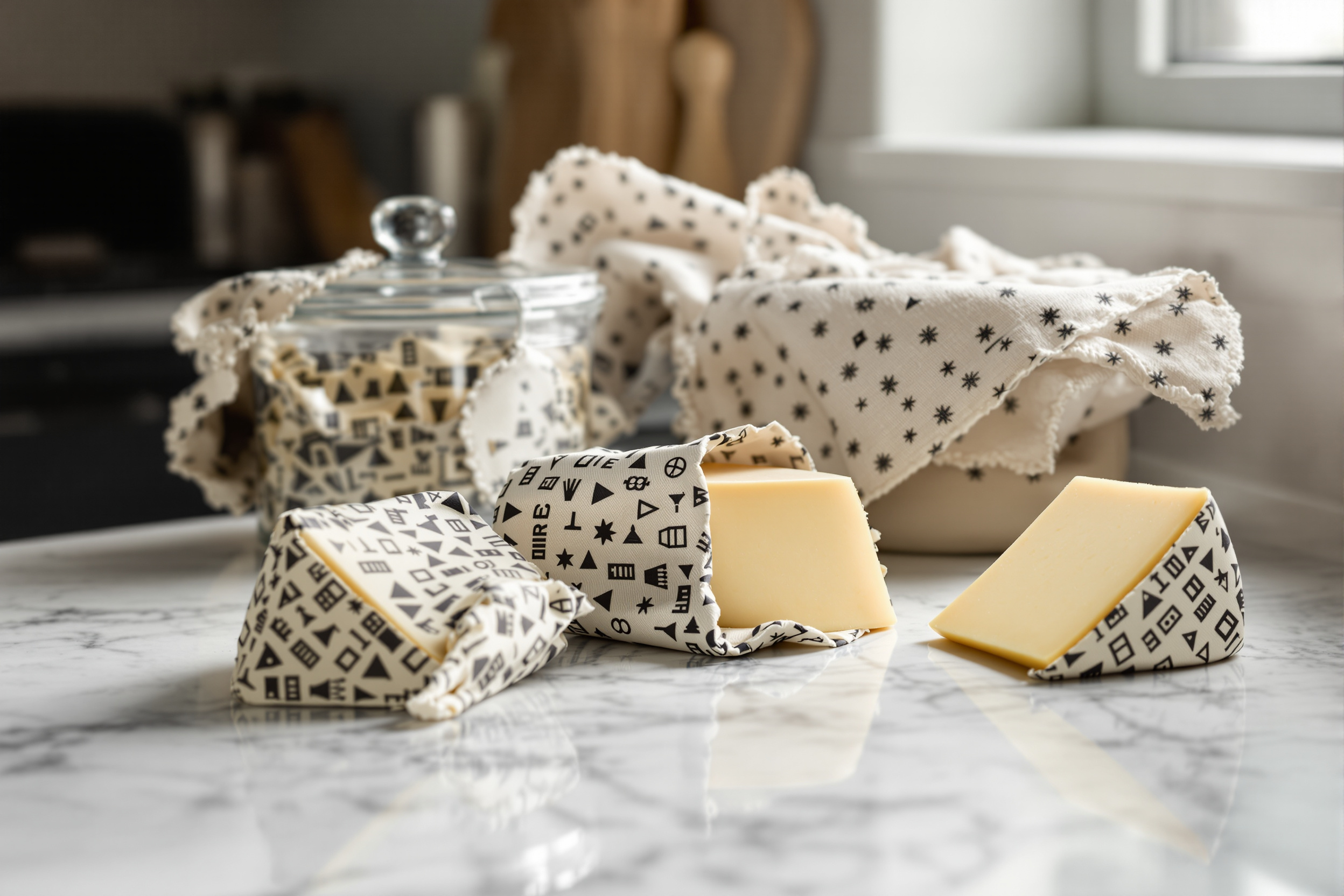
You can't filter cheese, but you can cut the plastic it touches. Re-wrap it in beeswax cloth or glass, filter your cooking water, and never microwave it in plastic — simple swaps that stick.
The best wraps, glass, and storage to cut the plastic around your cheese
Since you can't filter cheese itself, the useful products are the ones that remove plastic from everything around it — breathable beeswax cloth that keeps cheese fresh without suffocating it in film, glass to store cut cheese without shedding, silicone to freeze it, and a certified filter for the water in your cooking. Every product below is a real, currently-sold model. Prices and availability change, so check current listings.
1. Bee's Wrap Assorted 3-Pack — Best Overall for Cheese
 Best Overall
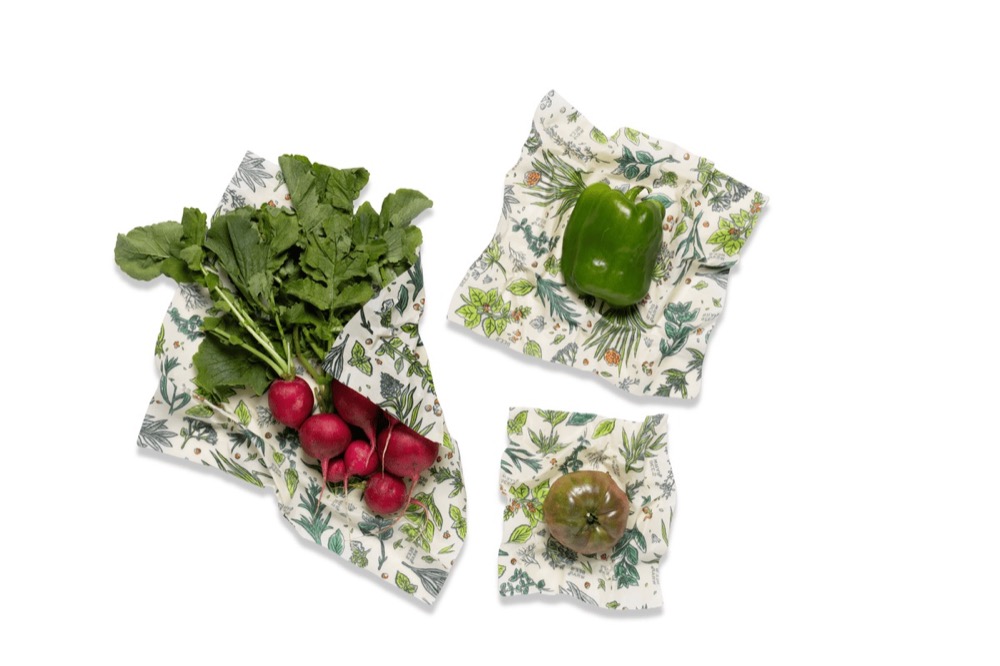
Owners repeatedly praise how it keeps cheese and bread fresh, with one saying "the cheese is as fresh as when I purchased it," and note it is "strong, sticky (but not on your hands)" with a "very minimal wax smell compared to other brands." The honest downsides: some had "trouble getting it to stick" at first, the wax coating thins over months, it does not seal as tightly as plastic wrap, and it stains with oily foods and is not for hot food or raw meat.
Cheese sits in plastic film for weeks in most fridges. Re-wrap it in breathable beeswax cloth the day you get home and you remove the single longest plastic-contact step you actually control.
Why it's safe: The food-contact surface is organic cotton and food-grade beeswax — no plasticizers, BPA, phthalates, or synthetic coatings — and the wax forms a natural antimicrobial barrier.
Check Today's Price on Amazon →Amazon prices change daily — tap to see today's price and any active discount.
- Free delivery & returns for Prime members
- Sold & shipped by Amazon
- Thousands of verified reviews
Why it made the list: Cheese is the food beeswax wrap was practically made for — breathable enough that a wedge doesn't sweat and go slimy, plastic-free so nothing sheds into it. Bee's Wrap set the standard for the category, and the reviews that mention cheese by name are the reason it's the top pick. For the full lineup, see our guide to the best non-toxic food wraps.
2. Abeego Beeswax Wraps Variety — Best for Aged Cheese
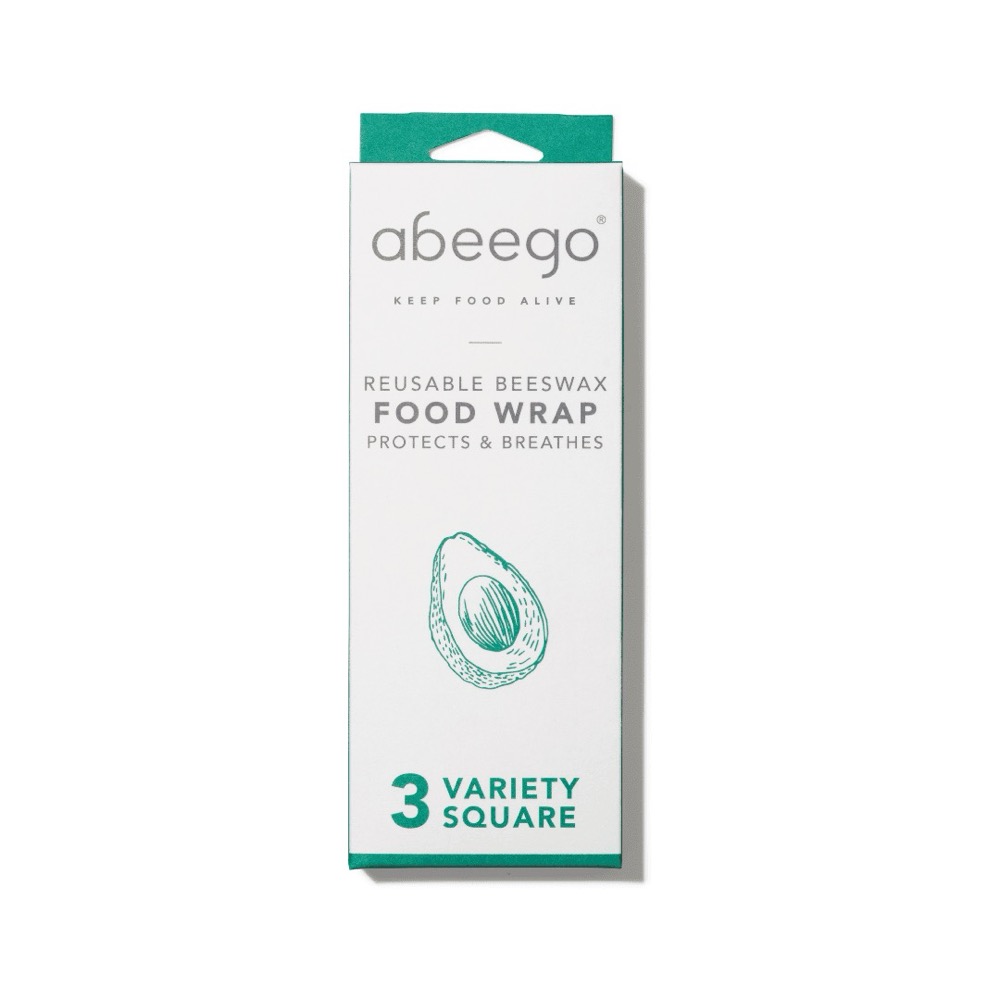 Best for Aged Cheese
Owners like that "after a couple uses they become really easy to form to any shape you need" and that it genuinely replaces plastic, with one saying "I haven't bought plastic wrap in months." The honest downsides: the wraps "can be a bit stiff at first," cleaning is awkward because "you have to sort-of rest it on a hard surface" to wipe it, and it is a premium price with staining and durability that suffer in warm climates.
A quality aged cheese is alive — wrap it airtight in plastic and it sweats and turns; wrap it in breathable Abeego and it keeps like it would in a cheese cave, minus the plastic film.
Why it's safe: The food-contact surface is hemp, organic cotton, and food-grade beeswax — no plastic, plasticizers, BPA, or phthalates — and the breathable design avoids trapping moisture against the cheese.
Check Today's Price on Amazon →Amazon prices change daily — tap to see today's price and any active discount.
- Free delivery & returns for Prime members
- Sold & shipped by Amazon
- Thousands of verified reviews
Why it made the list: Cheese people are split on wrap: fresh cheeses want a little more seal, but aged and hard cheeses want to breathe. Abeego is the breathable end of the spectrum, designed to protect while letting a rind respire — the closest a home fridge gets to proper cheese storage without a scrap of plastic.
3. Bee's Wrap Vegan Plant-Based 3-Pack — Best Vegan Wrap
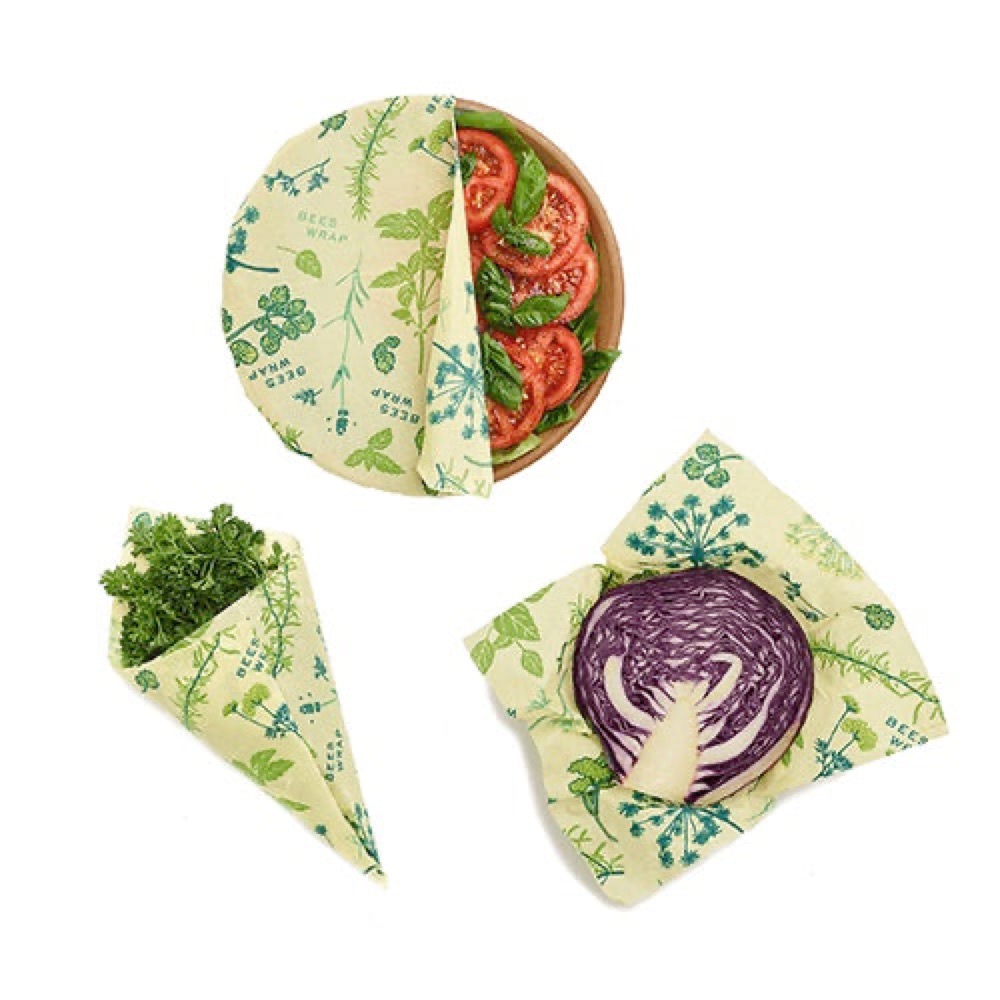 Best Vegan
Owners who avoid animal products are glad to find a genuinely vegan wrap that still clings and keeps cheese and bread fresh, and many note the herb print is attractive on a cheese board. The honest downsides mirror the beeswax version: the candelilla wraps can feel a touch stiffer at first, they don't seal as tightly as plastic, and the coating gradually thins with washing over the year.
If you keep a plant-based kitchen, this is the plastic-free cheese wrap that fits — candelilla wax gives the same cling and freshness as beeswax with nothing from a hive.
Why it's safe: The food-contact surface is organic cotton and food-grade plant waxes — no plastic, plasticizers, BPA, or phthalates — and it composts at the end of its life rather than shedding microplastics.
Check Today's Price on Amazon →Amazon prices change daily — tap to see today's price and any active discount.
- Free delivery & returns for Prime members
- Sold & shipped by Amazon
- Thousands of verified reviews
Why it made the list: Not everyone wants beeswax against their food. The vegan line swaps in candelilla and soy wax on the same certified organic cotton, so plant-based households get the identical cheese swap — breathable, plastic-free, and compostable — without compromise.
4. Glasslock Oven Safe Container Set (3-Pack) — Best Glass Storage
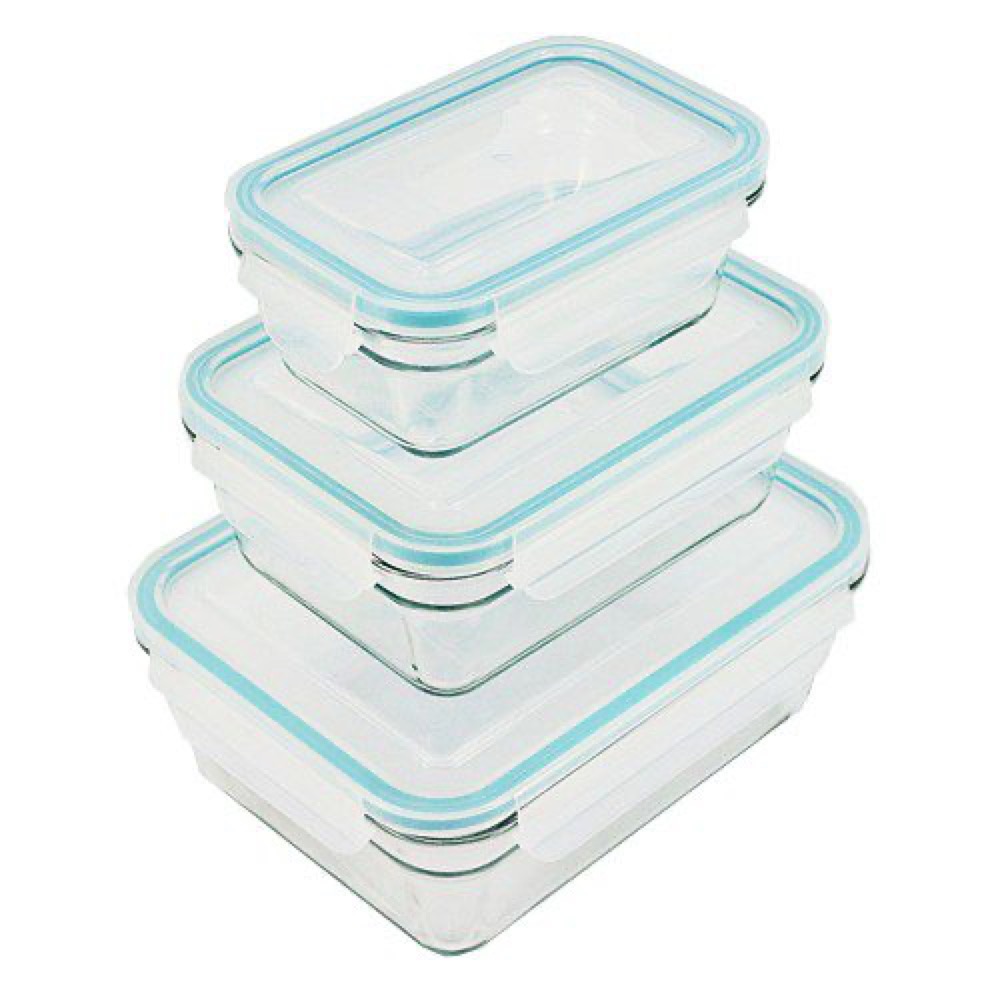 Best Glass Storage
Longtime owners like that the glass bodies are oven-, microwave-, and freezer-safe and that the snap-lock lids seal tight. The honest downsides run through the lids, not the glass: reviewers report cracked lids, snapped locking tabs, and mold building up in the rubber gaskets if they are not dried well. Some buyers also received sets with a locking piece missing, and several flag slow, hard-to-reach customer service when they needed a replacement part.
Some cheeses store better boxed than wrapped — grated cheese, feta in brine, soft fresh cheeses. Three stackable glass containers keep them off plastic and easy to grab from the fridge.
Why it's safe: Food sits on inert tempered glass, not plastic — so storing releases nothing. The BPA-free lids seal with a food-grade silicone gasket that only touches the rim.
Check Today's Price on Amazon →Amazon prices change daily — tap to see today's price and any active discount.
- Free delivery & returns for Prime members
- Sold & shipped by Amazon
- Thousands of verified reviews
Why it made the list: Wraps are perfect for firm wedges, but grated, crumbled, and soft fresh cheeses want a container. At roughly ten dollars per box, Glasslock is the most cost-effective way to keep those on glass instead of a plastic bag or tub. For the full lineup, see our guide to the best glass food storage containers.
5. Stasher Reusable Silicone Bag Starter Kit — Best Silicone for Freezing
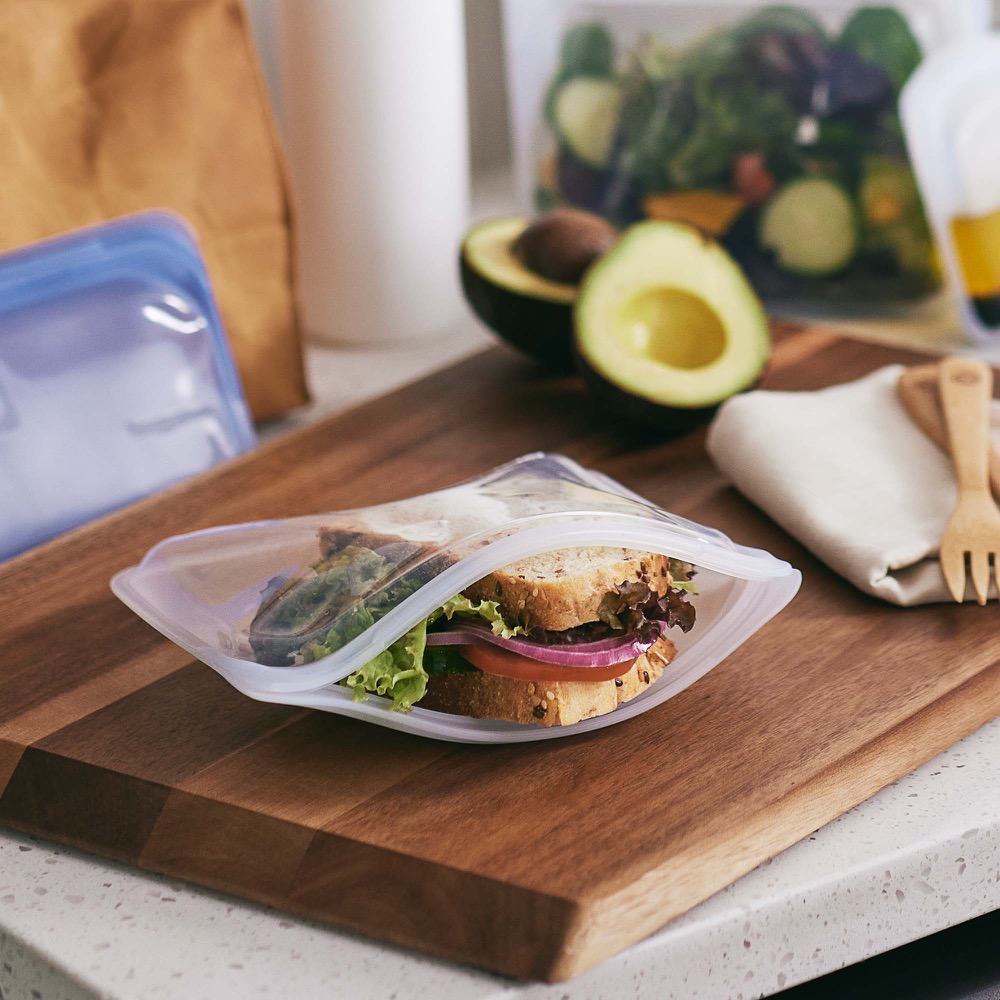 Best Silicone
Cheese freezes beautifully, and freezing a block you grate yourself is a great way to avoid bagged pre-shredded cheese. For that, portioning butter, or anything you would reach for a plastic zip-lock bag, Stasher's platinum-cured silicone is the upgrade — sturdier than any disposable bag and free of the chemicals that migrate from plastic. The patented Pinch-Loc seal is genuinely airtight and leakproof.
It goes from freezer to microwave to a 425°F oven, and it even handles sous vide. The starter kit covers the everyday sizes — sandwich, snack, and stand-up — so you can retire single-use bags in one swap.
Owners like that the platinum silicone bags go from freezer to microwave and replace throwaway plastic for years. The honest gripes: smell and stain retention come up often, with reviewers noting garlic and strong odors linger even after washing, and one finding the bag did not fully contain cooking smells in a sous-vide bath; the pinch-lock seal can be fiddly to open and close; and the seams are slow to dry, which can invite mildew if you do not air them out.
Grate a block yourself and freeze it in Stasher instead of buying bagged pre-shredded cheese. Platinum silicone seals just as tight, survives the dishwasher and the microwave, and lasts for years.
Why it's safe: Platinum-cured silicone — the highest-purity, chemically inert grade — with no plastic, PVC, BPA, lead, latex, phthalates, or PFAS.
Check Today's Price on Amazon →Amazon prices change daily — tap to see today's price and any active discount.
- Free delivery & returns for Prime members
- Sold & shipped by Amazon
Why it made the list: Bagged pre-shredded cheese is one of the most plastic-contact-heavy forms cheese comes in. Buy a block, grate it yourself, and freeze the extra in Stasher's platinum silicone — it reheats safely, seals airtight, and replaces hundreds of disposable bags over its life. For the full lineup, see our guide to the best glass and silicone food storage.
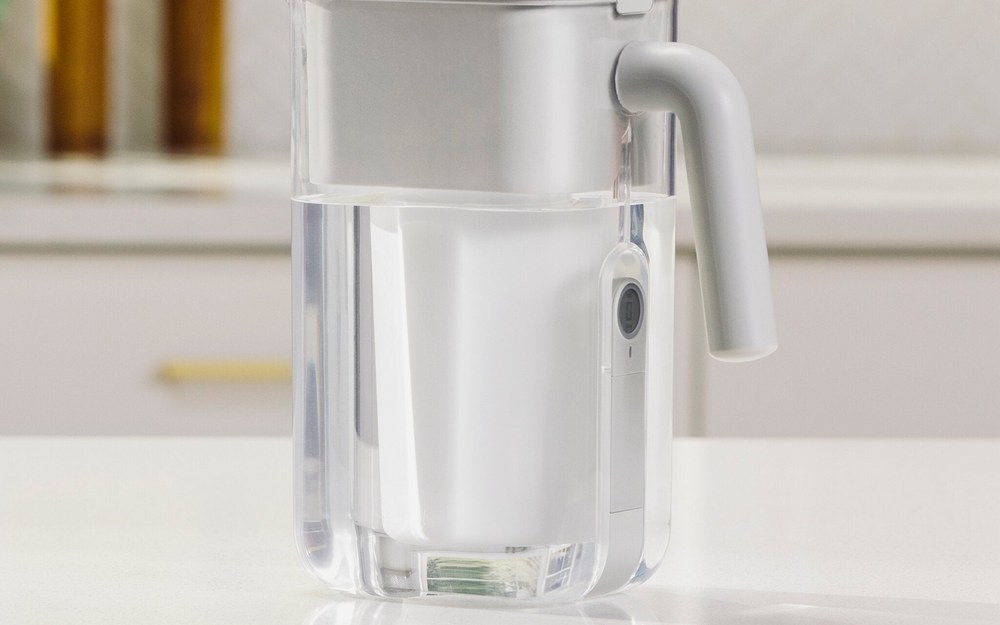
6. ZeroWater 10-Cup Pitcher with TDS Meter — Best Water Filter for Cooking
 Best Water Filter
Owners buy ZeroWater for the included TDS meter and the fact that it reads 000 straight from the tap, and many say nothing else gets water this clean. The honest gripes: the ion-exchange resin can throw off a fishy, sour, or lemony smell as it wears out; filter life is short, tapping out around 15 to 40 gallons, so replacements come often and the cost adds up; and the lid can fall off if you pour too fast or tip it too steeply.
The water you boil pasta in for that cheese sauce, and drink all day, is a bigger daily volume than the cheese itself — filter it and you remove the larger microplastic source in one swap.
Why it's safe: Five mechanical and ion-exchange stages capture microplastic particles and strip dissolved solids to 0 ppm, and the pitcher is built from BPA-free plastic.
Check Today's Price on Amazon →Amazon prices change daily — tap to see today's price and any active discount.
- Free delivery & returns for Prime members
- Sold & shipped by Amazon
- Thousands of verified reviews
Why it made the list: Cheese is rarely eaten alone — it's melted into sauces, tossed with pasta, baked into dishes, all of which use tap water. ZeroWater's 5-stage system is the most comprehensive multi-layer design in the pitcher category, and the included TDS meter tells you exactly when to swap the filter. For the full comparison, see the best water filter pitchers for microplastics.
Want the Full Home Protection Guide?
Cheese is one plastic touchpoint among dozens in a typical day. The Complete Plasticproof Guide covers every room — kitchen, nursery, bathroom, bedroom — with 80+ product recommendations backed by 47+ studies.
The honest verdict
Does cheese have microplastics? Yes — the 2025 npj Science of Food study found them across dairy, with ripened cheese highest at about 1,857 particles per kilogram, fresh cheese near 1,280, and milk around 350, with PET the most common polymer and irregular fragments the dominant shape. Cheese out-scored milk because it's concentrated from many liters of milk and handled and packaged far more. That part is real. But the study measured how much plastic is present, not what it does to you — so the accurate takeaway is proportion, not alarm.
What makes cheese manageable is that the plastic isn't coming from the cheese — it's coming from the equipment, textiles, and packaging around it. You can't do much about how a cheese was made and aged, but you fully control the last mile: buy it cut fresh at the counter, re-wrap it in breathable beeswax cloth or glass at home, never microwave it in plastic, and filter your cooking water. Keep eating cheese. Just take the plastic out of its life where it's cheap and easy to do so.
Take the plastic out of your cheese routine
Beeswax wrap and glass storage plus a certified water filter remove the plastic your cheese sits in and the plastic your cooking water carries — the two biggest sources you actually control.
Frequently Asked Questions
Yes. A 2025 study published in npj Science of Food analyzed 28 dairy samples and found microplastics across them, with ripened cheese carrying the highest load at about 1,857 particles per kilogram, followed by fresh cheese at roughly 1,280 and milk at about 350. PET, polyethylene, and polypropylene were the most common polymers, pointing to processing equipment and packaging rather than the milk itself.
Because cheese is concentrated and heavily handled. It takes roughly ten liters of milk to make one kilogram of hard cheese, so any particles in the milk are concentrated as the whey drains away. Cheese-making also adds many more contact steps — curdling, cutting, pressing, aging on shelves, and wrapping — each with plastic or textile surfaces that can shed. Ripened cheese, which spends the longest in production and packaging, tested highest of all.
From the plastic and textiles cheese touches on its way to you, not from the cow. The 2025 study traced likely sources along the whole supply chain — plastic tubing, processing equipment, and airborne fibers from workers' clothing and hairnets at the plant, plus the plastic film and vacuum packaging cheese is aged and sold in. Irregular fragments and fibers dominated the samples, a fingerprint that fits equipment and packaging rather than the food.
The study measured how many microplastic particles are present, not what they do to your body — so no one should read a health verdict into the counts. Microplastics are now detected throughout the human body and researchers are still working out what that means. The reasonable stance is proportion, not panic: don't stop eating cheese, but reduce the plastic you can control around it.
You can't filter cheese, so target the plastic around it: buy from the deli or cheese counter cut fresh onto paper rather than pre-wrapped in film, and the moment you get home, re-wrap cheese in breathable beeswax cloth or store it in a glass container instead of plastic. Never microwave cheese in plastic, and use a certified water filter for the water in your cooking. Cutting plastic elsewhere in your diet lowers your overall load more than fixating on any single food.
The research points that way. More processing and more plastic contact both tend to raise particle counts, and pre-shredded, pre-sliced, and individually wrapped cheeses go through extra machinery and sit in more plastic film than a block cut fresh at the counter. Buying a whole piece and cutting or grating it yourself removes several of those plastic-contact steps.
Sources
- "Assessing microplastic contamination in milk and dairy products." npj Science of Food, vol. 9, article 135 (2025), researchers at the University of Padova (Italy) & University College Dublin (Ireland) — analyzed 28 dairy samples and found ripened cheese highest at ~1,857 microplastic particles/kg, fresh cheese ~1,280/kg, and milk ~350/kg, with PET the most frequent polymer, followed by polyethylene and polypropylene; irregular fragments (77.4%) predominated, most particles smaller than 150 µm.
- Da Costa Filho PA, et al. "Detection and characterization of small-sized microplastics (≥5 µm) in milk products." Scientific Reports / NanoImpact, 2021 — on microplastics in dairy and powdered products.
- Diaz-Basantes MF, Conesa JA, Fullana A. "Microplastics in honey, beer, milk and refreshments in Ecuador as emerging contaminants." Sustainability, 2020 — found microplastics across everyday dairy and beverages.
- Leslie HA, van Velzen MJM, Brandsma SH, et al. "Discovery and quantification of plastic particle pollution in human blood." Environment International, 2022 — microplastics detected in human blood.
- US FDA. "Microplastics and Nanoplastics in Foods." fda.gov.