
Ditching plastic cling wrap sounds easy enough. But walk into a store and the alternatives range from beeswax wraps to silicone lids to plant-based films to parchment paper — all at different price points, with different lifespans, and wildly different usability. Some work brilliantly for wrapping cheese. Others can't hold a seal on a bowl.
This guide breaks down what actually matters: the materials, the safety data, the practical tradeoffs, and which products are worth the money. No brand partnerships, no affiliate ranking games — just honest comparisons based on material safety, usability, and value.
Compare all 6 picks
Every pick side by side — tap a name to jump to the full review, or check today's price.
| Pick | Why it wins | |
|---|---|---|
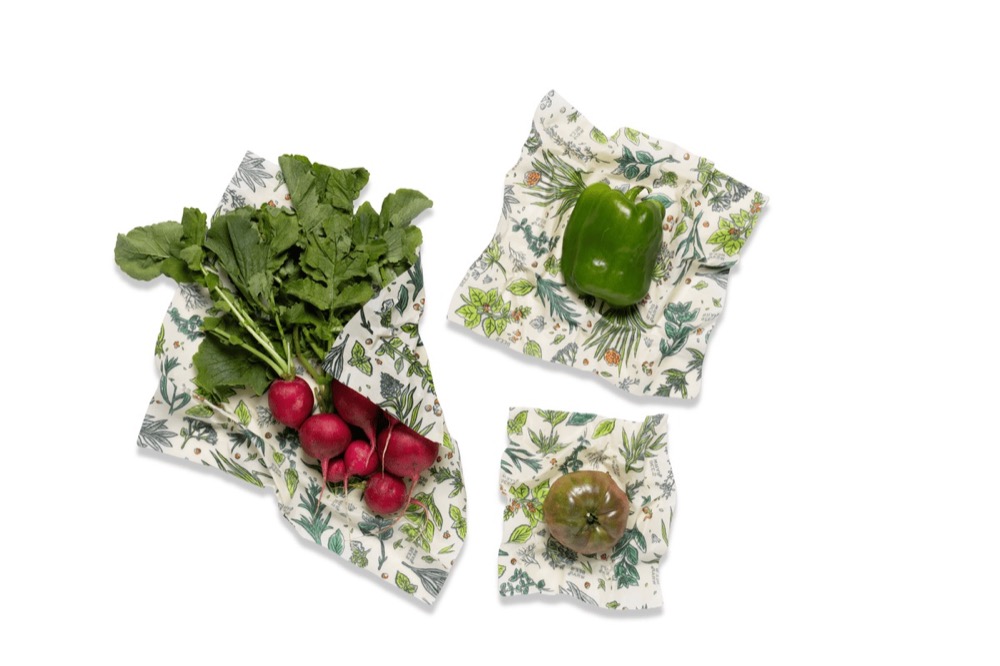 Best OverallBee's Wrap Assorted 3-Pack |
No PlasticGOTS Organic Cotton |
Check price → |
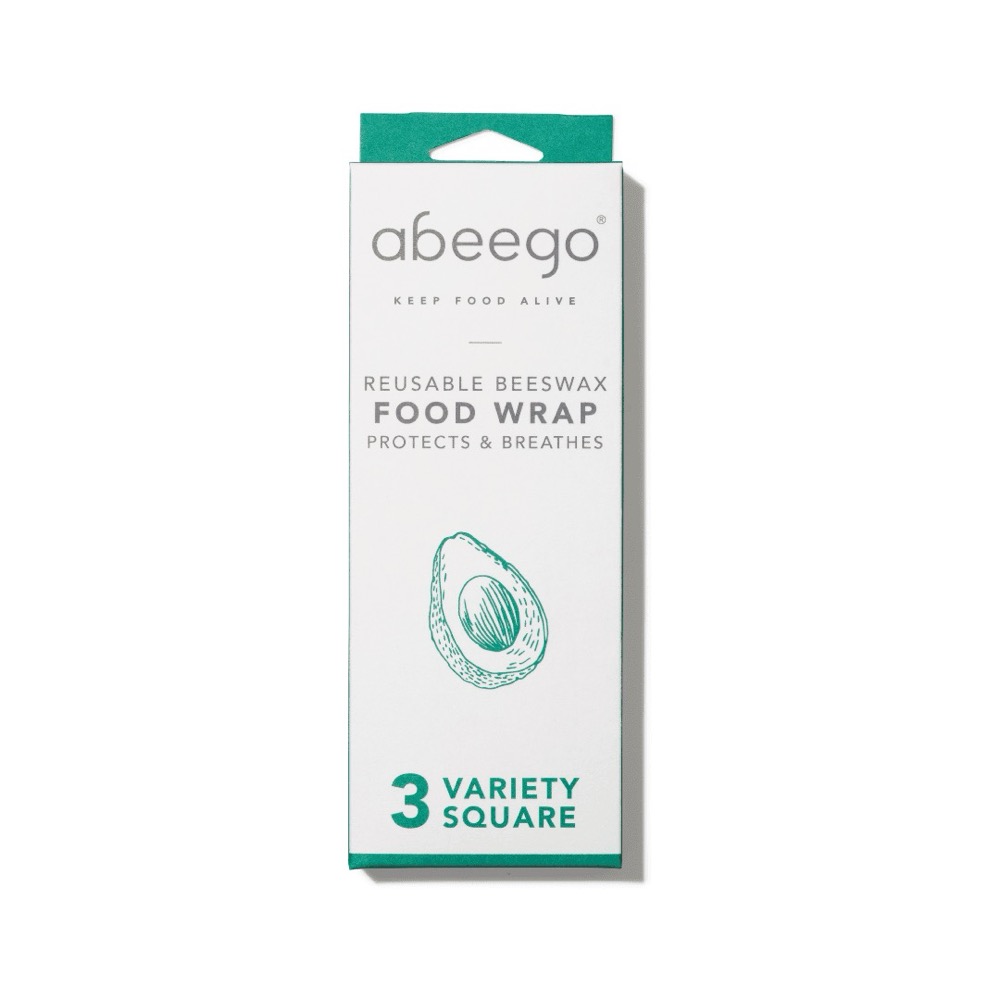 Best for ProduceAbeego Beeswax Wraps Variety |
No PlasticHemp & Cotton |
Check price → |
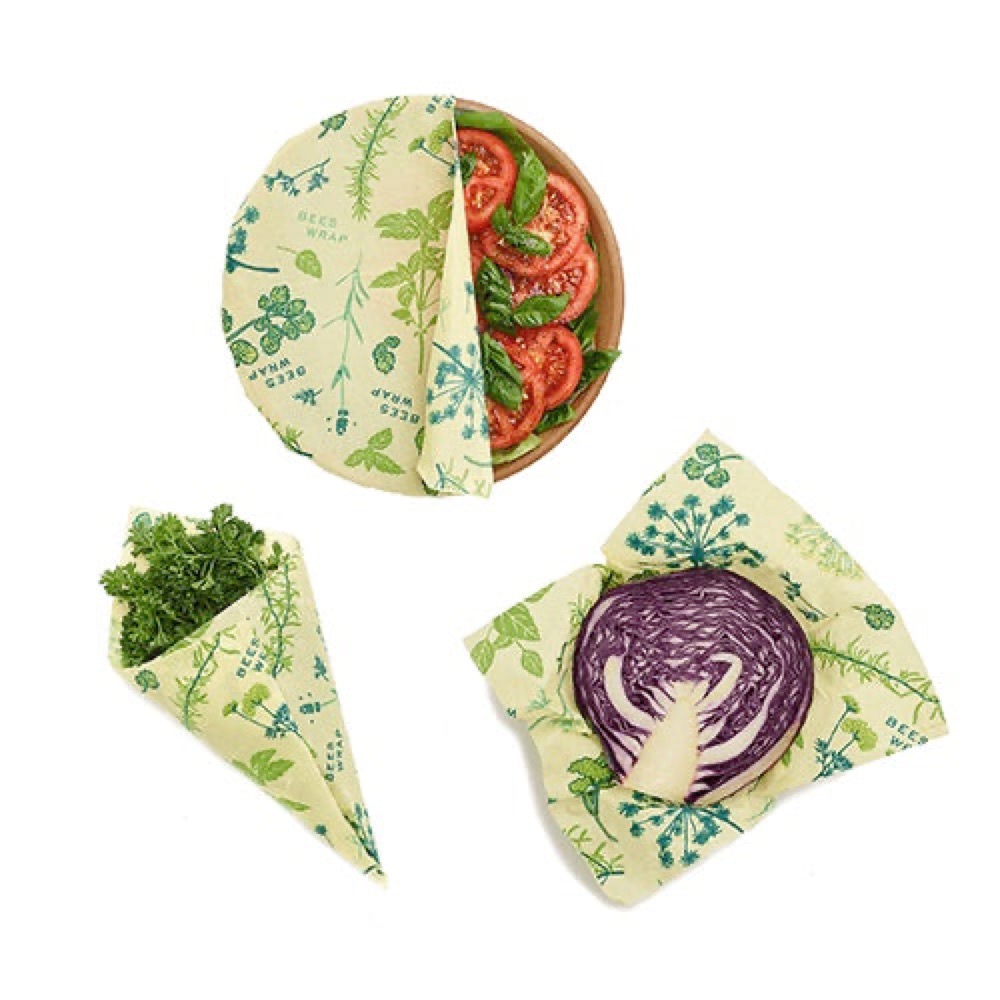 Best VeganBee's Wrap Vegan 3-Pack |
No Plastic100% Vegan |
Check price → |
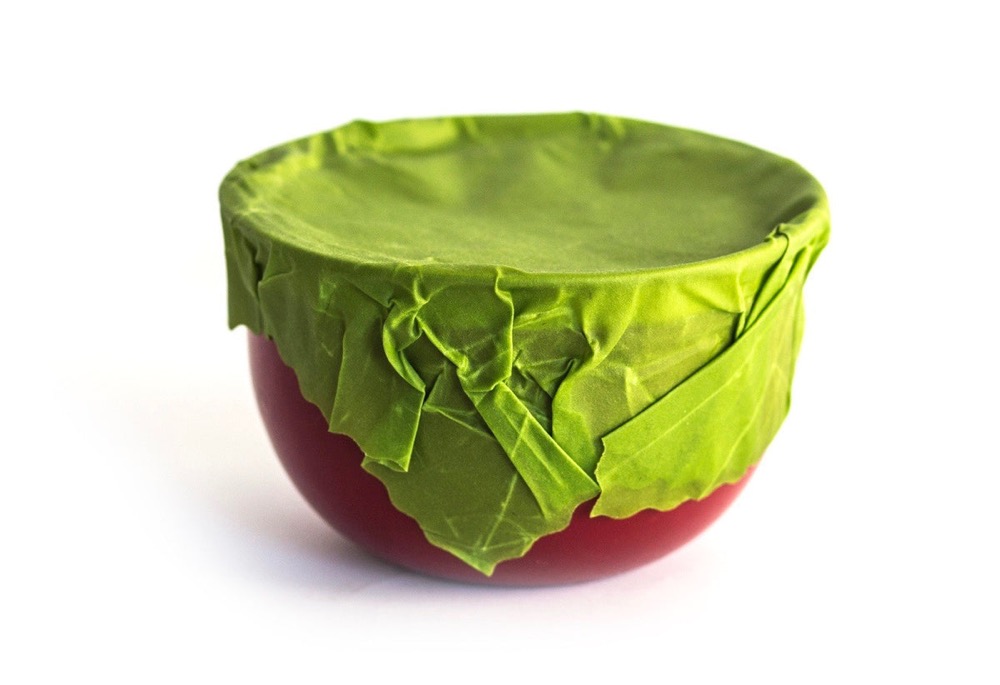 Best HandmadeEtee Beeswax Food Wraps |
No PlasticOrganic Cotton |
Check price → |
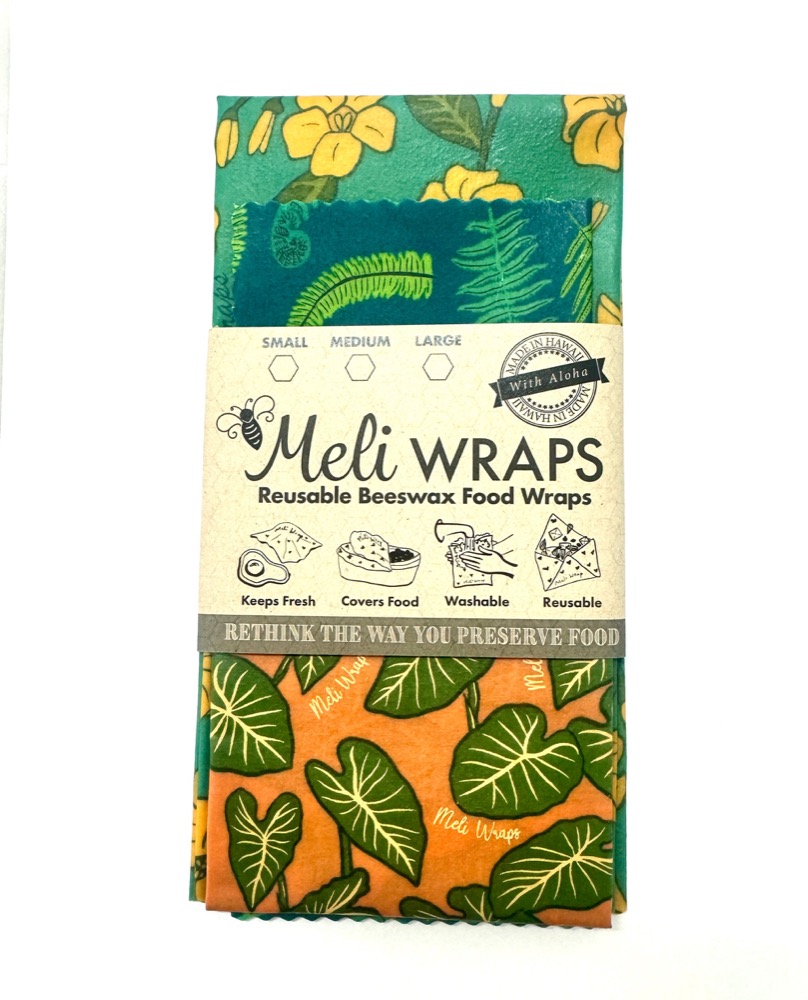 Best for Large ItemsMeli Wraps Beeswax Wraps |
No PlasticGOTS Organic Cotton |
Check price → |
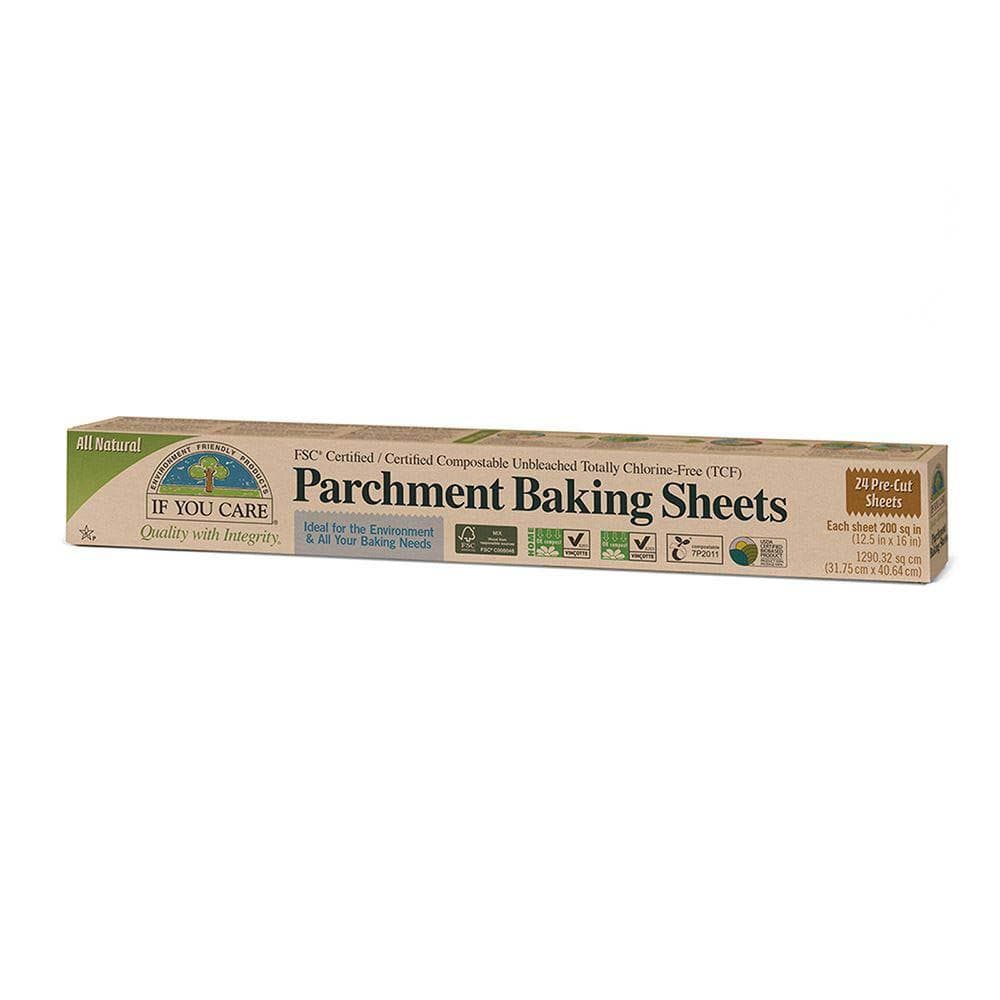 Best DisposableIf You Care Certified Parchment Paper |
No PlasticChlorine-Free |
Check price → |
The Plastic Wrap Problem
Plastic cling wrap comes in two main types: PVC (polyvinyl chloride) and LDPE (low-density polyethylene). Both present concerns, but for different reasons.
PVC cling wrap — still common in commercial food service and some retail brands — requires plasticizers to make it flexible. These plasticizers, often phthalates like DEHP and DEHA, are not chemically bonded to the plastic. They migrate out, especially into fatty, acidic, or hot foods. Multiple studies have measured phthalate levels in foods wrapped in PVC film that exceed recommended daily intake limits.
LDPE wraps avoid phthalates but still contain processing additives: slip agents, antioxidants, and stabilizers. While considered safer than PVC, LDPE is not inert. And any plastic wrap — regardless of type — contributes to the microplastic contamination of food through particle shedding during use, cutting, and disposal.
The simplest solution: stop wrapping food in plastic entirely. The alternatives are better than most people expect.
What to Look for in Non-Toxic Food Wraps
- Certified organic cotton base: GOTS certification ensures the fabric is free of synthetic pesticides and chemical finishes. This is the foundation of any beeswax or plant-wax wrap.
- Natural wax coating: Beeswax, candelilla wax, or soy wax. Avoid wraps that list "proprietary coating" without specifying ingredients.
- Tree resin for stickiness: Pine or damar resin gives wraps their cling. This is natural and food-safe.
- Jojoba oil for flexibility: Keeps the wrap pliable and extends lifespan. Some brands substitute coconut oil, which also works.
- No synthetic coatings or dyes: Some cheaper wraps use synthetic adhesives or non-food-safe inks for patterns. Look for brands that specify food-safe or plant-based dyes.
Quick Comparison
| Wrap | Price | Material | Reusable | Vegan | Best For |
|---|---|---|---|---|---|
| Bee's Wrap 3-Pack | $$ | Organic cotton, beeswax | Yes | No | Overall |
| Abeego Variety | $$ | Hemp/cotton, beeswax | Yes | No | Produce |
| Bee's Wrap Vegan | $$ | Cotton, candelilla wax | Yes | Yes | Vegan option |
| Etee Wraps | $$ | Organic cotton, beeswax | Yes | No | Handmade |
| Meli Wraps | $$ | GOTS cotton, beeswax | Yes | No | Large items |
| If You Care Parchment | $ | Unbleached paper, silicone | No | Yes | Disposable alt. |
Price guide: $ budget · $$ mid-range · $$$ premium. Tap any pick below for today's exact Amazon price.
Our Top Picks
Best Overall: Bee's Wrap Assorted 3-Pack
Best Overall
GOTS-certified organic cotton infused with sustainably sourced beeswax, organic jojoba oil, and tree resin. Three sizes (S, M, L) cover everything from a lemon half to a bowl of leftovers. The warmth of your hands molds the wrap to any shape, and the natural tackiness holds a seal. Lasts 8–12 months with proper care. Fully compostable at end of life. Bee's Wrap is a certified B Corp based in Vermont — the original mainstream beeswax wrap brand.
Bee's Wrap set the standard for beeswax food wraps. The GOTS-certified organic cotton base, combined with sustainably sourced beeswax and jojoba oil, delivers excellent cling and durability. Over a year, the cost per use is far below buying rolls of plastic cling wrap, and the brand's transparency about ingredients sets it apart from cheaper knockoffs that don't specify material origins.
Bee's Wrap is the category benchmark, and owners praise how it keeps produce, cheese, and bread fresh, saying "the cheese is as fresh as when I purchased it," that "They are strong, sticky (but not on your hands)," and that it has a "very minimal wax smell compared to other brands." The honest downsides: some had "trouble getting it to stick" and note the wax coating thins over months, it does not seal as tightly as plastic wrap so "Washing them isn't the most convenient thing in the world," and it stains with oily foods and is not for hot food or raw meat.
Replace hundreds of feet of plastic cling wrap with three reusable wraps that mold to any shape with the warmth of your hands.
Why it's safe: Just organic cotton, beeswax, jojoba oil, and tree resin — no PVC, no plasticizers, no phthalates, and no PFAS to migrate into fatty or warm food the way plastic wrap does.
Check Today’s Price on Amazon →Amazon prices change daily — tap to see today's price and any active discount.
- Free delivery & returns for Prime members
- America's #1-rated beeswax wrap brand
- Thousands of verified reviews
Best for Breathability: Abeego Beeswax Wraps Variety
Best for Produce
Hemp and cotton blend fabric coated with beeswax, tree resin, and jojoba oil. The key difference: Abeego's wraps are designed to be breathable rather than airtight. This mimics the way a natural rind works, allowing produce to stay fresh longer by letting it breathe while protecting it from drying out. Particularly excellent for wrapping cut avocados, halved lemons, herbs, and cheese. Made in Canada.
Most food wraps try to create an airtight seal. Abeego takes the opposite approach — the hemp/cotton blend is intentionally breathable. Cut avocados, cheese, and herbs stay fresher because moisture can escape rather than creating a trapped, humid environment that accelerates spoilage. The tradeoff: these wraps don't seal as tightly on bowls as Bee's Wrap.
Abeego is the original Canadian beeswax wrap, and owners like that "After a couple uses they become really easy to form to any shape you need" and that it genuinely replaces plastic, with one saying "I haven't bought plastic wrap in months." The honest downsides: the wraps "can be a bit stiff at first," cleaning is awkward because "you have to sort-of rest it on a hard surface" to wipe it and crumbs stick to the wrap, and it is a premium price with staining and durability that suffer in warm climates.
Keep avocados, cheese, herbs, and cut produce fresh for days longer by letting food breathe instead of suffocating it in plastic.
Why it's safe: A hemp-and-organic-cotton cloth coated only in beeswax, tree resin, and jojoba oil — no PVC, no plasticizers, and nothing that can leach into food the way phthalate-based cling film does.
Check Today’s Price on Amazon →Amazon prices change daily — tap to see today's price and any active discount.
- Free delivery & returns for Prime members
- The original breathable beeswax wrap
- Thousands of verified reviews
Best Plant-Based (Vegan): Bee's Wrap Vegan 3-Pack
Best Vegan
Bee's Wrap's vegan line uses candelilla wax (a plant wax from a shrub native to the southwest and Mexico) plus organic coconut oil, soy wax, and tree resin on a certified organic cotton base — no beeswax and no animal products of any kind. Three sizes (S, M, L) handle the same jobs as the classic wraps: cheese, bread, produce, and covering bowls. Handcrafted in Vermont, washable, reusable, and compostable at end of life.
For households that avoid animal products — or anyone with a bee allergy — this is the strongest mainstream vegan wrap available. Candelilla wax has water resistance and durability similar to beeswax, so cling and lifespan are close to the classic version. It made the list because it's a genuine plant-based swap from a brand with verifiable ingredient transparency, not a vague "proprietary coating."
The vegan version uses candelilla and soy wax instead of beeswax, and buyers pick it for the same look and mission as the original in a vegan household, using it for produce, cheese, and covering bowls. Honesty note: dedicated verbatim owner quotes are sparse for this version, so read it as lighter-evidence. The well-documented honest downside is a wax-type limitation: candelilla is "less sticky than beeswax," which "can make them feel stiffer and a bit more prone to brittleness, especially in cooler climates," so it "needs a gentler hand and a bit more warmth to mould effectively.
Get reusable, plastic-free food wrap with zero animal products — the same hand-moldable seal as beeswax, made entirely from plants.
Why it's safe: Organic cotton coated in candelilla plant wax, soy wax, coconut oil, and tree resin — no PVC, no phthalate plasticizers, and no PFAS, so nothing leaches into fatty or warm food the way plastic cling wrap does.
Check Today’s Price on Amazon →Amazon prices change daily — tap to see today's price and any active discount.
- Free delivery & returns for Prime members
- Certified vegan, plant-based wax
- Thousands of verified reviews
Best Handmade: Etee Beeswax Food Wraps
Best Handmade
Etee's wraps are handmade in Toronto using organic cotton muslin, certified organic beeswax, soy wax, coniferous tree resin, and organic jojoba oil, finished with non-toxic, eco-friendly dyes. Made in small batches with careful attention to wax distribution, they cling tightly to bowls and odd-shaped items and last up to a year with proper care. A variety pack covers small, medium, and large jobs — produce, cheese, sandwiches, and leftovers.
Etee represents the craft end of the wrap market. The hand-finished process gives more even wax coverage than many mass-produced alternatives, which translates to better cling and a longer lifespan. Buyers consistently single out the seal as tackier than competitors'. It's a strong pick for anyone who wants artisan quality and full ingredient transparency rather than a generic "proprietary coating."
Etee is often praised as thinner and tackier than competitors, with owners saying "Washing is easy, most of the time I just rinse them off with cold water," that "they clean up often with just a brushing," and reporting durability with "I have been using them for a year or so." The honest downsides: it cannot take heat, with one owner finding "the wax begun to come off the cloth and onto my hand" on a hot dish, it is "not for raw animal products," and the essential-oil scent bothers some, with wraps wearing thin under heavy use.
Get a small-batch, hand-finished wrap with a noticeably tackier seal — the cling that holds when cheaper wraps pop open.
Why it's safe: Organic cotton with organic beeswax, soy wax, tree resin, and jojoba oil — no PVC, no plasticizers, no PFAS, and no synthetic adhesives that could migrate into food.
Check Today’s Price on Amazon →Amazon prices change daily — tap to see today's price and any active discount.
- Free delivery & returns for Prime members
- Handmade in small batches
- Thousands of verified reviews
Best for Large Items: Meli Wraps Beeswax Wraps
Best for Large Items
Made in Hawaii using locally sourced Hawaiian beeswax, GOTS-certified organic cotton, and tree resin. Available in extra-large sizes (up to 17.5" x 21.5") that handle bread loaves, large melons, and casserole dishes — sizes most competitors don't offer. Hawaiian-inspired tropical prints. The beeswax is sourced from Hawaiian apiaries, supporting local beekeepers and pollinator health on the islands.
Meli Wraps fills a real gap: extra-large beeswax wraps. Most brands top out around 13" x 14", which isn't big enough for a loaf of bread or a large bowl. Meli's XL wraps handle these jobs easily. The Hawaiian beeswax sourcing is also a differentiator — supporting local apiaries rather than importing industrial beeswax — and quality is on par with the top picks.
Meli Wraps are handmade in Hawaii and owners praise the longevity, rated for "150 washes and 1-2 years depending on use," with a two-year tester saying "we can definitely vouch for this," and it seals fairly well, taking "a little squeezing, but it does form a fairly airtight lid." The honest downsides: it cracks with age, though you can refresh it by "putting it in the oven at low temperature for about 5 minutes," an imperfect seal leaks ("If you don't get the perfect seal, liquid will shoot out"), and it is slightly pricey and harder to find in stores.
Finally wrap a whole loaf of bread, a melon half, or a casserole dish in reusable cloth instead of unrolling sheet after sheet of plastic.
Why it's safe: GOTS organic cotton coated only in Hawaiian beeswax, tree resin, and jojoba oil — no PVC, no plasticizers, and no PFAS to leach into food, even on oily or warm items.
Check Today’s Price on Amazon →Amazon prices change daily — tap to see today's price and any active discount.
- Free delivery & returns for Prime members
- Handmade in Hawaii
- Thousands of verified reviews
Best Disposable Alternative: If You Care Certified Parchment Paper
Best Disposable
Unbleached, chlorine-free parchment paper with a thin silicone coating (silicone is not a plastic — it's a silica-based material). That silicone finish matters, because not every parchment uses one — some brands still coat their paper with Quilon instead, so it is worth checking whether your parchment paper is PFAS-free before you buy. FSC certified, meaning the paper comes from responsibly managed forests. Compostable after use. Works for wrapping sandwiches, lining baking sheets, and covering bowls. Not reusable like beeswax wraps, but a far safer single-use option than plastic cling film. Ideal for situations where beeswax wraps aren't practical — raw meat, hot foods, baking.
Not every situation calls for a reusable wrap. Raw meat needs to be discarded after contact, baking requires heat tolerance, and packing kids' lunches sometimes demands something disposable. If You Care parchment fills these gaps without introducing plastic chemicals. The silicone coating is food-safe and chemically inert, and it's the most affordable entry on this list — an easy first swap for anyone still using plastic cling wrap daily.
This compostable parchment earns near-universally positive reviews, with owners praising that "nothing sticks to it," that "pastry slides off easily even when burnt unlike other products," and that it performs "just as good as non-Eco alternatives" while going "in the compost bin so no waste to landfill," on a "generous roll, lasting longer than expected." The honest downsides are minor: one reviewer said the box cutting edge caused injury and was ineffective at cutting the paper, it can be "quite slippy" and needs securing on the tray, and the unbleached paper looks tan rather than white.
Swap plastic wrap and foil for one compostable roll that handles raw meat, hot food, and baking — the jobs reusable wraps can't.
Why it's safe: Unbleached, totally chlorine-free paper from FSC-certified forests with an inert silica-based silicone coating — no PVC, no phthalate plasticizers, and no PFAS grease-proofing chemicals found in many disposable food papers.
Check Today’s Price on Amazon →Amazon prices change daily — tap to see today's price and any active discount.
- Free delivery & returns for Prime members
- FSC-certified, compostable paper
- Thousands of verified reviews
Materials Guide
Beeswax Wraps
The most popular plastic wrap alternative. Made from cotton fabric coated in a blend of beeswax, tree resin, and jojoba oil. The warmth of your hands softens the wax, allowing the wrap to mold around food or over bowls. As it cools, it holds its shape and creates a gentle seal. Beeswax wraps are naturally antimicrobial, breathable, and compostable. They work well for cheese, bread, produce, sandwiches, and covering bowls. Limitations: cannot be used with raw meat (can't be sanitized at high temperatures), cannot go in the microwave or dishwasher, and the wax degrades over time.
Silicone Covers and Lids
Silicone stretch lids are another excellent plastic-free option for covering bowls, cups, cans, and cut produce. Silicone is not a plastic — it's a synthetic rubber derived from silica (sand). It's chemically inert, withstands temperatures from -40°F to 450°F, and doesn't leach chemicals. Silicone lids are dishwasher safe, microwave safe, and last for years. The limitation: they only work on containers with a rim or flat surface. They can't wrap odd-shaped items the way beeswax wraps or cling film can. For sealing and freezing food rather than just covering a bowl, reusable silicone food storage bags are the airtight counterpart to these lids — and a reusable stand-in for the throwaway plastic zip-top bags they replace.
Parchment Paper
Unbleached parchment paper coated with silicone is a safe single-use alternative to plastic wrap. Look for FSC-certified, chlorine-free options. Parchment handles high heat (up to 450°F), works with raw meat, and is compostable. The main drawback is that it's not reusable — but a roll of quality parchment paper replaces both plastic wrap and aluminum foil for many kitchen applications.
Many plastic wrap brands now advertise as "BPA-free." This is misleading. BPA was never the primary concern with cling wrap — phthalate plasticizers are. And even LDPE wraps that are both BPA-free and phthalate-free still contain processing additives (slip agents, antioxidants, UV stabilizers) that can migrate into food. "BPA-free" on a plastic wrap label addresses one chemical while ignoring dozens of others. The safest approach is to avoid plastic food wraps entirely.
"The best food wrap is the one that replaces plastic in your kitchen permanently. A single set of beeswax wraps eliminates an estimated 300+ feet of plastic cling wrap per year."
Want the Full Kitchen Detox Guide?
Food wraps are just one source of plastic exposure in the kitchen. The Complete Plasticproof Guide covers every swap — storage containers, cookware, cutting boards, and more — backed by 47+ studies.
Frequently Asked Questions
Yes. Beeswax wraps made from organic cotton, beeswax, jojoba oil, and tree resin are considered safe for direct food contact. They are free of plasticizers, BPA, phthalates, and synthetic chemicals. The wax creates a natural antimicrobial barrier. However, beeswax wraps should not be used with raw meat or fish due to the inability to sanitize them at high temperatures — the wax melts above 140°F (60°C).
With proper care, beeswax wraps typically last 8 to 12 months of regular use, or roughly 100–150 uses per wrap. Wash with cool water and mild soap (never hot water), air dry, and fold rather than crumple when storing. Refresh with a beeswax refresher bar or a brief stint in a low oven (150°F) on parchment paper when the wrap loses its stickiness. At end of life, beeswax wraps are fully compostable.
Traditional PVC-based cling wrap contains phthalate plasticizers (primarily DEHP and DEHA) that migrate into food, particularly fatty, oily, or heated foods. LDPE-based wraps avoid phthalates but still contain slip agents, antioxidants, and other processing additives. Even "BPA-free" plastic wraps may contain BPS, BPF, or other bisphenol alternatives with similar endocrine-disrupting properties.
Silicone food covers are an excellent plastic-free alternative. Silicone is a synthetic rubber derived from silica (sand), not a petroleum-based plastic. It is chemically inert, safe for temperatures from -40°F to 450°F, and dishwasher safe. The main limitation is that silicone lids only work on containers with a rim — they cannot wrap irregularly shaped items the way beeswax wraps or cling film can.
Freezer: yes. Beeswax wraps work well in the freezer for wrapping bread, cheese, vegetables, and other items for short-term storage. Microwave: no. The heat will melt the beeswax coating and ruin the wrap. For microwave covering, use a ceramic plate, glass lid, or silicone cover instead. Beeswax wraps should also never be used in conventional ovens or with hot foods straight from the stove.
Beeswax wraps and plant-wax wraps are the most eco-friendly options because they are made from renewable, biodegradable materials and are fully compostable at end of life. A single set of beeswax wraps can replace an estimated 300+ feet of plastic cling wrap over its lifespan. For a vegan option, plant-based wax wraps (like Etee) use candelilla or soy wax instead of beeswax and are equally compostable.
Sources
- Cao XL. "Phthalate esters in foods: sources, occurrence, and analytical methods." Comprehensive Reviews in Food Science and Food Safety, 2010.
- Fasano E, et al. "Migration of phthalates, alkylphenols, bisphenol A and di(2-ethylhexyl)adipate from food packaging." Food Control, 2012.
- Serrano SE, et al. "Phthalates and diet: a review of the food monitoring and epidemiology data." Environmental Health, 2014.
- FDA. "Food Contact Substances: Plasticizers." Code of Federal Regulations Title 21.
- Schecter A, et al. "Phthalate concentrations and dietary exposure from food purchased in New York State." Environmental Health Perspectives, 2013.
- Thompson RC, et al. "Plastics, the environment and human health." Philosophical Transactions of the Royal Society B, 2009.
- European Food Safety Authority (EFSA). "Scientific opinion on the risks to public health related to the presence of DEHP in food." EFSA Journal, 2019.
Protect Every Room in Your Home
From the kitchen to the nursery — the Complete Plasticproof Guide covers every swap that matters, backed by 47+ studies.