
Every time a child takes a sip from a plastic water bottle, they are ingesting microplastic particles. A landmark 2024 study published in Proceedings of the National Academy of Sciences found an average of 240,000 nanoplastic particles per liter of bottled water — particles small enough to cross cell membranes and enter the bloodstream. For children, the stakes are higher: smaller body weight means higher dose-per-kilogram, and developing organ systems — particularly the endocrine and nervous systems — are more susceptible to disruption from plastic-associated chemicals.
The "BPA-free" label that appears on most children's plastic bottles is not the reassurance it appears to be. Manufacturers typically substitute BPA with BPS (bisphenol S) or BPF (bisphenol F), compounds that a 2020 study in Environmental Health Perspectives found to have endocrine-disrupting activity comparable to BPA itself. The only way to fully eliminate plastic leaching is to switch to a non-plastic bottle material: stainless steel or glass.
This guide covers the six best plastic-free water bottles for kids in 2026, spanning stainless steel and borosilicate glass options for ages infant through school-age. Every recommendation has been evaluated for material safety, durability, ease of cleaning, and real-world kid-friendliness.
Compare all 6 picks
Every pick side by side — tap a name to jump to the full review, or check today's price.
| Pick | Rating | Why it wins | |
|---|---|---|---|
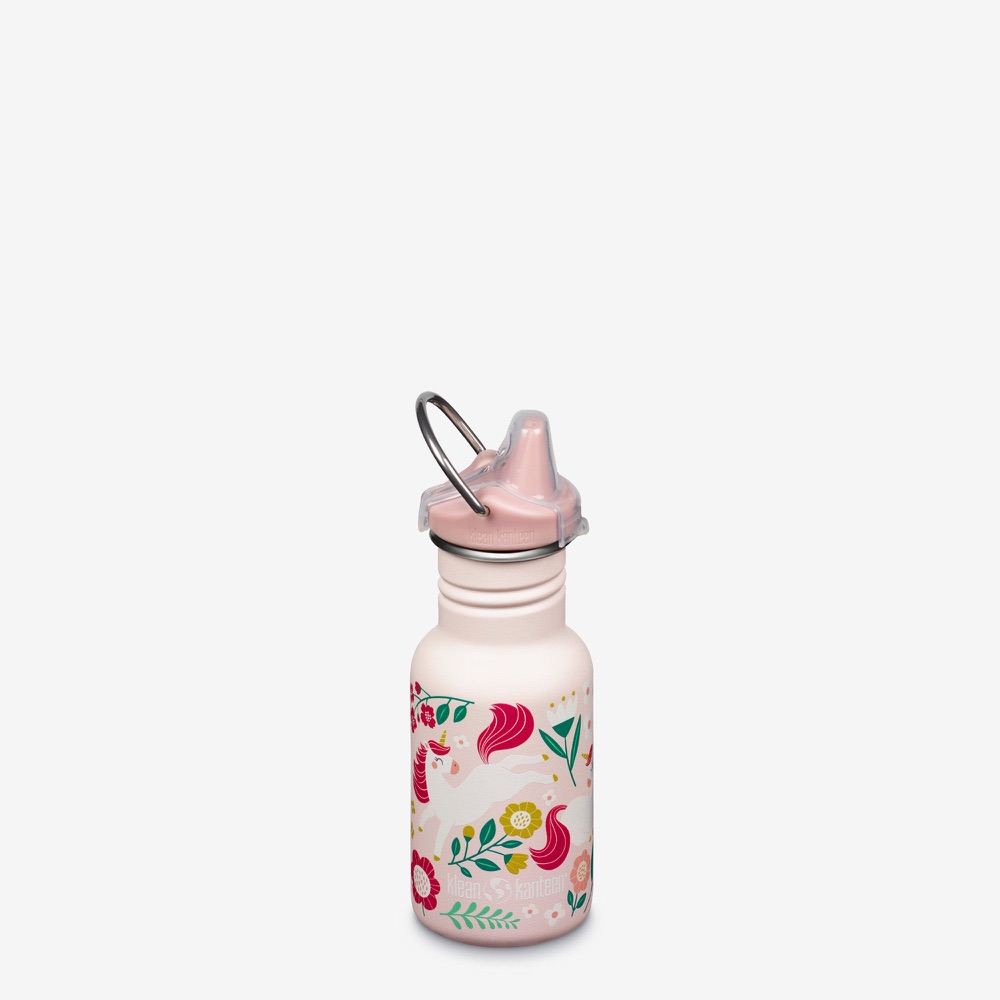 Best OverallKlean Kanteen Kid Classic 12oz |
4.6out of 5 | 18/8 Stainless SteelCertified B Corp |
Check price → |
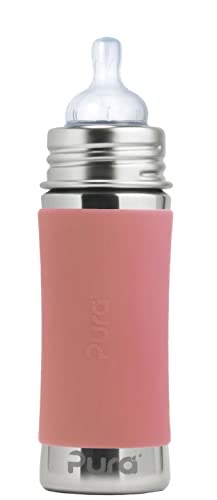 Best for BabiesPura Kiki Stainless Steel Infant/Toddler Bottle |
4.4out of 5 | 100% Plastic-FreeMADE SAFE Certified |
Check price → |
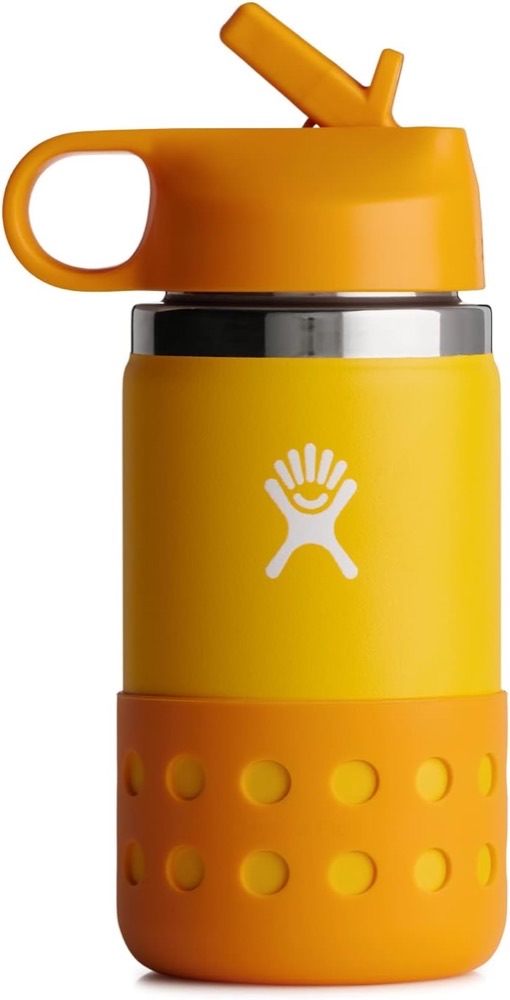 Best InsulatedHydro Flask Kids Wide Mouth 12oz |
4.7out of 5 | 18/8 Stainless SteelVacuum Insulated |
Check price → |
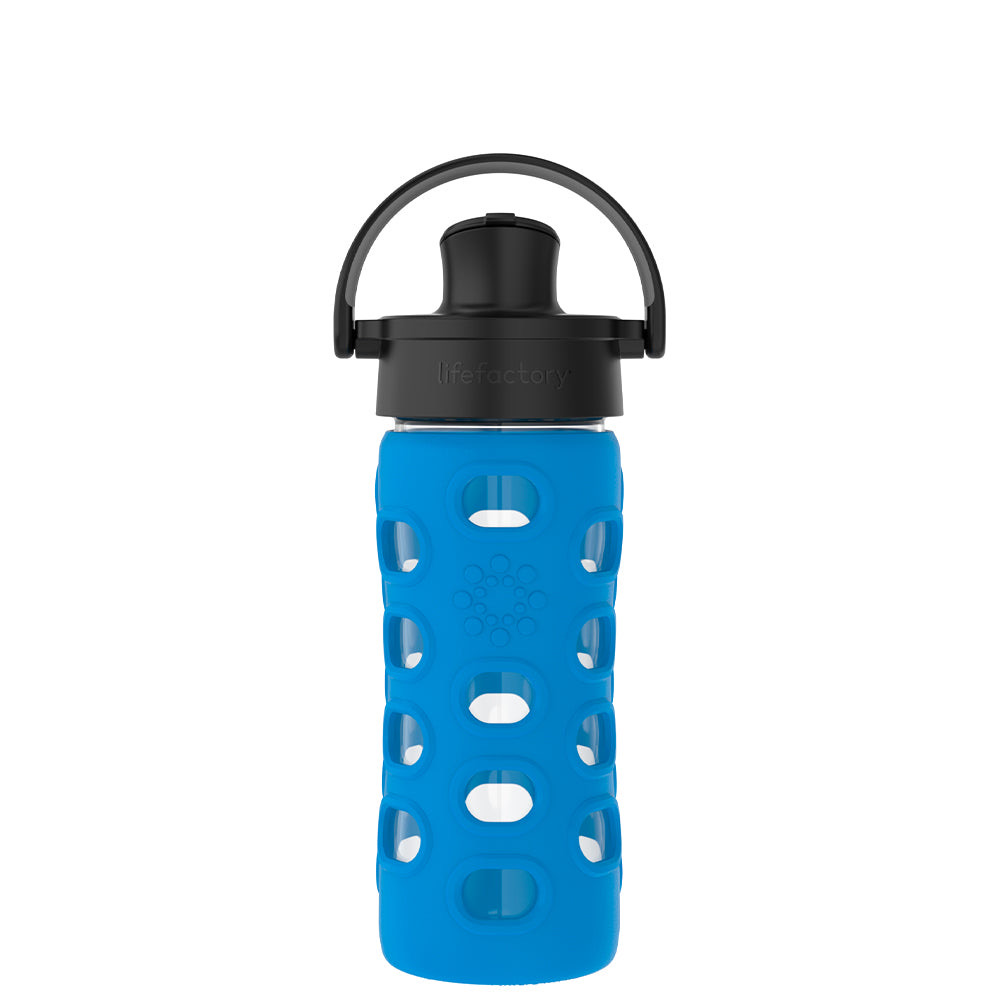 Best Glass OptionLifefactory 12oz Glass Water Bottle with Silicone Sleeve |
4.4out of 5 | Glass — Zero LeachingProtective Silicone Sleeve |
Check price → |
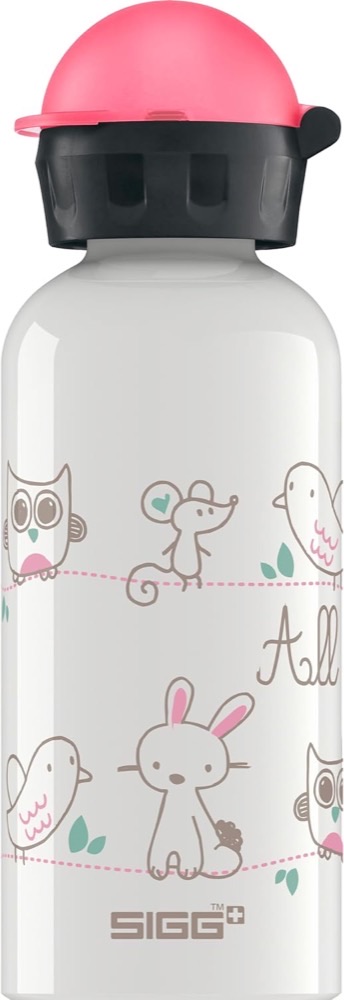 Most LightweightSIGG Kids Aluminum Water Bottle (KBT) |
4.3out of 5 | Swiss MadeUltra-Light (~3.5 oz) |
Check price → |
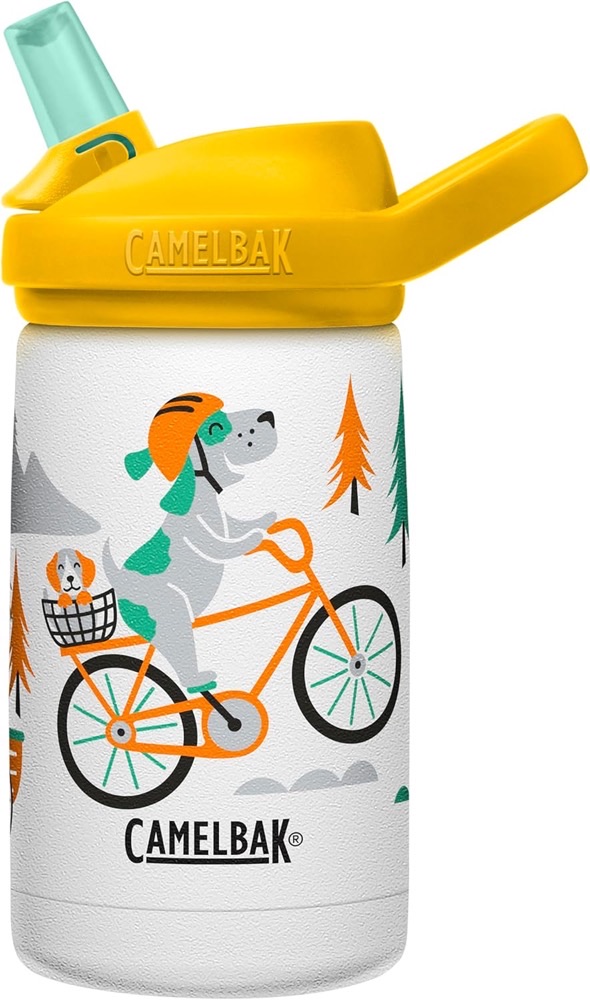 Best Straw LidCamelBak Eddy+ Kids Stainless Steel |
4.5out of 5 | Stainless Steel BodySpill-Proof Lock |
Check price → |
Quick Picks: Best Plastic-Free Kids' Water Bottles at a Glance
Our Top 6 Picks
| Pick | Product | Price | Best For |
|---|---|---|---|
| Best Overall | Klean Kanteen Kid Classic 12oz | $$ | Everyday school & play use |
| Best for Babies | Pura Kiki Stainless Steel | $ | Infants & toddlers (grows with child) |
| Best Insulated | Hydro Flask Kids Wide Mouth 12oz | $$$ | Cold drinks all day, active kids |
| Best Glass | Lifefactory 12oz Glass Water Bottle | $$ | Older kids who prefer glass |
| Most Lightweight | SIGG Kids Aluminum Water Bottle | $$ | Lightweight for younger kids & travel |
| Best Straw Lid | CamelBak Eddy+ Kids Stainless Steel | $$$ | Spill-proof straw for mess-free hydration |
Price guide: $ under $20 · $$ $20–$30 · $$$ $30+. Tap any bottle to check today's exact Amazon price.
Why Plastic Water Bottles Are a Problem for Kids
Understanding the risk helps inform the switch. Plastic water bottles present three distinct exposure pathways for children:
Stop Microplastic ingestion
All plastic bottles — including polycarbonate, Tritan, polypropylene, and HDPE — release microplastic and nanoplastic particles into the liquid they contain. Heat accelerates this process significantly. A bottle left in a car, a warm lunchbox, or direct sunlight can release orders of magnitude more particles than one stored cool. Children who carry plastic water bottles to school, sports practice, and outdoor activities are exposed to the highest-leaching conditions daily. Refilling a single-use bottle for the week is a common shortcut, but plastic water bottles are not safe to reuse — scratches and repeated use accelerate particle shedding.
Stop Chemical leaching
Beyond the physical plastic particles, plastic bottles leach chemical additives — plasticizers, UV stabilizers, antioxidants, and colorants. Many of these are endocrine disruptors, meaning they interfere with hormonal signaling even at very low concentrations. Children are particularly vulnerable because their endocrine systems are still developing and calibrating. The "safe" thresholds established by regulators are based largely on adult body weight and metabolism.
Stop The BPA-free trap
When BPA was identified as an endocrine disruptor and removed from many children's products, manufacturers switched to chemically similar alternatives. BPS and BPF are now the most common replacements — and peer-reviewed research consistently shows they carry similar risks. A 2023 meta-analysis in Environmental Research concluded that "regrettable substitution" of BPA with other bisphenols has not reduced the estrogenic activity of plastic consumer products. The safest approach is to avoid all plastic bottle materials entirely.
"Regrettable substitution — replacing one harmful chemical with a structurally similar one — means that 'BPA-free' labels do not guarantee safety. The only reliable elimination strategy is to remove the plastic contact surface entirely."
The 6 Best Plastic-Free Water Bottles for Kids
Each of the following bottles has been selected based on material safety (no plastic contact with water), kid-appropriate design, durability, and ease of cleaning. Where a bottle includes a plastic or silicone lid component, this is noted — the critical factor is that the water-contact surface is non-plastic.
1. Klean Kanteen Kid Classic 12oz — Best Overall
Best Overall
Parents value this single-wall steel bottle as a "relatively leak-proof" everyday cup where "the narrow neck makes it easy for little ones to grip," and note "this bottle can be in your life for many years" through repeated drops, with interchangeable spouts that grow with the child. The honest downsides: reviewers flag it as "heavier than many of the cups," that "it isn't truly leak-proof" and "leaks when upside down," that "the shape of the bottle makes it harder to get thoroughly clean," and that it is "one of the more expensive options," with the non-insulated Classic version sweating with cold drinks.
One bottle that works from the preschool cubby through fifth grade — light enough to carry, tough enough to survive being dropped on asphalt every single day.
Why it's safe: An electropolished 18/8 stainless steel interior with no plastic liner means zero microplastic or BPA/BPS leaching into your child's water. The only plastic is the BPA-free cap, which never sits submerged.
Check Today's Price on Amazon →Amazon prices change daily — tap to see today's price and any active discount.
- Free delivery & returns for Prime members
- Amazon A-to-z purchase guarantee
The Klean Kanteen Kid Classic is the most reliable all-around pick. The single-wall design keeps it light enough for even young children to carry, and the electropolished interior means water touches only stainless steel — no plastic liner, no coating. The sport cap uses a silicone spout rather than a hard plastic bite valve, and the cap itself is BPA-free polypropylene (the only plastic component, and it does not sit submerged in the liquid). For families looking for one bottle that works from preschool through elementary school, this is it.
2. Pura Kiki Stainless Steel Infant/Toddler Bottle — Best for Babies
Best for Babies
This is the plastic-free standout, and testers put it plainly: "The Kiki has NO PLASTIC, none, zilch, anywhere," adding "This cup really doesn't leak" and "is easy to clean and appears to wash cleaner than plastic, with no residue," and the same steel body converts from infant nipple to toddler spout to straw. The honest downsides: "It is the most expensive sippy in this review," the "super grippy silicone sleeve" is "difficult to get on and off" and "can get gross under there" if left on too long, and a flat sealing disc must be seated or it leaks (an easy part to forget).
Buy it once at the newborn stage and it grows with your child for years — just swap the silicone top from nipple to sippy spout to straw instead of buying a whole new bottle.
Why it's safe: The only system where every single part is plastic-free — #304 stainless steel body and medical-grade silicone nipples, spouts and straws (the same purity used in medical implants). MADE SAFE certified against thousands of harmful chemicals.
Check Today's Price on Amazon →Amazon prices change daily — tap to see today's price and any active discount.
- Free delivery & returns for Prime members
- Amazon A-to-z purchase guarantee
Pura Kiki is the gold standard for families seeking complete plastic elimination from birth. It is the only infant bottle system where every single component is plastic-free — stainless steel body, medical-grade silicone nipples and spouts, silicone travel covers. The modular system means you buy the bottle once and simply swap the top as your child grows: slow-flow nipple for infants, sippy spout for toddlers, sport top for older kids. It is also one of the most affordable options on this list. For families concerned about baby bottle safety, Pura Kiki sets the benchmark.
3. Hydro Flask Kids Wide Mouth 12oz — Best Insulated
Best Insulated
Parents love the cold retention and the protective build, saying "it keeps her water cold for 6hrs," "keeps ice cold for more than 24hrs," and it "never sweats or leaks," while the hard straw means a toddler "can't bite through it" and the silicone "bumper on the bottom" survives the drops. The honest downsides: quality control on the straw lid is inconsistent, with some reporting it "leaks very badly even when properly closed" and straws that "have cracked, and even replacement straws" cracking too; it is also "a little heavy for her (15 months)" for the youngest kids, and the straw and lid are plastic and silicone, so it is low-plastic rather than plastic-free.
Cold water at 3pm is water kids actually drink — and an insulated steel bottle never hits the heat that makes plastic bottles leach faster in a hot car or a sunny lunchbox.
Why it's safe: The entire water-contact interior is 18/8 stainless steel — no plastic liner, no BPA. The straw lid is BPA- and phthalate-free, and the powder-coated body shrugs off the drops that crack plastic bottles.
Check Today's Price on Amazon →Amazon prices change daily — tap to see today's price and any active discount.
- Free delivery & returns for Prime members
- Amazon A-to-z purchase guarantee
For active kids, especially those in sports or warm climates, insulation matters. Water that stays cold all day is water kids actually drink — and it avoids the heat-accelerated microplastic leaching that occurs in plastic bottles left in the sun. The Hydro Flask Kids model uses the same professional-grade TempShield insulation as their adult bottles, scaled down to a kid-friendly 12oz size. The double-wall vacuum design means the exterior stays dry (no condensation dripping into lunch boxes), and the powder-coated finish provides a non-slip grip that survives drops onto gym floors and playground asphalt. The straw lid includes BPA-free plastic components, but the water-contact interior is entirely stainless steel.
4. Lifefactory 12oz Glass Water Bottle — Best Glass Option
Best Glass Option
Parents who want glass over steel like that the silicone sleeve "has prevented the bottle from shattering or cracking after being dropped a couple of times," that it is "well constructed, doesn't leak, and is easy to wash," and that glass gives a "pure taste" with no metallic or plastic flavor. The honest downsides: it "feels a little heavier and bulkier than the Klean Kanteen," several report cross-threading the cap into "a crooked and non-leakproof fit," reviewers say "every Lifefactory cap but the original/classic one leaks," and the cap itself is polypropylene, so it is low-plastic rather than plastic-free.
If you want the single most inert material your child can drink from, this is it — glass leaches nothing at all, and the thick sleeve keeps it from shattering on the kitchen floor.
Why it's safe: Pure glass is the only bottle material that leaches zero plastic particles and zero metals — no liner, no coating. The protective silicone sleeve grips small hands and cushions drops.
Check Today's Price on Amazon →Amazon prices change daily — tap to see today's price and any active discount.
- Free delivery & returns for Prime members
- Amazon A-to-z purchase guarantee
For families who prefer glass over metal, Lifefactory offers the best-engineered glass bottle for kids. Borosilicate glass is significantly more durable and thermal-shock-resistant than standard soda-lime glass — it will not shatter from temperature changes and handles everyday drops well, especially with the thick silicone sleeve. Glass has one key advantage over stainless steel: complete chemical inertness. It does not leach anything, period — no metals, no coatings, nothing. The tradeoff is weight: at 12oz capacity, glass is heavier than a comparably sized stainless steel option, which is why Plasticproof recommends it for children ages 4 and up who can manage the extra weight comfortably.
5. SIGG Kids Aluminum Water Bottle — Most Lightweight
Most Lightweight
Owners like that the aluminum gives "a cleaner fresher taste for water... versus a plastic sippy cup," and report it "survived drops on tile, wooden, and carpeted flooring with only one small dent" with durable paint. The important honest caveat for a plastic-free roundup: a bare aluminum bottle cannot safely hold acidic drinks, so SIGG lines the interior with a baked-on epoxy-type resin coating, which is BPA-free but still a plastic-type liner, so it does not sit in the same no-plastic tier as the all-steel bottles; aluminum also dents easily and the sport cap is a plastic drinking part.
At about 3.5 oz empty it barely registers in a backpack — the easiest "yes" for younger kids and long days when every ounce of weight matters.
Why it's safe: A seamless aluminum body with SIGG's BPA- and BPS-free EcoCare liner, independently tested against leaching. Note it's a coating, not bare steel — families wanting pure metal-to-water contact should pick the Klean Kanteen or Pura Kiki.
Check Today's Price on Amazon →Amazon prices change daily — tap to see today's price and any active discount.
- Free delivery & returns for Prime members
- Amazon A-to-z purchase guarantee
The SIGG bottle stands out for its featherweight construction. At roughly 3.5 oz empty, it is the lightest option on this list — a meaningful advantage for younger children or for keeping backpack weight down. The aluminum body is formed from a single piece of metal (no seams or welds where contaminants could collect), and the EcoCare interior liner is certified free of BPA, BPS, and phthalates. One important note: while the SIGG liner is extensively tested and considered safe, it is a coating rather than bare metal. Families seeking the absolute purest metal-to-water contact may prefer the Klean Kanteen or Pura Kiki. But for everyday school and travel use where weight is a priority, the SIGG is an excellent choice.
6. CamelBak Eddy+ Kids Stainless Steel — Best Straw Lid
Best Straw Lid
Parents call it "the best water bottle" that "doesn't leak, keeps water cool, and can withstand tumbles," praising the flip-up bite valve that is spill-proof when open and leak-proof when closed, plus a dishwasher-safe cap and vacuum insulation. The honest downsides: "if he bites the valve with his teeth or pulls up on it... it will leak," some owners' bottles "periodically leaked" even after "replacing the plastic straw pieces," it "dents very easily when dropped," and the steel body carries a plastic cap and a silicone bite valve on a plastic straw, so it is low-plastic, not plastic-free.
The lid locks closed, so it rides in a backpack all morning without soaking the books — and the straw means no tilting, fewer spills, and a kid who actually drinks.
Why it's safe: Unlike the all-plastic Eddy+, this version has a stainless steel body, so the bulk of the water never touches plastic. The straw and bite valve are BPA-, BPS- and BPF-free — a far smaller plastic contact area than a plastic bottle.
Check Today's Price on Amazon →Amazon prices change daily — tap to see today's price and any active discount.
- Free delivery & returns for Prime members
- Amazon A-to-z purchase guarantee
Some kids strongly prefer drinking through a straw — and for younger children, a straw lid can significantly reduce spills. The CamelBak Eddy+ Kids Stainless Steel combines a stainless steel body (water-contact surface is all metal) with CamelBak's well-proven bite-valve straw mechanism. The key differentiator from the plastic Eddy+ (which Plasticproof does not recommend) is the stainless steel body, which eliminates the microplastic leaching pathway for the bulk of the water volume. The straw and bite valve are BPA/BPS/BPF-free silicone and plastic — the only plastic components, and they represent a much smaller contact surface area than an all-plastic bottle. The spill-proof lid lock is a genuine advantage for backpack and lunch box use.
What About Sippy Cups for Younger Children?
For toddlers who are not yet ready for a standard water bottle, the same material principles apply: stainless steel and silicone are safer than plastic. Plasticproof has a dedicated guide to the best microplastic-free sippy cups for 2026 that covers transition cups, trainer cups, and 360-degree cups — all in non-plastic materials. The Pura Kiki bottle listed above also serves as an excellent sippy cup with its interchangeable silicone spout attachment.
How to Choose: Stainless Steel vs. Glass vs. Aluminum
All three materials are dramatically safer than plastic. The choice between them comes down to your child's age, activity level, and personal preference:
- Stainless steel (18/8 food-grade) — The most versatile choice. Durable, lightweight relative to glass, no risk of shattering. Safe for all ages. The Klean Kanteen and Pura Kiki are unlined, meaning water touches only bare stainless steel.
- Glass (borosilicate) — The most chemically inert material available. Zero leaching of any kind. Heavier than steel, and there is always some breakage risk despite silicone sleeves. Best for older kids (4+) and home or classroom use.
- Aluminum (with BPA/BPS-free liner) — Lightest option. The interior liner is a coating, not bare metal, which is a minor tradeoff. Best for weight-sensitive situations — young kids, long hikes, travel.
For most families, Plasticproof recommends starting with stainless steel. It offers the best balance of safety, durability, and practicality. For a deeper look at stainless steel bottle options across all age ranges, see the full best stainless steel water bottles guide.
Do not rely on plastic bottles labeled "BPA-free," "Tritan," or "shatter-proof" as safe alternatives. These are still plastic and still leach microplastics and chemical additives into water. Also avoid unbranded stainless steel bottles from unverified sellers — low-quality steel may contain higher levels of nickel or chromium. Stick to established brands that publish their steel grade (look for 18/8 or 304 stainless steel).
Tips for Making the Switch
Transitioning a child from a plastic bottle to stainless steel or glass is straightforward with a few practical considerations:
- Let your child pick the color or design. Every bottle on this list comes in kid-friendly colors. Children who choose their own bottle are significantly more likely to use it consistently.
- Start with a straw lid if your child resists. The CamelBak Eddy+ or Pura Kiki straw top mimics the feel of a plastic bottle more closely, easing the transition.
- Label it clearly. Stainless steel bottles can look similar. A waterproof label or silicone band with the child's name prevents mix-ups at school.
- Practice opening and closing at home first. Some lids require more coordination than plastic flip-tops. A few days of practice before the first school day eliminates frustration.
- Clean the straw mechanism weekly. This is the most common maintenance oversight. Disassemble straw lids and scrub with a straw brush to prevent mold — a 2-minute task that keeps the bottle hygienic.
The Bottom Line
Plastic water bottles leach microplastics and endocrine-disrupting chemicals into water, and children are disproportionately affected by this exposure. The "BPA-free" label does not solve the problem — it simply shifts it to other bisphenol compounds with similar risks. Stainless steel and glass are the only bottle materials that eliminate plastic leaching entirely.
The six bottles in this guide cover every use case from newborn to school-age, from lunchbox to sports field. The Klean Kanteen Kid Classic is the best all-around choice for most families. The Pura Kiki is unmatched for infants and toddlers. And the Hydro Flask Kids is the pick for active kids who need all-day cold drinks. Every option here is an affordable, one-time investment that eliminates a daily microplastic exposure pathway for years.
Want the Full Family Protection Guide?
The Complete Plasticproof Guide covers every room in your home — kitchen, nursery, bathroom, bedroom — with the full research and complete swap list. 47+ peer-reviewed studies, 80+ product recommendations.
Frequently Asked Questions
Most children can begin using a stainless steel water bottle with a sippy-style spout or straw lid around 12 months of age. Brands like Pura Kiki are specifically designed to grow with a child from infancy through toddlerhood by offering interchangeable nipples, sippy spouts, and sport caps — all made from medical-grade silicone. For bottles with open-mouth lids or heavier insulated designs (like the Hydro Flask Kids), ages 3 and up are generally more appropriate, as the child needs the grip strength and coordination to handle the weight. Always supervise young children with any bottle that has small removable parts.
Not necessarily. "BPA-free" means the bottle does not contain bisphenol A, but manufacturers typically substitute it with other bisphenols — most commonly BPS (bisphenol S) or BPF (bisphenol F). A 2020 study in Environmental Health Perspectives found that BPS and BPF exhibit endocrine-disrupting activity similar to BPA. Additionally, all plastic water bottles — regardless of BPA status — leach microplastics into water, especially when exposed to heat, sunlight, or repeated use. A 2024 study in Proceedings of the National Academy of Sciences detected an average of 240,000 nanoplastic particles per liter in bottled water. Stainless steel and glass are the only bottle materials that do not leach plastic particles.
High-quality food-grade stainless steel (304 or 18/8 grade) is considered one of the safest materials for food and beverage contact. Studies show that leaching of chromium and nickel from 18/8 stainless steel into water is negligible under normal use conditions — well below safety thresholds set by the WHO and FDA. Acidic beverages (like juice or lemon water) can increase trace metal leaching slightly, but levels remain far below those considered harmful. The key is to choose reputable brands that use food-grade 18/8 stainless steel and to avoid unbranded, unverified imports where steel quality may be inconsistent.
Food-grade and medical-grade silicone is generally considered safe. Unlike plastic, silicone is made from silica (sand) rather than petroleum. It does not contain BPA, BPS, phthalates, or other known endocrine disruptors. It is heat-stable, meaning it does not break down or leach chemicals at the temperatures encountered in normal bottle use. Medical-grade silicone (used by brands like Pura Kiki) is the highest purity available and is the same material used in medical implants. Silicone spouts, straws, and sealing rings on stainless steel bottles are a safe alternative to plastic components.
Most stainless steel kids' water bottles are dishwasher safe (check manufacturer instructions — insulated bottles sometimes require hand washing for the body). For daily cleaning: wash with warm water, a drop of dish soap, and a bottle brush. For deep cleaning: fill with a mixture of warm water and one tablespoon of white vinegar or baking soda, let soak for 15 minutes, then scrub and rinse thoroughly. Pay special attention to straw mechanisms and silicone valves — these should be disassembled and cleaned separately at least once a week to prevent mold buildup. A small straw-cleaning brush (included with many kids' bottles) is essential for thorough cleaning.
Sources
- Qian N, Gao X, Lang X, et al. "Rapid single-particle chemical imaging of nanoplastics by SRS microscopy." Proceedings of the National Academy of Sciences, 2024.
- Pelch KE, et al. "Endocrine-disrupting chemicals (EDCs) in mammals." Environmental Health Perspectives, 2020.
- Rochester JR, Bolden AL. "Bisphenol S and F: A Systematic Review and Comparison of the Hormonal Activity of Bisphenol A Substitutes." Environmental Health Perspectives, 2015.
- Zimmermann L, et al. "Benchmarking the in Vitro Toxicity and Chemical Composition of Plastic Consumer Products." Environmental Science & Technology, 2019.
- Jenner LC, et al. "Detection of microplastics in human lung tissue using μFTIR spectroscopy." Environment International, 2022.
- Hermabessiere L, et al. "Occurrence and effects of plastic additives on marine environments and organisms: A review." Chemosphere, 2017.
- Cox KD, et al. "Human Consumption of Microplastics." Environmental Science & Technology, 2019.
- WHO. "Microplastics in drinking-water." World Health Organization Technical Report, 2019.
- Geyer R, Jambeck JR, Law KL. "Production, use, and fate of all plastics ever made." Science Advances, 2017.
Protect Every Room in Your Home
From water bottles to sippy cups to kitchen storage — the Complete Plasticproof Guide covers every swap that matters, backed by 47+ studies.