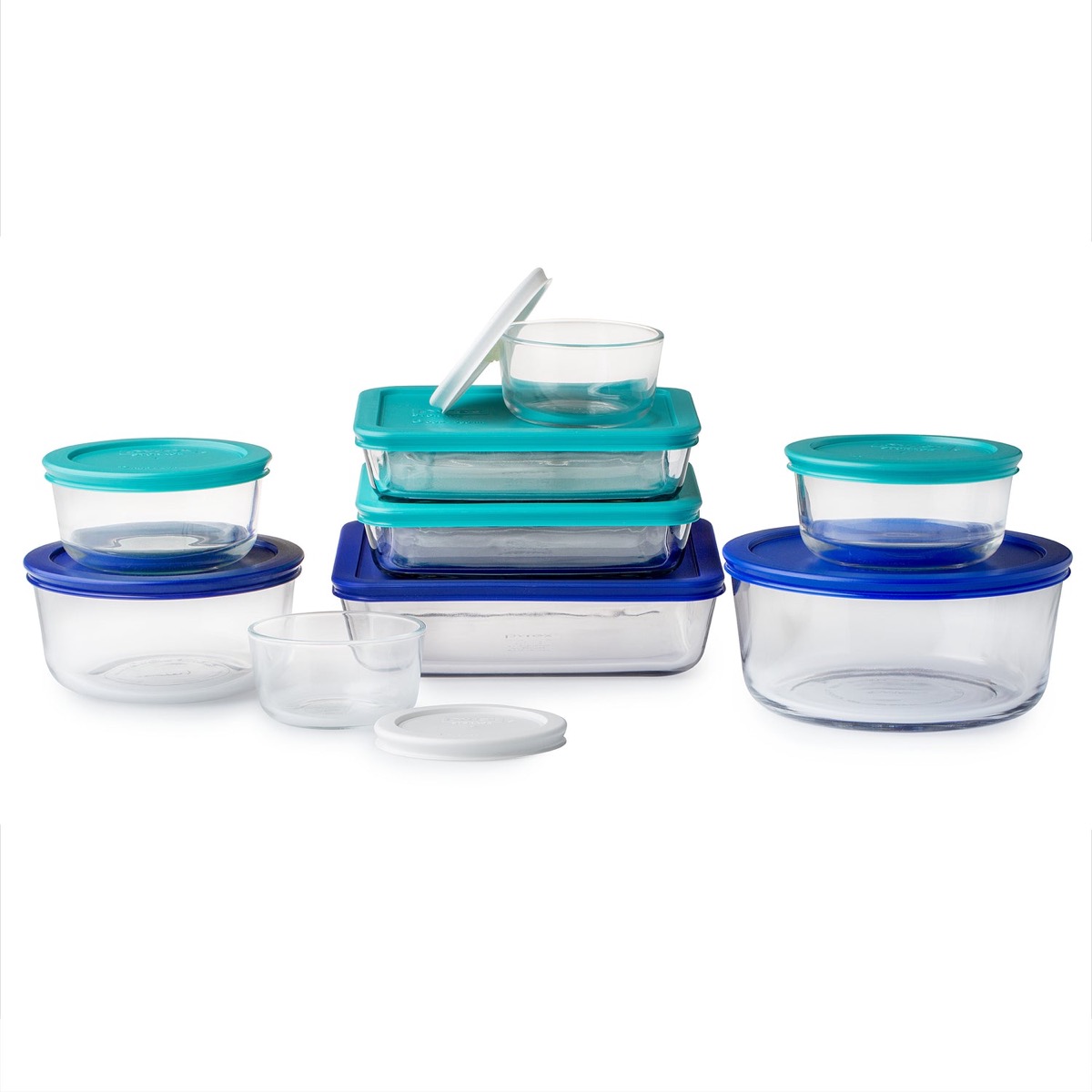
Pyrex
Borosilicate glass is chemically inert — no microplastics leach into food, even when heated in the microwave or dishwasher.
$$$Our price tier
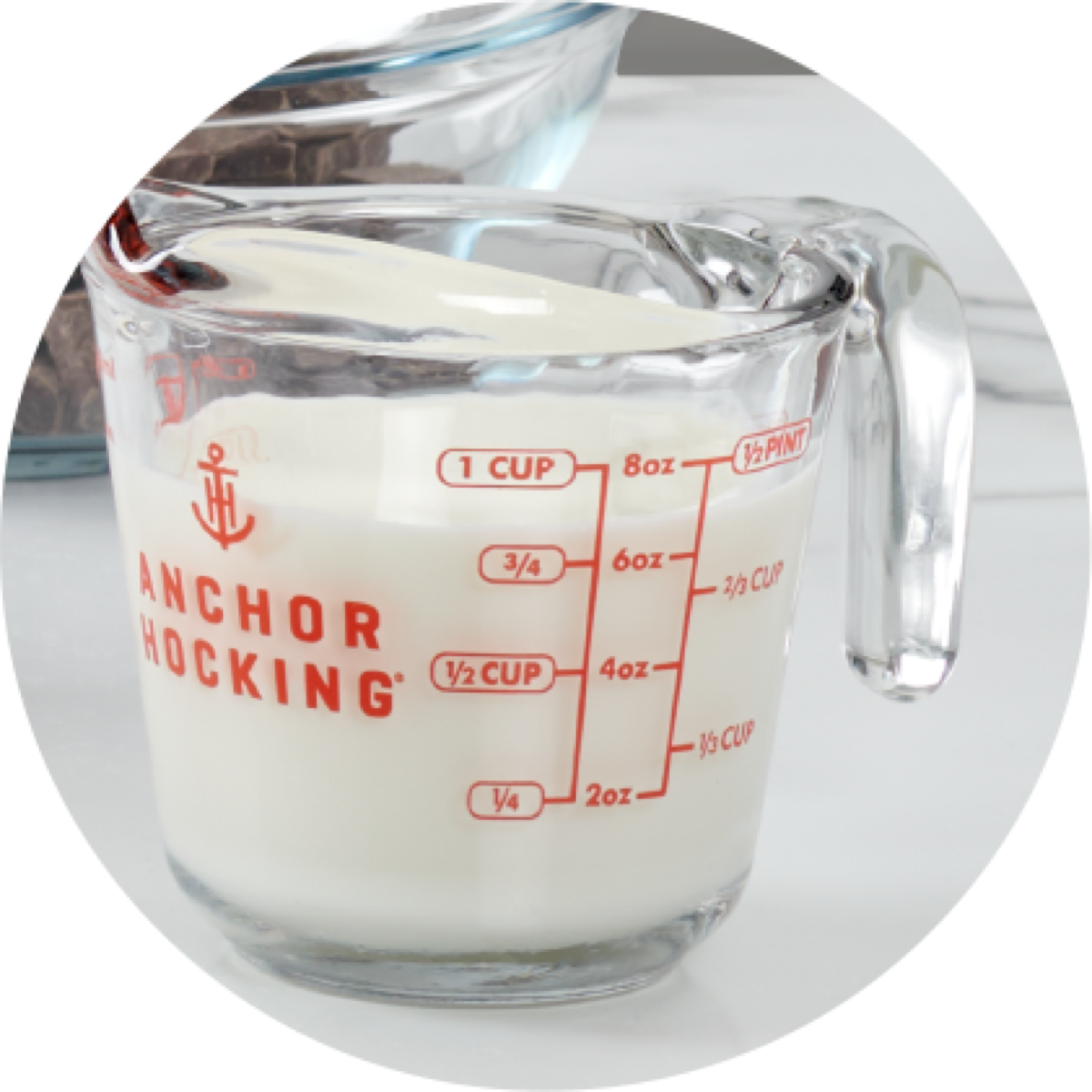
Tempered glass measuring cups for hot liquids — the one measuring job where a plastic jug is genuinely the wrong tool, because heat and plastic is exactly the combination to avoid.
As an Amazon Associate I earn from qualifying purchases — at no extra cost to you. We show a "Check price on Amazon" link rather than a number because Amazon prices change often.
Avoid measuring hot liquids in a plastic jug, and avoid the melamine and plastic nesting cups sold for baking sets. For dry ingredients plastic is a much smaller issue; it is heat and fat that move things out of plastic and into food, which is why the liquid measure is the one to change first.
Straight answer: we're a research team, not a testing lab. Here's exactly what our rating is based on — and what it isn't — so you can weigh it honestly.
Anything that adds a known microplastic, PFAS, or off-gassing source — a non-stick coating, a plastic surface against food or skin, vinyl/PVC — is downgraded or cut. We only list what clears that bar.
Borosilicate glass is chemically inert — no microplastics leach into food, even when heated in the microwave or dishwasher.
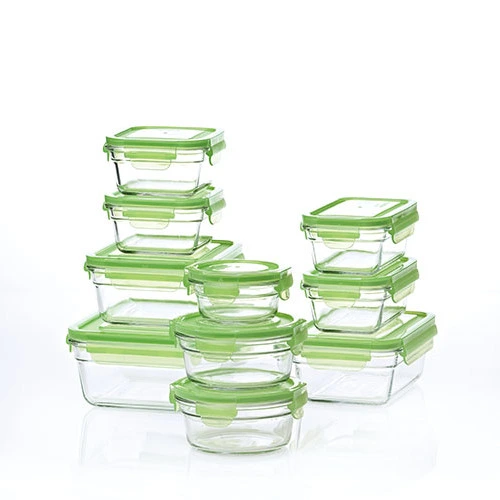
Tempered glass containers that take leftovers from oven to freezer with no plastic against the food. The lid is polypropylene, which Glasslock states is BPA-free — the honest detail most listings skip.
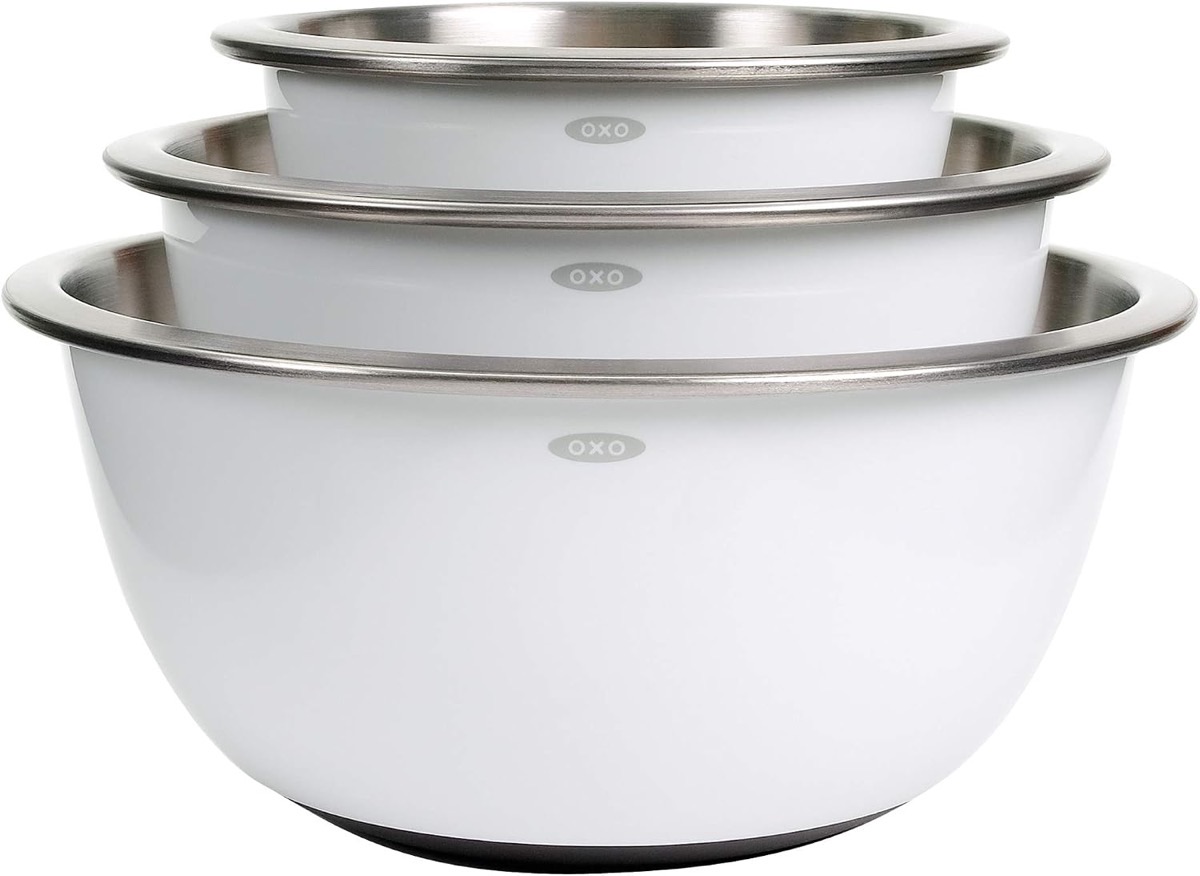
Nesting stainless steel bowls that let you mix, chill and marinate without leaching plastic bowls.
Affiliate disclosure: some links on this page are affiliate links. As an Amazon Associate I earn from qualifying purchases. We earn a small commission from qualifying purchases at no extra cost to you. This does not influence our recommendations — every product is selected based on peer-reviewed research.