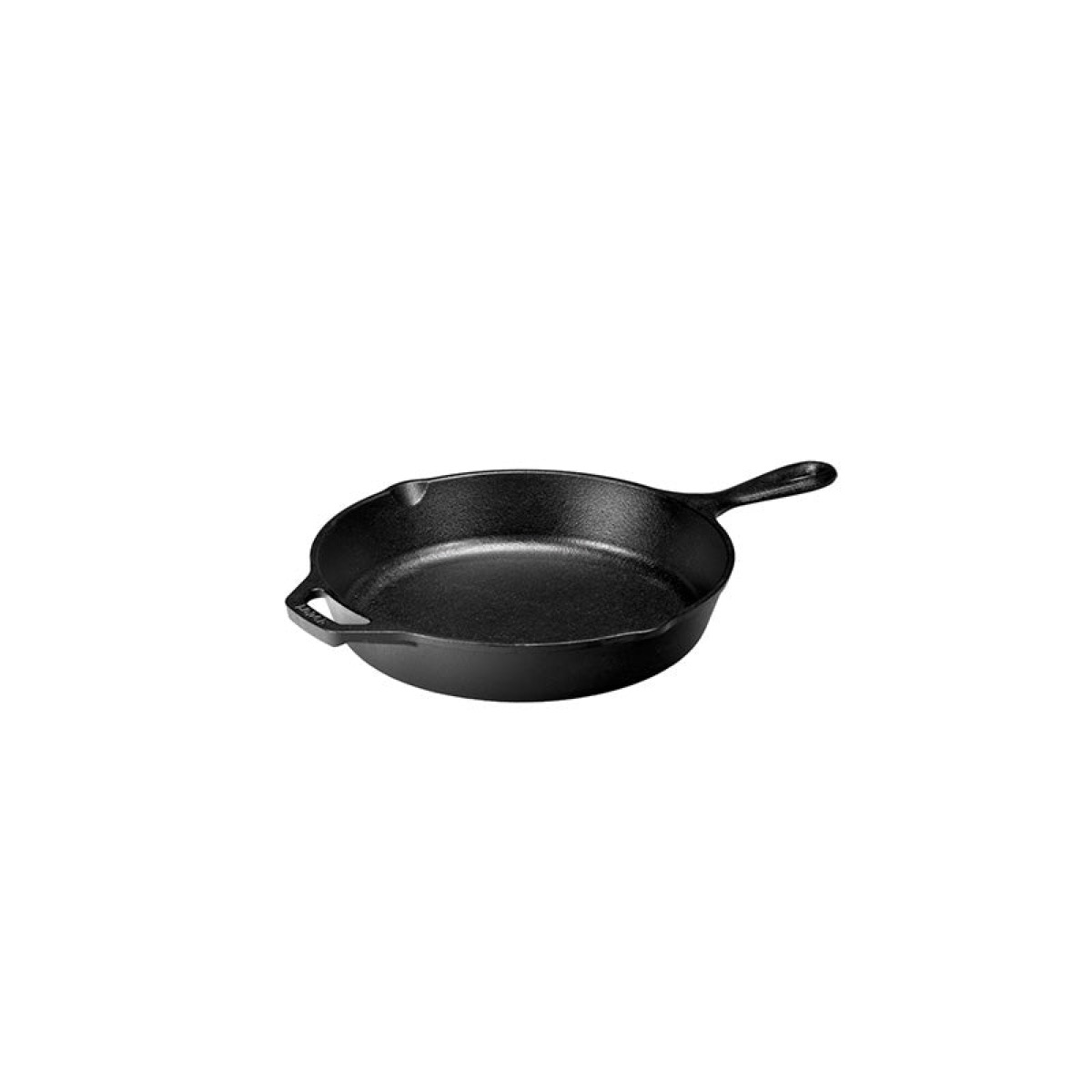
Lodge
Zero coating to degrade — naturally nonstick when seasoned. Unlike Teflon pans, cast iron releases no PFAS or microplastics, even at high heat.
$$$Our price tier
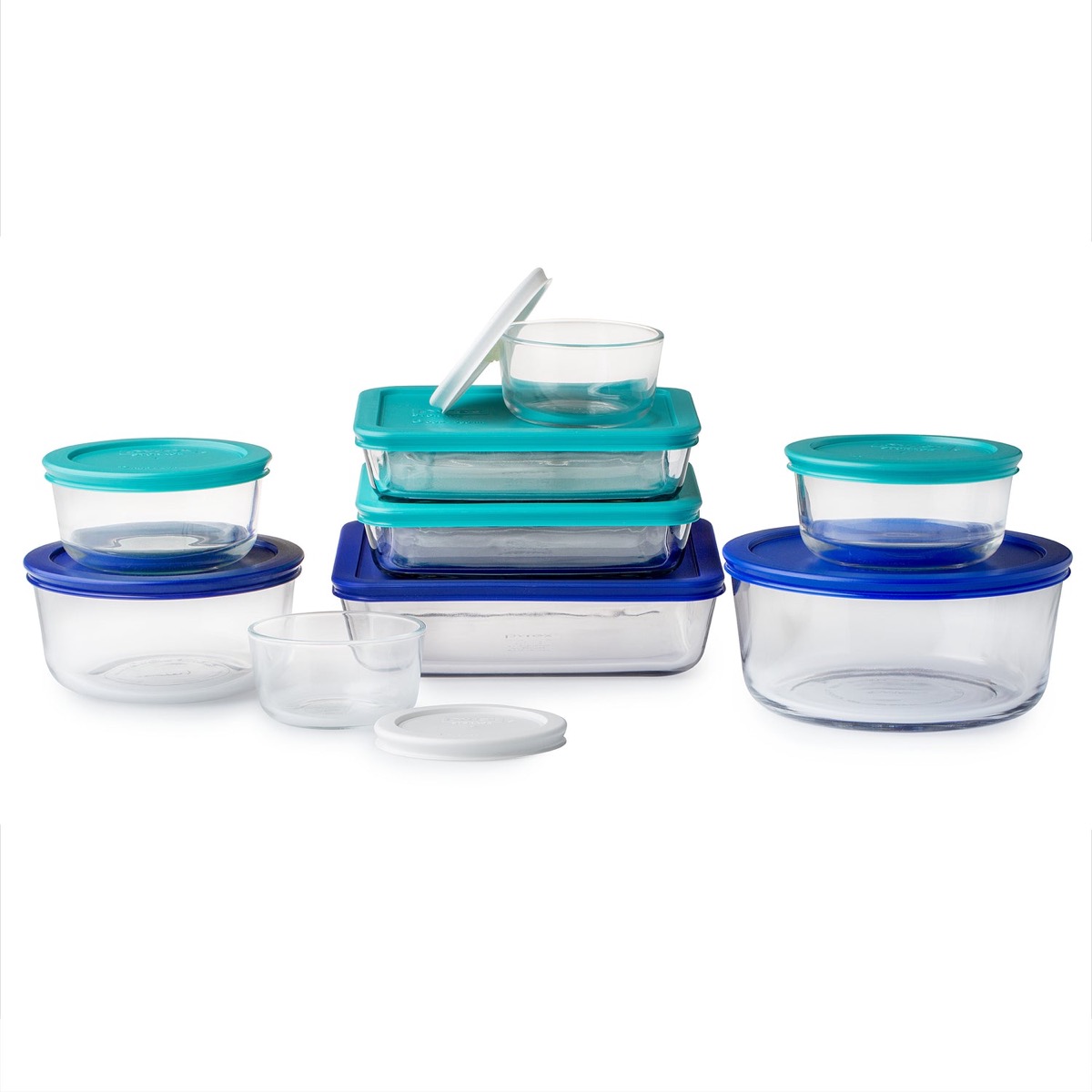
Borosilicate glass is chemically inert — no microplastics leach into food, even when heated in the microwave or dishwasher.
As an Amazon Associate I earn from qualifying purchases — at no extra cost to you. We show a "Check price on Amazon" link rather than a number because Amazon prices change often.
The containers are tempered glass — a chemically inert material that does not leach or shed particles into food, hot or cold, in the microwave or the dishwasher. Your food only ever touches glass.
Honest note: the containers are glass; the lids are BPA-free plastic. The point is that food is stored and reheated in the glass — it sits on glass, never on hot plastic — and the lids stay off the food surface. That is exactly the swap the microwaving-in-plastic research points to.
Microwaving food in plastic containers is one of the most common — and most easily avoided — sources of microplastic ingestion at home. Heat is the key accelerant.
Studies consistently show that microwaving food in plastic containers dramatically increases the release of microplastic particles into food. Older or scratched containers are especially hazardous. Even containers labeled "microwave safe" can still leach particles — that label refers to structural integrity, not chemical safety. The simplest fix: use glass instead.
Straight answer: we're a research team, not a testing lab. Here's exactly what our rating is based on — and what it isn't — so you can weigh it honestly.
Anything that adds a known microplastic, PFAS, or off-gassing source — a non-stick coating, a plastic surface against food or skin, vinyl/PVC — is downgraded or cut. We only list what clears that bar.
Zero coating to degrade — naturally nonstick when seasoned. Unlike Teflon pans, cast iron releases no PFAS or microplastics, even at high heat.
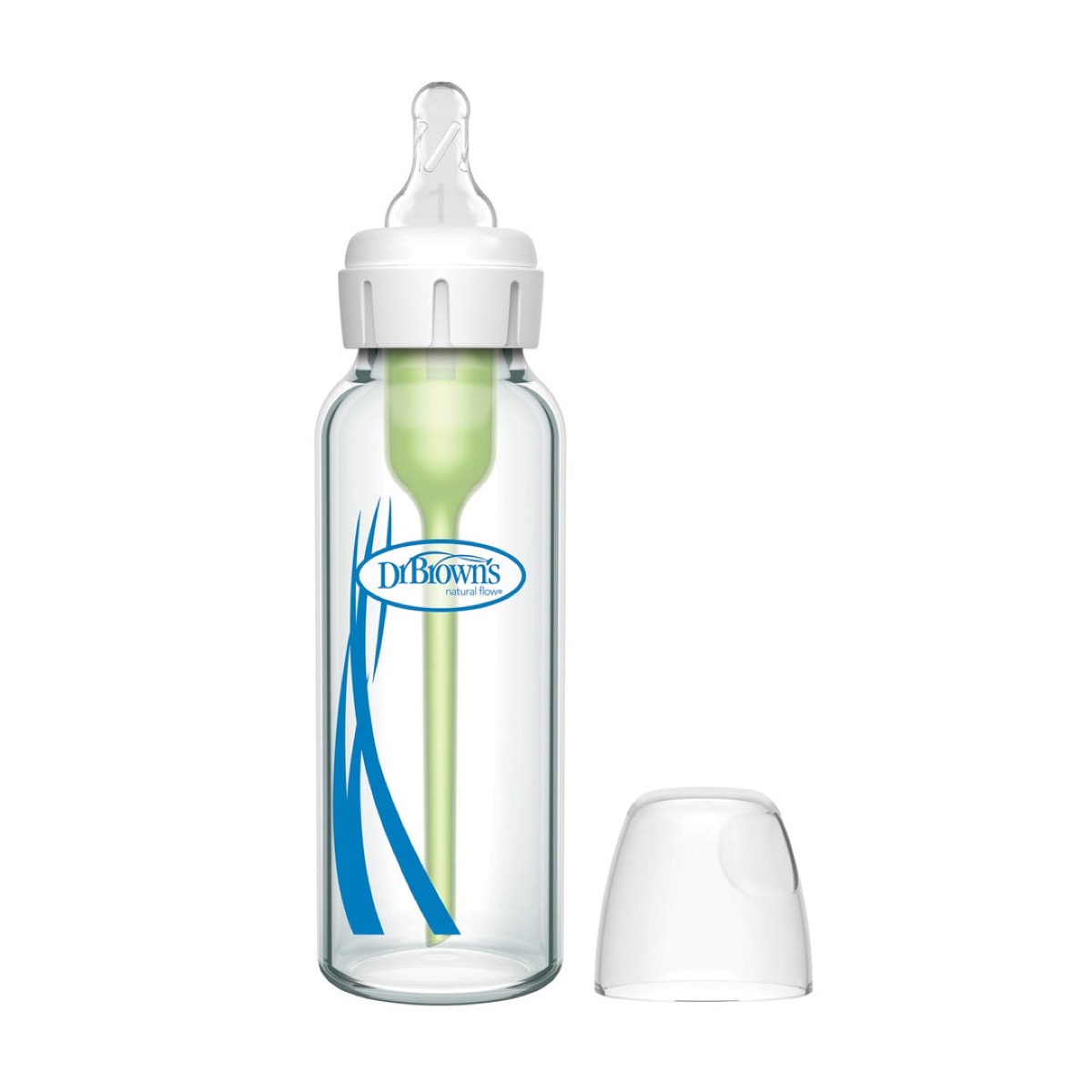
Borosilicate glass releases zero microplastics during sterilization — unlike plastic bottles, which shed up to 16 million particles per cycle.
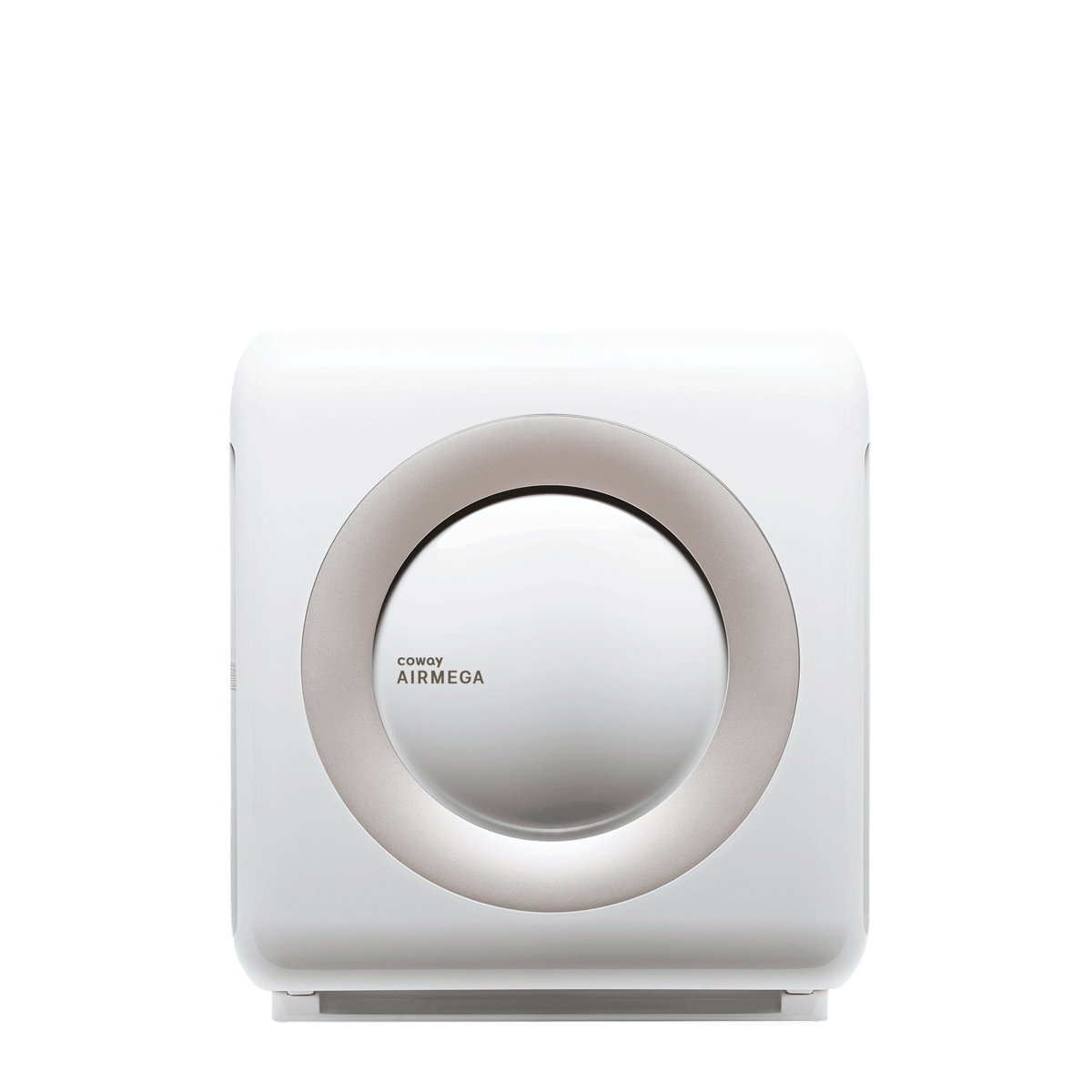
True HEPA filter captures 99.97% of airborne particles including microplastic fibers shed by textiles. Covers rooms up to 361 sq ft.
Affiliate disclosure: some links on this page are affiliate links. As an Amazon Associate I earn from qualifying purchases. We earn a small commission from qualifying purchases at no extra cost to you. This does not influence our recommendations — every product is selected based on peer-reviewed research.