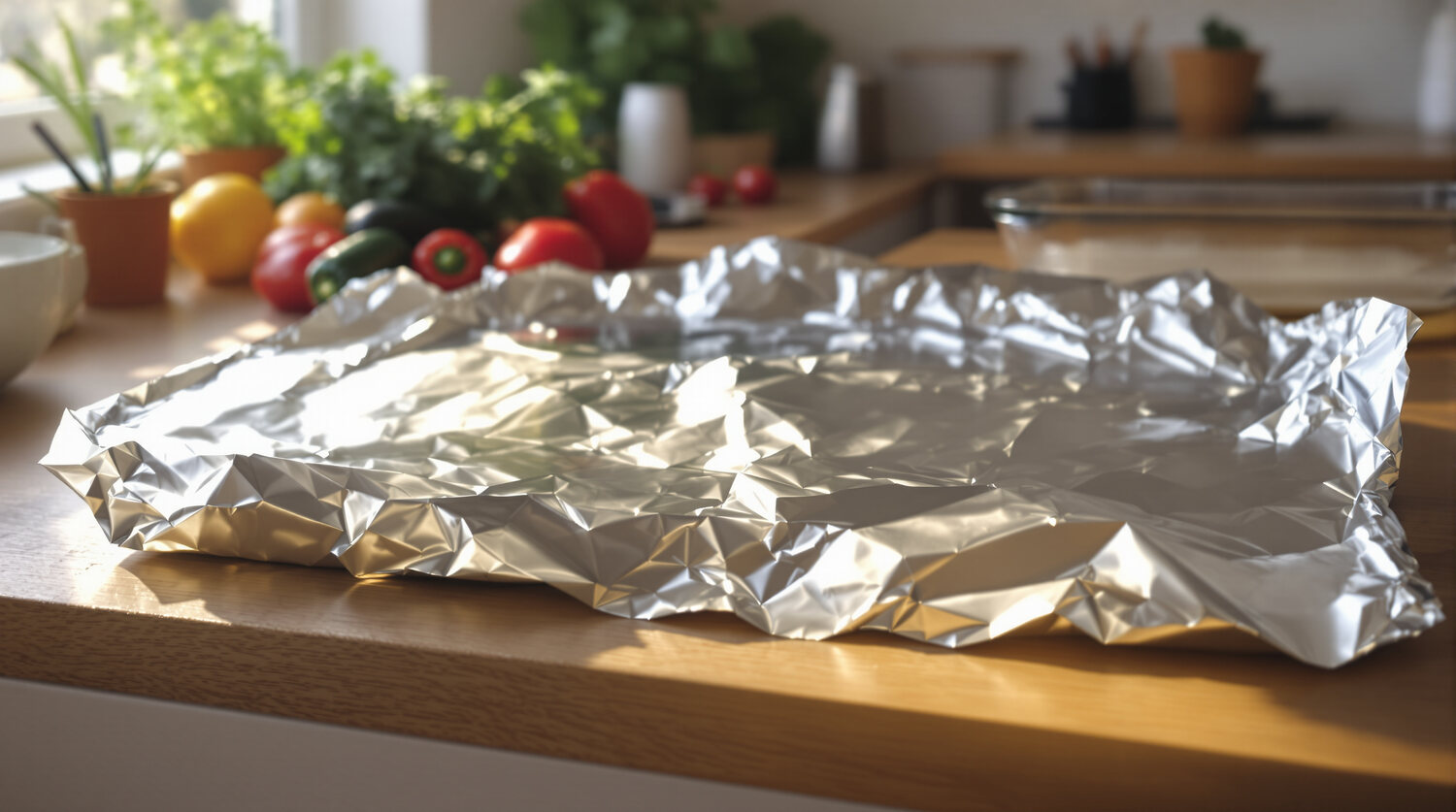
Aluminum foil is safe for cold, dry, short-contact jobs like wrapping a sandwich — the real issue is heat combined with acid or salt. When you cook or store hot, acidic (tomato, lemon, vinegar), or salty food in foil, a measurable amount of aluminum migrates into the food. In laboratory simulant tests, a single acidic meal cooked in aluminum could exceed the tolerable weekly aluminum intake for a small child, and a study of foods baked in foil found the leaching is "not negligible." It is not an emergency, and foil does not cause Alzheimer's, but the extra intake is easy to avoid: keep foil off hot acidic food, line it with parchment when you do use it for baking, and reach for glass, beeswax, or silicone for everything else.
"Is aluminum foil safe?" is one of the most common kitchen-safety questions people ask, because foil is everywhere — wrapped around leftovers, lining sheet pans, sealing a casserole, packing a lunch. Unlike a non-stick coating or a plastic film, foil is a bare, soft metal pressed directly against your food, which is exactly why people wonder what it leaves behind.
The honest answer is reassuring with one firm asterisk: foil is fine for cold and dry use and genuinely worth avoiding when you combine it with heat, acid, or salt. This guide covers whether it is safe to cook with, what actually leaches and how much, the Alzheimer's myth, the shiny-versus-dull-side question, when foil is perfectly fine, and the safer swaps worth making — the same mindset we bring to whether silicone is safe for food and whether parchment paper has PFAS.
The bottom line up front: keep foil for cold, dry, short-contact jobs if you like it, but do not cook or store hot, acidic, or salty food directly against it — that is when aluminum migrates. If you want to skip the question entirely, reusable beeswax and cloth wraps, silicone storage bags, unbleached parchment, and glass containers cover almost everything foil is used for — and none of them leach aluminum.
Is it safe to cook food in aluminum foil?
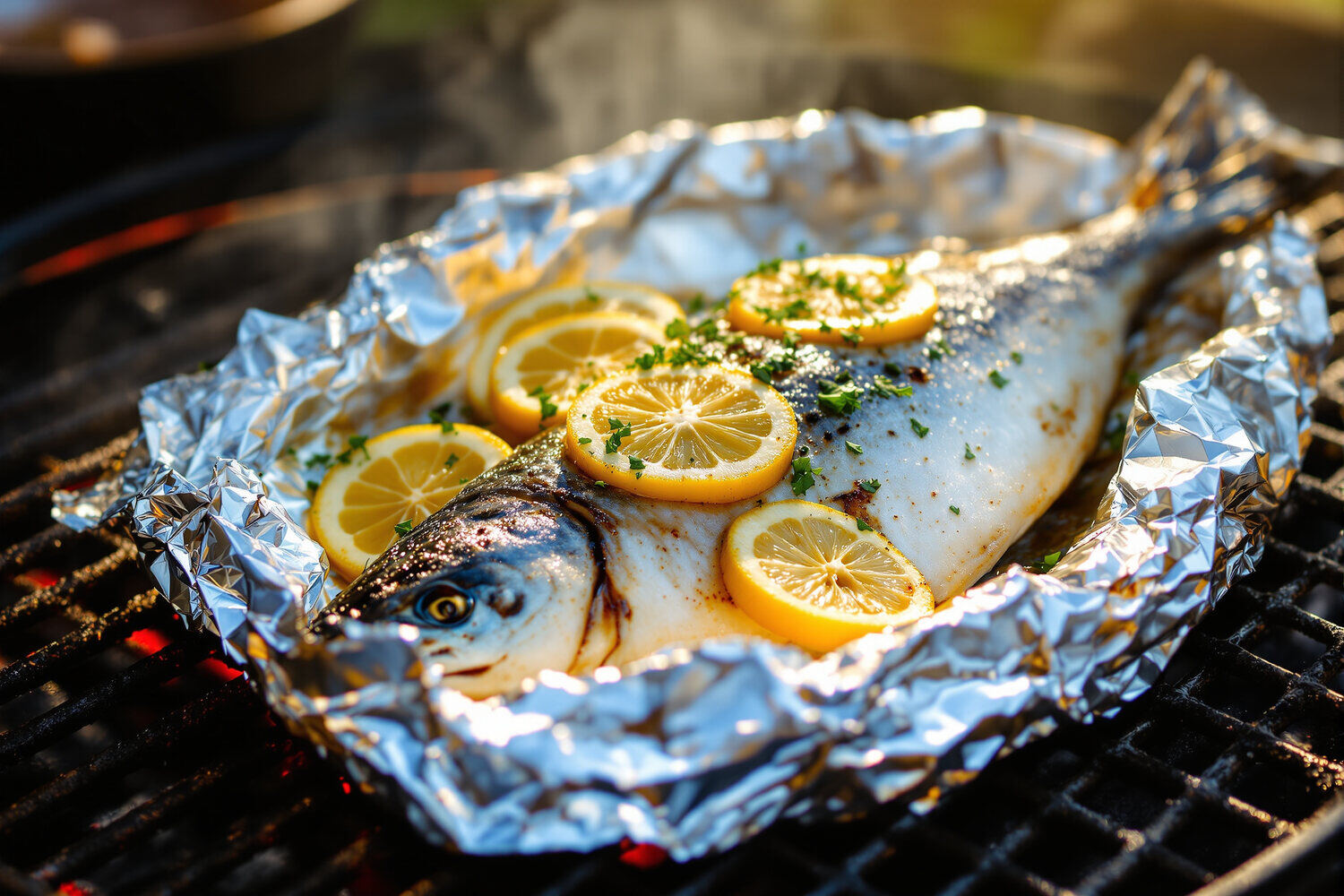
For dry, low-acid foods it is generally fine, but cooking hot, acidic, or salty food directly in foil causes a measurable amount of aluminum to leach into the meal. Baking a plain potato or tenting a roast transfers very little; baking a lemon-and-tomato fish or a salted, spiced marinade transfers the most. Heat, acid, salt, and long contact time are the four dials that turn migration up.
This matters because, unlike a glass dish or a ceramic plate, foil is a reactive bare metal in direct contact with the food. When researchers at the Technische Universität reviewed aluminum migration from food-contact materials, they found that aqueous test foods pulled far more aluminum out of the metal than oil or water did — and that heat multiplied the effect. In their simulant work, oil and tap water stayed under the 5 mg/L transfer limit, but a mild 0.5% citric-acid solution blew past it, and heating the sample at 160°C for two hours increased migration a further two to three times (Stahl et al., Environmental Sciences Europe, 2017). That is the whole story in one sentence: the foil is fine until you add heat and acid.
Does aluminum foil leach into food, and how much?
Yes, and the amount depends almost entirely on what you cook and how. A study that specifically quantified the aluminum leached into foods baked in foil concluded the migration is "not negligible," and that when you add it to the aluminum already in a normal diet, it can bring weekly intake close to the tolerable limit (Quantification of the Aluminum Content Leached into Foods Baked Using Aluminum Foil). Leaching was highest with acidic foods, with salt and spices, and with longer, hotter cooking.
To put a number on "how much is too much," health agencies set a tolerable weekly intake (TWI). The European Food Safety Authority uses 1 mg of aluminum per kilogram of body weight per week; the Joint WHO/FAO Expert Committee on Food Additives uses a provisional 2 mg/kg/week. The catch is that many people are already close to that ceiling from food additives, tea, and processed foods before any foil is involved, so foil's contribution is extra load on an already-full budget. In the simulant modeling above, preparing a single fish dish with a lemon-juice marinade in an aluminum vessel was estimated to exceed the weekly tolerable intake by roughly 870% for a 15 kg child and 190% for a 70 kg adult — a worst case, but a vivid one. It is the same "small, controllable exposures add up" logic behind our look at the total plastic and chemical load the human body carries.
Does aluminum foil cause Alzheimer's disease?
There is no established causal link. This is the fear that keeps the aluminum-foil question alive, and the honest scientific answer is that decades of study have not demonstrated that aluminum causes Alzheimer's disease. The US Agency for Toxic Substances and Disease Registry describes the proposed association as unresolved and "highly controversial": some studies of people with high aluminum exposure show a weak increase in risk, and many show none at all (ATSDR ToxFAQs: Aluminum).
What the agencies do say is narrower and worth keeping in mind: aluminum is a neurotoxin at high doses, which is why it caused serious problems historically in dialysis patients who absorbed large amounts, and most of the aluminum you eat is poorly absorbed and cleared by healthy kidneys. The reasonable takeaway is not panic and not dismissal: there is no evidence a foil-wrapped sandwich will give you dementia, but because aluminum has no biological role and the exposure is easy to reduce, trimming avoidable intake is a sensible, low-cost precaution rather than a cure for anything.
Does the shiny side versus the dull side matter?
No. It is the most common foil myth after the Alzheimer's one, and the two sides are chemically identical. The difference in appearance comes purely from manufacturing: foil is rolled in a double layer in its final milling pass, so the sides that touch the polished rollers come out shiny and the sides that touch each other come out matte. Both are the same aluminum, and which side faces the food does not meaningfully change cooking or how much metal migrates.
The only exception is "non-stick" or "release" foil, which has a food-safe coating printed on one labeled side — there, you follow the box and put the marked side toward the food. For ordinary foil, use whichever side you like; the real variables are heat, acid, salt, and time, not shine.
When is aluminum foil actually fine to use?
Foil is genuinely fine for cold, dry, short-contact jobs. Wrapping a sandwich or a loaf of bread, covering a bowl of dry leftovers in the fridge overnight, or loosely tenting a resting roast so the foil never sits in acidic juices all transfer essentially no aluminum. The metal only becomes a meaningful source when heat meets acid or salt over time.
So you do not need to throw out the roll. A few habits remove almost all of the avoidable exposure: do not cook or store tomato sauce, citrus, vinegar marinades, or heavily salted food directly against foil; when a recipe calls for foil in a hot oven, lay a sheet of unbleached parchment between the foil and the food; and lean on reusable alternatives for everyday wrapping and storage. Those rules fold neatly into the wider routine in our kitchen plastic detox guide and sit alongside the same heat-and-materials logic as microwaving Tupperware.
The safer swaps for aluminum foil: 6 real picks
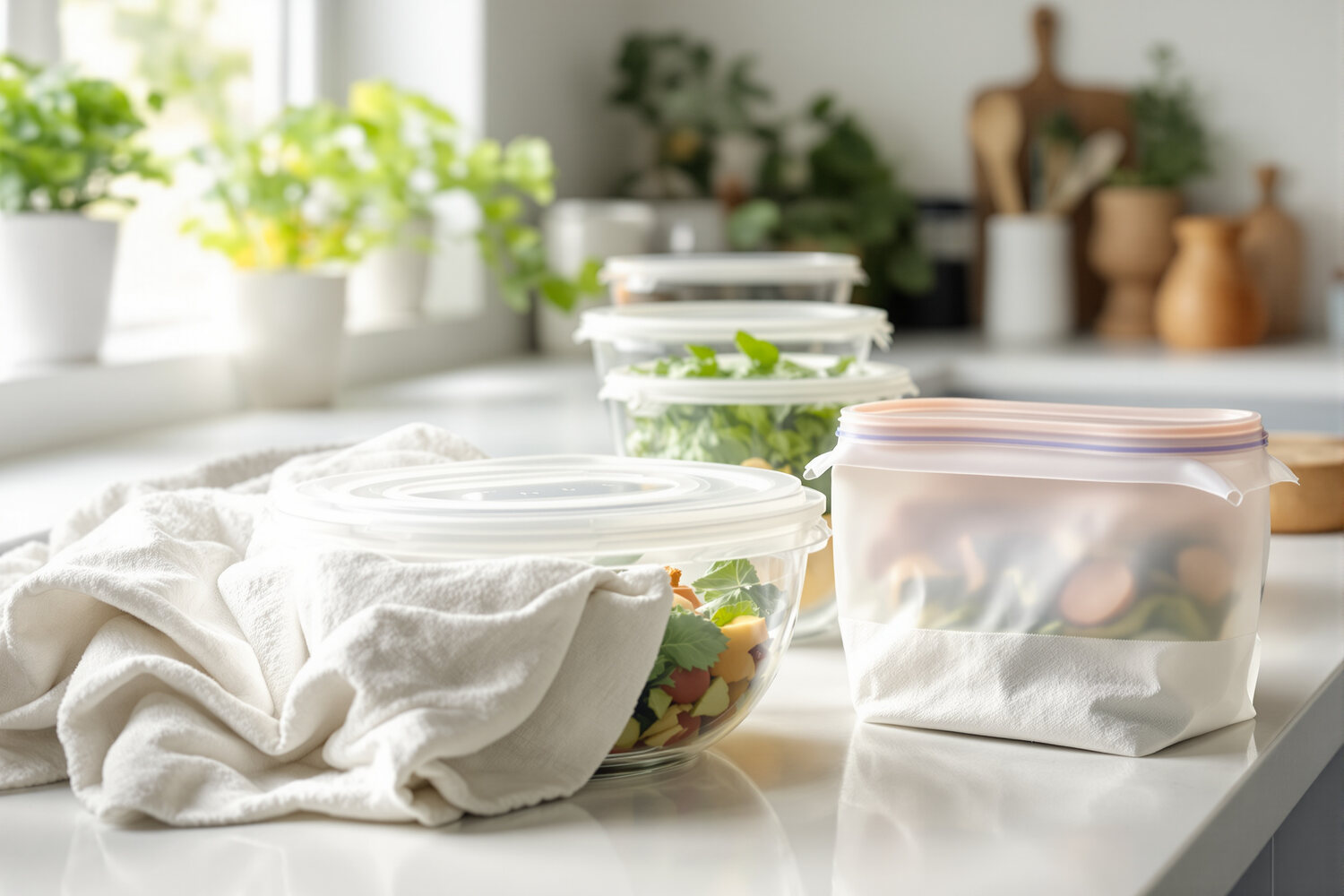
Almost everything foil does — wrapping, lining, covering, storing, freezing, packing — has a reusable, aluminum-free alternative that does the job as well or better. The six picks below cover each of those uses: beeswax and cloth wraps for wrapping, unbleached parchment for lining a hot oven, oven-safe glass for covered baking, silicone bags for storing and freezing, and a stainless lunch box for packing. Every one is a real product with a real photo and verified buyer rating, drawn from our tested guides to non-toxic food wraps, silicone storage bags, and plastic-free lunch containers.
 Best for Wrapping
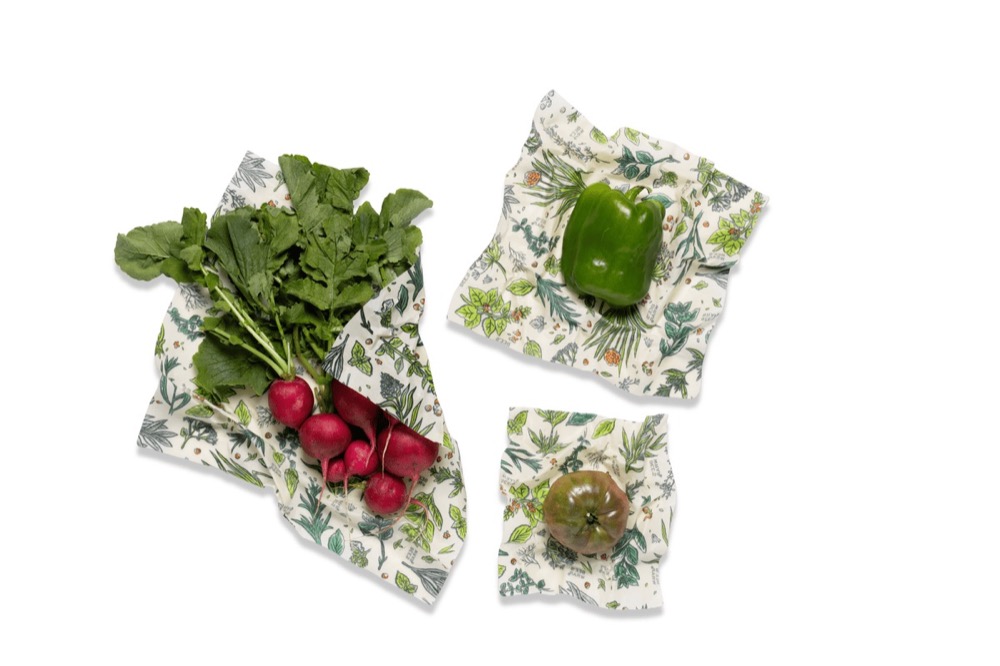
GOTS-certified organic cotton infused with sustainably sourced beeswax, organic jojoba oil, and tree resin. Three sizes (S, M, L) cover everything from a lemon half to a bowl of leftovers. The warmth of your hands molds the wrap to any shape, and the natural tackiness holds a seal. Lasts 8–12 months with proper care, then composts. Because it is cotton and wax rather than metal, it never reacts with acidic or salty food the way foil does — the one job it can't do is hot food or raw meat.
Bee's Wrap is the category benchmark, and owners praise how it keeps produce, cheese, and bread fresh, saying "the cheese is as fresh as when I purchased it," that "They are strong, sticky (but not on your hands)," and that it has a "very minimal wax smell compared to other brands." The honest downsides: some had "trouble getting it to stick" and note the wax coating thins over months, it does not seal as tightly as plastic wrap so "Washing them isn't the most convenient thing in the world," and it stains with oily foods and is not for hot food or raw meat.
Replace the roll of foil you reach for to wrap a sandwich or cover a bowl with three reusable wraps that mold to any shape with the warmth of your hands.
Why it's safe: Just organic cotton, beeswax, jojoba oil, and tree resin — a non-metal surface that cannot leach aluminum into acidic or salty food the way foil can.
Check Today’s Price on Amazon →Amazon prices change daily — tap to see today's price and any active discount.
- Free delivery & returns for Prime members
- America's #1-rated beeswax wrap brand
- Thousands of verified reviews
 Best for the Oven
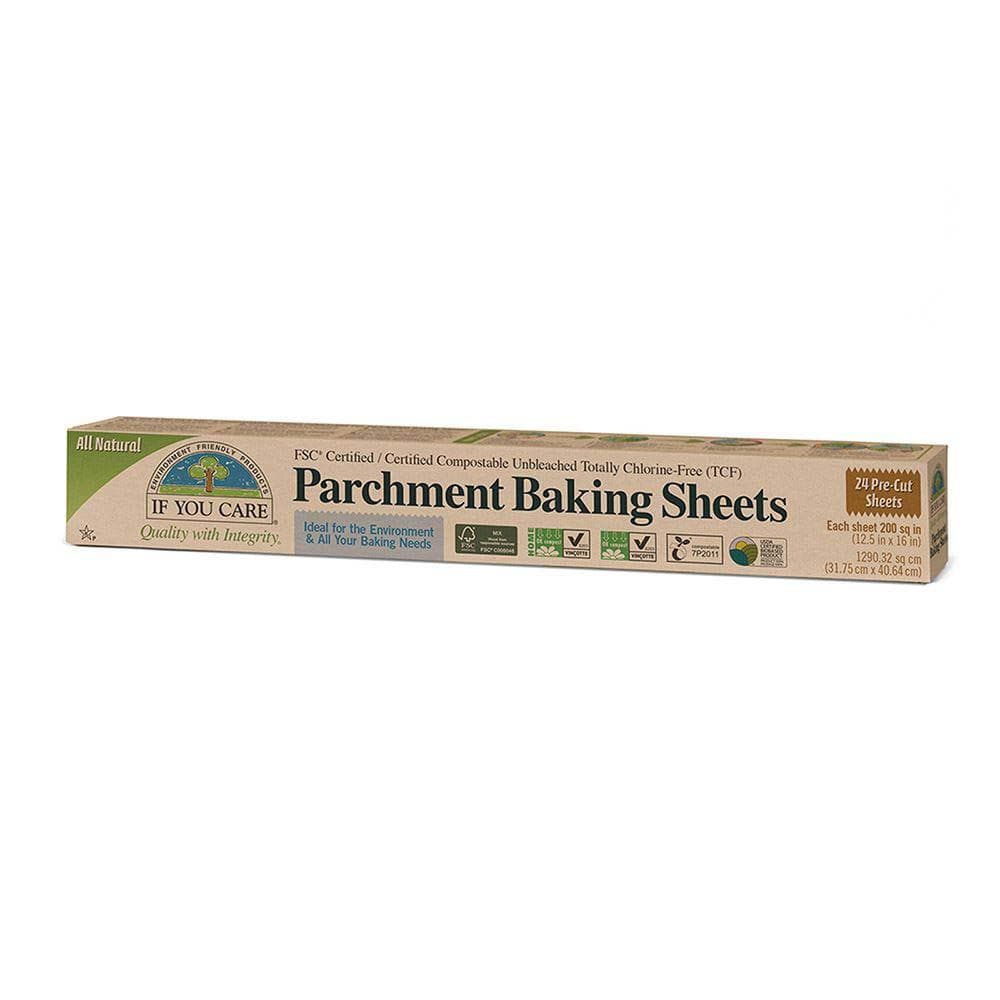
Unbleached, chlorine-free parchment with a thin food-safe silicone coating (silicone is not a plastic — it is a silica-based material). That coating matters, because some brands still use Quilon, so it is worth checking whether your parchment paper is PFAS-free before you buy. FSC-certified and compostable after use. The simplest fix of all: when a recipe calls for foil in the oven, lay the parchment between the food and the foil, and the aluminum never touches the acidic, salty, or hot food.
This compostable parchment earns near-universally positive reviews, with owners praising that "nothing sticks to it," that "pastry slides off easily even when burnt unlike other products," and that it performs "just as good as non-Eco alternatives" while going "in the compost bin so no waste to landfill," on a "generous roll, lasting longer than expected." The honest downsides are minor: one reviewer said the box cutting edge caused injury and was ineffective at cutting the paper, it can be "quite slippy" and needs securing on the tray, and the unbleached paper looks tan rather than white.
Swap foil for one compostable roll that handles the hot, acidic, baked jobs where foil leaches the most — lining pans, wrapping fish, covering a casserole.
Why it's safe: Unbleached, totally chlorine-free paper from FSC-certified forests with an inert silica-based silicone coating — no aluminum to migrate, and no PFAS grease-proofing found in many disposable food papers.
Check Today’s Price on Amazon →Amazon prices change daily — tap to see today's price and any active discount.
- Free delivery & returns for Prime members
- FSC-certified, compostable paper
- Thousands of verified reviews
 Best for Baking
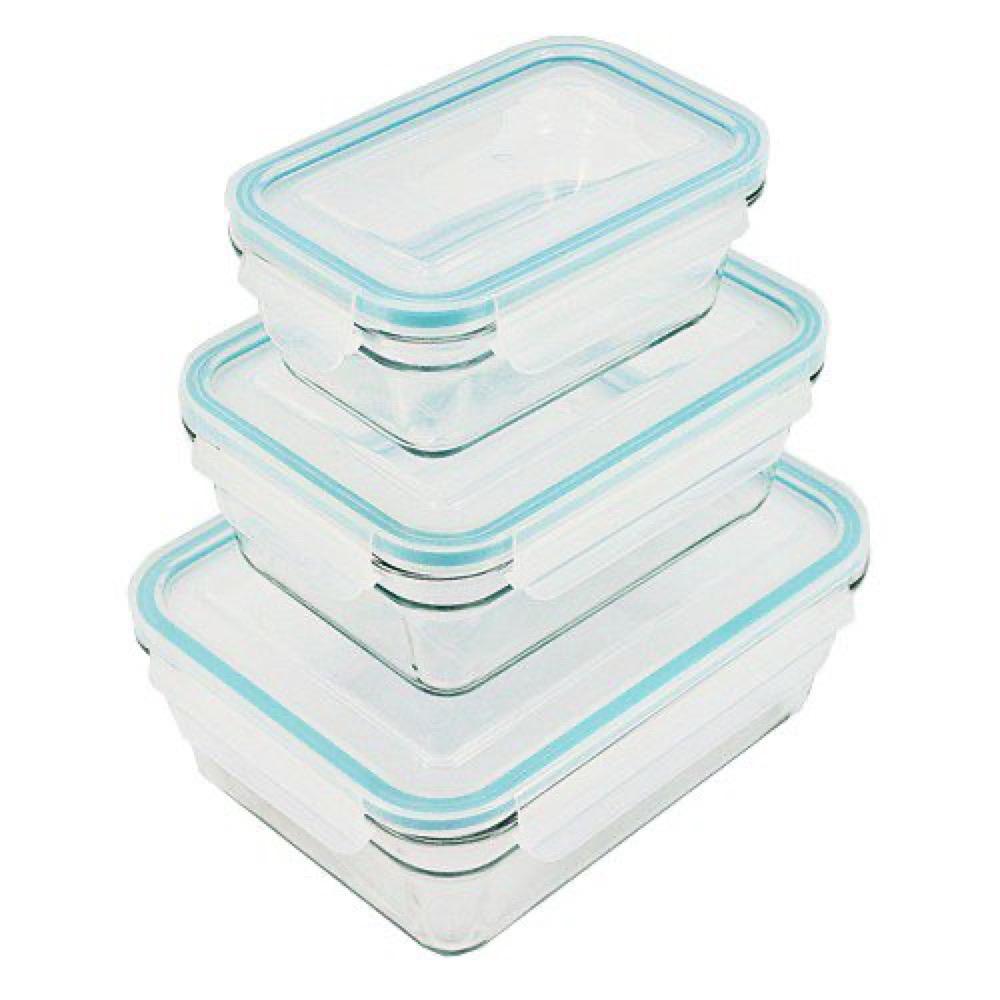
Glasslock's tempered glass containers earn praise for lids that owners find "more durable and leak-proof" than Pyrex, and the glass is oven-safe. The honest downsides are the lids and long-term wear: buyers report the plastic "side lock-down wings" snapping off and the gasket seals tearing or growing mold in the groove over time; nesting the lids in the dishwasher can chip "short narrow shards" off the underside of the glass rims; and several reviewers found replacement parts hard to get and customer service slow to respond. Hand-dry the gaskets and do not stack the lids while washing.
Three stackable glass containers you can bake in, cover, and store in — replacing both the foil-covered casserole dish and the foil-wrapped leftovers.
Why it's safe: Food sits on inert tempered glass, not aluminum — so baking a hot, acidic dish releases nothing into it. The BPA-free lids seal with a food-grade silicone gasket that only touches the rim.
Check Today’s Price on Amazon →Amazon prices change daily — tap to see today's price and any active discount.
- Free delivery & returns for Prime members
- Sold & shipped by Amazon
- Thousands of verified reviews
 Best for Storing
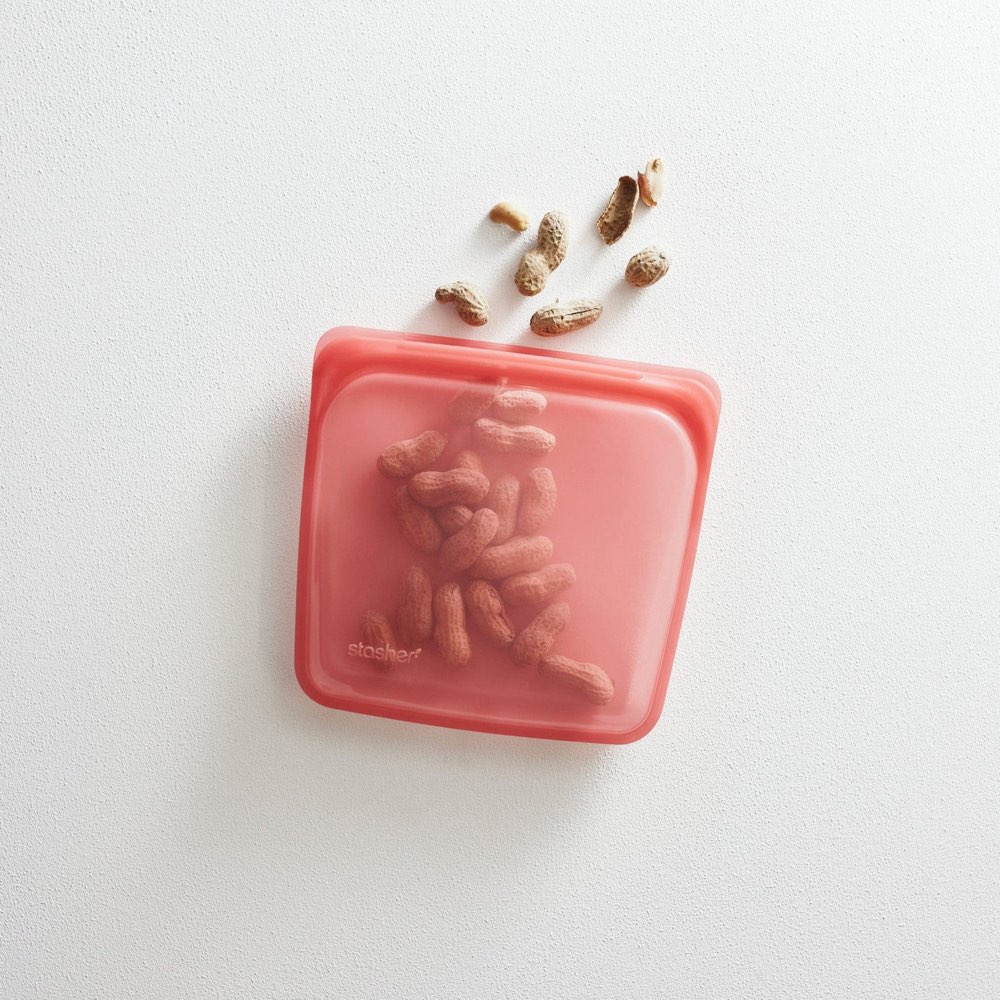
Stasher invented the silicone storage bag and still makes the best one. The pinch-seal — two interlocking silicone ridges you press together — creates an airtight, liquid-tight seal that holds over hundreds of uses, with no zipper to break. Platinum food-grade silicone, rated to 400°F, freezer safe to -70°F, dishwasher safe. Unlike foil, it will not react with a tomato, a pickle, or a salty snack, and you reuse it instead of throwing it away.
Owners keep coming back to the seal and freezer performance, describing the "thickest silicone and airtight seal" as what makes these best for protecting frozen goods from freezer burn, and they lean on them for lunches and travel because they lie flat, pass airport security, and stay leakproof once the seal is locked, with many saying "I'm never buying a Ziploc bag again." The honest downsides: the press seal has to be pinched shut rather than swiped, so it feels stubborn, reviewers flag that "the inside takes a while to dry" and that "many ridges in the seal that harbor food" make hand-washing a chore, and at about $20 each they sit among the priciest.
One bag that handles the lunchbox, the fridge, and the freezer — replacing the foil you would crimp around snacks and leftovers, reusable for years.
Why it's safe: Made entirely from 100% food-grade platinum silicone with no BPA, BPS, or phthalates — chemically inert, with no aluminum to migrate into warm, fatty, or acidic food.
Check Today’s Price on Amazon →Amazon prices change daily — tap to see today's price and any active discount.
- Free delivery & returns for Prime members
- Sold & shipped by Amazon
- Tens of thousands of verified reviews
 Best for Freezing
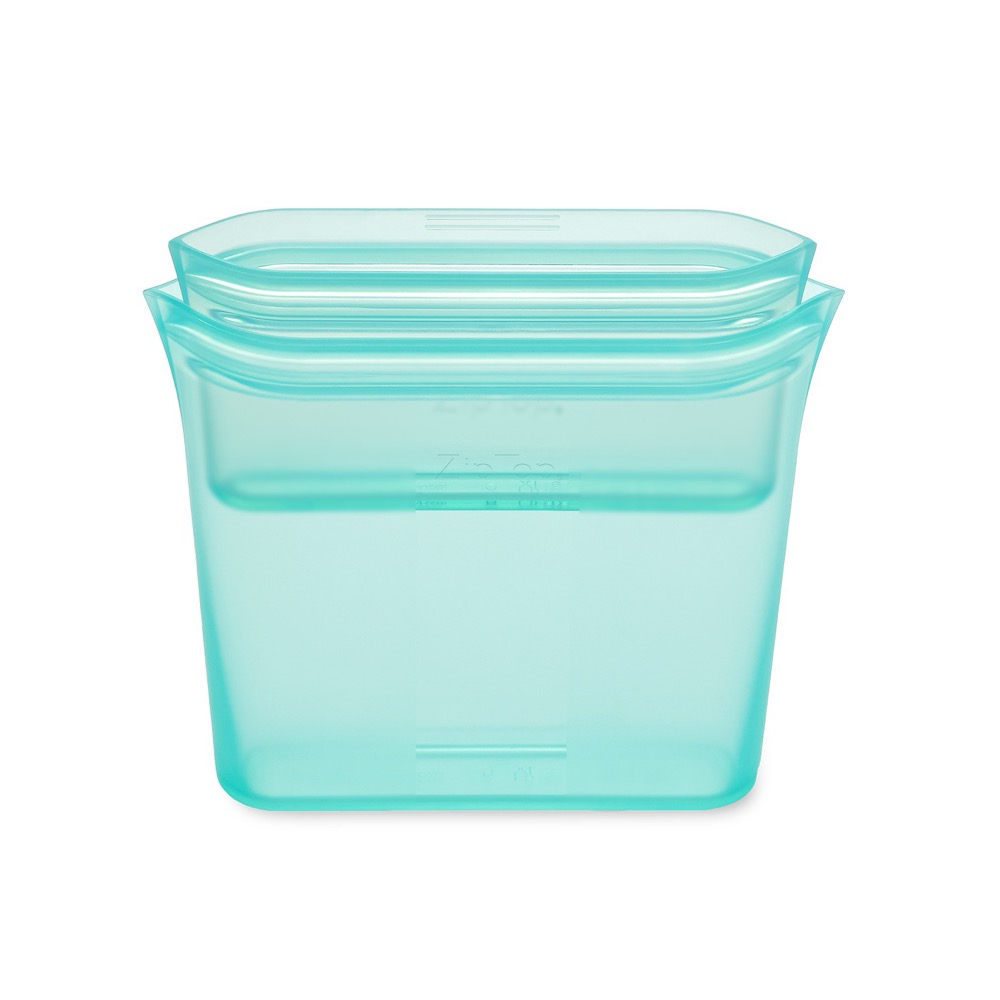
Zip Top uses a true silicone zipper — a slide-and-lock mechanism made entirely of food-grade silicone. For anyone who finds a pinch-seal fiddly, it is immediately intuitive, and it stands upright on its own for filling, freezing, and pouring. The snack size suits a kids' lunchbox; the medium replaces the sandwich bag. Reusable for years, and because it is silicone rather than metal, it never reacts with acidic or salty food.
The stand-up build is the repeated draw: reviewers like that the bags "stand up and stay open, making them more convenient to fill with one hand" and let you eat straight from the container, with wide pour corners and a one-piece shape with "no angled corners to trap food." The honest warnings: the seal "is not airtight," so "water dribbled freely out of the corners" when tipped and the bags are literally stamped "Keep upright," testers found they "split open" when dropped and did poorly in the freezer, and reviewers note "some odors are hard to remove, even after washing," on top of a high price for a few bags.
Kids can open and close it themselves, and it stands open on the counter while you fill it — a foil-free way to portion and freeze that reuses for years.
Why it's safe: Built from a single piece of 100% platinum food-grade silicone with no plastic slider, BPA, BPS, or phthalates — nothing to leach or react with acidic food the way foil does.
Check Today’s Price on Amazon →Amazon prices change daily — tap to see today's price and any active discount.
- Free delivery & returns for Prime members
- Made in the USA
- Thousands of verified reviews
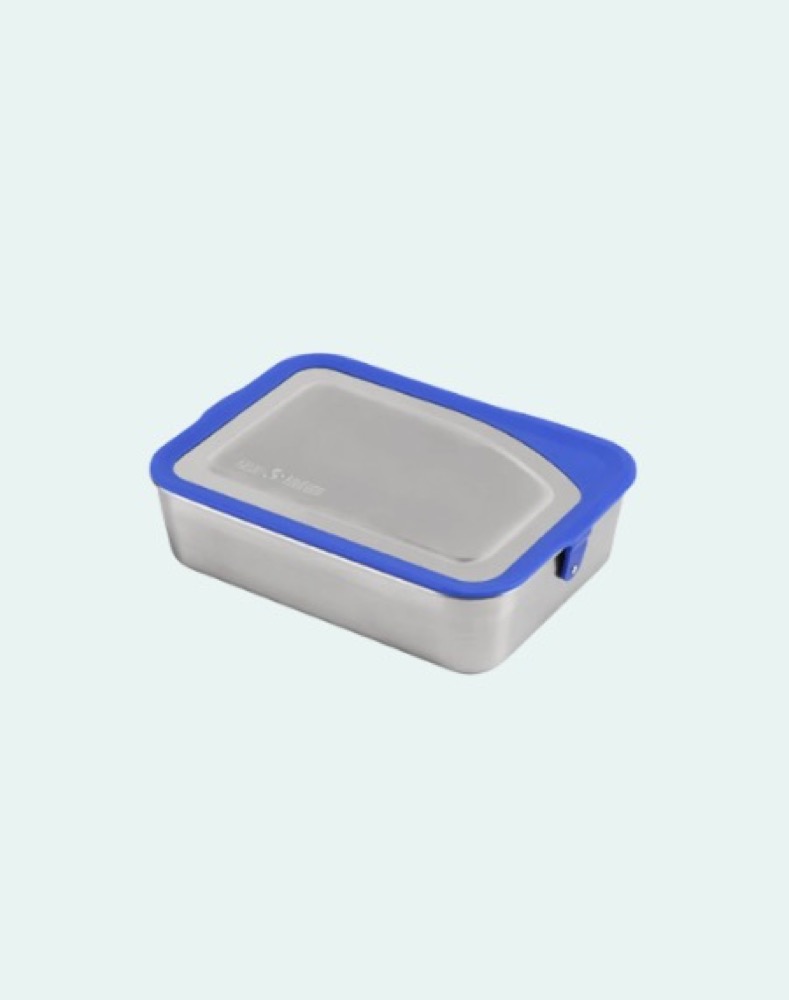 Best for Lunches
Owners rate the Klean Kanteen food box as "truly leak proof when the lid is fastened" — the silicone lid plus snap-and-lock tabs hold a strong seal, and the whole box is plastic-free. It is built to protect a full meal on the go. The honest downsides: the stainless build makes it heavy, which is the complaint reviewers raise most; it costs more than most steel boxes; and the seal only works if you follow the routine — "burp" the flexible lid corner while pressing down and engage both snap tabs — so a quick, careless close can still let liquid escape.
Fits a full-size salad or entree without bulk — the reusable box that ends the habit of wrapping a lunch in foil every day.
Why it's safe: The body is inert 18/8 stainless steel with no plastic or coating touching food, and the lid seals with a food-grade silicone rim — nothing that leaches aluminum into an acidic or salty lunch.
Check Today’s Price on Amazon →Amazon prices change daily — tap to see today's price and any active discount.
- Free delivery & returns for Prime members
- Sold & shipped by Amazon
- Thousands of verified reviews
The honest verdict
Is aluminum foil safe? For cold, dry, short-contact jobs, yes — wrapping a sandwich or covering dry leftovers transfers almost nothing, and foil does not cause Alzheimer's. The real, measurable issue is narrower: when you cook or store hot, acidic, or salty food directly against foil, a non-trivial amount of aluminum migrates into it, and because many diets are already near the tolerable weekly intake, that extra load is worth avoiding.
What is genuinely worth acting on is simple and cheap. Do not cook or store tomato, citrus, vinegar, or heavily salted food in foil; when a recipe needs foil in a hot oven, lay a sheet of parchment between the foil and the food; and lean on reusable glass, beeswax, silicone, and stainless for everyday wrapping, baking, storing, and packing. None of those leach aluminum, most are reusable, and together they cover nearly everything the roll of foil in your drawer was doing — without the one condition, heat plus acid, that turns foil into a source.
Build a kitchen with nothing to leach
Beeswax wraps, silicone bags, glass containers and stainless steel — the reusable swaps we tested for what they are made of and what they can and cannot release into food.
Frequently Asked Questions
For dry, low-acid foods it is generally fine, but cooking hot, acidic, or salty food in foil causes a measurable amount of aluminum to leach into the food. Heat, acidity (lemon, tomato, vinegar), salt, and long contact all increase migration. In simulant tests, a lemon or tomato marinade cooked in aluminum could push a single meal's aluminum well above the tolerable weekly intake for a small child. For high-heat acidic cooking, line the foil with parchment so the food never touches the metal, or use a glass or ceramic dish instead.
Yes, and the amount depends almost entirely on how you use it. A study that quantified aluminum leached into foods baked in foil found the migration is not negligible and, combined with aluminum from the rest of the diet, can bring weekly intake close to the tolerable limit. Leaching is highest with acidic foods such as tomato, lemon, and vinegar, with salt and spices, with high heat, and with long contact time. Wrapping a cold, dry sandwich for an hour transfers almost nothing; baking a lemon-and-tomato fish at high heat transfers the most.
There is no established causal link. US and European health agencies describe the proposed association between aluminum and Alzheimer's disease as unresolved and highly controversial: some studies of high aluminum exposure show a weak association and many show none, and agencies say the data do not demonstrate that aluminum causes the disease. Reducing avoidable aluminum intake is a reasonable precaution, but the fear that an occasional foil-wrapped meal causes dementia is not supported by the evidence.
No, it makes no safety or performance difference. The two sides look different only because of how the foil is milled in a double layer at the factory; one side ends up shiny and the other matte. Both sides are the same aluminum, and which one faces the food does not meaningfully change cooking, heating, or how much aluminum migrates. Non-stick "release" foils are a separate product with a coating on one side, which is the only case where the labeled side matters.
Foil is fine for cold, dry, short-contact jobs: wrapping a sandwich or a loaf of bread, covering a bowl of dry leftovers in the fridge, or tenting a roast to keep it warm without the foil touching acidic juices. The problems come with heat plus acid or salt. If you want to skip the question entirely, reusable glass containers, beeswax or cloth wraps, unbleached parchment, and silicone bags cover almost everything foil is used for.
The best swaps depend on the job. For wrapping cheese, produce, and leftovers, use reusable beeswax or cloth wraps. For storing and freezing, use silicone bags or glass containers with lids. For lining baking sheets and covering oven dishes, use unbleached parchment paper or an oven-safe glass dish. For packing lunches, a stainless steel or glass container replaces foil entirely. None of these leach aluminum, and most are reusable.
Sources
- Mohammad A, Alkeryani Y, et al. "Quantification of the Aluminum Content Leached into Foods Baked Using Aluminum Foil." PMC, PMC7696975.
- Stahl T, Taschan H, Brunn H, et al. "Migration of aluminum from food contact materials to food — a health risk for consumers? Part I–III of III." Environmental Sciences Europe, 2017;29:19, springeropen.com.
- Agency for Toxic Substances and Disease Registry (ATSDR). "ToxFAQs: Aluminum" — on aluminum exposure and the Alzheimer's question, atsdr.cdc.gov.
- European Food Safety Authority (EFSA): tolerable weekly intake for aluminium of 1 mg/kg body weight/week. Joint WHO/FAO Expert Committee on Food Additives (JECFA): provisional tolerable weekly intake of 2 mg/kg body weight/week.
- Bassioni G, et al. "Risk Assessment of Using Aluminum Foil in Food Preparation." International Journal of Electrochemical Science, 2012;7:4498–4509.