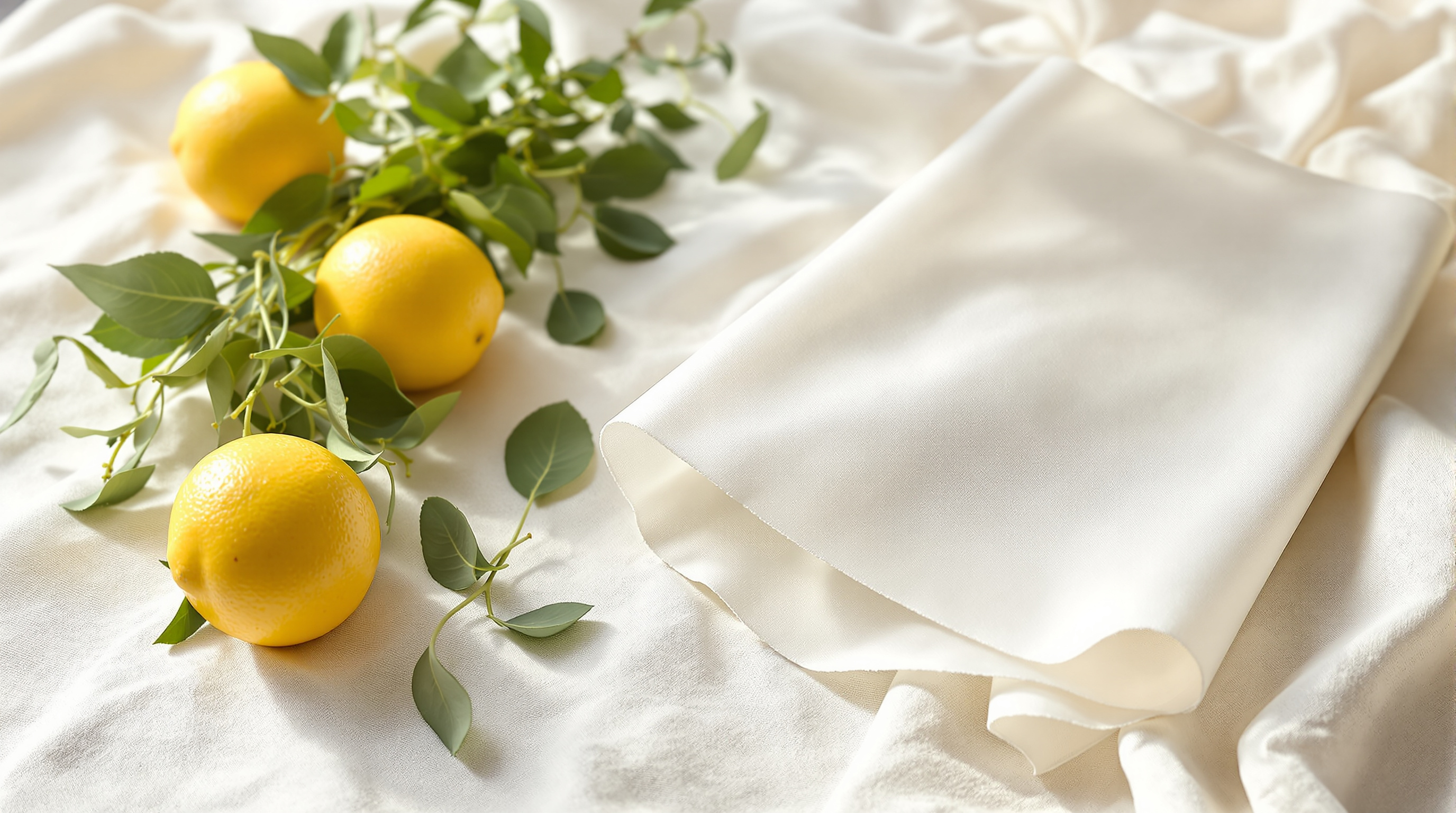
Every time you tear off a sheet of plastic cling wrap and drape it over a bowl of leftovers, you're placing a material engineered from polyvinyl chloride (PVC) or polyvinylidene chloride (PVDC) in direct contact with your food. To make those films flexible enough to cling, manufacturers add plasticizers — primarily DEHA (di(2-ethylhexyl) adipate) and various phthalates. Those additives are not chemically bonded to the plastic backbone. They migrate.
The migration rate increases with temperature, fat content, and contact time. Wrapping a warm casserole, a block of cheese, or a cut avocado in plastic wrap creates optimal conditions for chemical transfer. The good news: the alternatives have gotten genuinely good. Beeswax wraps cling surprisingly well, silicone bags outlast a roll of plastic wrap by years, and plant-based options cover the vegan contingent too.
Compare all 6 picks
Every pick side by side — tap a name to jump to the full review, or check today's price.
| Pick | Why it wins | |
|---|---|---|
 Best OverallBee's Wrap Assorted 3-Pack |
GOTS Organic CottonPlastic-Free |
Check price → |
 Best for BreadBee's Wrap Beeswax Bread Wrap |
Plastic-FreeMade in USA |
Check price → |
 Best SiliconeStasher Reusable Silicone Bags |
BPA & BPS-FreePhthalate-Free |
Check price → |
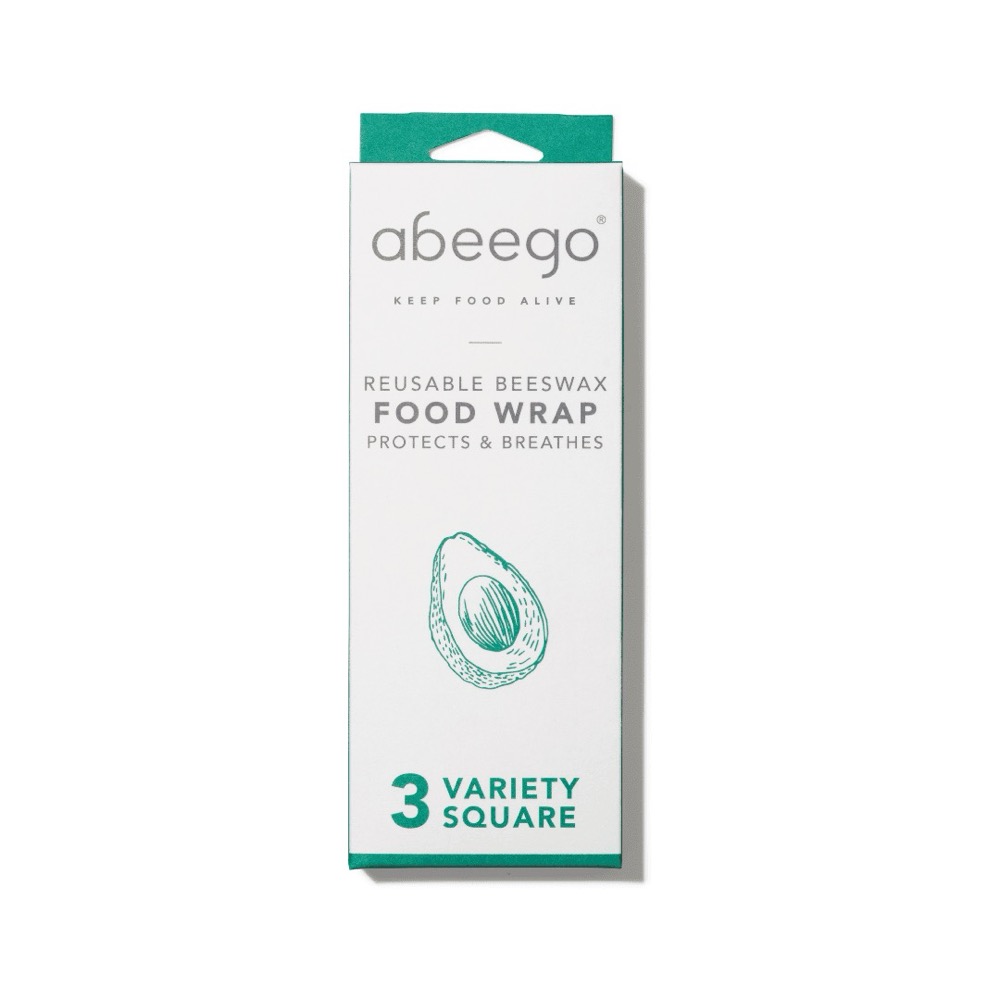 Best for ProduceAbeego Beeswax Food Wrap |
Plastic-FreeHemp + Organic Cotton |
Check price → |
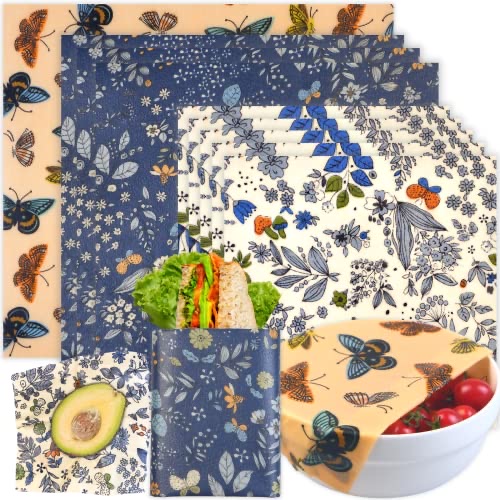 Best ValueReusable Beeswax Wrap 9-Pack |
OrganicPlastic-Free |
Check price → |
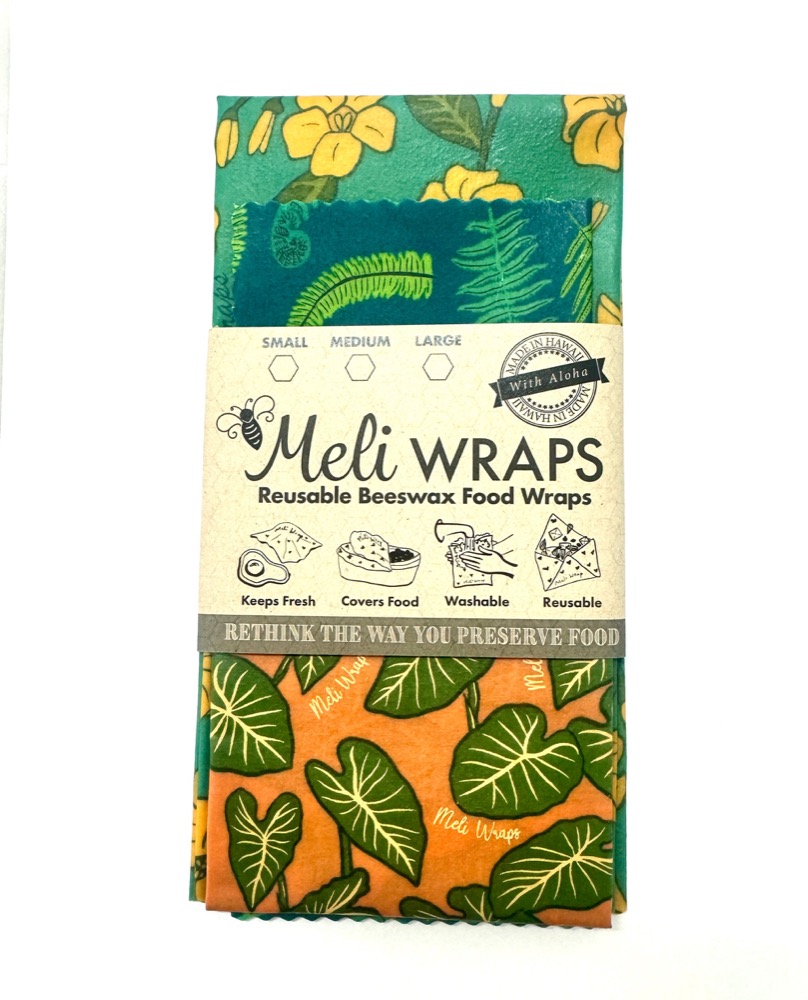 Best Variety PackMeli Wraps Variety Pack |
GOTS Organic CottonPlastic-Free |
Check price → |
Why Plastic Wrap Is Problematic
The two most common plastics used in household cling wrap are PVC and PVDC. PVC on its own is rigid and brittle; to make it cling-able, manufacturers add plasticizers at concentrations of 20–40% by weight. The most commonly used plasticizers in PVC food wrap are DEHA and various phthalates (DEHP, DBP, BBP). These compounds are classified as endocrine disruptors — they mimic estrogen in the body and have been linked to reproductive harm, thyroid disruption, and developmental issues in children.
A landmark study published in Food Additives & Contaminants found that DEHA migrated significantly from PVC wrap into fatty foods including cheese, processed meats, and baked goods. The FDA has acknowledged this migration but historically maintained that the levels remain below thresholds of immediate concern — a position increasingly challenged by researchers using cumulative exposure models rather than single-source assessments.
PVDC-based wraps (marketed under brand names like Saran) are more chemically stable and generally contain fewer plasticizers, but they present a different problem: PVDC is nearly impossible to recycle and does not biodegrade. Some PVDC formulations also release hydrogen chloride gas when incinerated, creating additional environmental burden.
Beyond plasticizers, standard plastic wrap is a direct vehicle for microplastic contamination. Thin plastic films shed particles readily — particularly when stretched, torn, or exposed to acidic or oily foods that accelerate surface degradation.
Heating dramatically accelerates chemical migration from plastic films. A 2019 study in Environmental Health Perspectives found that microwaving food in contact with plastic wrap increased DEHA migration by up to 10x compared to room-temperature contact. Even wraps labeled "microwave-safe" simply means the wrap won't melt — not that it won't leach chemicals. Use a ceramic plate, glass lid, or damp paper towel instead.
What to Look for in a Plastic-Free Food Wrap
Not all alternatives are equal. Here's what to check before buying:
- Material transparency: The brand should list every ingredient — fabric type, wax source, resin, and oil. Vague phrases like "natural coating" are a red flag.
- Organic certification: For beeswax wraps, look for GOTS-certified organic cotton. Conventional cotton is one of the most pesticide-intensive crops; those residues end up in the finished wrap.
- Silicone grade: For silicone bags, platinum-cured silicone is the gold standard. It uses a platinum catalyst rather than peroxide, resulting in a purer, more inert material with less residual chemical content.
- Vegan vs. beeswax: If avoiding animal byproducts, look for wraps using candelilla or carnauba wax instead of beeswax. Both perform similarly in terms of cling and breathability.
- Size variety: A good starter set includes at minimum a small (for half a lemon or avocado), medium (for a bowl or snack), and large (for bread loaves or covering a 9-inch bowl).
- Compostability: The best beeswax wraps are home-compostable at end of life. Silicone bags are not compostable but last far longer, offsetting the environmental tradeoff.
Quick Picks: Best Plastic-Free Food Wraps
| Product | Price | Material | Best For | Vegan |
|---|---|---|---|---|
| Bee's Wrap Assorted 3-Pack | $$ | Organic cotton + beeswax | Overall best | No |
| Bee's Wrap Beeswax Bread Wrap | $$ | Cotton + beeswax | Bread & sourdough | No |
| Stasher Silicone Bags | $ | Platinum-cured silicone | Microwave / freezer use | Yes |
| Abeego Beeswax Wrap | $$ | Organic hemp/cotton + beeswax | Fresh produce | No |
| Reusable Beeswax Wrap 9-Pack | $ | Organic cotton + beeswax | Value / big multipack | No |
| Meli Wraps Variety Pack | $$$ | Organic cotton + beeswax | Variety + gifting | No |
Price key: $ = budget · $$ = mid-range · $$$ = premium. Amazon prices change often — tap any product below to see today's price.
The 6 Best Plastic-Free Food Wraps, Reviewed
1. Bee's Wrap Assorted 3-Pack — Best Overall
Best Overall
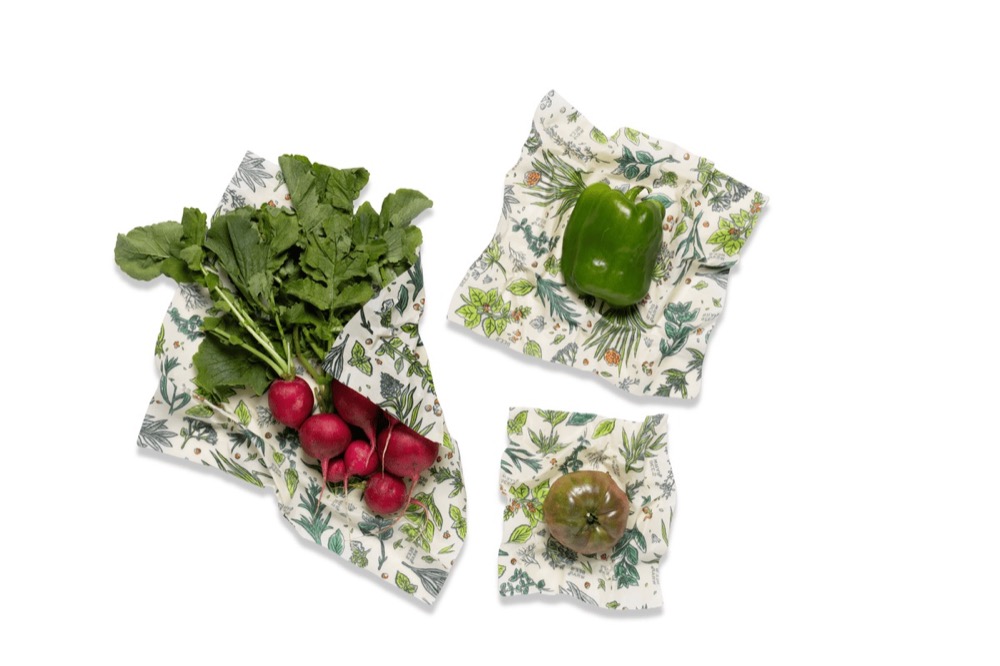
Why it wins: Bee's Wrap is the category pioneer and still the benchmark. The assorted 3-pack includes small, medium, and large sizes — covering the full range of kitchen needs from wrapping a cut lemon to covering a mixing bowl. The fabric is GOTS-certified organic cotton, coated in a proprietary blend of beeswax, tree resin, and jojoba oil. No synthetic additives, no mystery ingredients.
The cling is activated by hand warmth: hold the wrap around a bowl or piece of produce for a few seconds and it molds firmly. It releases just as easily when cool. The antibacterial properties of beeswax mean it's inherently resistant to the odor and microbial growth that can plague reusable containers. Care is simple — rinse in cool water, a drop of mild soap if needed, air dry.
The only meaningful limitation is that beeswax wraps cannot contact raw meat or fish (sanitization concern), cannot go in the dishwasher, and definitely cannot go in the microwave. For everything else — cheese, bread, produce, covering bowls of leftovers — Bee's Wrap handles it with ease. At end of life, the wrap is home-compostable. It's a genuinely circular product.
Bee's Wrap is the category benchmark, and owners praise how it keeps produce, cheese, and bread fresh, saying "the cheese is as fresh as when I purchased it," that "They are strong, sticky (but not on your hands)," and that it has a "very minimal wax smell compared to other brands." The honest downsides: some had "trouble getting it to stick" and note the wax coating thins over months, it does not seal as tightly as plastic wrap so "Washing them isn't the most convenient thing in the world," and it stains with oily foods and is not for hot food or raw meat.
Three everyday sizes that cling to a cut lemon, a sandwich, or a full mixing bowl — one set replaces a year of disposable plastic wrap.
Why it's safe: Made from GOTS-certified organic cotton coated only in beeswax, tree resin, and jojoba oil — no PVC, no PFAS, and no plasticizers like DEHA or phthalates that can migrate into food.
Check Today’s Price on Amazon →Amazon prices change daily — tap to see today's price and any active discount.
- Free delivery & returns for Prime members
- Sold & shipped by Amazon
- Thousands of verified reviews
2. Bee's Wrap Beeswax Bread Wrap — Best for Bread
Best for Bread
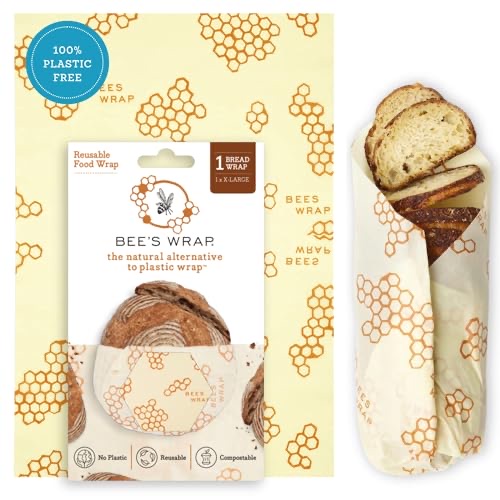
Why it wins: Bee's Wrap makes a wrap sized and shaped specifically for bread. It's cut large enough to fold around a whole sourdough boule or a cut loaf, keeping the crust from staling without sealing it in plastic. Like the rest of the Bee's Wrap line, it's a fabric wrap coated in beeswax that clings with the warmth of your hands and releases cleanly when cool.
It's made in the USA and printed in a honeycomb pattern. The wrap is reusable — refresh it with a rinse in cool water and air-dry — and it's free of the PVC, plasticizers, and PFAS found in cling film. Because it's coated in beeswax it isn't vegan; if you need a plant-based wrap, a candelilla-wax option is the alternative.
If your main goal is keeping bread fresh without a plastic bag, this single-purpose wrap does that job better than a general assorted set. For everything else — cheese, produce, covering bowls — the assorted 3-pack above is the more flexible pick.
The bread-size wrap is bought to keep loaves fresh while breathing, and owners report it keeps "bread so fresh" and "works great and keeps bread fresher longer," preventing a sourdough from drying out. Honesty note: verbatim owner quotes for the bread size specifically are thin, with most feedback paraphrased, so read it as lighter-evidence. The honest downsides: some find it hard to keep a large loaf effectively wrapped and sealed, and it carries the same wax limits as the rest of the line, meaning hand-wash in cool water only and no heat."
Keeps sourdough and cut loaves fresh without a plastic bag — one reusable wrap that folds right around the bread.
Why it's safe: A fabric wrap coated in beeswax — no PVC, no PFAS, and none of the phthalate or DEHA plasticizers that migrate out of cling film.
Check Today’s Price on Amazon →Amazon prices change daily — tap to see today's price and any active discount.
- Free delivery & returns for Prime members
- Sold & shipped by Amazon
- Thousands of verified reviews
3. Stasher Reusable Silicone Bags — Best Silicone
Best Silicone
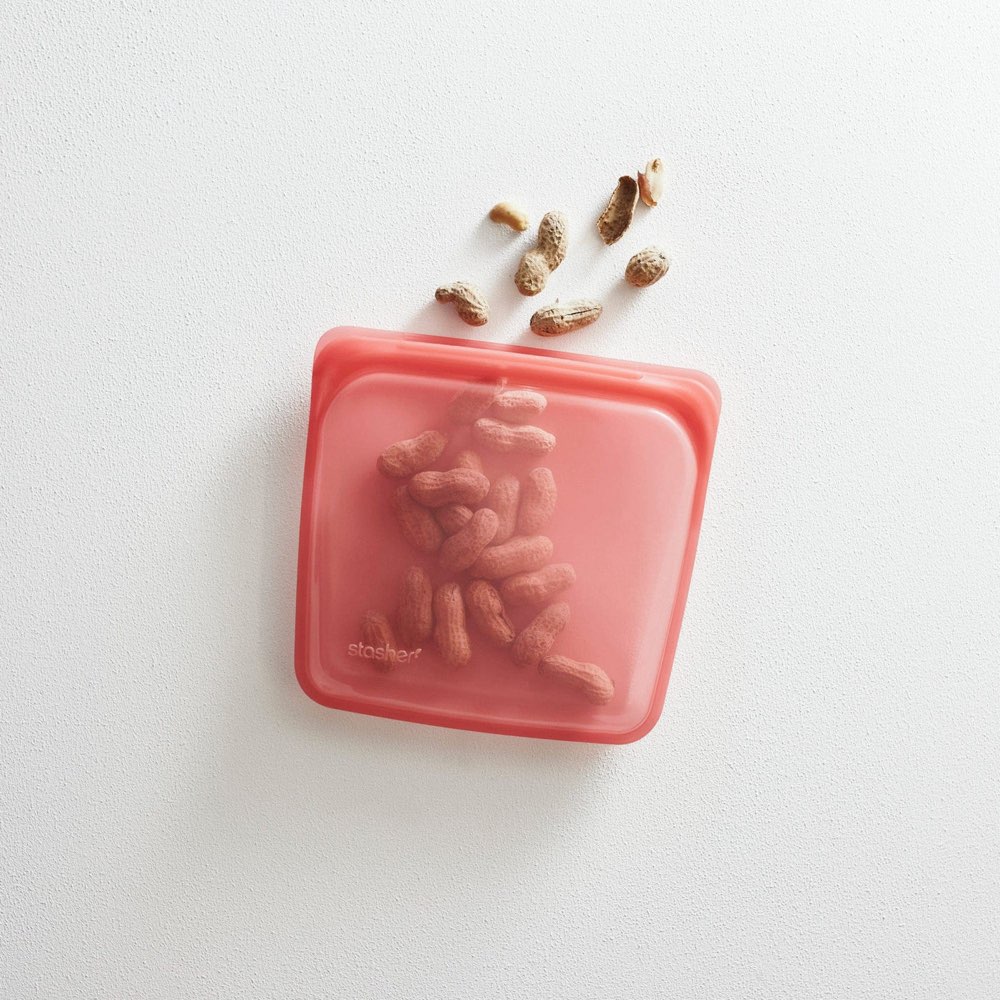
Why it wins: Stasher occupies a different niche than beeswax wraps — it's a true plastic bag replacement rather than a cling wrap replacement. Made from platinum-cured, 100% pure silicone with no BPA, BPS, latex, lead, or phthalates, Stasher bags are safe for direct freezer storage, sous vide cooking, microwaving, and dishwasher cleaning. That versatility is unmatched by any wax wrap.
Platinum-cured silicone is the industry benchmark for food-contact purity. The platinum catalyst used in curing leaves essentially no residual chemical signature — a meaningful contrast to peroxide-cured silicone, which can leave faint byproducts. Stasher has had its products independently tested and publishes results confirming no migration of heavy metals or plasticizers.
The pinch-seal closure is airtight and genuinely reliable — it doesn't fail the way Ziploc-style reclosable seals sometimes do. Stasher bags are available in sizes from snack (for a handful of nuts or a cookie) up to half-gallon (for a full head of broccoli or a marinating chicken breast). For a starter bag, the math works out favorably given a 3-5 year lifespan versus the few dollars for a box of plastic bags you'll exhaust in months.
Owners keep coming back to the airtight seal and how it replaces disposables for good, with one saying "I'm never buying a Ziploc bag again" and reporting that after years "They've held up perfectly, and I've never noticed any weird taste from storing food in the bag." The honest downsides: odor and stain retention is real, with a bag stored with garlic still "begging" to be de-smelled, the "tough-to-clean seams" dry slowly and can hold moisture, and the pinch seal can be fiddly to open.
The one plastic-free option you can microwave, freeze, sous-vide, and toss in the dishwasher — it replaces the box of zip-top bags entirely.
Why it's safe: 100% platinum-cured silicone with no BPA, BPS, latex, lead, or phthalates — independently tested to confirm no migration of heavy metals or plasticizers, even when heated.
Check Today’s Price on Amazon →Amazon prices change daily — tap to see today's price and any active discount.
- Free delivery & returns for Prime members
- Sold & shipped by Amazon
- Thousands of verified reviews
4. Abeego Beeswax Food Wrap — Best for Produce
Best for Produce
Why it wins: Abeego's core philosophy is that food is alive and needs to breathe. Most fresh produce — herbs, leafy greens, cut vegetables, whole fruits — deteriorates faster when sealed in airtight plastic because the carbon dioxide and ethylene gas they emit accumulates and accelerates ripening and decay. Abeego wraps are designed to be breathable, using a hemp and cotton fabric blend coated in beeswax, pine resin, and organic jojoba oil.
The breathability is deliberate: Abeego wraps allow gas exchange while still protecting produce from drying out. In head-to-head comparisons by food storage researchers, breathable wraps consistently outperform airtight plastic for keeping herbs, leafy greens, and soft fruits fresh longer. If the primary use case is produce storage rather than covering processed foods or bowls of soup, Abeego is the more thoughtfully engineered choice.
The hemp-cotton blend also gives Abeego wraps a slightly more robust texture than pure cotton alternatives, meaning they hold their shape a bit better when wrapping irregular items like a half cantaloupe or a big bunch of kale.
Abeego is the original Canadian beeswax wrap, and owners like that "After a couple uses they become really easy to form to any shape you need" and that it genuinely replaces plastic, with one saying "I haven't bought plastic wrap in months." The honest downsides: the wraps "can be a bit stiff at first," cleaning is awkward because "you have to sort-of rest it on a hard surface" to wipe it and crumbs stick to the wrap, and it is a premium price with staining and durability that suffer in warm climates.
Keeps herbs, greens, and cut produce fresher for longer by letting food breathe instead of sweating inside airtight plastic.
Why it's safe: A breathable hemp-and-organic-cotton blend coated only in beeswax, pine resin, and jojoba oil — no PVC, no PFAS, and none of the DEHA plasticizers that leach from cling film.
Check Today’s Price on Amazon →Amazon prices change daily — tap to see today's price and any active discount.
- Free delivery & returns for Prime members
- Sold & shipped by Amazon
- Thousands of verified reviews
5. Reusable Beeswax Wrap 9-Pack — Best Value
Best Value
Why it wins: This nine-pack delivers the most coverage of any option here. You get one extra-large wrap (for bread or a big bowl), three mediums (for sandwiches and half-used produce), and five smalls (for cut lemons, avocados, and jars) — organic fabric coated in beeswax, with no plastic film.
Performance is straightforward: the cling activates with hand warmth, the fabric molds around irregular shapes, and care is a cool-water rinse and air-dry. With nine wraps in the set you can keep several in rotation and refresh worn ones by ironing the wax back into the cloth.
The value proposition is simple — nine reusable wraps for roughly the price of a three-pack elsewhere. If you want to switch a whole household off cling film in a single purchase without overspending, this is the set to start with.
This is a cheap multipack category rather than one product, since many near-identical white-label listings share the same photos and copy under different names, so quality varies listing to listing. The one genuine draw is price, framed as "9 wraps at a price that makes the switch completely painless." The honest downsides are the standout gripes: weak stickiness, with owners saying "it's very hard to get these warm enough to stick" and resorting to "a rubber band because they don't stay stuck," a strong wax or chemical odor versus premium brands, and a thinner coating with a shorter life."
The most wraps per dollar — nine reusable pieces across three sizes cover nearly every everyday job for the price of a couple rolls of cling film.
Why it's safe: Organic fabric coated in beeswax — no plastic film, no PFAS, and no phthalate or DEHA plasticizers to migrate into food.
Check Today’s Price on Amazon →Amazon prices change daily — tap to see today's price and any active discount.
- Free delivery & returns for Prime members
- Sold & shipped by Amazon
- Thousands of verified reviews
6. Meli Wraps Variety Pack — Best Variety Pack
Best Variety Pack
Why it wins: Meli Wraps are hand-made in Hawaii from GOTS-certified organic cotton, premium Hawaiian beeswax, tree resin, and plant oils. The variety pack spans several sizes — typically two small, one medium, and one large — making it useful for households with diverse storage needs or as a ready-made gift. The vibrant tropical prints are what set Meli apart visually from the more muted competition.
Performance is on par with the category leaders: reliable hand-warmth cling, a soft fabric that molds easily around irregular shapes, and a coating that holds up for roughly 150 washes (one to two years) with proper care. Like all beeswax wraps, they rinse in cool water and air-dry, and compost at end of life.
Meli is a small, independent operation with clear ingredient transparency. The variety pack sits at the higher end of the category, justified by the hand-made quality, GOTS-certified fabric, and the breadth and aesthetic of the print options included.
Meli Wraps are handmade in Hawaii and owners praise the longevity, rated for "150 washes and 1-2 years depending on use," with a two-year tester saying "we can definitely vouch for this," and it seals fairly well, taking "a little squeezing, but it does form a fairly airtight lid." The honest downsides: it cracks with age, though you can refresh it by "putting it in the oven at low temperature for about 5 minutes," an imperfect seal leaks ("If you don't get the perfect seal, liquid will shoot out"), and it is slightly pricey and harder to find in stores.
A ready-to-gift multi-size set in standout tropical prints — covers everything from a cut avocado to a bread loaf in one purchase.
Why it's safe: GOTS-certified organic cotton coated only in Hawaiian beeswax, tree resin, and plant oils — no plastic film, no PFAS, and no phthalate or DEHA plasticizers that migrate from cling wrap.
Check Today’s Price on Amazon →Amazon prices change daily — tap to see today's price and any active discount.
- Free delivery & returns for Prime members
- Sold & shipped by Amazon
- Thousands of verified reviews
"The single most impactful kitchen swap for reducing daily chemical exposure is replacing plastic cling wrap. The alternatives are better in every measurable way — safer for food, longer lasting, and less wasteful."
Making the Switch: Practical Tips
Transitioning from plastic wrap to reusable alternatives is straightforward, but a few practical notes make it smoother:
- Start with one task. Replace plastic wrap for just one use — say, wrapping cheese — until the habit is automatic. Then expand to covering bowls, then produce.
- Keep a silicone bag for meat and hot food. Beeswax wraps can't contact raw meat, and Stasher bags handle hot or microwaved food without issue. The two complement each other well.
- Store wraps folded, not rolled. Rolling beeswax wraps can crack the wax coating over time. Flat folding (like a cloth napkin) extends wrap life.
- Refresh worn wraps. When a beeswax wrap loses its cling, place it between two sheets of parchment paper (ideally an unbleached, PFAS-free parchment) and run a cool iron over it for 10–15 seconds. The wax redistributes and the wrap functions like new.
- Never use beeswax wraps with raw meat, raw fish, or in the microwave. These are the firm limits — for those applications, glass containers with lids or Stasher bags are the correct tool.
Frequently Asked Questions
Standard plastic cling wrap is made from PVC (polyvinyl chloride) or PVDC (polyvinylidene chloride), both of which require plasticizers — including phthalates and DEHA — to remain flexible. These plasticizers are not chemically bound to the plastic film, meaning they can migrate into food, especially fatty or oily foods and anything warm. A study in Food Additives & Contaminants found significant DEHA migration from PVC wrap into cheese and meat. While some brands now offer PE (polyethylene) wraps with fewer additives, the safest choice is to avoid plastic wrap altogether and switch to beeswax, silicone, or other plastic-free alternatives.
Beeswax wraps are typically made from GOTS-certified organic cotton fabric coated in a mixture of beeswax, tree resin (usually pine or damar), and a carrier oil (often jojoba or coconut). The beeswax and resin create a naturally tacky, slightly stiff coating that softens with the warmth of your hands and molds around bowls, produce, and cut foods. The combination is naturally antimicrobial and breathable — which actually helps extend the shelf life of fresh produce better than airtight plastic. None of the ingredients in a quality beeswax wrap are associated with endocrine disruption or chemical leaching.
Traditional beeswax wraps are not vegan because they use beeswax, an animal byproduct. For a vegan alternative, look for wraps made with plant-based waxes such as candelilla wax or carnauba wax. Etee Organic Food Wraps are one of the most popular certified-vegan options, using a blend of plant waxes, tree resin, and organic cotton. Stasher silicone bags are another fully vegan option that performs similarly to plastic wrap for storage and marinating.
Most beeswax wraps last 6–12 months with proper care — roughly 100 or more uses. To maximize lifespan: rinse in cool water only (hot water melts the wax coating), use mild soap, air dry, and store folded in a cool place. Silicone bags like Stasher last significantly longer — typically 3 to 5 years or more — and can be run through the dishwasher. When a beeswax wrap reaches the end of its life, it can be composted or used as a natural fire starter, making it a genuinely low-waste option.
No. Beeswax wraps cannot go in the microwave — the heat will melt the wax coating and ruin the wrap. They also cannot be used with raw meat or fish due to the difficulty of sanitizing them at high temperatures. For microwave reheating, use a plate with a ceramic lid, a microwave-safe cover, or transfer food to a glass container. Silicone bags like Stasher are freezer- and microwave-safe, making them a better choice when you need to reheat directly in the packaging.
Sources & Further Reading
- Petersen, J.H. & Breindahl, T. (2000). "Plasticizers in total diet samples, baby food and infant formulae." Food Additives & Contaminants, 17(2), 133–141. — DEHA migration from PVC wrap into fatty foods.
- Schecter, A. et al. (2013). "Phthalate concentrations and dietary exposure from food purchased in New York State." Environmental Health Perspectives, 121(4), 473–479. — dietary phthalate exposure pathways including packaging.
- European Food Safety Authority (EFSA). (2019). "Safety assessment of di-2-ethylhexyl adipate (DEHA) for use in food contact materials." EFSA Journal 17(1). — regulatory review of DEHA in food wrap.
- Yang, C.Z. et al. (2011). "Most plastic products release estrogenic chemicals: a potential health problem that can be solved." Environmental Health Perspectives, 119(7), 989–996. — estrogenic activity in plastic food packaging materials.
- Galloway, T.S. (2015). "Micro- and nano-plastics and human health." In Marine Anthropogenic Litter. — microplastic shedding from thin plastic films in food contact.
- U.S. Environmental Protection Agency. (2022). "PFAS Explained." — background on per- and polyfluoroalkyl substances in consumer products.
Going plastic-free in the kitchen?
Our complete kitchen guide covers every swap — from cookware to storage containers to cutting boards — with the same evidence-based approach.
Keep Reading
- Best Glass Food Storage Containers (2026)
- Best Silicone Food Storage Bags
- Best Non-Toxic Baking Sheets 2026
- Microplastics in Food Packaging: What the Research Says
Affiliate disclosure: This page contains affiliate links. Plasticproof earns a small commission on qualifying purchases at no extra cost to you. All products are independently selected based on safety research — affiliate relationships do not influence our recommendations.