
The best non-toxic high chairs in 2026 include the Stokke Tripp Trapp (best overall, ~$259), Abiie Beyond Junior Y (best value wooden, ~$200), Chicco Zest 4-in-1 High Chair (best budget, ~$70), Keekaroo Height Right (best easy-clean, ~$230), the Cowiewie 3-in-1 Convertible Wooden High Chair (best convertible wooden), and a restaurant-style solid wood high chair (budget wooden pick). These picks prioritize solid wood or food-safe plastics over conventional plastic-and-foam construction.
The phrase "non-toxic high chair" should be redundant — your baby eats from this surface three times a day, drops food onto it, mouths the tray, and sits with bare skin against the material for hours each week. But the reality is that most high chairs on the market are made from polycarbonate or ABS plastic (which can contain BPA and its replacements), use foam padding treated with chemical flame retardants, and feature painted surfaces that may contain lead or volatile organic compounds. This guide looks at what high chairs are actually made of, not what the label says.
Below you will find a research summary on chemical exposure from high chairs, detailed reviews of six safe options, a head-to-head comparison table, and a FAQ section addressing the most common questions parents ask about non-toxic feeding furniture.
Top 3 Picks at a Glance
Compare all 6 picks
Every pick side by side — tap a name to jump to the full review, or check today's price.
| Pick | Price | Why it wins | |
|---|---|---|---|
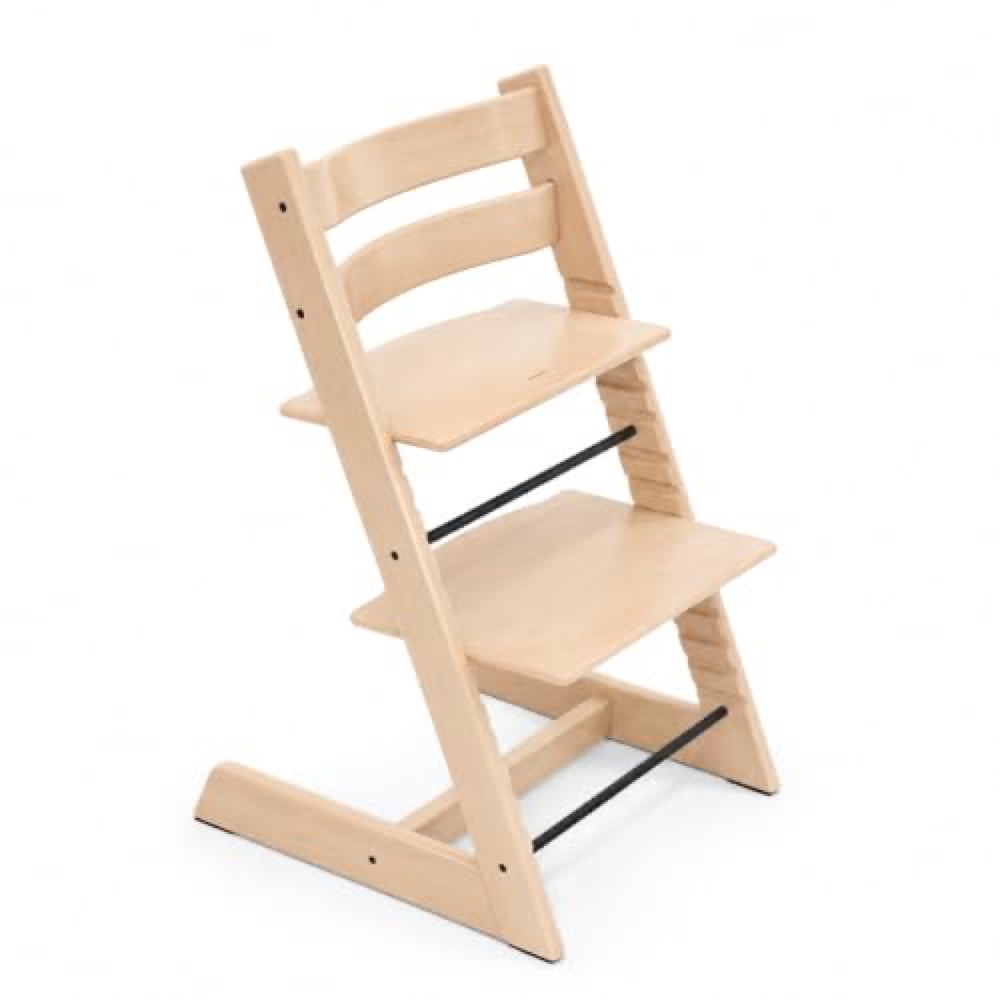 Best OverallStokke Tripp Trapp |
~$259 | Solid European beech woodWater-based |
Check price → |
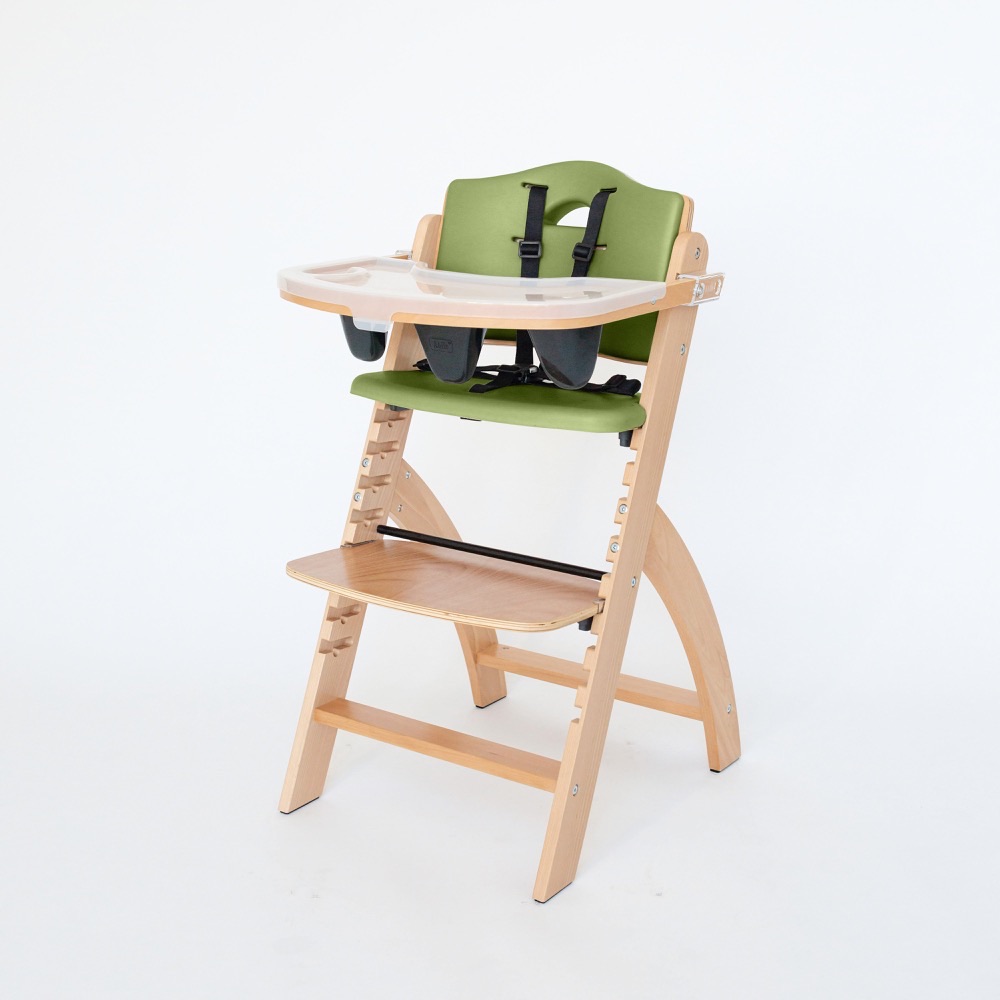 Best Value WoodenAbiie Beyond Junior Y |
~$200 | Solid beech wood frameBPA-free |
Check price → |
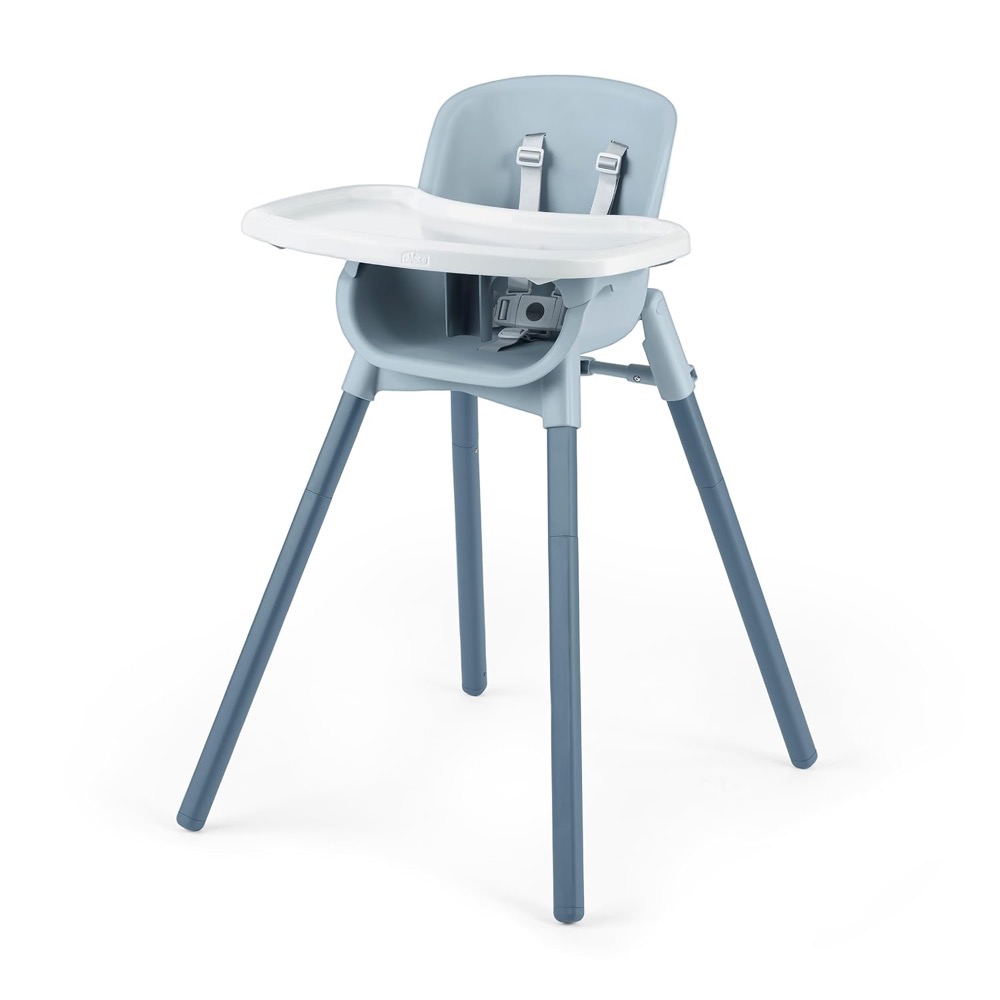 Best BudgetChicco Zest 4-in-1 High Chair |
~$70 | Fabric-free seatNo added fire retardants |
Check price → |
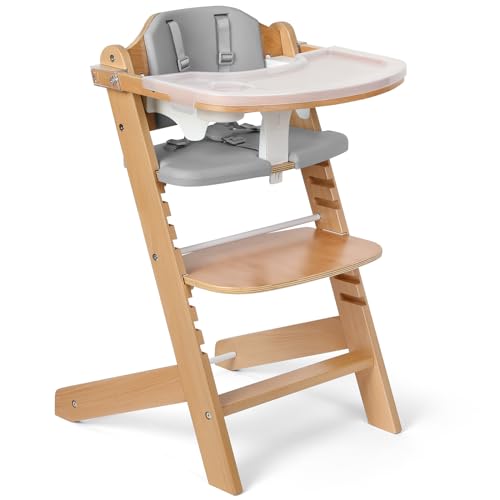 Best Easy-CleanKeekaroo Height Right |
~$230 | Solid wood framePeel-resistant cushions |
Check price → |
Best Convertible WoodenCowiewie 3-in-1 Convertible Natural Wooden High Chair |
Check price | Natural wood frame3-in-1 convertible |
Check price → |
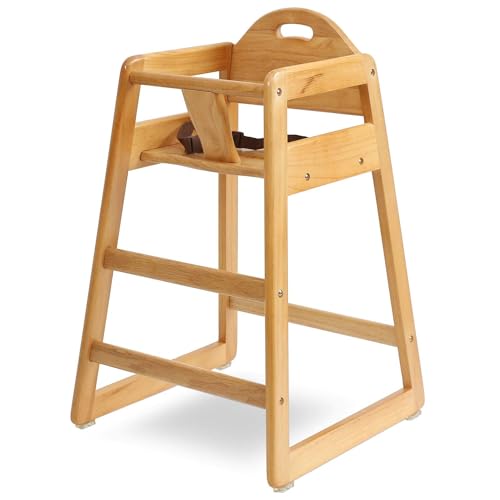 Best Restaurant-StyleWooden High Chair for Baby & Toddler |
Check price | Commercial-grade solid wood…Restaurant-style |
Check price → |
Why Your Baby's High Chair Material Matters
Babies interact with high chairs differently from how adults interact with furniture. They mouth the tray edge. They rub food — often warm or acidic — across the surface. They sit with bare skin against the seat for extended periods. Warm food and drinks placed on plastic trays accelerate the leaching of chemical additives from the plastic matrix into whatever is touching the surface. This is not theoretical — it is basic polymer chemistry that has been documented in dozens of peer-reviewed studies.
Feeding-product exposure starts long before solid food and the high chair — it begins with the bottle and, for many families, the formula prepared in it. If you are still in that stage, our guide to the safest baby formula covers how to lower plastic exposure from the very first feeds.
The three main chemical concerns with conventional high chairs are interconnected but distinct:
- BPA and BPA substitutes (BPS, BPF) in plastic components. Polycarbonate trays and structural plastic parts can leach bisphenol A — an endocrine disruptor linked to reproductive harm, obesity, and neurodevelopmental effects in children. "BPA-free" labels often mean the manufacturer substituted BPS or BPF, which emerging research suggests carry similar endocrine-disrupting properties. Polypropylene (PP) and solid wood sidestep this category entirely.
- Phthalates in soft plastic and vinyl. PVC-based seat covers, inflatable cushions, and soft-touch grips frequently contain phthalates — plasticizers that make rigid plastic flexible. Phthalates are known endocrine disruptors that have been restricted in children's toys in the US since 2008 (CPSIA), but the same chemicals remain largely unregulated in children's furniture. Exposure occurs through skin contact and ingestion when babies mouth surfaces.
- Flame retardants in foam padding. Polyurethane foam padding in high chair cushions is routinely treated with chemical flame retardants, including organophosphate compounds like TDCIPP (a known carcinogen) and TCEP. These chemicals migrate out of foam over time and accumulate in household dust. Infants, who spend time close to the floor and put their hands in their mouths frequently, have the highest body burden of flame retardant chemicals of any age group. The same flame-retardant concern applies to padded baby gear beyond the kitchen — our guide to the best non-toxic car seats covers how to find a seat with naturally flame-resistant fabric instead of chemical treatments.
Lead paint is a less common but still relevant concern, particularly with imported painted high chairs and older secondhand models. The US Consumer Product Safety Commission (CPSC) sets a 90 ppm limit for lead in children's products, but enforcement is complaint-driven, and many imported products have been recalled after testing revealed lead levels above safe thresholds.
A note on "BPA-free" high chairs
The "BPA-free" label on a high chair tray does not mean the plastic is free from endocrine disruptors. It means the specific compound bisphenol A has been removed — often replaced by bisphenol S (BPS) or bisphenol F (BPF), which have shown similar estrogenic activity in laboratory studies. A 2020 meta-analysis in Environment International found that BPS and BPF disrupt hormone signaling at concentrations comparable to BPA. To genuinely avoid bisphenols, choose solid wood trays, stainless steel, or polypropylene (PP) — materials that do not require bisphenol chemistry in their manufacture.
Full Product Reviews
Best OverallStokke Tripp Trapp
✓ Ships free with Prime · Free returns · Amazon A-to-z purchase guarantee (on eligible items)
The Stokke Tripp Trapp has been the gold standard in non-toxic high chairs since its original Norwegian design in 1972. The chair is made entirely from solid European beech wood — one of the hardest and most durable hardwoods available — with a water-based, non-toxic lacquer finish that meets the strictest European chemical safety standards (EN 14988). There is no plastic in the structural body. The seat and footplate are adjustable to 14 different height positions, meaning this chair genuinely grows with your child from 6 months (with the optional Tripp Trapp Baby Set) through adulthood. The 7-year warranty reflects real manufacturing confidence. The optional Stokke Tray is made from BPA-free, phthalate-free plastic and is dishwasher-safe.
Owners measure this chair in years, not months: "my 7 year old is still using the Tripp Trapp," and one family reports theirs "in continuous use for about 40 years." Parents love watching toddlers climb in by themselves and pull up to the family table, and adults admit to sitting in it when they need an extra chair. It also holds its value like nothing else in the category — used listings routinely sell within minutes. The honest complaints: the add-on tray frustrates many parents (suction bowls don't stick to it, and the underside traps food), the straps are fiddly to adjust, and buying the Baby Set and tray separately makes the real price higher than the sticker.
Pros
- Solid European beech wood — no plastic in the frame
- Water-based, non-toxic lacquer finish
- Grows from 6 months to adulthood (242 lb capacity)
- 14 seat/footrest height positions
- 7-year warranty
- Pulls up directly to the dining table
- 50+ years of design heritage and safety record
Cons
- Expensive — $259 for chair alone, $300+ with Baby Set and tray
- Baby Set and tray sold separately (adds ~$80)
- No built-in tray — requires add-on or table use
- Heavy (15 lbs) and does not fold
Best Value WoodenAbiie Beyond Junior Y
✓ Ships free with Prime · Free returns · Amazon A-to-z purchase guarantee (on eligible items)
The Abiie Beyond Junior Y delivers nearly everything the Stokke Tripp Trapp offers — solid beech wood construction, adjustable height, and a grow-with-child design — at a meaningfully lower price point and with the tray included. The removable tray is made from BPA-free, phthalate-free plastic and is dishwasher-safe, which matters when you are cleaning it three times a day. The five-point harness is removable as your child grows. The chair supports up to 250 lbs in adult configuration, and the seat and footrest adjust easily with an Allen key. The wood finish is non-toxic and meets ASTM F404 safety standards. If you want a solid wood high chair without paying the Stokke premium, this is the one to buy.
The recurring story in owner threads is a parent who "spent an absurd amount of hours researching high chairs" and landed here — and several who have owned both say the Abiie beats the Tripp Trapp outright, mainly because the straps pop out for a weekly soak and the tray cover goes straight in the dishwasher. Parents report kids still using it daily at 4, 5, even 8 years old, and parents of bigger babies specifically praise the roomy seat with no squeezed leg holes. The honest complaints: the frame has crevices where food hides (some owners say cleaning is no trouble, others call it a pain), and the fabric straps eventually look grungy even though they wash.
Pros
- Solid beech wood frame — no structural plastic
- BPA-free, phthalate-free tray included (dishwasher-safe)
- Grows with child from 6 months to 250 lbs
- Significantly less expensive than Stokke with tray included
- Easy height adjustment
- 5-point harness included
Cons
- Assembly required (20–30 minutes)
- Height adjustment requires Allen key (not tool-free)
- Fewer color options than Stokke
- Less established brand history
Best BudgetChicco Zest 4-in-1 High Chair
✓ Ships free with Prime · Free returns · Amazon A-to-z purchase guarantee (on eligible items)
The Chicco Zest is the simplest way to get a padding-free high chair without paying for wood. The seat is a single molded shell with no fabric and no foam — Chicco describes it as fabric-free, with wipeable, easy-to-clean surfaces — so there is nothing to soak up spills and no foam to carry flame retardants. Chicco states the Zest is produced without intentionally added fire retardant chemical treatments and is made without PFAS, BPA, and phthalates, and the removable tray is BPA-free. It works four ways: a table-height high chair, a low feeding chair with the legs shortened, a toddler chair, and a youth stool for kids up to 60 lbs. It weighs 9.5 lbs, folds compactly, and stores the tray on its rear legs. Two things to know: Chicco does not name the specific plastic it uses, and a footrest is sold separately (about $15).
Amazon's summary of buyer reviews says parents find the Zest easy to clean, easy to assemble, and good value for the money. The mixed feedback is about stability and folding — some call it sturdy and say it folds up nicely, while others say the legs feel less sturdy and it is hard to fold — and about fit: some parents say it is too small for young infants and too narrow, and several mention it is hard to get babies in and out.
Pros
- Fabric-free one-piece seat — no foam padding
- Made without intentionally added fire retardants (per Chicco)
- Made without PFAS, BPA, and phthalates (per Chicco)
- BPA-free removable tray
- 4-in-1: high chair, low feeding chair, toddler chair, youth stool
- Holds up to 60 lbs as a youth stool
- Lightweight (9.5 lbs) and folds compactly
Cons
- Plastic, not wood — Chicco does not name the specific plastic
- Footrest sold separately
- Some parents find it narrow and too small for young infants
- Mixed reports on stability and folding
- Harness is spot-clean only
Best Easy-CleanKeekaroo Height Right
✓ Ships free with Prime · Free returns · Amazon A-to-z purchase guarantee (on eligible items)
The Keekaroo Height Right solves the biggest hygiene problem with high chair cushions: it replaces fabric and foam with a proprietary comfort cushion made from a peel-resistant, latex-free, BPA-free material that wipes clean with a damp cloth. No removing cushion covers, no machine washing, no foam padding that traps bacteria and flame retardants. The chair frame is solid wood (rubberwood), and the seat and footrest are adjustable. The comfort cushions are impermeable — liquids, food, and spills sit on the surface rather than soaking in, which matters when you are dealing with the reality of feeding a toddler. The cushion material is GREENGUARD Gold certified for low chemical emissions. If cleaning ease is your top priority alongside material safety, the Keekaroo is the answer.
The recurring theme is parents calling it their third high chair — and their last. Parents who have owned both call the Keekaroo heavier and sturdier than the Tripp Trapp, with an easier-to-clean tray: the washable tray cover even works with suction bowls, a known sore point for Stokke owners. Pediatric feeding therapists name it among their first recommendations for posture, and the longevity reports run long — one family passed theirs to a neighbor "still near perfect 13 years later." The honest complaints: it is genuinely heavy, wide enough to catch a toe on, and the price has crept up — which is why so many owners hunt for one secondhand.
Pros
- Solid wood frame (rubberwood)
- Peel-resistant cushions — no fabric, no foam, no flame retardants
- Wipes clean in seconds — impermeable surface
- GREENGUARD Gold certified cushions
- BPA-free, latex-free, phthalate-free
- Grows with child to 250 lbs
- Adjustable seat and footrest
Cons
- Comfort cushions add ~$50–80 to chair price
- Tray sold separately
- Cushion material can feel sticky in warm weather
- Heavier than competitors (~18 lbs)
Cowiewie 3-in-1 Convertible Natural Wooden High Chair
✓ Ships free with Prime · Free returns · Amazon A-to-z purchase guarantee (on eligible items)
The Cowiewie 3-in-1 is a convertible natural wooden high chair that grows with your child, converting between a high chair, a lower chair, and a separate chair-and-table setup for babies and toddlers. The frame is natural wood, and the seat adjusts across 8 levels as your child grows. It includes a removable, adjustable wooden tray and two waterproof cushions that wipe clean easily. Because the structure is wood rather than a molded plastic shell over foam, it avoids the padding and plastic that dominate conventional high chairs.
Pros
- Natural wood frame — no molded plastic seat
- 3-in-1 convertible — grows with your child
- 8-level adjustable seat
- Removable, adjustable wooden tray included
- Two waterproof, wipe-clean cushions
- Suitable for babies through toddlers
Cons
- Not designed to convert to adult use
- Assembly required out of the box
- Cushion fill material is not specified by the maker
- Heavier and bulkier than a folding plastic high chair
Best Restaurant-StyleWooden High Chair for Baby & Toddler
✓ Ships free with Prime · Free returns · Amazon A-to-z purchase guarantee (on eligible items)
This is a restaurant-style wooden high chair built from commercial-grade solid wood — the sturdy, no-frills kind you see in family restaurants. It has no tray and no padding; you pull it straight up to the dining table, so there are no molded plastic parts or foam cushions involved. The compact, stackable design makes it easy to store or move between the kitchen and dining room, and the natural wood finish keeps it simple. It is a straightforward choice for families who want solid wood at table height without the price of a convertible designer chair.
Pros
- Commercial-grade solid wood construction
- Restaurant-style, sturdy build
- No foam padding — no flame retardant concern
- Compact and portable
- Stackable for easy storage
- Natural wood finish — no molded plastic seat
Cons
- No tray included — pull up to the table
- Minimal design — no padding
- Unbranded — limited maker documentation on finishes
- Not designed to convert to adult use
Head-to-Head Comparison
| High Chair | Material | BPA/Phthalate Free | Adjustable | Max Weight | Price |
|---|---|---|---|---|---|
| Stokke Tripp Trapp | Solid beech wood | Yes | 14 positions | 242 lbs | ~$259 |
| Abiie Beyond Junior Y | Solid beech wood | Yes | Multiple | 250 lbs | ~$200 |
| Chicco Zest 4-in-1 | Plastic seat, metal frame | Yes | 2 heights | 60 lbs | ~$70 |
| Keekaroo Height Right | Solid rubberwood | Yes | Multiple | 250 lbs | ~$230 |
| Cowiewie 3-in-1 | Natural wood | Not stated | 8 levels | Not stated | — |
| Wooden High Chair (restaurant-style) | Solid wood | Not stated | No | Not stated | — |
What to Look for in a Non-Toxic High Chair
Not all "non-toxic" claims are meaningful. Here is what actually matters when evaluating high chair safety from a materials perspective:
- Solid wood frame (beech, birch, rubberwood). These hardwoods are naturally free from BPA, phthalates, and flame retardants. They do not off-gas and do not degrade into microplastic particles. A solid wood high chair is the single most effective way to reduce chemical exposure from feeding furniture.
- Water-based or food-grade finishes. The finish matters as much as the wood itself. Look for water-based lacquers, UV-cured finishes, or food-grade oils. Avoid chairs with painted finishes that do not disclose paint composition, especially imports that may not comply with US lead paint standards.
- BPA-free polypropylene (PP) trays. If the tray is plastic, polypropylene is the safest mainstream option. It does not require bisphenol chemistry, does not contain phthalates, and is dishwasher-safe without leaching concerns. Avoid polycarbonate (PC) and ABS plastic trays.
- No foam padding, or GREENGUARD/OEKO-TEX certified padding. The safest approach is to skip padding entirely and use the chair with bare wood or add a silicone cover. If padding is included, look for GREENGUARD Gold or OEKO-TEX Standard 100 certification, which test for flame retardants and other harmful chemicals.
- No PVC components. PVC (polyvinyl chloride) requires phthalate plasticizers to be flexible. Avoid PVC seat covers, harness padding, and inflatable cushions.
The safest high chair is the simplest one: solid wood, no padding, no paint of unknown composition, and a food-safe tray. Every additional material — foam, fabric, plastic molding, painted surfaces — adds a potential exposure pathway that would not exist with bare wood.
The Flame Retardant Problem in High Chair Cushions
Polyurethane foam is inherently flammable, which is why manufacturers treat it with chemical flame retardants to meet furniture flammability standards. These chemicals do not stay in the foam — they migrate into household dust over the product's lifetime and are ingested by anyone in the home, with infants and toddlers receiving disproportionately high doses due to their hand-to-mouth behavior and proximity to contaminated surfaces.
A 2019 study published in Environmental Science & Technology found that children who used foam-padded furniture had significantly higher urinary concentrations of organophosphate flame retardant metabolites than children in homes with primarily solid-surface furniture. TDCIPP — one of the most common flame retardants used in polyurethane foam — is classified as a carcinogen by California's Office of Environmental Health Hazard Assessment and has been linked to decreased fertility and thyroid disruption.
The simplest solution is to choose high chairs that do not use foam padding at all. The Stokke Tripp Trapp, Chicco Zest, and the restaurant-style wooden high chair all function without any padding. The Keekaroo Height Right replaces foam with its proprietary solid comfort cushion. If you already own a padded high chair, removing the foam cushion and using the bare seat (with an optional silicone mat for comfort) eliminates the flame retardant exposure pathway immediately.
Building a non-toxic nursery extends well beyond the high chair. For a comprehensive room-by-room approach, see our Plasticproof Nursery Guide. To keep a baby's crib mattress dry and free of mold and mildew, see our guide to the best non-toxic crib mattress protectors. If you are also choosing bottles, read our analysis of the safest baby bottles for 2026. And for context on why this matters at a biological level, our report on microplastics in baby food covers the latest research on infant exposure pathways.
Frequently Asked Questions
Generally yes. Solid wood high chairs (beech, birch, rubberwood) eliminate the risk of BPA, phthalates, and other plasticizers that can leach from plastic surfaces — especially when heated by warm food or cleaned with hot water. Wood is naturally inert and does not off-gas. The key is to verify the finish: look for water-based, non-toxic lacquers or food-grade finishes, and confirm the chair is free from lead-based paint. Not all wood high chairs are automatically safe — a poorly painted wooden chair can be worse than a well-made polypropylene one.
Wipe down with a damp cloth and mild dish soap after each meal. For stuck-on food, use a soft brush or a paste of baking soda and water. Avoid soaking wood in water or using bleach-based cleaners, which can damage the finish and expose the bare wood to moisture. Chairs with sealed wood finishes — like the Stokke Tripp Trapp or Keekaroo Height Right — resist moisture penetration and are designed for easy daily cleaning without special products. For the plastic tray, warm soapy water or the dishwasher is fine for polypropylene trays.
Most babies are ready for a high chair around 6 months of age, when they can sit upright with minimal support and show interest in solid food. Signs of readiness include steady head control, the ability to sit with support, and loss of the tongue-thrust reflex. Many wooden high chairs — including the Stokke Tripp Trapp and Abiie Beyond Junior — include infant inserts or harness systems for babies as young as 6 months. Always use the harness system until your child can sit independently and reliably, typically around 12–18 months.
Many padded high chair cushions do contain chemical flame retardants, particularly those with polyurethane foam padding. These chemicals — including TDCIPP, TCEP, and various organophosphate compounds — have been linked to endocrine disruption and developmental concerns in children. To avoid them, choose high chairs that skip fabric padding entirely (Keekaroo Height Right, Chicco Zest, Stokke Tripp Trapp without cushion) or use padding certified free from flame retardants. Look for OEKO-TEX Standard 100 or GREENGUARD Gold certification on any cushion or padding product.
Chicco states the Zest is produced without intentionally added fire retardant chemical treatments and is made without PFAS, BPA, and phthalates. The seat is a fabric-free, one-piece molded shell, so there is no foam padding to hold flame retardants and nothing to soak up spills. Chicco does not name the specific plastic it uses. At about $70, it is a sensible budget option if you want a simple, unpadded seat — and it converts to a youth stool for kids up to 60 lbs.
Sources
- Braun, J.M. et al. "Impact of Early-Life Bisphenol A Exposure on Behavior and Executive Function in Children." Pediatrics, 2011. PubMed
- Rochester, J.R. & Bolden, A.L. "Bisphenol S and F: A Systematic Review and Comparison of the Hormonal Activity of Bisphenol A Substitutes." Environmental Health Perspectives, 2015. PubMed
- Hoffman, K. et al. "Temporal Trends in Exposure to Organophosphate Flame Retardants in the United States." Environmental Science & Technology Letters, 2017. PubMed
- Stapleton, H.M. et al. "Detection of Organophosphate Flame Retardants in Furniture Foam and U.S. House Dust." Environmental Science & Technology, 2009. PubMed
- US Consumer Product Safety Commission (CPSC). "Total Lead Content." CPSC regulatory overview. CPSC.gov
- CDC National Health and Nutrition Examination Survey (NHANES). "Urinary Concentrations of Bisphenol A and Three Other Bisphenols." Centers for Disease Control and Prevention. CDC.gov
- Trasande, L. et al. "Phthalates and the Diets of U.S. Children and Adolescents." Environmental Research, 2018. PubMed