Every parent handing a toddler a plastic sippy cup has a reasonable assumption: if it's sold for children, it's been tested and it's safe. That assumption has a gap in it. Regulatory standards in the United States and EU test for BPA — a well-characterized endocrine disruptor — but not for the replacement chemicals (BPS, BPF) now used in most BPA-free plastics, and not for the microplastic particles that every plastic vessel sheds over its lifetime. The research on both fronts has moved faster than the labels.
This guide covers the science plainly and then gets to the point: the six best plastic-free sippy cups available in 2026, what makes each one safe, and how to make the switch without a toddler rebellion.
Compare all 6 picks
Every pick side by side — tap a name to jump to the full review, or check today's price.
| Pick | Rating | Why it wins | |
|---|---|---|---|
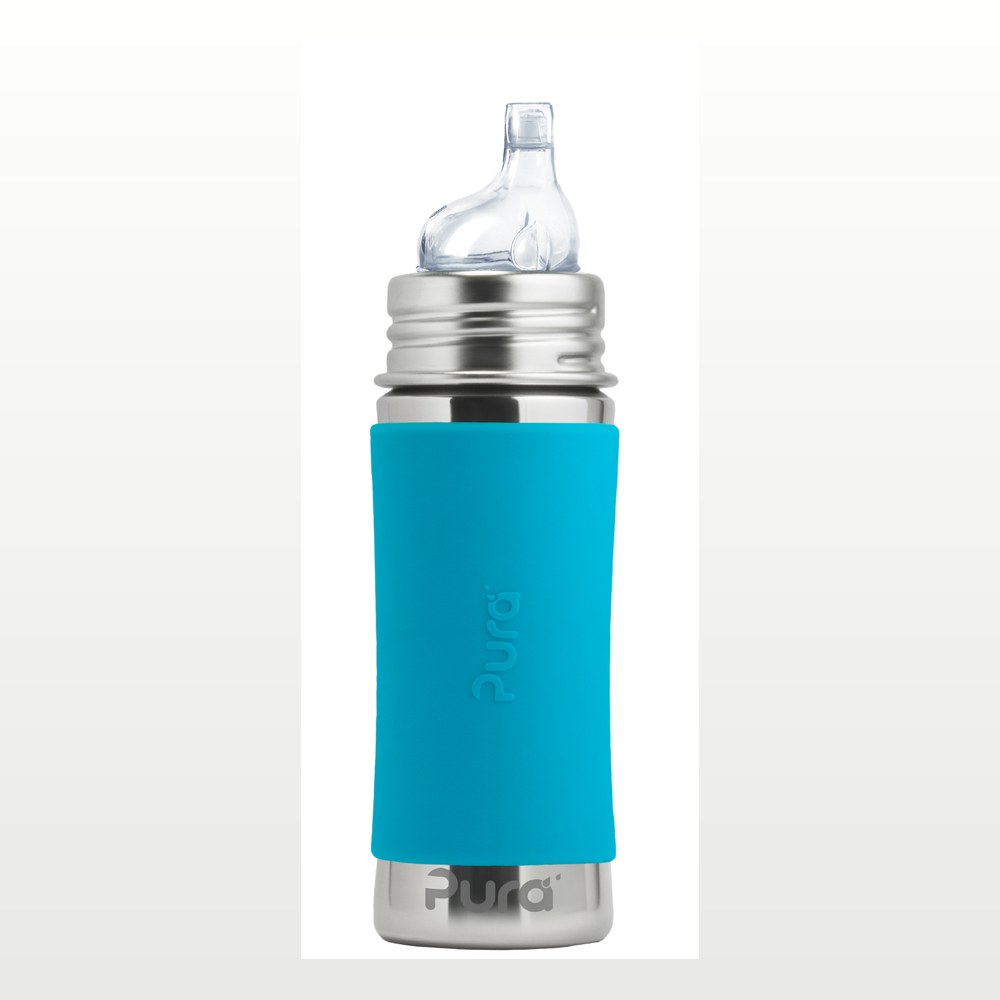 Best Overall1. Pura Kiki Stainless Steel Sippy Cup |
4.7out of 5 | Zero Plastic in Drink Path18/8 Stainless |
Check price → |
| 4.8out of 5 | No Plastic in Drink PathFood-Grade 18/8 Stainless |
Check price → | |
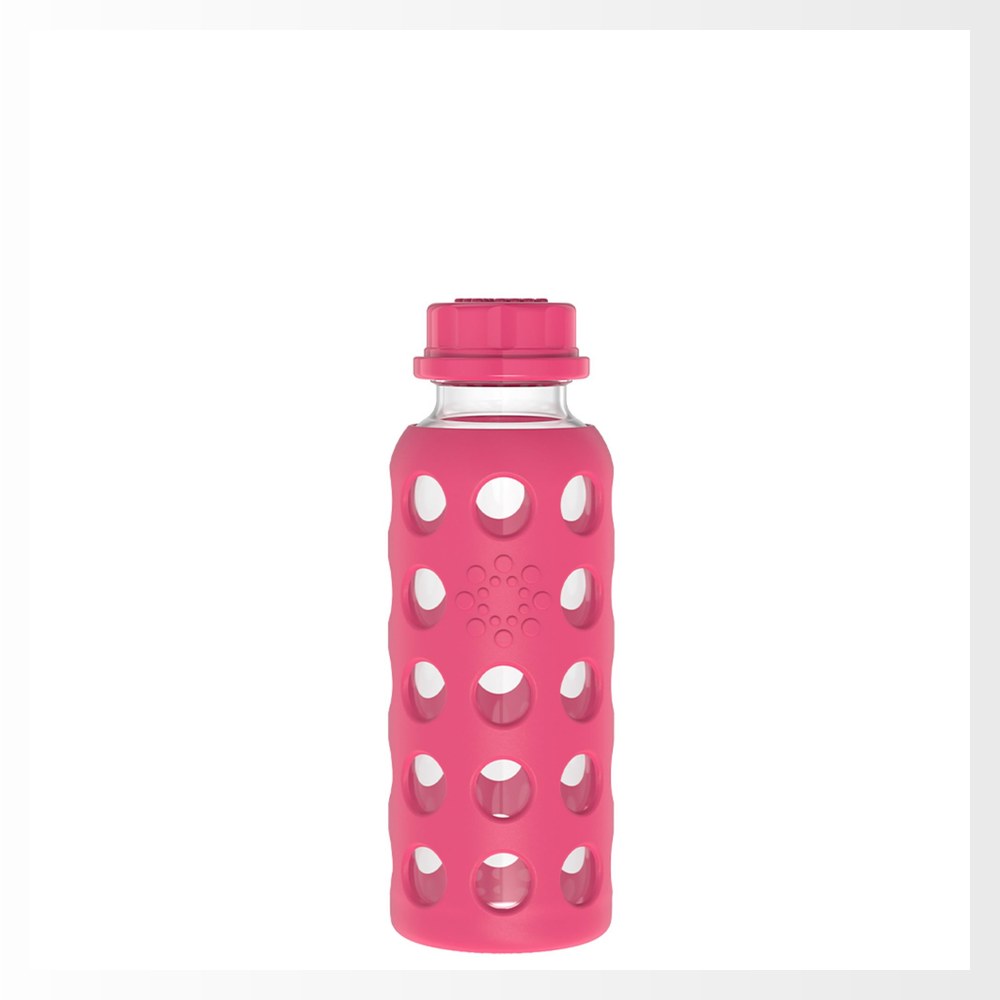 Best Glass Option3. Lifefactory Glass Sippy Cup |
4.7out of 5 | No Plastic in Drink PathBorosilicate Glass |
Check price → |
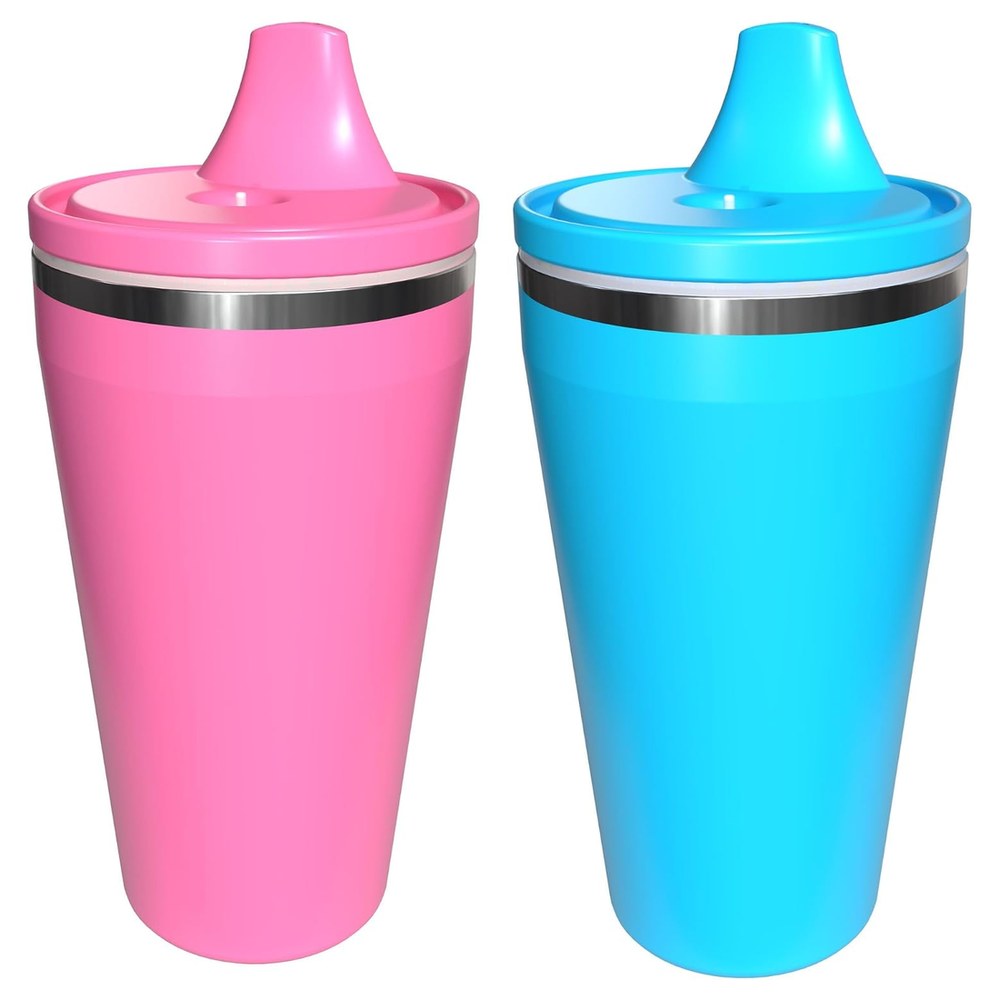 Best Budget Stainless4. Re-Play Stainless Steel Sippy Cup |
4.8out of 5 | No Plastic in Drink Path100% Stainless Interior |
Check price → |
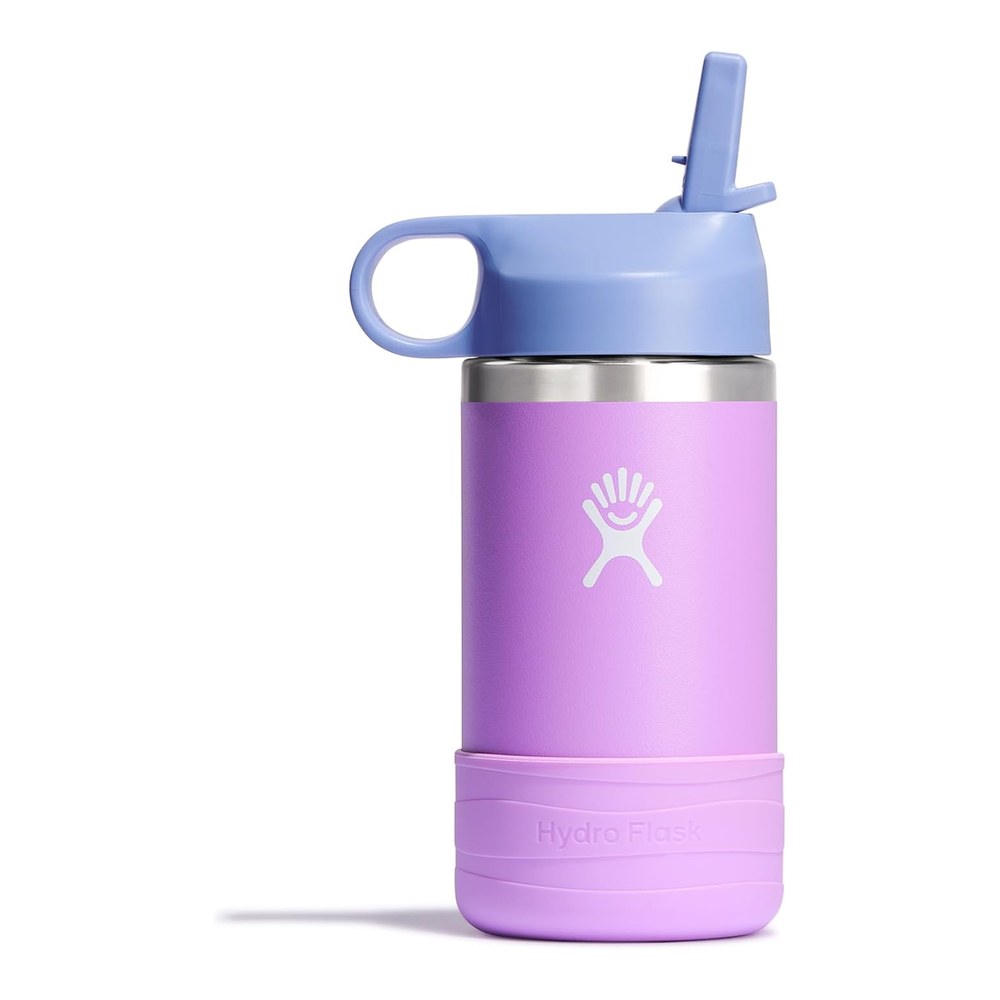 Best Insulated5. Hydro Flask Kids Wide Mouth with Straw Lid |
4.8out of 5 | No Plastic in Drink PathVacuum-Insulated 18/8 Stainless |
Check price → |
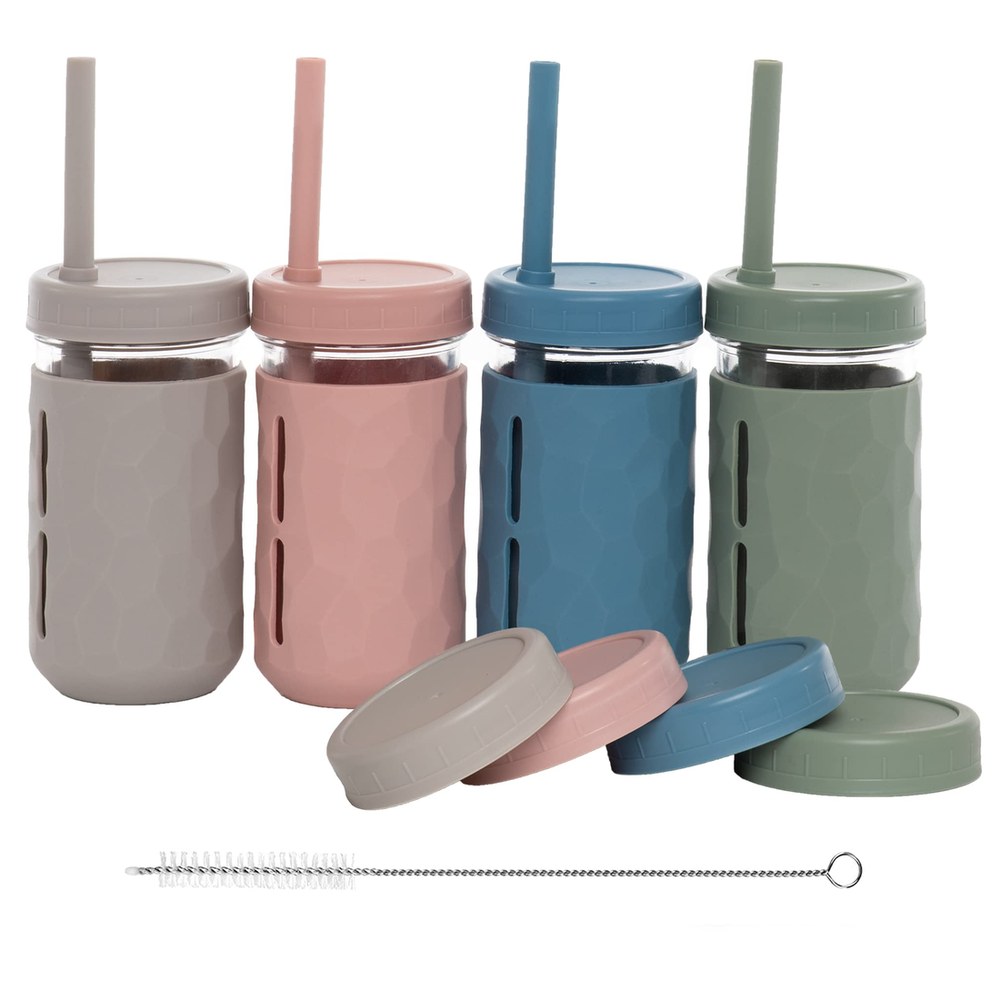 Best Budget Glass6. WeeSprout Glass Sippy Cup |
4.6out of 5 | No Plastic in Drink PathBorosilicate Glass |
Check price → |
The Problem with Plastic Sippy Cups
BPA-Free Doesn't Mean Chemical-Free
Bisphenol A (BPA) is a synthetic estrogen that was used in polycarbonate plastics and epoxy resins for decades. When research established its endocrine-disrupting effects — interfering with hormone signaling at very low doses — manufacturers faced regulatory pressure to remove it. They did. Most "BPA-free" sippy cups today are made from polypropylene (#5 plastic), Tritan copolyester, or other alternatives.
The problem: the most common replacements are bisphenol S (BPS) and bisphenol F (BPF). Multiple peer-reviewed studies have found both chemicals to be similarly estrogenic to BPA — in some assays, BPS is more potent at lower concentrations than the BPA it replaced. A 2020 review in Environment International concluded that BPS and BPF show "comparable endocrine-disrupting potency to BPA in multiple cell models." The "BPA-free" label is meaningfully true but practically misleading.
Children are more vulnerable than adults for a simple reason: exposure is calculated relative to body mass. A toddler weighing 25 pounds absorbs a proportionally much higher dose from a given amount of leached chemical than a 150-pound adult drinking from the same cup. Their hormonal systems are also actively developing — meaning endocrine disruption at this stage can have lasting effects on reproductive health, metabolic function, and neurological development.
Polypropylene Degrades — and Releases Particles
Beyond bisphenols, there is the problem of microplastics themselves. Polypropylene, the material most commonly used in BPA-free sippy cups, is not a stable solid. It is a polymer that degrades gradually through mechanical stress (washing), thermal stress (dishwasher heat, warm liquids), and UV exposure. Each degradation event releases micro and nanoplastic particles directly into whatever the cup contains.
A 2023 study published in Nature Food quantified this precisely for polypropylene baby bottles: sterilizing in boiling water and then adding hot formula produced up to 16.2 million microplastic particles per liter. Even room-temperature storage in older or dishwasher-cycled cups produced measurable particle shedding. Sippy cups — which are routinely washed in dishwashers on sanitize cycles and filled with warm milk — represent a particularly high-exposure scenario.
Warm liquids in plastic drinkware release significantly more microplastics and chemical leachates than cold liquids. Dishwasher sanitize cycles, boiling sterilization, and warm formula or milk all increase particle shedding from polypropylene and other plastic cup materials. Glass and stainless steel are unaffected by temperature in terms of chemical or particle release. The same tradeoff plays out in the kitchen cupboard: our silicone vs. plastic food containers comparison breaks down which one leaches less when you store and reheat food.
Why Toddlers Face Higher Risk
Toddlers typically use sippy cups heavily — multiple cups per day, across multiple years. Unlike an adult who might occasionally drink from a plastic bottle, a child aged 12 months to 3 years may drink exclusively from sippy cups for the majority of their liquid intake. This means prolonged, repeated daily exposure during a developmental window when their body mass is low and their endocrine system is most sensitive. A child who drinks warm milk from a polypropylene sippy cup twice daily for two years receives a compounded exposure that no single-use risk assessment captures.
What Materials Are Actually Safe
18/8 Stainless Steel
Food-grade stainless steel — specifically the 18/8 (or 304) alloy — is the gold standard for children's drinkware. The numbers refer to the chromium and nickel content: 18% chromium and 8% nickel, which together create a passive oxide layer that makes the steel resistant to corrosion, staining, and chemical leaching. This material does not react with water, milk, juice, or acidic beverages at any temperature encountered in normal use. It sheds no microplastics. It survives dishwashers, drops, and the full chaos of toddler use. Look for "18/8" or "304 stainless" explicitly on the product — some cups use lower-grade stainless with higher iron content that can affect flavor and is more prone to corrosion. Adults face the same material question when they graduate from a sippy cup: the plastic is usually in the lid, not the body, which is exactly what our safest water bottle brands comparison untangles. The same lid-versus-body question decides a non-toxic travel mug for their morning coffee or tea.
Borosilicate Glass
Borosilicate glass is chemically inert and thermally resistant — the same material used in laboratory glassware and high-end kitchen items. It does not leach any compounds into liquids, does not shed microplastics, and does not interact with acidic beverages. It is heavier than stainless steel and can break if dropped without a silicone sleeve, but for infants not yet throwing cups, it is an excellent option. Most glass sippy cups pair borosilicate glass with a food-grade silicone sleeve that provides grip, drop protection, and a comfortable surface for small hands.
Medical-Grade Silicone (For Seals and Spouts Only)
The spouts, seals, and valve components of stainless and glass sippy cups are typically made from medical-grade silicone. This is an important distinction from plastic: food-grade silicone is a synthetic rubber with a silicon-oxygen backbone rather than a carbon backbone. It is chemically stable at temperatures from -40°C to +230°C, does not leach at normal use temperatures, and does not shed microplastics. The concern with silicone is limited to very high-temperature industrial applications irrelevant to drinkware. Medical-grade silicone spouts are considered safe for infant and toddler use by independent food safety researchers and all major regulatory agencies.
What to watch for: some cups marketed as "stainless steel" have a plastic internal valve or liner. Always check that no plastic contacts the liquid — the liquid path should be entirely stainless steel or glass from body to spout, with silicone used only for seals and the spout itself.
Best Microplastic-Free Sippy Cups for Kids in 2026
Each cup below was evaluated on: material purity (no plastic in the liquid path), durability, ease of cleaning, and practical usability for toddlers. Amazon prices change daily — tap any pick to see today's exact price.
Best Overall
Pura Kiki is the closest thing to an ideal solution: 18/8 stainless steel body, a wide neck for easy filling and cleaning, and a medical-grade silicone sippy spout with no plastic valve or liner anywhere in the drink path. The wide-neck design is compatible with interchangeable nipples, straw lids, and sport lids as the child grows — making the stainless body a long-term investment. The cup is fully dishwasher safe. No BPA, BPS, BPF, phthalates, or any plastic-to-liquid contact. Pura is explicit about its material safety commitments in a way most brands are not, publishing third-party test results. For families making a single transition away from plastic sippy cups, this is the recommendation we give first.
This is the plastic-free standout, with testers saying "this cup really doesn't leak; any dripping that occurs is just residual liquid left in the spout" and that it "washes cleaner than plastic, with no residue," and the same steel body converts from bottle to sippy to straw across the years, which is why one reviewer called it their "absolute favorite sippy cup." The honest downsides: leaking is the recurring gripe when the flat silicone sealing disc is not seated (an easy part to forget), the grippy silicone sleeve "can be almost too tight" to get on and off, and it is "the most expensive sippy in this review" at around $40.
One stainless body that grows with your child — swap the spout for a straw or sport lid as they get older, instead of buying a whole new cup.
Why it's safe: The body is 18/8 stainless steel and the spout is medical-grade silicone — no plastic ever touches the liquid, so there is nothing to shed microplastics or leach BPA/BPS into a child's drink.
Check Today’s Price on Amazon →Amazon prices change daily — tap to see today's price and any active discount.
- Free delivery & returns for Prime members
- Sold & shipped by Amazon
- Thousands of verified reviews
 Best Value
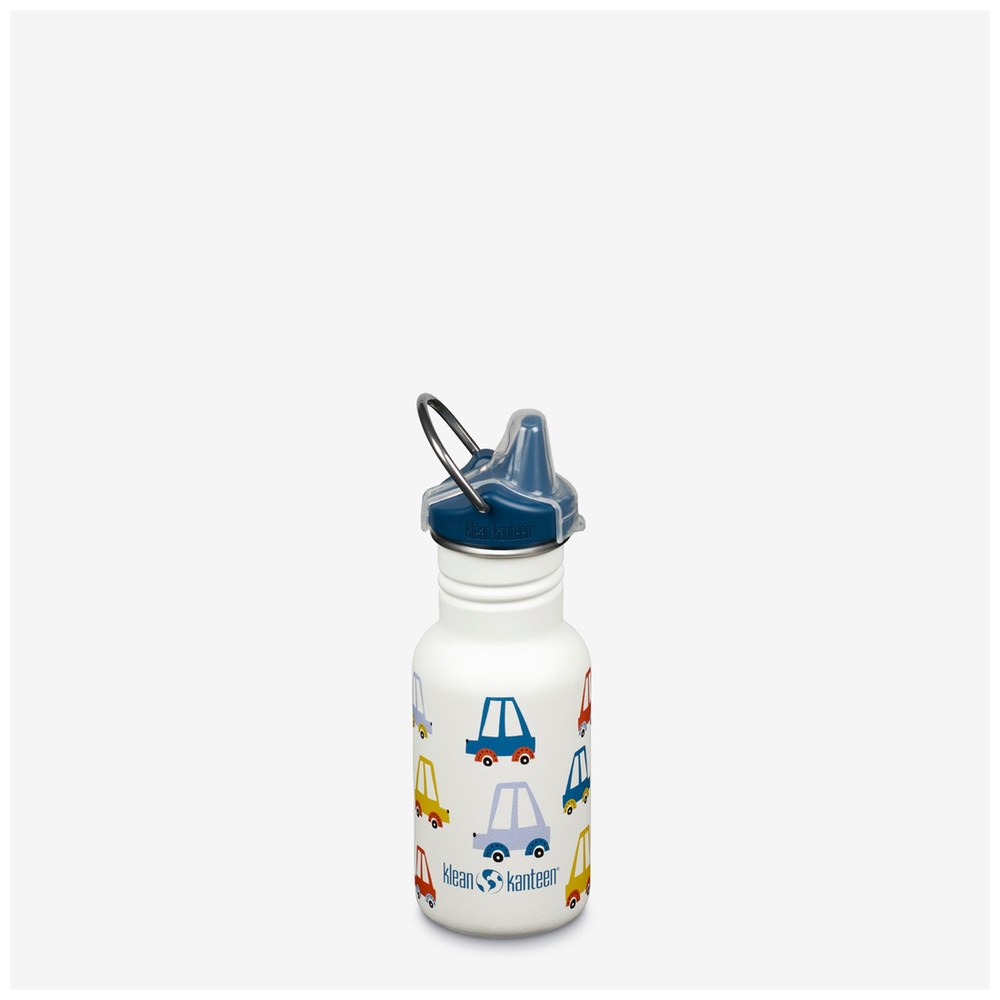
Klean Kanteen's Kids line uses food-grade 18/8 stainless throughout the body and is one of the most widely available stainless sippy options. The sippy spout lid uses a medical-grade silicone spout with no internal plastic valve. Klean Kanteen's lid ecosystem is well-developed — the same stainless body accepts straw lids, sport caps, and loop caps, so parents can transition lid types as the child develops without buying a new cup. It is one of the most accessible price points among fully plastic-free stainless options. Dishwasher safe (top rack). The narrow-neck design means cleaning requires a bottle brush, which is a minor inconvenience worth noting for families who prefer wide-neck cups.
Parents praise the durability above all, with a longtime owner writing "We have lots of Klean Kanteens here... bought six years ago and a little battered but still going strong and used daily for school," and testers finding it "100% leakproof even when dropped or tipped upside down" as long as the small silicone piece in the lid is secure. The honest downsides: reviewers "found the valve tricky to remove for cleaning," which raises a hygiene concern over time, "the stopper does wear over time and begin to leak" (dishwashing speeds that up), and it is heavier and pricier than a plastic first-cup.
The most affordable way into a genuinely plastic-free stainless cup — and the same body later accepts straw and sport lids, so it lasts for years.
Why it's safe: Food-grade 18/8 stainless body with a medical-grade silicone spout and no internal plastic valve — nothing in the drink path can shed microplastics or leach bisphenols.
Check Today’s Price on Amazon →Amazon prices change daily — tap to see today's price and any active discount.
- Free delivery & returns for Prime members
- Sold & shipped by Amazon
- Thousands of verified reviews
Best Glass Option
Lifefactory's glass sippy cups use borosilicate glass bodies — the same thermally resistant, chemically inert glass used in scientific equipment. The colored silicone sleeve provides grip, insulation against heat (relevant for warm milk), and meaningful drop protection. The sippy spout is food-grade silicone with no plastic components in the drink path. Glass is heavier than stainless and not indestructible, but for infants not yet throwing cups at full force, or for home use, borosilicate glass is as chemically safe as it gets. Lifefactory cups are widely available, easy to clean (wide neck), and dishwasher safe. The silicone sleeve removes for washing — an excellent entry point for families testing the transition from plastic.
Parents who want glass over steel like that "This cup did well in our tests for leakage" and was "easy to clean" with few parts, and the silicone sleeve gives grip and cushion, with one parent reporting the bottle "stayed intact about 3/4 of the time" after numerous drops. The honest downsides: it is "one of the heaviest" cups tested, which makes it harder for a toddler to hold and riskier when dropped, glass "can and do break," and when the inner silicone valve is removed for easier drinking "the cup leaks if turned upside down," on top of a higher-than-average price.
The most chemically inert option there is — glass simply does not react with milk, juice, or warm liquids, and the silicone sleeve makes it toddler-grippable.
Why it's safe: Borosilicate glass and a food-grade silicone spout mean no plastic touches the drink — glass leaches nothing and sheds no microplastics at any temperature.
Check Today’s Price on Amazon →Amazon prices change daily — tap to see today's price and any active discount.
- Free delivery & returns for Prime members
- Sold & shipped by Amazon
- Thousands of verified reviews
Best Budget Stainless
Re-Play's stainless line uses a 100% stainless steel interior with no liners or coatings. The exterior comes in a range of solid colors — a useful feature for families navigating the "my cup not yours" phase with multiple children. The hard-spout design makes it ideal for 12–24 month toddlers who are still developing grip. The silicone spout is medical-grade and no plastic contacts the liquid. It is among the most affordable stainless options with a clean material profile, and is widely sold in multi-packs. Dishwasher safe.
Re-Play's recycled-material line earns loyalty, with reviewers of the brand's no-spill cups saying "these cups are holding up super well... still one of our favs" and praising "Simple, easy assembly," and this newer insulated steel version adds vacuum insulation and a Made-in-USA recycled story. Because the steel cup is new, its own long-term review pool is still thin, so read it as promising rather than proven. The honest downsides from the brand's spout design: it is "Shake and spill-proof" but "Not drop-proof," and you "Can't put valve on backward or it'll leak everywhere," which is also a spot to keep clean.
Bright, distinct solid colors end the "that's my cup" battle between siblings — and the stainless interior shrugs off drops and dishwasher cycles.
Why it's safe: The interior is 100% stainless steel with no liner or coating, and the spout is medical-grade silicone — no plastic touches the drink, so nothing can shed microplastics or leach BPA/BPS.
Check Today’s Price on Amazon →Amazon prices change daily — tap to see today's price and any active discount.
- Free delivery & returns for Prime members
- Sold & shipped by Amazon
- Thousands of verified reviews
Best Insulated
Hydro Flask's kids line uses double-wall vacuum-insulated 18/8 stainless steel — meaning cold water stays cold for hours, which matters for outdoor use, daycare, and warm summer months when children drink less if beverages aren't cold. The wide mouth accepts a straw lid designed for toddlers, with a food-grade silicone straw and no plastic in the drink path. It is the priciest option on this list, but the insulation and durability make it a strong choice for families whose children spend time outdoors or who want a cup that will last several years. The powder-coat exterior provides grip. Dishwasher safe on the top rack, though hand washing extends the life of the insulation.
This one has the most genuine buyer verbatim, with parents writing "I was hesitant to buy since a lot of reviews said the flask leaks. I am so happy to say that isn't an issue for us," praising that "the straw is hard so he can't bite through it," that the bottom cup "protects it from all sorts of bumps," and that it keeps "ice cold for more than 24hrs." The honest downsides: leaking is polarizing, with some reporting it "leaks very badly even when properly closed" or after the mouth tip broke, straws "crack and stop staying put," and it is "a little heavy for her (15 months)" for the youngest kids.
Vacuum insulation keeps water cold for hours, so a daycare or playground cup is still cold at pickup — and kids drink more when it is.
Why it's safe: The body is 18/8 stainless steel and the straw is food-grade silicone — no plastic in the drink path means nothing leaches or sheds microplastics into the liquid.
Check Today’s Price on Amazon →Amazon prices change daily — tap to see today's price and any active discount.
- Free delivery & returns for Prime members
- Sold & shipped by Amazon
- Thousands of verified reviews
Best Budget Glass
WeeSprout's glass cups offer borosilicate glass at the lowest price point among the options here. The protective silicone sleeve covers the entire glass body and provides a textured, easy-grip surface for toddlers. The lid and straw are food-grade silicone with no plastic valve in the drink path. The wide-neck design accommodates a bottle brush for cleaning and makes it easy to verify the interior is clean. This is an excellent starter option for families who want to test whether their toddler will accept a glass cup before committing to pricier options — and for families with younger infants who are not yet throwing cups regularly. Dishwasher safe (top rack). The sleeve is removable for separate washing.
A note on identity: this is really a lidded glass straw cup marketed as "spill-resistant," not a valved spill-proof sippy. Owners praise the looks and grip, calling it the most aesthetically pleasing tested with "thick, durable glass paired with soft silicone sleeves that make them easy for toddlers to grip and hard to break," and many use it well past toddlerhood as a smoothie or snack cup. The honest downsides: reviewers are blunt that "it's not spill-proof," that "The cups do leak from the lid since they don't have a rubber gasket," and that "the straws leak as soon as they tip," so it is best for kids six and up rather than spill-prone toddlers, and glass is heavier and breakable.
The cheapest way to try glass — a full silicone sleeve adds grip and drop protection, so you can see if it sticks before spending more.
Why it's safe: A borosilicate glass body with a food-grade silicone sleeve and lid means no plastic touches the drink — glass and silicone leach nothing and shed no microplastics.
Check Today’s Price on Amazon →Amazon prices change daily — tap to see today's price and any active discount.
- Free delivery & returns for Prime members
- Sold & shipped by Amazon
- Thousands of verified reviews
Want the complete family exposure-reduction guide?
Our full guide covers the 30+ swaps across baby bottles, food storage, cookware, water filtration, and more — with safety ratings for every category.
What to Avoid: Materials That Still Leach
Polycarbonate (#7 Plastic)
Polycarbonate is the original BPA plastic — hard, clear, and shatter-resistant. It was the primary material for sippy cups and baby bottles until the BPA controversy led to a near-universal phase-out around 2008–2012. Most polycarbonate cups have been removed from the children's market, but they still appear in some discount retailers and second-hand sources. If you are using older sippy cups from an older child, thrift stores, or gifts from relatives, check the recycling symbol: #7 PC (polycarbonate) should be discarded immediately if used for children's drinks.
Polypropylene (#5 Plastic) — the BPA-Free Standard
Polypropylene is the most common "BPA-free" plastic used in sippy cups today. It is marketed as safe because it does not contain BPA — which is true. It does, however, shed microplastic particles through normal use and washing. The rate of shedding increases with heat (dishwasher cycles, warm liquids) and with the age and physical condition of the cup. Scratched, cloudey, or older polypropylene cups shed more particles than new ones. BPS and BPF may be present as additives or stabilizers depending on the formulation. Polypropylene may be acceptable for occasional room-temperature use, but as an everyday cup for a child's primary fluid intake, it represents ongoing daily exposure that stainless steel and glass eliminate entirely.
Tritan Copolyester — Marketed as "the Safe Plastic"
Tritan is an Eastman Chemical copolyester plastic aggressively marketed as free of BPA, BPS, and BPF. The "free of" claims are accurate by chemical analysis. However, independent researchers — most prominently a 2011 study by CertiChem that prompted litigation from Eastman — found that some Tritan products released chemicals with estrogenic activity in cell assays even without the named bisphenols. The mechanism involves other plasticizers and additives not captured by bisphenol-specific testing. Eastman disputed these findings vigorously and commissioned counter-studies. The scientific dispute has not been conclusively resolved in either direction. Given the uncertainty and the ready availability of materials with zero leaching risk (stainless steel, glass), using Tritan for a toddler's primary drinkware is an unnecessary gamble. When a material with zero known leaching risk (18/8 stainless, borosilicate glass) is available at similar price points, there is no reason to use Tritan for children's daily drinkware.
How to Transition Toddlers from Plastic to Stainless or Glass
The most common barrier to switching is not the parent's willingness — it's the toddler's attachment to a familiar cup. Children develop strong preferences around texture, weight, color, and the feel of a spout. Abrupt replacement often results in refusal. These transition strategies have worked well for most families:
Start with the Same Liquid, Different Cup
Introduce the new stainless or glass cup with a liquid the child loves — not water, which many toddlers are less motivated to drink. Warm milk or a favorite juice in the new cup at a familiar time (morning snack, bedtime routine) builds positive association before making it the primary cup.
Match the Spout Type to What Your Child Knows
If your child uses a soft-tip spout on their current cup, choose a stainless or glass cup with a medical-grade silicone soft-tip spout. Most toddlers who resist the new cup are reacting to an unfamiliar spout shape, not the body material. Klean Kanteen and Pura Kiki both offer soft-tip silicone spouts that closely replicate the feel of standard plastic sippy spouts.
Let the Child Choose
If buying multiple cups (for example, one for home and one for daycare), letting the toddler choose the color or which cup they want for a given drink creates a sense of ownership that often short-circuits resistance. This works especially well with Re-Play's range of color options.
Gradual Replacement, Not Full Switch
Replace one cup at a time rather than removing all plastic cups simultaneously. Start with the cup used for warm liquids (warm milk at bedtime is the highest-exposure scenario) and work through the rotation over a few weeks. By the time you remove the last plastic cup, the child has already accepted the alternatives as normal.
Normalize the Weight Difference
Stainless steel cups are slightly heavier than polypropylene. For young toddlers (12–18 months) still developing grip strength, this can be a real issue. The two-handle design on Re-Play and some Pura Kiki configurations addresses this. For glass cups (heavier still), silicone sleeves provide better grip. Most children adapt to the weight difference within a week or two of daily use.
"The safest sippy cup is the one your toddler will actually use. Start with the liquid path — eliminate plastic there — and adjust the transition speed to what your child accepts."
For more on eliminating plastic from your child's full feeding system — including bottles for younger infants — see our guide to the safest baby bottles in 2026 and our detailed explainer on whether plastic baby bottles are safe. For the water going into these cups, see our best water filters for microplastics guide — and if the pitcher on your counter is a Brita, our Brita filter microplastics guide spells out which cartridge is certified for microplastic particles and which one is not. If you are pregnant and researching for a coming child, our microplastics during pregnancy guide covers the specific risks during fetal development.
Frequently Asked Questions
BPA-free does not mean chemical-free. When BPA was phased out under regulatory and public pressure, manufacturers largely replaced it with BPS (bisphenol S) and BPF (bisphenol F). Multiple peer-reviewed studies have found BPS and BPF to be similarly estrogenic to BPA — meaning they interact with hormone receptors in ways that may disrupt endocrine function. Children are especially vulnerable because their hormonal development is active and their body mass is low, meaning a given dose of leached chemicals represents a proportionally higher exposure per pound of body weight. Beyond bisphenols, "BPA-free" polypropylene and other plastics still degrade over time and release microplastic particles — particularly when washed repeatedly in dishwashers and when used with warm liquids. The safest option for children's drinkware is to eliminate plastic from the drink path entirely and use stainless steel or borosilicate glass.
Yes. A 2023 study found that polypropylene baby bottles and sippy cups release millions of microplastic particles per use — and that heat dramatically accelerates the process. Sterilizing in boiling water or dishwasher sanitize cycles, then filling with warm formula or milk, is one of the highest microplastic-release scenarios identified in the research. Even at room temperature, repeated dishwasher washing degrades the plastic surface over time, causing progressive increases in particle shedding with each use. Stainless steel (18/8 food-grade) and borosilicate glass do not shed microplastics under any normal use conditions — they are physically and chemically stable at all temperatures encountered in children's drinkware use.
18/8 stainless steel (also labeled 304 stainless) is the most durable, lightest, and safest material for children's sippy cups. It does not leach chemicals, does not shed microplastics, and survives the drops and dishwasher cycles typical of toddler use. Borosilicate glass is equally inert chemically and is the preferred choice for younger infants or families comfortable with the weight — most glass sippy cups include a silicone sleeve for grip and drop protection. The seals and spout components on both types are typically medical-grade silicone, which is considered safe: silicone is chemically stable, does not leach at typical use temperatures, and does not shed microplastics. Avoid any sippy cup where plastic components contact the liquid — that includes internal plastic valves and liners even in otherwise "stainless" cups.
Pediatric dentists and the American Academy of Pediatrics generally recommend transitioning away from sippy cups by 18–24 months, as prolonged sippy cup use can affect tooth alignment and oral motor development. This doesn't mean transitioning back to plastic open cups — stainless steel open cups or small glass cups with handles are the preferred replacement. Many of the stainless sippy cup brands listed in this guide (Klean Kanteen, Pura Kiki, Hydro Flask Kids) offer interchangeable lid systems that let you swap from a sippy spout to a straw lid to an open-cup lid as the child develops, all on the same stainless body. This makes the cup a longer-term investment and removes the need to buy multiple vessels across developmental stages.
Sources
- Li D, et al. "Microplastics released from polypropylene infant feeding bottles during sterilization." Nature Food, 2020.
- Eladak S, et al. "A new chapter in the bisphenol A story: bisphenol S and bisphenol F are not safe alternatives to this compound." Fertility and Sterility, 2015.
- Rochester JR, Bolden AL. "Bisphenol S and F: A Systematic Review and Comparison of the Hormonal Activity of Bisphenol A Substitutes." Environmental Health Perspectives, 2015.
- Thoene M, et al. "Bisphenol A in Food — A Review of European Exposure Scenarios." Nutrients, 2020.
- Yang CZ, et al. "Most Plastic Products Release Estrogenic Chemicals: A Potential Health Problem That Can Be Solved." Environmental Health Perspectives, 2011. (CertiChem/Tritan research)
- American Academy of Pediatrics. "Healthy Habits for Healthy Kids." Updated guidance on toddler drinkware, 2023.
- Pivokonsky M, et al. "Occurrence of microplastics in raw and treated drinking water." Science of The Total Environment, 2018.
- Qian N, et al. "Rapid single-particle chemical imaging of nanoplastics by stimulated Raman scattering microscopy." PNAS, 2024.