Rockwell Razors

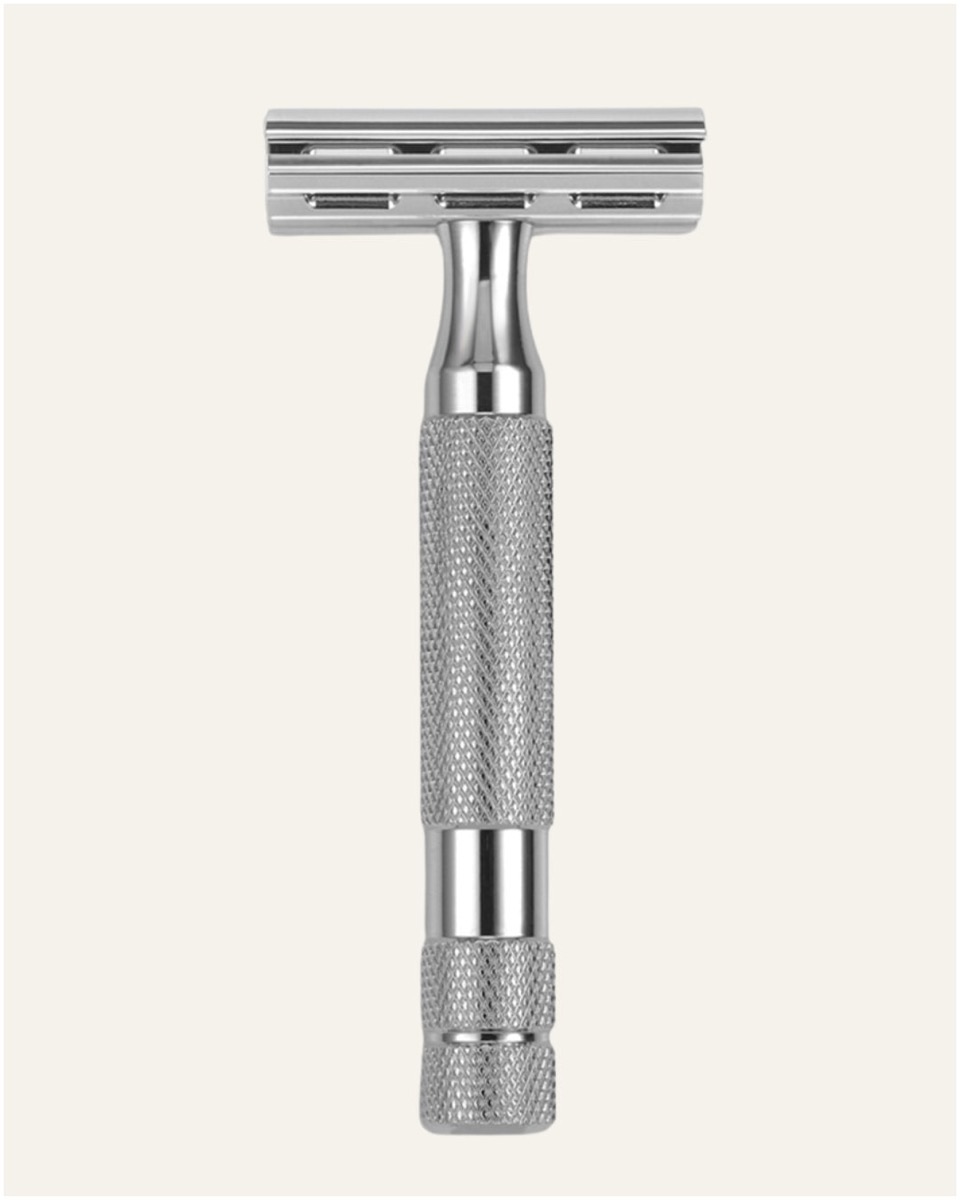
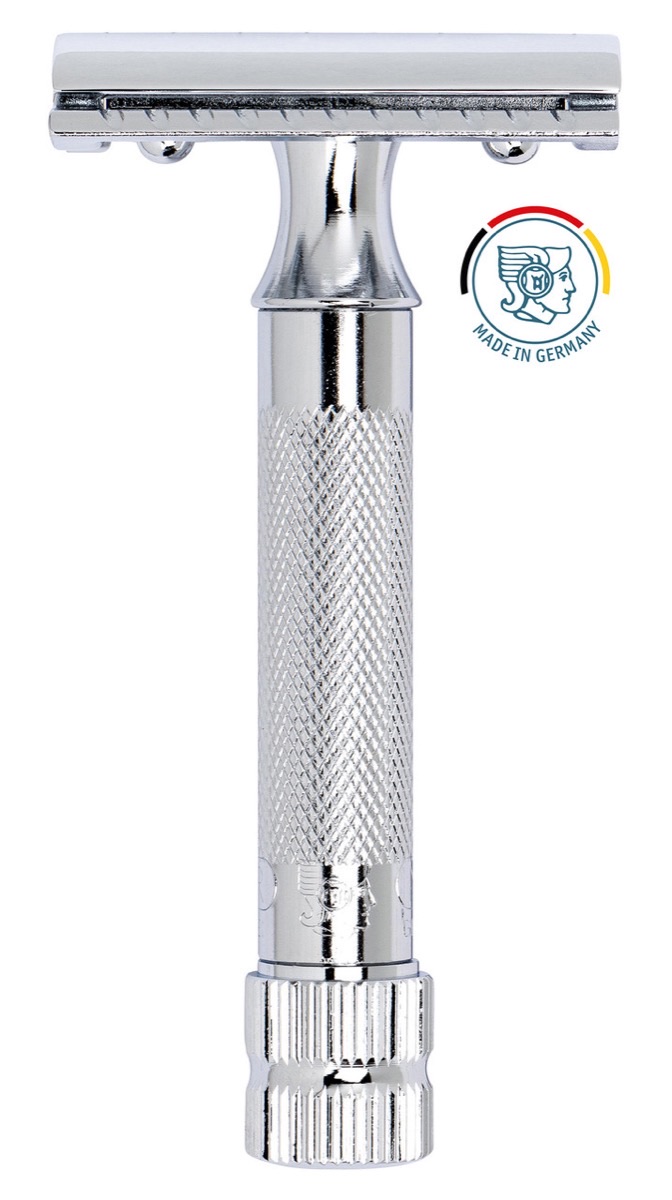
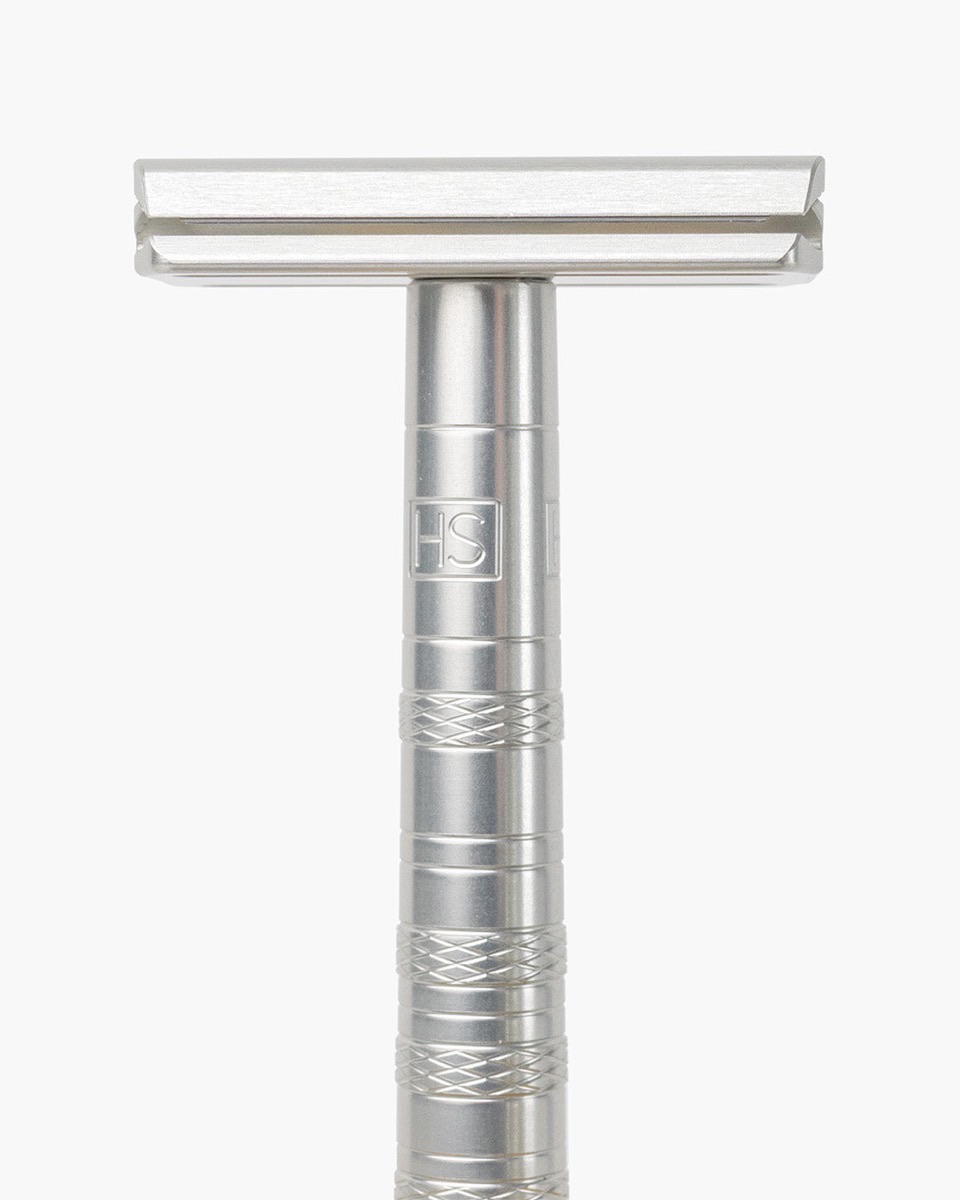
6C Double-Edge Safety Razor

Plasticproof Excellent $$$Our price tier

Metal double-edge razor with adjustable plates — one recyclable steel blade replaces the plastic cartridge, and the razor itself lasts decades.

Check price on Amazon
One blade, no cartridgeSteel, recyclable in a blade bank.
Adjustable platesGentler than a cartridge if set right.
Cheaper per shavePays for itself within a year.
See exactly how we verify this

As an Amazon Associate I earn from qualifying purchases — at no extra cost to you. We show a "Check price on Amazon" link rather than a number because Amazon prices change often.

Why it's safe for your family

  • A cartridge razor is a plastic head with plastic packaging, thrown away every few weeks. A double-edge razor is metal, kept for life, and the only consumable is a single flat steel blade that can go in a blade bank for recycling.
  • The swappable base plates change blade angle and aggressiveness, which is the practical answer to the usual complaint about safety razors: with the right plate, the shave is gentler than a cartridge rather than harsher.
  • Blades cost a few cents each rather than several dollars per cartridge, so the razor pays for itself well inside a year — the rare swap that saves money rather than costing more.
  • There is no lubricating strip, no gel and no plastic packaging in the ongoing use of it, which is where cartridge shaving generates most of its waste.

Quick specs

Material
Metal handle and head
Blades
Standard double-edge steel — recyclable in a blade bank
Adjustable
Swappable base plates for shave aggressiveness
Consumables
Blades only — no cartridges, no plastic packaging

What to avoid instead

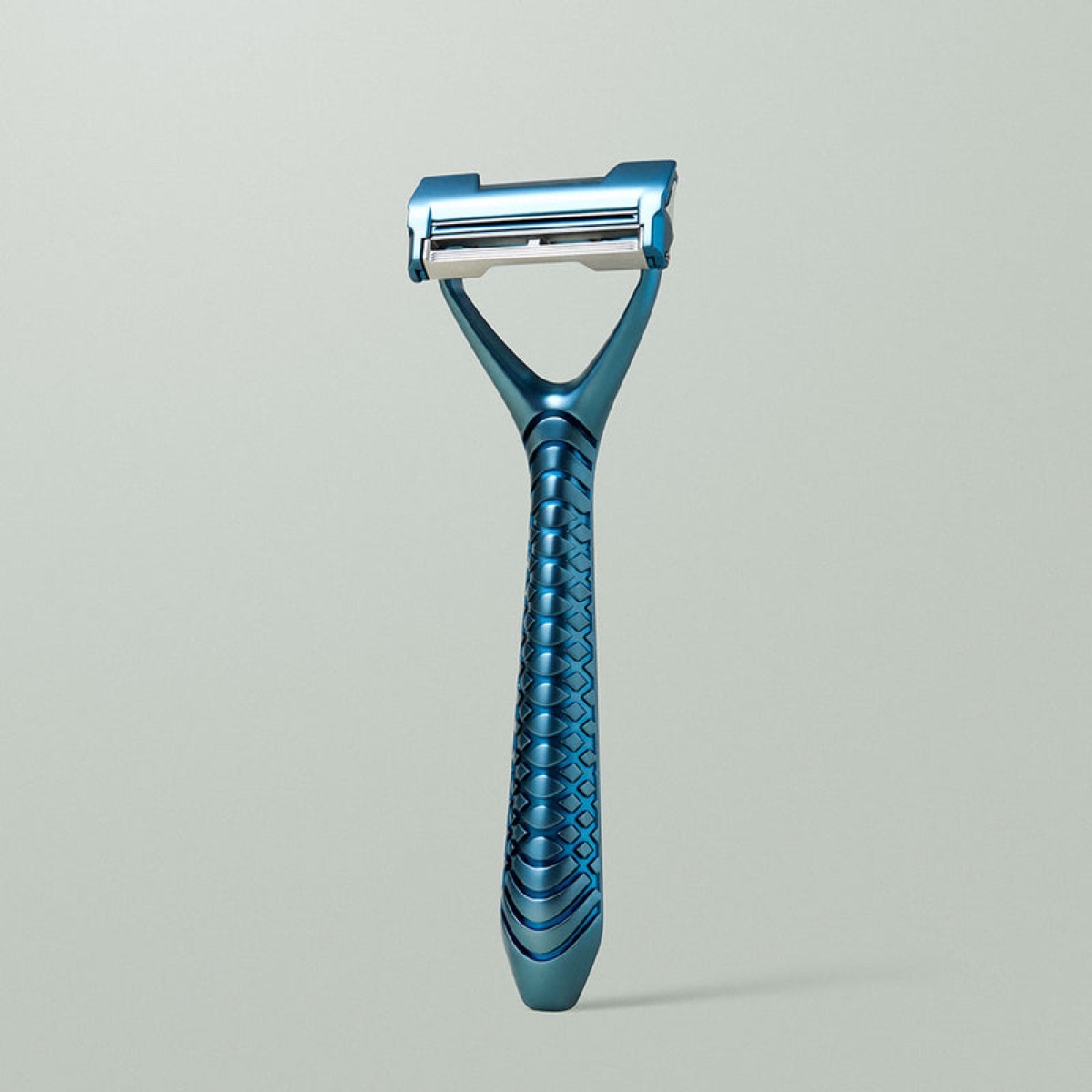
Avoid disposable and cartridge razors, which are the point of comparison here. Be realistic about the learning curve: a double-edge razor needs a light touch and no pressure, and the first week takes attention. Never put loose used blades in household trash — a blade bank or a sealed tin is the safe habit.

How we verify — and what we don't

Straight answer: we're a research team, not a testing lab. Here's exactly what our rating is based on — and what it isn't — so you can weigh it honestly.

What we check

  • What the product is made of, from the maker's own specs and product listing.
  • Whether any part that touches you or your food uses PTFE, PFAS, plastic, or a coating that can degrade.
  • Peer-reviewed research on how that material behaves when heated, scratched, washed, or worn.
  • Known failure modes — how the product actually breaks down in a real home.

What we don't do

  • We have not chemically tested this specific unit in a lab.
  • We don't take payment to rate a product higher — there is no sponsored placement.
  • We don't show star ratings or "trusted by thousands" counts we can't stand behind.
What gets a product rejected

Anything that adds a known microplastic, PFAS, or off-gassing source — a non-stick coating, a plastic surface against food or skin, vinyl/PVC — is downgraded or cut. We only list what clears that bar.

Don't take our word for it — check the sources yourself Rockwell Razors's product details

Common questions

Is it going to cut me?
Not if you let the weight of the razor do the work. Cartridge razors train you to press; a safety razor punishes that. Shave with no pressure at about a thirty-degree angle, take two light passes instead of one hard one, and it is a gentler shave than the cartridge it replaces.
What do I do with used blades?
Collect them in a blade bank or a soldered tin, and take the full container to metal recycling. Never loose in the bin — it is a real hazard to whoever handles the bag.
Which plate should I start on?
The mildest one. Learn the angle and the no-pressure habit first, then move up if the shave is not close enough. Starting aggressive is how people conclude safety razors are not for them.
Related reading
Plastic-Free Bathroom Guide

More safe picks

Affiliate disclosure: some links on this page are affiliate links. As an Amazon Associate I earn from qualifying purchases. We earn a small commission from qualifying purchases at no extra cost to you. This does not influence our recommendations — every product is selected based on peer-reviewed research.