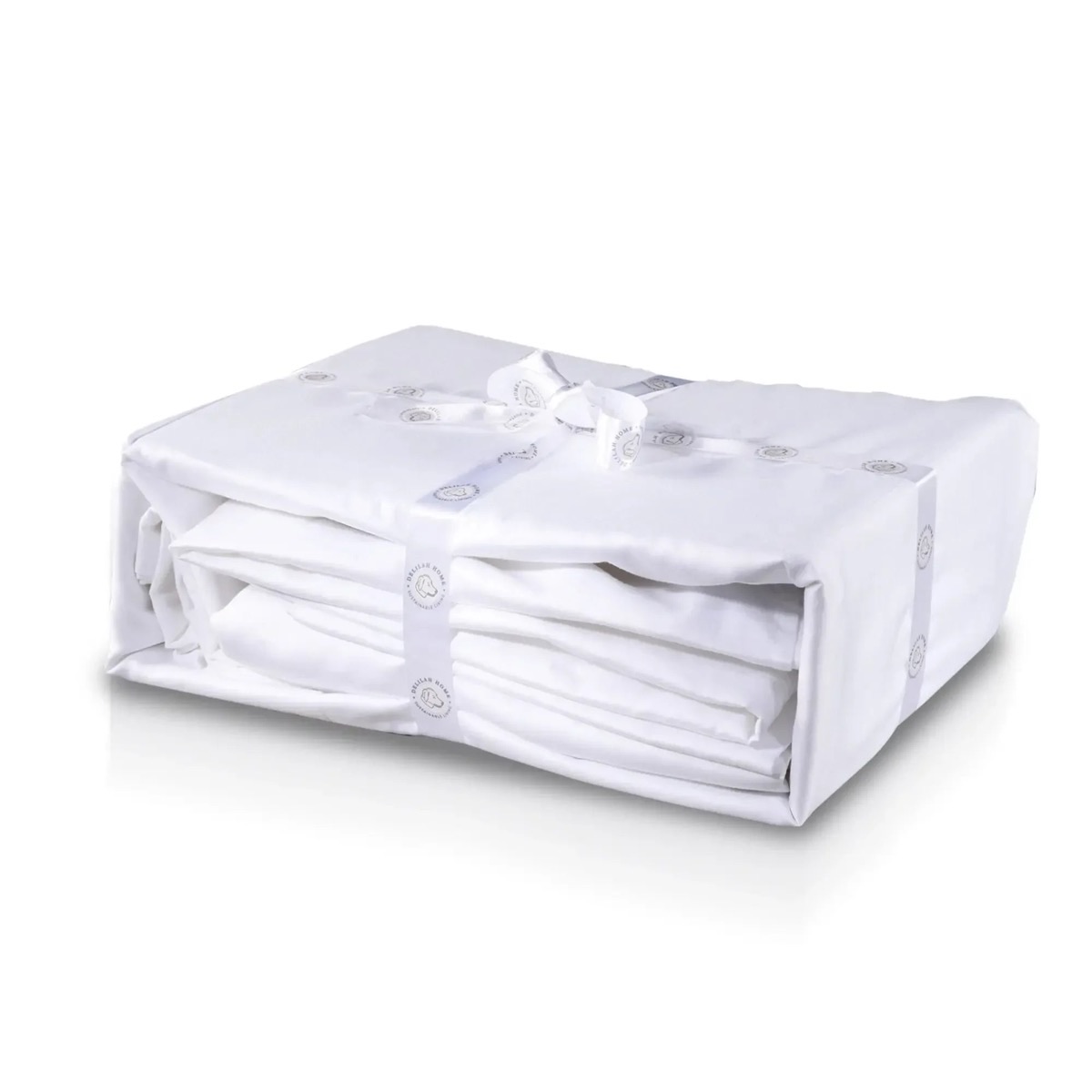
Delilah Home

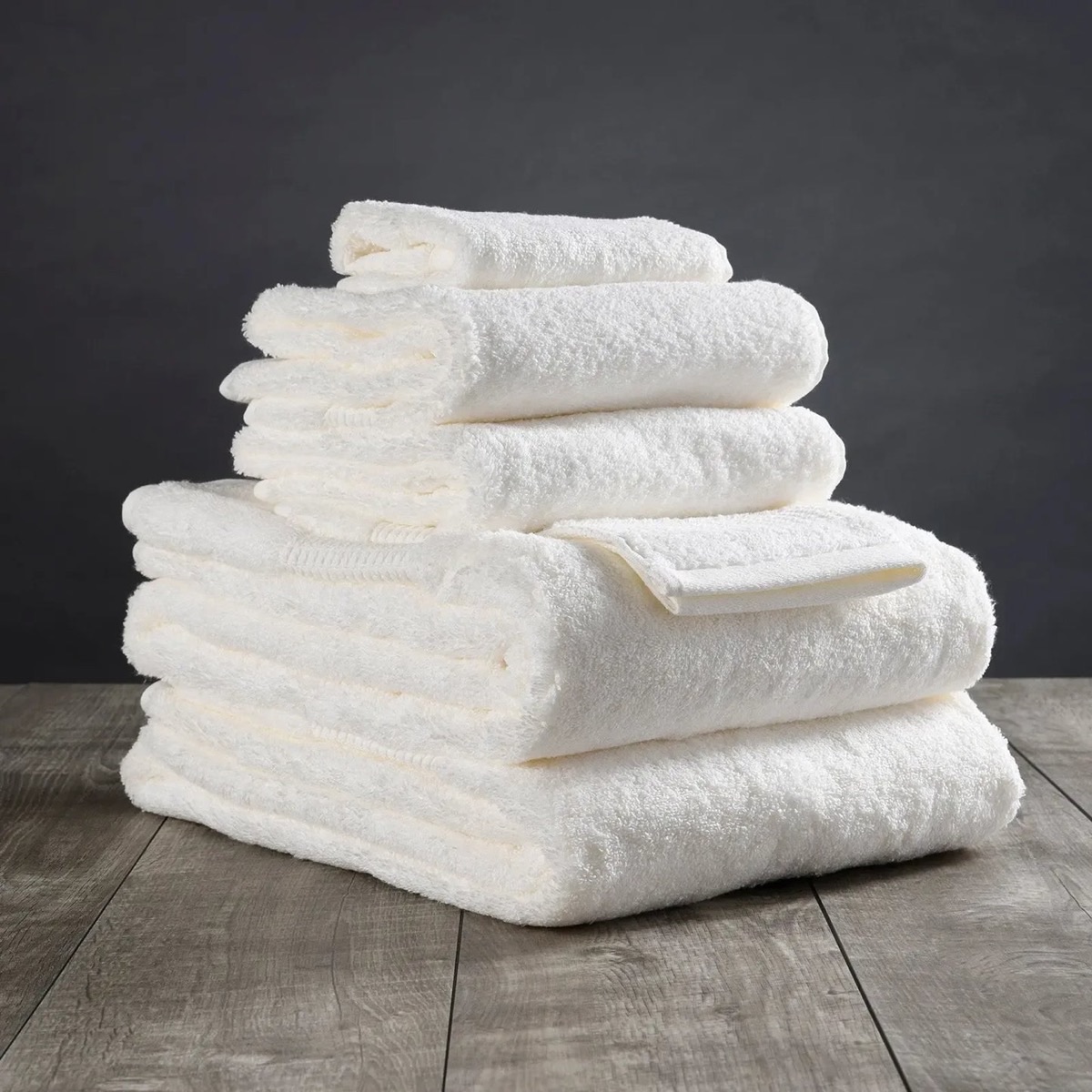
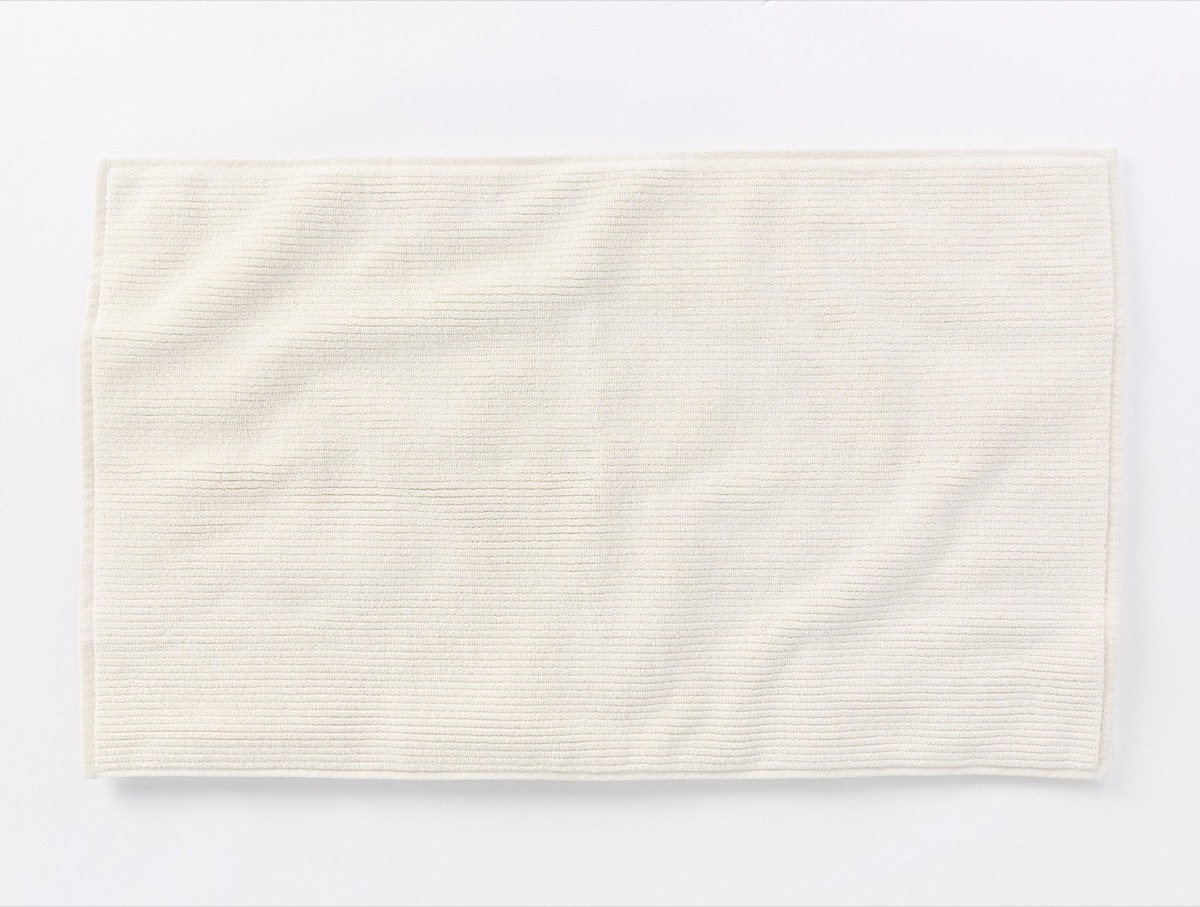
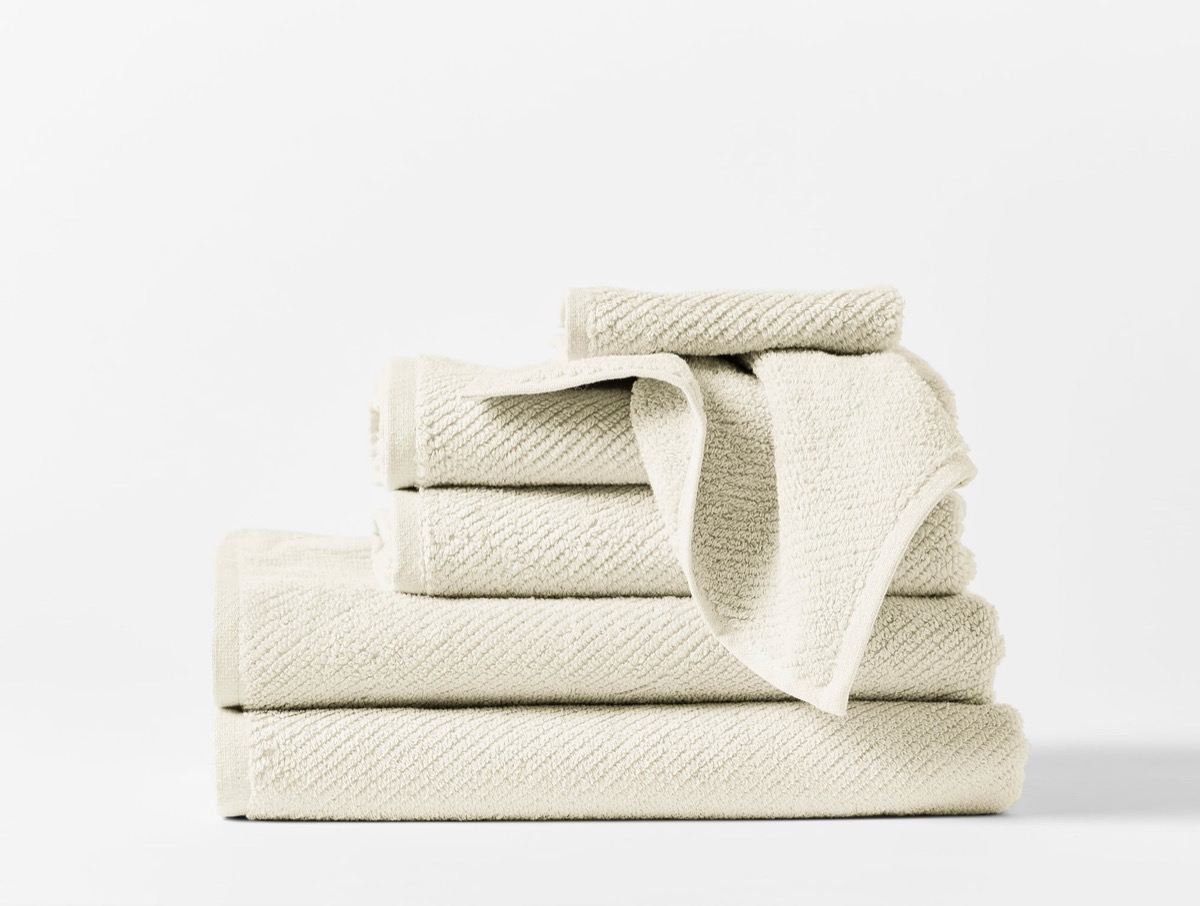
100% Organic Cotton Bath Towels

Plasticproof Excellent $$$Our price tier

GOTS certified organic cotton towels woven in Portugal — no polyester blend, no microfiber, and no softening finish that stops a towel absorbing.

Check price on Amazon
No polyester blendNothing plastic in the wash.
GOTS certifiedFiber and processing chemistry.
No softener finishWhich is why it absorbs.
See exactly how we verify this

As an Amazon Associate I earn from qualifying purchases — at no extra cost to you. We show a "Check price on Amazon" link rather than a number because Amazon prices change often.

Why it's safe for your family

  • Towels are washed constantly, which is exactly when a polyester or blended textile sheds plastic fiber. One hundred percent cotton removes that entirely from a high-frequency laundry item.
  • Delilah Home states GOTS certification, covering both the organic fiber and the dyeing and finishing chemistry.
  • No fabric softener finish is applied, and that is a functional benefit rather than a purist one: softener coats cotton fibers and is the main reason towels stop absorbing water.
  • European weaving means the processing chemistry falls under EU chemical regulation, which is a real second layer of assurance behind the certification.

Quick specs

Fiber
100 percent organic cotton
Certified
GOTS (Delilah Home’s stated certification)
Woven
Portugal
Finish
No softener treatment

What to avoid instead

Avoid microfiber towels, and avoid using fabric softener or dryer sheets on any cotton towel — softener is what makes a good towel stop working. Wash new towels once before use to remove weaving residue and open the loops.

How we verify — and what we don't

Straight answer: we're a research team, not a testing lab. Here's exactly what our rating is based on — and what it isn't — so you can weigh it honestly.

What we check

  • What the product is made of, from the maker's own specs and product listing.
  • Whether any part that touches you or your food uses PTFE, PFAS, plastic, or a coating that can degrade.
  • Peer-reviewed research on how that material behaves when heated, scratched, washed, or worn.
  • Known failure modes — how the product actually breaks down in a real home.

What we don't do

  • We have not chemically tested this specific unit in a lab.
  • We don't take payment to rate a product higher — there is no sponsored placement.
  • We don't show star ratings or "trusted by thousands" counts we can't stand behind.
What gets a product rejected

Anything that adds a known microplastic, PFAS, or off-gassing source — a non-stick coating, a plastic surface against food or skin, vinyl/PVC — is downgraded or cut. We only list what clears that bar.

Don't take our word for it — check the sources yourself Delilah Home's product details

Common questions

Why do my towels stop absorbing?
Fabric softener, nearly always. It leaves a hydrophobic coating on the fibers. Wash towels with a cup of white vinegar and no detergent once to strip it, then stop using softener and they come back.
Is organic cotton actually different in a towel?
For absorbency, the difference is the finish and the fiber quality rather than the farming. What the certification gives you is control over the chemistry used in dyeing and finishing — the part that touches your skin wet, every day.
How should I wash them?
Warm rather than hot, no softener, and dry on medium. High heat is what breaks cotton fibers over time and turns a good towel thin.
Related reading
Microplastics in Clothing

More safe picks

Affiliate disclosure: some links on this page are affiliate links. As an Amazon Associate I earn from qualifying purchases. We earn a small commission from qualifying purchases at no extra cost to you. This does not influence our recommendations — every product is selected based on peer-reviewed research.