Compare all 5 picks
Every pick side by side — tap a name to jump to the full review, or check today's price.
| Pick | Rating | Why it wins | |
|---|---|---|---|
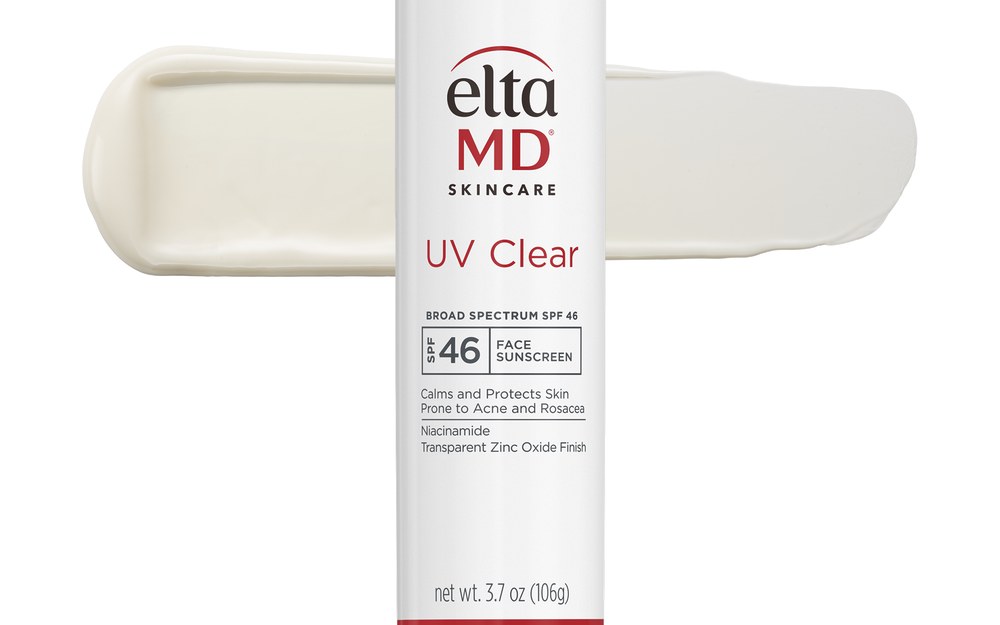 Best for FaceEltaMD UV Clear Broad-Spectrum SPF 46 |
4.7out of 5 | Zinc Oxide 9%Titanium Dioxide 7.5% |
Check price → |
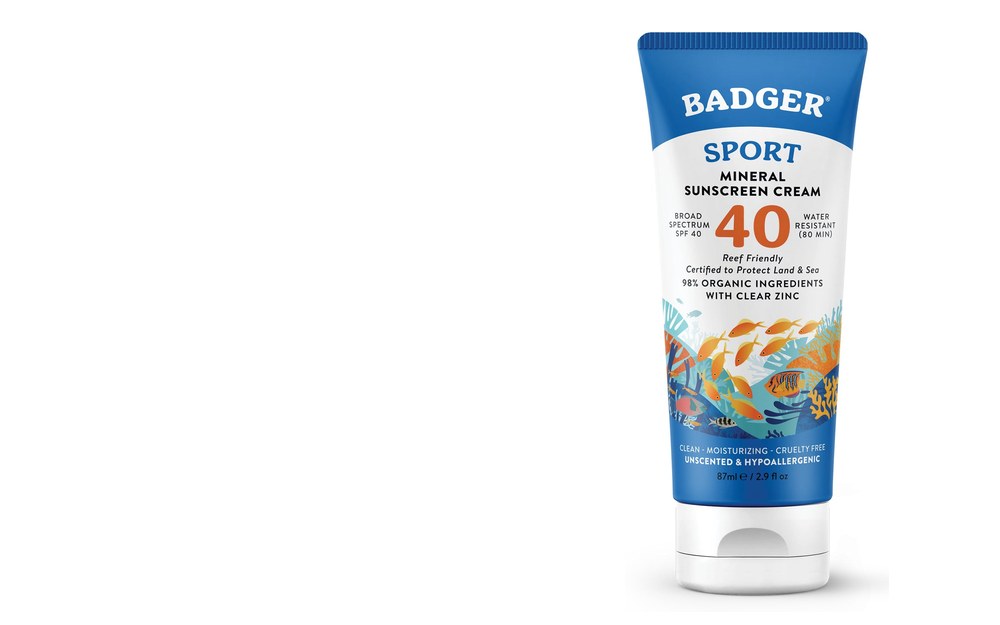 Best Budget PickBadger Sport Mineral Sunscreen SPF 40 |
— | Zinc Oxide 22.5%98% Organic |
Check price → |
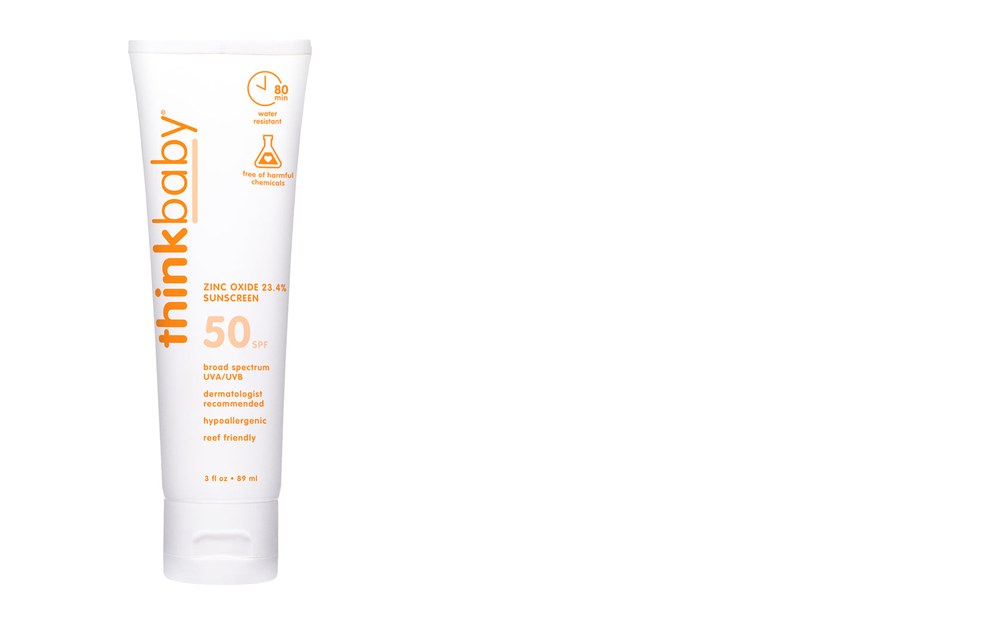 Best for Babies & KidsThinkbaby Safe Sunscreen SPF 50+ |
— | Zinc Oxide 20%PABA-Free |
Check price → |
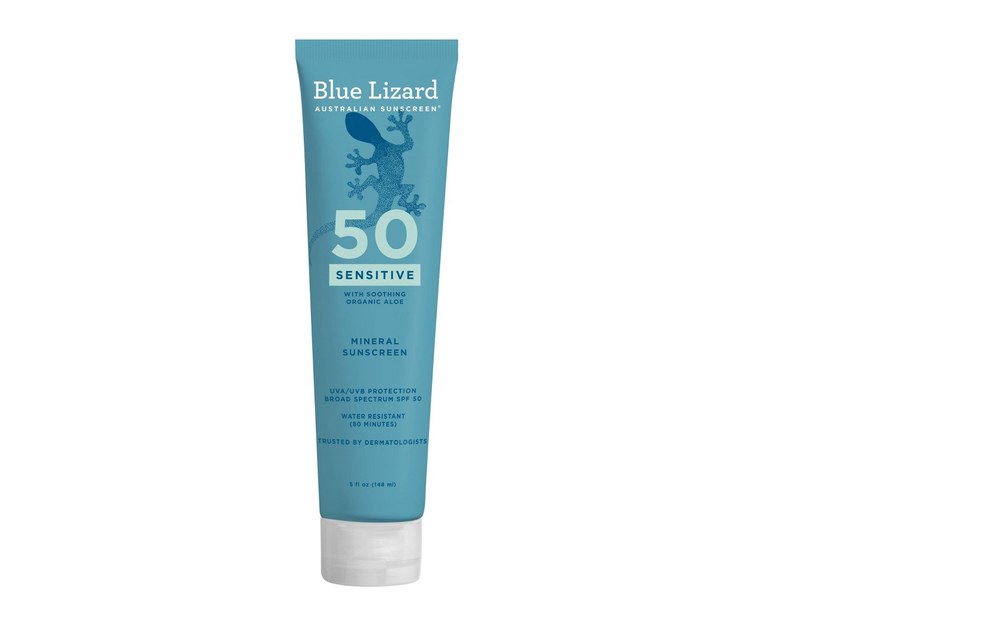 Best for Sensitive SkinBlue Lizard Sensitive Mineral Sunscreen SPF 50+ |
— | Zinc Oxide + Titanium DioxideFragrance-Free |
Check price → |
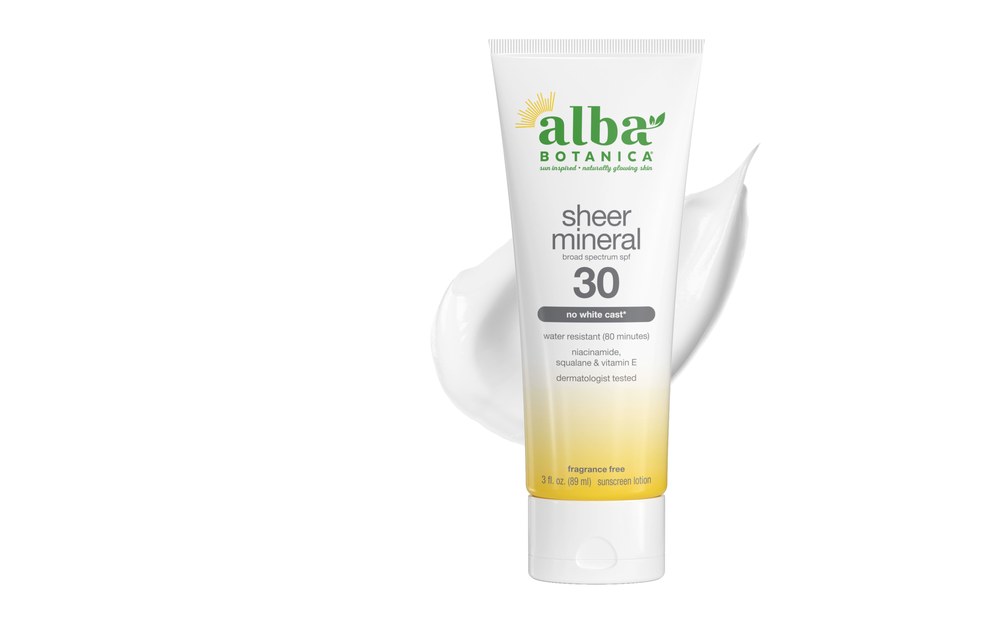 Best Drugstore PickAlba Botanica Sheer Mineral Sunscreen SPF 30 |
— | Zinc OxideFragrance-Free |
Check price → |
Quick Picks
| Pick | Product | SPF | Price | Best For |
|---|---|---|---|---|
| Best Face | EltaMD UV Clear | 46 | $$$ | All skin types, acne-prone |
| Best Budget | Badger Sport | 40 | $ | Body, outdoor activities |
| Best Kids | Thinkbaby | 50+ | $$ | Babies 6mo+ and kids |
| Sensitive Skin | Blue Lizard Sensitive | 50+ | $$ | Eczema, rosacea, reactive skin |
| Drugstore Pick | Alba Botanica Sheer | 30 | $ | Everyday, minimal budget |
Price guide: $ = budget · $$ = mid-range · $$$ = premium. Amazon prices change daily — tap any product below for today's price.
Why Mineral vs. Chemical Sunscreen Matters
For decades, the FDA classified chemical sunscreen ingredients as "generally recognized as safe and effective" (GRASE) without requiring independent safety testing. A 2020 FDA study changed that — after participants applied four popular sunscreens as directed for four days, all four chemical active ingredients (oxybenzone, avobenzone, octocrylene, ecamsule) were detected in blood at concentrations exceeding the 0.5 ng/mL safety threshold that triggers additional FDA safety testing.
Oxybenzone was found at concentrations up to 258 ng/mL — over 500× the safety threshold. It was also detected in breast milk and urine. Subsequent studies have found it in coral tissue and linked it to reef bleaching at concentrations as low as 62 parts per trillion.
Mineral sunscreens (zinc oxide, titanium dioxide) work differently — they sit on top of the skin and physically reflect UV rays. They do not absorb meaningfully into the bloodstream. Non-nano zinc oxide (particle size >100nm) is considered the safest and most effective UV filter available.
Ingredients: What to Avoid and What to Use
Avoid These Ingredients
- Oxybenzone — hormone disruptor, detected in blood, breast milk, and coral reefs
- Octinoxate — endocrine disruptor, reef toxic, detected in blood
- Homosalate — builds up in body faster than it can be eliminated, disrupts estrogen and progesterone
- Octocrylene — breaks down into benzophenone (potential carcinogen) over time
- Octisalate — weak UV absorber, often used to stabilize avobenzone; penetrates skin
- Avobenzone — degrades in sunlight without chemical stabilizers; absorbed systemically
- Fragrance/parfum — unregulated chemical mixtures, common allergens
- Retinyl palmitate — form of vitamin A that may accelerate tumor growth in sun exposure (EWG caution)
Safe UV Filters
- Zinc oxide (non-nano) — Safest UV filter, broad-spectrum UVA/UVB, photostable. EWG top-rated. Non-nano particles (>100nm) don't penetrate intact skin.
- Titanium dioxide — Safe, FDA-proposed GRASE, provides UVB and short-wave UVA coverage. Less broad-spectrum than zinc oxide alone.
- Combine both zinc oxide + titanium dioxide for complete broad-spectrum coverage with less white cast than zinc alone.
Good Secondary Ingredients
- Niacinamide — reduces hyperpigmentation, anti-inflammatory (found in EltaMD)
- Vitamin E (tocopherol) — antioxidant, extends shelf life
- Jojoba/sunflower seed oil — skin-compatible emollients
- OEKO-TEX or EWG Verified — third-party safety markers to look for
The Best Non-Toxic Sunscreens, Reviewed
Best for Face
EltaMD UV Clear is the sunscreen most recommended by dermatologists in the US — and for good reason. It combines zinc oxide and titanium dioxide for full broad-spectrum coverage, adds niacinamide (vitamin B3) to reduce redness and hyperpigmentation, and goes on surprisingly sheer for a mineral formula. It's genuinely lightweight enough to wear daily under makeup without pilling.
The formula is free from oxybenzone, fragrance, parabens, and oils — making it suitable for acne-prone, sensitive, and rosacea-prone skin. The tinted version addresses white cast concerns for medium to deeper skin tones. Both versions have an EWG rating of 1-2 (highest safety tier).
Reviewers who are breakout-prone repeatedly say they wear this daily "with no breakouts," and many credit the oil-free, niacinamide formula for calming redness rather than clogging pores. It sits well as a makeup base for most, and the finish stays light. The honest downsides: some users report it pills under foundation, the zinc leaves a slight white cast on deeper skin tones, and a minority with sensitive skin still see mild irritation despite the non-comedogenic label.
A daily facial sunscreen you'll actually wear — sheer enough for under makeup, with niacinamide that calms redness while it protects.
Why it's safe: 100% mineral filters (zinc oxide + titanium dioxide) that sit on top of skin and reflect UV — no oxybenzone, octinoxate, fragrance, or PFAS to absorb into your bloodstream.
Check Today’s Price on Amazon →Amazon prices change daily — tap to see today's price and any active discount.
- Free delivery & returns for Prime members
- Sold & shipped by Amazon
- Thousands of verified reviews
Best Budget Pick
Badger has been making organic mineral sunscreen since 1995 — long before clean beauty was a marketing term. Their Sport formula is built on just a handful of ingredients led by non-nano zinc oxide: sunflower oil, beeswax, and vitamin E. No synthetic preservatives, no fragrance, no controversial ingredients of any kind.
The formula is thick and works best for body application and outdoor sports where you're less concerned with cosmetic elegance. It does leave a noticeable white cast and needs rubbing in thoroughly. But it's the best-value mineral SPF on this list and one of the cleanest formulas available anywhere — the first sunscreen certified to Protect Land + Sea for reef safety.
Buyers describe this as a thick cream "about as thick as toothpaste" that you warm between your hands before it spreads, and once worked in they trust it for sweaty, active days. The short, readable ingredient list is a draw for parents. The honest downsides: it takes real effort to rub in, several reviewers call the cast "white" and say it makes skin look "ashy," and it shows most on medium-to-deep skin tones.
Surf-and-sand protection from an almost-edible ingredient list — the one to throw in the beach bag for the whole family's bodies.
Why it's safe: Non-nano zinc oxide is the only active filter — no oxybenzone or octinoxate — so it reflects UV instead of absorbing into skin, and it's reef-safe (won't bleach coral like chemical filters do).
Check Today’s Price on Amazon →Amazon prices change daily — tap to see today's price and any active discount.
- Free delivery & returns for Prime members
- Sold & shipped by Amazon
- Thousands of verified reviews
Best for Babies & Kids
Thinkbaby was the first sunscreen to pass Whole Foods' strict ingredient standards, and it has earned EWG's highest safety rating for 10+ consecutive years. The formula is built specifically for babies 6+ months and children — free from PABA, parabens, phthalates, and all chemical UV filters. It uses non-nano zinc oxide and goes on smoothly enough to apply to squirmy kids.
It's water-resistant for 80 minutes, which is essential for pool and beach use. The texture is thicker than adult formulas but applies well to babies' skin without significant effort. For toddlers and older kids, the feel is comparable to drugstore sunscreens. One tube covers about 30 full-body applications for a toddler.
Parents pick this first for ingredient safety, and many say it absorbs quickly with a light tropical, peaches-and-tangerine scent that fades fast. It holds up for pool days. The honest downsides: it can feel greasy and heavy on hot summer days, the white cast is noticeable on deeper skin tones, and it takes 30 to 60 seconds of rubbing to blend, which reviewers note is tricky on a wiggly baby.
Sun protection gentle enough for a 6-month-old — goes on smooth, rinses without stinging eyes, and is built for the wriggliest of kids.
Why it's safe: Non-nano zinc oxide only, with no chemical UV filters, PABA, parabens, or phthalates — the mineral formula the American Academy of Pediatrics recommends for infants.
Check Today’s Price on Amazon →Amazon prices change daily — tap to see today's price and any active discount.
- Free delivery & returns for Prime members
- Sold & shipped by Amazon
- Thousands of verified reviews
Best for Sensitive Skin
Blue Lizard's Sensitive formula leans on mineral filters and soothing organic aloe — no harsh chemical actives — which makes it particularly well-suited for those with eczema, rosacea, or contact dermatitis who react to added sensitizers. It's fragrance-free, paraben-free, and developed with dermatologist input specifically for reactive skin types.
The lotion is light enough for both face and body use, and the 5 oz tube is unusually generous at its price point — one of the best values in mineral SPF. The distinctive Smart Cap turns blue when exposed to UV light, a practical sun-exposure reminder (especially useful for kids).
Reviewers with sensitive skin rate the protection as "outstanding" and reach for it on long outdoor days, praising how gentle and effective it is. The honest downsides: it is "one of the thickest, most paste-like" sunscreens buyers have used, the white cast is pronounced and persistent on medium-to-deep tones, and because it is hard to blend evenly there is a real risk of patchy, uneven coverage.
The pick for skin that hates everything — fragrance-free mineral protection with aloe, plus a cap that turns blue to remind you the sun's strong.
Why it's safe: 100% mineral UV filters with no oxybenzone, octinoxate, parabens, or fragrance — reef-safe and gentle enough for dermatologist-recommended use on reactive skin.
Check Today’s Price on Amazon →Amazon prices change daily — tap to see today's price and any active discount.
- Free delivery & returns for Prime members
- Sold & shipped by Amazon
- Thousands of verified reviews
Best Drugstore Pick
Alba Botanica's Sheer Mineral is one of the cleanest mineral sunscreens you can typically find at a drugstore or Target — formulated without oxybenzone, synthetic fragrance, parabens, or sulfates. The newer sheer formula adds niacinamide and squalane and goes on with noticeably less white cast than most zinc lotions, so it's accessible without sacrificing safety standards.
The SPF 30 covers daily UV exposure adequately. For extended outdoor time or water activities, step up to an SPF 50+ on this list. This formula is best for everyday commuter and desk-worker use where extended outdoor exposure isn't the concern.
Once it is worked in, buyers like that it feels non-greasy and holds up through sweat and swimming at a drugstore price, and fair-skinned users say it sinks in with a "nice glow." The honest downsides: the texture is thick and slow to spread, it can leave a white cast or even a purple tint on darker skin tones, and some reviewers resort to mixing it into their moisturizer just to get it to blend.
The grab-it-at-the-drugstore option — clean mineral SPF for everyday wear at a price that makes switching painless.
Why it's safe: Zinc oxide mineral protection with no oxybenzone, octinoxate, fragrance, or parabens — a reflect-not-absorb formula that's easy to find and easy to afford.
Check Today’s Price on Amazon →Amazon prices change daily — tap to see today's price and any active discount.
- Free delivery & returns for Prime members
- Sold & shipped by Amazon
- Thousands of verified reviews
How to Apply Mineral Sunscreen Correctly
Mineral sunscreens require slightly more effort to apply than chemical formulas — but the technique makes a significant difference in protection:
- Apply 15-30 minutes before sun exposure — mineral sunscreens work immediately on application, but this buffer ensures complete coverage
- Use ¼ teaspoon for face and neck — most people apply too little; under-application reduces effective SPF dramatically
- Use 1 oz (a shot glass) for full body — this is the quantity SPF testing is based on; less sunscreen = lower effective SPF
- Reapply every 2 hours — all sunscreens degrade in UV light; water-resistant formulas need reapplication after swimming or heavy sweating
- Don't forget ears, back of neck, and feet — frequently missed spots that develop skin cancers
- Apply to dry skin — applying over wet skin dilutes the formula
Frequently Asked Questions
Sunscreen is just one piece. Get the full picture.
Our free checklist covers 12 high-impact swaps ranked by how much they reduce your daily toxic load.
No spam. Unsubscribe anytime.