
Conventional shampoo isn't just plastic packaging — it's mostly water. You're paying to ship 80% water in a plastic bottle, then throwing that bottle away after 6 weeks. Shampoo bars are concentrated: one bar equals 2–3 bottles of liquid shampoo, ships with zero plastic, and takes up a quarter of the bathroom space.
The reputation problem they've had is real: early shampoo bars were poorly formulated, leaving hair waxy and limp. The category has improved significantly in the last three years. The bars on this list are formulated with modern sulfate-free surfactants and have genuine user bases willing to defend them.
Compare all 6 picks
Every pick side by side — tap a name to jump to the full review, or check today's price.
| Pick | Rating | Why it wins | |
|---|---|---|---|
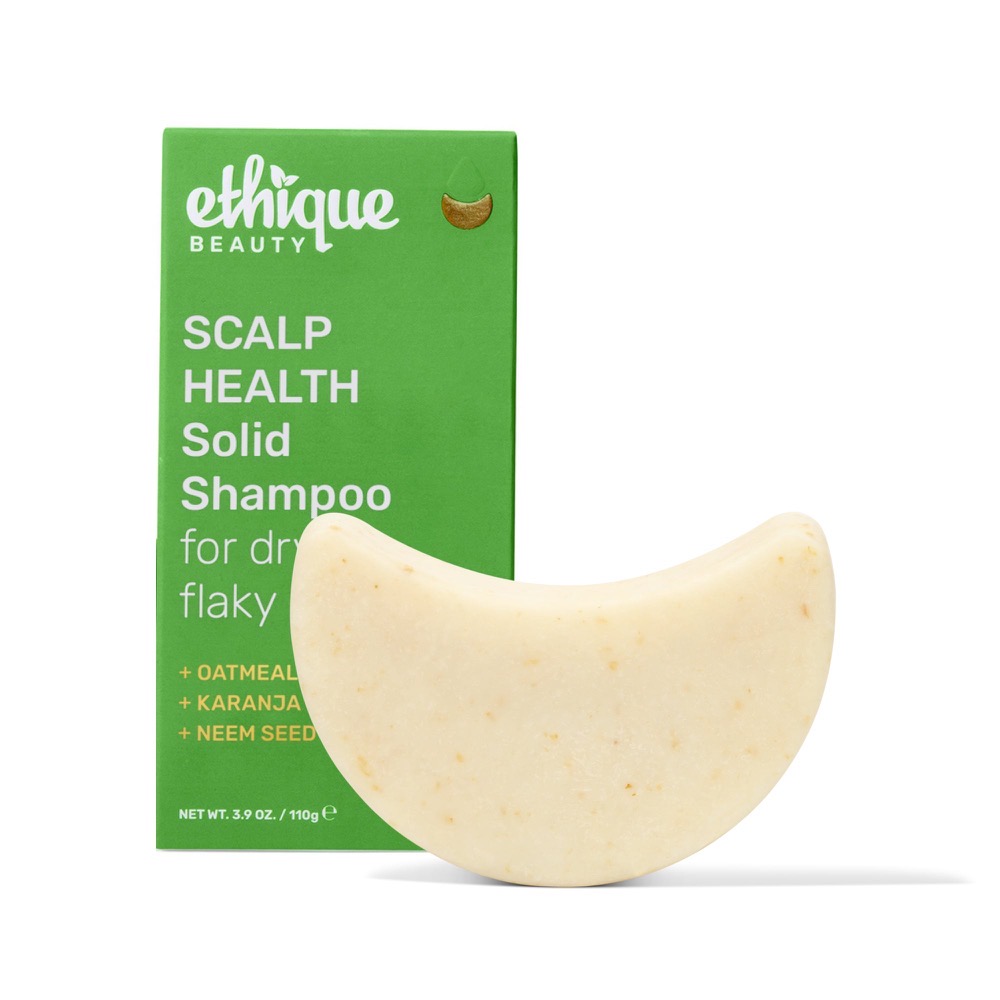 Best Overall / Fine HairEthique Heali Kiwi Shampoo Bar |
4.6out of 5 | B-Corp CertifiedCruelty-Free |
Check price → |
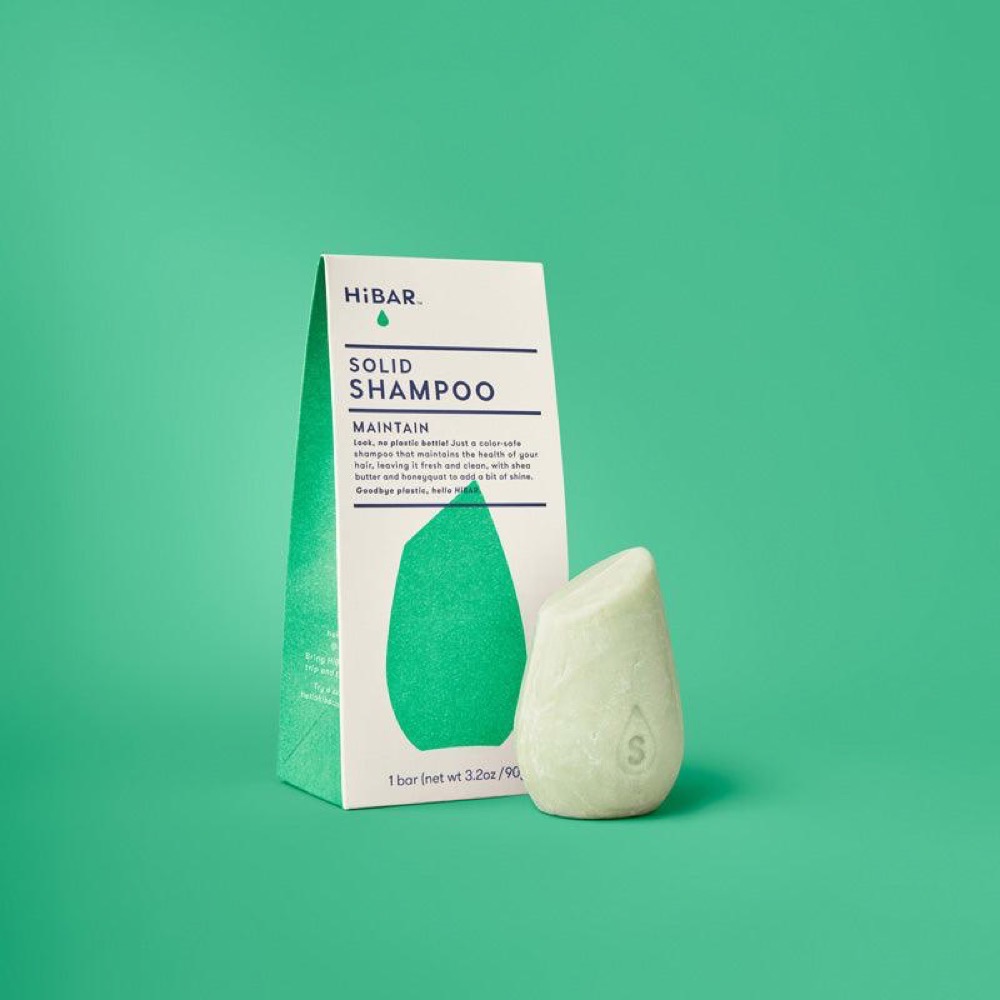 Best Value / Normal HairHiBAR Maintain Shampoo Bar |
4.7out of 5 | EWG VerifiedLeaping Bunny |
Check price → |
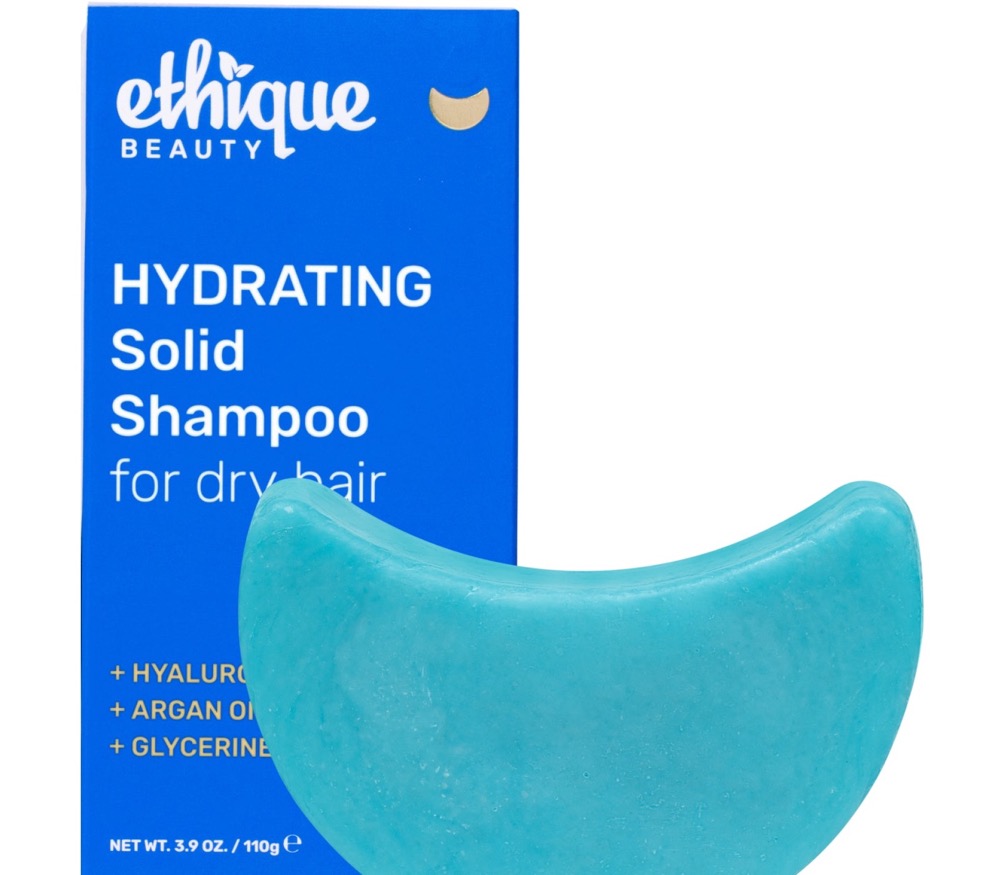 Best for Dry / Damaged HairEthique Hydrating Shampoo Bar (formerly Mintasy) |
— | B-Corp CertifiedCruelty-Free |
Check price → |
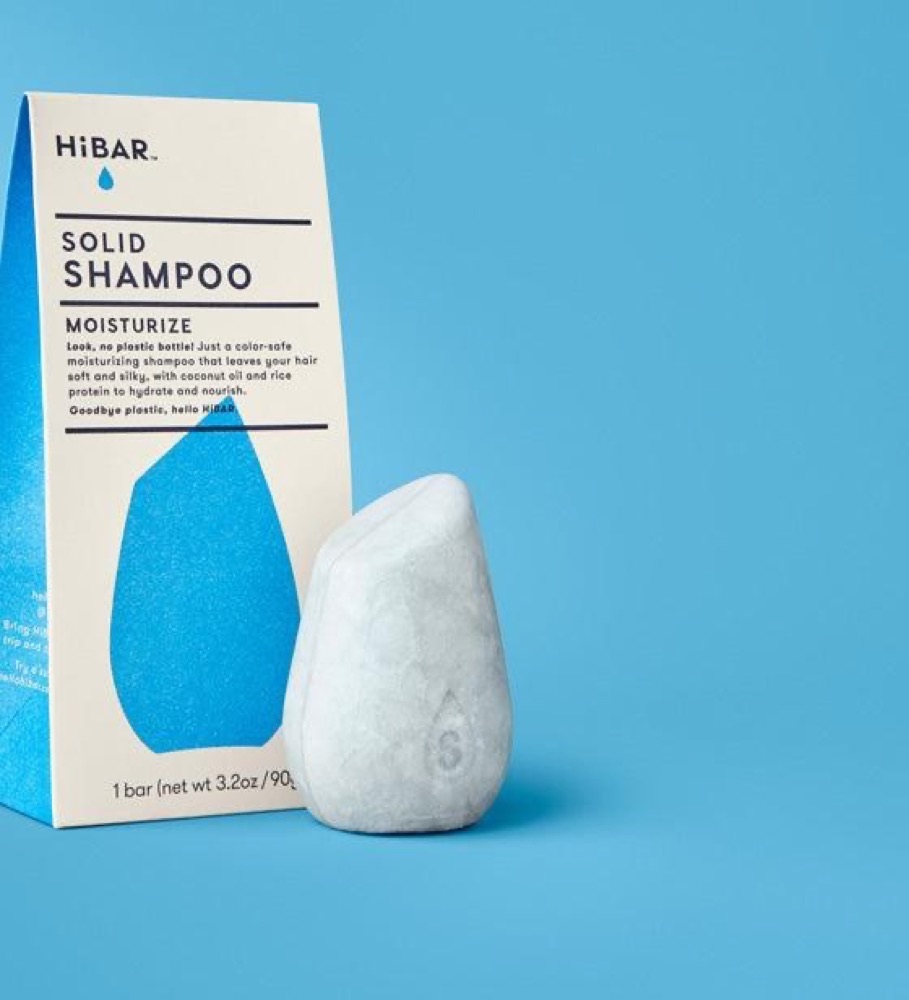 Best for Curly / Textured HairHiBAR Moisturize Shampoo Bar |
4.3out of 5 | EWG VerifiedLeaping Bunny |
Check price → |
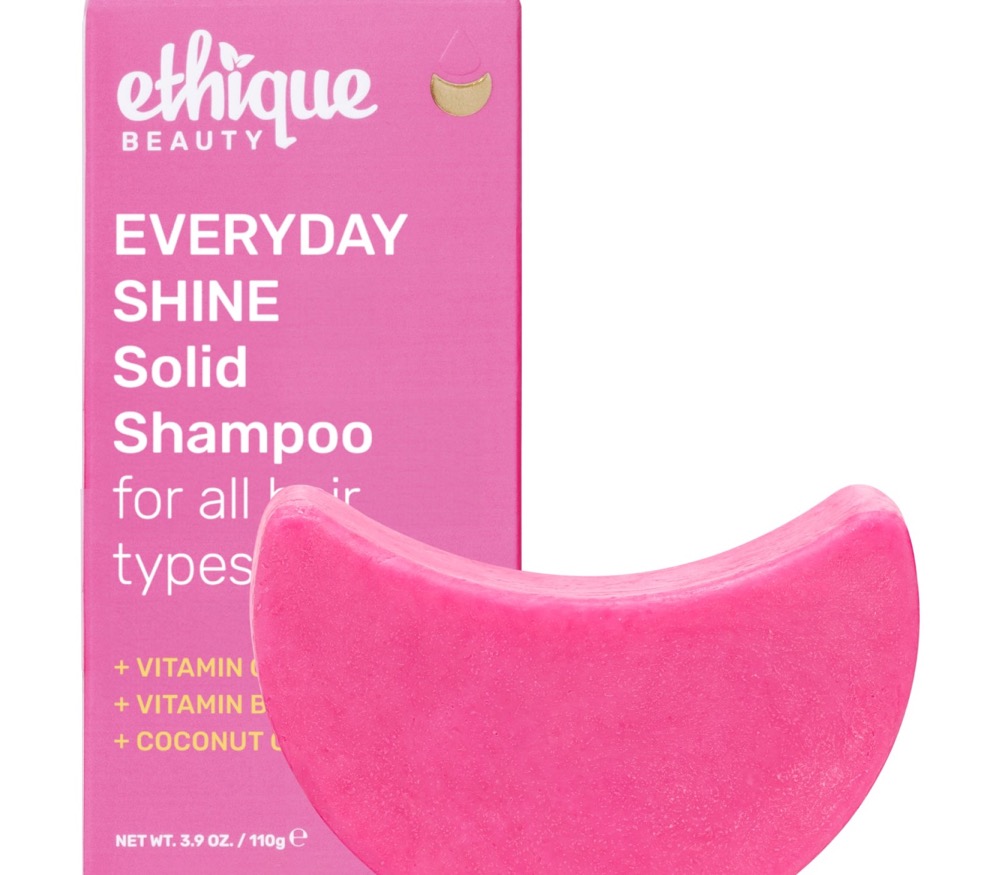 Best for Color-Treated HairEthique Everyday Shine Shampoo Bar (formerly Pinkalicious) |
— | B-Corp CertifiedCruelty-Free |
Check price → |
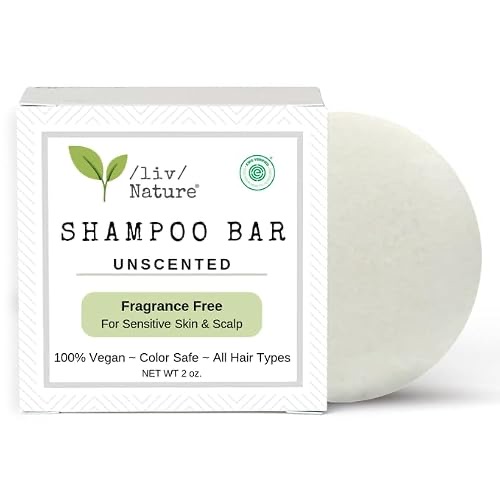 Best for Sensitive / Itchy Scalp/liv/ Nature Fragrance Free Shampoo Bar |
— | EWG VerifiedFragrance-Free |
Check price → |
Quick Reference by Hair Type
| Hair Type | Top Pick | Price |
|---|---|---|
| Fine / Oily | Ethique Heali Kiwi | $$$ |
| Normal | HiBAR Maintain | $ |
| Dry / Damaged | Ethique Hydrating (formerly Mintasy) | $$$ |
| Curly / Textured | HiBAR Moisturize | $ |
| Color-Treated | Ethique Everyday Shine (formerly Pinkalicious) | $$$ |
| Sensitive Scalp | /liv/ Nature Fragrance Free | $$ |
Price guide: $ budget · $$ mid · $$$ premium. All bars are in the same ballpark and replace 2–3 liquid bottles. Tap any pick below for today's exact Amazon price.
What these labels mean (in plain English)
- SLS-free / no SLS/SLES
- SLS (sodium lauryl sulfate) and SLES are the harsh foaming detergents in most cheap shampoos — they strip natural oils and fade hair color. "SLS-free" bars use gentler cleansers instead, so they clean without leaving your scalp dry or your color dull.
- SCI (sodium cocoyl isethionate)
- A mild, coconut-derived cleanser used in place of SLS. It produces a creamy lather and is gentle enough for sensitive scalps and color-treated hair — it's the main reason modern bars finally feel like "real" shampoo.
- No silicones
- Silicones coat hair to fake shine but build up over time, eventually leaving it heavy and dull (and they don't rinse out cleanly). Silicone-free bars let your hair's natural texture come through and avoid that waxy buildup.
- EWG Verified
- The Environmental Working Group checks every single ingredient against its health-and-safety database and only awards the mark if none raise a concern. It's one of the strictest ingredient screens in personal care.
- B-Corp Certified
- An independent audit confirming the company meets high standards for environmental and social responsibility — a credible signal the brand's sustainability claims aren't just marketing.
- Cruelty-free / Leaping Bunny
- Verified that neither the finished product nor its ingredients were tested on animals. Leaping Bunny is the most rigorous third-party cruelty-free certification.
- Compostable / cardboard / naked packaging
- The whole point of a bar: no plastic bottle. "Compostable" packaging breaks down in home compost, "cardboard-only" recycles curbside, and "naked" means it ships with no packaging at all.
Top 6 Shampoo Bars
Best Overall / Fine Hair
Ethique is the most established shampoo bar brand with the strongest sustainability credentials — a Certified B Corporation based in New Zealand with fully compostable packaging throughout. The Heali Kiwi formula uses SCI (sodium cocoyl isethionate) as its primary surfactant — a gentler alternative to SLS derived from coconut oil, which produces a creamy lather without stripping natural oils.
Kiwifruit seed oil adds shine-boosting fatty acids (notably vitamin C and E) without weighing hair down. For fine or oily hair, it provides enough cleansing without over-stripping, which can paradoxically trigger more oil production. One bar equals approximately 3 bottles of liquid shampoo.
Users with itchy, flaky scalps are the biggest fans, reporting their dandruff "almost completely clear up" and calling it a "long lasting shampoo bar that cleans well." One said a partner's years-long night-time scalp scratching stopped after regular use. The honest downsides: there is a transition where hair goes "a little dryer, and then greasier," the low-foam formula makes it "hard to know if you've applied enough," the bar "crumbles" once it gets thin, and it is on the pricey side.
The easiest first switch: one bar replaces about three plastic bottles and lathers like real shampoo — and because it suits nearly every hair type, there's almost nothing to get wrong.
Why it's safe: SLS-free and paraben-free, cleansed with gentle coconut-derived SCI instead of harsh detergents, and made by a Certified B-Corp with fully compostable packaging — no plastic bottle.
Check Today's Price on Amazon →Amazon prices change daily — tap to see today's price and any active discount.
- Free delivery & returns for Prime members
- Sold & shipped by Amazon
- Thousands of verified reviews
Best Value / Normal Hair
HiBAR uses a solid surfactant system (SCI + sodium lauryl sulfoacetate, a gentler cousin of SLS) that provides excellent lather in both hard and soft water. EWG Verified status means every ingredient has been screened against their health database — one of the more rigorous ingredient certification standards available.
The Maintain formula is designed for normal hair that doesn't need intensive moisture or scalp treatment — a balanced everyday formula. HiBAR makes separate bars for Moisturize (dry/curly), Volumize (fine), and Preserve (color) needs. The transition period with HiBAR tends to be shorter than many bars — the lather is convincingly similar to liquid shampoo, which reduces the psychological adjustment challenge.
Users single this out for the shortest, least jarring transition of the bars, with a lather "convincingly similar to liquid shampoo" and clean, soft-feeling hair, all in cardboard-only packaging. The honest downsides: hair carrying silicone buildup "takes one to two weeks to adjust" and can feel "heavier or slightly waxy" at first, hard water makes that worse until you add a weekly apple-cider-vinegar rinse, the lather is modest, and it is not cheap.
The shortest, least frustrating transition of any bar we tested — the lather feels so close to liquid shampoo that the switch barely registers, while the plastic bottles disappear for good.
Why it's safe: EWG Verified (every ingredient screened against a health database), SLS/SLES-free, silicone-free so nothing builds up, and Leaping Bunny cruelty-free — shipped in cardboard only.
Check Today's Price on Amazon →Amazon prices change daily — tap to see today's price and any active discount.
- Free delivery & returns for Prime members
- Sold & shipped by Amazon
- Thousands of verified reviews
Best for Dry / Damaged Hair
Ethique's Hydrating bar pairs argan oil and hyaluronic acid with glycerine on top of a coconut-derived surfactant base — these add significant moisture and slip without weighing hair down. It's pH-balanced, 100% soap-free, and safe for color-treated hair, with a fresh pear and vanilla scent.
For chemically processed hair that feels dry and porous, this bar provides meaningful conditioning during the wash step itself — reducing the work that conditioner needs to do afterward. Pair it with Ethique's matching Hydrating conditioner bar for a fully plastic-free haircare routine. One bar lasts roughly as long as three bottles of liquid shampoo.
Users say the minty Hydrating bar cleans well and leaves hair "feeling soft" once dry. The honest downsides show up in the lather and dryness reports: opinions split, with some "not able to get a good lather" and hair "feeling dry when washing it" before it rehydrates after drying, hard-water users report weaker results, and it is often "perceived as expensive" for the size.
If years of bleach and heat have left your hair dry and brittle, this is the wash step that finally feels nourishing instead of stripping — without going back to a plastic bottle.
Why it's safe: Sulfate- and paraben-free with argan oil, hyaluronic acid and glycerine for real moisture, cruelty-free, B-Corp made, and packaged in fully compostable cardboard.
Check Today's Price on Amazon →Amazon prices change daily — tap to see today's price and any active discount.
- Free delivery & returns for Prime members
- Sold & shipped by Amazon
- Thousands of verified reviews
Best for Curly / Textured Hair
HiBAR Moisturize uses shea butter and argan oil as the conditioning agents, both well-established for high-porosity hair types. The surfactant system is intentionally mild — gentle enough for the low-poo approach favored by the curly method community.
Key: rinse with cool water to seal the cuticle after washing, and follow with a conditioner bar or leave-in. The combination of mild cleansing + moisture ingredients + cool rinse produces results that many curly hair users prefer to their previous liquid low-poo products.
Aimed at dry and curly hair, its fans report soft, healthy results, with some using it "over a year" everyday and calling it "well worth the price." The honest downsides are real and vary by person: some report hair going "flat, dull, and heavy" and "greasy much quicker than normal," and at least one found it "a bit stripping," the opposite of the moisturize claim. Reviewers agree results here are "highly individual," so it may take a few washes to know.
Curls finally get a low-poo wash that defines instead of strips — a bar gentle enough for the curly method that also takes the plastic bottle out of your routine.
Why it's safe: EWG Verified, SLS/SLES-free with an intentionally mild surfactant, conditioning shea butter and argan oil for high-porosity hair, and Leaping Bunny cruelty-free in cardboard packaging.
Check Today's Price on Amazon →Amazon prices change daily — tap to see today's price and any active discount.
- Free delivery & returns for Prime members
- Sold & shipped by Amazon
- Thousands of verified reviews
Best for Color-Treated Hair
Ethique's Everyday Shine bar uses a gentle coconut-derived surfactant system that won't strip permanent color, paired with vitamin C and vitamin B for a shine boost and coconut oil for softness. It's pH-balanced and soap-free — both important for keeping color-treated hair from fading.
The formula is suited to all hair types and is a favourite for highlighted or balayage hair. With its sweet pink grapefruit and vanilla scent, it's one of Ethique's most popular bars for maintaining softness and vibrancy between salon visits. One bar lasts roughly as long as three bottles of liquid shampoo.
This bar has thinner standalone review data, though users list Pinkalicious among their favorite Ethique bars for soft, shiny hair. Being an Ethique bar, expect the same honest downsides owners flag across the range: a low-foam learning curve and mixed lather reports, weaker performance in hard water, and a price that many call high for the size. If you are new to bars, plan for a short transition before judging it.
Stretch the time between expensive salon visits: a color-safe bar that keeps your dye vibrant and your highlights from fading — while ditching the plastic bottle.
Why it's safe: pH-balanced and 100% soap-free so it won't strip permanent color, with vitamin C for shine — cruelty-free, B-Corp made and fully compostable.
Check Today's Price on Amazon →Amazon prices change daily — tap to see today's price and any active discount.
- Free delivery & returns for Prime members
- Sold & shipped by Amazon
- Thousands of verified reviews
Best for Sensitive / Itchy Scalp
For sensitive, easily-irritated scalps, the /liv/ Nature bar keeps things simple and completely fragrance-free. It's EWG Verified and formulated to be hypoallergenic and gentle, which makes it a good fit for anyone whose scalp reacts to scented shampoos or who deals with psoriasis-prone skin.
Because it's unscented and free of added fragrance, there's none of the perfume that irritates a lot of sensitive scalps. It's plastic-free and made in the USA — an easy everyday bar to build a gentle routine around.
This four-ingredient, EWG-Verified bar is a favorite of people with reactive skin, one calling it "the ONLY shampoo" whose ingredients "my skin reacts negatively to" is not among, with no more all-day scalp itch. The honest downsides: the scented sibling can smell "quite strong" for anyone fragrance-sensitive, so get the unscented; the travel tin is not for wet storage or the bar "will stick to the bottom and dissolve quickly"; and it is a small brand with a limited number of reviews so far.
A genuinely gentle, fragrance-free bar for flaky, itchy, easily-irritated scalps — without the throwaway plastic bottle.
Why it's safe: EWG Verified and completely fragrance-free, formulated to be hypoallergenic and gentle for sensitive scalps and psoriasis — plastic-free and made in the USA.
Check Today's Price on Amazon →Amazon prices change daily — tap to see today's price and any active discount.
- Free delivery & returns for Prime members
- Sold & shipped by Amazon
- Thousands of verified reviews
The Transition Guide (Make It Easier)
Week 1–2: The Adjustment Phase
Your hair may feel heavy, waxy, or greasy. This is normal — silicone buildup from your old shampoo is coming out, and your scalp is overproducing oil because it was trained to compensate for sulfate stripping. Resist the urge to go back to your old shampoo.
The ACV Rinse (Your Best Tool)
Mix 1 tablespoon apple cider vinegar into 1 cup of water. After washing and rinsing, pour it through your hair and leave for 30 seconds, then rinse with cool water. ACV closes the hair cuticle (removing the dull, waxy appearance), removes mineral buildup from hard water, and rebalances scalp pH. Use it every wash for the first 3 weeks, then as needed.
Hard Water Issues
How to Apply a Shampoo Bar
- Wet hair thoroughly with warm water
- Rub the bar between your palms to build lather (or directly on hair in sections for thick hair)
- Work lather from roots to tips, massaging the scalp
- Rinse thoroughly with warm water — shampoo bar residue is the most common complaint and it's almost always a rinsing issue
- Finish with a cool water rinse to seal the cuticle
Storage Matters — Keep Your Bar Dry
A bar left sitting in pooled water dissolves quickly, cutting its lifespan in half. Store it on a draining soap dish or magnetic soap holder outside the direct shower spray. A bamboo soap dish with drainage slots is the simplest solution. Between washes, the bar should feel firm, not tacky.
For the full bathroom plastic-free guide — covering shampoo bars, conditioner bars, zero-waste deodorant, bamboo toothbrushes, and more — see our complete Plastic-Free Bathroom Guide.
Shaving is the other daily-plastic hotspot worth fixing while you're rebuilding the shower shelf: a single reusable metal safety razor replaces a lifetime of disposable plastic cartridges, and the blades cost pennies. See our tested picks in the Best Plastic-Free Razors 2026 guide.
Frequently Asked Questions
Do shampoo bars work as well as liquid shampoo?
Yes — after a 2–4 week transition period. The initial waxy phase is silicone buildup from your old products washing out. Using an apple cider vinegar rinse (1 tbsp ACV in 1 cup water) dramatically shortens this phase. After the transition, most users report better scalp health, reduced frizz, and longer hair wash intervals.
Are shampoo bars safe for color-treated hair?
Yes, with the right bar. Avoid SLS (sodium lauryl sulfate) — it strips color. Look for SCI-based bars (gentler coconut-derived surfactant). Ethique Everyday Shine (formerly Pinkalicious) and HiBAR Preserve are specifically color-safe formulas. Both are SLS-free and plastic-free.
How long does a shampoo bar last?
60–90 washes for a typical 45–80g bar — equivalent to 2–3 bottles of liquid shampoo. Key to maximizing life: store on a draining soap dish out of the shower stream. A wet bar left in pooled water dissolves in half the time.
Can shampoo bars be used on curly or textured hair?
Yes. HiBAR Moisturize (shea butter, argan oil, mild SCI surfactant) is specifically well-suited for curly and coily hair. Ethique's Heali Kiwi also works well for wavy types. Rinse with cool water to seal the cuticle, and follow with a conditioner bar for best definition.
What is the transition period for shampoo bars?
2–4 weeks. Your scalp overproduces oil and silicone from old products washes out — causing a heavy, waxy phase. Use ACV rinses, wash every other day if possible, and rinse with cool water. Most people who push through week 2 are satisfied by week 4. Those who quit in week 2 almost always would have made it.