
A mattress topper sits directly under your sheets — inches from your nose and mouth for a third of your life. That makes the material it's made from one of the most consequential choices in a home. Most toppers sold today are memory foam: polyurethane treated with chemicals to create that slow-sink feel. The problem is what those materials release into the air you breathe all night long.
This guide compares the best non-toxic mattress topper options available in 2026 — organic latex, natural latex, wool, and hybrid designs — evaluated on material safety, certifications, comfort, and whether the price is justified. No brand partnerships. No affiliate ranking manipulation. Just what's actually worth the money for protecting your sleep environment.
Compare all 6 picks
Every pick side by side — tap a name to jump to the full review, or check today's price.
| Pick | Why it wins | |
|---|---|---|
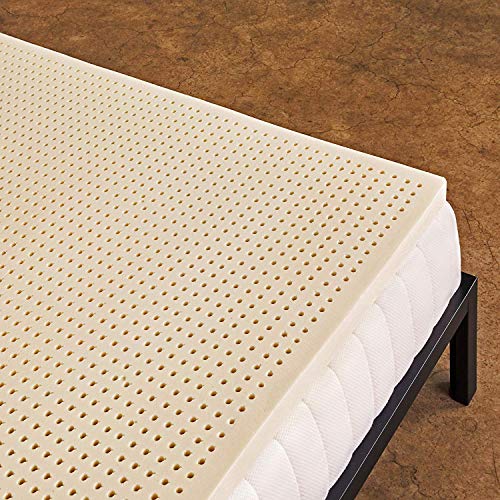 Best OverallPure Green Natural Latex Topper (2-Inch) |
GOLS Organic LatexDunlop Latex |
Check price → |
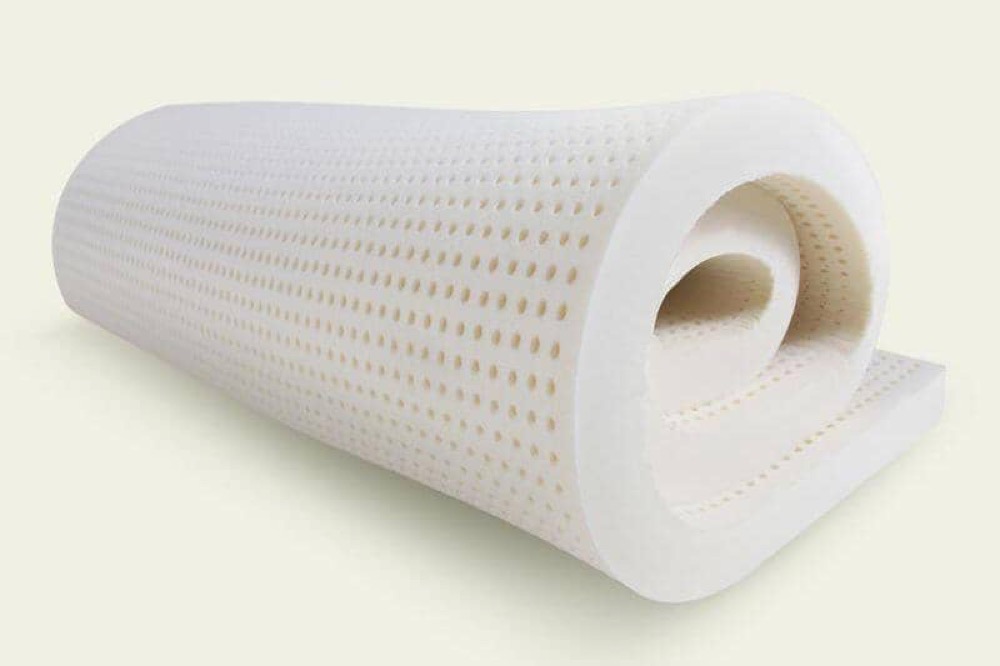 Best ValuePlushBeds Natural Latex Topper |
GOLS Organic LatexOeko-Tex |
Check price → |
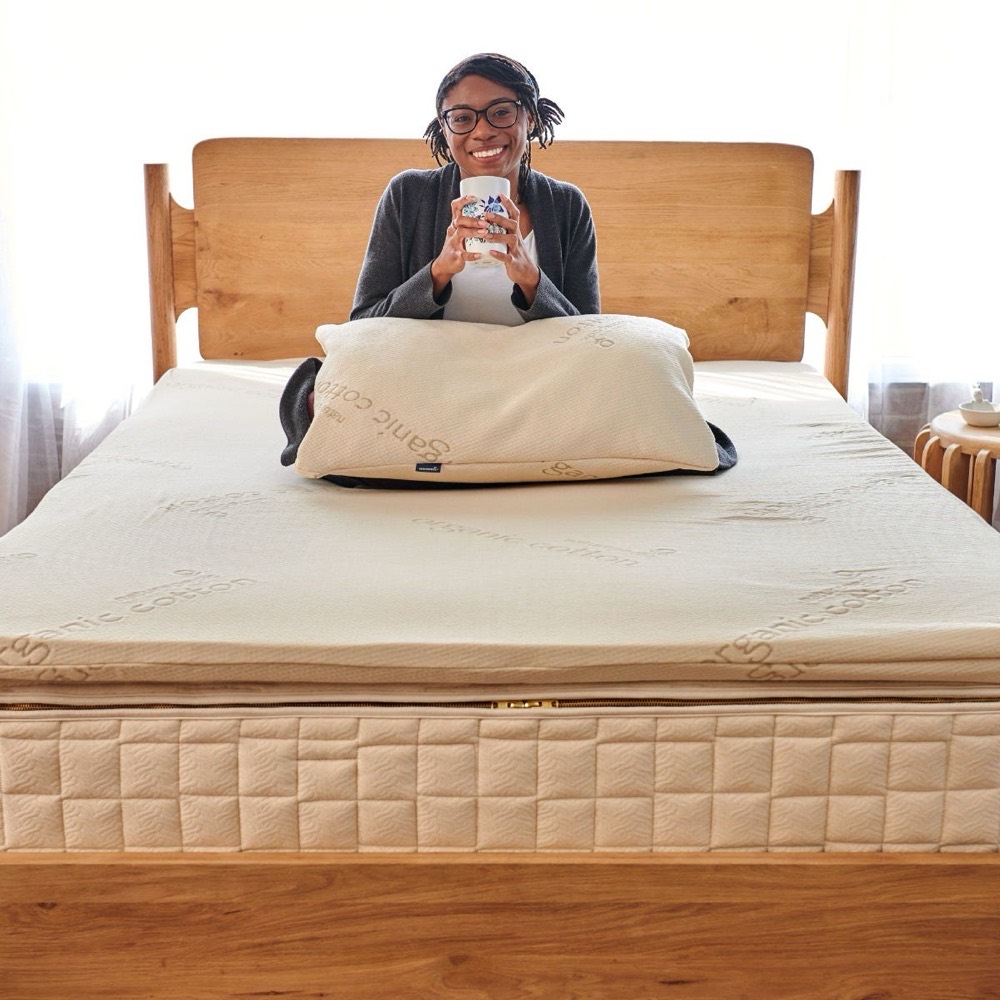 Best PremiumNaturepedic Organic Latex Topper |
GOLS + GOTSMade Safe |
Check price → |
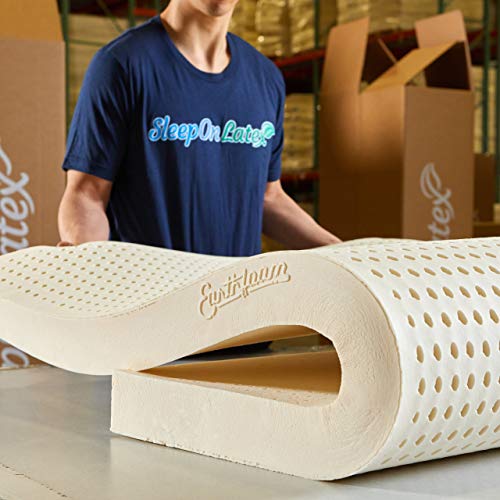 Best BudgetPure Green Natural Latex Topper (3-Inch) |
GOLS Organic LatexDunlop Latex |
Check price → |
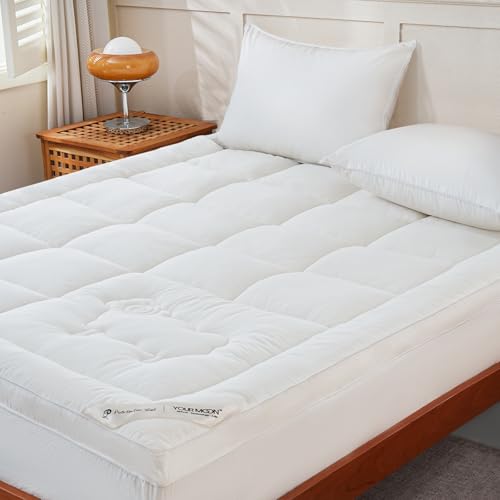 Best for ComfortYOUR MOON 100% Wool Mattress Topper |
100% Wool FillCotton Cover |
Check price → |
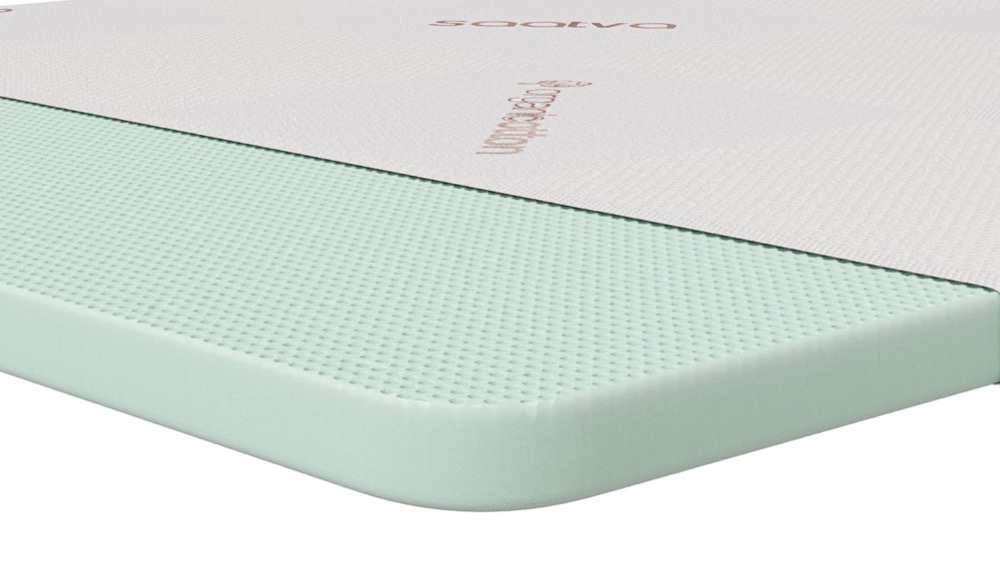 Best HybridSaatva Organic Latex Mattress Topper |
GOLS Organic LatexOeko-Tex |
Check price → |
Why Conventional Mattress Toppers Are a Problem
Memory foam is polyurethane foam — the same petroleum-based plastic found in insulation, car parts, and adhesives. To create the pressure-relieving "memory" effect, manufacturers add additional chemicals: isocyanates during production, and often antimicrobial treatments, flame retardants, and plasticizers in the finished product.
The result is a product that off-gases VOCs — that "new mattress smell" is literally volatile organic compounds entering your breathing zone. These include formaldehyde (a known carcinogen), toluene (a neurotoxin), and benzene. The off-gassing is strongest when new but can continue at lower levels for years.
Beyond off-gassing, polyurethane foam physically degrades over time, shedding microplastic particles into the air and into your sheets. A study published in Environmental International found synthetic bedding materials to be a significant source of indoor microplastic exposure — relevant since microplastics in bedding are inhaled during sleep when breathing rates are slow and deep.
- VOC off-gassing: Formaldehyde, benzene, toluene, and other volatile compounds released from polyurethane foam
- Flame retardant chemicals: Many conventional toppers contain chemical flame retardants (organohalogen or organophosphate) linked to endocrine disruption
- Microplastic shedding: Polyurethane foam physically breaks down, releasing microscopic plastic particles into indoor air
- Isocyanate residues: The chemicals used to create polyurethane can remain in trace amounts in the finished foam
What to Look for in a Non-Toxic Topper
Not all "natural" or "organic" claims mean the same thing. Here are the certifications that actually matter:
- GOLS (Global Organic Latex Standard): Certifies at least 95% organic raw latex material. The gold standard for organic latex. Third-party verified through the entire supply chain.
- GOTS (Global Organic Textile Standard): Certifies organic fibers (cotton, wool) in the cover and fill. Requires at least 70% organic fibers for the "made with organic" label, 95% for the full "organic" label.
- Greenguard Gold: Tests for over 10,000 chemicals and VOCs to ensure low emissions. Originally designed for schools and healthcare settings. One of the strictest indoor air quality certifications.
- Oeko-Tex Standard 100: Tests the finished product for harmful substances including pesticides, heavy metals, and formaldehyde. Good baseline, but less comprehensive than GOLS for latex products.
- Made Safe: Screens products against a database of known harmful chemicals. Particularly strong for ruling out toxic flame retardants, heavy metals, and endocrine disruptors.
CertiPUR-US is frequently marketed as proof that a foam product is safe. In reality, it only certifies that polyurethane foam meets certain limits for VOC emissions, heavy metals, and specific flame retardants. The foam is still polyurethane — still petroleum-based plastic. CertiPUR-US does not test for microplastic shedding, does not require organic materials, and still allows formaldehyde emissions below 0.5 ppm. It was created and funded by the foam industry. A CertiPUR-US topper is better than an uncertified one, but it is not comparable to GOLS-certified organic latex or GOTS-certified wool.
Quick Comparison
| Topper | Price | Material | Certifications | Thickness | Best For |
|---|---|---|---|---|---|
| Pure Green Latex (2") | $ | Organic Dunlop latex | GOLS Organic | 2" | Best overall |
| PlushBeds Natural Latex | $$ | Organic Dunlop latex | GOLS, Oeko-Tex | 2" or 3" | Best value latex |
| Naturepedic Organic Latex | $$$ | Organic latex | GOTS, GOLS, Made Safe | 3" | Best premium |
| Pure Green Latex (3") | $ | Organic Dunlop latex | GOLS Organic | 3" | Best budget |
| YOUR MOON Wool Topper | $$ | 100% wool + cotton cover | — | Pillow-top | Best for comfort |
| Saatva Organic Latex | $$ | Organic latex + cotton | GOLS, Oeko-Tex | 1.5" or 3" | Best hybrid |
Price key: $ budget · $$ mid-range · $$$ premium. Toppers run roughly $150–$550 for a queen depending on material and thickness; tap any link for today's live price.
Our Top Picks
Best Overall: Pure Green Natural Latex Topper (2-Inch)
Best Overall
Why it wins: GOLS-certified organic Dunlop latex is genuine natural rubber, so it delivers responsive support without the VOC off-gassing of memory foam. The 2-inch profile is the versatile middle ground — enough latex to change how your mattress feels, without the height or weight of a thicker slab. For most people looking to escape foam, this is the topper to start with.
Owners sensitive to odors are relieved that most open the box to either no smell or a mild natural-rubber scent that clears within a day or two, and they credit the GOTS-certified latex for adding pinpointed support without a chemical feel. The 2-inch is the most popular thickness for a moderate change in firmness. The honest downsides: some buyers found it firmer than expected and slow to soften, one noting it was still quite firm months later; bare latex collects dust and body oils, so a washable cover is close to required; and a few reported mold when the topper was stored or used damp.
The natural bounce and responsive support of real latex — without a single night of "new mattress" chemical smell to air out.
Why it's safe: It's GOLS-certified organic Dunlop latex — real rubber, not petroleum foam — so there's no polyurethane to off-gas VOCs and no synthetic latex blend.
Check Today’s Price on Amazon →Prices change daily — tap to see today's price and any active discount.
- GOLS-certified organic Dunlop latex
- 2-inch profile, soft feel
- No polyurethane, no memory foam
Best Value Latex: PlushBeds Natural Latex Topper
Best Value
Why it wins: PlushBeds delivers GOLS-certified organic Dunlop latex with more firmness options than most. The main trade-off is fewer third-party certifications (no Greenguard Gold), but the core material — GOLS organic latex — is comparable. The availability of soft, medium, and firm options is a genuine advantage for people who know their preference. This is the best value in certified organic latex toppers.
Buyers who want high-quality natural latex with a range of firmness options are the happiest here, and hot sleepers note the perforated latex breathes well. The honest downsides are worth knowing before you buy: some owners report a strong latex-factory odor out of the wrap; longtime customers say the switch from Talalay to Dunlop latex changed the feel and "is not the same"; and a few say a topper billed as 4 inches measured closer to 3. Most important, PlushBeds does not offer a trial or returns on the latex topper for sanitary reasons, so there is no way back if the firmness is wrong.
Pick your exact feel — soft, medium, or firm — instead of being stuck with one density, and pay less than the top-ranked organic option.
Why it's safe: The slab is GOLS-certified organic Dunlop latex (natural rubber, not memory foam) under an organic cotton cover, so there's no polyurethane off-gassing and no synthetic latex blend. Oeko-Tex certification screens the finished product for harmful substances.
Check Today’s Price on Amazon →Prices change daily — tap to see today's price and any active discount.
- GOLS organic + Oeko-Tex certified
- Soft / medium / firm options
- No polyurethane, no synthetic latex
Best Premium: Naturepedic Organic Latex Topper
Best Premium
Why it wins: If certification depth matters to you — and for a product you sleep on for 8 hours a night, it should — Naturepedic sets the standard. The combination of GOTS, GOLS, and Made Safe certification means this topper has been screened against the broadest range of harmful chemicals available. The premium price is justified by the fact that every component (latex, cover, flame barrier) is independently verified organic. This is the topper for people building a fully non-toxic bedroom.
The Naturepedic latex topper (sold as the Adagio) earns about 4.6 out of 5 across its reviews, with buyers calling it cushy and supportive and crediting it for easing soreness and joint pain. The honest downsides: a few owners were bothered by a strong latex smell, especially stomach sleepers with their face close to it; there is no removable, washable cover, so spot-cleaning is the only option; and because it just sits on the mattress with nothing to anchor it, several say it shifts out of place. One returned it as too heavy, another wished it were thicker.
The most exhaustively screened topper you can buy — every layer, from latex to cover to flame barrier, independently certified organic.
Why it's safe: Dual GOLS organic latex and GOTS organic cotton, with Made Safe screening against known harmful chemicals. It uses organic wool as a natural flame barrier, so there are zero chemical flame retardants and no foam to off-gas.
Check Today’s Price on Amazon →Prices change daily — tap to see today's price and any active discount.
- GOLS + GOTS + Made Safe certified
- Wool flame barrier, no chemical retardants
- Made in the USA
Best Budget: Pure Green Natural Latex Topper (3-Inch)
Best Budget
Why it wins: It's the same GOLS-certified organic Dunlop latex as our top pick, but in a thicker 3-inch profile. If your mattress sleeps too firm, the extra inch of natural rubber makes a bigger difference than a 2-inch layer — more give and deeper cushioning — while still avoiding memory foam entirely.
This is the thicker 3-inch version of the same GOTS-certified topper, chosen by owners who want a bigger change in feel and more cushion for side sleepers or a hard mattress. Reviews echo the 2-inch: most report little to no odor beyond a mild rubber scent that fades in a day or two. The honest downsides carry over too: some buyers find the firm and medium options firmer than expected and slow to break in, the bare latex needs a washable cover because it grabs dust and oils, and the extra inch adds noticeable weight that makes the topper harder to handle on your own.
A full 3 inches of real rubber latex — the deeper-cushioning option to soften a mattress that sleeps too firm, with no memory foam.
Why it's safe: It's GOLS-certified organic Dunlop latex — real rubber, not petroleum foam — with no polyurethane and no synthetic latex blend, so nothing off-gases VOCs the way memory foam does.
Check Today’s Price on Amazon →Prices change daily — tap to see today's price and any active discount.
- GOLS-certified organic Dunlop latex
- 3-inch profile, deeper cushioning
- No foam, no synthetic latex
Best for Comfort: YOUR MOON 100% Wool Mattress Topper
Best for Comfort
Why it wins: This is the pick for people who want plush comfort without latex. At 800GSM, the wool fill has a soft, cushioning feel — closer to the "sink in" sensation of memory foam, but without the petroleum foam. Wool is naturally thermoregulating, making this a good choice for hot sleepers, and it's inherently flame resistant. For anyone with concerns about latex allergies or who simply prefers a softer surface, this is the best option.
Independent buyer reviews for this wool topper are sparse, so we are not going to manufacture a consensus it does not have yet. What is documented is basic wool-topper behavior and the maker's own care guidance: it arrives vacuum-compressed and needs a tumble-dry on low before first use to regain loft, and the wool fill is meant to add a plush pillow-top layer while wicking moisture. If you buy it, treat firmness and long-term flattening as unknowns and lean on the retailer return window rather than a track record of owner reports.
A soft, plush "sink-in" feel that sleeps cool in summer and warm in winter — and the right pick if latex isn't an option for you.
Why it's safe: Cushioning comes entirely from 100% natural wool over a cotton cover — no latex and no polyurethane foam. Wool is naturally flame resistant, so it doesn't rely on chemical flame retardants the way foam toppers do.
Check Today’s Price on Amazon →Prices change daily — tap to see today's price and any active discount.
- 100% natural wool fill (800GSM)
- Latex-free, foam-free
- Naturally flame resistant
Best Hybrid: Saatva Organic Latex Mattress Topper
Best Hybrid
Why it wins: The quilted organic cotton cover differentiates this from other latex toppers — it adds a soft, plush layer on top of the firm latex core, giving it a hybrid feel that's closer to a pillow top than a pure latex slab. The 1.5-inch option is also unique: most competitors only offer 2" or 3", so this is a good choice for people who want a thinner profile. GOLS organic latex underneath, organic cotton on top. It's priced competitively with the wool topper option but with a completely different feel.
Testers and owners like that the Saatva latex topper is springy and responsive, rate it among the best they have tried, and single it out for the best temperature regulation in Saatva's topper lineup thanks to the ventilated latex and organic cotton cover. Several say it added years to an aging mattress. The honest downsides: if you are chasing plushness or deep body-contouring, this is not it, as reviewers note it stays firm with little cushion; the price is high enough that even satisfied buyers say it is hard to justify; and it can carry a rubbery smell when new that needs a few days to air out.
Get the responsive support of latex with a soft, quilted pillow-top surface on top — plus a rare thin 1.5-inch option to gently firm up a too-soft mattress.
Why it's safe: The core is GOLS-certified organic latex (natural rubber, not memory foam) under a quilted organic cotton cover, so there's no polyurethane to off-gas VOCs. Oeko-Tex certification screens the finished topper for harmful substances.
Check Today’s Price on Amazon →Prices change daily — tap to see today's price and any active discount.
- GOLS organic latex + Oeko-Tex
- Quilted organic cotton pillow top
- No foam, no off-gassing
Materials Guide: Natural Latex vs. Synthetic Latex vs. Memory Foam vs. Wool
Natural Latex
Harvested from rubber trees (Hevea brasiliensis) and processed into foam via the Dunlop or Talalay method. Natural latex is not a plastic — it's a natural rubber. It's responsive, durable (8-12 year lifespan), and does not off-gas VOCs. Dunlop latex is denser and firmer; Talalay is lighter with a more consistent cell structure. Both are excellent. "Natural" means the latex comes from rubber trees but the plantation may not be organic. "Organic" (GOLS-certified) means the trees are farmed without synthetic pesticides or fertilizers.
Synthetic Latex
Made from styrene-butadiene rubber (SBR) — a petroleum-derived synthetic. Despite the "latex" name, synthetic latex is chemically closer to memory foam than to natural rubber. It off-gases, it's less durable, and it has none of the natural properties of real latex. Many "latex" toppers on the market are actually synthetic or blended (natural + synthetic). If the listing doesn't specify "100% natural" or "GOLS organic," assume it contains synthetic latex.
Memory Foam (Polyurethane)
Petroleum-based polyurethane foam treated with chemicals to create viscoelastic properties. Off-gases VOCs including formaldehyde, benzene, and toluene. Sheds microplastic particles as it degrades. Traps heat. Average lifespan of 3-5 years before developing permanent body impressions. The cheapest option per square foot, which is why it dominates the market — but it's the worst option from a chemical exposure standpoint. Even "plant-based" memory foams are still majority polyurethane.
Wool
Natural animal fiber that is inherently flame resistant (no chemical flame retardants needed), moisture-wicking, thermoregulating, and antimicrobial. Organic wool (GOTS-certified) comes from sheep raised without synthetic pesticides on pasture. Wool toppers provide a softer, more cushioning feel than latex. Less durable than latex (5-8 years vs. 8-12 years) but excellent for people who want plush comfort without any foam materials. Pair with organic cotton sheets for a fully natural sleep surface.
"The most important surface in your home is the one you press your face against for 8 hours every night. Making it non-toxic is not a luxury — it's a priority."
Want the Full Bedroom Protection Guide?
Mattress toppers are just the start. The Complete Plasticproof Guide covers every room — kitchen, nursery, bathroom, bedroom — with 80+ product recommendations backed by 47+ studies.
Frequently Asked Questions
Most latex allergies are triggered by proteins in raw liquid latex (gloves, balloons). The Dunlop and Talalay manufacturing processes wash and vulcanize the latex, removing nearly all allergenic proteins. Finished natural latex foam contains virtually undetectable levels. That said, people with severe latex anaphylaxis should consult an allergist and may prefer wool or organic cotton toppers instead.
GOLS (Global Organic Latex Standard) certifies that the latex contains at least 95% organic raw material, verified through the entire supply chain from plantation to finished product. It prohibits certain processing chemicals, sets VOC emission limits, and requires social and environmental standards. Administered by the Control Union, an independent third-party certifier. GOLS means the latex genuinely comes from organic rubber tree plantations — a much higher bar than "natural."
Natural latex sleeps cooler than memory foam due to its open-cell structure, which allows better airflow. Wool is naturally thermoregulating — it wicks moisture and stays breathable. Memory foam is the worst for heat retention because it conforms tightly and restricts ventilation. If heat is a concern, wool toppers are the coolest option, followed by Dunlop latex.
Natural latex toppers typically last 8-12 years before showing significant wear. By comparison, memory foam averages 3-5 years. Dunlop latex is slightly more durable than Talalay due to its denser structure. Wool toppers last 5-8 years. Rotate any topper 180 degrees every 3-6 months to extend its life.
No. CertiPUR-US sets limits on VOC emissions and certain chemicals in polyurethane foam — but the foam is still polyurethane (petroleum-based plastic). It doesn't test for microplastic shedding, doesn't require organic materials, and still allows formaldehyde emissions. It's an industry-funded certification that sets a floor, not a ceiling. A CertiPUR-US topper is better than uncertified, but not comparable to GOLS organic latex or GOTS wool.
A non-toxic topper creates a physical barrier between you and the foam surface, reducing direct skin contact and proximity to emissions. However, it doesn't stop the mattress from releasing VOCs into the room. Pair a natural topper with good ventilation (open window, air purifier with activated carbon). The long-term solution is replacing the mattress, but a topper is a meaningful interim step.
Sources
- Boor BE, et al. "Infant Exposures to Phthalates and Plasticizers in Dust: Influences of Crawling and Mouthing." Environmental Science & Technology, 2014.
- Luongo G, et al. "Chemicals in textiles and skin sensitization." Journal of Dermatological Science, 2016.
- Demeneix B. "How Endocrine Disruptors Undermine Our Intelligence." Environmental Health Perspectives, 2017.
- Kang Y, et al. "Volatile organic compound emissions from polyurethane foam mattress products." Chemosphere, 2019.
- Dris R, et al. "Synthetic fibers in atmospheric fallout: a source of microplastics in the environment?" Marine Pollution Bulletin, 2016.
- Global Organic Latex Standard (GOLS). "Standard Requirements." Control Union Certifications, 2023.
- Greenguard Environmental Institute. "Greenguard Gold Certification Criteria." UL Environment, 2024.
- Stapleton HM, et al. "Detection of Organophosphate Flame Retardants in Furniture Foam." Environmental Science & Technology, 2009.
Protect Every Room in Your Home
From the kitchen to the nursery — the Complete Plasticproof Guide covers every swap that matters, backed by 47+ studies.