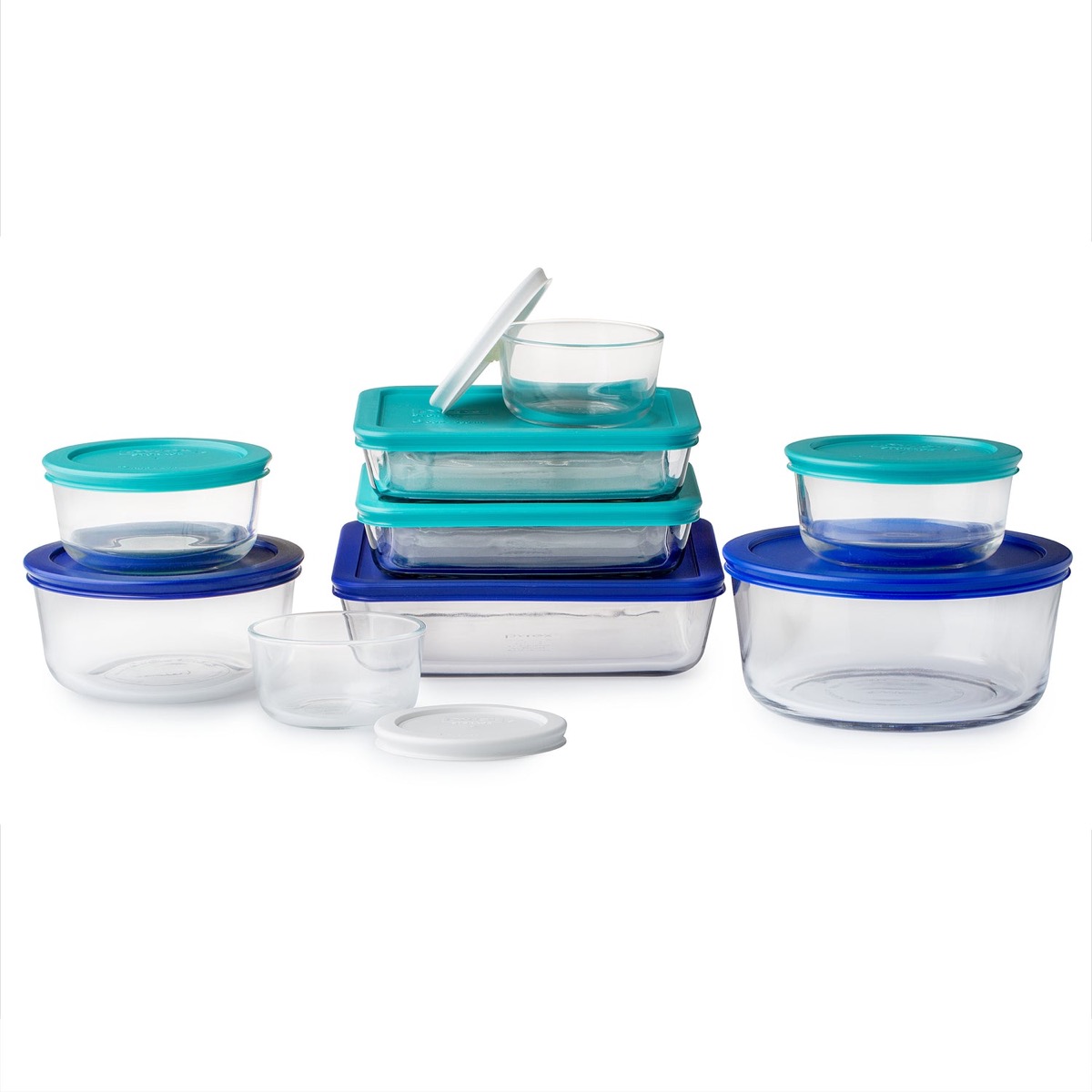
Pyrex
Borosilicate glass is chemically inert — no microplastics leach into food, even when heated in the microwave or dishwasher.
$$$Our price tier
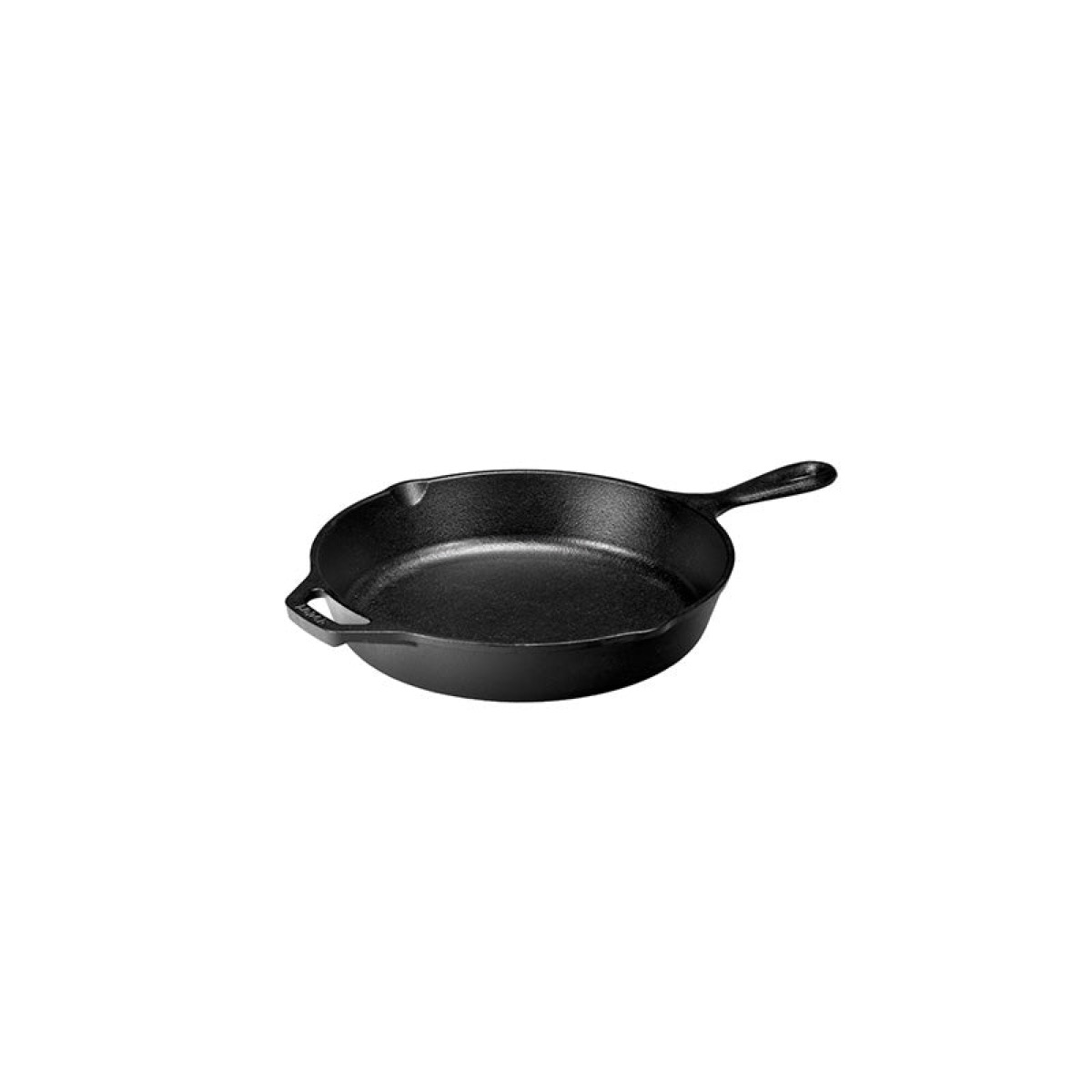
Zero coating to degrade — naturally nonstick when seasoned. Unlike Teflon pans, cast iron releases no PFAS or microplastics, even at high heat.
As an Amazon Associate I earn from qualifying purchases — at no extra cost to you. We show a "Check price on Amazon" link rather than a number because Amazon prices change often.
PFAS ("forever chemicals") get into cookware through one route: a synthetic non-stick coating. Teflon/PTFE is itself a member of the PFAS family. This skillet has no coating of any kind — so there is no PFAS in it to begin with.
What this pan is made of: a single piece of solid iron. No non-stick layer, no liner, no plastic parts, no added chemicals — nothing to shed and nothing fluorinated to release, at any temperature.
Nonstick (Teflon/PTFE) pans are one of the most overlooked sources of microplastic contamination in the kitchen. Once the coating is scratched — which happens with normal use — it sheds directly into your food.
A 2022 Flinders University & University of Newcastle study (published in Science of the Total Environment) found that a single scratched non-stick pan can release an estimated 2.3 million microplastic and nanoplastic particles into food — and because Teflon is itself a PFAS, that is a PFAS exposure too. Switching to bare cast iron removes the coating entirely, so the risk simply is not there. (source)
Straight answer: we're a research team, not a testing lab. Here's exactly what our rating is based on — and what it isn't — so you can weigh it honestly.
Anything that adds a known microplastic, PFAS, or off-gassing source — a non-stick coating, a plastic surface against food or skin, vinyl/PVC — is downgraded or cut. We only list what clears that bar.
Borosilicate glass is chemically inert — no microplastics leach into food, even when heated in the microwave or dishwasher.
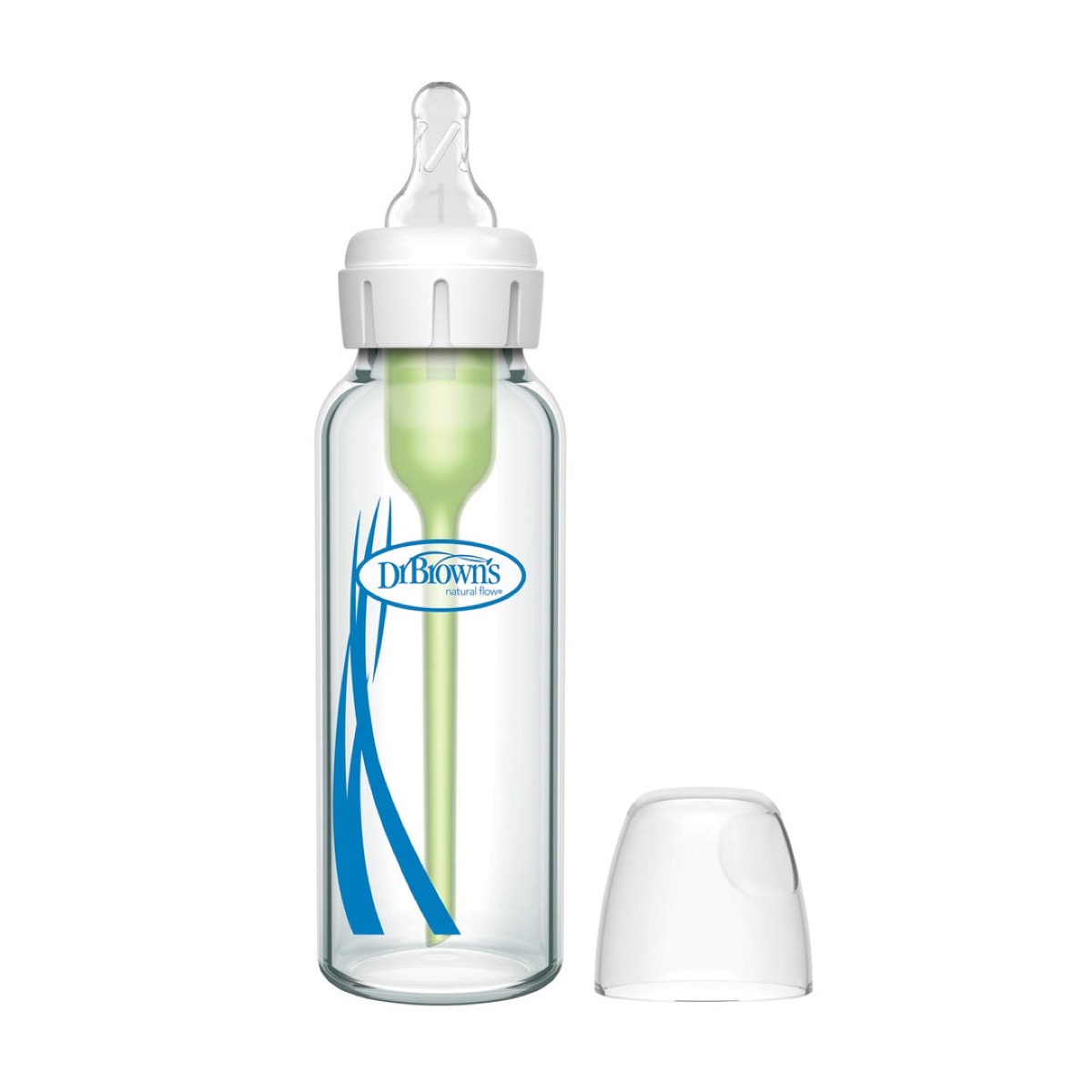
Borosilicate glass releases zero microplastics during sterilization — unlike plastic bottles, which shed up to 16 million particles per cycle.
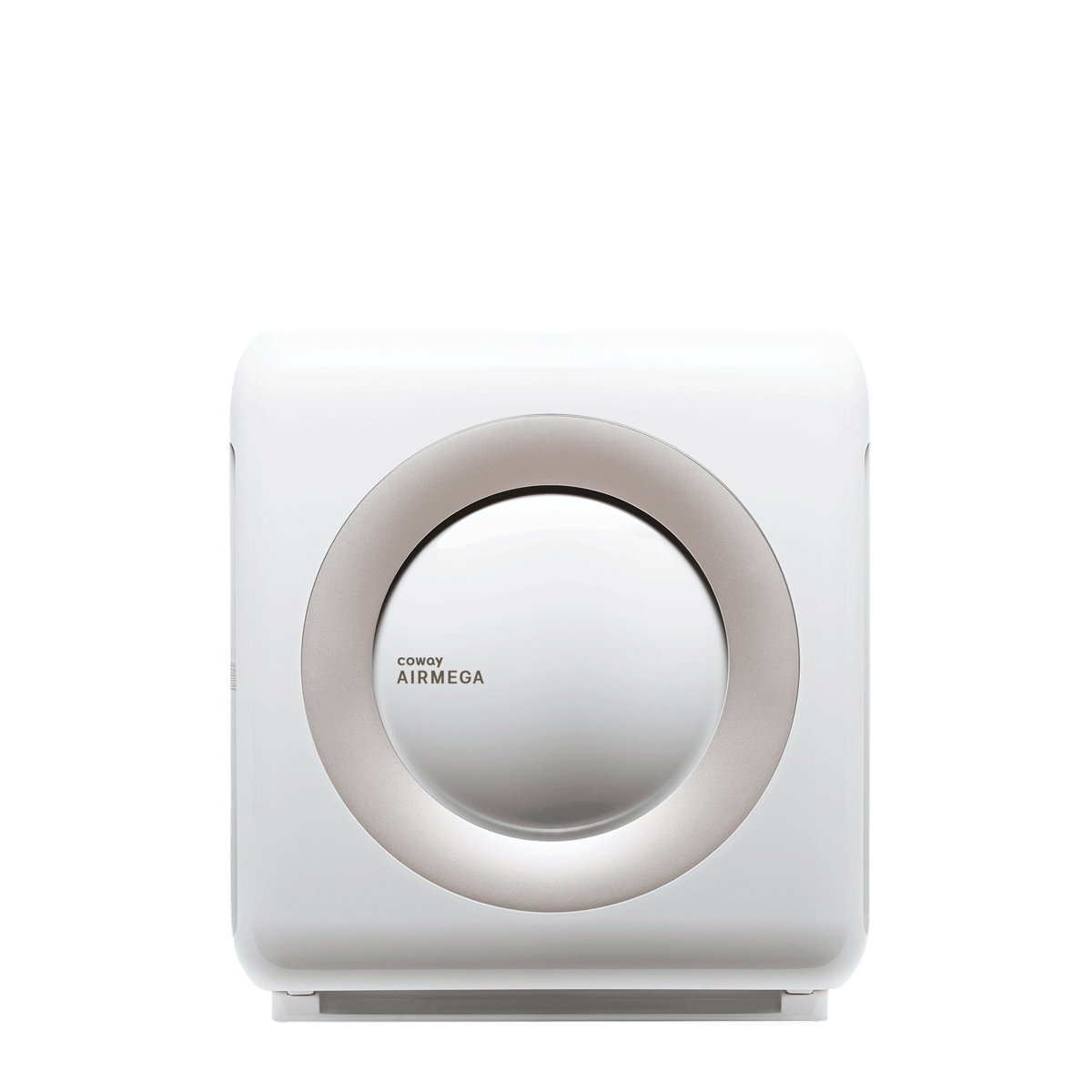
True HEPA filter captures 99.97% of airborne particles including microplastic fibers shed by textiles. Covers rooms up to 361 sq ft.
Affiliate disclosure: some links on this page are affiliate links. As an Amazon Associate I earn from qualifying purchases. We earn a small commission from qualifying purchases at no extra cost to you. This does not influence our recommendations — every product is selected based on peer-reviewed research.