HiBAR

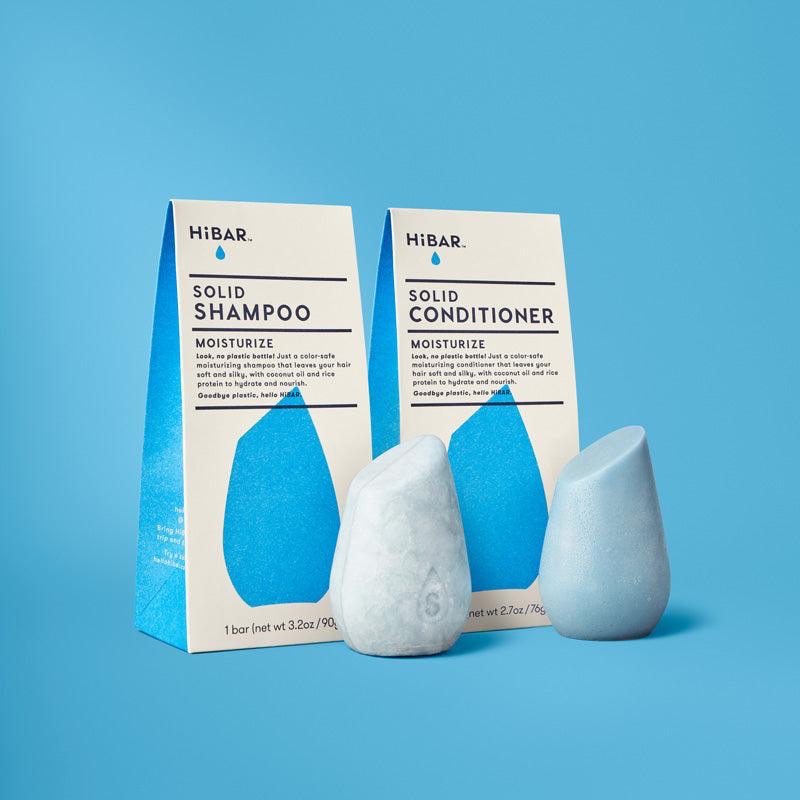
Solid Shampoo & Conditioner Bar Set

Plasticproof Excellent $$$Our price tier

Shampoo and conditioner bars sold as a pair, formulated as detergent bars rather than soap — which is why they behave more like the bottled product people are used to.

Check price on Amazon
Two bars, no bottlesPaper packaging.
Detergent, not soapNo hard-water film.
Conditioner includedWhy the switch sticks.
See exactly how we verify this

As an Amazon Associate I earn from qualifying purchases — at no extra cost to you. We show a "Check price on Amazon" link rather than a number because Amazon prices change often.

Why it's safe for your family

  • Two bars replace two plastic bottles, and the packaging is paper. That is the entire environmental case and it does not need exaggerating.
  • These are syndet-style bars — synthetic detergent rather than traditional soap — which matters practically: they are pH-balanced for hair and far less prone to the hard-water film that soap-based bars leave.
  • Buying the conditioner alongside the shampoo is what makes the switch stick. Most people who abandon shampoo bars did so because they used a bar and no conditioner and concluded their hair hated it.
  • No bottles in the shower means no pumps to break and nothing plastic sitting in hot water.

Quick specs

Format
Solid shampoo bar and conditioner bar
Type
Syndet (detergent) rather than soap-based
Packaging
Paper, plastic-free
Best for
Hard-water households and fine hair

What to avoid instead

Avoid buying a shampoo bar without a conditioner bar if your hair is anything but very short — that is the most common way this switch fails. Avoid leaving either bar in standing water, which dissolves them fast.

How we verify — and what we don't

Straight answer: we're a research team, not a testing lab. Here's exactly what our rating is based on — and what it isn't — so you can weigh it honestly.

What we check

  • What the product is made of, from the maker's own specs and product listing.
  • Whether any part that touches you or your food uses PTFE, PFAS, plastic, or a coating that can degrade.
  • Peer-reviewed research on how that material behaves when heated, scratched, washed, or worn.
  • Known failure modes — how the product actually breaks down in a real home.

What we don't do

  • We have not chemically tested this specific unit in a lab.
  • We don't take payment to rate a product higher — there is no sponsored placement.
  • We don't show star ratings or "trusted by thousands" counts we can't stand behind.
What gets a product rejected

Anything that adds a known microplastic, PFAS, or off-gassing source — a non-stick coating, a plastic surface against food or skin, vinyl/PVC — is downgraded or cut. We only list what clears that bar.

Don't take our word for it — check the sources yourself HiBAR's product details

Common questions

What is the difference between a syndet bar and a soap bar?
Soap bars are made by saponification and are alkaline, which is what reacts with hard water minerals to leave film. Syndet bars use mild synthetic detergents at a hair-friendly pH. If a soap-based bar left your hair waxy, a syndet bar is the thing to try before giving up.
How long does a pair last?
Typically longer than the bottles they replace, provided they dry between uses. Keep them on a draining dish out of the spray. A bar that sits wet is the one that seems expensive.
Will it work on color-treated hair?
Generally yes, and a pH-balanced syndet bar is gentler on color than an alkaline soap bar. As with any new product on color, watch the first couple of washes.
Related reading
Plastic-Free Bathroom Guide

More safe picks

Affiliate disclosure: some links on this page are affiliate links. As an Amazon Associate I earn from qualifying purchases. We earn a small commission from qualifying purchases at no extra cost to you. This does not influence our recommendations — every product is selected based on peer-reviewed research.