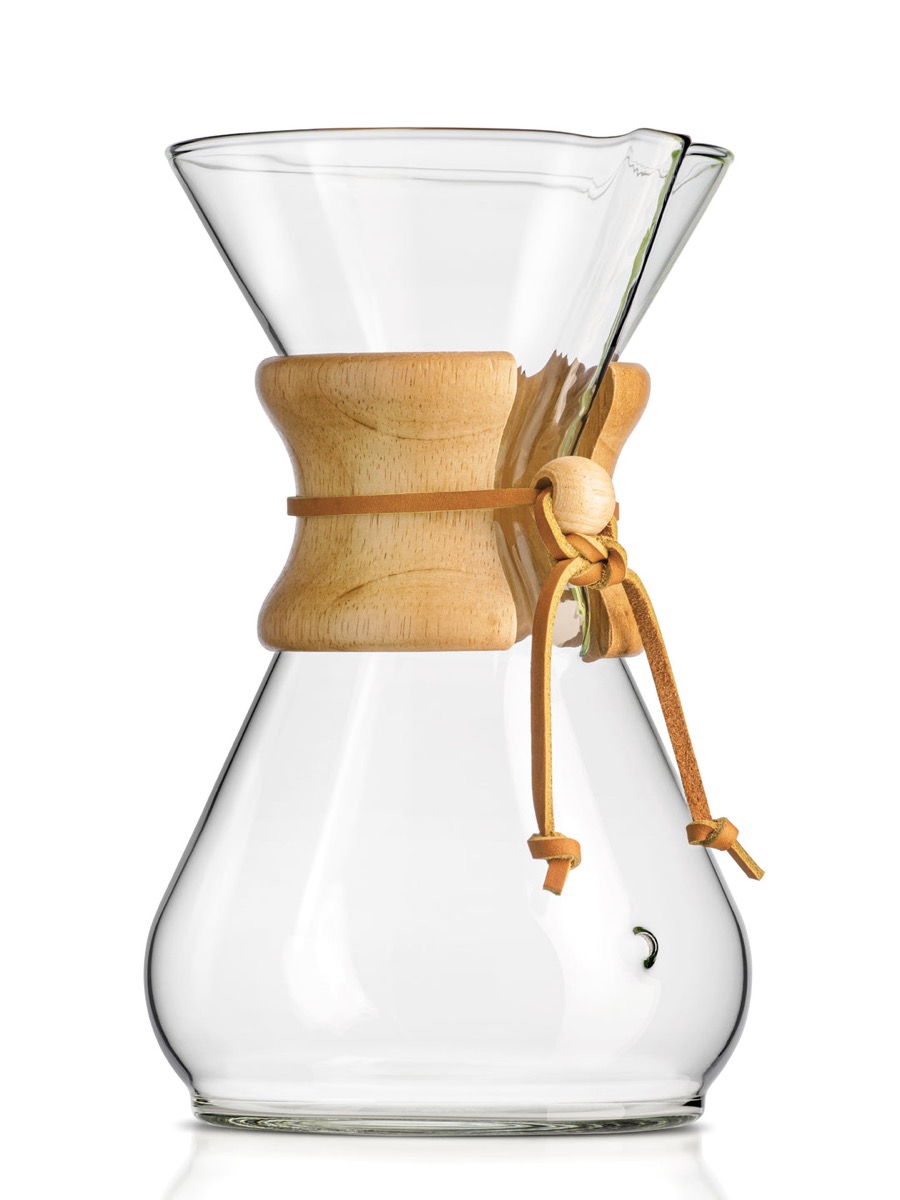
All-glass brewing with no plastic parts touching hot water. Paper filters are chlorine-free. Unlike plastic drip machines that leach BPA and microplastics at brewing temperatures. See our plastic-free coffee maker guide.

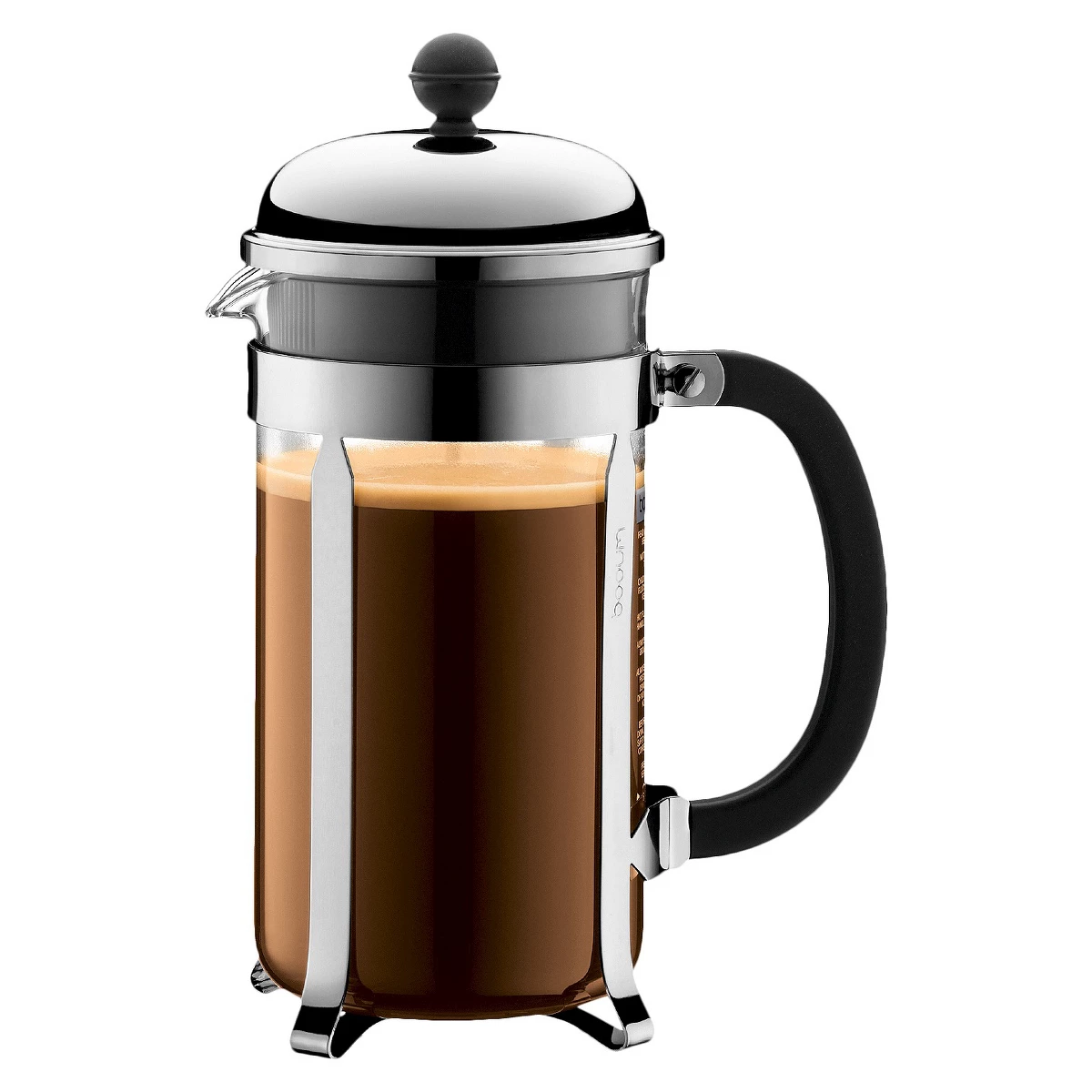
Borosilicate glass and stainless steel press that brews coffee without hot water sitting against plastic. The handle is polypropylene, which is worth knowing and does not touch the coffee.
As an Amazon Associate I earn from qualifying purchases — at no extra cost to you. We show a "Check price on Amazon" link rather than a number because Amazon prices change often.
The water path is glass and steel: borosilicate carafe, stainless mesh, stainless plunger. The exception is the handle, which is polypropylene, and the knob on some versions. Neither touches the coffee, and we would rather show the split than round it up to "plastic-free".
Where the plastic is: the handle you hold, not the vessel your coffee sits in.
What this replaces is a drip machine, where near-boiling water sits in a plastic reservoir and runs through plastic tubing before it reaches your cup, and single-serve pod machines, where hot water is forced through a plastic pod. If you want zero plastic anywhere on the object, a stainless steel press or a glass pour-over with a steel dripper gets you there.
Straight answer: we're a research team, not a testing lab. Here's exactly what our rating is based on — and what it isn't — so you can weigh it honestly.
Anything that adds a known microplastic, PFAS, or off-gassing source — a non-stick coating, a plastic surface against food or skin, vinyl/PVC — is downgraded or cut. We only list what clears that bar.
All-glass brewing with no plastic parts touching hot water. Paper filters are chlorine-free. Unlike plastic drip machines that leach BPA and microplastics at brewing temperatures. See our plastic-free coffee maker guide.
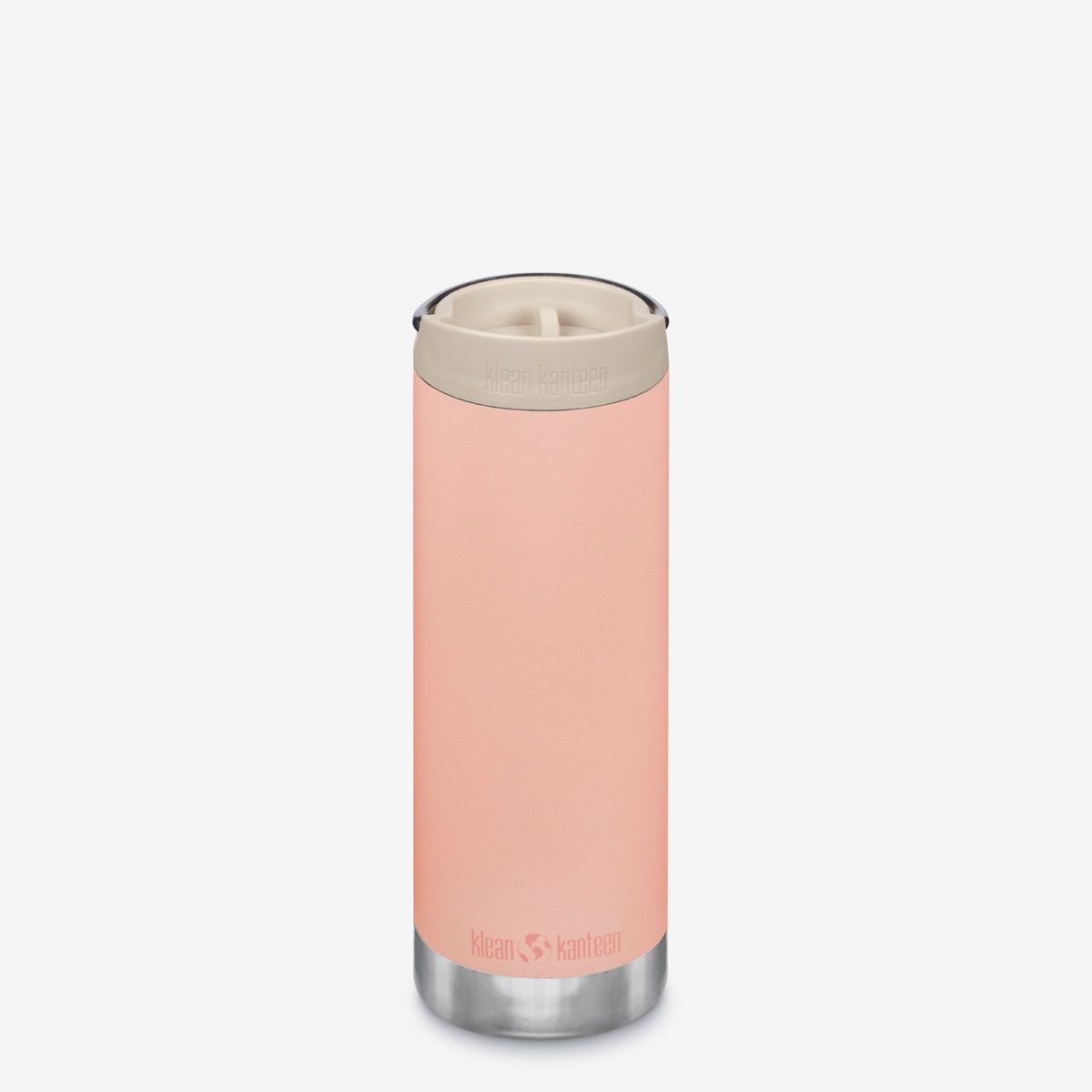
Vacuum-insulated 18/8 stainless tumbler for coffee, so a hot drink is never held against plastic. The café cap is plastic; the drink sits in steel.
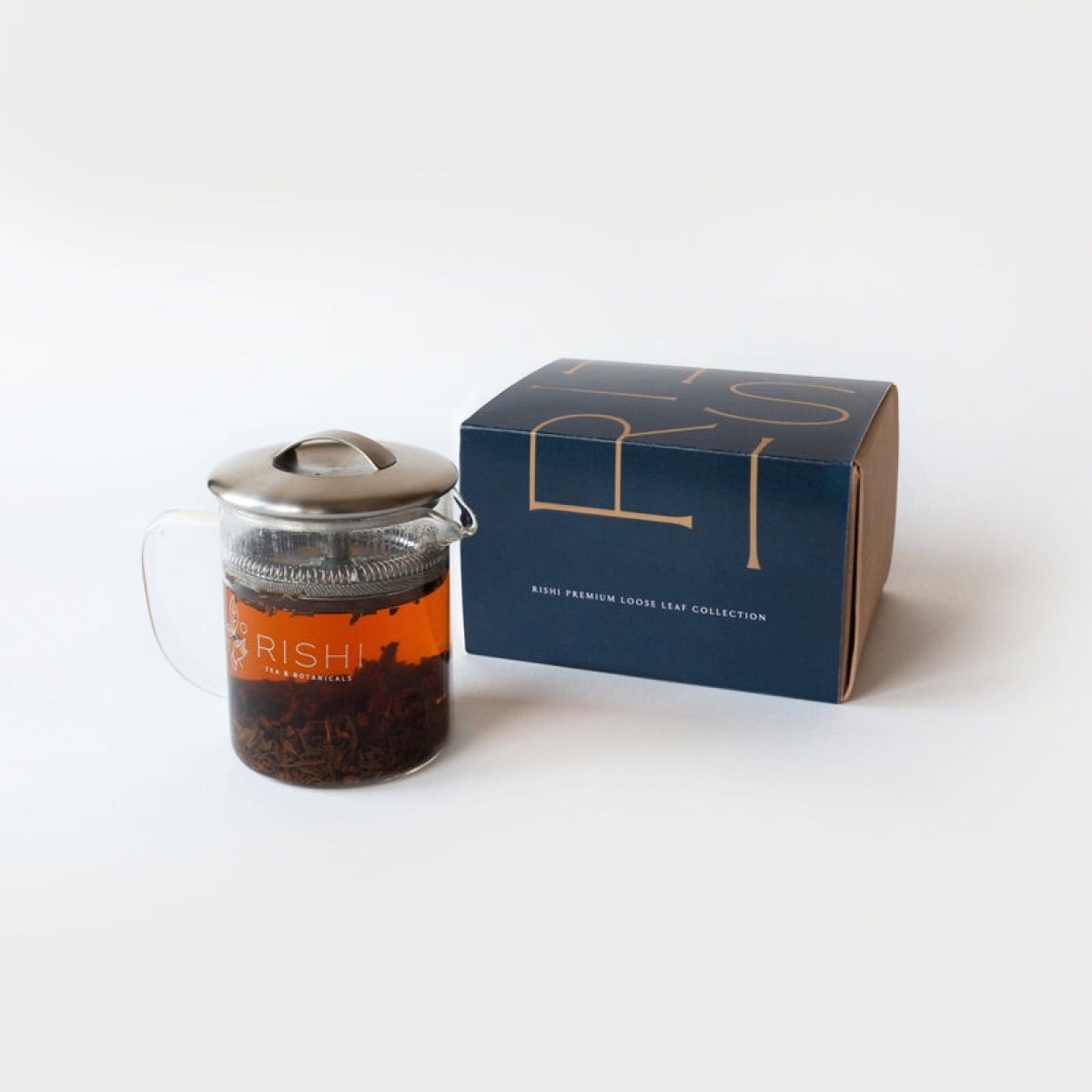
Loose-leaf eliminates plastic tea bags entirely. A 2019 McGill study found a single plastic tea bag releases 11.6 billion microplastic particles per cup. Learn more in our plastic tea bag article.
Affiliate disclosure: some links on this page are affiliate links. As an Amazon Associate I earn from qualifying purchases. We earn a small commission from qualifying purchases at no extra cost to you. This does not influence our recommendations — every product is selected based on peer-reviewed research.