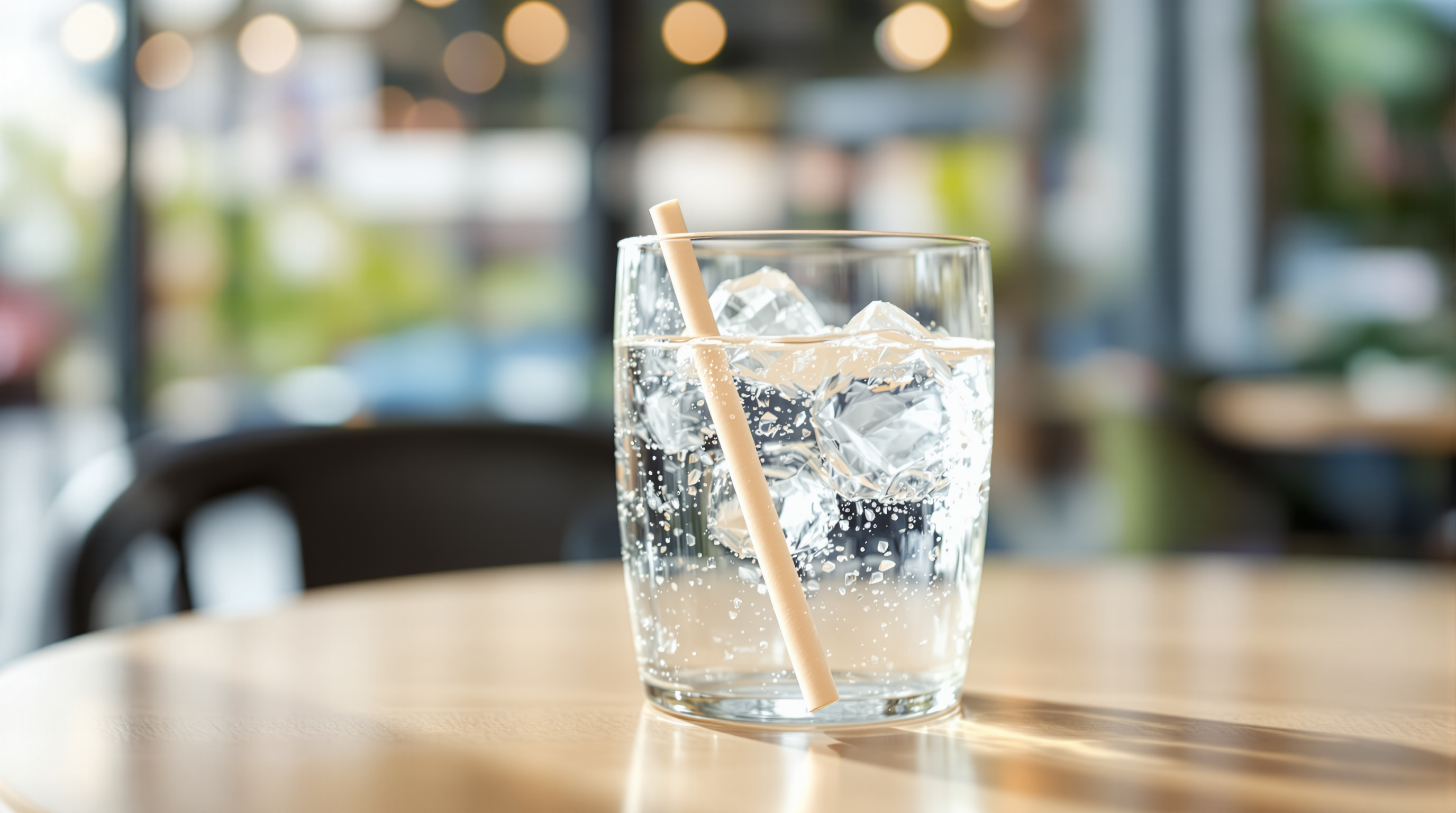
Often, yes — paper straws frequently contain PFAS "forever chemicals." A 2023 University of Antwerp study tested 39 straw brands and detected PFAS in about 90% of paper brands and 80% of bamboo brands, likely from a water-repellent coating. Stainless steel straws were the standout: zero of the brands tested had detectable PFAS. The levels were low, and one straw is a minor exposure — but it undercuts the "paper is the clean choice" story. If you buy straws for home, a reusable steel or glass set removes the question entirely.
Paper straws became the visible symbol of doing the right thing. Cities banned single-use plastic straws, chains swapped them out, and the soggy paper tube became a small daily inconvenience most people accepted as the price of being greener. So it was jarring when, in 2023, a team of Belgian researchers reported that those same "eco-friendly" straws were a surprisingly common source of PFAS — the synthetic "forever chemicals" better known for showing up in nonstick pans and fast-food wrappers.
This guide walks through exactly what that research found, why a humble paper straw would contain industrial chemicals at all, whether the amounts are actually worth worrying about, and — most usefully — which straws tested clean so you can make one good decision and move on.
The bottom line up front: the research points to one simple upgrade — skip disposable paper and bamboo straws, which frequently carry PFAS and still create waste, and switch to a reusable stainless steel or glass straw. They contain no forever chemicals, cost a few dollars, and last for years. See our full guide to the best plastic-free reusable straws for tested picks, and our breakdown of PFAS in parchment paper for the same problem in your oven.
Do paper straws contain PFAS?
Often, yes. In a 2023 study, researchers at the University of Antwerp tested 39 straw brands sold in Belgium and detected PFAS — per- and polyfluoroalkyl substances, the family of synthetic "forever chemicals" — in 18 of the 20 paper straw brands, roughly 90%. The chemicals were most likely applied as a water-repellent coating so the paper would not disintegrate in a drink.
One important nuance: the study measured PFAS present in the straw material, not how much of it actually migrates into your beverage. So the real-world dose from any single straw is probably very small. What the finding does is puncture the assumption that paper is automatically the "clean," chemical-free option — the material chosen to feel responsible turned out to carry the same forever chemicals people are trying to avoid elsewhere.
What did the paper straw PFAS study actually find?
The study, published in the journal Food Additives & Contaminants: Part A, screened 39 brands of drinking straws made from five materials — paper, bamboo, glass, stainless steel, and plastic — for a broad panel of PFAS compounds. Overall, PFAS turned up in 27 of the 39 brands. But the rate varied enormously by material, and that pattern is the practical takeaway.
Plant-based straws were the worst offenders. Paper led at about 90% of brands, bamboo close behind at 80%. Plastic straws contained PFAS in 75% of brands. Glass was much better, with detections in only about 40%. Stainless steel was the clear winner: none of the steel straws tested had detectable PFAS at all. The most commonly found compound was PFOA, a legacy chemical that has been restricted internationally for years yet still shows up in consumer goods.
| Straw Material | Brands With PFAS Detected | Takeaway |
|---|---|---|
| Paper | ~90% (18 of 20) | Highest rate; not the "clean" choice it looks like |
| Bamboo | ~80% (4 of 5) | Marketed as natural, but nearly as often treated |
| Plastic | 75% (3 of 4) | Also common; plus microplastic shedding |
| Glass | ~40% (2 of 5) | Much lower; non-porous, needs no coating |
| Stainless steel | 0% (0 of 5) | None detected — the standout material |
The researchers were careful about scope: the sample was drawn from one market (Belgium), the concentrations were generally low, and the presence of PFAS in a straw does not automatically mean a large amount reaches your body. But the material-by-material gradient is striking and consistent, and it matches what we know about how PFAS are used — as coatings to make porous, absorbent surfaces repel water and grease.
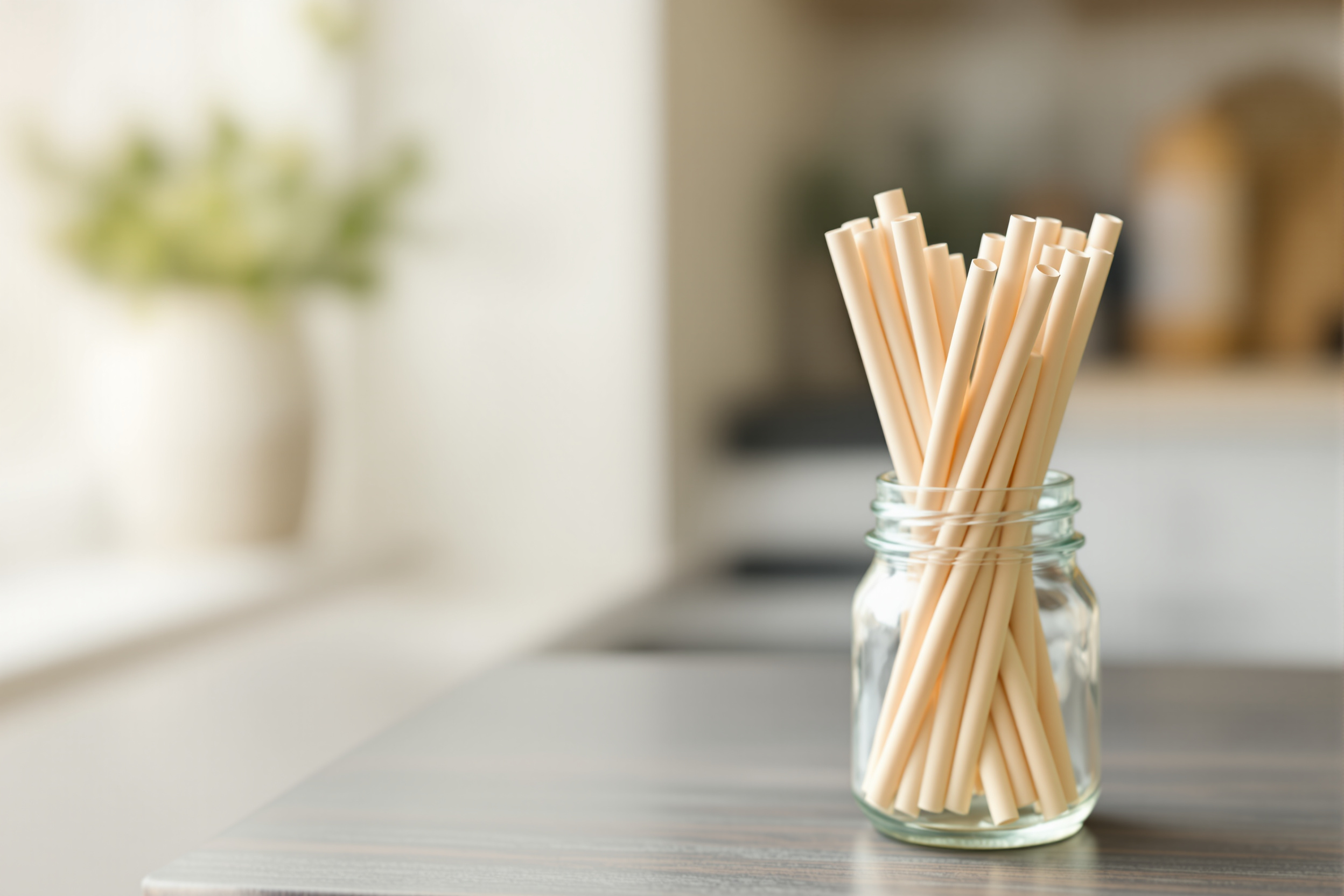
Why would a paper straw need "forever chemicals" in the first place?
Because untreated paper is terrible at being a straw. Left in a drink, plain paper wicks up liquid, softens, and collapses within minutes. To slow that down, some manufacturers coat paper — and bamboo — straws with grease- and water-repellent chemistry. PFAS are among the cheapest and most effective options for that job, which is exactly why they also appear in fast-food wrappers, microwave popcorn bags, and pizza-box liners.
That is the uncomfortable irony at the heart of this story: the very property that makes a paper straw usable — resisting the liquid it sits in — is, in many products, achieved with chemicals designed never to break down. A material marketed as the natural, disposable, planet-friendly choice can end up carrying a coating that persists in the environment (and the body) essentially forever. It is the same reason we push back on "compostable" plastics that quietly rely on the same fluorinated treatments. For the broader pattern of PFAS hiding in food-contact materials, see our guide to microplastics and chemicals in food packaging.
Are bamboo straws any safer than paper?
Not reliably. In the same study, PFAS were found in 4 of 5 bamboo brands — about 80%, nearly matching paper. Bamboo gets marketed hard as the "natural" premium alternative, but it is just as porous as paper, so it faces the same soggy-straw problem and gets the same water-repellent treatment. Natural raw material does not mean chemical-free finished product.
This is a useful lesson well beyond straws: "plant-based," "compostable," and "eco" describe the base material or the marketing, not necessarily what has been added to it. If avoiding PFAS is the goal, the only trustworthy signal is a material that physically does not need a coating — and that means non-porous surfaces like steel and glass, not treated plant fiber.
"The material chosen to feel responsible turned out to carry the same forever chemicals people switched away from plastic to avoid."
Are the PFAS levels in paper straws actually dangerous?
Honestly: a single paper straw now and then is a minor exposure, and the study's authors said as much. The concentrations were low, the amount that migrates into a drink is likely smaller still, and no one should feel they have poisoned themselves by using a paper straw at a restaurant. If that is your whole PFAS exposure, it is noise.
The reason it is worth caring about at all is cumulative load. PFAS do not break down — they build up in the body and the environment over years — and we are exposed from many directions at once: drinking water, food packaging, nonstick cookware, stain-resistant fabrics, and cosmetics. Health agencies have linked higher PFAS body burdens to effects on cholesterol, the immune system, thyroid function, and certain cancers. No single source is the villain; the problem is the sum. A paper straw is a small contributor, but an unusually easy one to delete — which is what makes it worth doing.
You cannot filter every PFAS source out of modern life, and stressing over one straw misses the point. The productive move is to remove the exposures that cost you almost nothing to remove. A reusable steel or glass straw is one of the cheapest, most permanent of those wins: a few dollars, once, and the question never comes up again. Save your energy for the sources that matter most, like your parchment paper and the endocrine-disrupting chemicals covered in microplastics and hormones.
Which straws don't have PFAS?
The research answers this cleanly. Stainless steel was the only material with zero detections — none of the steel straws tested contained PFAS. Glass was the runner-up, with detections in only about 40% of brands, far below paper, bamboo, or plastic. Both materials share the key trait: they are non-porous, so they never needed a water-repellent coating in the first place.
As a bonus, choosing a reusable steel or glass straw solves two problems at once. It sidesteps the PFAS coating and eliminates the waste and microplastic-shedding of disposables — a plastic straw sheds tiny particles as it degrades, which is a separate issue we cover across our plastic-free straw guide and broader kitchen plastic detox guide. One small purchase, and you are done with disposable straws for good.
Skip the coated disposables entirely
The clean answer to the PFAS question is a reusable straw you buy once. See the stainless steel and glass sets we recommend — a few dollars, no forever chemicals, years of use.
The best PFAS-free reusable straws
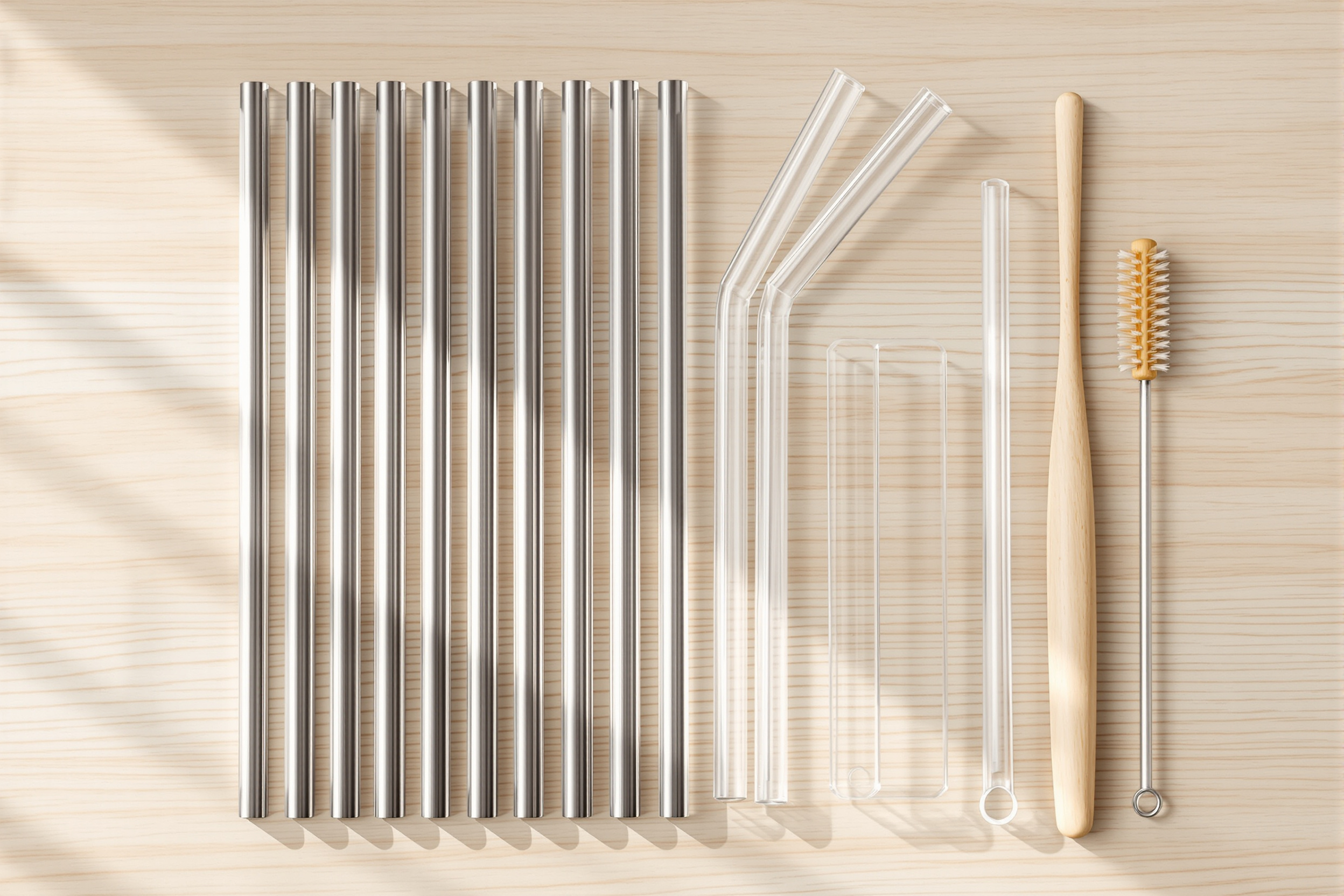
These are real, currently-sold reusable straws made from the two materials that tested cleanest for PFAS — stainless steel (zero detections in the study) and borosilicate glass — plus a soft silicone option for young kids. Each is a one-time purchase that ends your reliance on coated disposables. Prices and availability change, so check current listings.
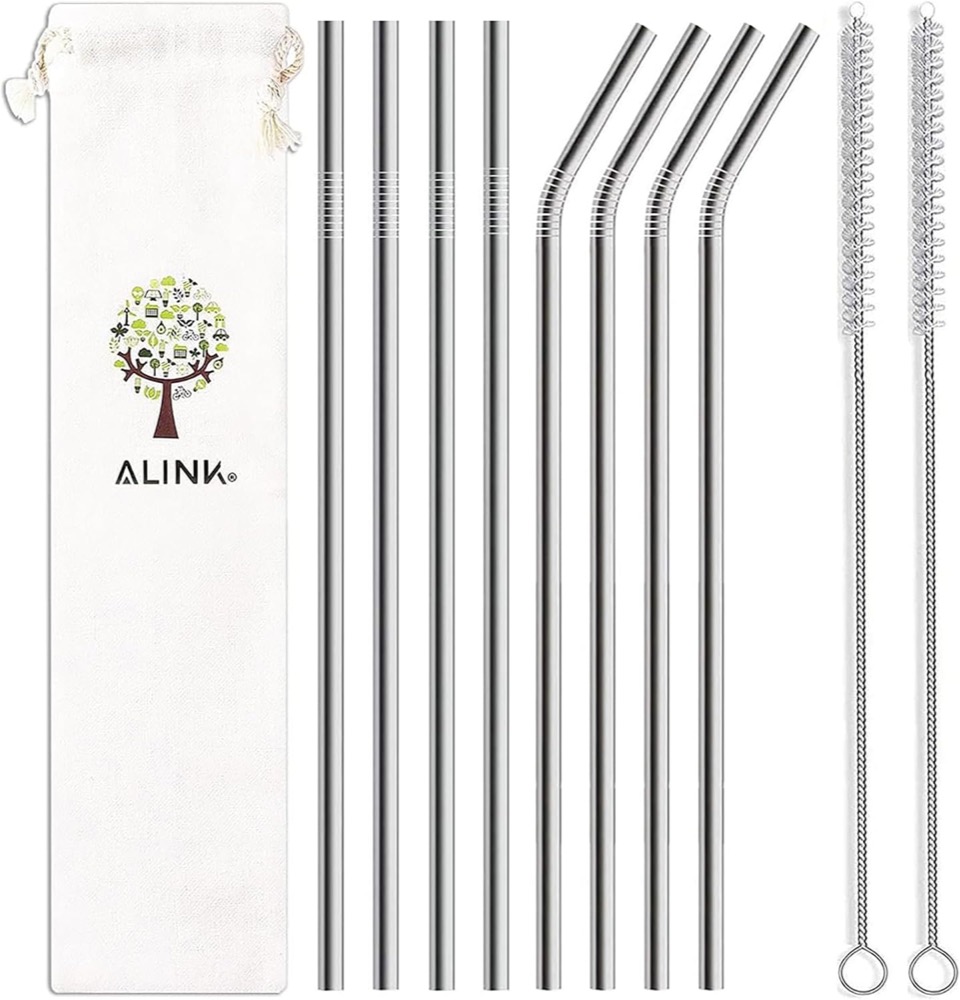
1. ALINK Stainless Steel Straws (8-pack) — Best Overall
 Best Overall
Outfit the whole household in one purchase — straight straws for everyday cups, bent straws for tumblers, brushes to keep them spotless.
Why it's safe: Made from 18/8 (304) food-grade stainless steel — completely inert, BPA-free, and with no water-repellent coating that could carry PFAS or shed microparticles into your drink.
Check Today’s Price on Amazon →Amazon prices change daily — tap to see today's price and any active discount.
- Free delivery & returns for Prime members
- Sold & shipped by Amazon
- Thousands of verified reviews
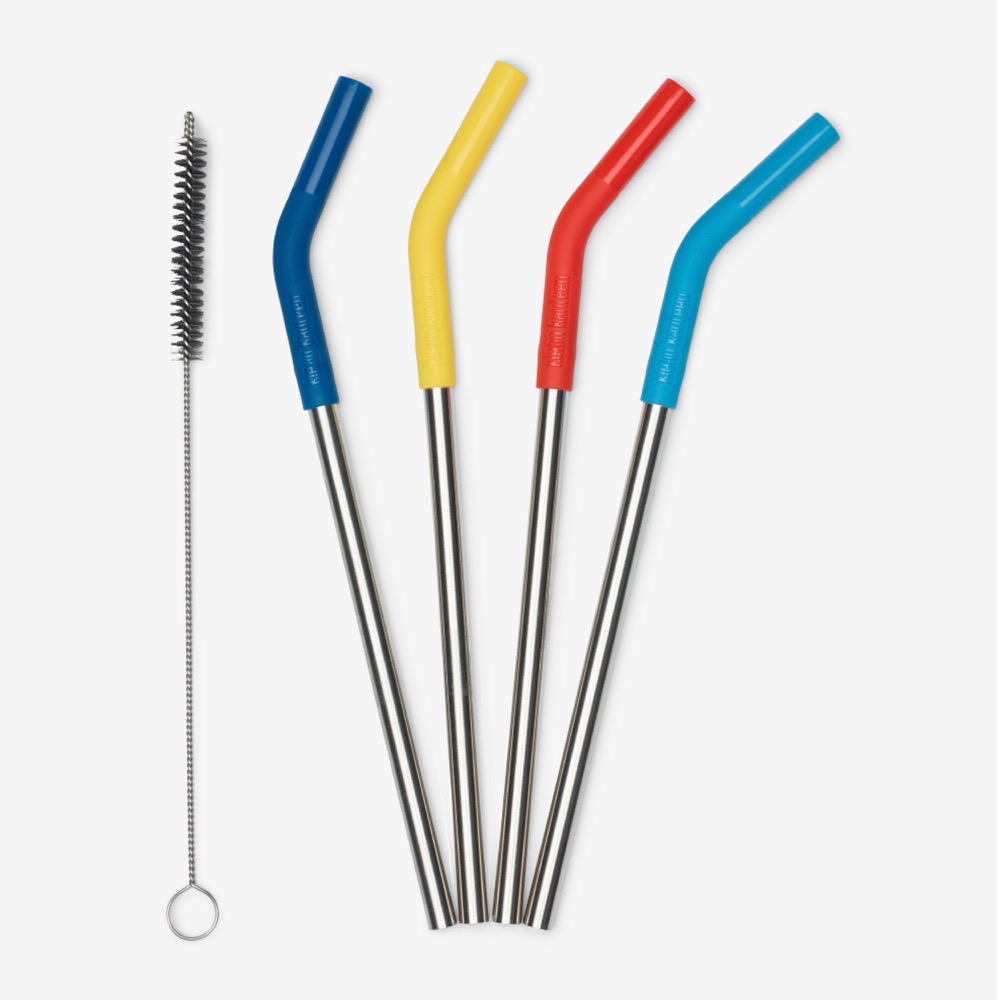
2. Klean Kanteen Stainless Steel Straws (4-pack) — Premium Build
 Premium Build
Buy once and forget it — heavier recycled steel that outlasts budget sets, with soft tips that take the chill off metal on cold drinks.
Why it's safe: 18/8 food-grade stainless steel with removable food-grade silicone tips — both inert, BPA-free, and free of any water-repellent coating that could degrade or carry PFAS.
Check Today’s Price on Amazon →Amazon prices change daily — tap to see today's price and any active discount.
- Free delivery & returns for Prime members
- Sold & shipped by Amazon
- Trusted plastic-free drinkware brand
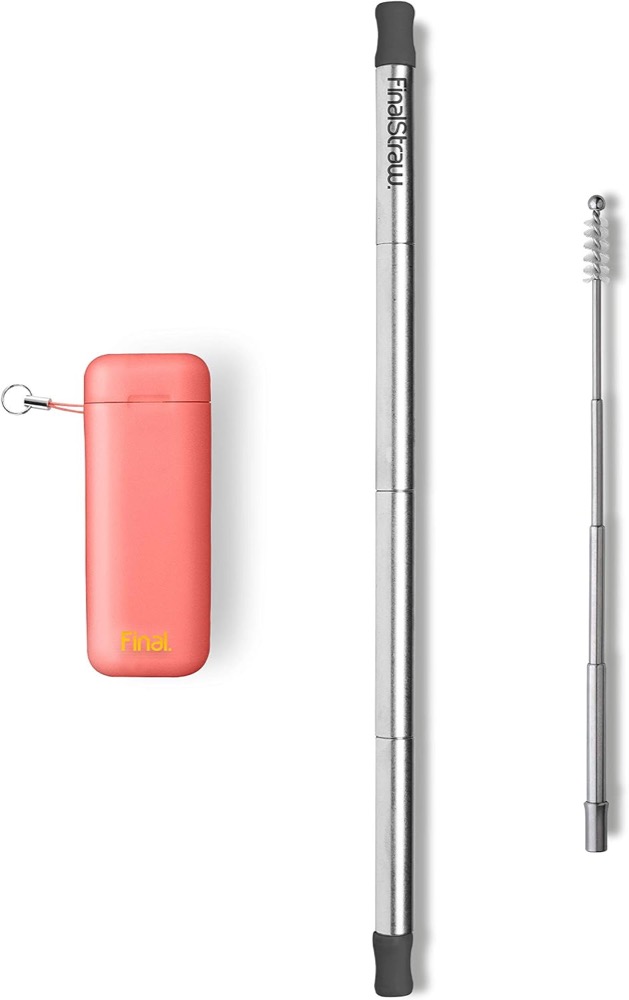
3. FinalStraw Collapsible Straw + Case — Best Portable
 Best Portable
Always have a straw on you — it clips to your keys, folds flat, and the cleaning brush rides inside the case, so there's no reason to ever take a single-use paper or plastic one.
Why it's safe: The straw is food-grade stainless steel with only small food-grade silicone connector tips — no coating and no plastic in the drinking path, so nothing leaches into cold or hot drinks.
Check Today’s Price on Amazon →Amazon prices change daily — tap to see today's price and any active discount.
- Free delivery & returns for Prime members
- Sold & shipped by Amazon
- Thousands of verified reviews
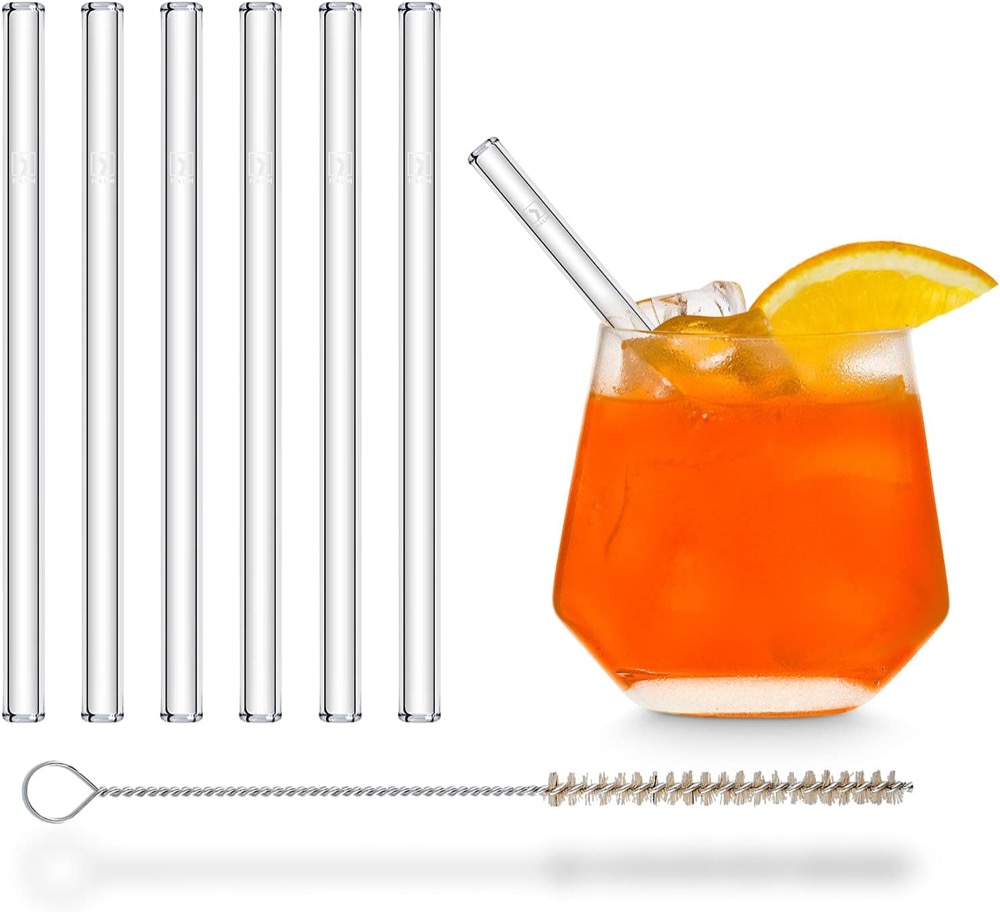
4. HALM Glass Straws (6-pack) — Best Glass
 Best Glass
Taste only your drink, never the straw — and see exactly when the inside is clean through the clear glass.
Why it's safe: Borosilicate glass is non-porous and chemically inert — it contains no plastic, no BPA, and no coating, so nothing can leach or flake into hot or acidic drinks.
Check Today’s Price on Amazon →Amazon prices change daily — tap to see today's price and any active discount.
- Free delivery & returns for Prime members
- Sold & shipped by Amazon
- Thousands of verified reviews
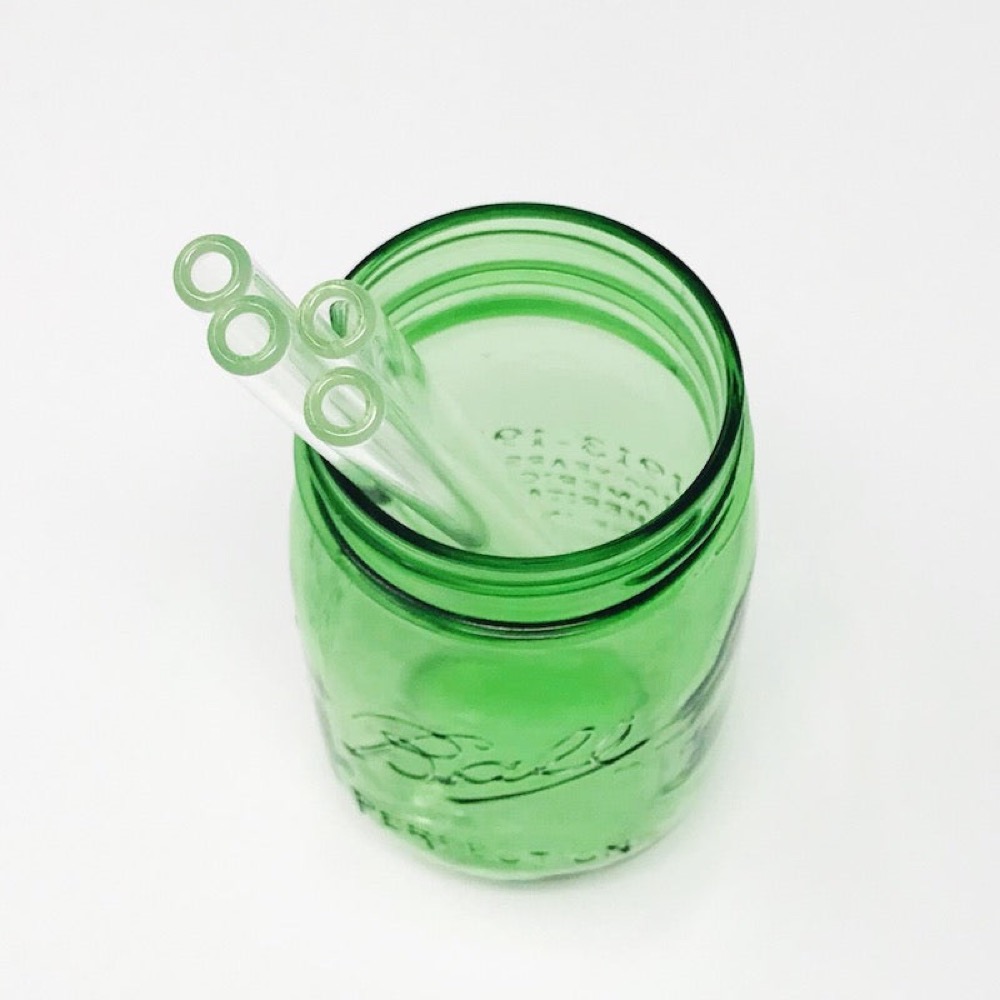
5. Strawesome Hand-Blown Glass Straws (Set of 4) — Premium Pick
 Premium Pick
Pay once for straws you can replace free for life — hand-finished American glass that stays flavor-neutral on every drink.
Why it's safe: Pure borosilicate glass — non-porous, chemically inert, and free of plastic, BPA, and any coating, so nothing leaches or sheds even with hot or acidic drinks.
Check Today’s Price on Amazon →Amazon prices change daily — tap to see today's price and any active discount.
- Free delivery & returns for Prime members
- Lifetime breakage guarantee from the maker
- Hand-blown in the USA
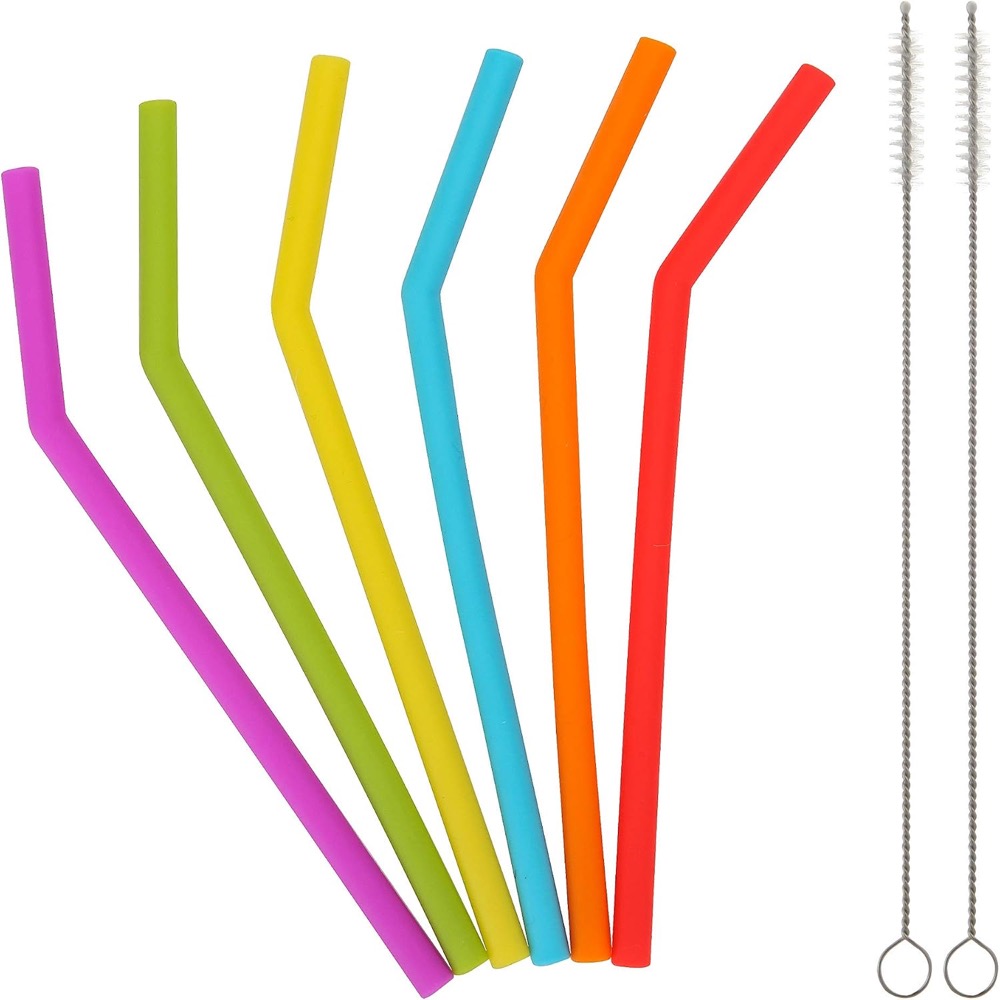
6. Reusable Silicone Straws for Kids (6-pack) — Best for Kids
 Best for Kids
Give kids a straw that bends instead of poking — soft, colorful, and impossible to shatter like glass or dent like metal.
Why it's safe: Made from food-grade silicone with no BPA, phthalates, or plastic fillers — it won't leach under normal use, and the soft tip removes the injury risk of hard straws for young children.
Check Today’s Price on Amazon →Amazon prices change daily — tap to see today's price and any active discount.
- Free delivery & returns for Prime members
- Sold & shipped by Amazon
- Thousands of verified reviews
Want the Full Home Protection Guide?
Straws are one small PFAS touchpoint among dozens in a typical home. The Complete Plasticproof Guide covers every room — kitchen, nursery, bathroom, bedroom — with 80+ product recommendations backed by 47+ studies.
The honest verdict
Do paper straws have PFAS? Frequently, yes — the 2023 research found forever chemicals in about 90% of paper brands and 80% of bamboo, most likely from a water-repellent coating, while stainless steel came back with none. The dose from any one straw is small, and this is not a reason to panic about a drink you had last week. But it is a clear reminder that "paper" and "natural" are not the same as "clean," and that the greenest-looking option is not automatically the healthiest.
The practical response is refreshingly simple. You do not need to audit every restaurant's straws or feel guilty about the occasional paper one. You just need to make the one purchase that ends the question: a set of reusable stainless steel or glass straws. It costs a few dollars, contains no PFAS, cuts disposable waste, and lasts for years. Of all the ways to reduce your forever-chemical exposure, this might be the cheapest and easiest one on the list.
Make the one swap that ends the question
Reusable steel and glass straws tested clean of PFAS, cost a few dollars, and last for years. See the sets we recommend.
Frequently Asked Questions
Often, yes. A 2023 University of Antwerp study tested 39 straw brands and detected PFAS "forever chemicals" in 18 of 20 paper brands — about 90% — most likely from a water-repellent coating that keeps the paper from going soggy. The study measured PFAS present in the straw material, not how much migrates into a drink, so the exposure from a single straw is likely small. But it undercuts the idea that paper is automatically the clean choice.
Not necessarily. In the same study, PFAS were found in 4 of 5 bamboo brands — 80% — nearly as often as in paper. Plant-based straws are marketed as the eco-friendly, natural option, but adding a water-repellent PFAS coating to porous plant fiber is common, and PFAS do not biodegrade. If your goal is to avoid forever chemicals, bamboo is not a reliable upgrade over paper.
Stainless steel was the standout: none of the 5 stainless steel straw brands tested contained detectable PFAS. Glass performed well too, with PFAS in only 2 of 5 brands. Because steel and glass are non-porous and need no water-repellent coating, they are the most reliable PFAS-free choices — and as reusables they also cut the plastic and paper waste of single-use straws entirely.
The concentrations detected were low, and occasional use of a single paper straw is unlikely to pose a major risk on its own. The concern is cumulative: PFAS build up in the body and the environment over time, and we are exposed from many sources at once — water, food packaging, cookware, and clothing. A paper straw is a small contributor, but an avoidable one, especially since a reusable steel or glass straw removes it entirely at almost no cost.
Untreated paper turns soggy and collapses within minutes in a drink. To fight that, some manufacturers coat paper and bamboo straws with grease- and water-repellent chemistry, and PFAS are among the cheapest, most effective options for the job — the same reason they show up in fast-food wrappers and microwave popcorn bags. The trade-off is that a coating meant to repel liquid is made from chemicals that never break down.
You do not need to panic over a paper straw at a restaurant. But if you buy straws for home, the research makes the smart choice clear: skip disposable paper and bamboo, which frequently carry PFAS and still create waste, and buy a set of reusable stainless steel or glass straws instead. They contain no forever chemicals, last for years, and cost only a few dollars per straw.
Sources
- Boisacq P, De Keuster M, Prinsen E, et al. "Assessment of poly- and perfluoroalkyl substances (PFAS) in commercially available drinking straws using targeted and suspect screening approaches." Food Additives & Contaminants: Part A, University of Antwerp, 2023.
- University of Antwerp / Groffen T. Press summary: PFAS detected in ~90% of paper and ~80% of bamboo drinking straws; none detected in stainless steel. 2023.
- US EPA. "Per- and Polyfluoroalkyl Substances (PFAS): Basic Information" and PFAS National Primary Drinking Water Regulation. epa.gov.
- Agency for Toxic Substances and Disease Registry (ATSDR). "PFAS and Your Health." cdc.gov/atsdr.
- US FDA. "Per- and Polyfluoroalkyl Substances (PFAS) in food packaging." fda.gov.