
Plastic wrap is one of those products that feels harmless. It's thin, it's clear, it keeps leftovers fresh. But it's in direct contact with your food — often for hours or days — and the research on what migrates from that film into what you eat is not reassuring.
The short version: plastic wrap leaches chemical additives into food on contact, and heat makes it dramatically worse. The good news is that the alternatives are affordable, genuinely work, and most of them pay for themselves within months.
Compare all 7 picks
Every pick side by side — tap a name to jump to the full review, or check today's price.
| Pick | Rating | Why it wins | |
|---|---|---|---|
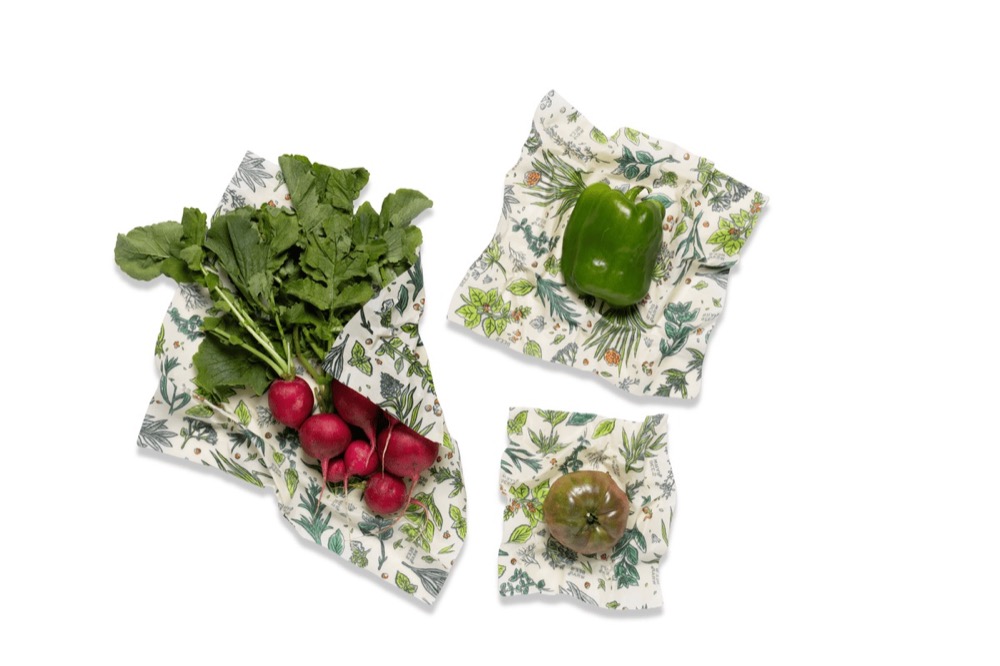 Best Beeswax WrapBee's Wrap Assorted 3-Pack |
4.4out of 5 | GOTS Certified Organic CottonMade in USA |
Check price → |
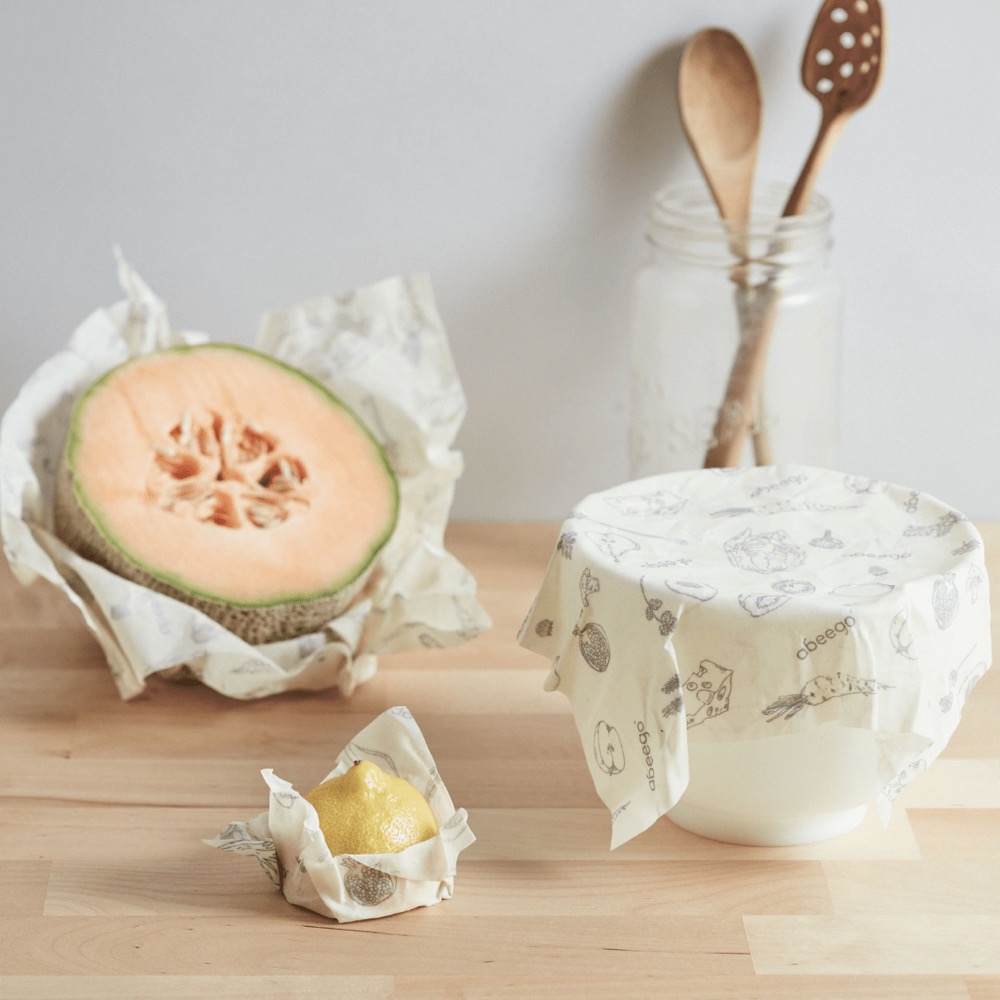 Best for Irregular ShapesAbeego Beeswax Food Wrap Variety Pack |
4.3out of 5 | Hemp + Organic CottonMade in Canada |
Check price → |
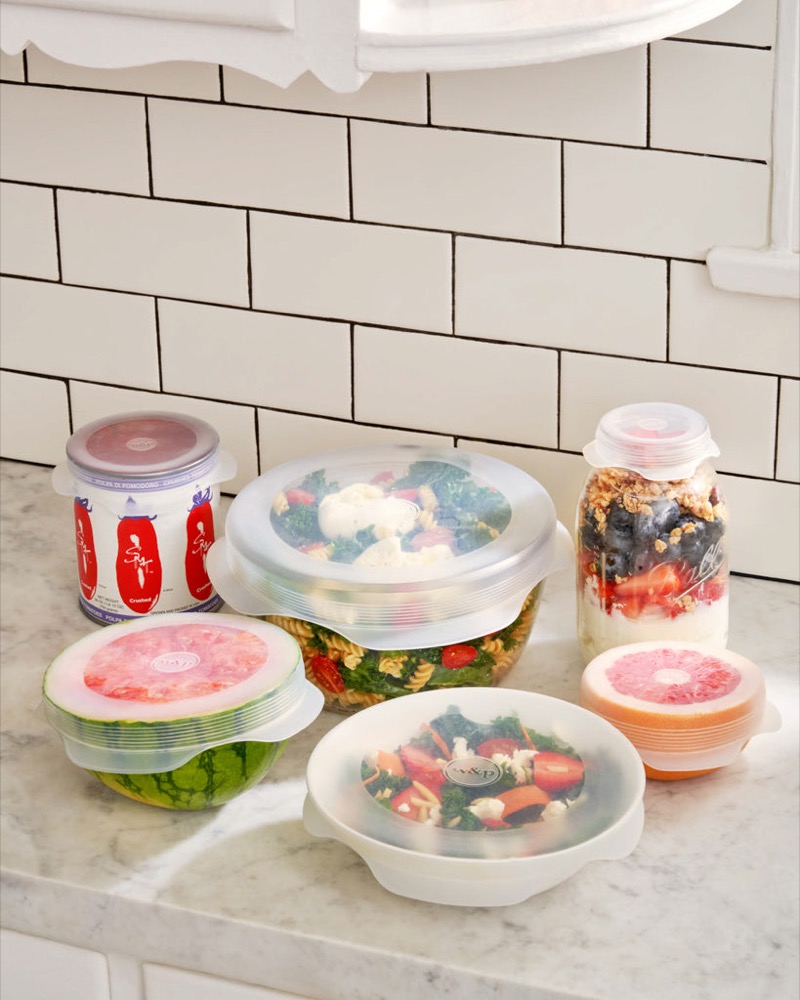 Best Value OverallW&P Silicone Stretch Lids (6-Pack) |
4.4out of 5 | Food-Grade SiliconeNo Plastic Wrap / PVC / PFAS |
Check price → |
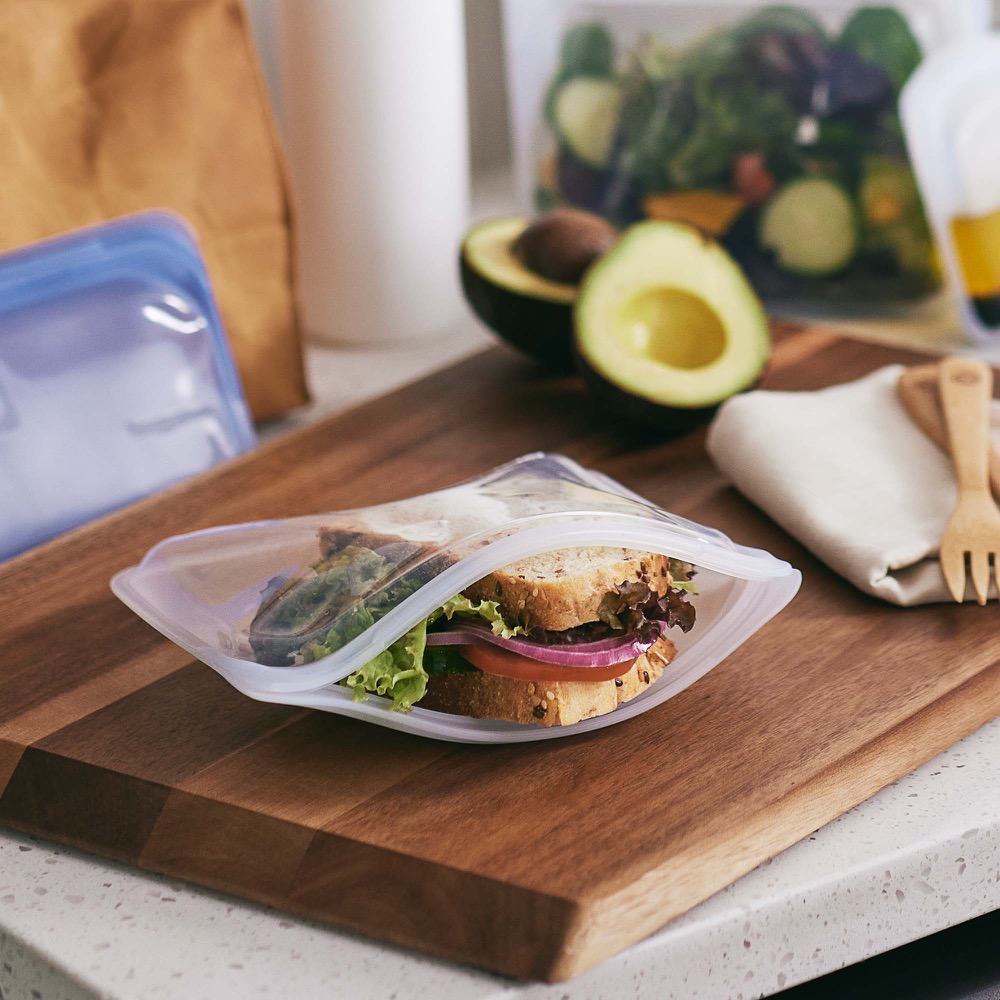 Best for Storage BagsStasher Reusable Silicone Bag Starter Kit |
4.5out of 5 | Platinum-Cured Pure SiliconeNo Plastic / PVC / BPA / PFAS |
Check price → |
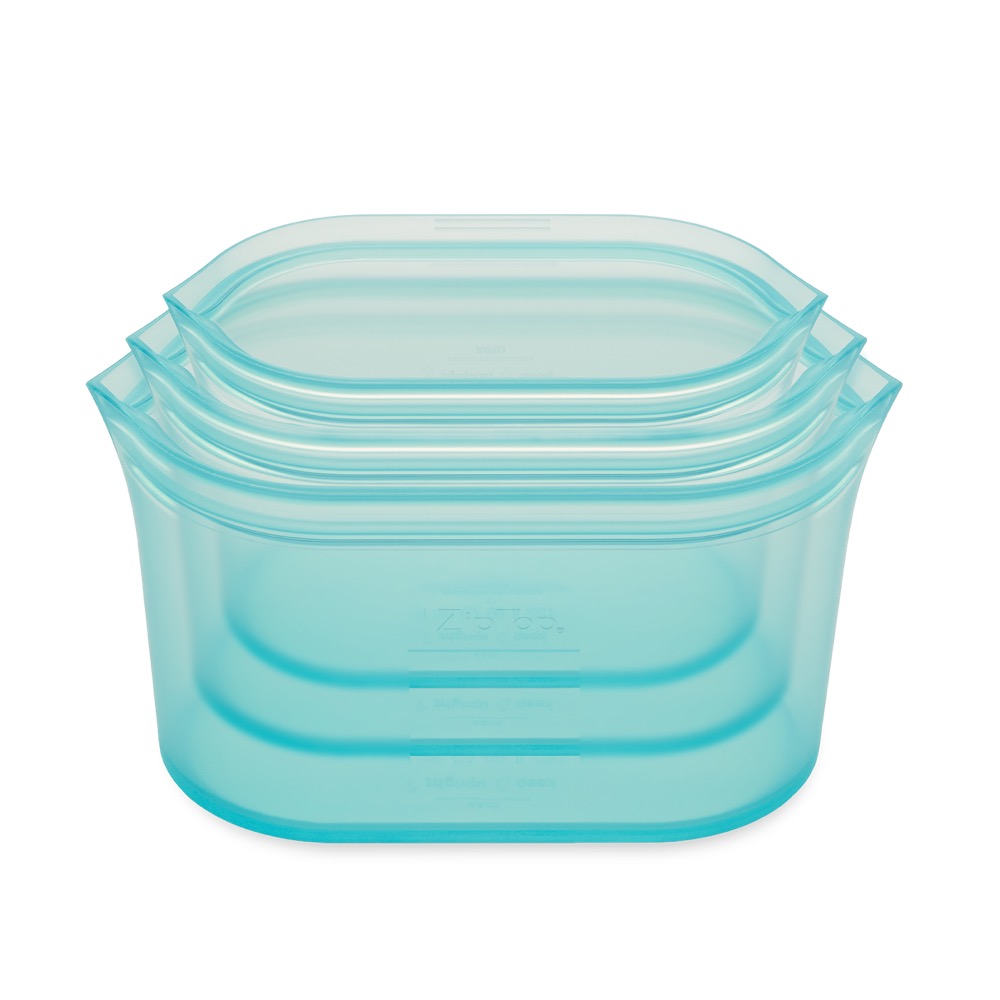 Best Self-Standing SetZip Top Silicone Containers (Dish Set) |
— | 100% Platinum SiliconeMade in USA |
Check price → |
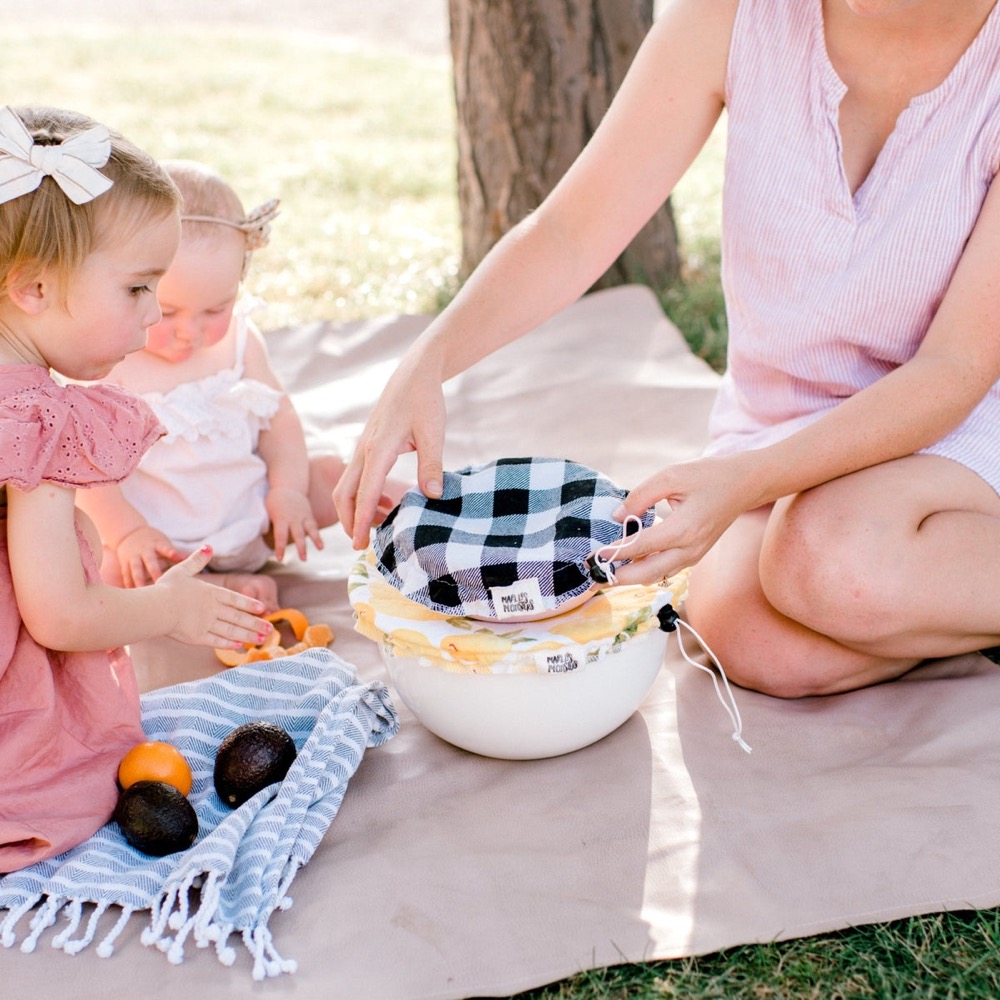 Best Cotton Bowl CoverMarley's Monsters Reusable Bowl Covers (3-Pack) |
— | Cotton FabricNo Plastic / PVC / PFAS |
Check price → |
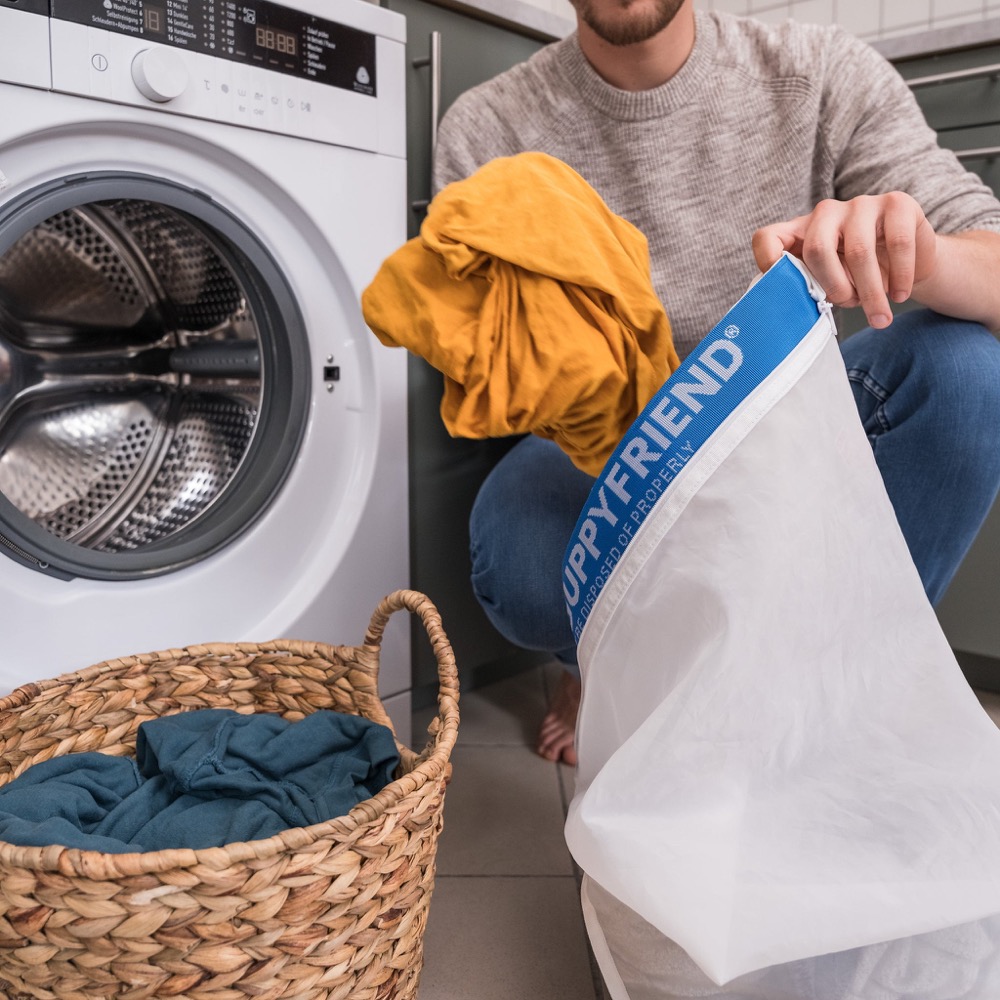 Best Microfiber CaptureGuppyfriend Washing Bag |
4.2out of 5 | Captures Up To 86% of MicrofibersFor Synthetic Garments |
Check price → |
What Plastic Wrap Actually Does to Your Food
Most plastic wrap is made from either PVC (polyvinyl chloride) or LDPE (low-density polyethylene). Both are plastics. Both are in sustained contact with your food. And both have documented chemical migration issues.
PVC cling film contains plasticizers — most commonly DEHA (di-2-ethylhexyl adipate) — that keep the wrap flexible and clingy. A 2014 study detected DEHA in cheese, beef, chicken, and pork sold in cling wrap, at levels exceeding recommended thresholds. DEHA has been linked to liver tumors in mice, and a 2021 study found it triggered brain and heart injuries in rats.
LDPE wrap was introduced as a "safer" alternative, but research suggests it still releases microplastic particles on contact with food. The FDA permits it, but "permitted" and "optimal" are not the same thing — especially for a product touching food your family eats daily.
Heat dramatically accelerates chemical migration. A 2023 study found heated plastic released up to 4.2 million microplastic particles per square centimeter. Even "microwave-safe" wrap releases more chemicals when heated. Use a ceramic plate, silicone lid, or damp paper towel instead.
"Normal and intended use of plastic food packaging directly contaminates food with micro- and nanoplastics. Actions as simple as unwrapping food lead to contamination."
The Cost Reality: Reusable Wraps Save Money
Before we get into specific products, let's address the objection: "Aren't reusable wraps more expensive?" In the short term, yes. Over a year, no.
Annual Cost Comparison
The math is clear. Reusable wraps aren't a premium — they're a savings. A single beeswax set replaces a year of plastic-wrap rolls, and silicone lids that last 2–3 years cost a fraction of that per year. And that's before you count the chemicals you're no longer eating.
Best Beeswax Wraps
Beeswax wraps are the closest 1:1 replacement for plastic cling film. They're made from organic cotton coated with beeswax, tree resin, and plant oil. You warm them with your hands, they mold around food or bowls, and they hold their shape. They're breathable — which actually keeps produce fresher than plastic wrap, which traps moisture.
Stop PVC and LDPE plastic cling wrap
Chemical migration on contact. DEHA in fatty foods. Microplastic shedding. Single-use and non-recyclable in most municipalities. All of this for a product you have to keep re-buying, roll after roll, every year.
Switch Beeswax wraps for cheese, bread, produce, and bowl covers
Best Beeswax Wrap
Bee's Wrap is created with GOTS-certified organic cotton, sustainably sourced US beeswax, organic jojoba oil, and organic tree resin. Warm it with your hands and it molds around cheese, bread, produce, or a bowl — and because it breathes, it actually keeps produce fresher than moisture-trapping plastic wrap.
Each wrap lasts roughly a year (about 150 uses) with cool-water washing and air drying. When it finally wears out, it composts. One set replaces dozens of feet of single-use plastic wrap.
Bee's Wrap is the category benchmark, and owners praise how it keeps produce, cheese, and bread fresh, saying "the cheese is as fresh as when I purchased it," that "They are strong, sticky (but not on your hands)," and that it has a "very minimal wax smell compared to other brands." The honest downsides: some had "trouble getting it to stick" and note the wax coating thins over months, it does not seal as tightly as plastic wrap so "Washing them isn't the most convenient thing in the world," and it stains with oily foods and is not for hot food or raw meat.
The single easiest plastic-wrap swap. Wrap cheese, bread, and cut produce in something that breathes instead of leaching DEHA and microplastics onto your food.
Why it's safe: GOTS-certified organic cotton coated only in beeswax, organic jojoba oil, and tree resin — no plastic, PVC, or PFAS, and FDA-compliant for food contact.
Check Today's Price on Amazon →Amazon prices change daily — tap to see today's price and any active discount.
- Free delivery & returns for Prime members
- Sold & shipped by Amazon
Best for Irregular Shapes
Made with beeswax, tree resin, and jojoba oil infused into a hemp and organic-cotton cloth, Abeego is slightly thicker and stiffer than most wraps, so it holds a molded shape around irregular items. The breathable design keeps produce alive longer instead of sweating it in plastic.
The variety pack is a set of three squares — small (7"), medium (10"), and large (13") — covering most everyday wrapping jobs. With cool-water care a single sheet lasts about a year, then composts or becomes a fire starter.
Abeego is the original Canadian beeswax wrap, and owners like that "After a couple uses they become really easy to form to any shape you need" and that it genuinely replaces plastic, with one saying "I haven't bought plastic wrap in months." The honest downsides: the wraps "can be a bit stiff at first," cleaning is awkward because "you have to sort-of rest it on a hard surface" to wipe it and crumbs stick to the wrap, and it is a premium price with staining and durability that suffer in warm climates.
The wrap that hugs awkward shapes. A stiffer beeswax sheet seals a half avocado or cheese wedge without a scrap of plastic touching your food.
Why it's safe: Hemp and organic cotton coated only in beeswax, jojoba oil, and tree resin — no plastic, PVC, or PFAS, and naturally antibacterial from the wax.
Check Today's Price on Amazon →Amazon prices change daily — tap to see today's price and any active discount.
- Free delivery & returns for Prime members
- Sold & shipped by Amazon
Limitations to know: Beeswax wraps can't be used with raw meat (bacteria can't be fully washed from the wax surface) or hot food (wax melts above 140F). They also can't go in the dishwasher or freezer. For those use cases, silicone is the answer.
Best Silicone Stretch Lids
Silicone stretch lids are the most versatile and cost-effective swap. They stretch over bowls, pots, cups, cans, and cut fruit — creating an airtight seal without any wrapping. They go in the microwave, freezer, and dishwasher, and a single set lasts years — the lowest cost-per-year of any swap here.
Best Value Overall
Stretch lids are the easiest plastic-wrap habit to break: pull one over a bowl, pot, can, or half a melon and the textured silicone grips into an airtight seal — no tearing, no waste. This W&P round set runs from a 2.5" can-topper up to an 8" lid that covers a mixing bowl.
They go straight from freezer to microwave to dishwasher and last 2–3 years, so the cost per year is lower than almost any other swap on this list. If you buy one thing today, make it these.
These stretch lids earn praise for sealing when they fit, with an inverted test finding "Nothing, I mean NOTHING, dripped out of the lid or glass," and owners liking that "They'll fit any shape you need," that "Food doesn't need to be flat for the lids to work," and that "They hold up in the dishwasher." The honest downsides: they pop off if stretched or if the rim is wet, since "lids pop right off" unless the container is warm and dry, they can tear ("In about 2 weeks i have managed to rip a hole in 2 of them"), and some buyers just "can't make them fit properly on anything."
The fastest way to retire the cling-wrap roll. One stretch over the bowl and leftovers are sealed — without plastic film touching your food.
Why it's safe: Made from chemically inert food-grade silicone that doesn't leach BPA, phthalates, or microplastics — no plastic wrap, PVC, or PFAS anywhere.
Check Today's Price on Amazon →Amazon prices change daily — tap to see today's price and any active discount.
- Free delivery & returns for Prime members
- Sold & shipped by Amazon
Best Silicone Storage Bags
For storing leftovers, marinating, freezing, and anything you'd use a zip-lock bag for, silicone bags are the premium replacement. More durable than any zip-lock, and they don't leach chemicals into your food.
Best for Storage Bags
For storing leftovers, marinating, freezing, or anything you'd reach for a plastic zip-lock bag, Stasher's platinum-cured silicone is the upgrade — sturdier than any disposable bag and free of the chemicals that migrate from plastic. The patented Pinch-Loc seal is genuinely airtight and leakproof.
It goes from freezer to microwave to a 425°F oven, and it even handles sous vide. The starter kit covers the everyday sizes — sandwich, snack, and stand-up — so you can retire single-use bags in one swap.
Owners keep coming back to the airtight seal and how it replaces disposables for good, with one saying "I'm never buying a Ziploc bag again" and reporting that after years "They've held up perfectly, and I've never noticed any weird taste from storing food in the bag." The honest downsides: odor and stain retention is real, with a bag stored with garlic still "begging" to be de-smelled, the "tough-to-clean seams" dry slowly and can hold moisture, and the pinch seal can be fiddly to open.
Stop storing food in disposable plastic bags. Platinum silicone seals just as tight, survives the dishwasher and the oven, and lasts for years instead of one lunch.
Why it's safe: Platinum-cured silicone — the highest-purity, chemically inert grade — with no plastic, PVC, BPA, lead, latex, phthalates, or PFAS.
Check Today's Price on Amazon →Amazon prices change daily — tap to see today's price and any active discount.
- Free delivery & returns for Prime members
- Sold & shipped by Amazon
Best Self-Standing Set
Zip Top's design is its own category: 100% platinum-silicone containers that stand upright, stay open while you fill them, then zip shut along the top. There's no plastic frame or zipper insert — it's a single piece of silicone, so there's nothing to harbor chemicals or break down.
The dish set includes small, medium, and large (16, 24, and 32 oz) and goes in the dishwasher, microwave, and freezer. It's the tidiest swap for portioned leftovers and meal-prep.
These stand-up silicone containers earn praise for being sturdy and standing open for one-handed filling, with reviewers saying they have "thick walls and sturdy construction. They won't rip easily or tear" and that "It's a breeze to keep them clean." The honest downsides: the seal is the weak point, since "the seal is not airtight" so "liquids will leak out if the container tips over," fine granules "can escape the zipper," they are pricey with small capacity ("the largest 32-ounce container can barely fit three medium bananas"), and "stains can persist, even after several washes."
Meal-prep without a stack of plastic tubs. One-piece silicone dishes stand up, zip shut, and rinse clean — nothing leaching into tomorrow's lunch.
Why it's safe: A single piece of 100% platinum-cured silicone, made in the USA — no plastic, PVC, BPA, or PFAS, and no separate lid to off-gas.
Check Today's Price on Amazon →Amazon prices change daily — tap to see today's price and any active discount.
- Free delivery & returns for Prime members
- Sold & shipped by Amazon
Best Cotton and Linen Bowl Covers
For covering mixing bowls, rising dough, salads, and serving dishes, cotton bowl covers are the simplest swap. No chemicals, no waste, machine washable.
Best Cotton Bowl Cover
For covering mixing bowls, proofing bread, or storing a salad, a cloth bowl cover is the simplest plastic-wrap swap there is — no chemicals, no waste, just cotton with a drawstring or elastic rim that grips the bowl. Marley's Monsters makes them in a small/medium/large set that fits most kitchen bowls.
They machine wash and reuse for years, replacing the cling-wrap-over-the-bowl habit entirely. The one limit: they're not airtight or waterproof, so they're best for covering rather than long-term wet storage.
These cotton-and-PUL bowl covers are liked for the drawstring that fits many sizes better than one-size elastic lids, with owners saying they "totally replace plastic lids that fit one size only" and that they "can be wiped down and used again and again," with a waterproof interior that wipes clean. Honesty note: verbatim critical quotes are genuinely sparse, with most reviews short and positive. The fair, non-fabricated downside is structural: this is a cloth cover, not an airtight seal, since the interior is water-resistant rather than a vacuum lid, and the drawstring means fit is manual rather than snap-tight."
Stop pulling cling film over every bowl. A cotton cover snugs over the rim, washes in the machine, and lasts for years instead of a single use.
Why it's safe: Just cotton fabric with a fabric rim — no plastic, PVC, or PFAS, and nothing that touches food can leach chemicals into it.
Check Today's Price on Amazon →Amazon prices change daily — tap to see today's price and any active discount.
- Free delivery & returns for Prime members
- Sold & shipped by Amazon
Related: Best Laundry Microfiber Capture
If you're still using some synthetic kitchen cloths or towels, capture the fibers before they hit waterways:
Best Microfiber Capture
If you still wash synthetic kitchen cloths, towels, or clothing, those fabrics shed plastic microfibers every cycle that flow straight into waterways. Place the items in the Guppyfriend bag first and it captures up to 86% of the released fibers, which you then wipe out and throw away rather than rinse down the drain.
As a bonus, the gentler environment inside the bag reduces friction and helps synthetic garments last longer.
This microfiber-capture laundry bag is the independently tested reference, and the praise is that it works, with lab tests finding "fiber retention capacity in all tests was above 90%, mostly close to 100%," and owners saying "I find the Guppyfriend easy to incorporate into my laundry routine." The honest downsides: usable capacity is small, since "you should not fill it more than two-thirds of the way," the lint cleanup "does take some time," it does not catch the finest nanoparticles, it is expensive for a laundry bag at around $35, and some scientists question how much consumer bags move the needle."
Your synthetic laundry sheds plastic fibers every wash. This bag catches most of them before they reach the ocean — and your clothes last longer too.
Why it's safe: A simple mesh bag that physically traps shed microfibers — nothing added to your laundry, and far fewer plastic fibers escaping into the water supply.
Check Today's Price on Amazon →Amazon prices change daily — tap to see today's price and any active discount.
- Free delivery & returns for Prime members
- Sold & shipped by Amazon
How to Choose: A Quick Decision Guide
Different situations call for different solutions. Here's what to reach for instead of plastic wrap:
- Wrapping cheese, bread, half a lemon: Beeswax wraps (Bee's Wrap or Abeego)
- Covering a bowl of leftovers: Silicone stretch lids (W&P)
- Storing soup, marinating, or freezing: Silicone bags (Stasher or Zip Top)
- Covering rising dough or salads: Cotton bowl covers (Marley's Monsters)
- Meal prepping for the week: Glass containers with lids (covered in our glass storage guide)
- Wrapping raw meat: Silicone bags or glass containers (beeswax wraps are not safe for raw meat)
If you can only buy one thing today: the silicone stretch lids. Inexpensive, fits almost everything, and you'll stop reaching for the plastic wrap roll within a week.
Want the Full Kitchen Plastic Detox Guide?
The Complete Plasticproof Guide covers every swap in your kitchen — wrap, storage, cookware, cutting boards, utensils, and more. 47+ peer-reviewed studies, 80+ product recommendations.
Frequently Asked Questions
Yes. A systematic review of 103 scientific studies found that normal use of plastic food packaging — including wrapping and unwrapping — directly contaminates food with micro- and nanoplastics. PVC cling wrap leaches DEHA (di-2-ethylhexyl adipate) into food, particularly high-fat items like cheese and meat. A 2014 study detected DEHA in cheese, beef, chicken, and pork sold in cling wrap. Even LDPE wraps release microplastic particles on contact. Heat significantly increases migration — never microwave food with plastic wrap.
Yes. Beeswax wraps are made from organic cotton coated with beeswax, tree resin, and jojoba oil — all food-safe, natural materials. Beeswax has natural antibacterial properties. They are FDA-compliant for food contact. Limitations: cannot be used with raw meat (bacteria risk) or hot foods (wax melts above 140F). For everything else — cheese, bread, vegetables, fruit, covering bowls — they are a safe, reusable alternative.
About one year of regular use — roughly 150 uses per wrap. Wash with cool water and mild soap, air dry, avoid heat. When the wax thins, you can refresh wraps with extra beeswax pellets in a 150F oven for 2-3 minutes. At end of life, they're fully compostable. A single 3-pack replaces a year of plastic-wrap rolls, making them roughly cost-neutral.
Food-grade silicone is considered significantly safer than plastic. It does not leach BPA, phthalates, or microplastics, and is FDA-approved for food contact. Platinum-cured silicone (like Stasher bags) is the highest purity grade. Safe for microwave, oven (up to 425F), freezer, and dishwasher. Ensure you buy 100% food-grade silicone — twist the product; pure silicone stays the same color, while fillers show white streaks.
It depends on your use case. For wrapping cheese, bread, and produce: beeswax wraps (Bee's Wrap or Abeego). For covering bowls and containers: silicone stretch lids (W&P). For storing leftovers and meal prep: silicone bags (Stasher) or glass containers. For freezing: silicone bags or glass. The most cost-effective single swap is silicone stretch lids — a set lasts 2–3 years for the lowest cost per year.
No. Even "microwave-safe" plastic wrap releases significantly more chemicals when heated. A 2023 study found heated plastic released up to 4.2 million microplastic particles per square centimeter. Safer alternatives for microwave covering: a ceramic plate over the bowl, a silicone lid, or a damp paper towel. Never let plastic wrap touch food directly in the microwave.
Sources
- Yee MS-L, et al. "Impact of Microplastics and Nanoplastics on Human Health." Nanomaterials, 2021.
- Systematic review: "Micro- and Nanoplastics from Food Packaging — Direct Sources of Contamination." Environmental Science & Technology, 2023.
- Tsai M-L, et al. "DEHA Migration from PVC Cling Film into Food Simulants." Food Additives & Contaminants, 2014.
- Li D, et al. "Microplastics Release from Heated Plastic Food Containers." Environmental Science & Technology Letters, 2023.
- National Research Council of Canada. "Assessment of Chemical Migration from Food Contact Materials." 2022.
- Center for Research on Women's Health. "Chemicals and Microplastics in Food Packaging." 2024.
- Jenner LC, et al. "Detection of microplastics in human lung tissue." Environment International, 2022.
- Food Packaging Forum. "Studies Detect Microplastics in Food and Link It to Packaging." 2024.
Protect Every Room in Your Home
From the kitchen to the nursery to the bedroom — the Complete Plasticproof Guide covers every swap that matters, backed by 47+ studies.