
The safest sunscreens for kids are fragrance-free mineral formulas built on non-nano zinc oxide, with no chemical UV filters. Our top overall pick is Thinkbaby Safe Sunscreen SPF 50+ — the long-running EWG favorite for babies and toddlers. Zinc oxide and titanium dioxide are the only two active sunscreen ingredients the FDA rates Generally Recognized as Safe and Effective; they sit on the skin and reflect UV instead of absorbing into a child's bloodstream the way chemical filters do.
A child's skin is not a smaller version of an adult's. It is thinner, more permeable, and paired with a much higher surface-area-to-body-weight ratio — which means kids absorb proportionally more of whatever gets rubbed onto them. So the single most important question a parent can ask about a sunscreen is not the SPF number. It is: what is actually in this, and where does it go once it's on my kid?
For most drugstore sunscreens, the answer is a blend of synthetic chemical UV filters — oxybenzone, octinoxate, avobenzone, homosalate, octisalate, and octocrylene. These don't sit on the surface. They soak into the skin, convert UV into heat, and pass into the bloodstream. A landmark 2020 randomized trial run by FDA scientists and published in JAMA found all six common chemical filters absorbed into adults' blood at levels above the FDA's safety-testing threshold after a single application — and hundreds of times above it after four days of normal use. Children were not the test subjects, but they are the ones who absorb the most.
Oxybenzone, the most-studied of the group, is a confirmed endocrine disruptor that mimics estrogen and interferes with thyroid function. The CDC has detected it in the urine of roughly 97% of Americans tested, and it is banned in Hawaii, Key West, Palau, and the U.S. Virgin Islands for the coral damage it causes. It is the last ingredient you want soaking into a four-year-old on a beach day.
The fix is mineral sunscreen. Mineral (or "physical") sunscreens use zinc oxide, sometimes with titanium dioxide, as the active. The mineral sits on top of the skin and physically reflects and scatters UV instead of being absorbed. It is exactly what the American Academy of Pediatrics points parents toward for young children, and every one of the seven picks below is a fragrance-free mineral formula a child can wear all summer.
Looking for the grown-ups in the family too? See our companion guides to the best non-toxic sunscreen for 2026 and the best non-toxic body sunscreens. And if you're building out a low-tox routine for little ones, our non-toxic baby mattress picks and the whole plastic-free nursery guide pair naturally with clean sunscreen.
Compare all 7 picks
Every kids' pick side by side — tap a name to jump to the full review, or check today's price.
| Pick | Why it wins | |
|---|---|---|
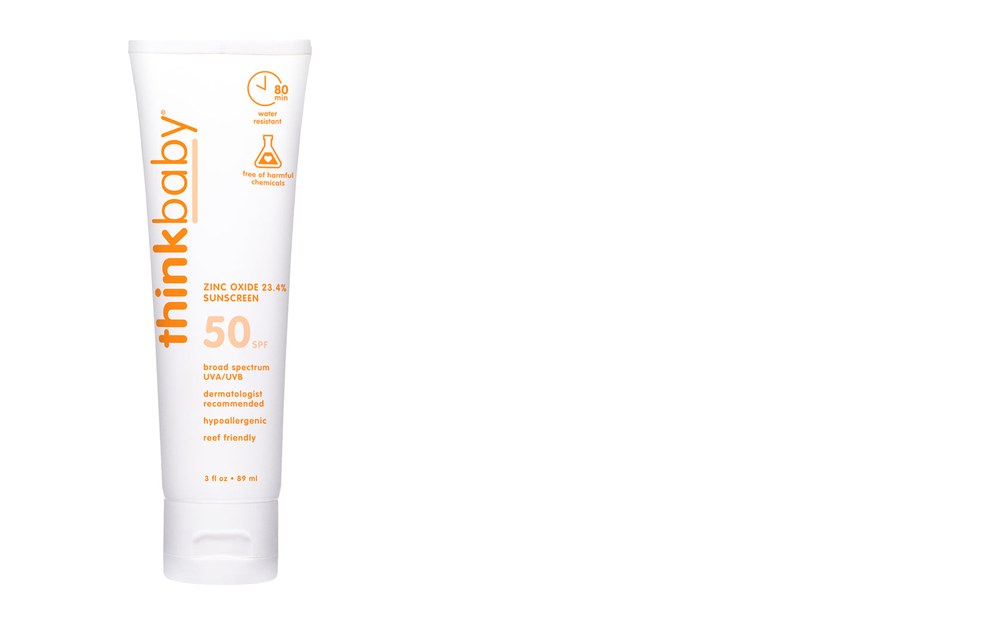 Best for Babies & ToddlersThinkbaby Safe Sunscreen SPF 50+ |
20% Zinc OxideEWG Top-Rated |
Check price → |
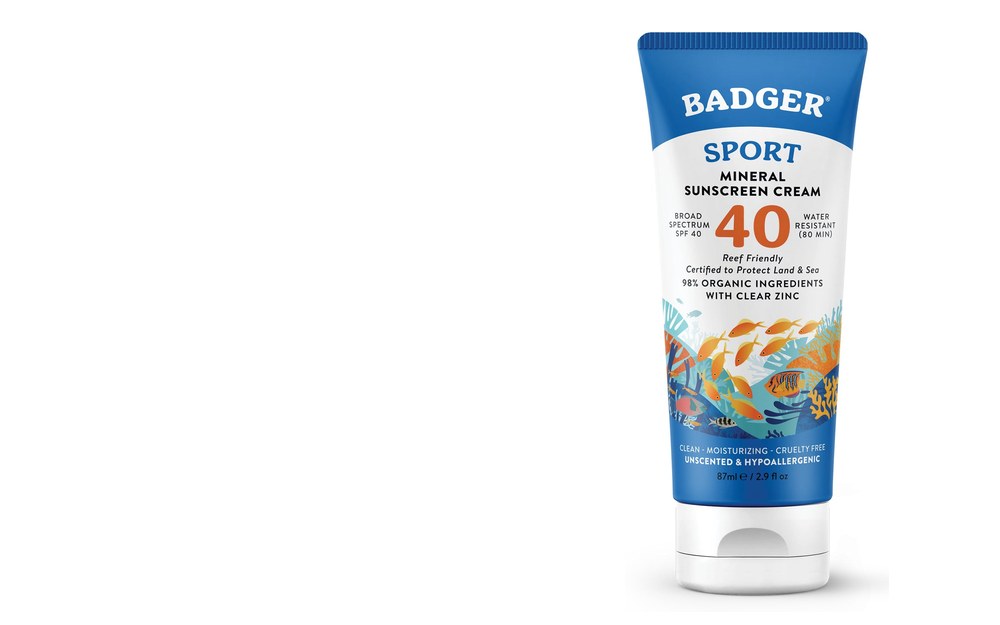 Best OverallBadger Sport Mineral Sunscreen SPF 40 |
98% OrganicClear Zinc Oxide Only |
Check price → |
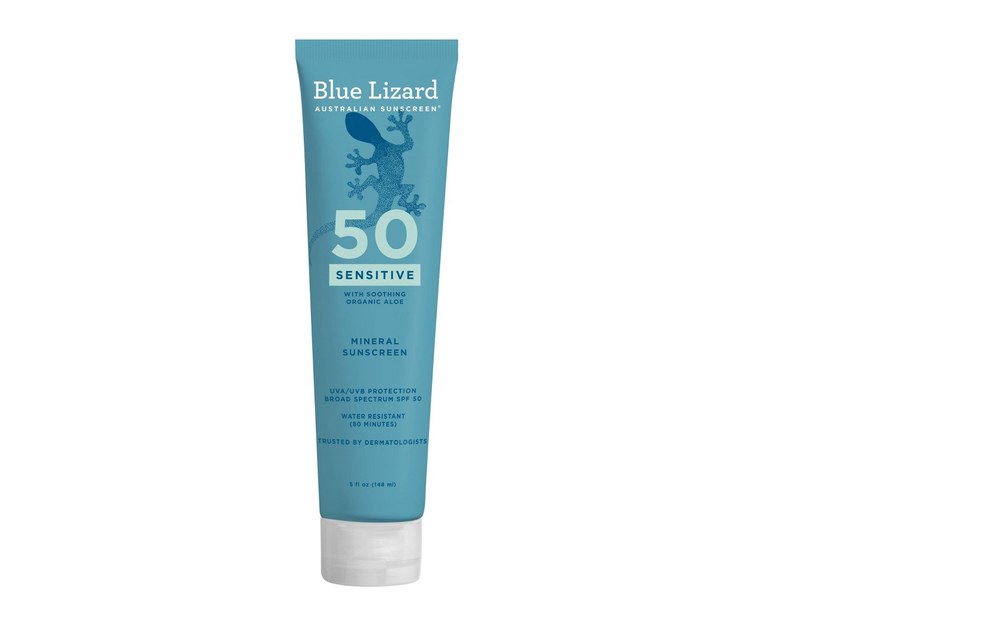 Best for Beach & Pool DaysBlue Lizard Sensitive Mineral Sunscreen SPF 50 |
Zinc + Titanium DioxideSPF 50 |
Check price → |
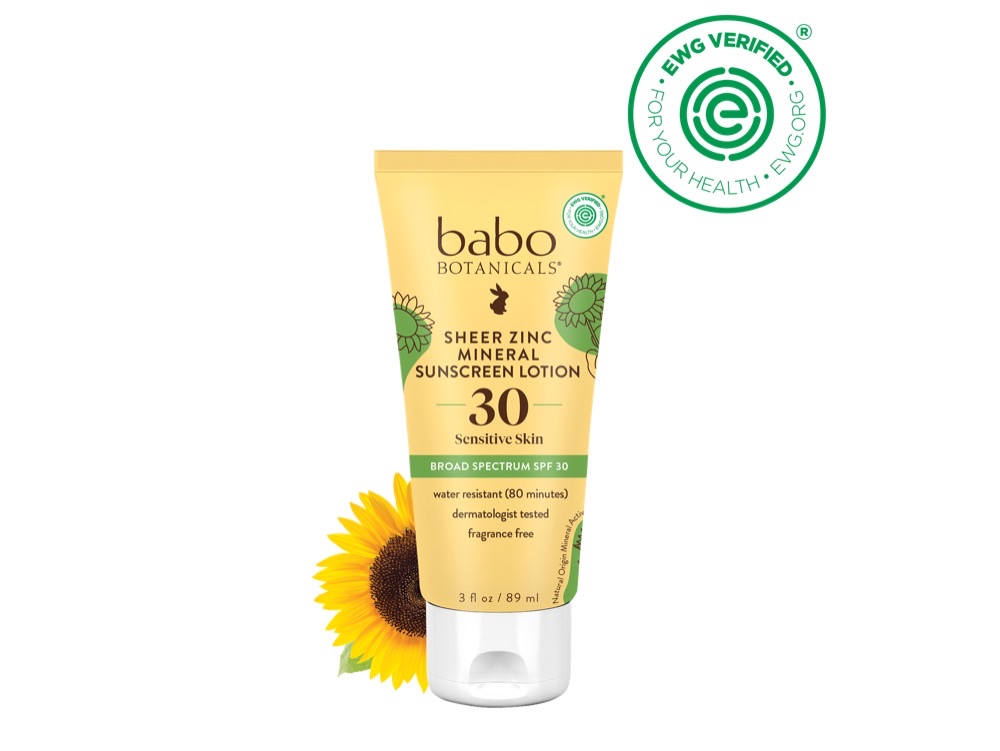 Best for Eczema-Prone SkinBabo Botanicals Sheer Zinc Mineral Sunscreen Lotion SPF 30 |
EWG VerifiedNon-Nano Zinc Oxide |
Check price → |
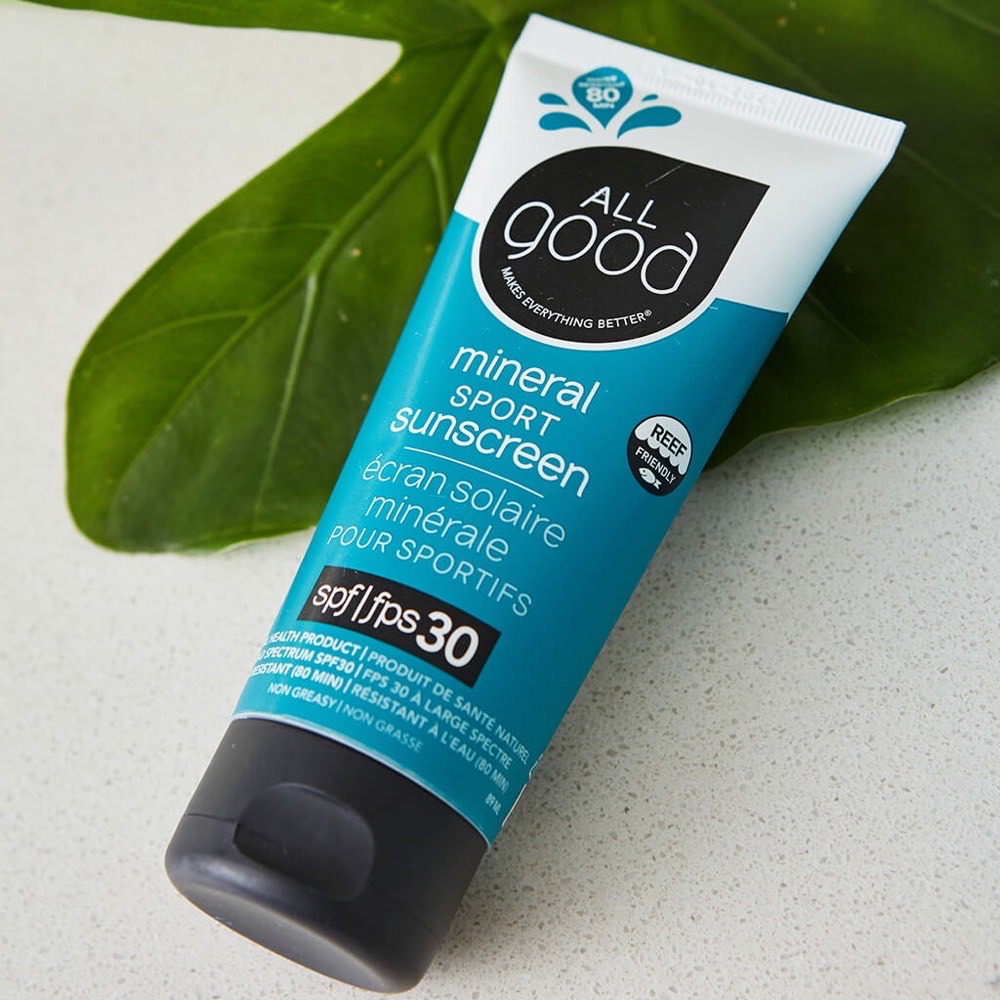 Best for Active KidsAll Good Sport Mineral Sunscreen Lotion SPF 30 |
Zinc Oxide OnlyWater-Resistant 80 Min |
Check price → |
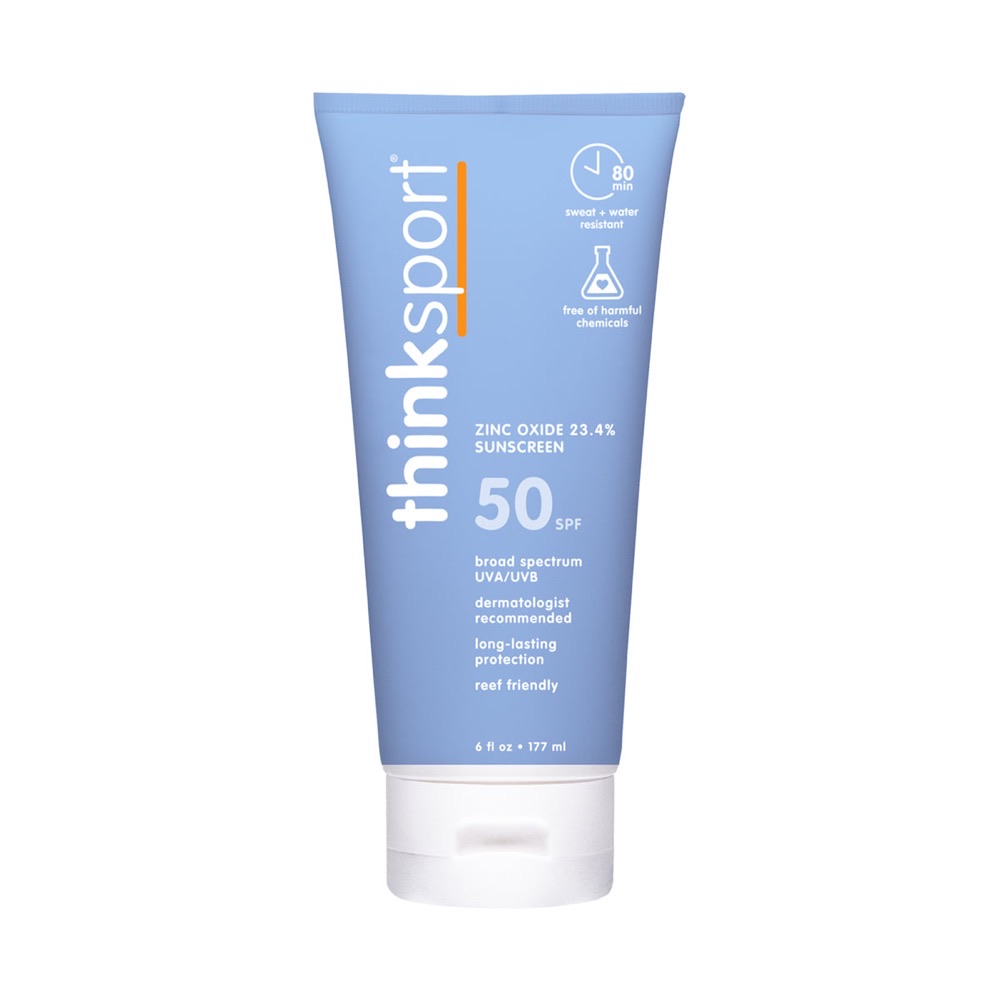 Best ValueThinksport SPF 50+ Mineral Sunscreen |
Zinc Oxide (20%)SPF 50+ |
Check price → |
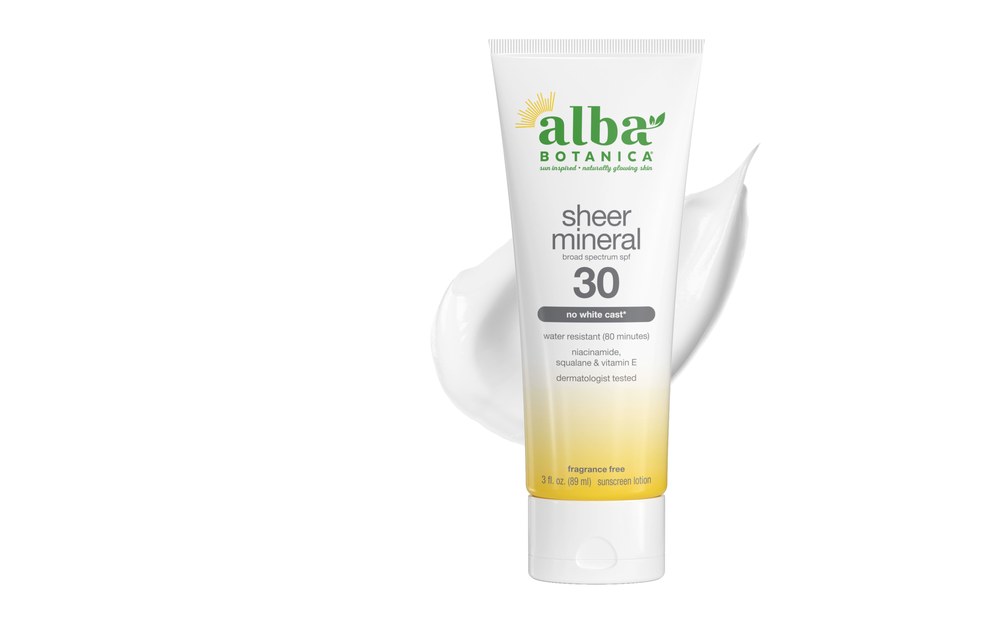 Best Drugstore PickAlba Botanica Sheer Mineral Sunscreen SPF 30 |
Fragrance-FreeWidely Stocked |
Check price → |
How We Chose Sunscreens for Kids
Kids' sunscreen has to clear a higher bar than an adult's. It has to be clean enough for skin that absorbs more, gentle enough for faces and eczema patches, and sticky enough to survive the water. Every product below passed all six of these screens.
- Mineral active only: Zinc oxide (sometimes with titanium dioxide) and nothing else. No oxybenzone, octinoxate, avobenzone, homosalate, octisalate, or octocrylene — the chemical filters that absorb into a child's bloodstream.
- Non-nano where it matters: Non-nano zinc oxide preferred, the precautionary standard the EWG recommends for children and for skin that may be broken or sunburned.
- Fragrance-free: No synthetic fragrance or parfum. Fragrance is a leading cause of contact reactions in kids and a common hiding place for undisclosed phthalates.
- EWG standing: EWG Verified or a long-running low hazard score. Nothing rated above a 3 made the list.
- Water resistance: The full 80-minute water-resistance rating, because kids and water are inseparable and an SPF that rinses off is no SPF at all.
- Clean inactive list: No parabens, phthalates, formaldehyde releasers, PABA, or microplastic texturizers in the base.
Our 7 Top Picks for 2026
Quick Picks
- Best for babies & toddlers: Thinkbaby Safe Sunscreen SPF 50+ — 20% zinc oxide, EWG top-rated, made for infants
- Best overall: Badger Sport Mineral Sunscreen SPF 40 — clear zinc oxide, 98% organic, short ingredient list
- Best for beach & pool days: Blue Lizard Sensitive Mineral Sunscreen SPF 50 — zinc + titanium dioxide, UV-reactive cap
- Best for eczema-prone skin: Babo Botanicals Sheer Zinc Mineral Sunscreen Lotion SPF 30 — EWG Verified, non-nano zinc
- Best for active kids: All Good Sport Mineral Sunscreen Lotion SPF 30 — zinc oxide, water-resistant 80 min
- Best value: Thinksport SPF 50+ Mineral Sunscreen — 20% zinc oxide, long-running EWG top rating
- Best drugstore pick: Alba Botanica Sheer Mineral Sunscreen SPF 30 — fragrance-free zinc, easy to find and refill
1. Thinkbaby Safe Sunscreen SPF 50+
Best for Babies & Toddlers
Thinkbaby is the sunscreen that made the "safe for babies" category what it is. The active is a serious 20% zinc oxide, high enough for SPF 50+ broad-spectrum protection, and the formula deliberately leaves out the things you least want near an infant: no oxybenzone, no avobenzone, no PABA, no parabens or phthalates, and no added fragrance.
For a high-zinc formula it spreads better than you'd expect, and it holds the full 80-minute water-resistance rating for splash-pad and beach afternoons. It is a lotion, not a spray, so you control exactly where it goes — which matters when a two-year-old is trying to wriggle away. Start a thin layer 15 minutes before sun and reapply after every dunk.
Parents who react to nothing else trust this on newborns and eczema-prone toddlers, and many have used it "since our first baby" without a single flare. The honest downsides are the usual mineral trade-offs: it leaves a white cast that takes a minute to rub in, the texture is on the thick side, and a few note the cap and tube can get greasy in a hot beach bag.
On the child who absorbs the most, a dedicated baby zinc formula is the single easiest way to keep chemical UV filters off their skin.
Why it's safe: 20% zinc oxide as the only active, fragrance-free, and free of oxybenzone, avobenzone, PABA, parabens, and phthalates — with a years-long EWG top rating behind it.
Check Today's Price on Amazon →Amazon prices change daily — tap to see today's price and any active discount.
- Free delivery & returns for Prime members
- Sold & shipped by Amazon
2. Badger Sport Mineral Sunscreen SPF 40
Best Overall
Badger has made mineral sunscreen for well over a decade, and the Sport formula is the one that works for a household with kids of different ages. It is clear zinc oxide only, so there are no chemical filters to worry about on anyone, and it holds broad-spectrum protection through 80 minutes of sweat and water.
The base is short and food-simple — organic sunflower oil, beeswax, and vitamin E — with no synthetic fragrance and no microplastic texturizers. The clear-zinc version runs far less chalky than Badger's older creams, though it is still a warm-it-in-your-hands formula. One tube covers arms, legs, and faces without you owning three different products.
Families praise the short, readable ingredient list and use it on kids and adults alike once it's worked in. The honest downsides: it is thick and takes real effort to rub down, several reviewers describe a white or "ashy" cast, and it shows most on medium-to-deep skin tones.
One clean zinc tube for the whole family beats juggling a "kids" chemical sunscreen and an adult one that both absorb.
Why it's safe: Clear zinc oxide as the only active, no oxybenzone or octinoxate, a 98% certified-organic base, and no synthetic fragrance.
Check Today's Price on Amazon →Amazon prices change daily — tap to see today's price and any active discount.
- Free delivery & returns for Prime members
- Sold & shipped by Amazon
3. Blue Lizard Sensitive Mineral Sunscreen SPF 50
Best for Beach & Pool Days
When you're facing a whole day of open sun — a beach, a pool deck, a lakeside campsite — Blue Lizard Sensitive is the pick. It pairs zinc oxide with titanium dioxide for the highest mineral SPF on this list, SPF 50, so a missed reapplication is a little more forgiving than SPF 30.
The clever party trick is the UV-reactive cap: it turns blue outdoors when UV is strong, which turns "put your sunscreen on" into something a five-year-old can see for themselves. The formula is fragrance-free with no oxybenzone, octinoxate, or parabens, holds 80 minutes of water resistance, and is stocked at most drugstores so a mid-trip refill is easy.
Parents of sensitive-skin kids rate the protection "outstanding" for long days out, and children love watching the cap change color. The honest downsides: it is one of the thickest, most paste-like formulas buyers have used, the white cast is pronounced on medium-to-deep tones, and it takes patience to blend evenly on a wiggly kid.
For a full beach day, SPF 50 mineral protection keeps kids covered without chemical filters washing off into the water and back onto their skin.
Why it's safe: Zinc oxide plus titanium dioxide only — no oxybenzone or octinoxate, fragrance-free, and broad-spectrum UVA/UVB.
Check Today's Price on Amazon →Amazon prices change daily — tap to see today's price and any active discount.
- Free delivery & returns for Prime members
- Sold & shipped by Amazon
4. Babo Botanicals Sheer Zinc Mineral Sunscreen Lotion SPF 30
Best for Eczema-Prone Skin
If your kid has eczema, keratosis pilaris, or skin that turns red at the sight of a new lotion, Babo's Sheer Zinc is the one to try first. It carries EWG Verified status, the group's strictest tier for both ingredient safety and full disclosure, and its only active is non-nano zinc oxide — the most conservative mineral choice for skin that may be broken or irritated.
The base leans on calming botanicals like chamomile, watercress, and meadowsweet, and the whole thing is fragrance-free, hypoallergenic, and free of dairy, soy, and gluten. It is genuinely one of the sheerer mineral lotions, which helps on faces. (Babo also sells a spray; skip it for the inhalation reason in our spray warning below and stick with this tube.)
Parents of eczema kids call it one of the few sunscreens that "goes on sheer" and doesn't trigger a flare, absorbing quickly and staying non-greasy — a repeat buy for many. The honest downsides: reviewers whose kids react to zinc itself find it drying, one noted it "came off on my finger when wet," and deeper skin tones can still catch a faint cast.
For skin that reacts to most sunscreens, a non-nano zinc lotion with nothing extra is what finally lets a child wear SPF without a rash.
Why it's safe: EWG Verified, non-nano zinc oxide only (the precautionary standard for broken or sensitive skin), fragrance-free, and free of common allergens.
Check Today's Price on Amazon →Amazon prices change daily — tap to see today's price and any active discount.
- Free delivery & returns for Prime members
- Sold & shipped by Amazon
5. All Good Sport Mineral Sunscreen Lotion SPF 30
Best for Active Kids
Some kids treat a beach day as a triathlon. All Good Sport is built for them: zinc oxide is the only active, suspended in an organic base of coconut oil, beeswax, and jojoba that grips through swimming, sprinklers, and dead sprints across hot sand. It carries the full 80-minute water-resistance rating.
It's reef-safe with no oxybenzone or octinoxate and no synthetic fragrance, made by a Certified B Corp. For the price, it's the most capable water-and-sport mineral sunscreen here — the tube to keep in the swim bag, the camp backpack, and the car.
Parents like that this rubs in without much cast for most kids and holds up as a clean, effective sport option, with several calling the residue minor "and not a big deal for the protection." The honest downsides: a white cast is still there on some skin tones, it feels heavy when reapplied more than once, and one reviewer found it hard to wash off at bath time.
For kids in and out of water all day, a sport zinc formula that grips for 80 minutes beats a chemical filter that rinses off after the first cannonball.
Why it's safe: Zinc-oxide-only mineral protection, reef-safe with no oxybenzone or octinoxate, an organic plant-oil base, and no synthetic fragrance.
Check Today's Price on Amazon →Amazon prices change daily — tap to see today's price and any active discount.
- Free delivery & returns for Prime members
- Sold & shipped by Amazon
6. Thinksport Sunscreen SPF 50+
Best Value
Thinksport is essentially Thinkbaby scaled up for bigger kids and grown-ups: SPF 50+ broad-spectrum protection from 20% zinc oxide at the most affordable price on this list. That matters when a family of four is emptying a tube a week from June to August. It applies smoothly for a high-zinc formula and holds the 80-minute water-resistance rating.
The formula leaves out oxybenzone, avobenzone, parabens, phthalates, PABA, and 1,4-dioxane, and was the first sunscreen to pass Whole Foods Premium Body Care standards. It has held a top EWG rating for years, so buying the value option costs you nothing on safety.
Reviewers say it absorbs into a "light, slightly moisturizing layer" rather than a greasy film, and the high zinc earns trust for full days outdoors with the kids. The honest downsides: the white cast ranges from slight to "severe" if applied too heavily, the texture runs thick, and a few users found it sticky in humidity.
When you reapply every two hours on a carful of kids, an affordable zinc sunscreen is what keeps you actually using enough — without the chemical-filter load.
Why it's safe: 20% zinc oxide mineral active, no oxybenzone, avobenzone, parabens, or phthalates, broad-spectrum SPF 50+, and reef-friendly.
Check Today's Price on Amazon →Amazon prices change daily — tap to see today's price and any active discount.
- Free delivery & returns for Prime members
- Sold & shipped by Amazon
7. Alba Botanica Sheer Mineral Sunscreen SPF 30
Best Drugstore Pick
The best sunscreen for a kid is the one that's actually with you. Alba Botanica Sheer Mineral wins on availability: it's a mineral zinc formula sold at most drugstores and big-box stores, so when you're standing in the sunscreen aisle at 8 a.m. before a field trip, this is the clean option on the shelf. It's fragrance-free, vegan, and reef-friendly.
It won't out-stick a dedicated sport formula — the water-resistance rating is 40 minutes rather than 80, so reapply a little more often around water. But as the tube that lives in the diaper bag, the glove box, and the stroller basket, it does the most important job of all: it's there when the sun is.
Parents like the price and the fact that it's easy to find and restock, and many keep a tube in every bag "so we're never caught without it." The honest downsides: it still leaves a mineral white cast, the shorter 40-minute water resistance means more frequent reapplication at the pool, and a few find it a touch greasy going on.
A clean mineral sunscreen you can buy anywhere means kids get covered on the ordinary days too — not just the ones you planned for.
Why it's safe: Mineral zinc oxide protection, fragrance-free, reef-friendly, vegan and cruelty-free, with no oxybenzone or octinoxate.
Check Today's Price on Amazon →Amazon prices change daily — tap to see today's price and any active discount.
- Free delivery & returns for Prime members
- Sold & shipped by Amazon
Comparison Table
| Product | Active Ingredient | SPF | Water Resistance | Best For |
|---|---|---|---|---|
| Thinkbaby | Zinc oxide (20%) | 50+ | 80 min | Babies & toddlers |
| Badger Sport | Clear zinc oxide | 40 | 80 min | Overall / whole family |
| Blue Lizard Sensitive | Zinc + titanium dioxide | 50 | 80 min | Beach & pool days |
| Babo Botanicals | Non-nano zinc oxide | 30 | 80 min | Eczema-prone skin |
| All Good Sport | Zinc oxide | 30 | 80 min | Active kids |
| Thinksport | Zinc oxide (20%) | 50+ | 80 min | Value / whole family |
| Alba Botanica | Zinc oxide mineral | 30 | 40 min | Drugstore / everyday |
Aerosol and pump-spray sunscreens — even mineral ones — are the wrong choice for children. Spraying aerosolizes fine particles of the sunscreen's active and inactive ingredients, which a child then breathes in, bypassing the skin barrier entirely; the FDA has flagged inhalation concerns with sprays and has never finalized safety data on them. Sprays also go on unevenly, so the coverage a kid ends up with is patchy and thinner than the label implies, and the wind blows half of it away before it lands. If you already own a spray, apply it to your hands first and rub it on — but for kids, a lotion or cream you can see going on is the format to buy. Every pick in this guide is a lotion or cream, not a spray.
How to Put Sunscreen on Kids (So It Actually Works)
The cleanest sunscreen in the world does nothing in the tube. With kids, application is where SPF is won or lost — most "the sunscreen failed" stories are really under-application stories. A few habits close the gap:
- Apply 15 minutes before going out. Mineral sunscreen protects the moment it's on, but rubbing it in fully before the sun hits gives you an even layer with no gaps.
- Use more than feels necessary. Most people apply a quarter to a half of the amount tested for the SPF on the label. A visible layer that you then rub down is the target, not a thin smear.
- Hit the spots everyone forgets: ears, the tops of the feet, the back of the neck, the part in the hair, and the strip of back between a rash guard and swim shorts.
- Reapply every two hours, and after every swim or towel-off — even with an 80-minute water-resistant formula. The rating is a maximum, not a guarantee.
- Layer shade and clothing on top. A wide-brim hat, a UPF rash guard, and midday shade do more than any SPF number. For babies under 6 months, the American Academy of Pediatrics puts those first and uses only a little mineral sunscreen on the small areas clothing can't cover.
What to Avoid in Kids' Sunscreen
Avoid Oxybenzone (Benzophenone-3)
The one to walk away from first. Oxybenzone is an endocrine disruptor that mimics estrogen and interferes with thyroid hormones — a bigger concern in a developing child than a grown adult. The CDC has detected it in roughly 97% of Americans tested, it absorbs into the bloodstream within about 30 minutes of application, and it builds up with repeated use over a summer. It also bleaches coral at 62 parts per trillion, which is why Hawaii, Key West, Palau, and the U.S. Virgin Islands banned it.
Avoid Octinoxate (Octyl Methoxycinnamate)
Oxybenzone's usual partner. Octinoxate is another endocrine-disrupting chemical filter shown to affect thyroid and reproductive hormones in animal studies, and it is banned alongside oxybenzone in reef-protective jurisdictions. If you see one of these two on a kids' label, you'll almost always see the other.
Avoid Homosalate, Avobenzone & Octocrylene
The rest of the chemical-filter family. All three absorb into the bloodstream above the FDA's safety-testing threshold. Homosalate is a suspected endocrine disruptor that may build up faster than the body clears it; avobenzone breaks down in sunlight and is usually propped up with octocrylene, which carries its own contamination concerns. None has earned GRASE (Generally Recognized as Safe and Effective) status from the FDA — only zinc oxide and titanium dioxide have.
Avoid Added "Fragrance" and Sprays
Any kids' sunscreen listing "fragrance" or "parfum" without disclosing what's in it can hide phthalates, synthetic musks, and known skin sensitizers — and children's skin reacts more readily than adults'. On warm, sun-exposed skin, those compounds absorb faster. Skip fragrance, and skip aerosol sprays for the inhalation reason above. Choose a fragrance-free mineral lotion instead.
Want the Full Room-by-Room Protection Guide?
The Complete Plasticproof Guide covers every room in your home — kitchen, nursery, bathroom, bedroom — with the full research and complete swap list. 47+ peer-reviewed studies, 80+ product recommendations.
Frequently Asked Questions
The safest sunscreens for kids are mineral (physical) formulas that use non-nano zinc oxide as the active ingredient and contain no chemical UV filters, no added fragrance, and no oxybenzone or octinoxate. Zinc oxide and titanium dioxide are the only two active sunscreen ingredients the FDA classifies as Generally Recognized as Safe and Effective (GRASE), and they sit on top of the skin to block UV rather than absorbing into a child's bloodstream. Our top overall pick for kids is Thinkbaby Safe Sunscreen SPF 50+; Badger, Blue Lizard Sensitive, Babo Botanicals, All Good, Thinksport, and Alba Botanica are also strong mineral options.
Yes. Children have thinner skin and a higher body-surface-area-to-weight ratio than adults, so they absorb proportionally more of whatever is applied to their skin. A 2020 FDA study published in JAMA found that common chemical UV filters — oxybenzone, octinoxate, avobenzone, homosalate, octisalate, and octocrylene — were absorbed into the bloodstream at levels exceeding the FDA's safety threshold after a single application. Mineral sunscreens using zinc oxide sit on the surface and reflect UV instead of being absorbed, which is why pediatric guidance and the Environmental Working Group favor them for kids.
The American Academy of Pediatrics recommends keeping babies under 6 months out of direct sun and using shade, hats, and clothing rather than sunscreen as the first line of defense. For babies under 6 months, a small amount of mineral (zinc oxide) sunscreen may be applied to limited exposed areas like the face and backs of the hands when shade and clothing are not enough. From 6 months on, apply a broad-spectrum mineral sunscreen of SPF 30 or higher to all exposed skin, and reapply every two hours and after swimming.
Avoid oxybenzone (an endocrine disruptor detected in about 97% of Americans by the CDC), octinoxate, homosalate, and other chemical UV filters, all of which absorb into the bloodstream. Avoid added synthetic fragrance and parfum, which can contain undisclosed phthalates and are a common cause of skin reactions in children. Skip spray and aerosol sunscreens for kids because of the inhalation risk. Choose fragrance-free, mineral-only formulas with non-nano zinc oxide instead.
Reapply kids' sunscreen every two hours while outdoors, and immediately after swimming, sweating, or towel-drying — even if the product is labeled water-resistant. Water-resistant sunscreens (labeled 40 or 80 minutes) hold their SPF for that time in water, but the clock resets once a child dries off. Apply a generous first coat 15 minutes before going outside so the mineral layer has time to set, and do not forget ears, the tops of feet, the back of the neck, and the part in the hair.
Sources
- Matta MK, et al. "Effect of Sunscreen Application on Plasma Concentration of Sunscreen Active Ingredients: A Randomized Clinical Trial." JAMA, 2020. DOI: 10.1001/jama.2019.20747
- American Academy of Pediatrics. "Sun Safety: Information for Parents About Sunburn & Sunscreen." HealthyChildren.org.
- U.S. Food and Drug Administration. "Sunscreen: How to Help Protect Your Skin from the Sun."
- Krause M, et al. "Sunscreens: Are they beneficial for health? An overview of endocrine disrupting properties of UV-filters." International Journal of Andrology, 2012.
- Environmental Working Group. "EWG's Guide to Sunscreens." Updated annually.
Protect Every Room in Your Home
From the bedroom to the kitchen to the nursery — the Complete Plasticproof Guide covers every swap that matters, backed by 47+ studies.