
Sunscreen is one of the most important daily-use products for long-term health. Dermatologists universally recommend it. The science on UV-induced skin cancer and photoaging is unambiguous. But the question most people never think to ask is: what exactly is in the sunscreen being absorbed through the skin?
The answer, for most conventional sunscreens, is a cocktail of synthetic chemical UV filters — oxybenzone, octinoxate, avobenzone, homosalate, octisalate, and octocrylene. These chemicals don't sit on top of the skin like mineral sunscreens do. They absorb into the epidermis and convert UV radiation into heat. In the process, they also absorb into the bloodstream. A landmark 2020 FDA study found that six common chemical sunscreen active ingredients were detected in participants' blood at levels exceeding the FDA's safety threshold after just a single application. After four days of regular use, blood concentrations were hundreds of times above that threshold.
Oxybenzone — the most widely studied of these chemicals — is a confirmed endocrine disruptor. It mimics estrogen in the body, interferes with thyroid function, and has been linked to hormonal disruption in both adults and children. It also damages coral reefs at concentrations as low as 62 parts per trillion, which is why Hawaii, Key West, Palau, and the U.S. Virgin Islands have banned it.
Beyond the active ingredients, conventional sunscreens frequently contain microplastic-based texturizers, synthetic fragrances with undisclosed phthalates, and come packaged in single-use plastic squeeze tubes and aerosol cans. Every component of the typical drugstore sunscreen — from the formula to the container — involves plastic or petrochemical exposure.
The alternative is mineral sunscreen. Mineral (also called "physical") sunscreens use zinc oxide and/or titanium dioxide as their active ingredients. These minerals sit on top of the skin and physically reflect and scatter UV rays rather than absorbing them. The FDA classifies zinc oxide and titanium dioxide as the only two sunscreen active ingredients that are "Generally Recognized as Safe and Effective" (GRASE). No chemical UV filter has received that designation.
Note: This article covers body sunscreen specifically — formulas designed for full-body application with the spreadability, water resistance, and volume needed for arms, legs, chest, and back. For general and face-focused sunscreen recommendations, see our Best Non-Toxic Sunscreen 2026 guide.
Compare all 6 picks
Every pick side by side — tap a name to jump to the full review, or check today's price.
| Pick | Why it wins | |
|---|---|---|
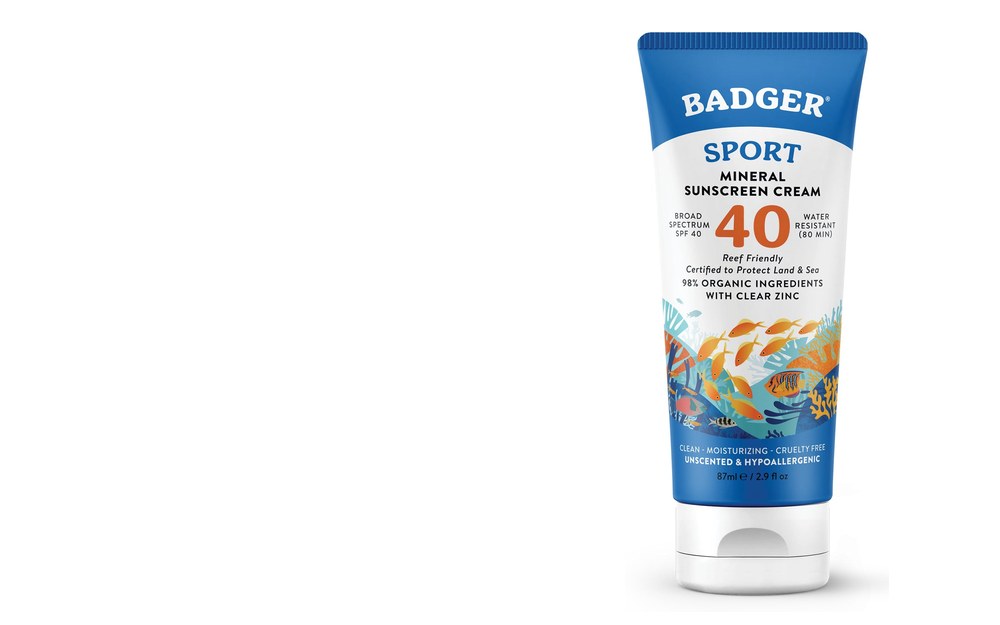 Best OverallBadger Sport Mineral Sunscreen SPF 40 |
98% OrganicClear Zinc Oxide Only |
Check price → |
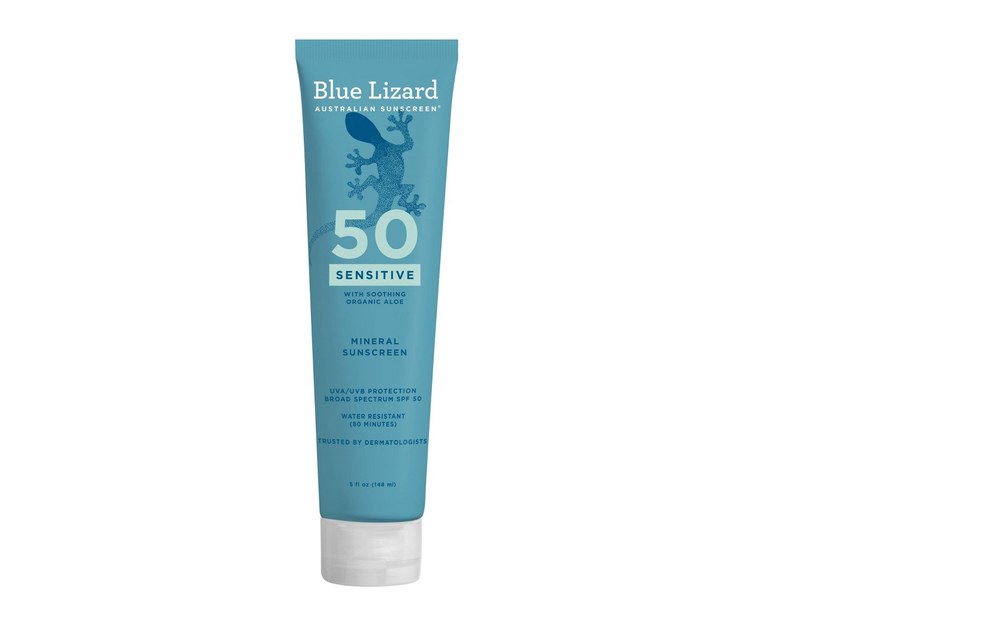 Best High SPFBlue Lizard Sensitive Mineral Sunscreen SPF 50 |
Zinc + Titanium DioxideSPF 50 |
Check price → |
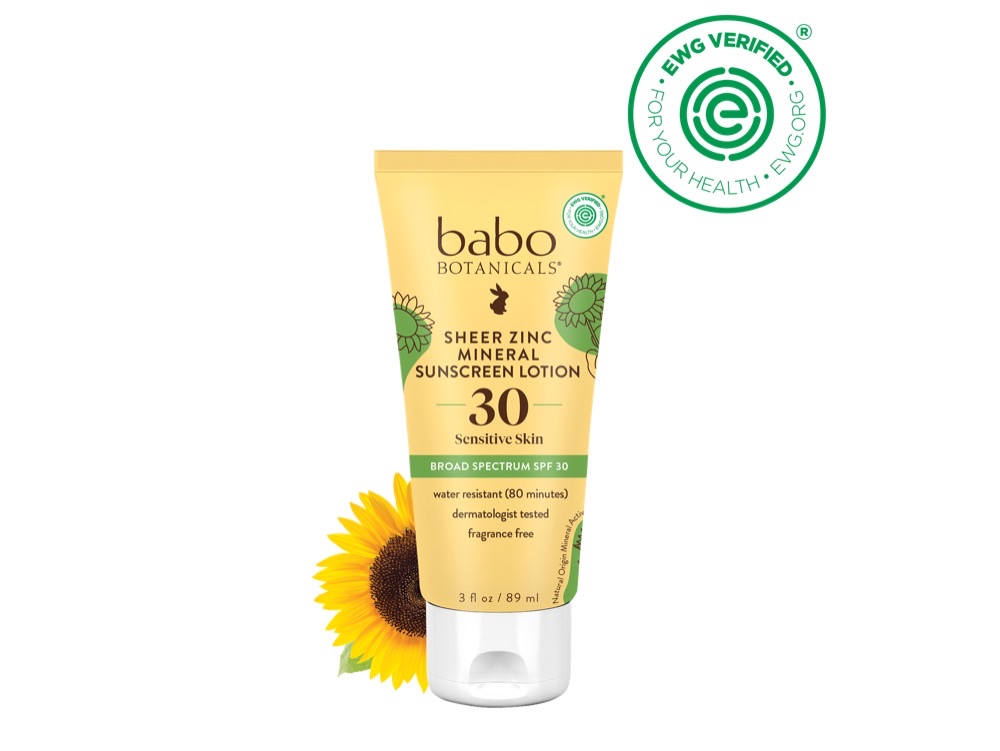 Best for Sensitive SkinBabo Botanicals Sheer Zinc Mineral Sunscreen Lotion SPF 30 |
EWG VerifiedNon-Nano Zinc Oxide |
Check price → |
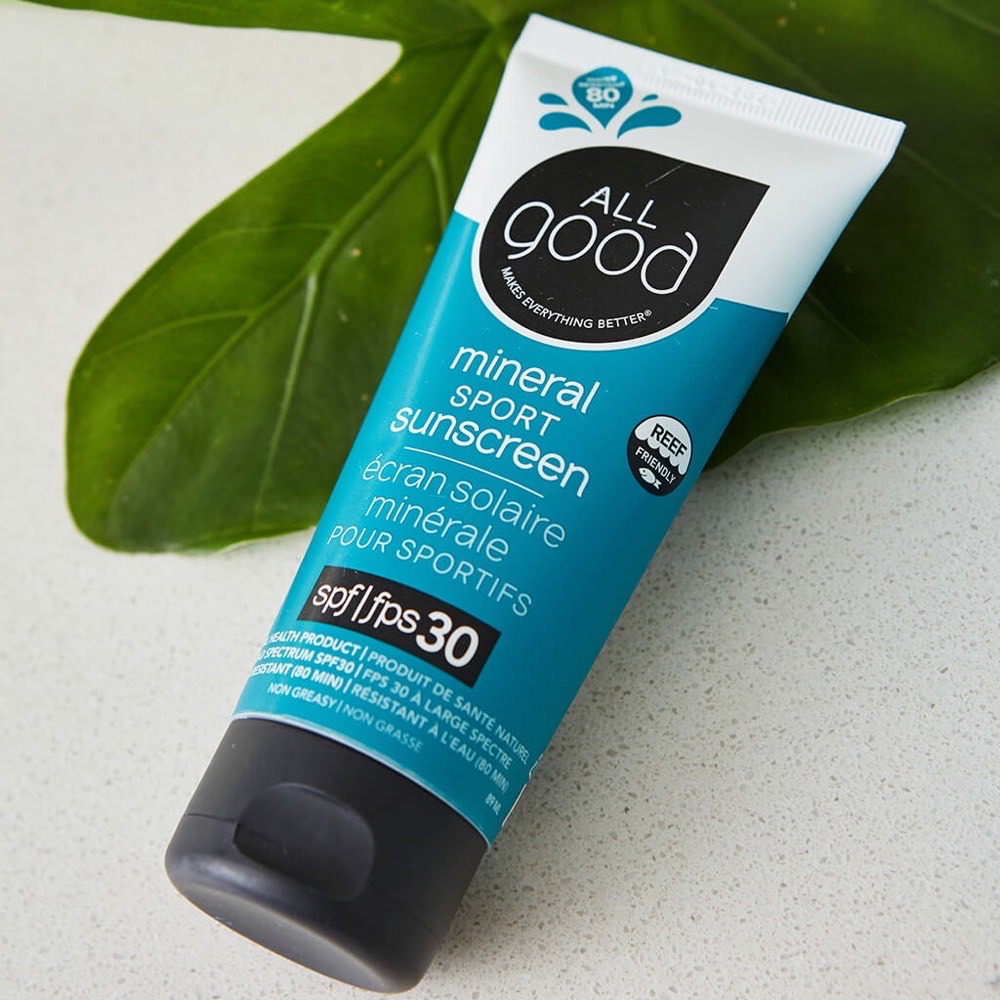 Best for Active UseAll Good Sport Mineral Sunscreen Lotion SPF 30 |
Zinc Oxide OnlyReef-Safe |
Check price → |
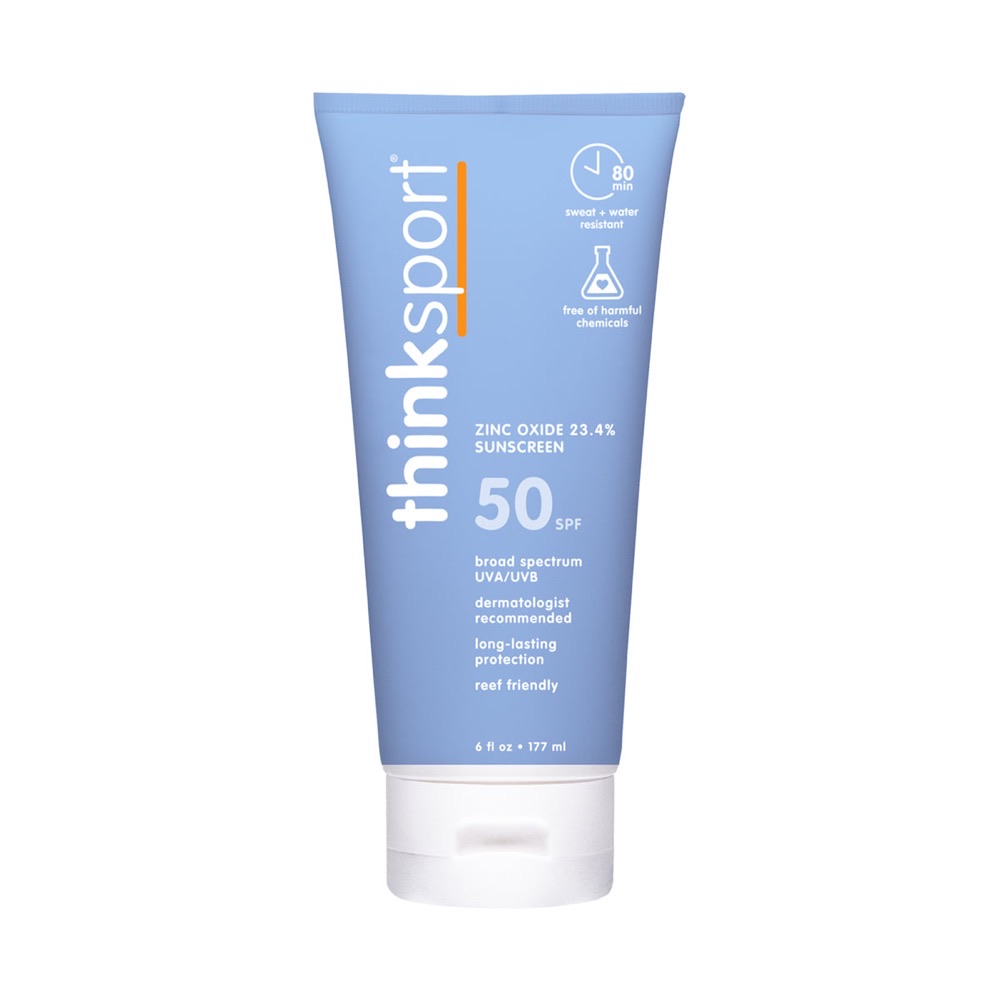 Best ValueThinksport SPF 50+ Mineral Sunscreen |
Zinc Oxide (20%)SPF 50+ |
Check price → |
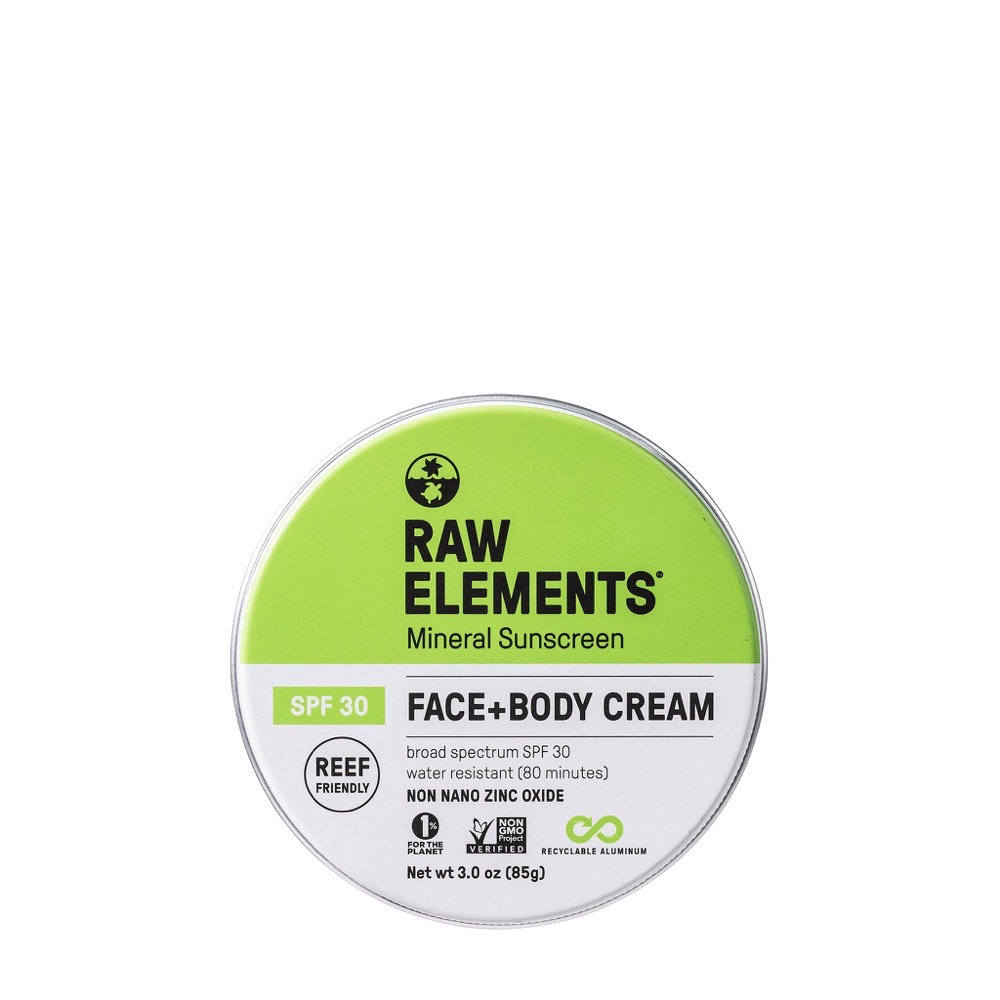 Best Plastic-Free PackagingRaw Elements Face + Body SPF 30 (Recyclable Tin) |
Non-Nano Zinc Oxide (23%)Reef-Safe Certified |
Check price → |
What We Screened For
Plasticproof evaluated body sunscreens across six criteria. Every product recommended below passed all six.
- Active ingredients: Mineral only — zinc oxide and/or titanium dioxide. No chemical UV filters (oxybenzone, octinoxate, avobenzone, homosalate, octisalate, octocrylene).
- Reef safety: Confirmed reef-safe formulation. No oxybenzone or octinoxate, which are the two ingredients most directly linked to coral bleaching and reef destruction.
- EWG rating: EWG Verified or EWG-rated 1-2 preferred. Products with EWG ratings above 3 were excluded.
- Fragrance: No synthetic fragrance. Unscented or naturally scented with disclosed botanical ingredients only.
- Inactive ingredients: No parabens, no phthalates, no formaldehyde releasers, no microplastic-based texturizers.
- Packaging: Minimal plastic packaging where possible. Recyclable tin, aluminum tubes, or at minimum recyclable HDPE plastic preferred over non-recyclable laminated tubes.
Our 6 Top Picks for 2026
Quick Picks
- Best overall: Badger Sport Mineral Sunscreen SPF 40 — clear zinc oxide, 98% organic, reef-safe
- Best high SPF: Blue Lizard Sensitive Mineral Sunscreen SPF 50 — zinc + titanium dioxide, dermatologist recommended
- Best for sensitive skin: Babo Botanicals Sheer Zinc Mineral Sunscreen Lotion SPF 30 — EWG Verified, non-nano zinc oxide
- Best for active use: All Good Sport Mineral Sunscreen Lotion SPF 30 — zinc oxide, water-resistant 80 min
- Best value: Thinksport SPF 50+ Mineral Sunscreen — 20% zinc oxide, long-running EWG top rating
- Best minimal-plastic packaging: Raw Elements Face + Body SPF 30 — non-nano zinc, recyclable tin
1. Badger Sport Mineral Sunscreen SPF 40
Best Overall
Badger has made clean mineral sunscreen for over a decade, and the Sport formula is built for the body: broad-spectrum zinc oxide protection that holds up to sweat and water for a full 80 minutes. The clear-zinc version applies with far less white cast than older Badger formulas.
The ingredient list is short and entirely recognizable — clear zinc oxide as the only active, in an organic base of sunflower oil, beeswax, and vitamin E. No chemical UV filters, no synthetic fragrance, no microplastic texturizers. It's a little thick, so warm it between your hands and it spreads beautifully.
Buyers describe this as a thick cream "about as thick as toothpaste" that you warm between your hands before it spreads, and once worked in they trust it for sweaty, active days. The short, readable ingredient list is a draw for parents. The honest downsides: it takes real effort to rub in, several reviewers call the cast "white" and say it makes skin look "ashy," and it shows most on medium-to-deep skin tones.
This is the layer between your skin and hours of UV — make it zinc oxide, not a chemical filter that absorbs into your bloodstream within 30 minutes.
Why it's safe: Mineral-only clear zinc oxide that sits on top of skin and reflects UV — no oxybenzone or octinoxate, reef-safe, 98% certified-organic base, and no synthetic fragrance.
Check Today's Price on Amazon →Amazon prices change daily — tap to see today's price and any active discount.
- Free delivery & returns for Prime members
- Sold & shipped by Amazon
2. Blue Lizard Sensitive Mineral Sunscreen SPF 50
Best High SPF
Blue Lizard Sensitive pairs zinc oxide with titanium dioxide for the highest mineral SPF on this list — SPF 50 broad-spectrum. It's the formula to reach for on beach days, alpine hikes, or any extended exposure where SPF 30 feels like cutting it close.
The bottle's UV-reactive cap turns blue when UV rays are strong, a genuinely useful nudge to reapply. The formula is fragrance-free with no oxybenzone, octinoxate, or parabens, and holds its protection through 80 minutes of water or sweat. It's widely stocked, so reordering is easy.
Reviewers with sensitive skin rate the protection as "outstanding" and reach for it on long outdoor days, praising how gentle and effective it is. The honest downsides: it is "one of the thickest, most paste-like" sunscreens buyers have used, the white cast is pronounced and persistent on medium-to-deep tones, and because it is hard to blend evenly there is a real risk of patchy, uneven coverage.
For full beach or trail days, SPF 50 mineral protection means you're covered without slathering on chemical filters that wash straight into the water — and your bloodstream.
Why it's safe: Mineral-only zinc oxide and titanium dioxide — no oxybenzone or octinoxate (the two reef-banned chemical filters), fragrance-free, and broad-spectrum UVA/UVB.
Check Today's Price on Amazon →Amazon prices change daily — tap to see today's price and any active discount.
- Free delivery & returns for Prime members
- Sold & shipped by Amazon
3. Babo Botanicals Sheer Zinc Mineral Sunscreen Lotion SPF 30
Best for Sensitive Skin
Babo's Sheer Zinc lotion carries EWG Verified status — the Environmental Working Group's strictest tier for ingredient safety and full disclosure. The only active is non-nano zinc oxide, the most conservative mineral choice for skin that reacts to almost everything.
The base is built around soothing botanicals — chamomile, watercress, and meadowsweet — and the whole formula is fragrance-free, hypoallergenic, and free from dairy, soy, and gluten. If conventional sunscreens leave your skin red or itchy, this is the lotion to try first. (Note: the brand also sells a spray version; for the reasons in our spray warning below, stick with this lotion tube.)
This is one of the few mineral formulas buyers say "goes on sheer" without a heavy white cast, absorbing quickly and staying non-greasy on sensitive, fragrance-free skin, and it is a repeat buy for many. The honest downsides: reviewers who react to zinc find it drying, one noted the lotion "came off on my finger when wet," raising a water-resistance question, and deeper skin tones can still catch a faint cast.
If your skin reacts to most sunscreens, a non-nano zinc lotion with nothing extra is the swap that lets you actually wear SPF every day.
Why it's safe: EWG Verified, non-nano zinc oxide only (the precautionary standard for broken or sensitive skin), fragrance-free, and screened free of common allergens.
Check Today's Price on Amazon →Amazon prices change daily — tap to see today's price and any active discount.
- Free delivery & returns for Prime members
- Sold & shipped by Amazon
4. All Good Sport Mineral Sunscreen Lotion SPF 30
Best for Active Use
All Good Sport is engineered for movement. Zinc oxide is the only active, suspended in an organic base of coconut oil, beeswax, and jojoba oil that grips skin through swimming, surfing, and heavy sweating. It carries the full 80-minute water-resistance rating.
It's reef-safe with no oxybenzone or octinoxate and no synthetic fragrance, made by a Certified B Corp. For the price, it's the most capable water-and-sport mineral sunscreen here — the one to throw in a beach bag or a bike jersey pocket.
Buyers like that this mineral lotion rubs in without much of a cast for most and holds up as a clean, effective sport option, with several calling the residue minor "and not a big deal for the protection." The honest downsides: a white cast is still there for some skin tones, it feels heavy when reapplied more than once, and one reviewer found it difficult to wash off.
In the water and the sun all day, a sport zinc formula that grips for 80 minutes beats a chemical filter that rinses off — into the reef and back onto you.
Why it's safe: Zinc-oxide-only mineral protection, reef-safe with no oxybenzone or octinoxate, an organic plant-oil base, and no synthetic fragrance.
Check Today's Price on Amazon →Amazon prices change daily — tap to see today's price and any active discount.
- Free delivery & returns for Prime members
- Sold & shipped by Amazon
5. Thinksport Sunscreen SPF 50+
Best Value
Thinksport delivers SPF 50+ broad-spectrum protection from 20% zinc oxide at the most affordable price on this list — which matters when a family is going through a tube a week all summer. It applies smoothly for a high-zinc formula and holds the 80-minute water-resistance rating.
The formula skips oxybenzone, avobenzone, parabens, phthalates, PABA, and 1,4-dioxane, and was the first sunscreen to pass Whole Foods Premium Body Care standards. It has carried a top EWG rating for years running.
Reviewers say this absorbs into a "light, slightly moisturizing layer" rather than a greasy film, and the 23.4% zinc earns trust for full days outdoors. The honest downsides: the white cast ranges from slight to, in one reviewer's words, "severe" if applied heavily, the texture runs thick, and a few users found it sticky and greasy on the skin.
When you reapply every two hours on the whole family, an affordable zinc sunscreen is the swap that keeps you actually using enough — without the chemical-filter load.
Why it's safe: 20% zinc oxide mineral active, no oxybenzone, avobenzone, parabens, or phthalates, broad-spectrum SPF 50+, and reef-friendly.
Check Today's Price on Amazon →Amazon prices change daily — tap to see today's price and any active discount.
- Free delivery & returns for Prime members
- Sold & shipped by Amazon
6. Raw Elements Face + Body SPF 30 (Recyclable Tin)
Best Plastic-Free Packaging
Raw Elements is the most plastic-free option here: instead of a laminated squeeze tube that can't be recycled, it comes in a recyclable aluminum tin. The formula is a serious 23% non-nano zinc oxide — thick and paste-like, so you scoop and warm it between your hands before applying.
That density is a feature: it gives excellent staying power in water, with the full 80-minute resistance rating. It's independently reef-safe certified through Protect Land + Sea, with no synthetic ingredients of any kind. Best for anyone trying to cut single-use plastic everywhere — including the bathroom shelf.
The plastic-free recyclable tin and reef-safe formula are the reasons buyers seek this out, and warming it in your hands first helps it spread. The honest downsides are consistent: many say it "leaves a thick, visible film" that is hard to rub out, gets greasy on hands "and everything else you touch," and one described the consistency as "wet glue-like" with an overly visible white coating in public.
Skip the non-recyclable squeeze tube entirely — a recyclable tin keeps plastic out of your routine and microplastics off your skin.
Why it's safe: 23% non-nano zinc oxide only, independently reef-safe certified (Protect Land + Sea), no synthetic ingredients, and plastic-free recyclable packaging.
Check Today's Price on Amazon →Amazon prices change daily — tap to see today's price and any active discount.
- Free delivery & returns for Prime members
- Sold & shipped by Amazon
Comparison Table
| Product | Active Ingredient | SPF | Water Resistance | Best For |
|---|---|---|---|---|
| Badger Sport | Clear zinc oxide | 40 | 80 min | Overall |
| Blue Lizard Sensitive | Zinc + titanium dioxide | 50 | 80 min | High SPF |
| Babo Botanicals | Non-nano zinc oxide | 30 | 80 min | Sensitive skin |
| All Good Sport | Zinc oxide | 30 | 80 min | Active use |
| Thinksport | Zinc oxide (20%) | 50+ | 80 min | Value |
| Raw Elements | Non-nano zinc oxide (23%) | 30 | 80 min | Plastic-free |
Aerosol and pump-spray sunscreens — even mineral ones — carry additional risks that lotion and cream formats do not. Spraying creates an inhalation exposure pathway: fine particles of sunscreen active and inactive ingredients are aerosolized and breathed into the lungs, bypassing the skin barrier entirely. The FDA has flagged inhalation concerns with spray sunscreens and has not finalized safety data on them. Spray formats also contain propellant chemicals (typically butane, isobutane, or propane) and deliver less even coverage than manual application, leading to missed spots and reduced protection. Plasticproof recommends lotion and cream formats over sprays for body sunscreen application.
What to Avoid in Sunscreen
Avoid Oxybenzone (Benzophenone-3)
The most problematic chemical UV filter. Oxybenzone is an endocrine disruptor that mimics estrogen, interferes with thyroid hormones, and has been detected in 97% of Americans tested by the CDC. It absorbs into the bloodstream within 30 minutes of application and accumulates with repeated use. It also causes coral bleaching at concentrations as low as 62 parts per trillion. Banned in Hawaii, Key West, Palau, and the U.S. Virgin Islands.
Avoid Octinoxate (Octyl Methoxycinnamate)
Another endocrine-disrupting chemical UV filter. Octinoxate has been shown to affect thyroid function and reproductive hormones in animal studies. Like oxybenzone, it is banned in several reef-sensitive jurisdictions due to its contribution to coral bleaching. Commonly found in combination with oxybenzone in conventional sunscreens.
Avoid Homosalate and Avobenzone
Both are chemical UV filters that absorb into the bloodstream at levels exceeding the FDA's safety threshold. Homosalate is a suspected endocrine disruptor that may accumulate in the body faster than it can be eliminated. Avobenzone degrades in sunlight and is often stabilized with octocrylene — another chemical UV filter with its own safety concerns. Neither has received GRASE status from the FDA.
Avoid Sunscreens with "Fragrance"
Any sunscreen listing "fragrance" or "parfum" without full ingredient disclosure likely contains synthetic fragrance compounds, which may include phthalates, musks, and other undisclosed chemicals. On sun-exposed, warm skin with open pores, absorption of these compounds is accelerated. Choose unscented or naturally scented sunscreens with disclosed botanical ingredients.
Want the Full Room-by-Room Protection Guide?
The Complete Plasticproof Guide covers every room in your home — kitchen, nursery, bathroom, bedroom — with the full research and complete swap list. 47+ peer-reviewed studies, 80+ product recommendations.
Frequently Asked Questions
Mineral sunscreens use zinc oxide and/or titanium dioxide to physically sit on top of the skin and reflect UV rays. Chemical sunscreens use synthetic compounds like oxybenzone, avobenzone, octinoxate, and homosalate that absorb into the skin and convert UV radiation into heat. The key difference beyond mechanism is safety: the FDA's 2020 study found that chemical sunscreen active ingredients are absorbed into the bloodstream at levels exceeding the FDA's own safety threshold after just one application. Mineral active ingredients (zinc oxide and titanium dioxide) are the only two sunscreen ingredients the FDA has classified as Generally Recognized as Safe and Effective (GRASE).
White cast is the most common complaint about mineral sunscreens. Several strategies help minimize it: choose a tinted mineral sunscreen formulated with iron oxides, which blend into most skin tones; apply in thin layers and rub in thoroughly rather than applying one thick coat; look for micronized (but non-nano) zinc oxide formulations, which spread more transparently; and allow the sunscreen to fully absorb for 2-3 minutes before judging the cast. Some brands like Badger and All Good have significantly improved their formulations to reduce white cast while maintaining broad-spectrum protection.
Mineral sunscreen should be reapplied every two hours when outdoors, and immediately after swimming, sweating, or towel-drying — even if the product is labeled water-resistant. Water-resistant sunscreens (labeled 40 or 80 minutes) maintain their SPF rating for that duration while in water, but the clock resets once you dry off. For a full body application, most adults need approximately one ounce (a shot glass full) of sunscreen per application. Under-application is the most common reason sunscreen fails to deliver its rated protection.
Oxybenzone (benzophenone-3) has been shown to cause coral bleaching at concentrations as low as 62 parts per trillion — the equivalent of one drop of water in six Olympic swimming pools. It damages coral DNA, disrupts coral reproduction, and causes deformities in juvenile coral. A 2015 study published in Archives of Environmental Contamination and Toxicology found that oxybenzone induces coral bleaching by lowering the temperature threshold at which bleaching occurs. Hawaii, Key West, Palau, and the U.S. Virgin Islands have all banned sunscreens containing oxybenzone and octinoxate to protect reef ecosystems.
Nano zinc oxide particles are smaller than 100 nanometers; non-nano particles are larger. The practical difference matters for two reasons. First, cosmetic elegance: nano zinc oxide goes on more transparently with less white cast. Second, safety: there is ongoing debate about whether nanoparticles can penetrate intact skin and enter the bloodstream. Current research suggests that nano zinc oxide does not penetrate healthy, unbroken skin — but may penetrate damaged or sunburned skin. Non-nano zinc oxide is the more conservative choice, especially for children, people with eczema, or anyone applying sunscreen over cuts or abrasions. EWG recommends non-nano formulations as the precautionary standard.
Sources
- Matta MK, et al. "Effect of Sunscreen Application on Plasma Concentration of Sunscreen Active Ingredients: A Randomized Clinical Trial." JAMA, 2020. DOI: 10.1001/jama.2019.20747
- Krause M, et al. "Sunscreens: Are they beneficial for health? An overview of endocrine disrupting properties of UV-filters." International Journal of Andrology, 2012.
- Downs CA, et al. "Toxicopathological Effects of the Sunscreen UV Filter, Oxybenzone (Benzophenone-3), on Coral Planulae and Cultured Primary Cells." Archives of Environmental Contamination and Toxicology, 2016.
- Environmental Working Group. "EWG's Guide to Sunscreens." ewg.org/sunscreen. Updated annually.
- U.S. Food and Drug Administration. "Sunscreen Drug Products for Over-the-Counter Human Use — Proposed Rule." Federal Register, 2019.
Protect Every Room in Your Home
From the bedroom to the kitchen to the nursery — the Complete Plasticproof Guide covers every swap that matters, backed by 47+ studies.