
Compare all 4 picks
Every pick side by side — tap a name to jump to the full review, or check today's price.
| Pick | Why it wins | |
|---|---|---|
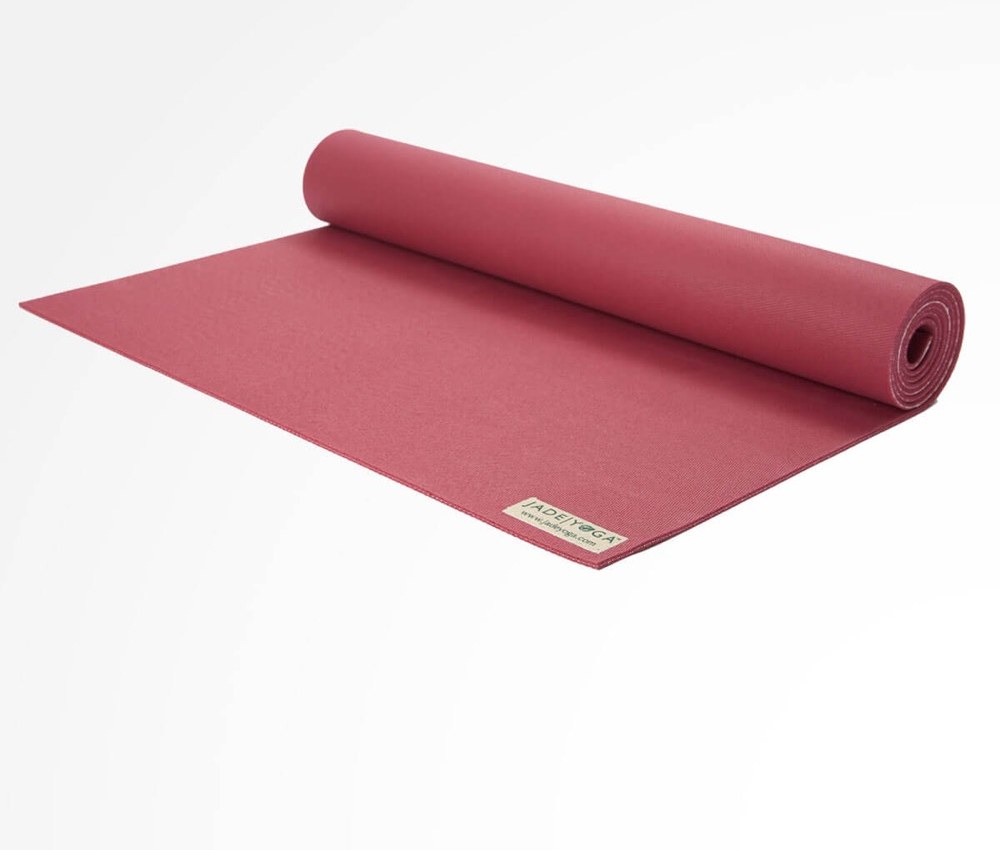 Best OverallJade Harmony Professional Natural Rubber Mat |
OEKO-TEX CertifiedNatural Tree Rubber |
Check price → |
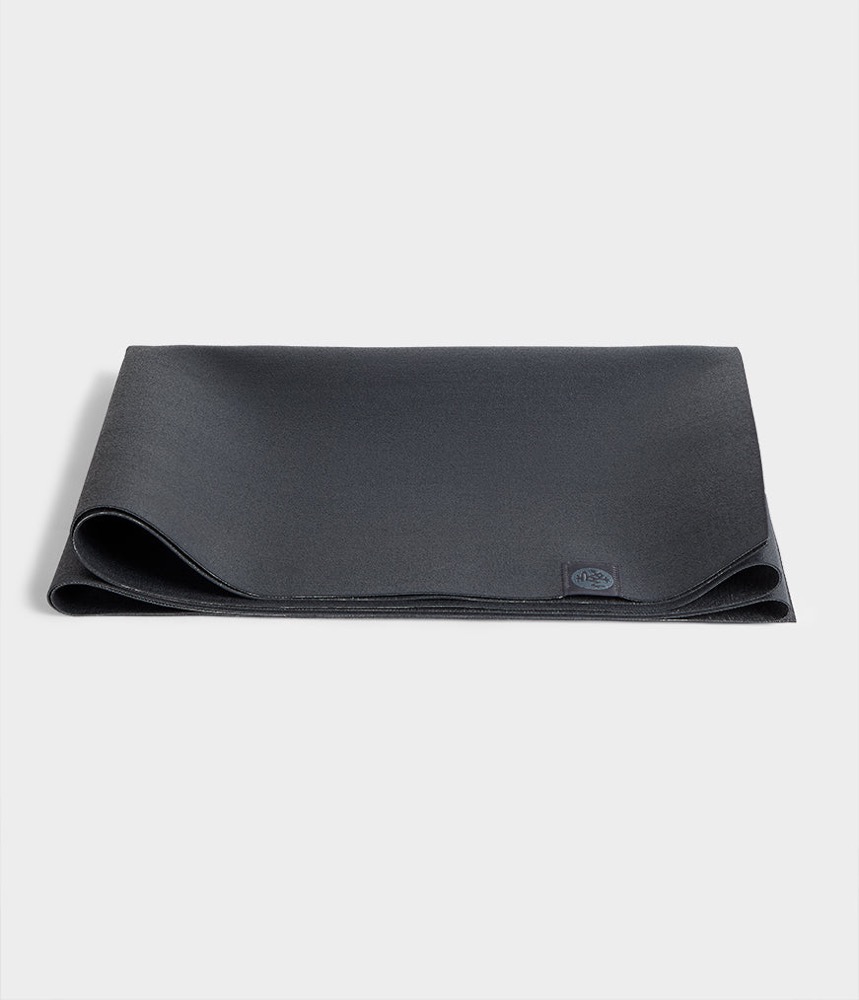 Best for TravelManduka eKO Superlite Travel Mat |
Natural Tree RubberNo PVC |
Check price → |
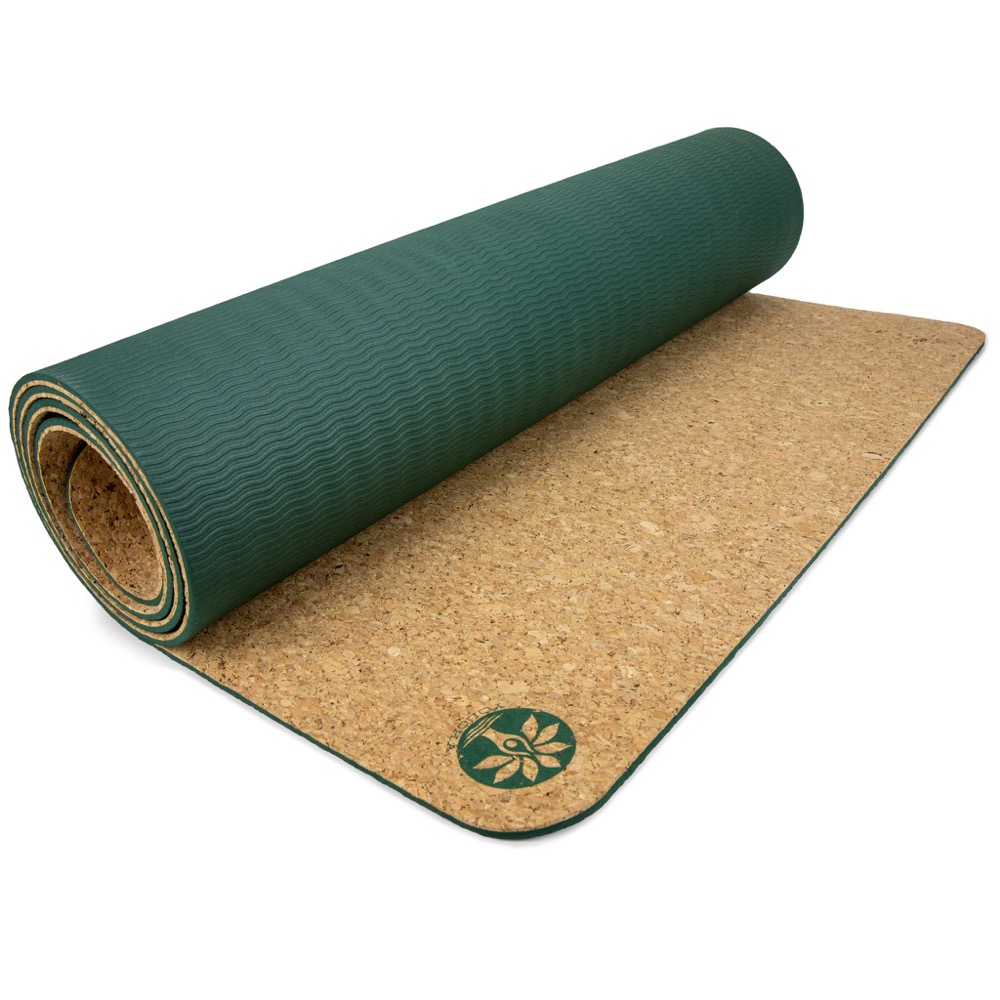 Best for Hot YogaYoloha Original Cork Yoga Mat |
Natural Cork SurfaceUSDA Bio-Based |
Check price → |
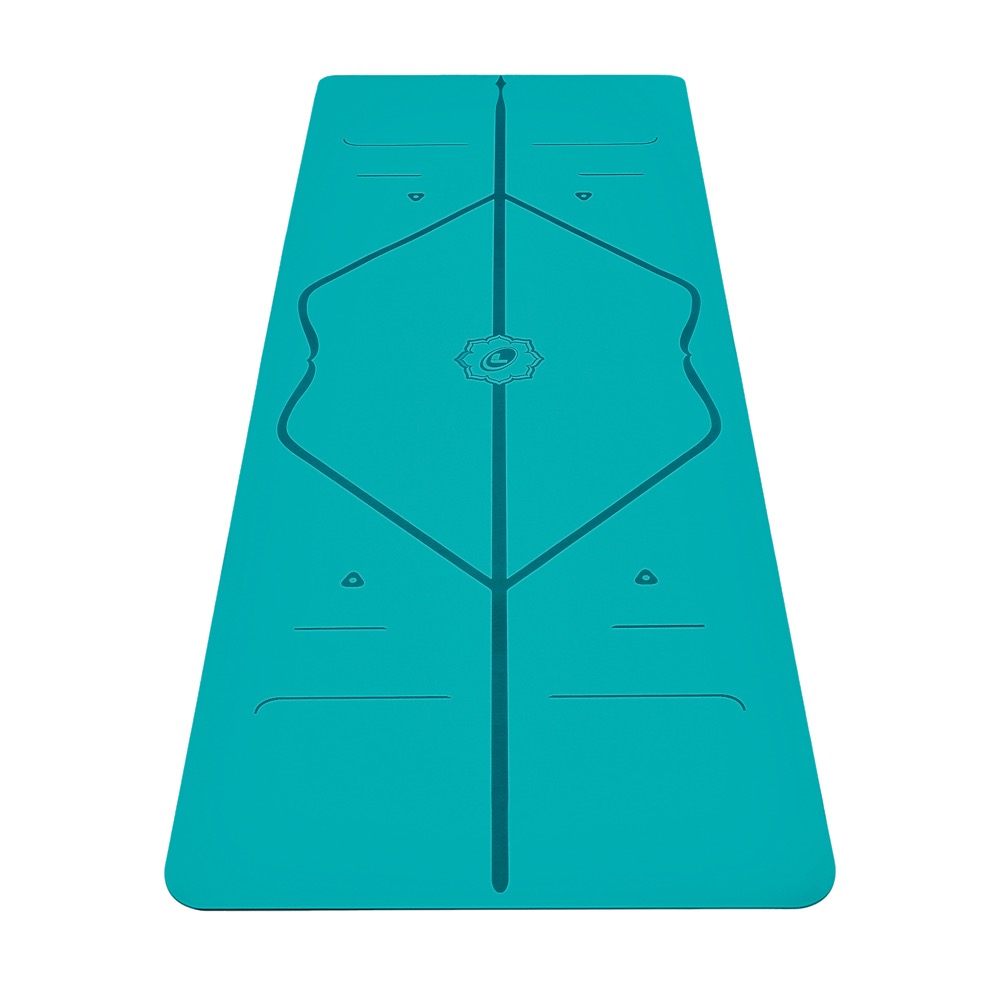 Best PremiumLiforme Original Yoga Mat |
OEKO-TEX CertifiedNatural Rubber Base |
Check price → |
Why Your Yoga Mat Matters More Than You Think
Yoga is supposed to be healthy. You show up, roll out your mat, and spend the next hour breathing deeply with your face inches from its surface. But if that mat is made from polyvinyl chloride — PVC, the most common yoga mat material on the market — every deep inhale may be pulling volatile organic compounds and plasticizer fumes into your lungs.
This isn't speculation. A 2019 study published in Environmental Science & Technology by Noguchi et al. measured emissions from PVC flooring and fitness products, finding that DEHP (di-2-ethylhexyl phthalate) and other plasticizers off-gassed at measurable rates, with emission levels increasing significantly at elevated temperatures. In a hot yoga studio heated to 95–105°F, those emission rates climb even higher.
The problem compounds because of how we use yoga mats. Unlike a PVC shower curtain across the room, you press your hands, face, and bare skin directly against this material. You breathe at 2–3 times your resting rate during vigorous flows. And many people practice in heated or poorly ventilated rooms, where airborne microplastics and off-gassed fumes concentrate — one reason an air purifier that captures microplastics is worth having wherever you work out (here is how microplastics get into the air you breathe).
Finding the best non-toxic yoga mat in 2026 means understanding what chemicals to avoid and which alternative materials actually deliver on performance. That's what this guide covers.
The Problem with PVC Yoga Mats
Phthalate Plasticizers
PVC on its own is rigid and brittle. To make it soft and flexible enough for a yoga mat, manufacturers add plasticizers — typically phthalates like DEHP, DINP, and DBP. These chemicals are not chemically bonded to the PVC polymer. They migrate to the surface over time, a process called "blooming," and they volatilize into the air you breathe.
A landmark review by Hauser and Calafat (2005, International Journal of Andrology) documented the endocrine-disrupting properties of several phthalates, linking DEHP and DBP exposure to anti-androgenic effects and reproductive harm in animal models. Later human epidemiological work by Swan et al. (2015, Human Reproduction) associated prenatal phthalate exposure with altered reproductive development. For a deeper look at the full evidence base, see our guide on microplastics and hormone disruption.
Hot yoga warning: Heat accelerates phthalate off-gassing. A study by Xu et al. (2014, Environmental Science & Technology) demonstrated that DEHP emission rates from PVC materials doubled with every 10°C rise in temperature. In a hot yoga studio at 40°C (104°F), your mat may release plasticizers at 4× the rate of a room-temperature practice.
Volatile Organic Compounds (VOCs)
That strong chemical smell when you unroll a new PVC yoga mat? Those are VOCs off-gassing from the material. Research by Shinohara et al. (2019, Science of the Total Environment) analyzed emissions from consumer PVC products and detected toluene, phenol, and several chlorinated hydrocarbons among the volatile compounds released.
While individual VOC levels from a single mat may fall below occupational exposure limits, those limits were designed for adult workers in ventilated industrial settings — not for someone breathing deeply with their nose pressed against the source. The concentration gradient directly at the mat surface can be dramatically higher than room-average levels.
Chlorine and Dioxins in Manufacturing
PVC is the only common consumer plastic that contains chlorine (the "C" in PVC stands for chloride). Manufacturing PVC releases dioxins and furans — some of the most persistent and toxic environmental pollutants known. According to the U.S. EPA, PVC production is one of the largest industrial sources of dioxin emissions. When PVC yoga mats eventually reach the landfill or incinerator, they continue to generate these pollutants.
Microplastic Shedding
As PVC mats degrade through friction and use, they shed microplastic particles. These particles can become airborne in the thin boundary layer of air above the mat — exactly where your face sits in poses like child's pose or savasana. For more on how microplastics show up in everyday products, see our guide on microplastics in clothing. Bear in mind that mat exposure compounds with dietary exposure — our ranking of which foods carry the most microplastics shows that the average person ingests tens of thousands of particles per year from food alone.
What to Look for in a Non-Toxic Yoga Mat
Not every mat labeled "eco-friendly" is actually non-toxic. Here's what genuinely matters:
- Material: Natural rubber, cork, organic cotton, or certified-safe TPE (thermoplastic elastomer). Avoid PVC, EVA foam (which may contain formamide), and mats with unspecified "eco" foam.
- Certifications: OEKO-TEX Standard 100 (tested for harmful substances), GOTS (for organic textiles), or MADE SAFE certify that the product has been screened for known toxic chemicals.
- No added plasticizers: Look for mats that specifically state they are phthalate-free. "BPA-free" alone is not sufficient — as we've written about in our article on why BPA-free isn't necessarily safe, removing one chemical often means replacing it with another.
- No heavy metal pigments: Some brightly colored mats use lead- or cadmium-based pigments. OEKO-TEX certification screens for these.
- Closed-cell structure: Prevents moisture and bacteria from penetrating the mat, reducing the need for antimicrobial chemical treatments.
Tip: Natural rubber has a mild, earthy smell when new that fades within a week. This is from natural plant compounds in the latex, not synthetic chemicals. If your mat smells sharply chemical or plasticky weeks after purchase, that's a red flag.
Comparison: The 4 Non-Toxic Yoga Mats at a Glance
Every mat below is PVC-free, phthalate-free, and made from natural rubber or cork. The differences that will decide the choice for you are grip in a sweaty room, thickness, weight, and how each one handles daily use. Full picks and buy links follow the table.
| Mat | Material | Certification | Thickness | Weight | Best for | Honest trade-off |
|---|---|---|---|---|---|---|
| Jade Harmony | Natural tree rubber | OEKO-TEX Standard 100 | 3/16" (~5 mm) | ~6.5 lbs | Daily home practice (dry grip) | Grip fades when the surface gets wet; open-cell rubber absorbs sweat and needs weekly cleaning |
| Manduka eKO Superlite | Natural tree rubber | — | 1.5 mm | 2.2 lbs | Travel & studio overlay | Too thin for cushion on hard floors; closed-cell surface can feel slick under heavy sweat |
| Yoloha Original Cork | Cork over sugarcane plant-foam base | USDA Bio-Based (51%) | — | — | Hot yoga & latex allergies | Can feel slippery when bone-dry until sweat kicks in; heavier and pricier than expected |
| Liforme Original | Natural rubber base + eco-polyurethane top | OEKO-TEX Standard 100 | — | ~5.5 lbs | Premium alignment help | Priciest in this set; heavy to carry; biodegradable top can wear down under daily hot yoga |
Specs, certifications, and trade-offs come from each brand’s product listing and long-form owner reviews on Amazon; dashes mean the manufacturer does not publish that spec. Prices are not shown because Amazon prices change daily — tap through to see today’s.
Best Non-Toxic Yoga Mats for 2026
We evaluated mats based on material safety, certifications, grip performance, durability, and real-world user feedback. Here are our top picks.
Best Overall
Jade mats are made from natural rubber tapped from rubber trees, with no PVC, EVA, or synthetic rubber. The Harmony is their most popular model at 3/16" thick — enough cushion for most practices without sacrificing stability. Jade plants a tree for every mat sold through a partnership with Trees for the Future. The grip is outstanding, especially in warm or sweaty conditions where PVC mats become slippery. The main trade-off is weight (about 6.5 lbs for the 68" version) and a natural rubber smell that takes a few days to air out. OEKO-TEX certified.
Owners rave about the Jade Harmony's dry grip, calling it one of the stickiest natural-rubber mats they have used and reliable for holding poses. The honest downsides: that grip fades when the surface gets wet, so heavy sweaters and hot-yoga practitioners report it turning slick; the open-cell rubber soaks up sweat, oil and bacteria, which means weekly cleaning and some visible staining over time; and it carries real heft, so commuters hauling it to a studio notice the weight.
You breathe inches from this surface for an hour at a time. Natural rubber means no phthalate fumes and no plasticizer "bloom" transferring onto your skin in every pose.
Why it's safe: 100% natural tree rubber with no PVC, no phthalate plasticizers, and no chlorine — OEKO-TEX Standard 100 certified, meaning it's been independently screened for harmful substances.
Check Today’s Price on Amazon →Amazon prices change daily — tap to see today's price and any active discount.
- Free delivery & returns for Prime members
- Amazon A-to-z purchase guarantee
Best for Travel
If weight is your primary concern, the Manduka eKO Superlite is a natural tree rubber mat that folds to the size of a newspaper and weighs just 2.2 lbs. At 1.5mm thick, it's designed as a travel mat or a hygienic overlay on studio mats, not as a standalone cushion. The natural rubber provides genuinely excellent grip. Free from PVC, toxic plasticizers, and harmful dyes. Manduka's eKO line uses non-toxic, water-based inks for their colored versions. This is the best option for yogis who travel frequently and want to avoid practicing on shared PVC studio mats.
Travelers pick the eKO Superlite for the obvious reason: at about 2 pounds and 1.5 millimeters it folds into a bag, and buyers report the natural-rubber grip is dependable once broken in, with one saying theirs lasted around four years. The honest downsides: that thinness means little cushioning on hard floors, so it is a travel mat more than a daily home mat; the closed-cell surface can feel slick if you sweat, which Manduka itself notes makes it a poor fit for heavy-sweat styles; and one hot-yoga user saw it start breaking down after roughly 20 sessions.
Shared studio mats are usually PVC and you have no idea how they're cleaned. A foldable natural-rubber mat means your own non-toxic surface fits in any bag.
Why it's safe: Single-layer natural tree rubber with no PVC, no toxic plasticizers, and no harmful dyes — colored versions use water-based inks instead of solvent-based pigments.
Check Today’s Price on Amazon →Amazon prices change daily — tap to see today's price and any active discount.
- Free delivery & returns for Prime members
- Amazon A-to-z purchase guarantee
Best for Hot Yoga
Cork is a remarkable material for yoga — it's naturally antimicrobial, becomes grippier when wet (making it ideal for hot yoga), and is renewable, harvested from cork-oak bark without felling the tree. Yoloha pioneered cork yoga mats; the Original pairs a natural cork surface with a sugarcane-derived "Plant Foam" base, and is made with 51% USDA-certified bio-based materials. No PVC, no plasticizers, no latex, and no rubber smell. Cork mats are hypoallergenic, making them the go-to option for anyone with a latex allergy who can't use natural rubber. The surface develops a beautiful patina with use.
The cork surface is the draw: owners report it grips better the more they sweat, and testers who used it for ten months found minimal wear, noting cork resists the scuffing and grip-loss that wears out rubber mats. It averages 4.89 out of 5 across dozens of reviews. The honest downsides: cork can feel slippery when bone-dry until a little moisture builds, the softer rubber underside sometimes slides on smooth tile or hardwood, and buyers mention it is heavier and pricier than they expected.
In a heated room a PVC mat off-gasses faster and turns slick. Cork does the opposite — it grips harder as you sweat, with no plasticizer fumes in the hot air you're breathing.
Why it's safe: A natural cork practice surface over a sugarcane plant-foam base — no PVC, no plasticizers, and no latex, so it's safe even for those with latex allergies. Made with 51% USDA-certified bio-based materials.
Check Today’s Price on Amazon →Amazon prices change daily — tap to see today's price and any active discount.
- Free delivery & returns for Prime members
- Amazon A-to-z purchase guarantee
Best Premium
Liforme mats use a proprietary natural rubber base with an "eco-polyurethane" top surface. They're free from PVC, toxic plasticizers, and heavy metals, and the entire mat is biodegradable under the right conditions. What sets Liforme apart is the alignment system — subtle guide lines on the surface that help with hand and foot placement. The grip is among the best available, rivaling natural rubber in both dry and wet conditions. OEKO-TEX certified. The higher price point reflects the premium materials and construction. Comes with a recycled-material carry bag.
Liforme owners are among the most loyal in the category, praising the standout grip and the printed alignment guide that helps square up posture, and most long-term users say the surface does not peel or flake even after years of hot yoga. The honest downsides: at $160 it is one of the priciest mats sold; it is heavy at about 5.5 pounds, so it is a chore to carry to class; the biodegradable material attracts bugs if used outdoors; and daily heated practice can wear the grip down within a few hundred sessions, meaning roughly annual replacement for the most dedicated.
The etched AlignForMe guides quietly fix your placement so you stop reinforcing crooked habits — on a surface with zero PVC fumes to breathe through your flow.
Why it's safe: Natural rubber base with an eco-polyurethane top — no PVC, no toxic plasticizers, and no heavy-metal pigments, OEKO-TEX certified and biodegradable at end of life.
Check Today’s Price on Amazon →Amazon prices change daily — tap to see today's price and any active discount.
- Free delivery & returns for Prime members
- Amazon A-to-z purchase guarantee
Material Comparison: Natural Rubber vs. Cork vs. TPE
Natural Rubber
Natural rubber (harvested from Hevea brasiliensis trees) is the gold standard for non-toxic yoga mats. It provides excellent grip, good cushioning, and contains no synthetic plasticizers. The material is biodegradable and sourced renewably when harvested from sustainably managed plantations.
The downsides: natural rubber mats are heavier than PVC (typically 5–7 lbs vs. 3–4 lbs for PVC), they degrade in direct sunlight due to UV sensitivity, and people with severe latex allergies cannot use them. Natural rubber also has a higher price point, though the 3–5 year lifespan generally offsets the initial cost.
Cork
Cork is harvested from the bark of cork oak trees (Quercus suber) without harming the tree, which regenerates its bark over 9-year cycles. Cork's cellular structure makes it naturally antimicrobial — a 2015 study by Silva et al. in Journal of Applied Microbiology confirmed that cork surfaces showed significant antibacterial activity against E. coli and S. aureus compared to synthetic alternatives.
Cork mats perform exceptionally well in hot yoga because the grip improves with moisture. They're heavier than rubber mats but completely latex-free.
TPE (Thermoplastic Elastomer)
TPE is a synthetic material, but unlike PVC, it doesn't require plasticizer additives to achieve flexibility. Quality TPE mats are free from phthalates, heavy metals, and chlorine. The material is lighter than natural rubber and more affordable. However, TPE is still a plastic — it won't biodegrade — and the manufacturing process is less transparent than natural rubber sourcing. Look for TPE mats with specific third-party certifications (SGS, OEKO-TEX) rather than vague "eco" claims.
Latex allergy note: If you have a confirmed latex allergy, choose cork or certified TPE. Natural rubber contains latex proteins that can trigger reactions ranging from contact dermatitis to, in rare cases, anaphylaxis. Cork mats with a non-latex base layer are the safest alternative.
What About EVA Foam Mats?
EVA (ethylene-vinyl acetate) foam mats are often marketed as a PVC-free alternative, and they are indeed chlorine-free. However, EVA mats have their own chemical concern: formamide.
Formamide is a foaming agent used in EVA production. It's classified as a reproductive toxicant by the European Chemicals Agency (ECHA). A 2016 investigation by Belgian consumer organization Test-Achats found formamide in EVA foam products at levels exceeding the Belgian legal limit of 200 mg/kg. While major mat brands have taken steps to reduce formamide, the compound can be difficult to fully eliminate from EVA foam manufacturing.
EVA caution: If you choose an EVA mat, verify that the manufacturer provides independent testing data for formamide content. "Formamide-free" claims without third-party certification should be treated with skepticism.
How to Reduce Chemical Exposure from Any Yoga Mat
Even if you can't replace your mat immediately, these steps can reduce your exposure:
- Air out new mats: Unroll any new mat and leave it in a well-ventilated area (not direct sunlight) for 3–7 days before first use. This allows the highest-concentration initial VOC off-gassing to dissipate.
- Use a towel overlay: An organic cotton yoga towel placed over a PVC mat creates a physical barrier between your skin and the mat surface. This won't eliminate airborne VOCs but reduces dermal absorption of plasticizers.
- Practice in ventilated spaces: Open windows or doors when possible. VOC concentrations are dramatically lower with even modest air exchange.
- Clean your mat regularly: Wiping with a damp cloth removes surface plasticizer bloom. Use diluted white vinegar or a simple water-and-tea-tree-oil solution rather than chemical mat cleaners.
- Avoid storing mats in hot cars: The heat accelerates plasticizer migration and VOC off-gassing. Store your mat at room temperature.
For a broader look at reducing plastic-derived chemicals across your daily life, our guide on how to detox from microplastics covers the highest-impact swaps beyond just your yoga mat. The kitchen plastic detox guide is a good companion read — the kitchen is where most daily plastic exposure actually happens, from cookware to food storage to packaging.
What the Research Says About Dermal Absorption
One question that comes up frequently: can phthalates from a yoga mat actually get into your body through skin contact?
Yes. Weschler et al. (2015, Environmental Health Perspectives) conducted a controlled study where participants were exposed to DEHP in air while wearing minimal clothing. They found that dermal absorption of DEHP was comparable to inhalation uptake — meaning skin contact with plasticizer-containing surfaces is a meaningful exposure route, not just a theoretical one.
During yoga, this is particularly relevant. You press your palms, forearms, shins, and forehead against the mat. Your skin is warm, your pores are open, and many poses involve sustained contact. Add the increased breathing rate and you have two simultaneous exposure pathways operating at elevated intensity.
Caring for Your Non-Toxic Mat
Natural materials require slightly different care than PVC:
- Natural rubber: Clean with a damp cloth and mild soap. Never use essential oils directly on the mat (they can degrade rubber). Keep out of direct sunlight and store rolled, not folded. Allow to air dry completely before rolling up.
- Cork: Wipe with water and a small amount of white vinegar. Cork is naturally antimicrobial, so you don't need antibacterial sprays. Avoid submerging in water. Cork mats can handle brief sunlight but prolonged UV will dry out the surface.
- TPE: Clean with warm water and mild soap. TPE is more tolerant of cleaning products than natural rubber but avoid alcohol-based sprays. Air dry before storing.
Longevity tip: Rotating between two mats (for example, one for home practice and one for studio) can extend the lifespan of both. Natural rubber mats that are used daily may show wear at 2–3 years, while those used 3–4 times per week can last 5+ years.
The Bottom Line
The best non-toxic yoga mat in 2026 is one made from natural rubber, cork, or certified-safe TPE — with third-party testing to verify the absence of phthalates, heavy metals, and formamide. For most practitioners, a natural rubber mat like the Jade Harmony offers the best combination of grip, cushion, and chemical safety. For hot yoga or latex allergies, cork is the superior choice. For budget-conscious or travel-focused yogis, a quality TPE mat with OEKO-TEX certification is a solid step up from PVC.
Your yoga practice is an investment in your health. Your mat shouldn't undermine that investment by exposing you to the very chemicals you're trying to avoid.